
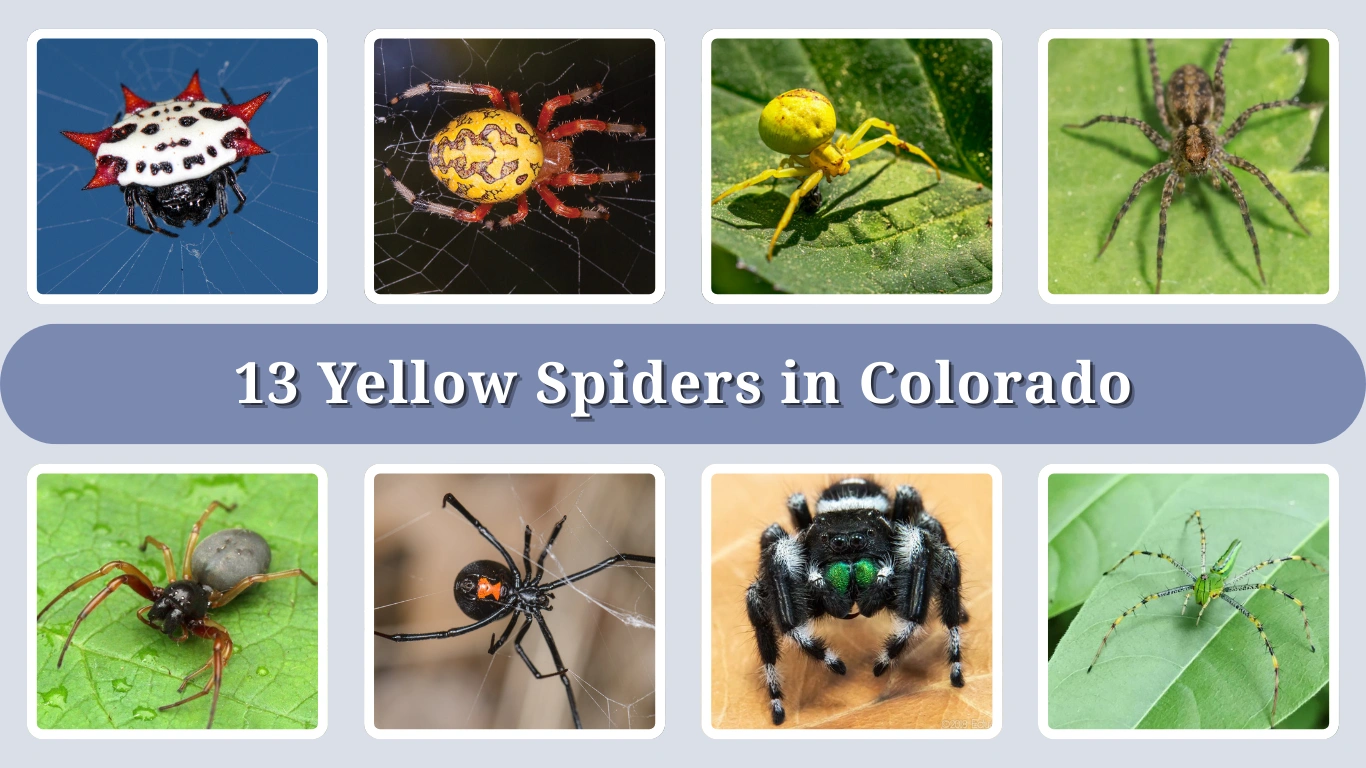
Spiders with yellow, black, or red markings are frequently spotted across Colorado, from gardens to grasslands. Many of these species stand out with bright colors, unusual patterns, or distinctive behaviors. While some are harmless, a few can deliver bites that cause irritation. This guide highlights 13 notable yellow-related spiders in Colorado, covering their identification, color patterns, habitats, and behaviors to help you recognize them more easily.
1. Yellow Sac Spider

Yellow Sac Spiders are small, often pale yellow or greenish spiders found across North America, including Colorado. They are known for their nocturnal hunting and their painful bite, which can sometimes be mistaken for that of a brown recluse.
Identification
- Size: 0.25 to 0.5 inches long
- Body shape: Elongated with slightly darker head region (cephalothorax)
- Legs: Long, slender, slightly darker at the tips
- Eyes: Eight eyes arranged in two rows
Color Pattern
These spiders are typically pale yellow, beige, or light green, sometimes with a faint darker stripe running down the center of the abdomen. The legs often have darker tips, making them easier to distinguish when closely observed.
Habitat
Yellow Sac Spiders commonly build small silk sacs or tubes in corners, under leaves, or near human structures. In homes, they may be found in ceilings, wall joints, or behind furniture. Outdoors, they are often seen in low vegetation, gardens, and under stones.
Behaviors
They are nocturnal hunters, actively searching for prey instead of building webs to trap insects. Yellow Sac Spiders can be quick and defensive if disturbed. Their bites, while not deadly, can cause localized pain, redness, and sometimes blistering, which contributes to their reputation as medically significant spiders.
2. Golden Orb-Weaver (Trichonephila clavipes)

Golden Orb-Weavers are large, striking spiders known for their impressive golden-colored webs and elongated bodies. They are generally harmless to humans and admired for their vivid colors and strong silk.
Identification
- Size: Females 1 to 2 inches, males much smaller
- Body shape: Long, narrow abdomen with noticeable markings
- Legs: Long, often banded with yellow and black
- Eyes: Clustered in two rows
Color Pattern
They display bright yellow and black patterns, with some orange or white markings depending on the species. The shimmering golden hue of their silk makes them easy to identify in sunlight.
Habitat
These spiders prefer warm climates, building large webs in gardens, forests, and open spaces. In Colorado, sightings are less common but possible in warmer areas during summer.
Behaviors
Golden Orb-Weavers are passive, spending most of their time in their large webs. They capture flying insects and rarely leave their web except for mating or relocating. Bites are rare and considered harmless, typically causing only mild irritation.
3. Black and Yellow Garden Spider (Argiope aurantia)
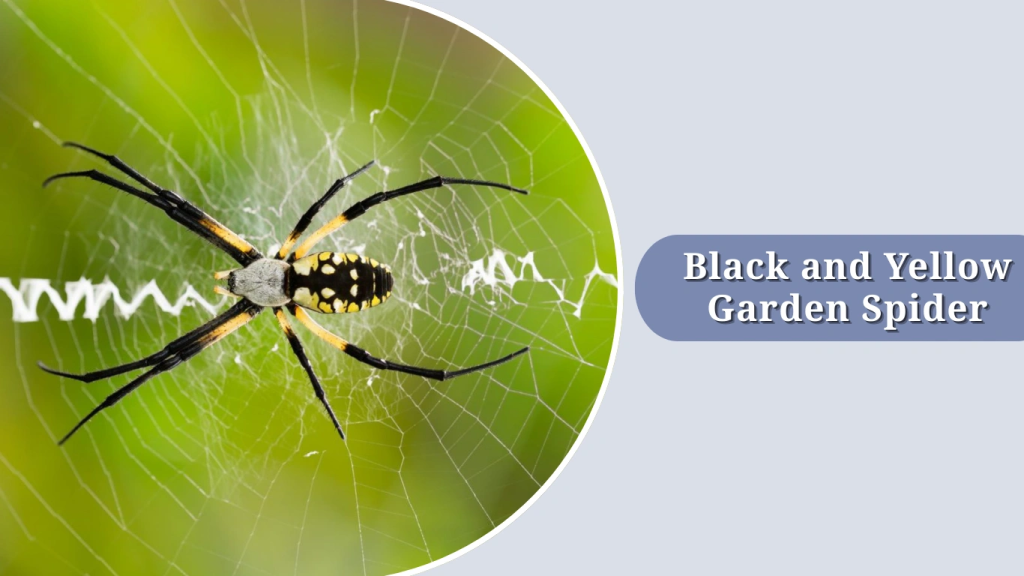
The Black and Yellow Garden Spider is one of the most recognizable orb-weavers, famous for its striking coloration and large webs often decorated with zigzag silk patterns called stabilimenta.
Identification
- Size: Females 0.75 to 1.1 inches, males much smaller
- Body shape: Large, oval abdomen with distinct markings
- Legs: Long, with alternating black and orange/yellow bands
- Eyes: Eight, closely spaced on the front of the head
Color Pattern
They feature bold black and yellow markings across the abdomen, while their legs often show alternating light and dark bands. This contrast makes them stand out prominently in their webs.
Habitat
They are commonly found in gardens, fields, and near human dwellings where insects are abundant. In Colorado, they are widespread during late summer and early fall.
Behaviors
These spiders are web dwellers, sitting at the center of their web with legs outstretched. They use their stabilimentum both for camouflage and to attract prey. Their bites are rare and medically insignificant, generally causing only mild swelling or redness.
4. Crab Spider (Misumena vatia)

Crab Spiders are ambush hunters that often sit motionless on flowers, waiting for prey. They can change color to match their background, making them excellent camouflage predators.
Identification
- Size: Females up to 0.4 inches, males smaller
- Body shape: Flat, wide body resembling a crab
- Legs: Front two pairs longer and angled outward
- Eyes: Eight, arranged in two curved rows
Color Pattern
They are usually white or bright yellow, but can shift between these colors depending on the flower they inhabit. Some display subtle green or pinkish tinges.
Habitat
Crab Spiders are often seen on daisies, goldenrods, and other flowering plants. In Colorado, they thrive in meadows, gardens, and forest edges where blooms attract pollinators.
Behaviors
These spiders do not spin webs for prey capture but ambush visiting insects. They hold prey tightly with their strong front legs and deliver venomous bites. Their camouflage allows them to remain unnoticed by both predators and prey.
5. Green Lynx Spider (Peucetia viridans)
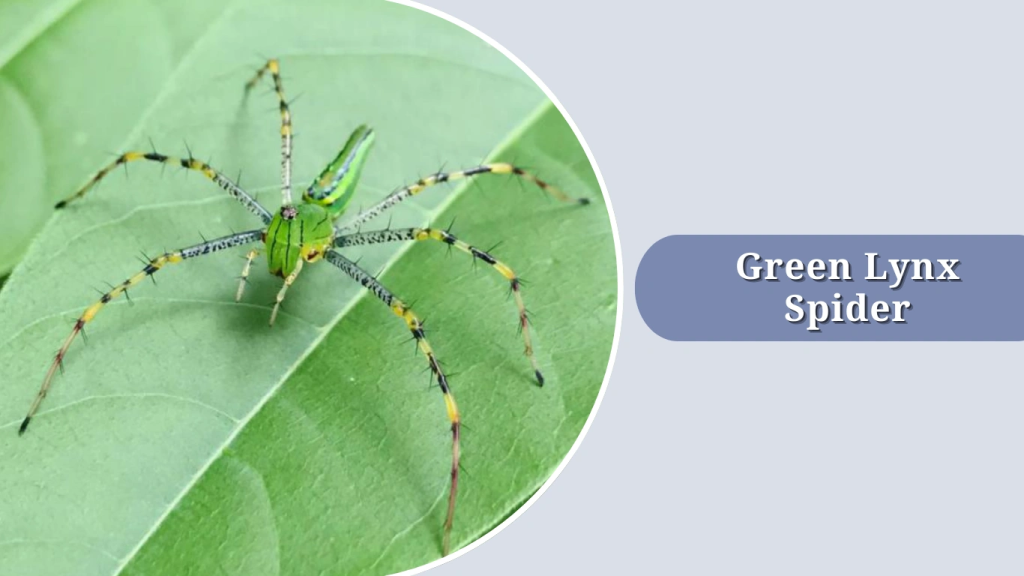
The Green Lynx Spider is a bright, agile hunter often spotted on vegetation. Its vivid colors and excellent jumping ability make it a formidable predator of garden pests.
Identification
- Size: Females up to 0.8 inches, males smaller
- Body shape: Long, slender body with sharp spines
- Legs: Very long and spiny, well-adapted for jumping
- Eyes: Eight, arranged in a hexagonal pattern
Color Pattern
They are usually bright green with a red patch between the eyes and yellow or white stripes along the body. The legs are green with black spines.
Habitat
Green Lynx Spiders prefer shrubs, gardens, and fields where insects are abundant. In Colorado, they are occasionally found during the warmer months on flowering plants.
Behaviors
These spiders are active hunters, not web-builders. They leap on prey with great accuracy, feeding mainly on moths, flies, and pollinators. Though capable of defensive bites, they are not considered dangerous to humans.
6. Bold Jumping Spider (Phidippus audax)
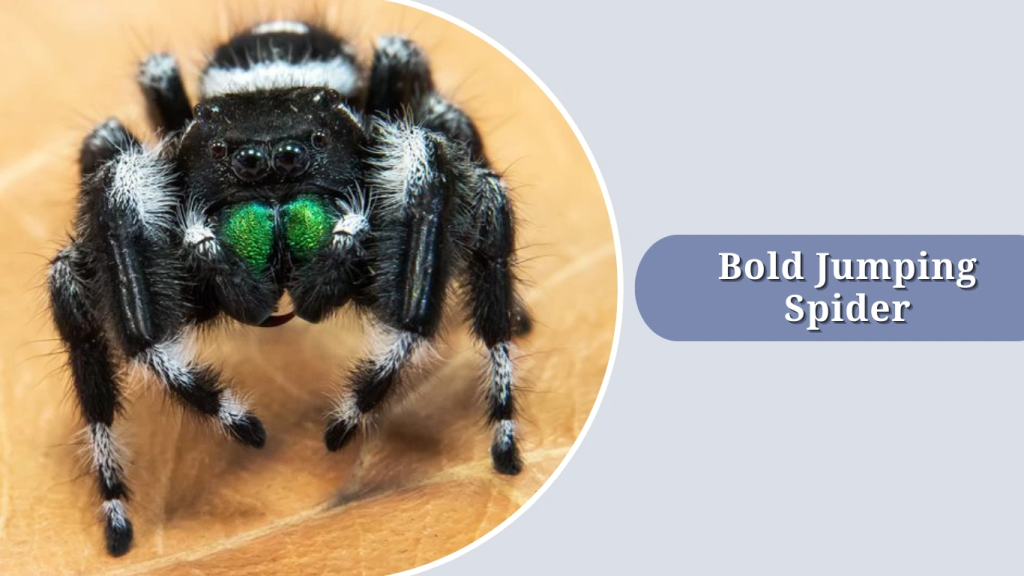
The Bold Jumping Spider is a small, energetic hunter known for its excellent vision and leaping ability. Its black body with bright markings makes it easily recognizable.
Identification
- Size: 0.2 to 0.6 inches
- Body shape: Compact, stout body with short legs
- Legs: Strong, adapted for powerful jumps
- Eyes: Large front-facing eyes for sharp vision
Color Pattern
They are typically black with distinct white or yellowish spots on the abdomen. Some individuals also show iridescent green or blue chelicerae, adding to their unique look.
Habitat
Common in grasslands, gardens, forests, and even indoors, they thrive across Colorado. They prefer sunny areas where they can actively stalk prey.
Behaviors
Bold Jumping Spiders hunt without webs, stalking and pouncing on insects. They are curious and often turn to observe humans. Their bites are rare and harmless, usually causing only mild irritation.
7. Western Black Widow (Latrodectus hesperus)
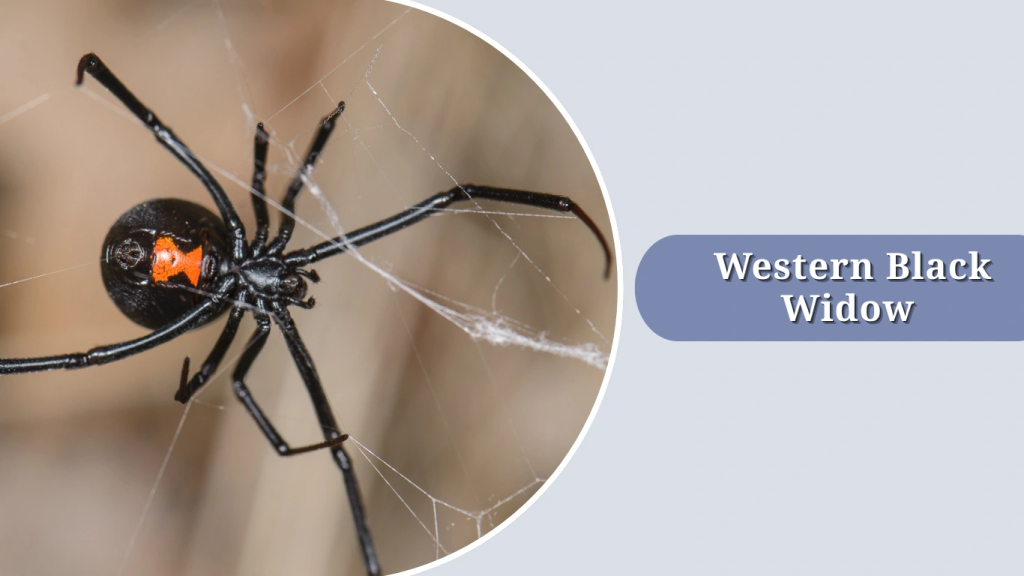
The Western Black Widow is one of the most medically significant spiders in Colorado, known for its glossy black body and red or orange abdominal markings.
Identification
- Size: Females about 0.5 inches, males much smaller
- Body shape: Rounded, shiny abdomen with slim legs
- Legs: Long, thin, and delicate
- Eyes: Eight, small and clustered
Color Pattern
Females are shiny black with the iconic red or orange hourglass marking on the underside of the abdomen. Some may also show faint yellow or white streaks on the back. Males are lighter and less vivid.
Habitat
Black Widows prefer dark, undisturbed areas such as woodpiles, sheds, basements, and rocky crevices. They are widely distributed across Colorado.
Behaviors
They build irregular tangle webs and hang upside down while waiting for prey. The venom is potent, causing muscle pain and cramps in humans, though fatalities are extremely rare with medical treatment.
8. Woodlouse Spider (Dysdera crocata)
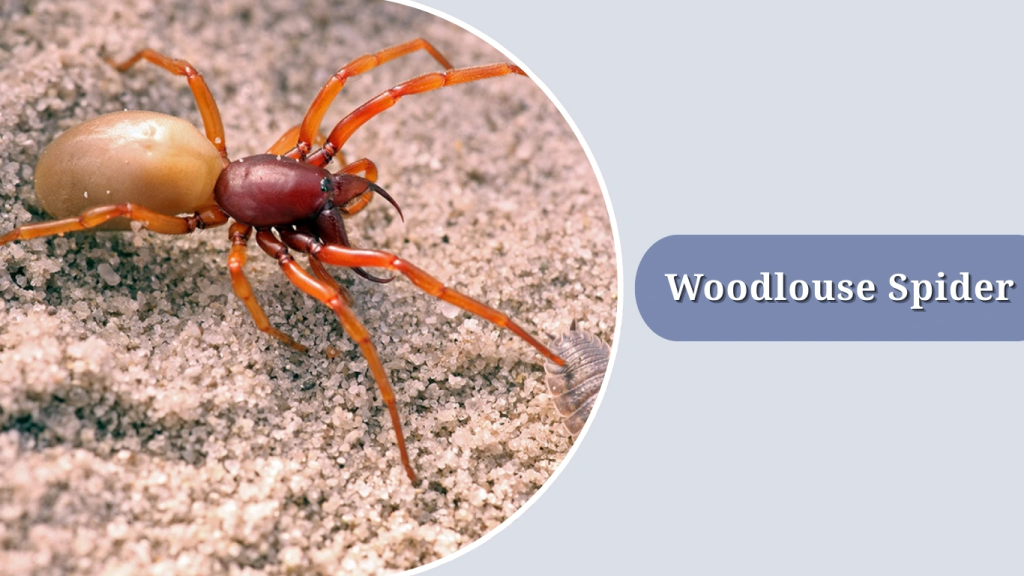
The Woodlouse Spider is recognized by its reddish body and strong fangs, specialized for hunting woodlice. Though intimidating in appearance, it poses little threat to humans.
Identification
- Size: 0.3 to 0.6 inches
- Body shape: Elongated with large, powerful jaws
- Legs: Six legs reddish, rear pair lighter
- Eyes: Six eyes arranged in a semicircle
Color Pattern
They have a deep reddish cephalothorax and legs, with a pale yellow to grayish abdomen. This two-toned contrast makes them stand out from other house spiders.
Habitat
Woodlouse Spiders are usually found under logs, stones, leaf litter, and in damp cellars where woodlice thrive. They are widespread in Colorado but often hidden.
Behaviors
They are nocturnal hunters, actively seeking out woodlice. Their large jaws deliver a strong bite, but for humans, it only causes minor localized pain. They do not use webs for hunting.
9. Ground Sac Spider (Clubiona species)

Ground Sac Spiders are small nocturnal hunters known for building silken retreats and roaming at night in search of prey.
Identification
- Size: 0.2 to 0.4 inches
- Body shape: Slender with elongated abdomen
- Legs: Long and thin, suited for quick movement
- Eyes: Eight, arranged in two rows
Color Pattern
They are typically pale yellowish brown or tan, with darker markings on the abdomen. The legs often appear lighter than the body.
Habitat
Ground Sac Spiders are found under rocks, leaf litter, bark, and occasionally inside homes. In Colorado, they are commonly encountered in grassy areas and forests.
Behaviors
These spiders are active nocturnal hunters, preying on small insects. During the day, they rest in silken sacs attached to hidden surfaces. Their bites can cause mild pain and swelling but are not medically significant.
10. Funnel Weaver Grass Spider (Agelenopsis species)

Funnel Weaver Grass Spiders are fast runners that build sheet-like webs with a funnel retreat. They are frequently seen in lawns and shrubs during summer and fall.
Identification
- Size: 0.4 to 0.8 inches
- Body shape: Elongated with a distinct spinneret visible at the rear
- Legs: Long and slender, built for speed
- Eyes: Eight, arranged in two rows
Color Pattern
They are usually brown to gray with lighter yellow or tan striping along the cephalothorax. The abdomen often has a darker central pattern flanked by paler markings.
Habitat
These spiders are common across Colorado in grasslands, gardens, and around human dwellings. Their webs are often noticed in the morning, covered in dew.
Behaviors
Funnel Weavers wait at the mouth of their funnel for prey, rushing out quickly when vibrations are detected. They rarely bite humans and are not considered dangerous.
11. Goldenrod Crab Spider (Misumena species)
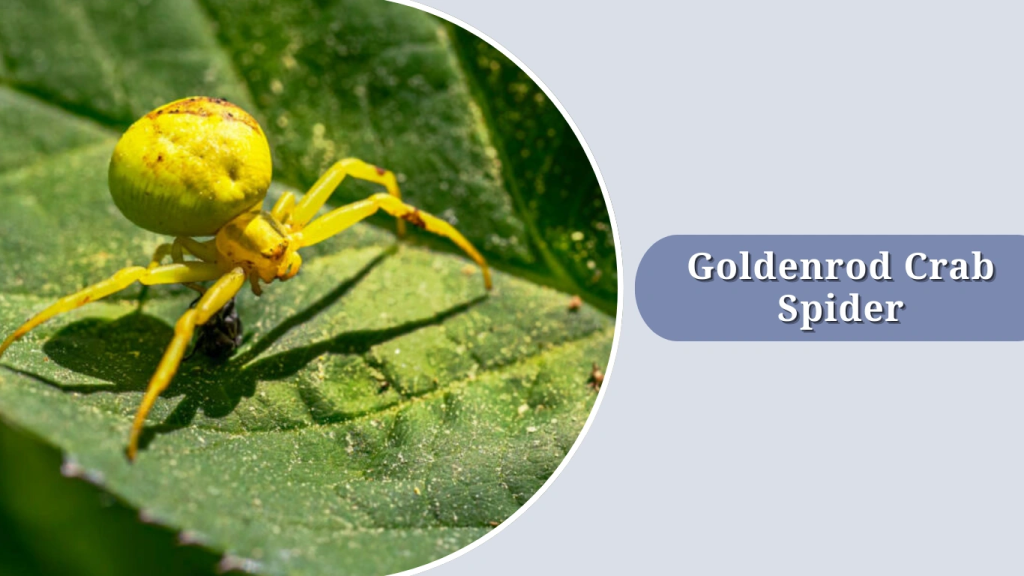
Goldenrod Crab Spiders are flower-dwelling ambush predators capable of blending into their surroundings. They are especially noted for their presence on yellow goldenrod blooms.
Identification
- Size: Females up to 0.4 inches, males smaller
- Body shape: Flat, crablike with wide stance
- Legs: Front legs longer and held outward
- Eyes: Eight, small and evenly spaced
Color Pattern
They are bright yellow or white, sometimes with subtle pink or green hues. Their ability to change color over several days allows them to camouflage perfectly with blossoms.
Habitat
They live primarily on flowers, especially goldenrods, daisies, and other composites. In Colorado, they are often spotted in meadows and gardens during summer.
Behaviors
Goldenrod Crab Spiders ambush pollinators such as bees, butterflies, and flies. They grasp prey with their strong front legs and inject venom. They do not weave capture webs but rely entirely on stealth and camouflage.
12. Marbled Orb Weaver (Araneus marmoreus)
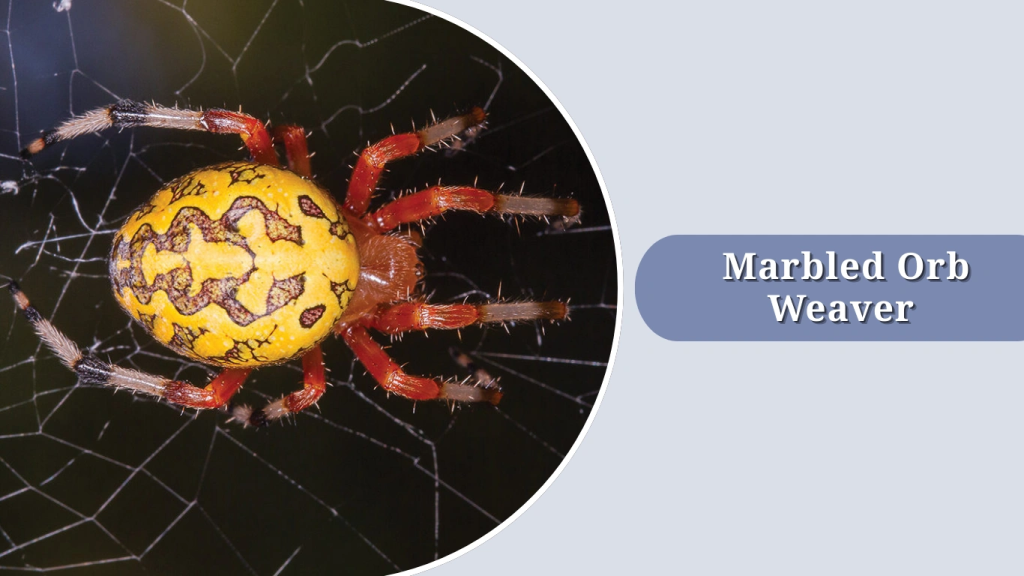
The Marbled Orb Weaver is a colorful orb-weaving spider recognized for its strikingly patterned abdomen. It is often called the “Halloween spider” due to its orange and yellow hues.
Identification
- Size: 0.35 to 0.7 inches
- Body shape: Large, rounded abdomen with intricate markings
- Legs: Long, often banded with orange and black
- Eyes: Eight, arranged in two curved rows
Color Pattern
They display vivid orange, yellow, or cream-colored abdomens with marbled black markings. Some individuals are bright orange with no distinct pattern, while others have elaborate marbling.
Habitat
Marbled Orb Weavers prefer wooded areas, meadows, and gardens. In Colorado, they appear in late summer and fall, constructing large orb-shaped webs in shrubs or tall grass.
Behaviors
They are web-dwellers, sitting in retreats connected to their web by a signal thread. They are shy and retreat when disturbed. Their bites are extremely rare and harmless, causing little more than mild discomfort.
13. Spiny Orb-Weaver (Gasteracantha cancriformis)
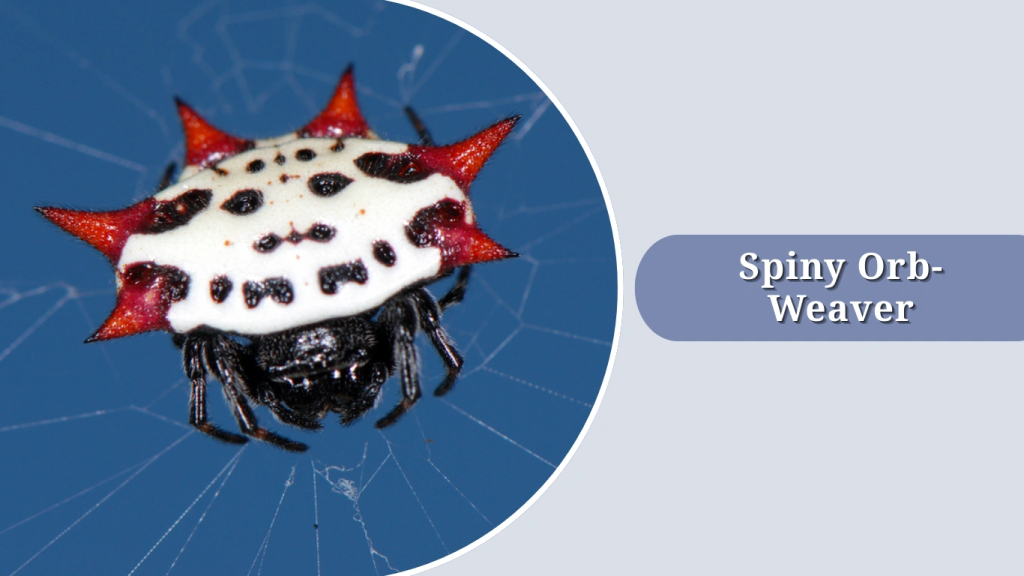
Spiny Orb-Weavers are small but distinctive spiders known for their bright colors and spiny projections on the abdomen.
Identification
- Size: 0.2 to 0.5 inches
- Body shape: Flattened, wide abdomen with six prominent spines
- Legs: Shorter compared to other orb-weavers
- Eyes: Eight, arranged in two rows
Color Pattern
They come in a variety of colors, including yellow with black spots, white with red markings, or red with black. The bright yellow and black-spotted forms are especially noticeable.
Habitat
These spiders inhabit gardens, forests, and open fields. In Colorado, they are less common but can occasionally be found in warmer regions during summer.
Behaviors
Spiny Orb-Weavers build small, circular orb webs to trap flying insects. Despite their fierce appearance, they are harmless to humans. Their bright colors likely serve as a warning to potential predators.