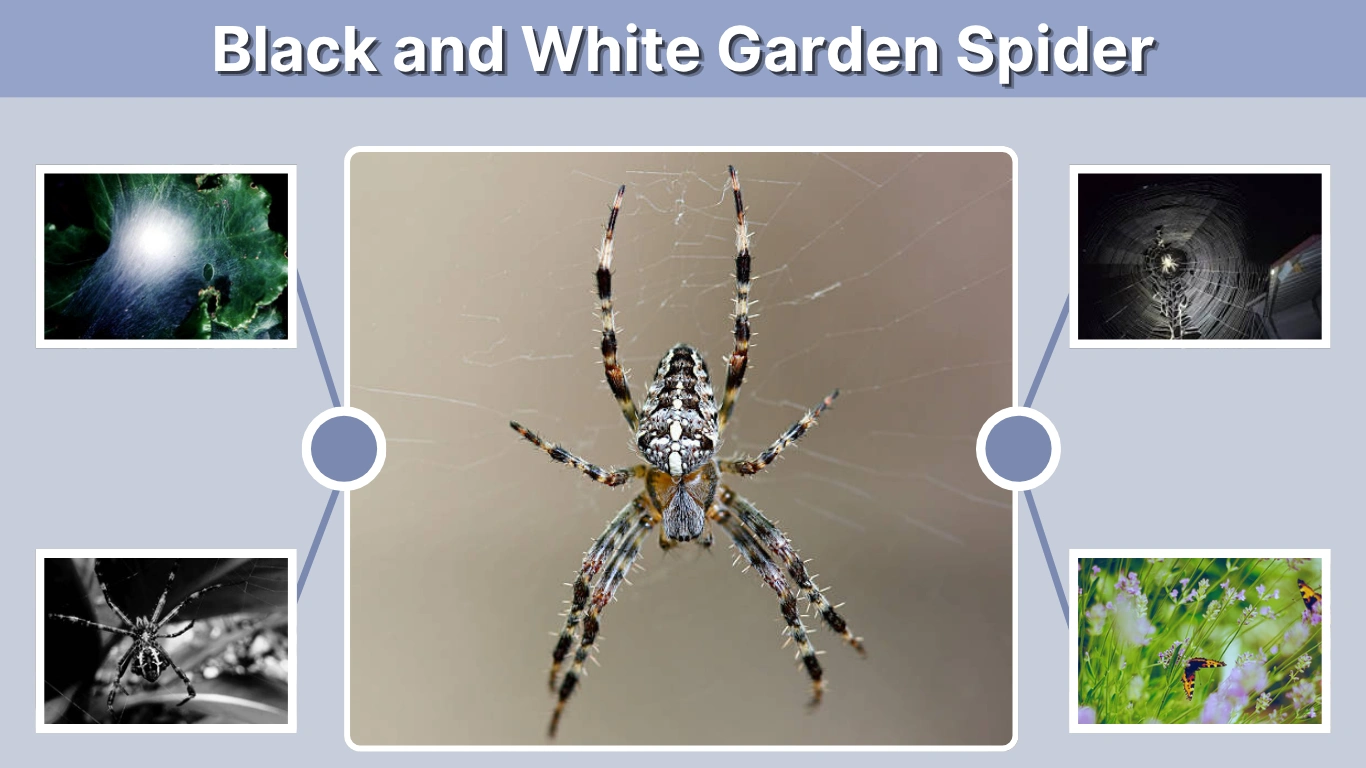
The black and white garden spider, often called the white-backed or banded garden spider, is one of the most visually striking arachnids found in home gardens. With bold patterns and distinctive web designs, these spiders are admired by nature enthusiasts and feared by those unfamiliar with their harmless nature. Found across North America, the United Kingdom, Australia, and beyond, they play a crucial role in maintaining healthy garden ecosystems by controlling insect populations.
Identification and Physical Appearance
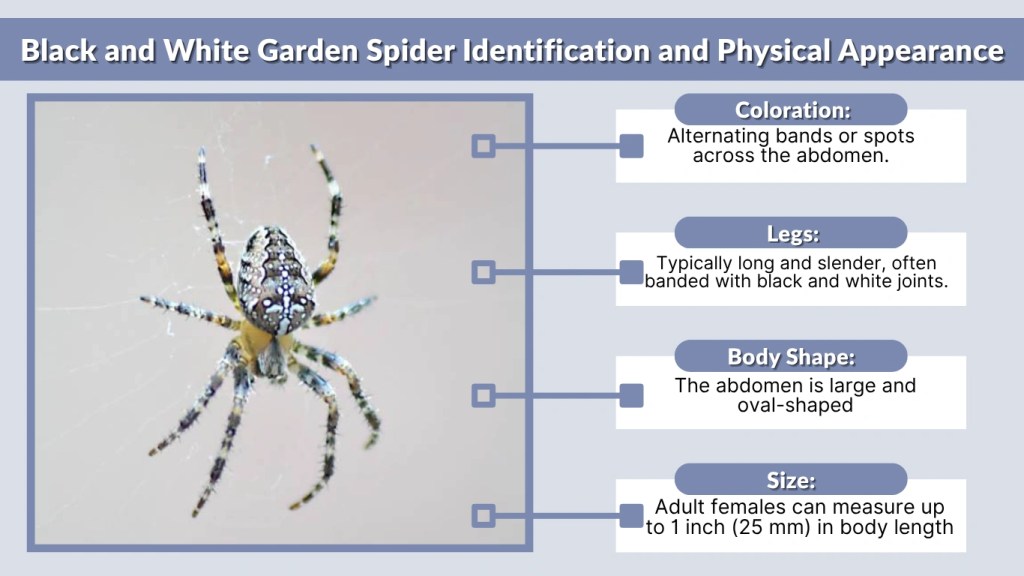
Garden spiders exhibit a wide range of patterns and body colors, from vivid black-and-white contrasts to subtle brown-and-white blends. Their appearance can vary depending on species, age, and region, but certain features make them easy to identify.
Key Characteristics:
- Coloration: Most black and white garden spiders feature alternating bands or spots across the abdomen. Common variations include white-backed, black with white stripes, or brown with white markings.
- Legs: Typically long and slender, often banded with black and white joints. In some species, the legs appear fuzzy or spined, aiding in web construction.
- Body Shape: The abdomen is large and oval-shaped, sometimes pure white or patterned with bold stripes resembling a cross or a zigzag.
- Size: Adult females can measure up to 1 inch (25 mm) in body length, while males are significantly smaller, often half that size.
- Distinct Web Design: Many species, especially orb-weavers, create circular “orb” webs featuring a noticeable zigzag silk pattern known as the stabilimentum.
This dramatic appearance often causes people to mistake them for dangerous species, but in reality, these garden dwellers are harmless and beneficial.
Common Names and Regional Variations
The same type of spider often carries different names depending on its location, leading to confusion among gardeners and enthusiasts. While “black and white garden spider” is the general term, there are several region-specific variants worth noting:
- United Kingdom: Often identified as the white-backed garden spider or white cross spider, these are frequently spotted during late summer.
- United States: Known as the banded garden spider (Argiope trifasciata), featuring white, yellow, and black patterns with a “zipper-like” web.
- Australia: Commonly referred to as the white-backed orb-weaver, notable for its shiny white abdomen and horizontal web placement.
- Canada and Europe: Frequently seen as white garden spiders with pale abdomens, adapted to cooler climates.
Regardless of regional name, they all belong to the orb-weaver family (Araneidae), which contains hundreds of colorful and patterned species.
Habitat and Behavior
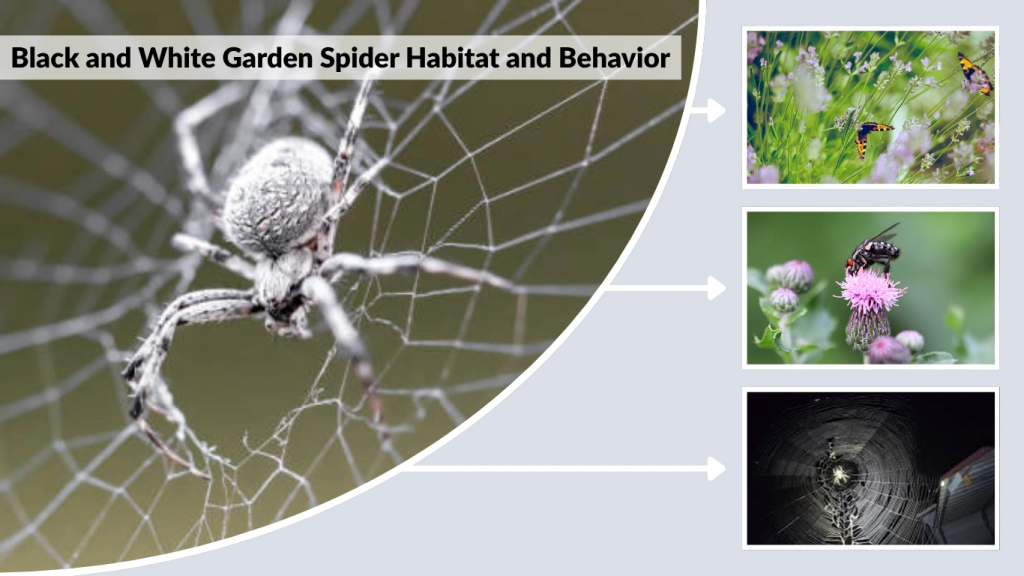
Black and white garden spiders thrive in outdoor environments where prey is abundant. They are often spotted among tall grasses, shrubs, or flowerbeds, constructing large webs that glisten in the morning dew. These spiders prefer quiet, undisturbed corners of gardens, making them common around fences, decks, and sheds.
Habitat highlights:
- Prefer sunny but sheltered areas with access to insects.
- Commonly build webs near flowering plants, where pollinating insects are frequent visitors.
- Webs can reach up to 2 feet (60 cm) in diameter, often rebuilt daily.
- During colder months, they may seek refuge in sheds, wood piles, or leaf litter.
Behaviorally, these spiders are patient hunters. They remain motionless in the center of their web, waiting for vibrations that signal captured prey. When disturbed, some species oscillate the web rapidly — a defensive mechanism to appear larger and deter predators.
Life Cycle and Breeding
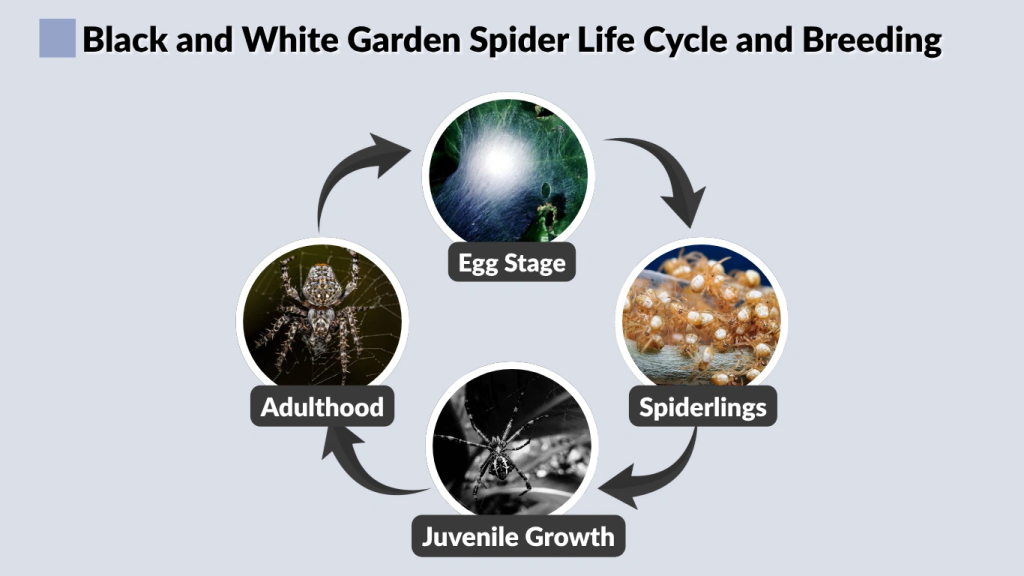
The life cycle of the black and white garden spider is fascinating and closely tied to seasonal changes. Mating typically occurs in late summer or early autumn, and females produce several egg sacs before the onset of winter.
Stages of the Life Cycle:
- Egg Stage: After mating, females spin silky egg sacs that can contain hundreds of eggs. These sacs are usually attached to the web or hidden beneath leaves for protection.
- Spiderlings: Tiny spiderlings hatch in spring and may remain clustered together for several days before dispersing through a process called ballooning, where they release silk strands that catch the wind.
- Juvenile Growth: As they grow, young spiders molt multiple times, gradually developing adult coloration and web-building skills.
- Adulthood: Most reach maturity by mid to late summer. Males die shortly after mating, while females live until the end of the season or slightly beyond.
This cycle repeats annually, ensuring a steady population of natural pest controllers in the garden.
Are Black and White Garden Spiders Poisonous?
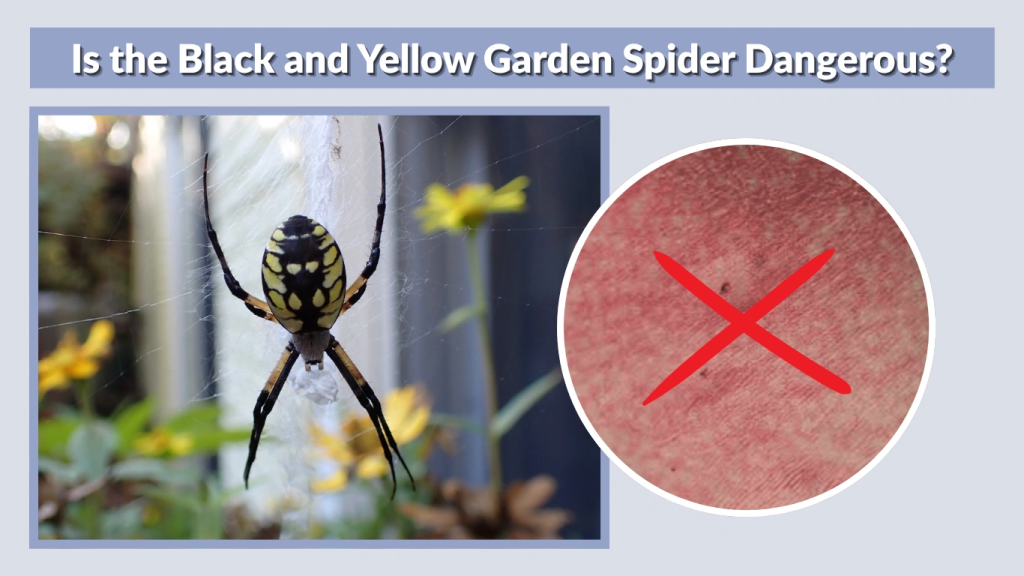
One of the most common misconceptions is that their vivid colors signal danger. In truth, black and white garden spiders are non-aggressive and not poisonous to humans. They possess venom, but it’s designed to subdue small prey like flies, mosquitoes, and grasshoppers — not to harm people.
Facts about their venom and safety:
- The venom’s potency is similar to that of a bee sting, and bites are extremely rare.
- Bites generally occur only when the spider feels trapped, such as when handled directly.
- Symptoms, if any, include mild redness or swelling, which usually subsides within a few hours.
- They are beneficial predators, significantly reducing insect populations in domestic gardens.
Because of their ecological importance, experts recommend leaving them undisturbed rather than killing them.
Difference Between Banded and White-Backed Garden Spiders
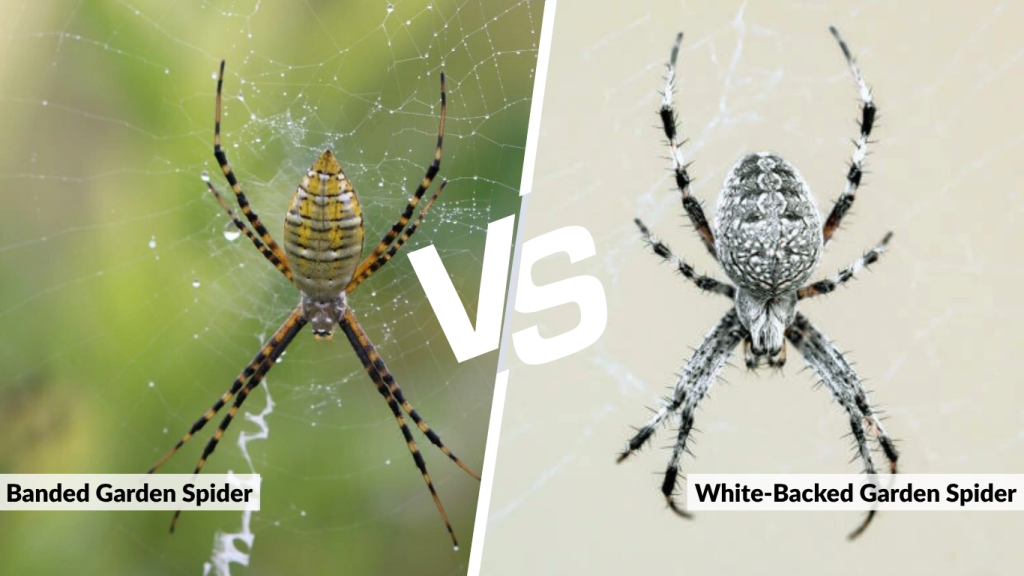
While these two types are closely related and often mistaken for one another, they have distinct traits worth recognizing.
| Feature | Banded Garden Spider | White-Backed Garden Spider |
| Scientific Name | Argiope trifasciata | Plebs eburnus (or similar species) |
| Color Pattern | Yellow, black, and white horizontal bands | Pure white or silver abdomen with black outlines |
| Habitat | Common in North America and the U.K. | Found mainly in Australia and Asia |
| Web Structure | Vertical “zigzag” or “zipper” web | Horizontal orb web |
| Behavior | Active during warm months; rebuilds web daily | Often stays hidden in foliage near web |
Both species share the same predatory habits and beneficial roles in gardens, yet their visual distinctions make them fascinating to observe.
Regional Sightings and Variants
Garden spiders with white or black markings are found in many countries, each adapted to their local climate. Though they share similar traits, regional differences in color, size, and web structure make each population unique.
a. United Kingdom
In the U.K., black and white garden spiders are most often seen from late July to October. The white-backed and cross-patterned orb-weavers are the most common species. They favor hedgerows and flower gardens, weaving their webs across pathways and bushes. Some appear almost pure white, especially females preparing to lay eggs.
b. United States (California, Texas, Ohio)
In the U.S., the banded garden spider (Argiope trifasciata) is the dominant type. In California and Texas, its abdomen features alternating black, white, and yellow rings. Ohio residents sometimes report “white-banded spiders” that turn pale before mating or egg laying. These orb-weavers often spin large webs in open, sunny spots such as cornfields, gardens, and backyards.
c. Australia and Canada
Australia hosts several white-backed orb-weavers, often found near verandas and gardens. They can have glossy white bodies with short black legs, creating a pearl-like appearance. In Canada, similar white garden spiders thrive in late summer and early fall, adapting to cooler weather with denser silk webs for stability.
Role in the Garden Ecosystem
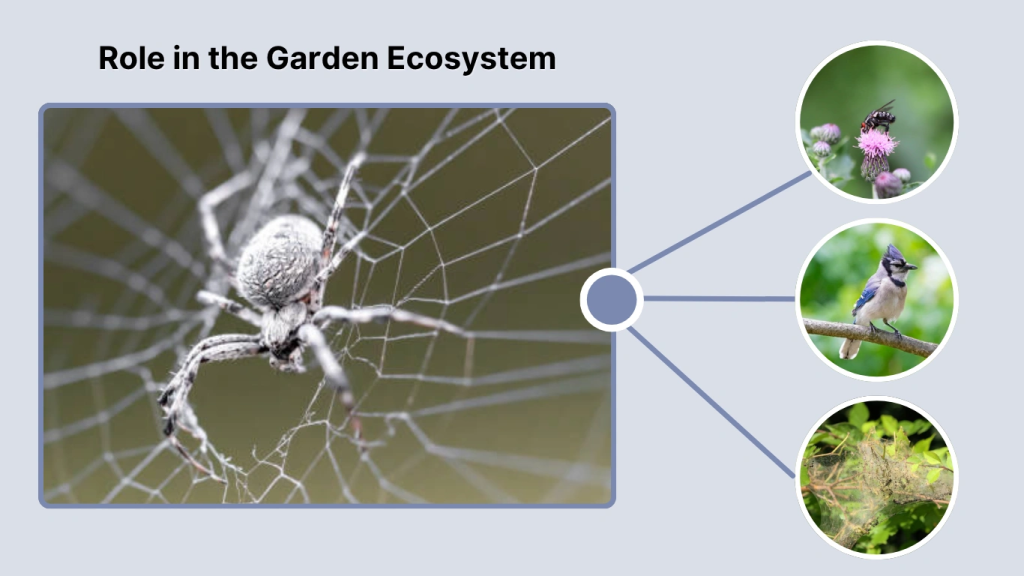
Black and white garden spiders are among the most useful natural pest controllers in domestic spaces. They help maintain ecological balance by reducing harmful insects.
Ecological Benefits:
- Pest Regulation: Feed on mosquitoes, flies, beetles, and other crop-damaging bugs.
- Pollination Support: Indirectly promote pollination by controlling insect populations that harm flowers.
- Food Source: Serve as prey for birds and small reptiles, contributing to food-chain stability.
- Web Recycling: Frequently rebuild webs, re-absorbing silk proteins to conserve energy.
By coexisting peacefully with humans, they transform gardens into healthier, more balanced ecosystems. Observing them also encourages awareness of biodiversity and natural pest management.
Interesting Facts About Black and White Garden Spiders
- Zigzag Web Design: Many species create a “stabilimentum” — a zigzag silk pattern thought to reflect UV light and attract insects.
- Color Adaptation: Some turn pale or white during molting or reproduction, confusing predators.
- Size Dimorphism: Females are up to three times larger than males, enabling them to guard eggs efficiently.
- Silent Hunters: Despite their size, their movements are subtle, relying on vibration detection rather than sight.
- Single-Season Lifespan: Most complete their life cycle within one year, ensuring seasonal renewal.
Their unique behaviors and markings make them popular subjects for photographers and naturalists who appreciate garden wildlife.
Identifying Similar Species
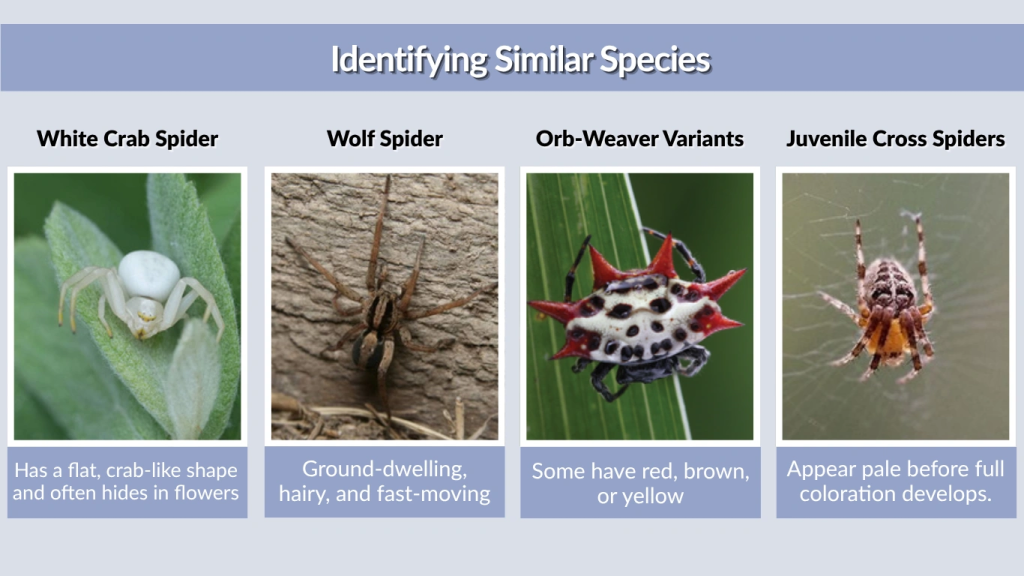
Several spiders are commonly mistaken for black and white garden spiders because of similar coloration. Knowing the differences helps prevent unnecessary alarm.
- White Crab Spider (Misumena vatia): Has a flat, crab-like shape and often hides in flowers to ambush pollinators.
- Wolf Spider: Ground-dwelling, hairy, and fast-moving; lacks web-spinning behavior.
- Orb-Weaver Variants: Some have red, brown, or yellow hues mixed with white markings.
- Juvenile Cross Spiders: Appear pale before full coloration develops.
Recognizing these distinctions ensures proper identification and a better understanding of garden biodiversity.
Behavior During Seasons
The activity of garden spiders changes dramatically throughout the year:
- Spring: Spiderlings emerge and disperse via ballooning.
- Summer: Rapid growth and web construction; peak hunting period.
- Autumn: Mating season; females spin large, visible webs.
- Winter: Adults die off after egg-laying; spiderlings remain dormant inside egg sacs until spring.
This seasonal rhythm keeps populations balanced and aligns with natural cycles of insect abundance.
Interaction with Humans

Although their dramatic appearance can seem intimidating, black and white garden spiders are remarkably gentle. They rarely leave their webs and avoid confrontation. If one appears indoors, it likely wandered accidentally and can be gently relocated outside using a container and a piece of paper.
Homeowners are encouraged to let these spiders remain outdoors, where they contribute to pest control naturally and safely.
Photography and Observation Tips
For enthusiasts or nature photographers, these spiders offer stunning visual opportunities:
- Capture during early morning dew, when webs sparkle in sunlight.
- Use macro settings to highlight the stabilimentum pattern.
- Maintain a respectful distance to avoid disturbing them.
- Observe behavioral changes such as web repair or prey capture.
Documenting them also supports citizen-science projects that track spider distribution across regions.
FAQs
What kind of spider is black and white in my garden?
It’s likely a banded garden spider (Argiope trifasciata) or a white-backed orb-weaver. These species are harmless, recognized by their black and white striped bodies, long legs, and large orb-shaped webs often built among plants or fences.
Are black and white garden spiders dangerous to humans?
No. They are not dangerous or poisonous to humans. Their venom is mild and used only for immobilizing insect prey. Even if bitten — which is rare — the reaction is usually minor, comparable to a bee sting, with temporary redness or irritation.
Why do some garden spiders appear white or pale?
Color changes often occur due to molting, sunlight exposure, or reproductive cycles. Females sometimes turn lighter before producing egg sacs. The pale coloration also helps them blend into their surroundings, offering better camouflage from predators.
Do black and white garden spiders spin different types of webs?
Yes. The banded garden spider builds vertical webs with a distinct zigzag silk pattern, while the white-backed orb-weaver creates more horizontal webs. Both structures are highly efficient for catching flying insects such as flies and moths.
How can I attract garden spiders to control pests naturally?
Maintain a natural garden with flowering plants, minimal pesticide use, and some undisturbed corners. Spiders thrive where insects are abundant. By allowing webs to remain and avoiding chemical sprays, you encourage these beneficial predators to make your garden their home.