
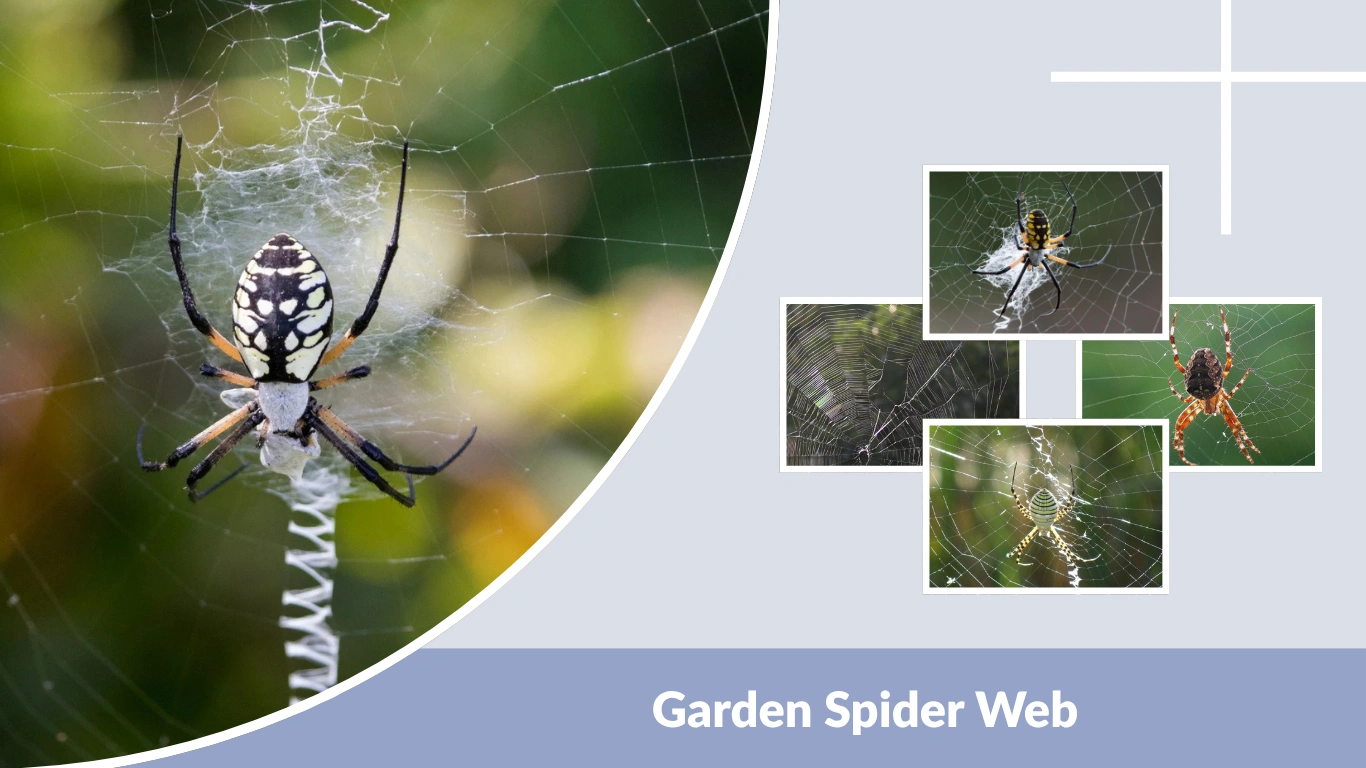
In every blooming garden, among the flowers and shrubs, you’ll often find a work of art hanging silently in the air — the intricate, geometric web of a garden spider. These delicate silk structures glisten with dew in the morning light and stand as one of nature’s finest examples of precision and engineering.
Garden spiders, also known as orb-weaving spiders, are harmless architects that play a vital role in maintaining balance in the ecosystem. Their webs not only serve as traps for insects but also act as safe shelters and communication networks. Despite their fragile appearance, these webs are stronger than steel by weight and rebuilt nightly with remarkable consistency.
In this article, we’ll explore the structure, purpose, and variations of garden spider webs — from the famous zigzag patterns of the yellow garden spider to the shimmering dew webs of the European orb-weaver.
What Is a Garden Orb-Weaving Spider?
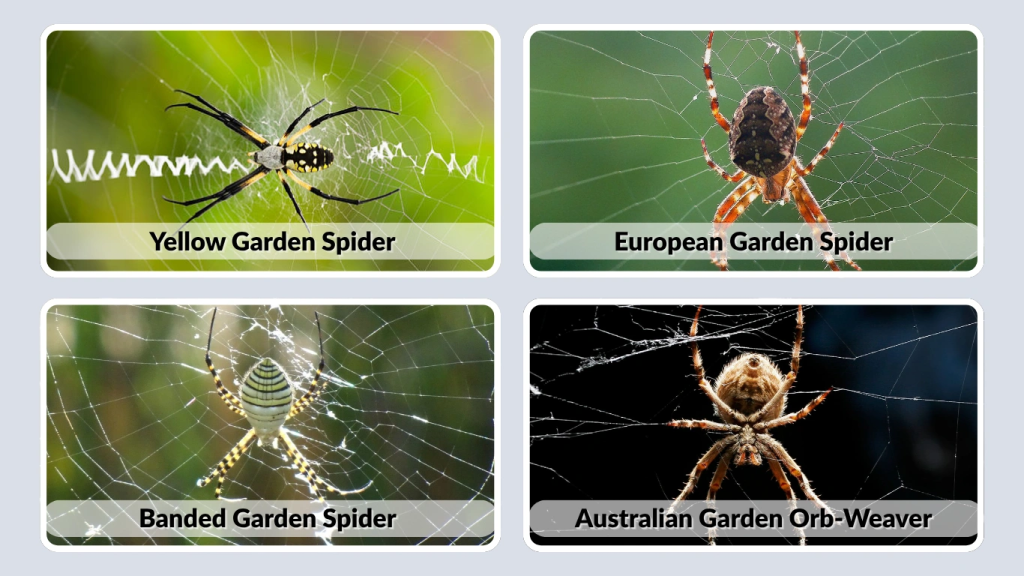
Overview of the Garden Orb-Weaver Family
The garden spider, often called an orb-weaver, belongs to the Araneidae family — one of the largest spider families in the world. These spiders are instantly recognizable for their large, circular webs, which can stretch over two feet across.
Common species include:
- Yellow Garden Spider (Argiope aurantia) – Known for its striking yellow and black body and the distinctive zigzag design in its web.
- European Garden Spider (Araneus diadematus) – A classic orb-weaver found throughout Europe and the UK, featuring a cross-shaped pattern on its abdomen.
- Banded Garden Spider (Argiope trifasciata) – Identified by horizontal bands on its abdomen and slightly tilted webs suited for windy areas.
- Australian Garden Orb-Weaver (Eriophora transmarina) – A large spider that rebuilds its massive web every night.
Despite their impressive size and vivid colors, all of these spiders are harmless to humans. They are patient predators, waiting quietly in their webs for flying insects such as flies, beetles, and moths to get trapped.
Habitat and Behavior
Garden spiders are found across gardens, meadows, forests, and open fields. They prefer places with plenty of flying insects and structural supports like plants, fences, and garden posts.
Most orb-weavers are nocturnal web builders, creating new webs in the evening when the air is calm. During the day, they often rest at the center of their web or hide nearby, connected by a “signal thread” that vibrates when prey is caught.
These spiders are also vital for natural pest control — one adult can consume dozens of mosquitoes or flies in a single night.
Anatomy and Construction of the Web
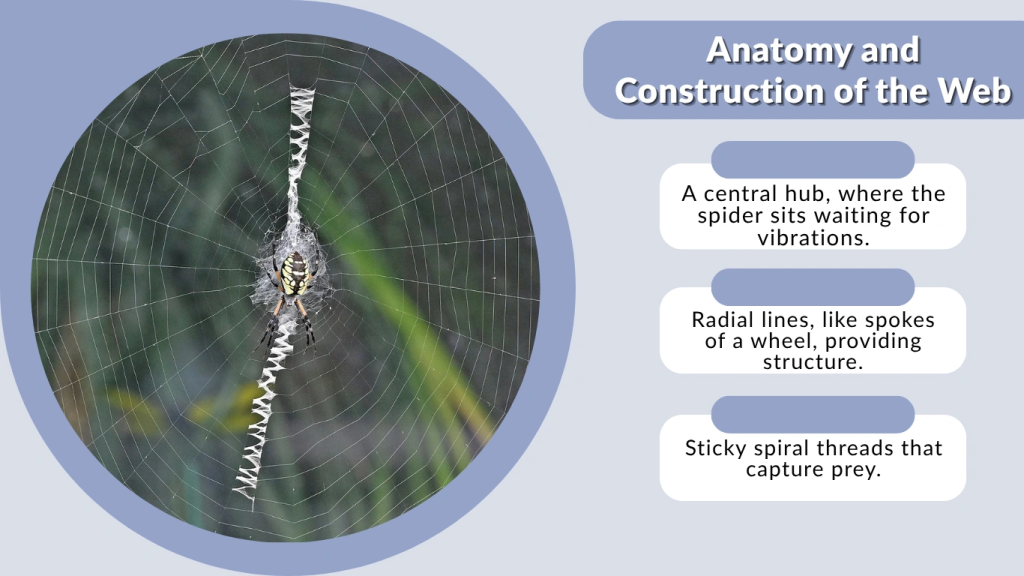
Structure of the Web
A garden spider web is an elegant combination of geometry and strength. It usually consists of:
- A central hub, where the spider sits waiting for vibrations.
- Radial lines, like spokes of a wheel, providing structure.
- Sticky spiral threads that capture prey.
The spider starts by producing a strong frame of non-sticky silk, then builds outward in perfect spirals. Once the structure is complete, it replaces the temporary spiral lines with sticky silk that glues insects instantly upon contact.
Depending on the species and location, garden spider webs range from 30 cm to over 60 cm (1–2 feet) in diameter, perfectly suspended between plants, branches, or fences.
Each web is a masterpiece of balance — flexible enough to sway with the wind but strong enough to hold a struggling insect.
The Zigzag or “Stabilimentum” Pattern
One of the most recognizable features of garden spider webs, especially those made by yellow and black species, is the zigzag pattern in the center. This structure, called the stabilimentum, is a thicker section of silk woven in a distinct “Z” or “X” shape.
Scientists believe this unique design serves multiple purposes:
- Attracting insects: The bright silk reflects ultraviolet light, drawing flying insects toward it.
- Reinforcing the web: Adds strength to the central area where the spider spends most of its time.
- Preventing damage: Makes the web more visible to birds and animals, preventing accidental collisions.
The stabilimentum varies among species — in some, it appears as a spiral or cross, while in others, it forms a single vertical band. Regardless of shape, it is one of the most fascinating natural adaptations in the spider world.
Web Strength and Silk Properties
Despite its delicate appearance, spider silk is an engineering marvel. It’s five times stronger than steel by weight, flexible, and capable of absorbing significant impact without breaking. Each thread is thinner than human hair yet can stretch up to five times its original length.
Garden spiders use different types of silk:
- Frame silk: Dry and strong for structure.
- Capture silk: Elastic and sticky for trapping prey.
- Anchor silk: Used to attach the web securely to nearby surfaces.
In the early morning, when dew settles on the threads, the web glows like a necklace of pearls — a perfect showcase of its architecture. This phenomenon not only highlights the web’s strength but also helps scientists study its geometric precision.
Daily Web-Building and Maintenance
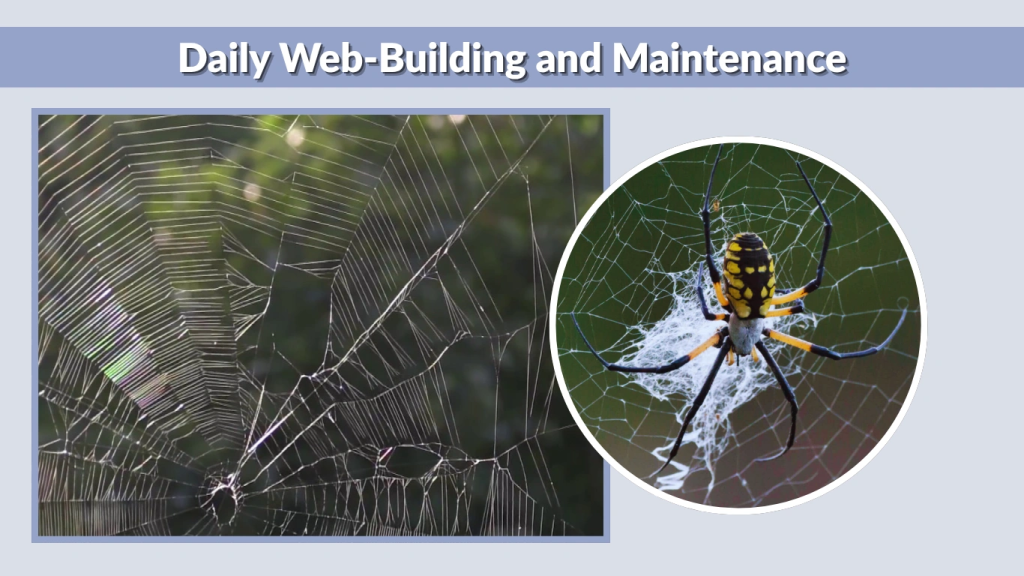
How Garden Spiders Make Their Webs
Building a web is both an art and a survival skill for garden spiders. The process begins at dusk when the air is calm and insects are most active. The spider releases a strand of silk into the breeze until it catches onto a nearby surface — the foundation line of the web. From there, the spider constructs a framework of radial lines, like the spokes of a wheel, and then spins the spiral that will trap its prey.
The creation of a full web usually takes less than an hour. Once finished, the spider settles in the center or hides in nearby foliage, connected to the hub by a signal thread that vibrates when an insect gets caught. Garden spiders rely heavily on these vibrations to detect prey since their eyesight is limited.
Rebuilding and Recycling Webs
Most garden spiders rebuild or repair their webs daily. Strong winds, rain, and trapped insects can damage the delicate threads. Rather than starting from scratch every time, many spiders consume the old silk to recycle proteins before spinning a new web.
Some species, such as the Australian garden orb-weaver, construct new webs every single night, while others reuse the same structure for several days. This nightly rebuilding routine ensures the web remains sticky and effective for catching prey.
The habit of eating old silk not only conserves energy but also demonstrates the spider’s efficient use of resources — a sustainable behavior perfected by evolution.
Behavior Around the Web
Web Vibrations and Communication
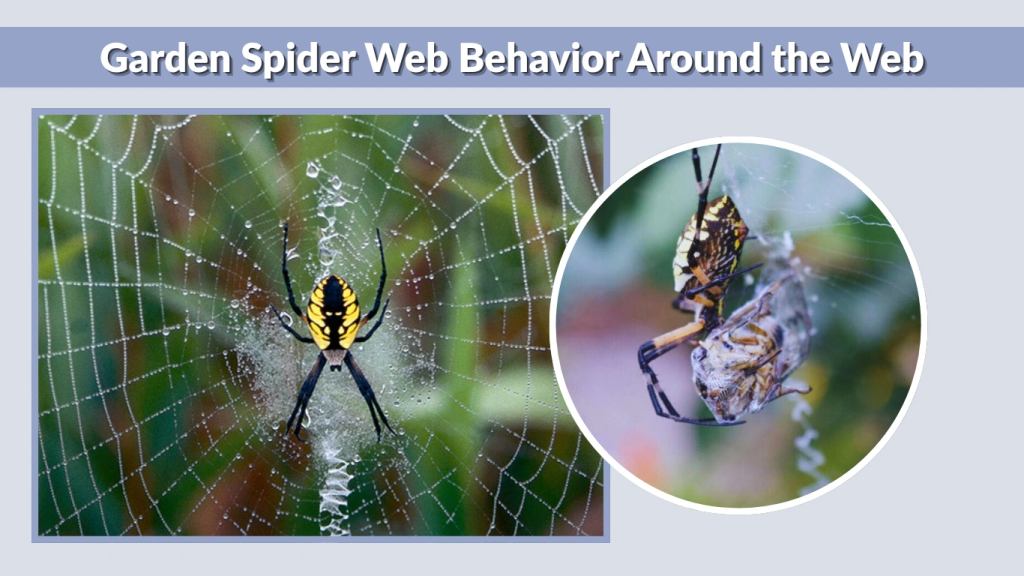
A garden spider’s web acts as both a trap and a sensory system. When an insect collides with the web, vibrations travel along the silk to alert the spider. Each vibration pattern tells the spider something different — the size of the prey, its location, and even whether it’s worth catching.
In some cases, when the spider senses danger, it begins shaking or bouncing its web rapidly. This motion blurs its appearance, confusing predators and deterring birds or humans who get too close. Yellow garden spiders are especially known for this defensive “web-shaking” dance.
The Spider’s Position
Most orb-weavers rest head-down at the center of their web during the day, ready to respond instantly to movement. Others hide in leaves or corners connected by a thin silk thread known as a “signal line.” This allows them to stay concealed while remaining aware of any prey that enters the web.
Different Types of Garden Spider Webs
Yellow Garden Spider Web
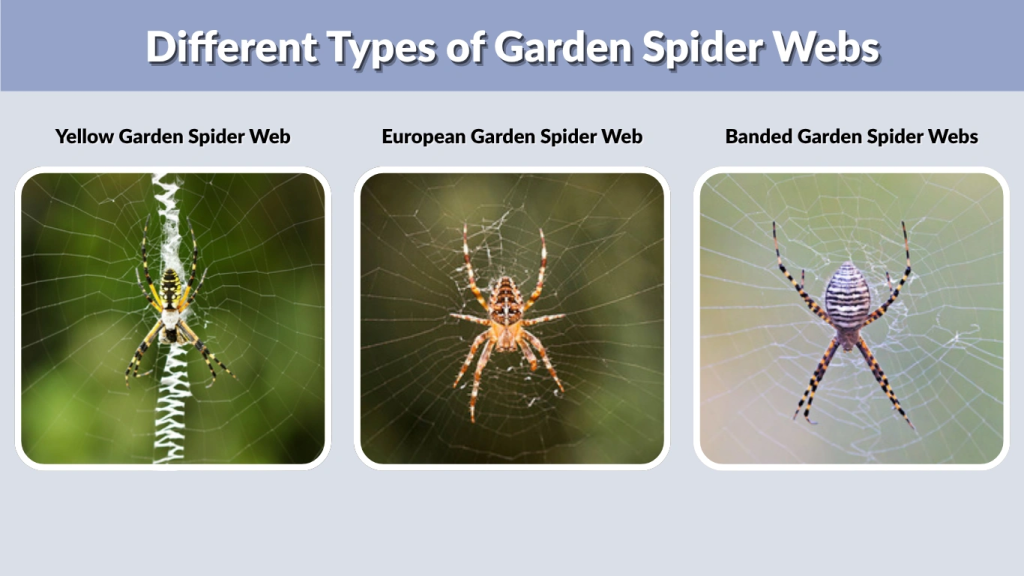
The yellow garden spider (often called the black-and-yellow garden spider) is one of the most famous orb-weavers. Its web features a distinct white zigzag or stabilimentum across the center. The spider typically positions itself in the middle of this pattern, waiting motionless for prey.
These webs are often found in sunny gardens or fields where insect activity is high. When disturbed, the spider vibrates its web vigorously — a defensive reaction that makes it appear blurred to potential predators.
European Garden Spider Web
In Europe and the UK, the European garden spider (Araneus diadematus) is a familiar sight. Its circular web is an architectural masterpiece, especially when covered with morning dew. The web’s symmetrical structure and pearl-like droplets of moisture have made it a favorite subject for photographers and nature enthusiasts alike.
European garden spiders often spin their webs near hedgerows, window frames, and fences, rebuilding them nightly from late summer through autumn.
Australian and Banded Garden Spider Webs
The Australian garden orb-weaver creates massive, perfectly circular webs that can span over a meter in diameter. These webs are often rebuilt each evening and dismantled at dawn.
The banded garden spider, found in warmer climates, spins slightly tilted webs designed to withstand strong breezes. Its bands of silk shimmer under sunlight, creating a stunning visual effect.
Together, these species showcase the adaptability of orb-weavers to different climates and habitats across the world.
Environmental Role and Benefits
Natural Pest Control
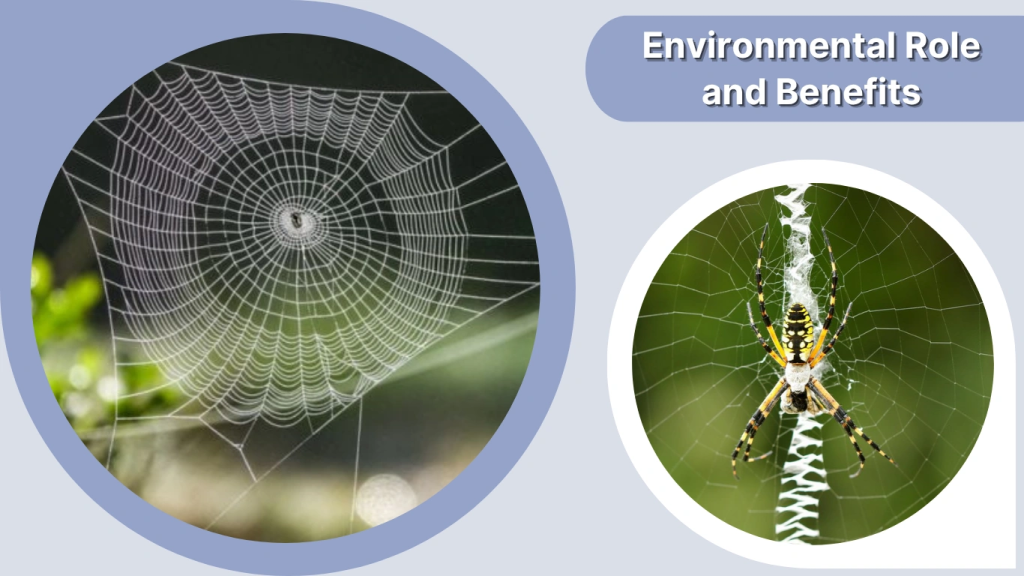
Garden spiders are unsung heroes of the ecosystem. Their webs trap a wide variety of insects — including mosquitoes, gnats, flies, moths, and beetles — helping to control pest populations naturally. A single garden spider can capture hundreds of insects each week, making them valuable allies for gardeners.
By maintaining their webs in areas of high insect traffic, they reduce the need for chemical pesticides and help promote ecological balance. Simply put, more spider webs often mean fewer garden pests.
Beauty and Symbolism
There’s something captivating about a dew-covered spider web at sunrise. The way each droplet clings to the silk threads creates a glittering display of geometry and nature’s design. Across cultures, spider webs symbolize creativity, patience, and interconnectedness — a reminder that even the smallest creatures contribute to the beauty and order of the natural world.
In literature, the web gained iconic status in Charlotte’s Web, symbolizing friendship and perseverance. For many, the sight of a garden spider’s web evokes both wonder and appreciation for nature’s artistry.
Are Garden Spider Webs Dangerous?
Garden spider webs may look eerie, but they are completely harmless. The silk is non-toxic, and the spiders themselves are not aggressive.
Unlike the funnel-web spider, which builds a tubular trap and possesses potent venom, garden spiders rely on their circular webs and mild venom intended only for insects. Their purpose in the garden is purely beneficial — pest control, not harm.
In fact, having garden spider webs around your yard is a positive sign. It indicates a healthy environment filled with insects and natural pollinators.
Managing Spider Webs in the Garden
While most gardeners enjoy the presence of these delicate webs, some prefer to limit their number in heavily used spaces like patios or walkways.
To manage webs effectively without harming the spiders:
- Use a soft broom or a spray of water to gently remove webs from unwanted areas.
- Avoid using insecticides or repellents — they can harm beneficial insects and spiders alike.
- Keep plants trimmed and reduce clutter to discourage excessive web building.
- Turn off bright outdoor lights at night to reduce insect attraction (and therefore, spider activity).
Remember: removing every web isn’t necessary — striking a balance allows you to enjoy a clean space while keeping natural pest control in your garden.
FAQs
What is the zigzag in a garden spider web?
It’s called a stabilimentum — a silk pattern that strengthens the web and may help attract insects.
Do garden spiders rebuild their webs every day?
Yes, most species rebuild nightly to keep their webs strong and sticky.
Why does my garden have so many spider webs?
A high number of webs means your garden has plenty of insects — a sign of good ecological health.
Are garden spider webs poisonous or dangerous?
No. The webs and their makers are harmless to humans and pets.
How can I safely remove spider webs from my garden?
Use gentle brushing or water sprays; avoid chemicals to protect beneficial species.
