
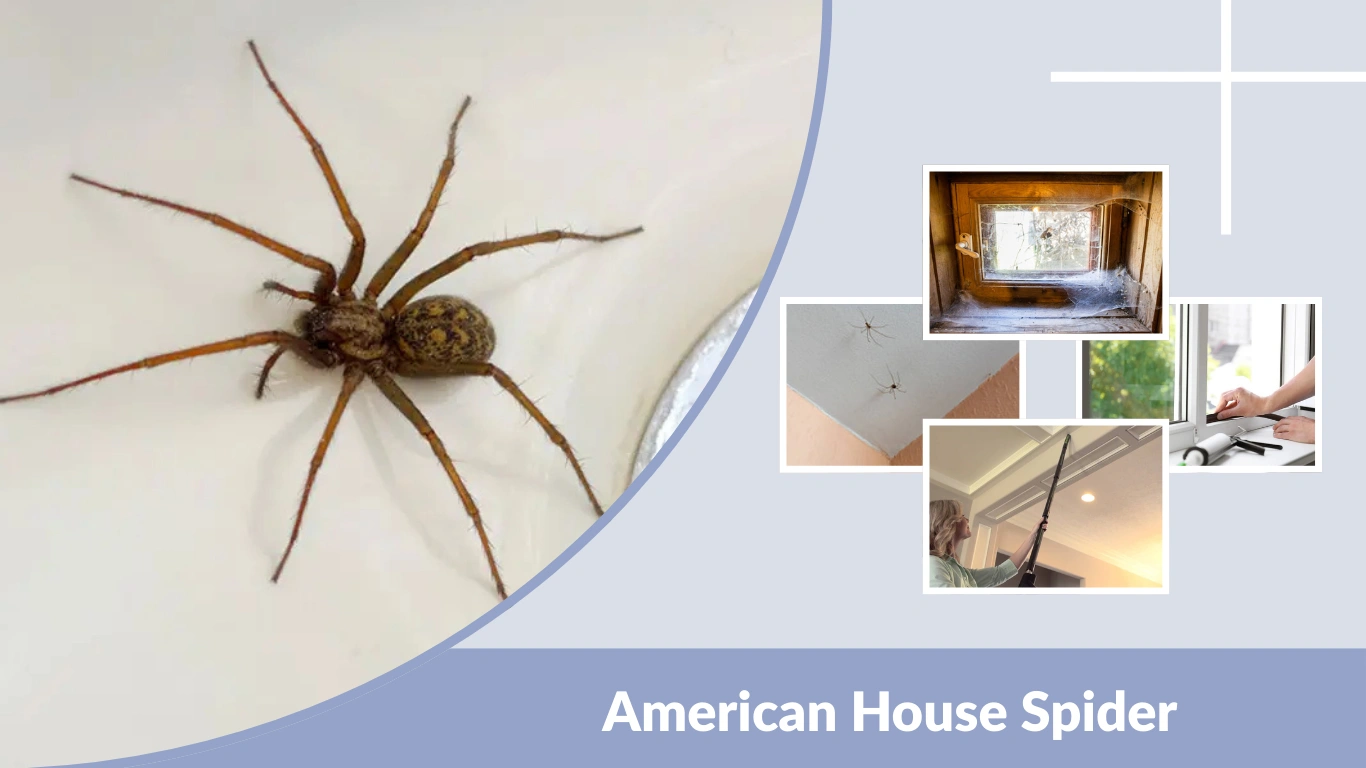
The American house spider (Parasteatoda tepidariorum) is one of the most common spiders found inside homes across North America. These small spiders are well known for building messy cobwebs in corners, basements, and quiet indoor spaces. Although their webs may look untidy, American house spiders are generally harmless to humans and actually help control household insects. Understanding how to identify these spiders, where they live, and how they behave can help homeowners manage them more effectively.
What Is an American House Spider?
The American house spider is a common cobweb spider that belongs to the family Theridiidae. It is frequently seen living indoors where it builds irregular webs to catch insects. Because these spiders prefer sheltered environments, homes provide an ideal habitat where they can survive year-round.
Scientific Classification
The scientific name of the American house spider is Parasteatoda tepidariorum. It belongs to the Theridiidae family, which includes many cobweb-building spiders. This species is sometimes simply called the common house spider because it is so frequently found in human dwellings.
American house spiders are widely distributed throughout North America and have also spread to many other parts of the world. Their ability to adapt to indoor environments has made them one of the most successful household spiders.
Basic Characteristics
American house spiders are relatively small spiders with rounded bodies and long, slender legs. Their most noticeable feature is the messy cobweb they build to capture prey. Unlike orb-weaver spiders that construct symmetrical webs, house spiders create tangled webs that appear irregular and disorganized.
These spiders usually remain on their webs and rarely wander far from them. They spend most of their time waiting for insects to become trapped in the sticky strands of their web.
How to Identify an American House Spider
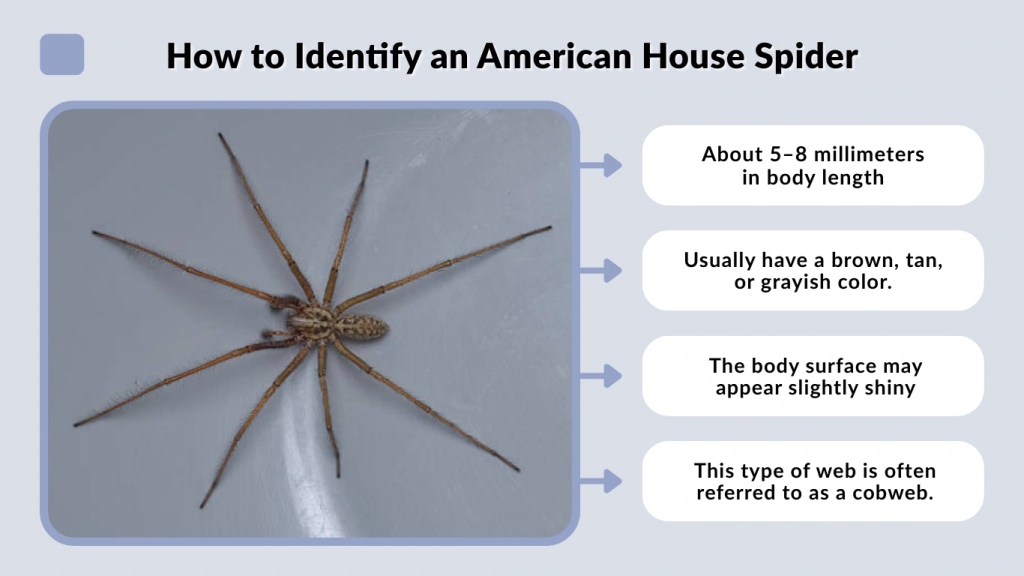
Correctly identifying an American house spider can help distinguish it from other spiders that may look similar. While they are small and often overlooked, there are several features that make them recognizable.
Size and Body Structure
American house spiders are generally small to medium in size. Female spiders are usually larger than males and can grow to about 5–8 millimeters in body length, not including their legs. Males tend to be slightly smaller and have longer legs compared to their body size.
The body consists of a rounded abdomen and a smaller front section called the cephalothorax. Their thin, delicate legs allow them to move easily along their webs.
Color and Appearance
These spiders usually have a brown, tan, or grayish color. Their abdomen often displays mottled patterns or subtle markings that may vary between individuals. Some may appear darker while others have lighter shades depending on their environment.
The body surface may appear slightly shiny, especially under light. Because of their small size and neutral coloration, they can easily blend into corners and other indoor areas.
Web Structure
One of the easiest ways to identify an American house spider is by looking at its web. Unlike neat circular webs built by orb-weavers, the web of a house spider is irregular and tangled. This type of web is often referred to as a cobweb.
These webs are commonly found in undisturbed areas of a home such as ceiling corners, basements, attics, and garages. The sticky threads help trap small insects that fly or crawl into the web.
Where Do American House Spiders Live?
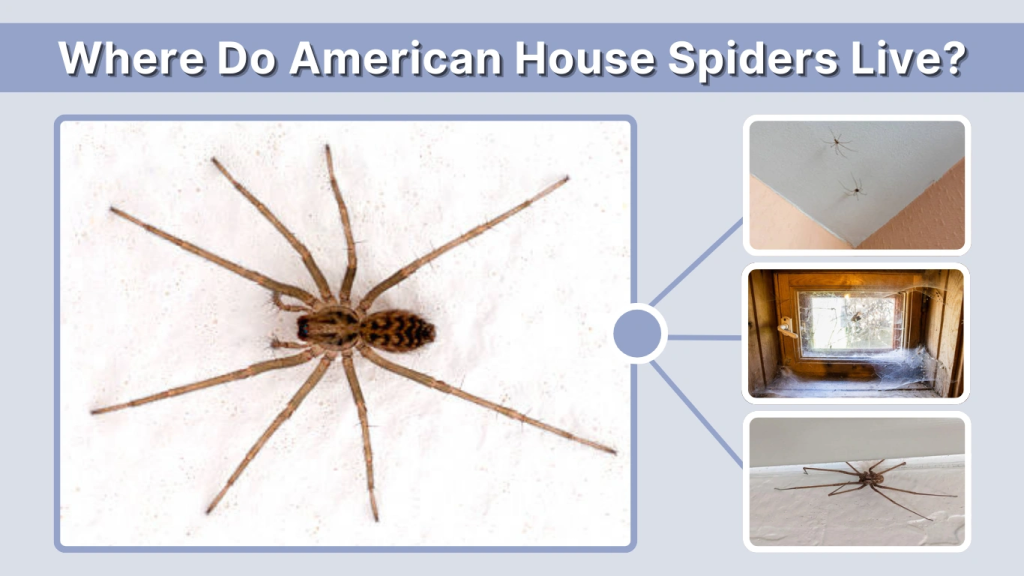
American house spiders prefer quiet locations where they can build webs without disturbance. Both indoor and outdoor environments can provide suitable habitats for them.
Indoor Habitats
Inside homes, American house spiders often settle in areas where there is little human activity. These spiders prefer dark or sheltered spots where insects are likely to pass by.
Common indoor locations include:
- Corners of ceilings and walls
- Basements and attics
- Window frames and door frames
- Behind furniture
- Garages and storage areas
Because homes provide stable temperatures and protection from weather, these spiders can survive indoors throughout the year.
Outdoor Habitats
Although they are commonly found indoors, American house spiders can also live outdoors. Outside, they often build webs in protected areas where they can still catch insects.
Outdoor habitats may include:
- Sheds and barns
- Under rocks or wooden structures
- Around fences
- Garden structures and outdoor corners
However, indoor environments generally offer more consistent conditions, which is why these spiders are frequently seen inside houses.
Behavior and Lifestyle
American house spiders have a relatively simple lifestyle that revolves around their webs. Unlike many hunting spiders that actively chase prey, these spiders rely on their webs to capture food. Their behavior is mostly passive, meaning they wait patiently for insects to become trapped.
Web-Building Behavior
The American house spider is known for constructing irregular cobwebs. These webs are made of tangled silk threads that create a sticky trap for insects. The spider typically stays near the center or edge of the web, monitoring vibrations that indicate prey has been caught.
If the web becomes damaged or filled with debris, the spider may repair it or build a new one nearby. Because they prefer quiet locations, their webs are often found in areas of the home that are rarely cleaned or disturbed.
Activity Patterns
American house spiders are mostly nocturnal. This means they are more active during the night when many insects are also active. During the day, they usually remain hidden within their webs or in nearby crevices.
They rarely travel far from their webs because their survival depends on maintaining a reliable trap for food. If disturbed, the spider may quickly retreat into a corner or drop down on a silk thread for protection.
Seasonal Activity
These spiders can remain active throughout the year, especially when living indoors. Homes provide consistent temperatures and protection from harsh weather conditions.
However, spider activity may increase during warmer months when insect populations are higher. During these periods, homeowners may notice more cobwebs appearing in corners and ceilings.
What Do American House Spiders Eat?
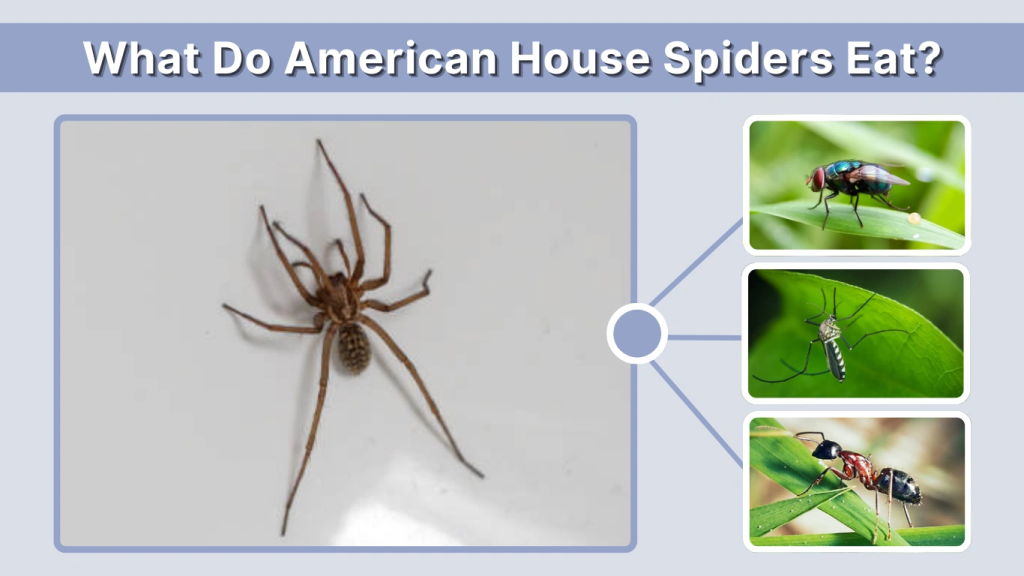
American house spiders are carnivorous and primarily feed on small insects. Their tangled cobwebs are designed to trap flying or crawling insects that accidentally run into the sticky silk.
Common prey includes:
- Flies
- Mosquitoes
- Ants
- Beetles
- Small moths
When an insect becomes caught in the web, the spider quickly moves toward it and wraps it in silk. It then injects venom that immobilizes the prey and begins the feeding process.
Although their webs may appear messy, they are highly effective insect traps. Because of this, American house spiders can actually help reduce indoor insect populations. In many cases, they serve as natural pest controllers inside homes.
Are American House Spiders Dangerous?
Many people worry about spiders in their homes, but the American house spider is generally harmless to humans. Their presence may be unpleasant for some people, but they rarely pose any real danger.
Do They Bite Humans?
Bites from American house spiders are extremely rare. These spiders are not aggressive and usually avoid human contact. A bite may only occur if the spider feels threatened or becomes trapped against the skin.
In most cases, these spiders will simply retreat rather than attempt to bite.
Venom and Symptoms
Like most spiders, American house spiders do possess venom, but it is very mild and intended for subduing small insects. Their venom is not considered medically significant to humans.
If a bite does occur, symptoms are usually minor and may include:
- Mild redness
- Slight swelling
- Minor irritation
These symptoms typically disappear within a short time and rarely require medical treatment.
Risk to Humans and Pets
Overall, American house spiders pose very little risk to humans or pets. They are far less dangerous than well-known venomous spiders such as black widows or brown recluse spiders.
For this reason, many experts recommend simply leaving them alone if they are not causing problems, as they help control household pests.
How to Get Rid of American House Spiders
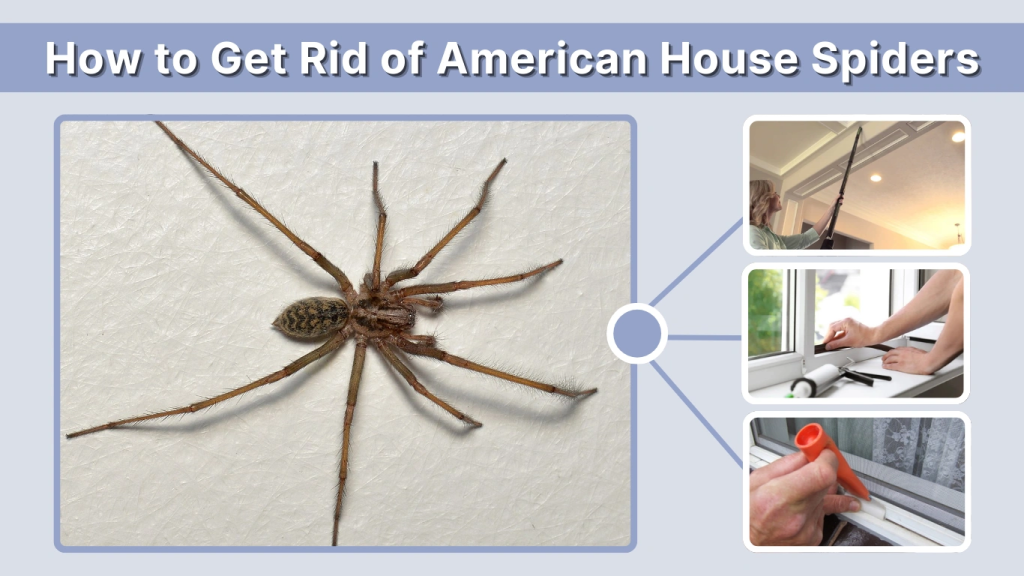
Even though these spiders are harmless, some homeowners prefer to remove them when they become too noticeable.
Cleaning and Removal
Regular cleaning is one of the most effective ways to control house spiders. Vacuuming cobwebs and corners helps remove spiders as well as their egg sacs.
Decluttering storage areas can also reduce the number of hiding places available for spiders.
Preventing Spider Entry
Preventing spiders from entering the home can also reduce their presence. Simple home maintenance steps include:
- Sealing cracks and gaps around windows and doors
- Installing tight-fitting window screens
- Repairing damaged door seals
These steps can help block entry points for both spiders and the insects they feed on.
Natural Repellents
Some natural solutions may help discourage spiders from settling indoors. Common household repellents include:
- Peppermint oil mixed with water
- Vinegar spray around entry points
- Citrus-based cleaning solutions
While these methods may not eliminate spiders completely, they can help make your home less attractive to them.
How to Prevent House Spiders
Preventing house spiders largely involves reducing the insects they feed on. When food sources are limited, spiders are less likely to remain in a home.
Simple prevention tips include:
- Keeping floors and corners clean
- Removing cobwebs regularly
- Reducing outdoor lighting that attracts insects
- Sealing small gaps around doors and windows
Maintaining a clean and well-sealed home can significantly reduce the chances of spiders settling indoors.
Conclusion
The American house spider is one of the most common spiders found inside homes. Although their cobwebs may look messy, these spiders are generally harmless and can actually help control indoor insect populations. They prefer quiet areas where they can build webs and catch prey without disturbance. By understanding their behavior and taking simple preventive steps, homeowners can manage house spiders effectively while maintaining a clean and comfortable living environment.