
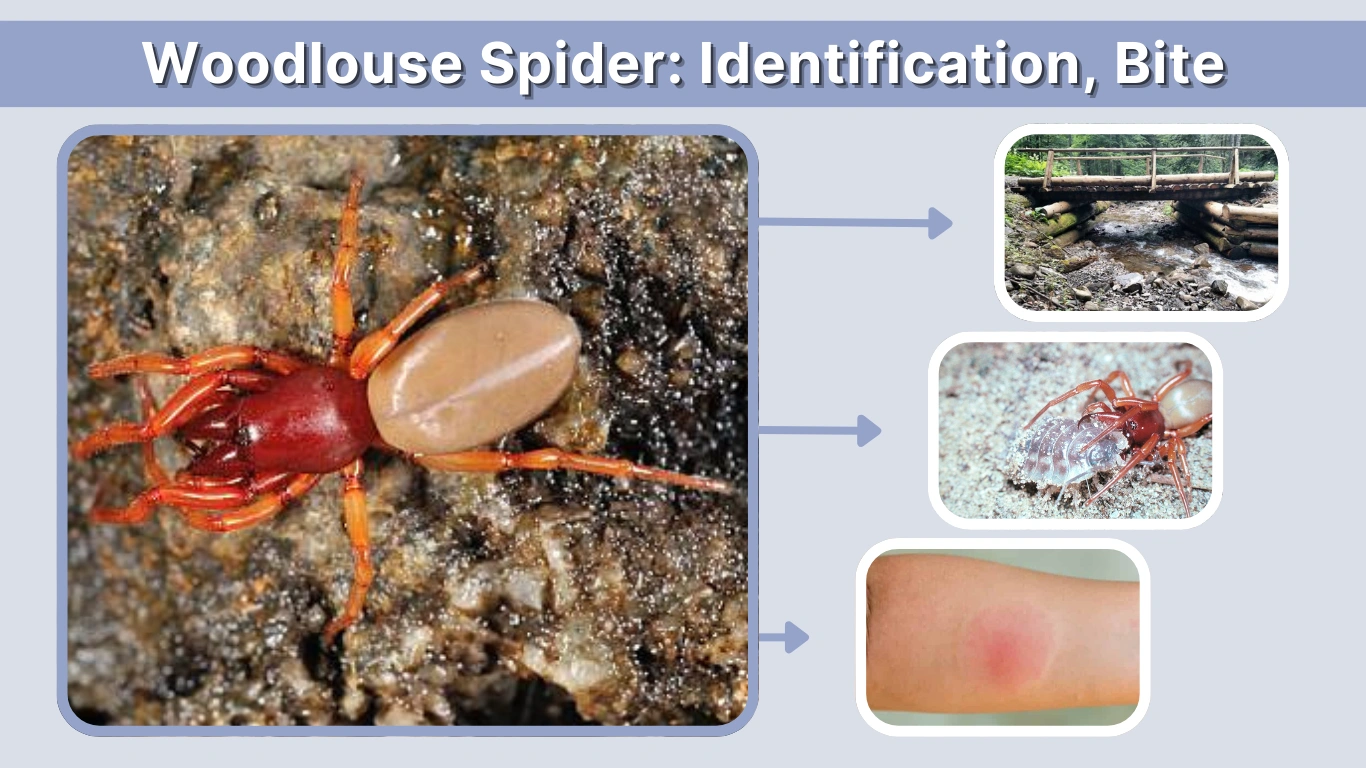
The woodlouse spider is a unique spider species known for its unusual appearance and specialized hunting behavior. Its scientific name is Dysdera crocata, and it is famous for feeding primarily on woodlice, also known as pill bugs or sow bugs. These spiders are often found in gardens, under rocks, or occasionally inside homes in dark and damp areas. While their large fangs may look intimidating, woodlouse spiders are generally harmless to humans. Understanding their behavior, habitat, and bite risk can help people recognize and appreciate this interesting spider.
What Is a Woodlouse Spider?
The woodlouse spider is a hunting spider that does not rely on webs to capture prey. Instead, it actively searches for woodlice and other small creatures in soil, leaf litter, and hidden outdoor spaces. Because of its specialized diet and distinctive appearance, it is considered one of the more recognizable spider species.
Scientific Classification
The woodlouse spider’s scientific name is Dysdera crocata. It belongs to the family Dysderidae, a group of spiders known for their strong fangs and ground-hunting behavior.
This species originally comes from the Mediterranean region but has spread to many parts of the world. Today, it can be found in North America, Europe, and other regions where suitable habitats and prey are available. Its ability to adapt to different environments has helped it become widely distributed.
Why It Is Called a Woodlouse Spider
The common name “woodlouse spider” comes from its favorite prey—woodlice. Woodlice are small crustaceans that live in moist environments such as under rocks, logs, and leaf litter. They are often called pill bugs or roly-polies because they can roll into a ball when threatened.
Woodlouse spiders have evolved long, powerful fangs that allow them to pierce the tough outer shells of these creatures. This special adaptation makes them highly efficient hunters of woodlice compared to other spiders.
How to Identify a Woodlouse Spider
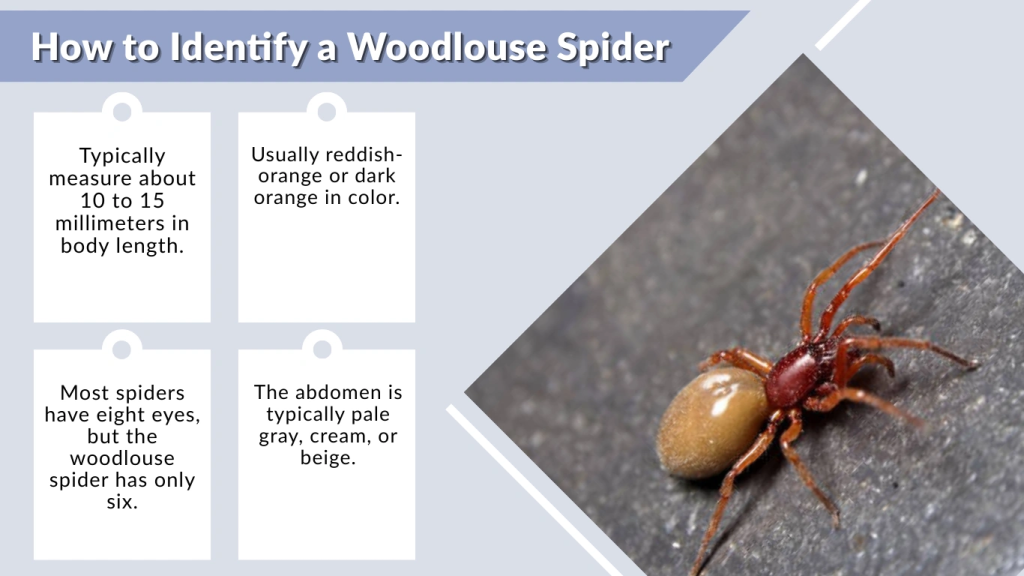
The woodlouse spider has several distinctive physical features that make it easier to recognize. Its body shape, color, and large fangs help distinguish it from many other spiders.
Size and Body Structure
Adult woodlouse spiders typically measure about 10 to 15 millimeters in body length. Their legs are relatively long and slender, allowing them to move quickly across the ground while hunting.
One of their most noticeable features is their pair of large forward-pointing fangs. These fangs are longer than those of many other spiders and are specially adapted for penetrating the hard shells of their prey.
The spider’s body is smooth and slightly elongated, giving it a streamlined appearance suited for moving through soil, leaves, and tight spaces.
Color and Appearance
Woodlouse spiders are easy to recognize because of their contrasting body colors. The head and legs are usually reddish-orange or dark orange in color. In contrast, the abdomen is typically pale gray, cream, or beige.
This two-toned appearance gives the spider a distinctive look that sets it apart from many other house or garden spiders. The body often appears smooth and shiny, especially in good lighting.
Although their bright colors may attract attention, these spiders generally try to stay hidden in dark areas during the day.
Unique Eye Arrangement
Most spiders have eight eyes, but the woodlouse spider has only six. These eyes are arranged in a semicircle on the front of the head.
This unusual eye arrangement is one of the features that scientists use to identify spiders belonging to the Dysderidae family. Despite having fewer eyes than many spiders, woodlouse spiders are still effective hunters because they rely heavily on touch and movement when searching for prey.
Habitat and Distribution
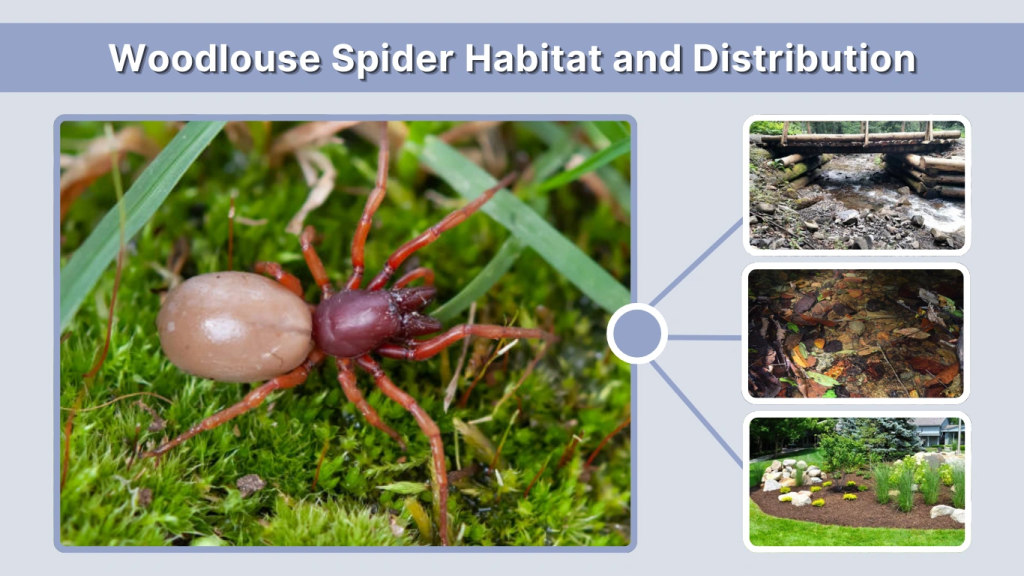
Woodlouse spiders are commonly found in environments where moisture and prey are plentiful. Their preferred habitats usually contain plenty of hiding places and a good supply of woodlice.
Natural Habitat
In the wild, woodlouse spiders often live in locations such as:
- Under rocks and logs
- Beneath leaf litter
- In garden soil or mulch
- Around wood piles or compost heaps
These areas provide both shelter and access to woodlice, which thrive in damp conditions. The spider hides during the day and emerges at night to search for prey.
Because woodlice prefer moist environments, woodlouse spiders are also frequently found in similar locations.
Woodlouse Spider in House
Although they usually live outdoors, woodlouse spiders sometimes enter houses. This often happens when they follow their prey into damp indoor areas.
Common indoor locations where they may appear include basements, crawl spaces, garages, and bathrooms. These areas often provide the dark and moist conditions that woodlice and other small insects prefer.
While seeing one indoors may surprise homeowners, woodlouse spiders rarely establish large populations inside houses. They usually remain hidden and are only occasionally noticed.
Why They Enter Homes
Woodlouse spiders typically enter homes while searching for food or shelter. If woodlice are present near a building, the spiders may follow them indoors.
Homes with moisture issues, such as damp basements or leaking pipes, may attract both woodlice and the spiders that hunt them. Reducing moisture and sealing entry points can help prevent these spiders from entering indoor spaces.
Behavior and Hunting Strategy
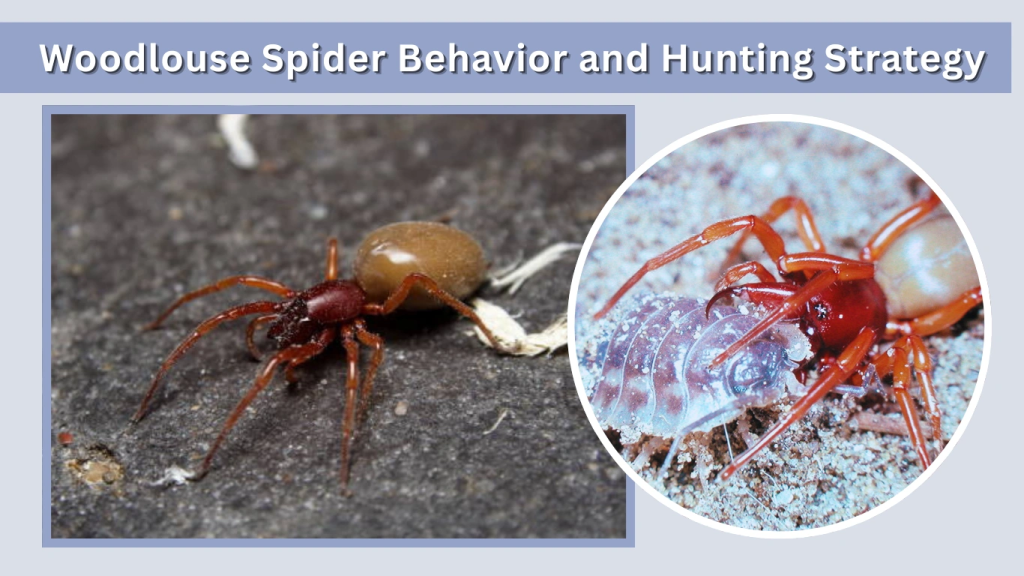
The woodlouse spider is an active hunter rather than a web-building spider. Instead of waiting for prey to become trapped in a web, it searches for food by moving through soil, debris, and hidden spaces.
Active Hunting Behavior
Woodlouse spiders spend much of their time exploring their environment in search of prey. They use their legs and sensory hairs to detect movement and locate woodlice hiding under debris.
When the spider finds a woodlouse, it quickly grabs the prey and uses its long fangs to pierce the hard outer shell. This allows the spider to inject venom and immobilize the prey before feeding.
Because of this specialized hunting technique, woodlouse spiders are particularly effective at controlling woodlouse populations in gardens and outdoor spaces.
Nocturnal Activity
Woodlouse spiders are primarily nocturnal, meaning they are most active during the night. During the daytime, they usually remain hidden under rocks, logs, or other debris where they are protected from predators and environmental changes.
At night, the spider leaves its hiding place to search for food. The darkness provides a safer environment for hunting and reduces the risk of being noticed by predators. This nightly activity is one reason people rarely see woodlouse spiders unless they are moving objects such as stones, wood piles, or garden materials.
Defensive Behavior
Despite their intimidating appearance, woodlouse spiders are not aggressive. Their first instinct when disturbed is usually to escape and find a new hiding place.
If a person accidentally handles or traps the spider, it may bite in self-defense. However, this is uncommon because these spiders prefer to avoid contact with humans whenever possible.
Diet and Specialized Hunting Skills
The woodlouse spider has developed a unique feeding strategy that focuses mainly on a single type of prey. Its specialized anatomy allows it to hunt creatures that many other spiders cannot easily capture.
Primary Prey: Woodlice
Woodlice are the spider’s preferred food source. These small crustaceans live in damp areas such as under stones, logs, and garden debris. They are commonly known as pill bugs or roly-polies.
Because woodlice have tough outer shells, many predators struggle to eat them. However, woodlouse spiders are specially adapted to overcome this defense.
How They Capture Prey
The spider uses its long, curved fangs to pierce the hard shell of the woodlouse. Once the shell is penetrated, the spider injects venom that quickly immobilizes the prey.
After the prey is subdued, the spider begins feeding by digesting the soft tissues inside the shell. This hunting strategy allows the woodlouse spider to thrive in environments where woodlice are abundant.
Other Possible Food Sources
Although woodlice make up most of their diet, woodlouse spiders may occasionally eat other small creatures if necessary. These may include:
- Small insects
- Other tiny arthropods
- Soft-bodied invertebrates
However, woodlice remain their primary and most preferred food source.
Woodlouse Spider Bite
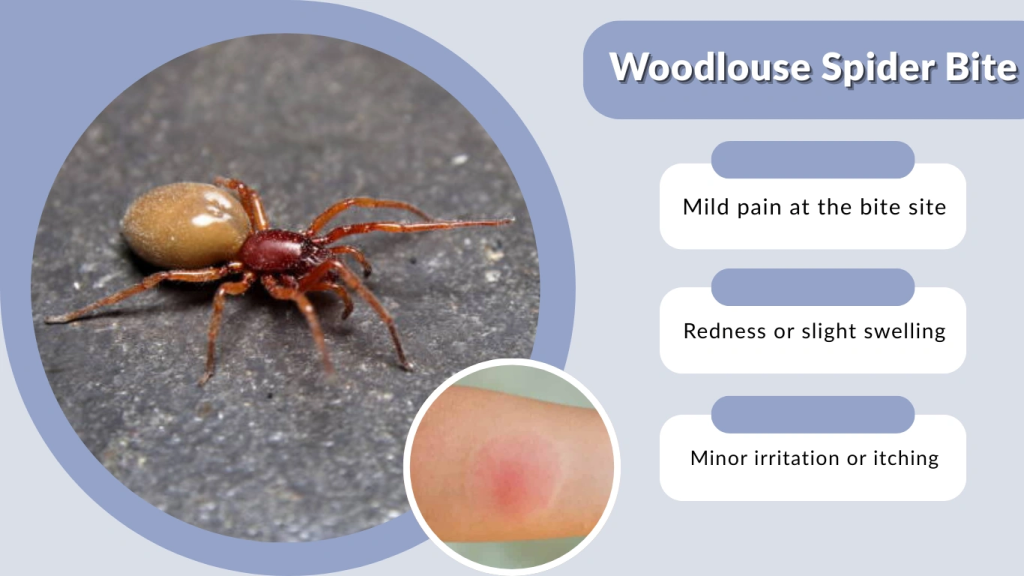
One of the most common concerns people have about this spider is whether its bite is dangerous. Because the spider has large fangs, many people assume it may pose a serious threat.
Do Woodlouse Spiders Bite Humans?
Woodlouse spiders are capable of biting humans, but such incidents are uncommon. Most bites occur when the spider is accidentally handled or pressed against the skin.
In normal situations, the spider prefers to run away rather than bite.
Bite Symptoms
If a woodlouse spider does bite, the symptoms are usually mild. Some people describe the bite as slightly painful, similar to a bee sting or small insect bite.
Possible symptoms may include:
- Mild pain at the bite site
- Redness or slight swelling
- Minor irritation or itching
These symptoms typically fade within a few hours or days.
Treatment for a Bite
Basic first aid is usually sufficient for a woodlouse spider bite. The affected area should be cleaned with soap and water to reduce the risk of infection.
Applying a cold compress may help reduce swelling and discomfort. If unusual symptoms appear or if someone has an allergic reaction, medical advice should be sought.
Are Woodlouse Spiders Poisonous?
Another common question people ask is whether woodlouse spiders are poisonous. The answer involves understanding the difference between poisonous and venomous animals.
Venom vs Poison
Woodlouse spiders are venomous, not poisonous. Venomous animals deliver toxins through bites or stings, while poisonous animals release toxins when touched or eaten.
The venom of the woodlouse spider is used mainly to immobilize prey during hunting.
Risk to Humans
For humans, the venom of this spider is not considered medically dangerous. Although a bite may cause temporary discomfort, it does not usually lead to serious health problems.
Severe reactions are extremely rare.
Woodlouse Spider vs Brown Recluse
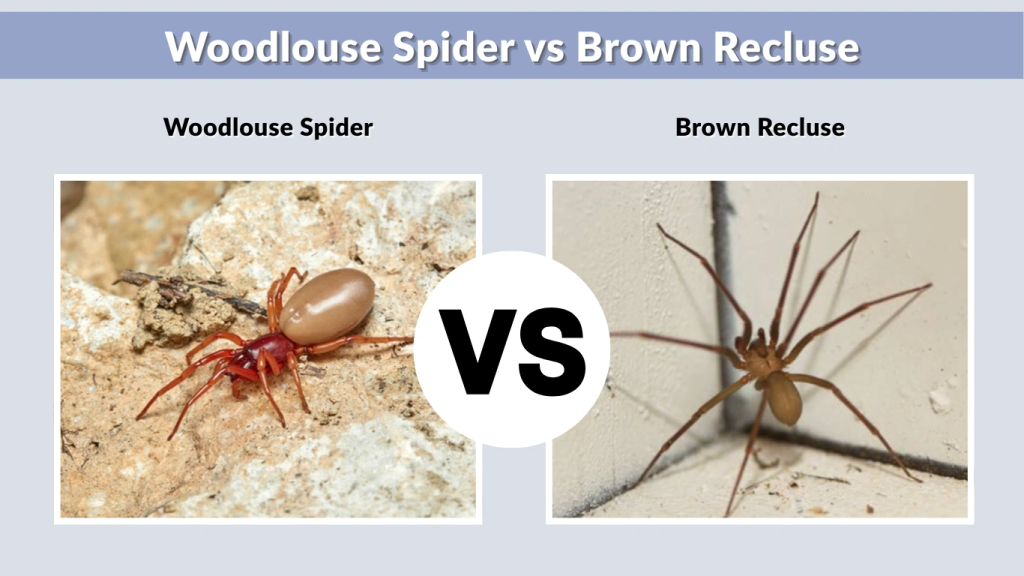
Woodlouse spiders are sometimes mistaken for brown recluse spiders because both species have somewhat similar body shapes. However, there are several important differences.
Physical Differences
The woodlouse spider has a reddish-orange head and legs with a pale abdomen. It also has noticeably large fangs that extend forward from the head.
In contrast, the brown recluse spider is usually light brown and often has a dark violin-shaped marking on its back.
Eye Arrangement
Another key difference involves the eyes. Woodlouse spiders have six eyes arranged in a semicircle. Brown recluse spiders also have six eyes, but they are arranged in three distinct pairs.
These differences help experts and enthusiasts correctly identify the species.
Danger Comparison
The brown recluse spider is known for having venom that can sometimes cause serious skin reactions in humans. In comparison, the woodlouse spider’s venom is mild and rarely causes more than minor irritation.
For this reason, woodlouse spiders are generally considered much less dangerous.
Interesting Woodlouse Spider Facts
There are several fascinating facts about this unusual spider:
- They specialize in hunting woodlice, a prey many other spiders avoid.
- Their large fangs are specially adapted for piercing tough shells.
- They do not build webs to catch prey but hunt actively instead.
- They are commonly found in gardens, wood piles, and damp outdoor areas.
These characteristics make the woodlouse spider one of the more distinctive hunting spiders.
How to Prevent Woodlouse Spiders in Your Home
Although they are harmless, some people prefer to reduce the chances of spiders entering their homes.
Reduce Moisture
Since woodlice thrive in damp environments, reducing moisture around the home can help discourage both woodlice and woodlouse spiders. Fixing leaks and improving ventilation can make indoor spaces less attractive to them.
Remove Woodlice
Controlling woodlice populations around foundations, gardens, and basements can reduce the spider’s main food source. Removing excess mulch, leaf litter, and damp debris can help limit these pests.
Seal Entry Points
Spiders may enter homes through cracks or small gaps around doors and windows. Sealing these openings and repairing damaged screens can help prevent them from getting inside.
Conclusion
The woodlouse spider is a distinctive species known for its reddish head, large fangs, and specialized diet of woodlice. Although its appearance may seem intimidating, it is generally harmless to humans and rarely bites. Most woodlouse spiders live outdoors in damp environments where their prey is abundant. By understanding their behavior, habitat, and role in controlling woodlice populations, people can better appreciate this unusual spider and its place in the ecosystem.
