
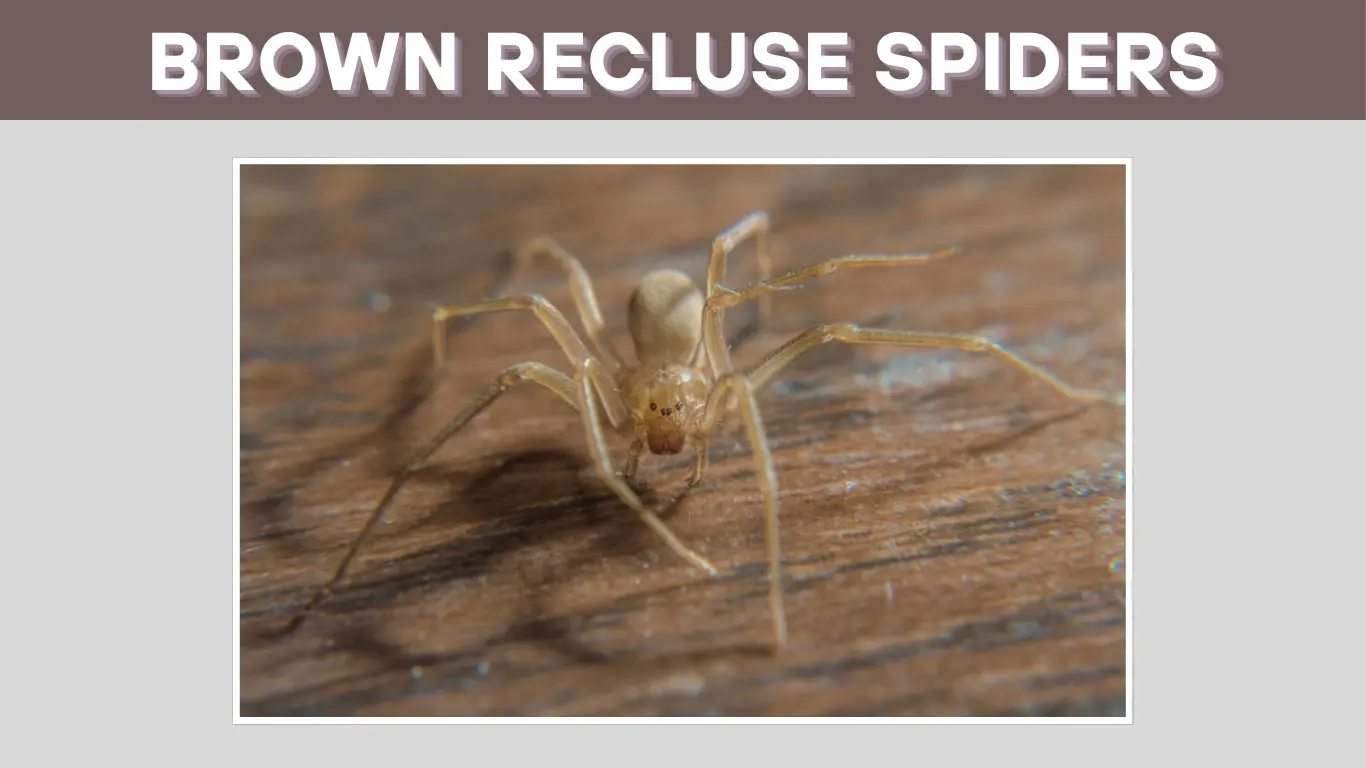
The brown recluse spider (Loxosceles reclusa) is one of the most talked-about spiders in North America, mainly because of its venomous bite. But beyond its reputation, there’s a lot more to know about this reclusive creature, including how long it lives. In this article, we’ll explore the average lifespan of the brown recluse spider, break down the differences between males and females, and look at what factors impact their longevity.
Brown Recluse Spider
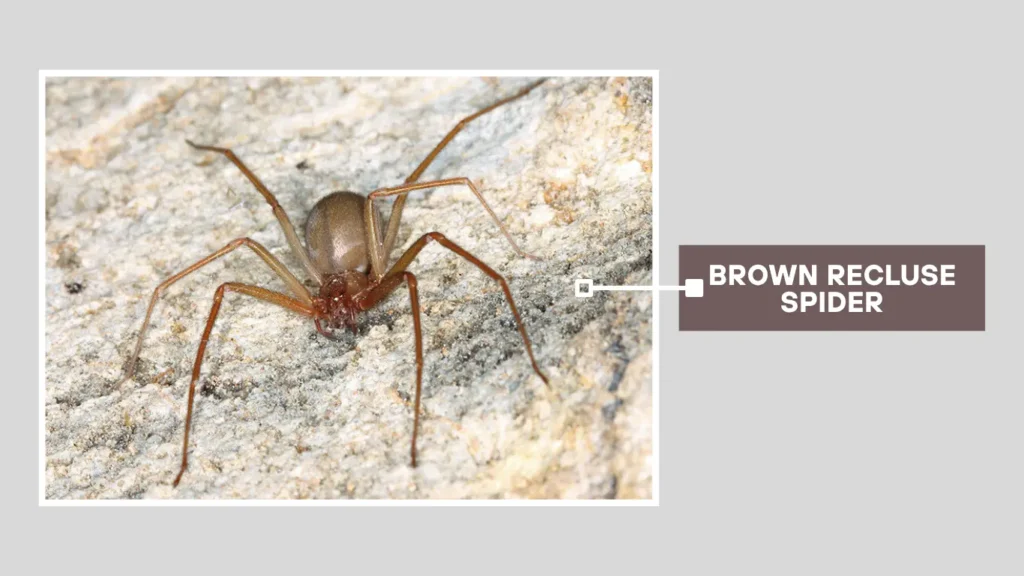
The brown recluse is a small, non-aggressive spider most commonly found in the central and southern United States. True to its name, it tends to avoid contact with humans, hiding in dark, undisturbed places like closets, attics, basements, sheds, and behind furniture.
It’s easily recognized by a violin-shaped mark on its back and its six eyes (most spiders have eight). Although it is venomous, bites are rare and often happen when someone accidentally presses against one while dressing, moving boxes, or working in storage areas.
Average Lifespan of Brown Recluse Spiders

The average lifespan of a brown recluse spider is 1 to 2 years in the wild. However, under ideal conditions—especially in indoor environments or captivity—they can live up to 4 to 5 years.
- Females usually live longer, averaging 2 to 3 years, and may survive over 4 years in stable indoor settings.
- Males typically live 12 to 18 months, often dying shortly after mating.
So while brown recluse spiders aren’t the longest-living spiders out there, they can stick around for years—especially in places where they are undisturbed.
Life Cycle of the Brown Recluse Spider

The brown recluse follows a simple life cycle, which affects its lifespan:
1. Egg Stage
- Females lay up to 5 egg sacs per year, each containing 30–50 eggs.
- Eggs hatch in about 1 month depending on the temperature.
2. Spiderlings (Juvenile Stage)
- Newly hatched spiderlings stay near the mother’s web for a short time before dispersing.
- They go through 6 to 10 molts over 9 to 12 months before reaching adulthood.
3. Adult Stage
- Once mature, males roam in search of mates.
- Females remain more sedentary, creating webs in hidden locations and laying eggs.
Male vs Female Lifespan Comparison

Like many spider species, females outlive males due to their stationary behavior and lower exposure to predators.
| Gender | Average Lifespan | Key Behaviors |
| Female | 2–3 years (up to 5) | Builds webs, lays eggs, avoids risk |
| Male | 1–1.5 years | Roams for mates, dies after mating |
Males are more active once mature and tend to die shortly after reproducing. Females can live several years if undisturbed, especially indoors.
Factors That Affect Their Lifespan
Several key factors can extend or reduce the lifespan of brown recluse spiders:
1. Temperature and Climate
- These spiders prefer warm, dry environments.
- Cold winters may shorten their lifespan unless they’re sheltered indoors.
2. Predators and Threats
- Ants, wasps, lizards, and other spiders can prey on brown recluses—especially during the juvenile stage.
3. Human Activity
- Cleaning, pest control treatments, or structural renovations often reduce indoor populations.
- In undisturbed environments like basements or crawl spaces, they thrive and live longer.
4. Food Supply
- A consistent supply of small insects helps them grow and molt normally.
- Starvation can slow development or cause death before adulthood.
5. Captivity
- In laboratory or controlled environments, some have lived over 5 years.
- This shows how much environmental stability can affect longevity.
Brown Recluse vs Other Spider Lifespans

Let’s compare the brown recluse’s lifespan with other common spider species:
| Spider Species | Female Lifespan | Male Lifespan |
| Brown Recluse | 2–3 years (up to 5) | 1–1.5 years |
| House Spider | 1–2 years | <1 year |
| Wolf Spider | 1–2 years | <1 year |
| Tarantula | 15–25 years | 3–6 years |
| Trapdoor Spider | 20–30+ years | 5–7 years |
Brown recluse spiders live longer than many common household spiders but far less than burrowers like tarantulas or trapdoor spiders.
Are Brown Recluse Spiders Dangerous?
Yes, but not as dangerous as commonly believed. Brown recluse bites can cause necrotic skin damage, but serious complications are rare. Most bites heal with basic care. The spider typically bites only when trapped or provoked.
They are shy by nature and will not attack unless they feel threatened. Because they are nocturnal and hide during the day, most people never even realize they’re living nearby.
FAQs
How long can a brown recluse spider live indoors?
If undisturbed, females can live up to 4 or even 5 years indoors, especially in stable environments like basements or attics.
Do brown recluse spiders die after mating?
Males often die shortly after mating, while females can continue living and reproducing for years.
Can brown recluse spiders survive winter?
Yes, especially indoors. Outdoors, they may die off in freezing conditions, but indoor environments help them survive year-round.
How fast do brown recluse spiders grow?
They reach adulthood in about 9 to 12 months, depending on food supply and temperature.
Can they live without food for long?
Yes. Like many spiders, they can survive several months without food, especially in cooler temperatures.
Final Thoughts
The brown recluse spider may not be the longest-living arachnid, but it’s certainly more persistent than most people expect. With an average lifespan of 1 to 2 years, and the potential to live up to 5 years indoors, this spider quietly survives in dark corners and undisturbed spaces. Understanding their life cycle and habits helps reduce unnecessary fear. They’re not aggressive pests—they’re cautious, low-profile predators that prefer to stay hidden. If you do find one, it’s often better to seal up entry points and reduce clutter than to panic.