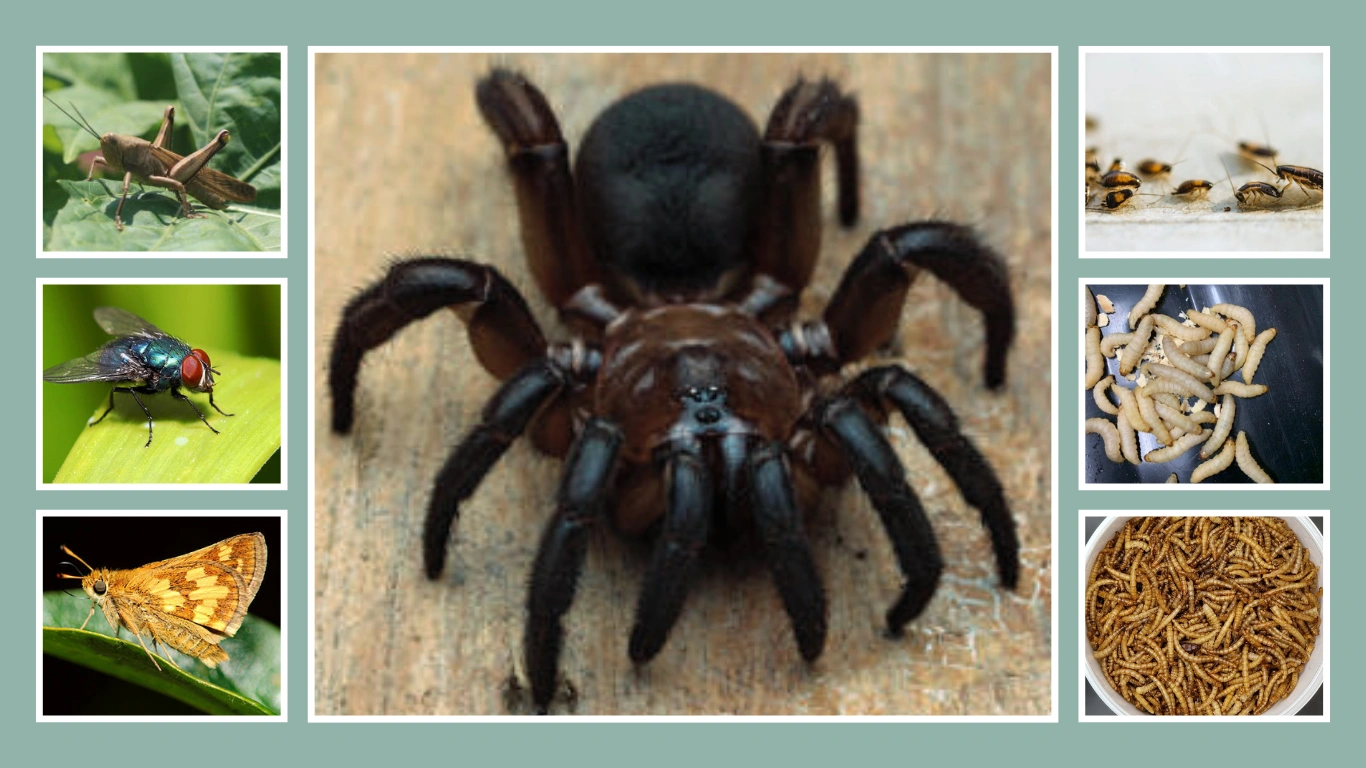
Trapdoor spiders are some of the most secretive hunters in the arachnid world. With their camouflaged burrows and lightning-fast strikes, they rarely leave their hiding spots—yet they’re effective and patient predators. So what do these fascinating spiders eat, and how do they feed? This article uncovers the full story of their diet, feeding process, and role in nature.
What Do Trapdoor Spiders Eat?
Primary Diet
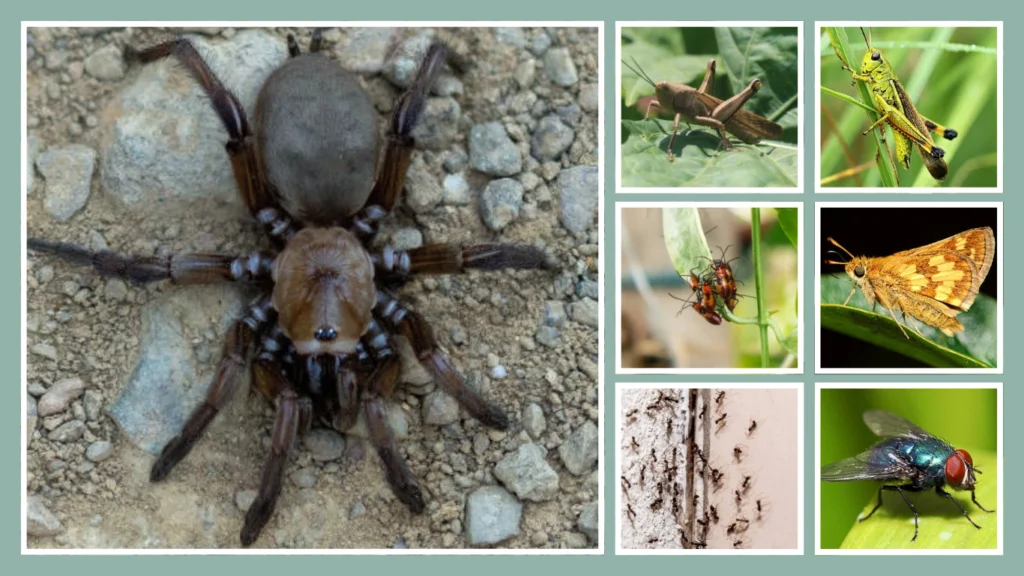
Trapdoor spiders are carnivorous and feed primarily on small invertebrates. Their diet depends on what’s available in their environment, but the most common food items include:
- Crickets
- Beetles
- Ants
- Grasshoppers
- Moths and other flying insects (if they land near the burrow)
In some cases, especially with larger species, trapdoor spiders may also eat small vertebrates like:
- Tiny frogs
- Small lizards
- Baby mice (very rare, in the case of large specimens)
These instances are uncommon and opportunistic, but they demonstrate just how effective trapdoor spiders are at exploiting any potential meal that wanders close to their burrow.
Prey Preferences
Trapdoor spiders are opportunistic predators. They don’t go out searching for a specific meal—they eat whatever gets close enough. However, they seem to prefer:
- Soft-bodied insects, which are easier to digest
- Prey that fits within their strike range and strength
- Creatures active on the forest floor, since that’s where they lie in wait
Because their diet is dependent on prey walking directly near the burrow entrance, their choice is limited by location rather than preference. That said, they will reject prey that is too large or aggressive to subdue safely.
How Do Trapdoor Spiders Hunt?

Ambush Technique
Trapdoor spiders are ambush predators. They wait just inside their burrow, with their legs touching silk trip lines that extend outside the entrance. These silk threads detect even the slightest vibrations from nearby movement.
When an insect walks past and touches the silk:
- The spider senses the vibration instantly.
- It bursts out of the trapdoor with speed and force.
- The prey is grabbed and dragged inside the burrow before it can escape.
- The trapdoor slams shut behind the spider, leaving no sign of the ambush.
This method is both stealthy and energy-efficient. The spider doesn’t waste energy wandering around—it simply waits for the food to come to it.
Nocturnal Behavior
Most trapdoor spiders are nocturnal hunters. This means they do most of their hunting at night when many insects are active and the environment is moist and cool.
- Nighttime hunting reduces the risk of predators spotting the spider.
- Many nocturnal insects crawl on the ground, making them easier targets.
- The cool temperature helps preserve the moisture of the burrow.
By hunting at night and staying hidden during the day, trapdoor spiders maximize survival and feeding success.
How Often Do They Eat?
Trapdoor spiders do not need to eat every day. Their feeding schedule depends on several factors:
- Spider size: Larger spiders eat bigger meals less frequently.
- Prey availability: If prey is abundant, they may eat more often.
- Season and weather: They may go dormant or eat less during dry periods.
On average, a trapdoor spider might eat once every few days—or even once a week if the meal is large enough. They are built for survival and can go weeks or even months without food by relying on stored energy reserves.
What Happens After the Hunt?

Once the trapdoor spider has successfully caught its prey, it pulls it into the burrow and begins feeding.
Feeding Process:
- The spider uses its fangs to inject venom into the prey. The venom quickly immobilizes the insect.
- Digestive enzymes in the venom begin to break down internal tissues.
- The spider then sucks out the liquefied insides of the prey, much like drinking a smoothie through a straw.
- Once finished, it pushes the dry, hollow exoskeleton out of the burrow.
This external digestion method is common among spiders and allows them to consume prey that’s larger than their mouths.
Feeding in Captivity
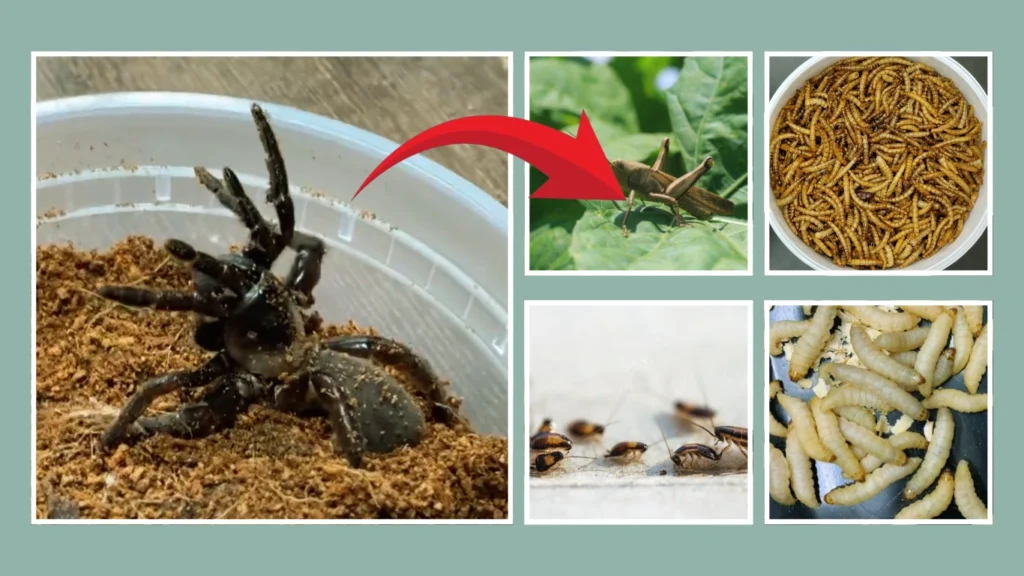
For spider keepers who raise trapdoor spiders as exotic pets, diet and feeding must be carefully managed.
Common Food for Pet Trapdoor Spiders:
- Crickets (most common)
- Mealworms
- Small cockroaches
- Waxworms (as an occasional treat)
Feeding Guidelines:
- Offer prey every 5–7 days for adults.
- Avoid overfeeding or offering prey that is too large.
- Remove uneaten prey within 24 hours to prevent burrow disturbance.
Since trapdoor spiders are shy, many will only feed when it’s dark and undisturbed. Overhandling or stressing the spider may result in refusal to eat.
Final Thoughts – Nature’s Hidden Predator
Trapdoor spiders are unique and fascinating hunters. They eat a wide variety of small insects and arthropods, striking with surgical precision from their camouflaged burrows. Though their hunting style is passive and stealthy, their feeding efficiency is impressive.
Their diet helps control insect populations, and their presence is often a sign of a healthy, biodiverse environment. Whether you’re a curious nature enthusiast or an exotic pet owner, understanding what trapdoor spiders eat helps demystify these secretive creatures.
FAQs
Do trapdoor spiders eat other spiders?
Yes, occasionally. If another spider wanders close enough, especially smaller species, a trapdoor spider may capture and eat it.
Can trapdoor spiders eat frogs or lizards?
Rarely. Large trapdoor spiders may overpower very small frogs or lizards, but this is uncommon and depends on availability and spider size.
How long can a trapdoor spider survive without food?
Some trapdoor spiders can survive several weeks to months without food, especially during dry or cold seasons.
Do trapdoor spiders use webs to catch prey?
No. Unlike web-building spiders, trapdoor spiders use burrows and vibration-sensitive silk threads to detect and ambush prey.
What is the difference between a trapdoor spider’s hunting and that of a tarantula?
Trapdoor spiders stay hidden and ambush prey from a burrow, while tarantulas may actively roam and hunt in the open. Both use venom and fangs, but their tactics differ greatly.