

When you spot a red, itchy bump on your skin, your first thought is often: Was it a mosquito bite—or something worse, like a spider? While both are common, they differ in appearance, symptoms, and potential health risks. Misidentifying the cause can lead to improper treatment or ignoring a more serious issue. In this guide, you’ll learn how to identify whether it’s a spider bite or a mosquito bite based on key visual clues, discomfort level, and how your body reacts over time.
Overview of Insect Bites

Insect bites are a part of everyday life, especially if you spend time outdoors or in warm climates. While most bites are harmless, some can cause significant discomfort or even lead to complications if not treated properly. Among the most common are mosquito bites, which are usually harmless but irritating, and spider bites, which range from mild to medically significant depending on the species. Knowing the difference is important for applying the right treatment and recognizing when to seek medical help.
Quick Comparison Table

| Feature | Spider Bite | Mosquito Bite |
| Pain Level | Mild to sharp pain | Usually painless, itchy instead |
| Appearance | Red bump with two small puncture marks | Small, round, raised itchy bump |
| Swelling | Localized, may spread or worsen | Mild and typically short-lived |
| Time to Appear | May appear after a delay | Appears soon after bite |
| Duration | Can last several days to weeks | Typically fades in 1–3 days |
| Other Symptoms | May include fever, nausea, or necrosis (rare cases) | Usually just itching and redness |
| Infection Risk | Higher, especially with venomous species | Low unless scratched excessively |
What Does a Spider Bite Look Like?

Common Visual Traits
Spider bites often appear as red, inflamed areas with two small puncture marks at the center. Depending on the species, the bite may develop into a blister, ulcer, or even a bullseye pattern. The affected area can become firm, swollen, and warm to the touch.
Pain and Symptoms
Unlike mosquito bites, spider bites tend to cause mild to sharp pain at the time of the bite. Some bites remain minor, while others may lead to more serious symptoms such as muscle cramps, chills, fever, or nausea—especially if caused by venomous spiders like the Black Widow or Brown Recluse.
Serious Reactions
Venomous spider bites can cause skin necrosis, open wounds, or systemic symptoms such as dizziness and vomiting. While rare, these reactions require immediate medical attention to prevent complications.
What Does a Mosquito Bite Look Like?
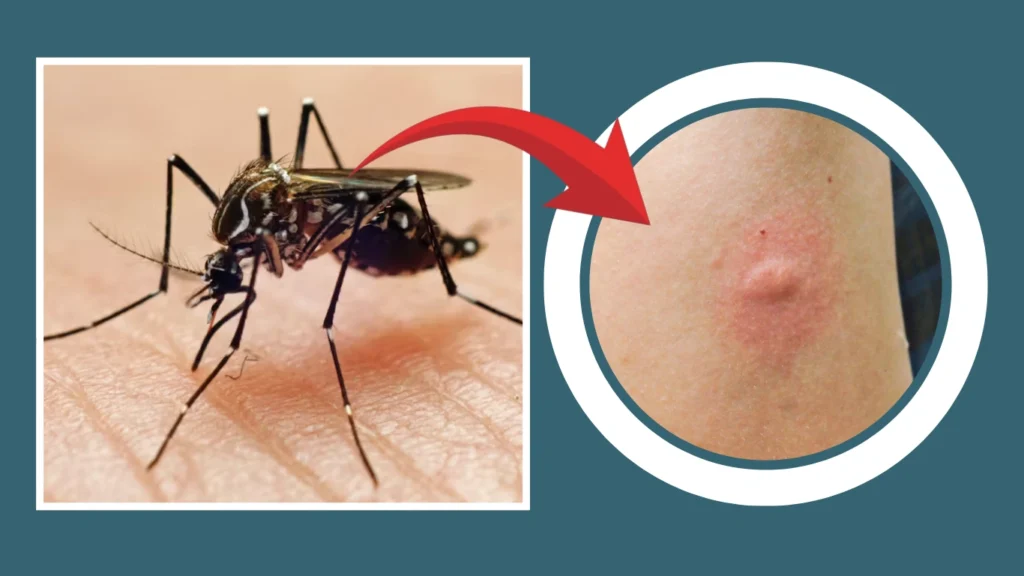
Common Visual Traits
Mosquito bites are typically small, round, and raised. They appear quickly after the bite and are often pink or red. Multiple bites are common, especially on exposed skin like arms, legs, and neck.
Itching and Discomfort
The hallmark of a mosquito bite is intense itching caused by an allergic reaction to the mosquito’s saliva. The itching usually begins within minutes and can persist for hours. Scratching may worsen inflammation or cause minor bleeding.
Rare Complications
Most mosquito bites heal on their own, but excessive scratching can lead to skin infections. In some regions, mosquitoes carry diseases such as dengue, malaria, and West Nile virus. Symptoms of these illnesses usually appear days after the bite, not immediately.
How to Tell the Difference at a Glance
Bite Mark Details
A spider bite typically features two small puncture wounds at the center, while a mosquito bite is a single raised bump without puncture marks. Spider bites may also look more irritated and swollen than a mosquito bite.
Sensation and Onset
Mosquito bites are almost always itchy and appear quickly. In contrast, spider bites may not cause noticeable symptoms right away but can develop into painful or blistered areas within hours.
Progression Over Time
Mosquito bites tend to improve or fade within a couple of days. Spider bites may worsen, with increasing redness, swelling, or even skin breakdown, especially in bites from venomous spiders.
First Aid for Each Bite
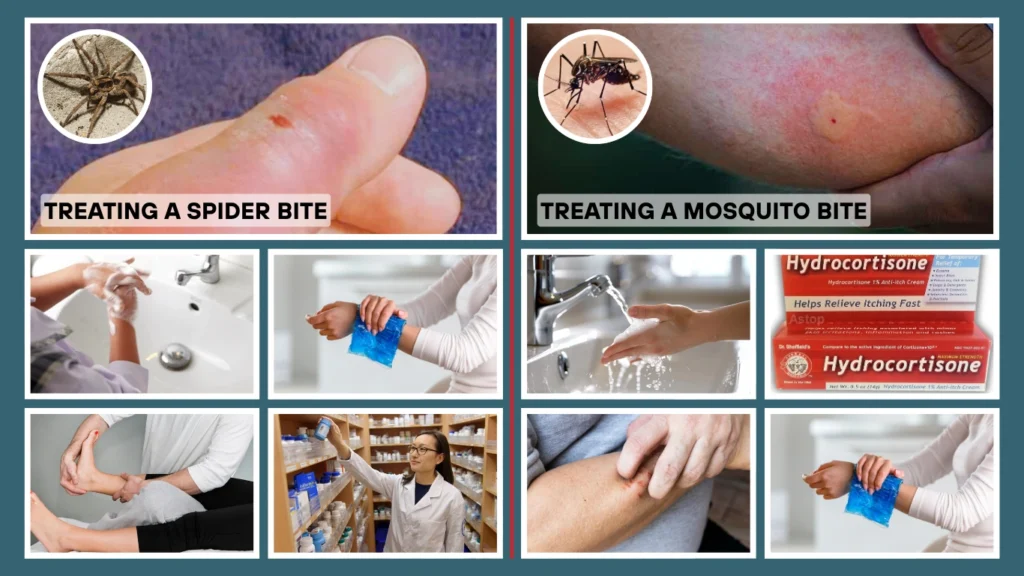
Treating a Spider Bite
- Wash the area gently with soap and water
- Apply a cold compress to reduce swelling
- Keep the affected area elevated if on a limb
- Use pain relievers and monitor symptoms
- Seek medical help if symptoms worsen or involve signs of infection or necrosis
Treating a Mosquito Bite
- Clean the area to prevent infection
- Apply an anti-itch cream or hydrocortisone
- Use cold compresses to reduce itching and swelling
- Avoid scratching to prevent open wounds
- Watch for any unusual symptoms, especially if in mosquito-borne disease areas
When to See a Doctor
Spider Bite Warning Signs
You should seek medical attention if you notice any of the following:
- The bite area becomes increasingly red, swollen, or painful
- A blister or ulcer forms and worsens
- You experience muscle cramps, fever, nausea, or chills
- You suspect a bite from a venomous spider (e.g., Black Widow or Brown Recluse)
Prompt care is essential, especially if the bite starts to spread or shows signs of tissue damage.
Mosquito Bite Warning Signs
Most mosquito bites are harmless, but see a doctor if:
- The bite becomes infected (pus, extreme redness, or warmth)
- You develop flu-like symptoms days after the bite (especially in high-risk areas)
- You have a history of allergic reactions to insect bites
- Swelling is severe or spreads rapidly
Here is a detailed comparison of 5 dangerous spiders vs mosquitoes, focusing on their threat levels, symptoms, and associated risks:
Comparison: 5 Dangerous Spiders vs Mosquito
| Feature / Species | Spider: Brown Recluse | Spider: Black Widow | Spider: Sydney Funnel-Web | Spider: Brazilian Wandering | Spider: Six-Eyed Sand Spider | Mosquito Species (General Risk) |
| Venom Type | Necrotic | Neurotoxic | Neurotoxic | Neurotoxic | Hemotoxic | Anticoagulant (for feeding), may carry viruses |
| Primary Danger | Tissue damage | Nervous system effects | Fatal without treatment | Aggressive, can be fatal | Causes massive skin/organ damage | Disease transmission (e.g., dengue, malaria, Zika) |
| Pain Level | Mild at first, then severe | Sharp pain, muscle cramps | Immediate, intense | Immediate, intense | Often unnoticed at first | Mild to moderate itching |
| Symptoms | Blister, ulcer, necrosis | Muscle spasms, nausea, chest pain | Sweating, high blood pressure, breathing issues | High fever, nausea, hallucination | Necrosis, hemorrhaging | Itching, redness; viral symptoms if infected |
| Medical Urgency | High if ulcer spreads | High – especially for children | Critical – fatal if untreated | Critical – emergency needed | Very high – no known antivenom | Depends on disease carried |
| Mortality Risk | Low (rare, but possible) | Low with treatment | Medium to high without antivenom | High in poor care settings | High in severe cases | High in areas with mosquito-borne illness |
Key Takeaways:
- Spiders can cause severe localized or systemic damage depending on species and bite location. Some, like the Funnel-Web and Wandering Spider, are potentially fatal.
- Mosquitoes, while their bite is less dramatic, pose a greater global health threat due to their role in spreading deadly diseases like malaria, dengue, Zika, and yellow fever.
FAQs
Can spider bites be painless at first?
Yes, some spider bites, especially from smaller or non-venomous spiders, may go unnoticed initially. Pain or irritation might develop hours later as the venom or skin reaction sets in.
Are mosquito bites ever dangerous?
While most are harmless, mosquito bites can transmit diseases like dengue, malaria, and West Nile virus in certain regions. Severe allergic reactions or infections from scratching are rare but possible.
Do spider bites always have two puncture marks?
Not always. While two tiny punctures are typical, they can be hard to spot. The size and clarity of the marks depend on the spider’s fangs and the bite location.
How can I prevent bites while sleeping?
Use bed nets in mosquito-prone areas and keep bedrooms sealed from insects. Avoid sleeping on the floor in areas where spiders are common. Use repellents or essential oil diffusers when needed.
What spiders should I be most concerned about?
The Brown Recluse and Black Widow are the most medically significant spiders in North America. Their bites may cause severe symptoms and should be treated by a healthcare professional promptly.