

The brown recluse spider (Loxosceles reclusa) is one of the most well-known and misunderstood spiders in North America. Recognized for its violin-shaped mark and feared for its venomous bite, it frequently appears in news headlines and pest control warnings. But one question that rarely gets asked is: Are brown recluse spiders endangered or at risk of extinction?
In an era of growing awareness around conservation, even spiders deserve a closer look. This article explores the brown recluse’s population, habitat, ecological role, and whether this species faces any significant threats that could endanger its survival.
What Does “Endangered” Mean?

To determine if any species is at risk of extinction, scientists use formal criteria set by organizations like:
- IUCN (International Union for Conservation of Nature)
- U.S. Fish & Wildlife Service
IUCN Red List Categories
Species are assessed and placed into categories such as:
- Least Concern
- Near Threatened
- Vulnerable
- Endangered
- Critically Endangered
- Extinct in the Wild
- Extinct
A species is considered endangered when it faces a very high risk of extinction in the near future due to habitat loss, declining population, overexploitation, or other threats.
Is the Brown Recluse Spider Endangered?

The brown recluse spider is not endangered, not threatened, and not protected under any state, national, or international conservation laws. In fact, it is quite the opposite.
Current Conservation Status
The IUCN has not listed the brown recluse spider as being at risk. Its population is considered stable throughout its native range. Many scientists and pest control professionals actually regard the species as abundant in suitable environments.
Population Stability
Brown recluses thrive in:
- Urban and suburban areas
- Abandoned buildings
- Homes and sheds
- Wood piles and debris fields
Unlike some native wildlife that is impacted by urbanization, brown recluses have adapted well to living around humans. Their ability to survive in man-made structures gives them a strong foothold in both natural and modified environments.
Are There Any Threats to Brown Recluse Populations?
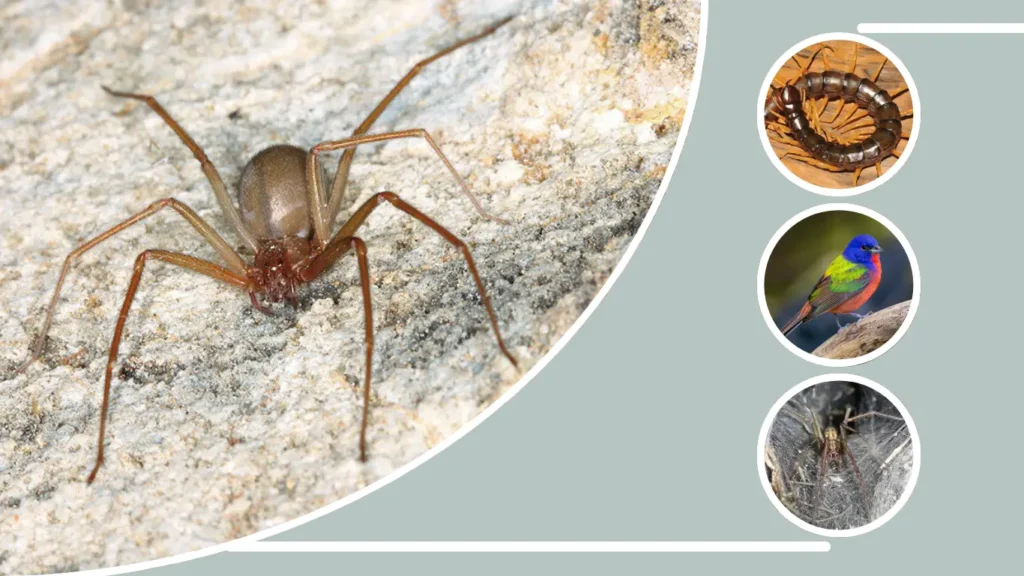
Despite their scary reputation, brown recluse spiders are incredibly resilient. Their survival is rarely in question due to the following factors:
Natural Predators
Brown recluses do have predators in the wild, including:
- Centipedes
- Birds
- Other spiders (especially larger or web-building ones)
However, these predators do not pose a major threat to the population. The recluse’s nocturnal and hidden habits help it avoid most confrontations.
Habitat Loss
Unlike many endangered species that depend on forests, wetlands, or other delicate ecosystems, brown recluses do well in urban environments. Human development hasn’t reduced their numbers—in many cases, it has expanded their range within homes and buildings.
Pest Control Efforts
Pest control efforts can reduce recluse populations locally, especially in homes or warehouses. But these measures do not impact the species as a whole. Brown recluses often hide in walls or cluttered areas where sprays and traps have limited effectiveness. Plus, they reproduce efficiently, which helps keep their numbers stable.
Misconceptions About Rarity
Some people believe brown recluse spiders are rare because they’re seldom seen. In reality, their reclusive behavior makes them hard to notice, even when they’re nearby.
Confusion With Other Species
Hundreds of spider species in the U.S. are misidentified as brown recluses each year. Many harmless spiders resemble recluses in color or shape, leading people to assume they are more widespread—or more rare—than they really are.
Media Hype vs. Scientific Data
News stories often exaggerate the danger of brown recluse bites. While bites can be serious in some cases, the actual number of medically confirmed bites is low, and fatalities are extremely rare. The combination of media attention and visual similarity to other spiders creates a confusing picture of their true distribution.
Human-Spider Relationship
Why Brown Recluses Are Feared
The brown recluse is often feared for its bite, which can cause necrotic skin wounds in some cases. But bites are rare and usually happen when the spider is trapped in clothing or bedding.
Their Role in the Ecosystem
Like many spiders, brown recluses help control insect populations, including cockroaches, silverfish, and other pests. Despite their venomous reputation, they play a helpful role in balancing ecosystems, especially in indoor environments where other predators are scarce.
Ethical Pest Management
Because they aren’t endangered, controlling brown recluse populations in your home is not harmful to the species overall. Still, it’s good practice to use targeted, non-toxic methods like traps and exclusion techniques instead of broad chemical sprays that may harm non-target wildlife.
Final Thoughts
So, are brown recluse spiders endangered? Absolutely not.
They are thriving in many parts of their natural range and have shown a remarkable ability to adapt to human environments. Unlike many wildlife species that struggle with habitat loss or pollution, the brown recluse spider is stable, common, and in no danger of extinction.
FAQs
Are any recluse spider species endangered?
There are over 100 species in the Loxosceles genus, including the Chilean recluse (Loxosceles laeta). However, none are currently listed as endangered. Some species may have limited ranges, but data on their population status is scarce.
Why are brown recluses so common indoors?
Brown recluses prefer dark, quiet, and undisturbed spaces, which makes indoor environments like closets, attics, and storage rooms ideal. Human homes also offer protection from predators and a steady food supply.
Could brown recluses become endangered in the future?
It’s highly unlikely. Their broad adaptability, secretive habits, and stable reproduction mean they are well-protected against most extinction risks, especially those caused by humans.
Do conservationists study brown recluses?
Brown recluses are not a focus of conservation biology due to their stable status. However, they are studied in medical research because of their venom’s effects and in urban ecology due to their close interaction with humans.
Are brown recluses protected by any laws?
No. Brown recluses are not protected by any local, state, or federal laws. Because they are not endangered and sometimes considered pests, there are no legal restrictions on removing or controlling them.