

Bird-eating spiders, such as the famous Goliath bird-eating spider (Theraphosa blondi), are among the largest spiders on Earth. With fangs longer than a human thumbnail and the strength to overpower small animals, it’s natural to wonder if they’re also venomous—and if that venom poses any danger to humans.
Let’s break it down.
Yes, Bird-Eating Spiders Are Venomous—But Not Highly Toxic to Humans

All bird-eating spiders, including species in the Theraphosa genus, are venomous. They inject venom through their fangs to immobilize prey, such as insects, frogs, lizards, and even small rodents. However, their venom is mild when it comes to humans.
While their bite may hurt and cause localized symptoms, the venom itself is not considered medically dangerous. The effects are typically similar to:
- A wasp or bee sting
- Temporary pain, swelling, or redness
- Mild cramping in rare cases
There have been no recorded human fatalities due to their venom.
What Happens If a Bird-Eating Spider Bites You?
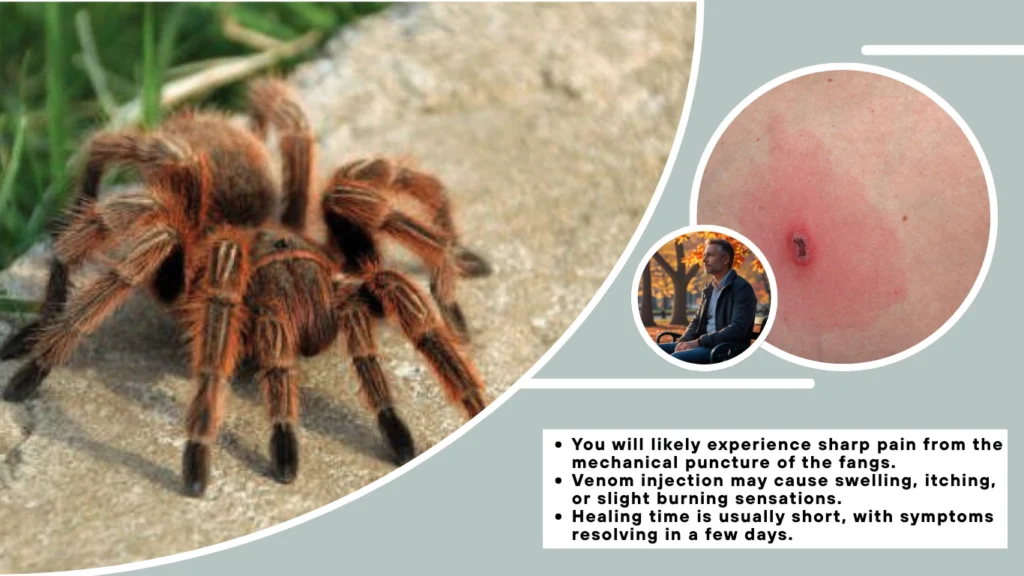
Although rare, bites can occur—especially in captivity or when the spider feels cornered. If bitten by a bird-eating spider:
- You will likely experience sharp pain from the mechanical puncture of the fangs.
- Venom injection may cause swelling, itching, or slight burning sensations.
- Healing time is usually short, with symptoms resolving in a few days.
People who are allergic to insect stings may have stronger reactions and should seek medical attention if symptoms escalate.
Do Bird-Eating Spiders Use Venom Often?
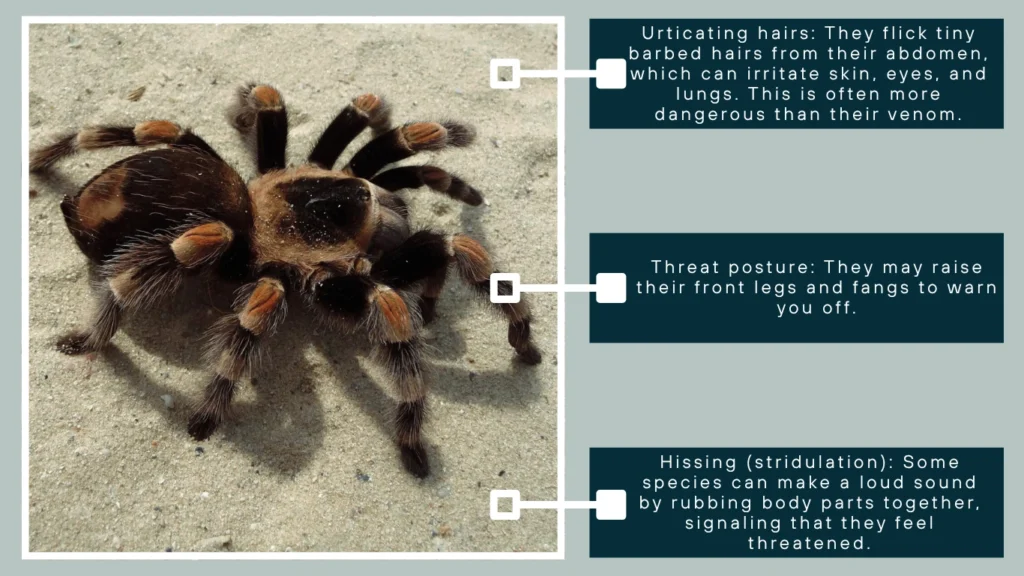
Interestingly, bird-eating spiders don’t rely heavily on venom when it comes to defense. They prefer other tactics, such as:
- Urticating hairs: They flick tiny barbed hairs from their abdomen, which can irritate skin, eyes, and lungs. This is often more dangerous than their venom.
- Threat posture: They may raise their front legs and fangs to warn you off.
- Hissing (stridulation): Some species can make a loud sound by rubbing body parts together, signaling that they feel threatened.
They only bite as a last resort, usually when escape isn’t possible.
Can Their Venom Kill Small Animals?
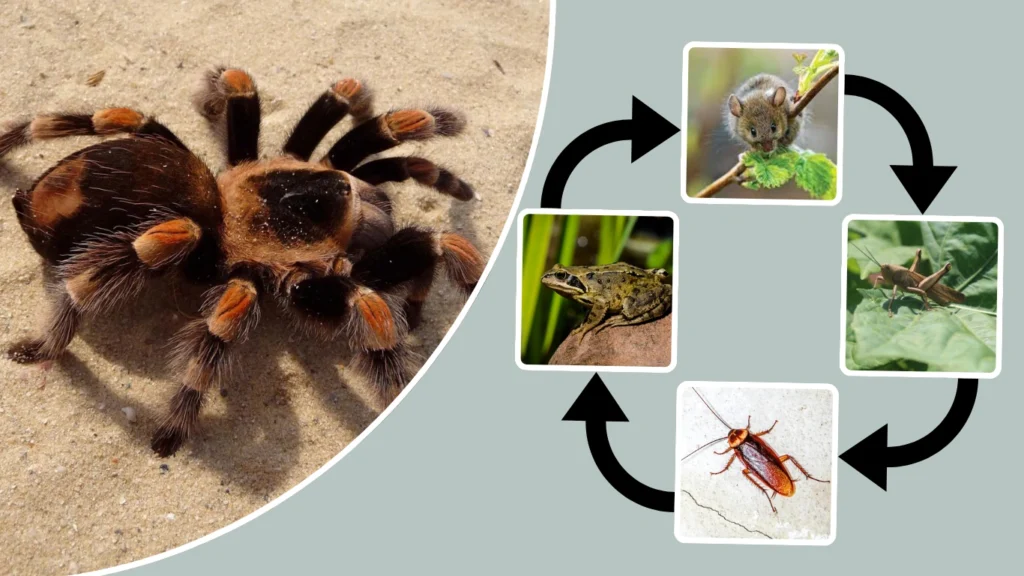
Yes. The venom of a bird-eating spider is potent enough to kill small prey like insects, frogs, and mice. It contains neurotoxins and digestive enzymes that paralyze the prey and begin breaking down its insides, making it easier for the spider to consume.
However, these toxins are specifically adapted for small-bodied creatures, not humans. This is why the effects on people are so minimal.
Are All Tarantulas Venomous Like Bird-Eating Spiders?
Yes, all tarantulas are venomous, including bird-eating spiders. However, the potency and delivery vary between species. Some smaller tarantulas have more irritating venom, while others, like the Goliath birdeater, rely more on physical power and fang size than on strong venom.
To date, no tarantula is considered medically significant in terms of venom risk to humans.
Can You Be Allergic to Their Venom?
Yes, it’s possible. Just like with bee stings, some individuals may have an allergic reaction to the venom or proteins in the spider’s saliva. Symptoms of an allergic reaction include:
- Intense swelling
- Difficulty breathing
- Dizziness or rash
If these symptoms occur, it’s important to seek emergency medical care immediately.
Are Baby Bird-Eating Spiders Venomous Too?
Yes, even juvenile bird-eating spiders have venom, though their bite is far less powerful due to their small size and underdeveloped fangs. However, they are born with the same instinctual defenses and can still use urticating hairs or deliver a mild bite if threatened.
Can Bird-Eating Spider Venom Be Used for Research or Medicine?
There is growing scientific interest in spider venom, including that of tarantulas, for use in medicine. Certain components in venom have been studied for:
- Painkillers stronger than morphine
- Muscle relaxants
- Pesticide development targeting insects
While the Goliath’s venom isn’t the most chemically complex, it’s still part of ongoing research in biotechnology.
Final Thoughts: No Need to Panic
Bird-eating spiders are venomous, but they are not deadly or aggressive toward humans. Most bites occur due to mishandling or accidental contact, not because the spider is hunting or attacking. In truth, they would rather flee or hide than engage with a human.
If you’re keeping one as a pet, handling should be minimal, and respect for the spider’s space is key. With proper care and caution, there’s very little risk involved.
Related Questions
Can bird-eating spiders paralyze humans with their venom?
No. Their venom is not strong enough to paralyze a human. It is only effective on small prey animals.
Do bird-eating spiders inject venom every time they bite?
Not always. Sometimes they deliver a “dry bite” with no venom, especially if they’re warning you rather than trying to subdue prey.
What’s more dangerous—bird-eating spider venom or urticating hairs?
For humans, urticating hairs are often more problematic than the venom, causing serious eye and skin irritation if not handled carefully.