

The bird-eating spider, also known as the Goliath birdeater, may sound like a bird-hunting predator, but its diet is more grounded. Despite the name, it rarely eats birds. Instead, this giant tarantula mainly feeds on insects, worms, small rodents, frogs, and other ground-dwelling creatures. In this guide, we’ll explore what bird-eating spiders really eat, how they hunt, and what they consume in captivity.
Primary Diet of the Bird-Eating Spider

Insects and Arthropods
The bulk of a bird-eating spider’s diet consists of insects and other arthropods. They commonly feed on large crickets, cockroaches, beetles, and grasshoppers. These are ideal targets because they’re abundant, easy to overpower, and packed with protein. The spider uses its fangs to inject venom and digestive enzymes, breaking down the prey’s internal tissues before consumption.
Worms and Small Invertebrates
Earthworms, mealworms, and various soft-bodied invertebrates are also part of their regular diet, especially for younger or smaller spiders. These prey items are easier to digest and ideal for tarantulas that are not yet ready to tackle larger, more mobile prey. Worms are often found in the moist forest floor, where these spiders prefer to hunt.
Hunting Style for These Prey
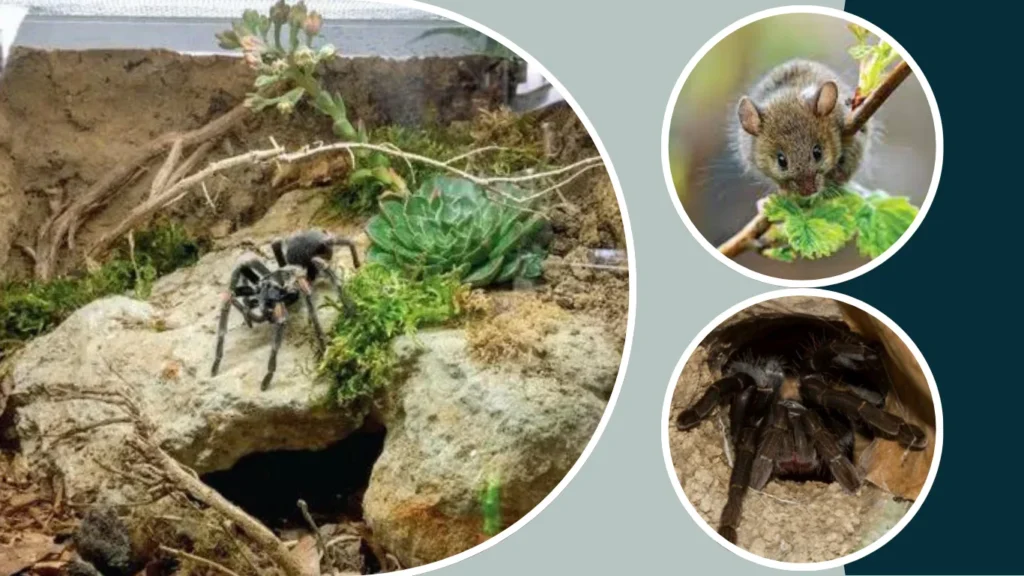
Rather than chasing or weaving webs, the Goliath birdeater is an ambush predator. It waits silently in or near its burrow until it senses vibrations from passing prey. Then, it pounces with speed and power, subduing its victim in seconds.
Secondary Diet – Larger Prey
Small Vertebrates
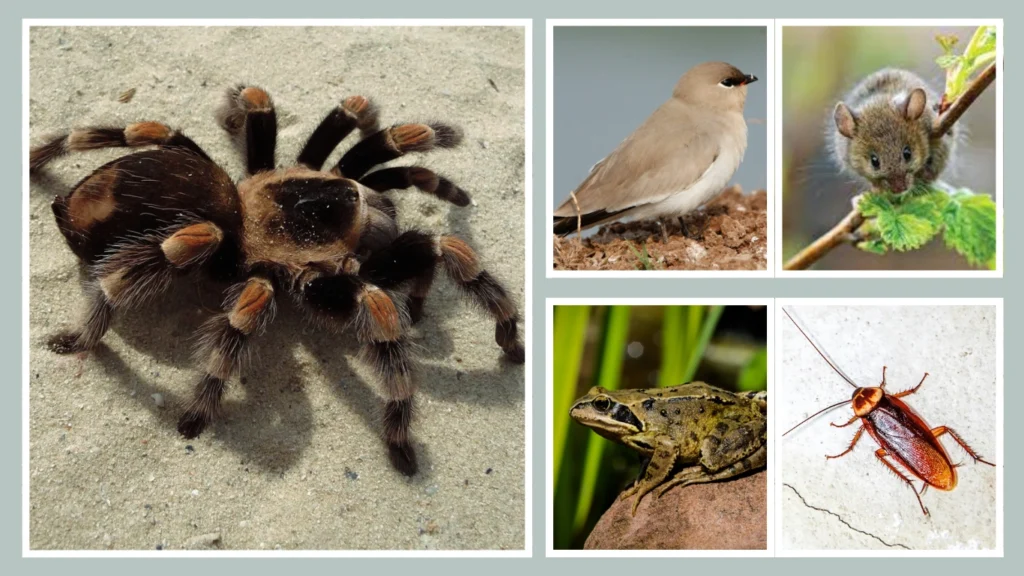
Though insects make up most of its meals, the bird-eating spider can and does eat small vertebrates when the opportunity arises. This includes frogs, toads, lizards, and even small snakes. These are typically taken when they come too close to the spider’s burrow. The spider’s venom and sheer physical strength make it capable of overpowering such prey.
Rodents and Mice
Occasionally, a Goliath birdeater may catch and consume a small rodent like a mouse. This is more common in captivity, where mice are sometimes offered as a protein-rich meal. In the wild, rodents must be relatively small and slow-moving for the spider to successfully capture them. Such prey provides a substantial meal, allowing the spider to go days or weeks without feeding again.
Do They Really Eat Birds?
Despite the name, bird-eating spiders rarely consume birds. Cases where a spider feeds on a bird are extremely rare and usually involve ground-nesting chicks or weak, injured birds. These events are opportunistic rather than routine behavior. The name originated from a 19th-century report and illustration, but it doesn’t reflect the spider’s actual feeding habits.
Hunting Technique and Feeding Behavior
Nocturnal Ambush Predators
Bird-eating spiders are active primarily at night. They rely on stealth and patience, waiting near their burrow for vibrations that signal nearby prey. Their bodies are equipped with sensitive hairs that detect even the slightest movement in the soil or air. Once the prey is close enough, the spider launches a quick and powerful attack.
Use of Fangs and Venom
The spider’s long fangs—up to 2 inches—are used to pierce the prey’s body and inject venom. This venom isn’t deadly to humans but is highly effective on smaller animals. It paralyzes the prey and begins the digestion process from the inside out. The spider also uses these fangs to grip and manipulate the food while feeding.
External Digestion Process
Unlike mammals, bird-eating spiders do not chew their food. Instead, they release digestive enzymes into the prey, which liquefy internal tissues. The spider then sucks up the liquefied nutrients, leaving behind an empty shell or husk. This method is efficient and allows the spider to extract maximum nutrition from each meal.
Captive Diet of Pet Bird-Eating Spiders
Recommended Food Items
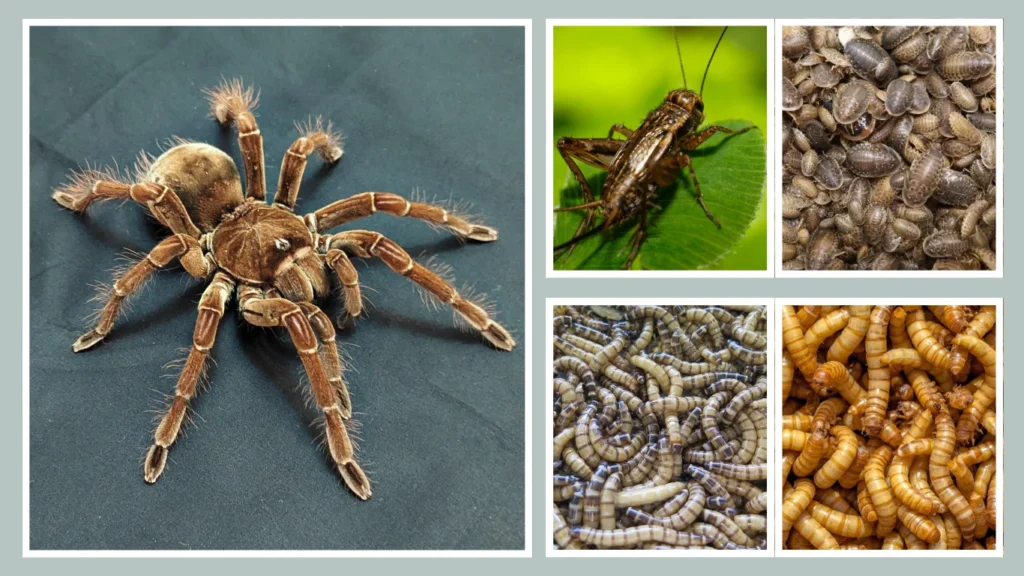
In captivity, the diet is more controlled but still mimics natural feeding habits. Common foods include crickets, dubia roaches, superworms, and mealworms. Larger spiders may occasionally be fed pre-killed pinkie mice or small frogs under supervision. Live feeding is avoided in some cases to reduce the risk of injury.
Feeding Frequency and Portion Sizes
Young tarantulas (spiderlings) eat more frequently—every 3–5 days—while adults typically eat once every 7 to 14 days. Overfeeding can lead to obesity or molting problems, so caretakers must monitor portion sizes and feeding schedules carefully. Many owners stop feeding entirely when the spider shows signs of an upcoming molt.
What Bird-Eating Spiders Don’t Eat
Plant Material or Fruits
Bird-eating spiders are obligate carnivores, meaning they do not eat any plant-based material. They have no interest in fruits, vegetables, or other non-living items. Their digestive system is designed to process only protein-rich animal matter.
Dead or Decaying Prey
These spiders prefer live prey. While they may occasionally accept freshly killed food in captivity, they do not scavenge in the wild. Consuming decaying animals increases the risk of bacterial infection, so they instinctively avoid anything that doesn’t move.
FAQs
Do bird-eating spiders actually eat birds?
Rarely. While they are capable of eating small ground-dwelling birds or chicks, this behavior is extremely uncommon. Their name comes from a historic observation, not their regular diet.
What do bird-eating spiders eat most often?
They mostly consume insects like crickets, roaches, beetles, and worms. Occasionally, they’ll eat small frogs, lizards, or rodents if available.
How often does a bird-eating spider need to eat?
Adults typically eat once every 1–2 weeks. Younger spiders eat more frequently, around every 3–5 days. They can go weeks without food, especially after a large meal.
Is it safe to feed a bird-eating spider mice?
Yes, but only in moderation. In captivity, pinkie mice can be offered occasionally to large individuals. However, live rodents can harm the spider, so pre-killed options are safer.
Can bird-eating spiders eat dead insects or meat?
They usually avoid dead prey. In the wild, they are hunters, not scavengers. In captivity, they may sometimes accept freshly killed insects, but generally, they prefer moving prey.