
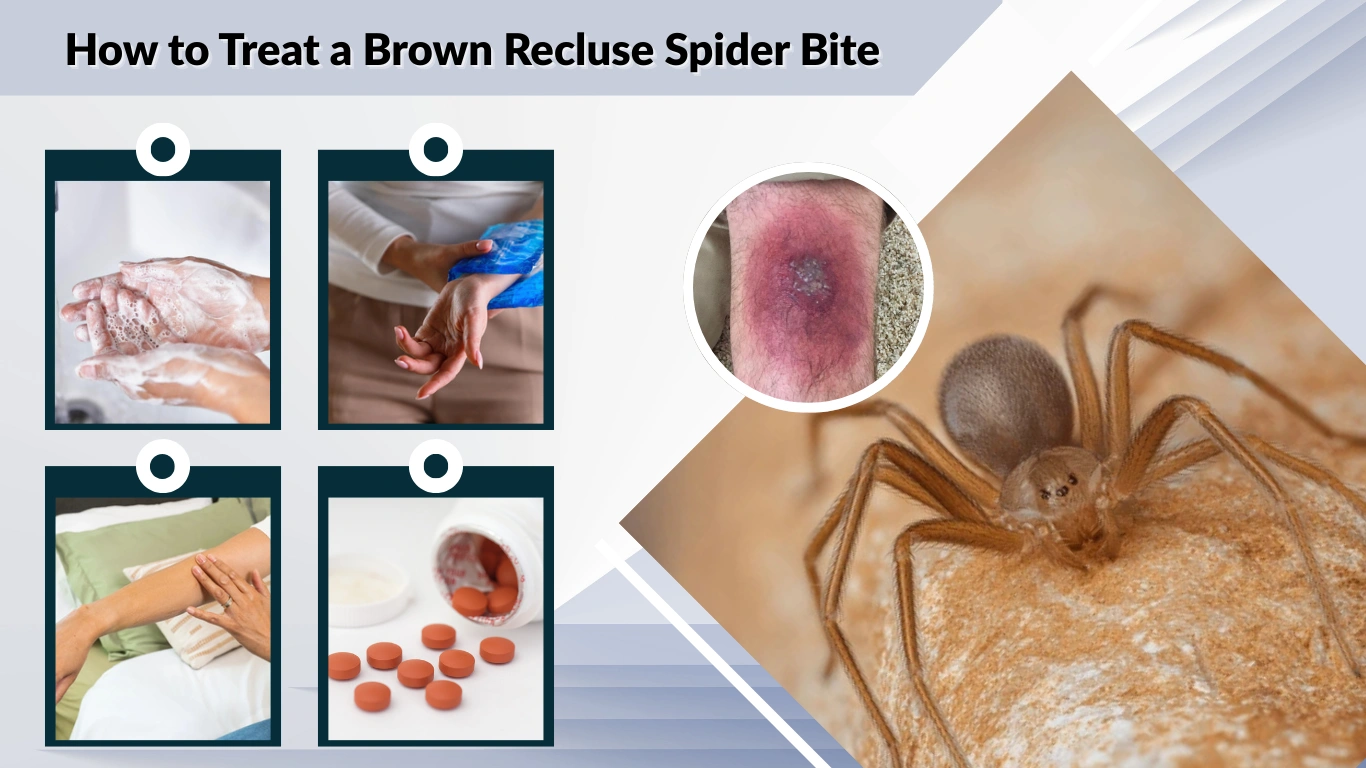
Brown recluse spider bites are rare but potentially dangerous. While many heal without major complications, some develop severe skin damage and systemic reactions. Immediate, calm, and informed action can make a significant difference in the outcome. This guide walks you step by step through identifying, treating, and preventing complications from a brown recluse bite while emphasizing when professional medical care is essential.
Quick Identification and Common Myths
The brown recluse (Loxosceles reclusa) is native to the central and southern United States. It is a small, light to medium brown spider, often identified by the violin-shaped marking on its back. Unlike many spiders, it has six eyes instead of eight, arranged in pairs.
A key challenge is misidentification: many harmless spiders resemble the brown recluse, and countless skin conditions—from bacterial infections to shingles—are mistaken for bites. Studies show that confirmed recluse bites are far rarer than reported cases. For this reason, accurate identification of the spider (if safely possible) helps guide appropriate treatment.
Common myths to avoid:
- Not every necrotic skin wound is a brown recluse bite.
- Cutting or sucking out venom does not work and can worsen the injury.
- Electric shock or applying heat is not recommended and can cause further tissue damage.
When to Seek Emergency Care
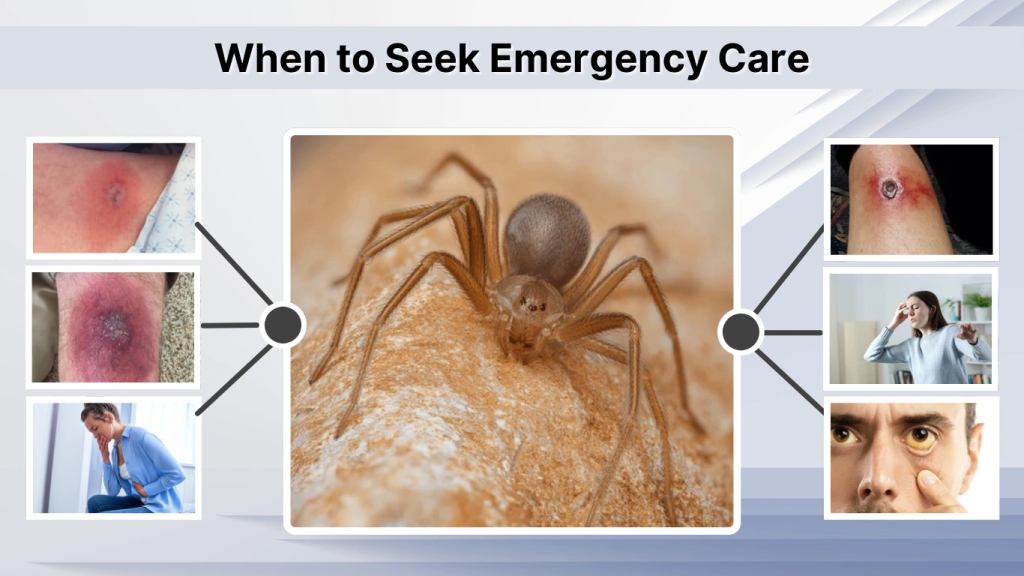
Though most bites remain localized, some progress to severe wounds or systemic illness known as loxoscelism. Recognizing red flags early is crucial:
- Rapidly enlarging or darkening skin lesion
- Severe, spreading pain unresponsive to home care
- Fever, chills, nausea, or vomiting
- Rash beyond the bite area
- Dizziness or confusion
- Dark urine or jaundice (indicating possible red blood cell breakdown, especially in children)
If you notice any of these symptoms, call your local emergency number or in the U.S., Poison Help at 1-800-222-1222 for immediate guidance.
Step-by-Step First Aid (0–48 Hours)
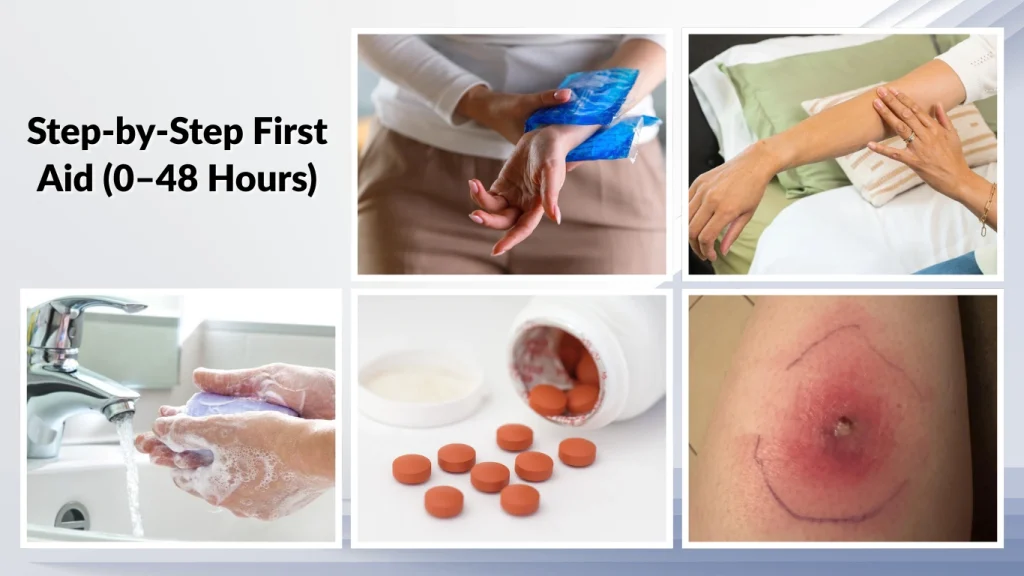
Early treatment can minimize tissue damage and ease discomfort. Here’s a stepwise approach for the first two days after the bite:
1. Stay Calm and Safe
Sit or lie down, reassure yourself, and avoid panicking. Remove tight clothing, rings, or jewelry near the affected area to prevent complications if swelling develops.
2. Clean the Bite
Wash the wound gently with mild soap and cool water. Pat dry with a clean cloth. Do not scrub or apply harsh chemicals.
3. Apply Cold Compresses
Cold helps slow venom spread and reduces inflammation. Use a wrapped ice pack or cloth soaked in cold water for 10–15 minutes at a time, once or twice per hour during the first few hours. Avoid heat, as it can worsen tissue injury.
4. Elevate the Area
If the bite is on an arm or leg, keep it elevated to reduce swelling and improve comfort.
5. Manage Pain and Itching
Over-the-counter pain relievers such as acetaminophen or ibuprofen can help control discomfort. For itching, an oral antihistamine may provide relief, but always check safety if you have other health conditions.
6. Mark and Monitor the Bite
Outline the edge of redness with a marker or pen, and take photos every few hours during the first day. This makes it easier to track whether the lesion is spreading or worsening.
7. Call Poison Help or a Local Helpline
In the U.S., dial 1-800-222-1222 to reach Poison Help. Experts can give you case-specific advice about monitoring, medications, and whether you need emergency care.
What Not to Do
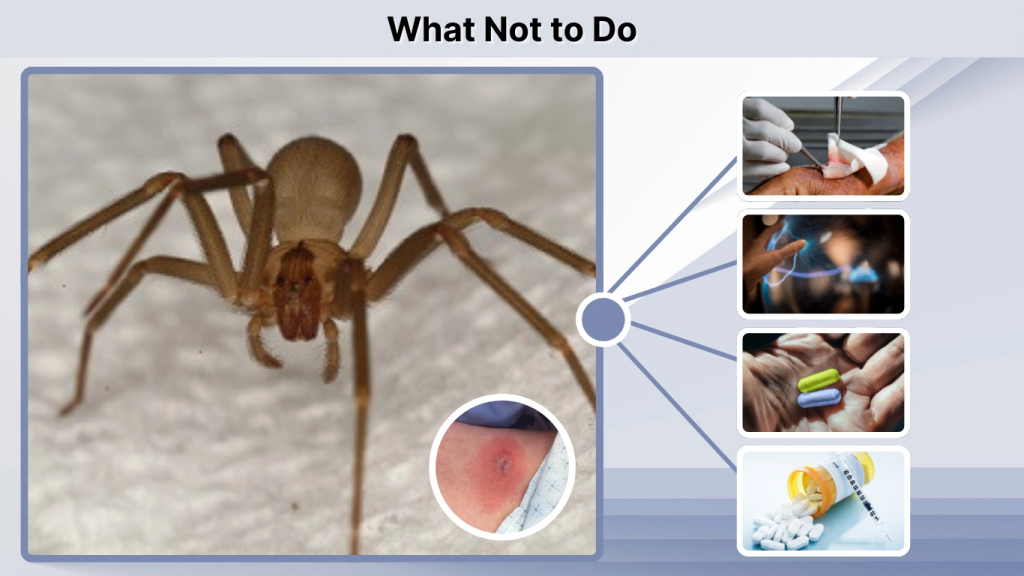
Knowing what to avoid is just as important as knowing what to do. Harmful or ineffective practices include:
- Cutting or suctioning the wound: These methods don’t remove venom and increase infection risk.
- Applying heat or electric shock: Both can worsen tissue damage.
- Taking antibiotics preemptively: Antibiotics are only needed if infection develops, not for venom.
- Using unproven drugs: Medications like dapsone or corticosteroids are sometimes mentioned but are not recommended routinely because of limited benefit and potential side effects.
Medical Evaluation and Professional Treatments
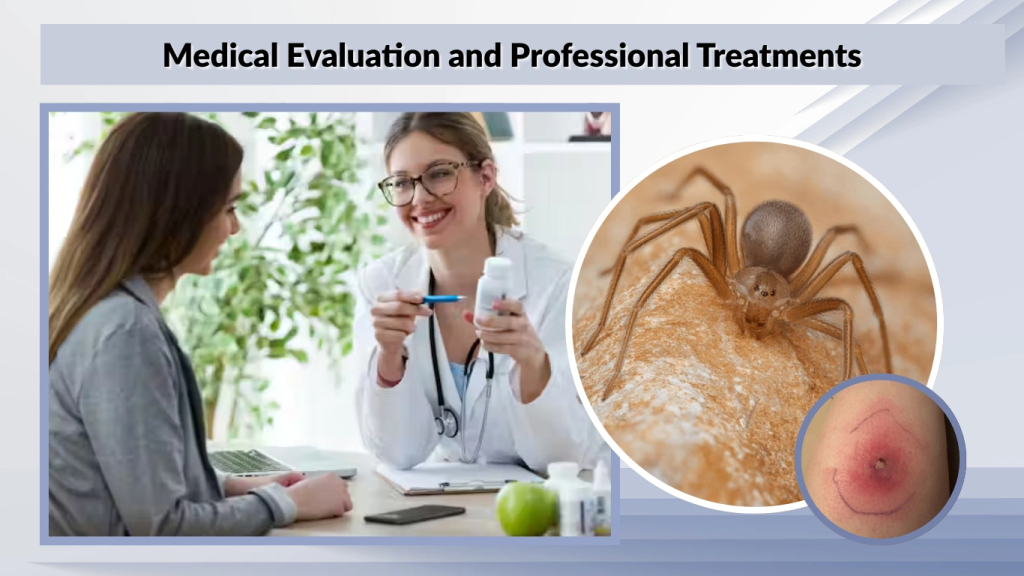
If you seek medical care, expect a thorough evaluation. Clinicians often consider alternative causes first, since bacterial infections or other skin conditions are more common than true recluse bites.
Standard medical management includes:
- Wound care: Gentle cleaning, bandaging, and monitoring for necrosis.
- Tetanus update: If you are not up to date on vaccination.
- Pain control and antihistamines: To ease discomfort and itching.
- Antibiotics: Only if secondary infection is confirmed.
There is no approved antivenom in the U.S. for brown recluse bites. In rare severe cases, advanced wound care, debridement, or even surgical intervention may be needed once tissue damage stabilizes. Healing for serious bites can take weeks to months, often leaving a scar.
Recovery Timeline and Scarring
Most brown recluse bites heal within days to weeks. Mild cases may resemble a small red bump that gradually improves. More severe bites can blister, ulcerate, and cause tissue necrosis. These lesions may take several weeks or even months to fully resolve. In such cases, scarring or skin color changes are common.
Recovery time depends on:
- The size and depth of the wound
- How quickly first aid and medical care were provided
- The individual’s overall health and immune response
After the wound closes, scar care may include moisturizing ointments, silicone sheets, or dermatological treatments to minimize long-term marks.
Special Situations
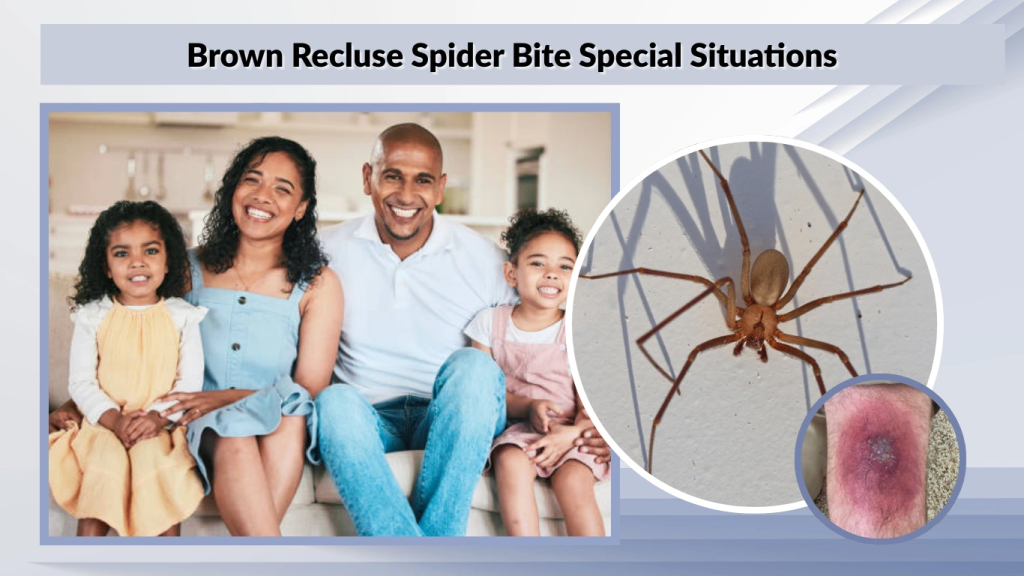
Children and Older Adults
Young children and elderly adults are at greater risk of systemic effects, such as fever, hemolysis, or kidney issues. Their immune systems and overall resilience are lower, so even a small bite can become serious. They should always be evaluated in person.
Pregnancy, Diabetes, or Immunosuppression
Pregnant women and people with conditions like diabetes or on immunosuppressive medication should seek medical care promptly. These groups face higher risks of infection and complications.
Sensitive Body Areas
Bites on the face, eyes, genitals, or other delicate regions require urgent medical attention. These areas are prone to more significant cosmetic or functional damage if untreated.
Prevention Tips (Home and Yard)
Preventing exposure to brown recluses is far easier than treating a bite. These spiders prefer dark, quiet spaces and often hide in shoes, closets, attics, and woodpiles.
Practical prevention strategies include:
- Shake out shoes, clothing, and bedding before use if stored in undisturbed places.
- Store items in sealed plastic bins rather than cardboard boxes.
- Reduce clutter indoors and outdoors where spiders may hide.
- Seal cracks in walls, windows, and doors to block entry points.
- Wear gloves when handling firewood, boxes, or items stored in garages or sheds.
- Consider professional pest control if you suspect infestation.
Taking these steps not only lowers the chance of a bite but also creates a safer home environment overall.
At-Home Follow-Up (After the First 48 Hours)
Once the initial two days pass, continued wound care helps ensure proper healing.
- Daily cleansing: Wash gently with soap and water; pat dry.
- Topical care: Apply a thin layer of antibiotic ointment if your doctor recommends it.
- Bandaging: Keep the wound lightly covered to protect against infection.
- Ongoing cool compresses: Still useful for comfort, but not essential beyond the first two days.
- Elevation: Continue as needed to reduce swelling.
- Tetanus status: Confirm vaccination is up to date.
Warning signs after 48 hours:
- Increasing pain or redness
- Expanding ulcer or darkening skin
- Fever, chills, or general illness
- Drainage with foul odor
If any of these occur, seek prompt medical evaluation.
FAQs
How can I tell a brown recluse bite from other skin problems?
It is very difficult to confirm a brown recluse bite without seeing the spider. Many skin infections and conditions, such as cellulitis or shingles, mimic these bites. A doctor or poison control specialist can help evaluate and rule out other causes.
Do I need antibiotics right away?
Not always. Antibiotics are only prescribed if the bite becomes infected, which is separate from the venom effect. The primary focus should be wound care, tetanus protection, and pain control.
Is there an antivenom for brown recluse bites?
No antivenom is available in the United States. Treatment is supportive, focusing on managing symptoms, preventing infection, and monitoring for complications.
How long does healing take—and will it scar?
Minor bites heal in a week or two. Severe necrotic bites may require weeks or months to close and can leave a noticeable scar. Scar care or surgical treatment may be discussed if cosmetic or functional problems persist.
Should I bring the spider to the clinic?
If you can safely capture the spider without risking another bite, bring it in a sealed container or take a clear photo. This helps doctors confirm the cause. However, never delay treatment while trying to catch the spider.