

Colorado is home to several spider species that display striking orange, reddish, or orange-black coloration. Many of these spiders belong to the orb-weaver family, while others are active hunters or cobweb builders. Their bright colors often make them stand out in gardens, fields, and around homes. This guide introduces 13 notable orange-related spiders in Colorado, highlighting their identification, color patterns, habitats, and behaviors for easier recognition.
1. Marbled Orb Weaver (Araneus marmoreus)
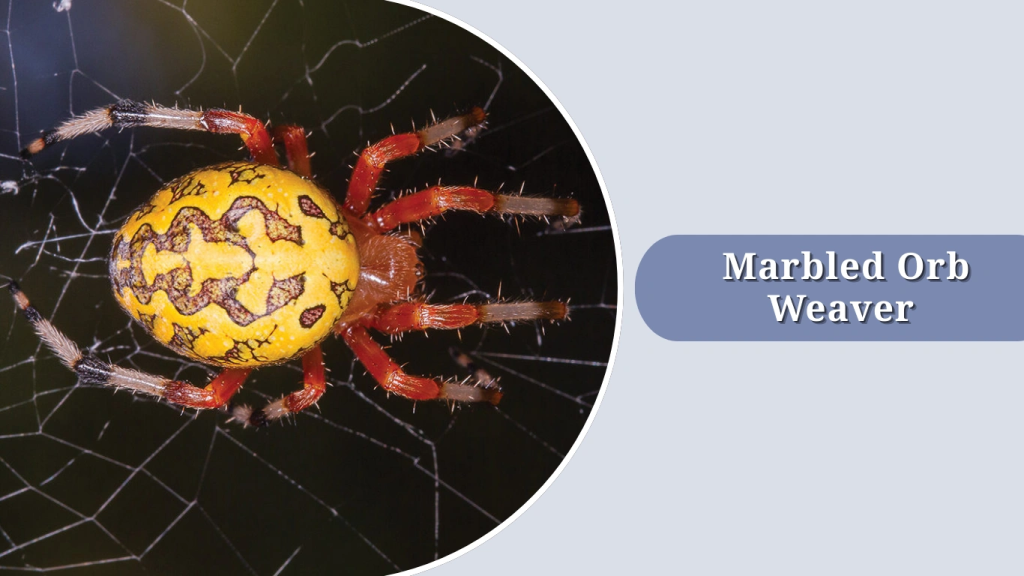
The Marbled Orb Weaver, often nicknamed the “Halloween Spider,” is one of the most colorful orb-weaving spiders in North America. Its vivid orange and marbled abdomen make it a frequent subject of curiosity in Colorado gardens and wooded areas.
Identification
- Size: 0.35 to 0.7 inches
- Body shape: Rounded abdomen, often bulbous
- Legs: Long, banded in orange, brown, and black
- Eyes: Eight, arranged in two curved rows
Color Pattern
This species is famous for its bright orange abdomen with black or yellow marbling, though some individuals appear more cream or reddish. The legs are usually striped, complementing the bold abdominal pattern.
Habitat
Marbled Orb Weavers prefer moist, wooded habitats, meadows, and gardens. In Colorado, they are often spotted in late summer and fall when they mature, building large orb webs in shrubs and tall grasses.
Behaviors
They construct large, circular webs to catch flying insects and typically remain hidden in a nearby retreat, connected to the web by a signal thread. They are shy and rarely aggressive, with bites considered harmless to humans, causing only mild irritation if they occur.
2. Cross Orb Weaver (Araneus diadematus)
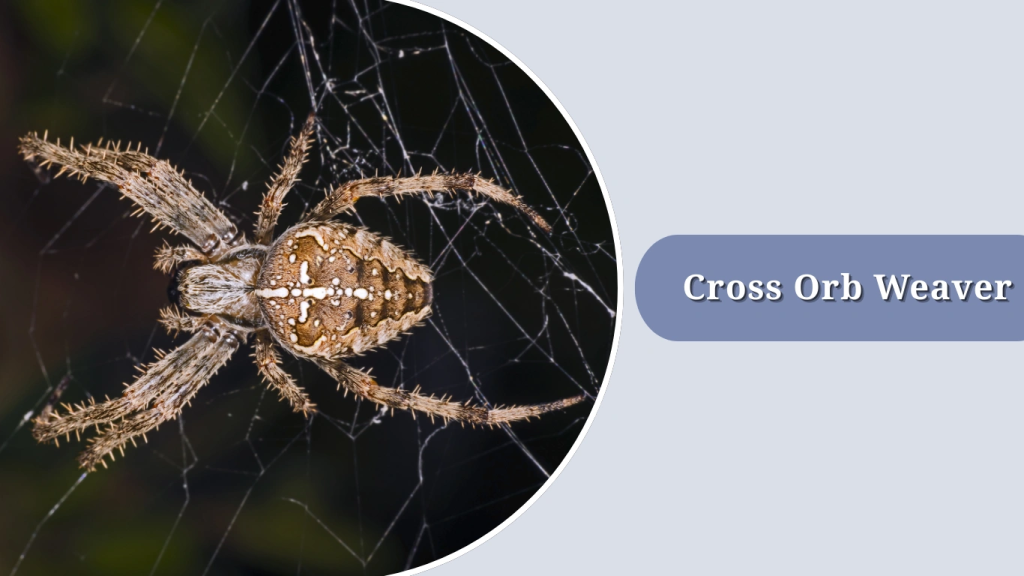
The Cross Orb Weaver, also known as the European Garden Spider, is a common orb-weaver in North America. It is recognized for the distinctive cross-like markings on its abdomen and can appear in orange, brown, or tan variations.
Identification
- Size: 0.2 to 0.8 inches
- Body shape: Large, rounded abdomen with symmetrical markings
- Legs: Long and spiny, often banded
- Eyes: Eight, arranged in two curved rows
Color Pattern
This spider varies in color from pale orange to reddish-brown. The most distinguishing feature is the white cross-shaped pattern across the back of the abdomen, which gives the species its name.
Habitat
Cross Orb Weavers build large orb-shaped webs in gardens, forests, and near buildings. In Colorado, they are often seen in late summer and fall, especially around outdoor lights that attract insects.
Behaviors
They spend most of their time in the center of their webs, waiting for prey. Cross Orb Weavers are non-aggressive and beneficial for controlling insect populations. Their bite is harmless to humans, typically resulting in only mild irritation.
3. Barn Orb Weaver (Araneus cavaticus)
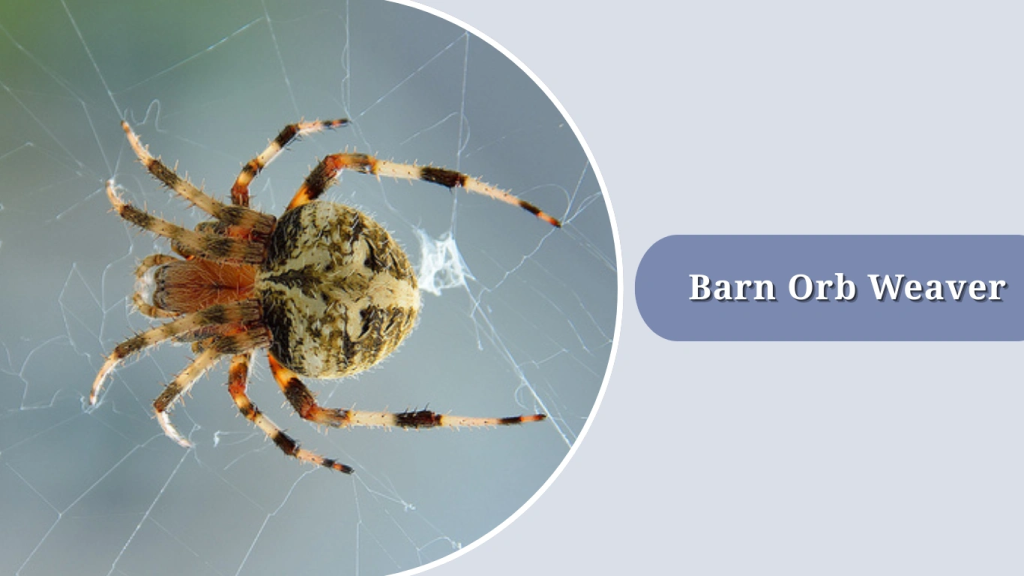
The Barn Orb Weaver is a robust orb-weaving spider commonly found near barns, sheds, and outdoor structures. Its orange to reddish-brown body makes it a frequent sight in rural Colorado.
Identification
- Size: 0.4 to 0.8 inches
- Body shape: Oval abdomen, slightly flattened
- Legs: Thick and hairy, often banded
- Eyes: Eight, arranged in two rows
Color Pattern
This species displays an orange to rusty-red abdomen with subtle darker markings. The legs are usually lighter at the joints, sometimes appearing banded.
Habitat
Barn Orb Weavers thrive around man-made structures, especially barns and sheds, but are also found in gardens and wooded edges. In Colorado, they are most active in late summer and early autumn.
Behaviors
They build large orb webs at night to capture moths, flies, and other nocturnal insects. During the day, they often rest in a hidden retreat nearby. They are non-aggressive and bites are rare, typically no more serious than a bee sting.
4. Furrow Orb Weaver (Larinioides cornutus)
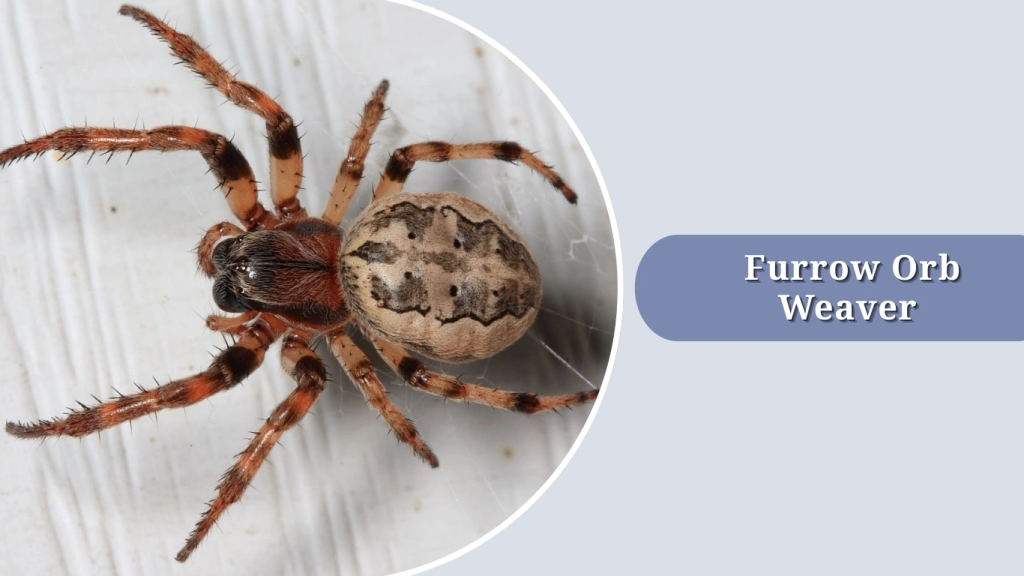
The Furrow Orb Weaver is a medium-sized orb-weaving spider, notable for its leaf-shaped marking on the abdomen. Its orange to brown tones often make it blend with vegetation and wooden structures.
Identification
- Size: 0.2 to 0.6 inches
- Body shape: Rounded abdomen with distinct central markings
- Legs: Long, spiny, and banded
- Eyes: Eight, closely arranged in two rows
Color Pattern
The abdomen is orange, brown, or reddish with a dark, leaf-shaped pattern running down the center. The legs are often lighter, with dark bands near the joints.
Habitat
They are commonly found near water, tall grass, and shrubs, but also build webs on fences, barns, and houses. In Colorado, they can be found in both rural and suburban areas.
Behaviors
Furrow Orb Weavers are nocturnal, constructing large webs in the evening and retreating to a hiding spot during the day. They are harmless to humans, with bites being extremely rare and mild.
5. Arctic Orb Weaver (Araneus nordmanni)
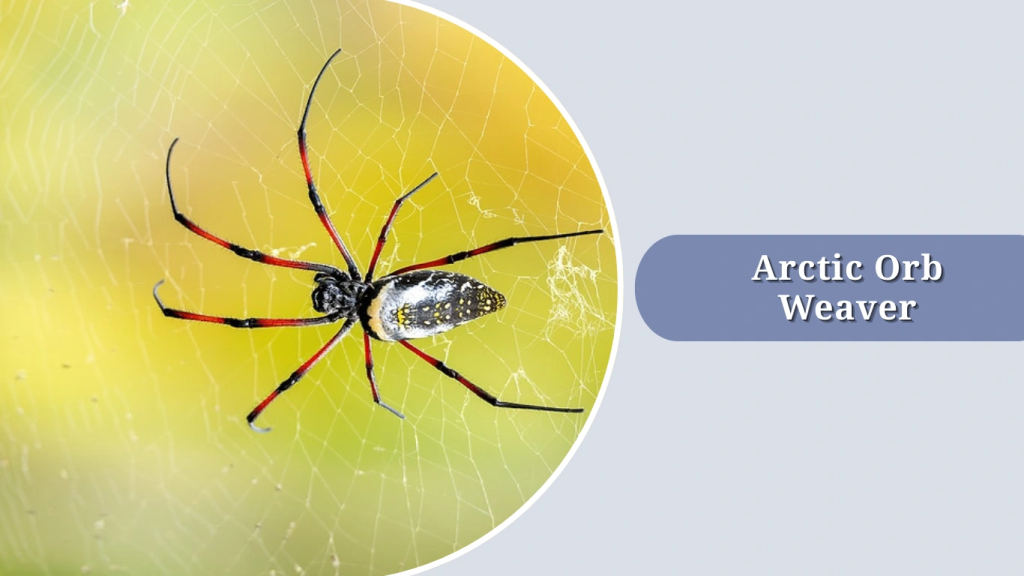
The Arctic Orb Weaver is a colorful orb-weaving spider found in northern regions, but also reported in cooler areas of Colorado. Its deep orange and reddish hues make it visually striking.
Identification
- Size: 0.25 to 0.5 inches
- Body shape: Round abdomen with mottled markings
- Legs: Stout and banded with orange and brown
- Eyes: Eight, arranged in two curved rows
Color Pattern
They often appear in shades of orange, yellow, or reddish-brown with mottled darker markings across the abdomen. The legs are faintly banded, giving them a camouflaged look.
Habitat
Arctic Orb Weavers inhabit meadows, forests, and gardens, preferring areas with tall vegetation. In Colorado, they are most commonly seen during late summer.
Behaviors
These spiders spin large, circular webs in open areas to trap flying insects. They are shy and retreat to nearby foliage when disturbed. Their bite is harmless and rarely encountered.
6. Triangulate Cobweb Spider (Steatoda triangulosa)
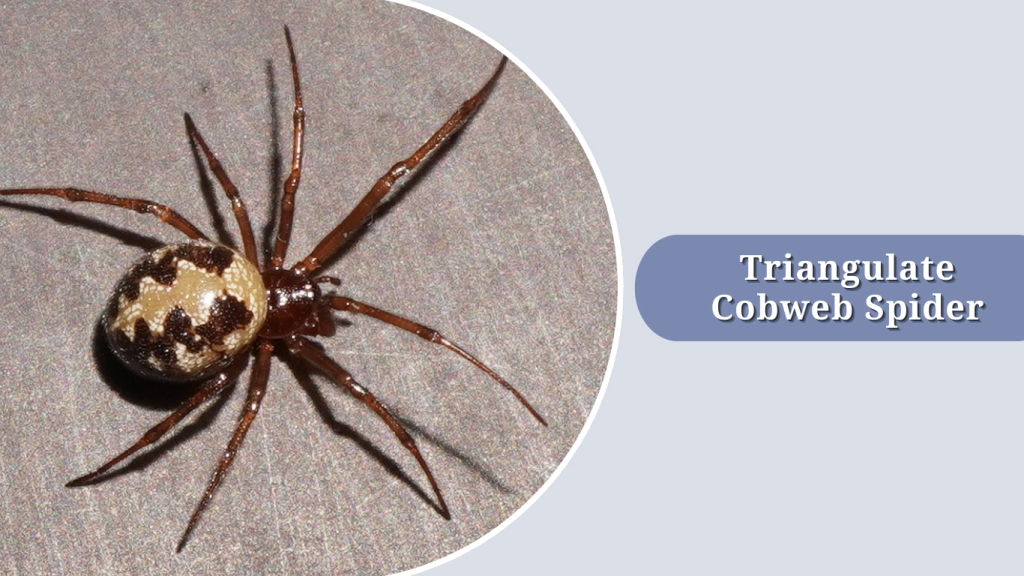
The Triangulate Cobweb Spider is a small house-dwelling spider often mistaken for other cobweb spiders. While not vivid, its orange-brown coloration and triangular patterns on the abdomen make it distinctive.
Identification
- Size: 0.1 to 0.25 inches
- Body shape: Elongated oval abdomen
- Legs: Long, thin, and pale orange to brown
- Eyes: Eight, arranged in two rows
Color Pattern
The abdomen is pale orange to brown with darker triangular markings, while the legs are semi-translucent and lighter than the body.
Habitat
They thrive indoors, in basements, attics, and corners of windows, as well as under rocks and debris outside. In Colorado, they are common in homes year-round.
Behaviors
Triangulate Cobweb Spiders build irregular webs to catch small insects such as ants and flies. They are non-aggressive and bites are extremely rare, with effects being minor and short-lived.
7. Woodlouse Hunter (Dysdera crocata)
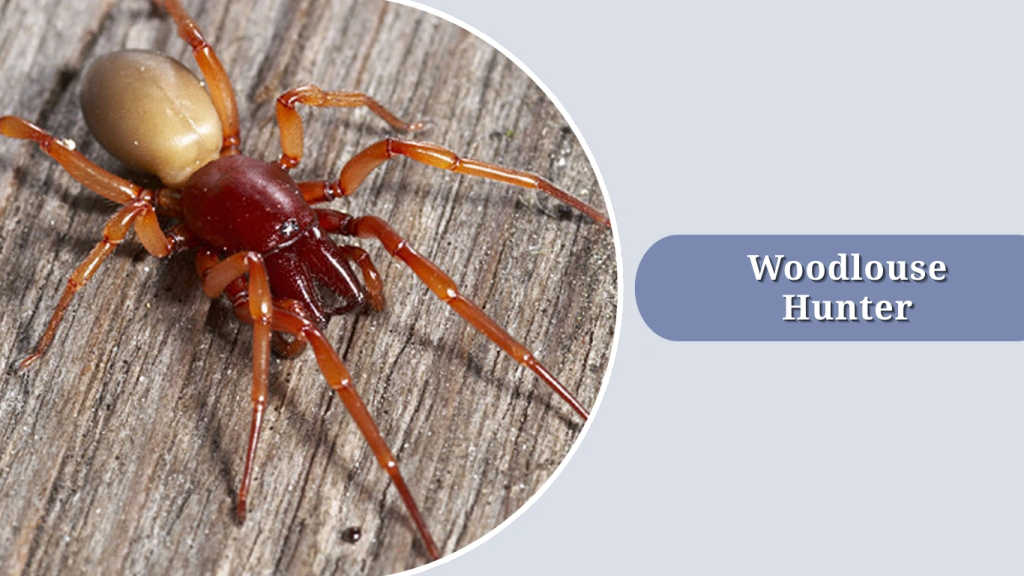
The Woodlouse Hunter is a bold-looking spider with a bright reddish-orange cephalothorax and strong fangs. Despite its fierce appearance, it is not considered dangerous to humans.
Identification
- Size: 0.3 to 0.6 inches
- Body shape: Long, narrow body with large jaws
- Legs: Reddish-orange in the front, lighter in the back
- Eyes: Six, arranged in a semicircle
Color Pattern
The cephalothorax and front legs are deep reddish-orange, while the abdomen is pale gray, tan, or yellowish. This two-toned look makes it easy to recognize.
Habitat
They live under stones, logs, and damp debris where woodlice are found. In Colorado, they are common in gardens and damp basements.
Behaviors
Woodlouse Hunters are nocturnal and actively chase down woodlice rather than using webs. Their large jaws allow them to pierce the armored bodies of their prey. They may bite if handled, but bites are rare and cause only mild discomfort.
8. Bold Jumping Spider (Phidippus audax)
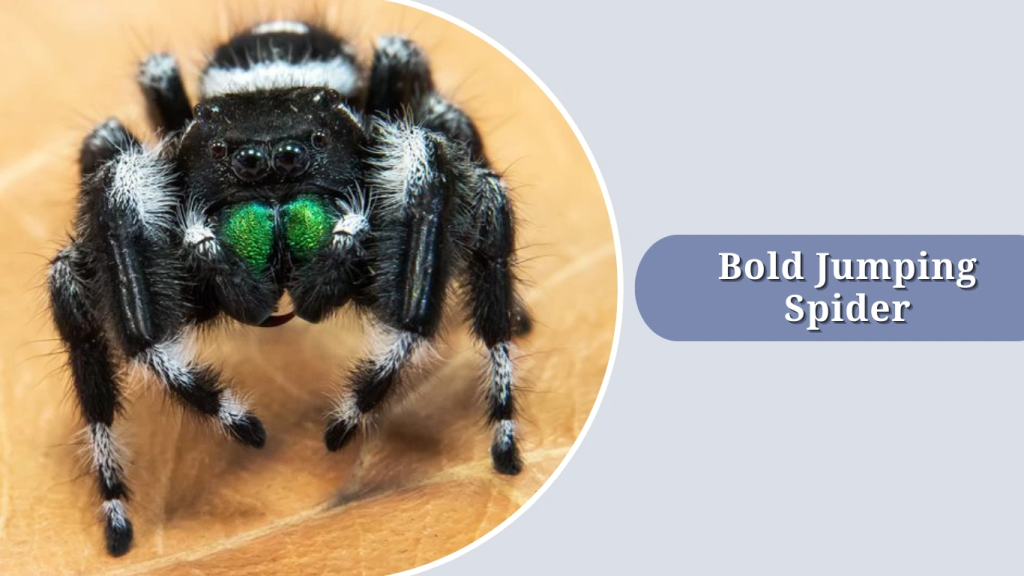
The Bold Jumping Spider is a lively, curious spider well-known for its leaping ability and striking markings. While usually black, it sometimes shows orange spots on its abdomen, leading to confusion with “orange spiders.”
Identification
- Size: 0.2 to 0.6 inches
- Body shape: Compact and stocky with short legs
- Legs: Strong and hairy, built for jumping
- Eyes: Eight, with two large forward-facing eyes
Color Pattern
Most individuals are black with distinct white or orange spots on the abdomen. Their metallic green or blue chelicerae add a colorful highlight.
Habitat
They are commonly found in gardens, fields, and around buildings. In Colorado, they are abundant in sunny areas during spring and summer.
Behaviors
Bold Jumping Spiders actively stalk prey and pounce rather than using webs to trap insects. They are curious and often watch humans closely. Their bites are extremely rare and harmless, causing only minor irritation.
9. Tan Jumping Spider (Platycryptus undatus)

The Tan Jumping Spider is another active hunter in the Salticidae family. It blends well into bark and stone, but can sometimes display orange or reddish hairs that make it more noticeable.
Identification
- Size: 0.25 to 0.5 inches
- Body shape: Flat and wide, adapted for hiding on tree bark
- Legs: Short, powerful, with dense hair
- Eyes: Eight, with large central eyes for sharp vision
Color Pattern
They are usually gray or tan with wavy patterns, but some individuals have orange or reddish setae (hairs) on the cephalothorax and abdomen, giving them a faint orange cast.
Habitat
These spiders are often found on tree trunks, fences, and walls, camouflaging against rough surfaces. In Colorado, they are widespread in both urban and natural habitats.
Behaviors
Like other jumping spiders, they do not spin webs for hunting. Instead, they leap onto prey with precision. They are harmless to humans and known for their alert, curious behavior.
10. Spiny Orb-Weaver (Gasteracantha cancriformis)
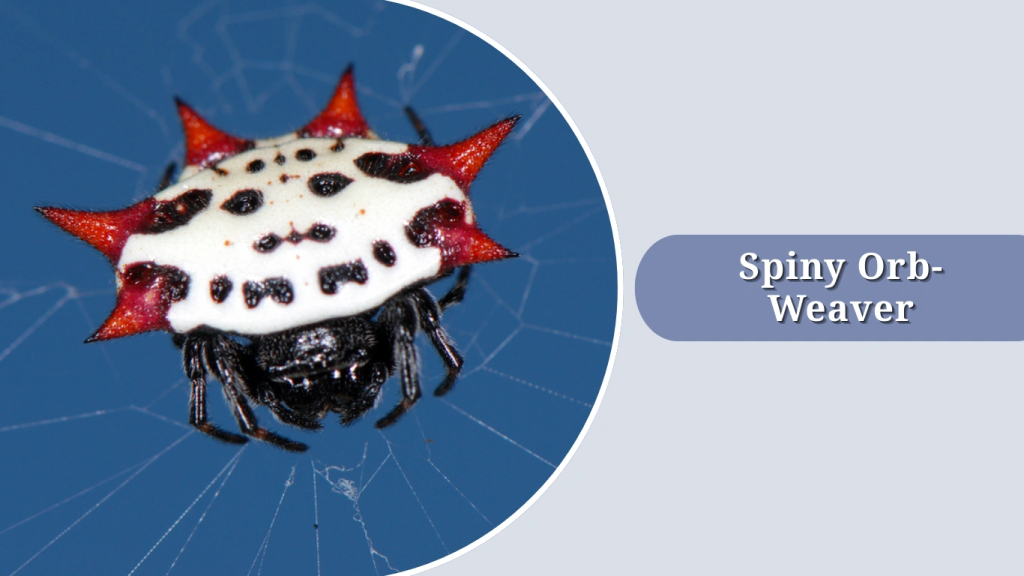
The Spiny Orb-Weaver is a small but eye-catching spider, instantly recognized by its bright colors and spiky abdomen. Some forms appear orange or yellow with bold black spots.
Identification
- Size: 0.2 to 0.5 inches
- Body shape: Flattened, wide abdomen with six spiny projections
- Legs: Short and dark compared to the body
- Eyes: Eight, arranged in two rows
Color Pattern
They occur in several color variations, including orange with black spots, yellow with red spines, or white with black markings. The hard, crablike abdomen gives them a distinctive look.
Habitat
Spiny Orb-Weavers prefer gardens, forests, and shrubby areas. In Colorado, they are less common but can occasionally be found in warmer months where vegetation is dense.
Behaviors
They spin small, circular orb webs to catch flying insects. Though intimidating in appearance, they are harmless to humans, with bites being extremely rare and insignificant.
11. Trashline Orb Weaver (Cyclosa turbinata)

The Trashline Orb Weaver is a small spider named for its habit of decorating its web with prey remains, making it look like a line of debris. Its body often shows orange or brown tones.
Identification
- Size: 0.1 to 0.25 inches
- Body shape: Small, slender, with conical abdomen
- Legs: Thin, often banded with light and dark shades
- Eyes: Eight, closely grouped in two rows
Color Pattern
They are usually brown to orange-brown with mottled patterns that help them blend into the “trashline” they create. Their camouflage makes them hard to spot.
Habitat
They are found in shrubs, gardens, and forested edges, often near trails and open spaces. In Colorado, they are seen in late summer when their webs are most active.
Behaviors
Trashline Orb Weavers build orb webs with a central line of silk and debris where they hide. This strategy confuses predators and camouflages the spider. They are harmless to humans and play an important role in insect control.
12. Cat-Faced Spider (Araneus gemmoides)

The Cat-Faced Spider is one of Colorado’s most recognizable orb-weavers, named for the horn-like bumps on its abdomen that resemble cat ears. It can appear orange, brown, or tan depending on the individual.
Identification
- Size: 0.25 to 0.8 inches
- Body shape: Rounded abdomen with two prominent bumps
- Legs: Long, spiny, often orange-brown
- Eyes: Eight, arranged in two curved rows
Color Pattern
They range from orange to reddish-brown with mottled markings across the abdomen. The two raised “horns” give them a distinctive, catlike silhouette.
Habitat
These spiders are common around homes, gardens, and barns, often seen in corners of structures or in vegetation. In Colorado, they are most active in late summer and fall.
Behaviors
Cat-Faced Spiders build large orb webs to capture moths, flies, and other insects. They are nocturnal and often remain motionless during the day. Despite their unusual appearance, they are harmless to humans.
13. Funnel Weaver Grass Spider (Agelenopsis species)

The Funnel Weaver Grass Spider is a speedy web-builder known for its sheet-like webs with a central funnel retreat. While usually gray or brown, some individuals have orange or rusty tones.
Identification
- Size: 0.4 to 0.8 inches
- Body shape: Elongated with visible spinnerets at the rear
- Legs: Long, slender, built for fast running
- Eyes: Eight, arranged in two rows
Color Pattern
They are typically brown to gray with lighter orange or tan striping along the cephalothorax. The abdomen often carries a darker leaf-like pattern.
Habitat
Funnel Weavers are abundant in grassy fields, gardens, and around buildings. In Colorado, their webs are often visible in the mornings, coated with dew.
Behaviors
They wait at the mouth of their funnel retreat, rushing out quickly when vibrations signal prey. Though fast and intimidating, they are not dangerous to humans and rarely bite.