
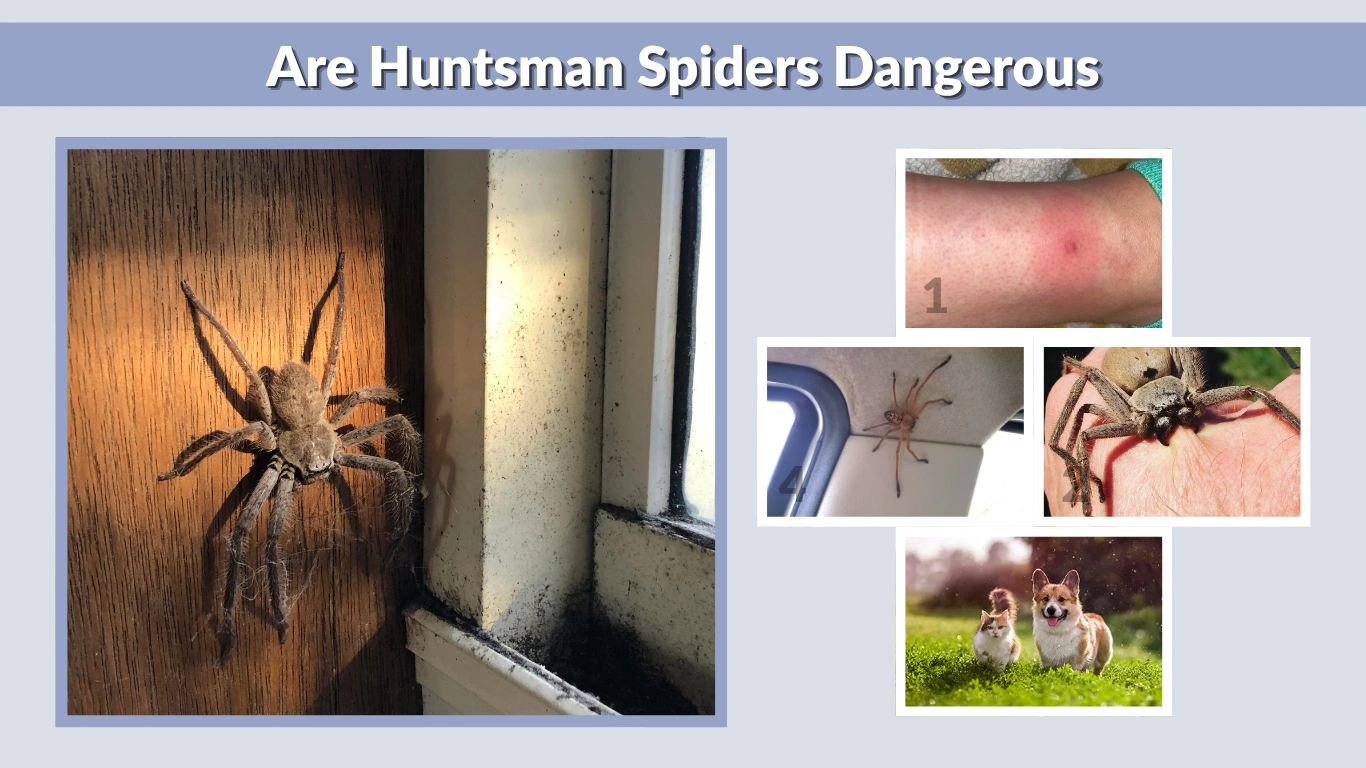
Huntsman spiders are some of the most intimidating arachnids in the world due to their enormous size, fast movements, and habit of wandering indoors. With long, crab-like legs and a body that can span up to 12 inches in some species, they inspire both fascination and fear. Many people wonder if these spiders are actually dangerous to humans or pets, or if their fearsome reputation is simply exaggerated.
Understanding Huntsman Spiders

What Are Huntsman Spiders?
Huntsman spiders belong to the family Sparassidae and are known for their incredible speed and agility. Unlike orb-weaving spiders that build webs, huntsman spiders are active hunters. They chase down prey such as cockroaches, moths, and other insects, which makes them useful in keeping pest populations under control. Their flattened bodies allow them to squeeze into tight spaces like under bark, rocks, and even inside houses, which is why encounters with humans are fairly common.
Why Are They Called Huntsman Spiders?
The name “huntsman” comes from their hunting style. They do not spin elaborate webs to catch prey but instead stalk and ambush it with precision. Their long legs and sideways movements give them a crab-like appearance, and their speed allows them to surprise both prey and people. This active hunting behavior contributes to their intimidating reputation but also underscores their role as natural pest controllers.
Are Huntsman Spiders Dangerous to Humans?
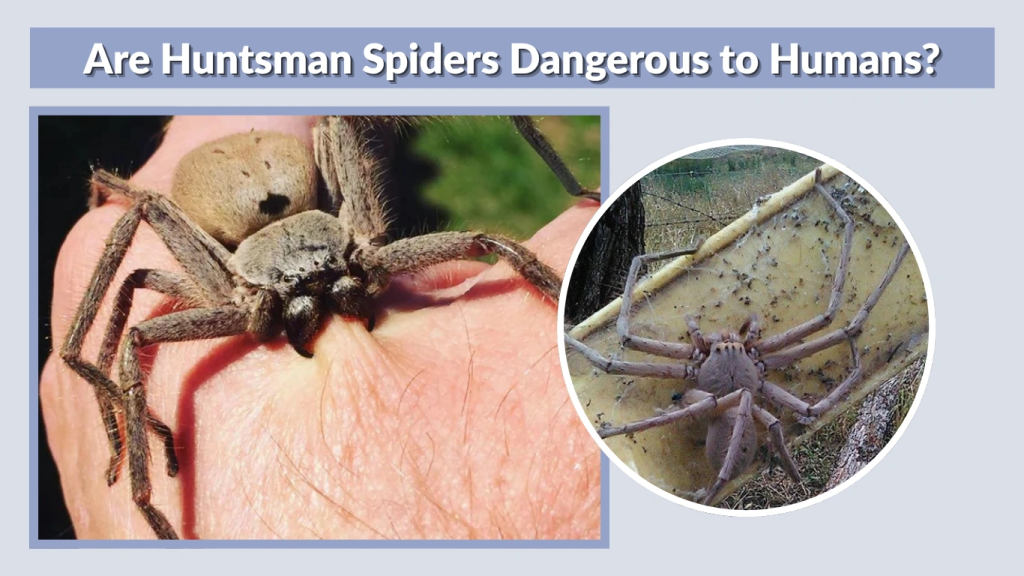
For most people, the question “are huntsman spiders dangerous?” is the first that comes to mind when one appears on a wall or ceiling. Despite their alarming size, huntsman spiders are generally harmless to humans. They are not aggressive and prefer to flee rather than fight when disturbed.
When huntsman spiders do bite, which is very rare, the effects are usually mild. A bite can cause localized pain, redness, and swelling, similar to a bee sting. In rare cases, people with spider allergies may experience stronger reactions, but huntsman bites are not medically significant compared to highly venomous species like the Sydney funnel-web or brown recluse.
In fact, many experts argue that huntsman spiders are more beneficial than harmful, since their presence helps reduce household pests.
Are Australian Huntsman Spiders Dangerous?
Australia is home to several species of huntsman spiders, and they are often spotted in cars, bathrooms, or clinging to walls. Their large size makes them appear menacing, but Australian huntsman spiders are no more dangerous than those found elsewhere. They may deliver a painful bite if provoked, but there are no recorded deaths from huntsman spiders in Australia.
Interestingly, Australians often accept their presence indoors because they keep cockroach and insect populations low, offering a form of natural pest control.
Are Giant Huntsman Spiders Dangerous?
The giant huntsman (Heteropoda maxima), found in Laos, is considered the largest spider in the world by leg span, reaching up to 12 inches across. Its sheer size makes it a frequent subject of viral photos and sensational news stories. However, despite its appearance, the giant huntsman is not considered dangerous. Its venom is mild, and it poses no real threat to humans beyond an unsettling scare.
Venom and Bite Effects
How Venomous Are Huntsman Spiders?
Like most spiders, huntsman spiders are venomous, but their venom is not dangerous to humans. It is designed to immobilize small prey like insects, not to harm larger animals. Compared to truly dangerous spiders, huntsman venom is weak and causes only minor symptoms.
Symptoms of a Huntsman Spider Bite
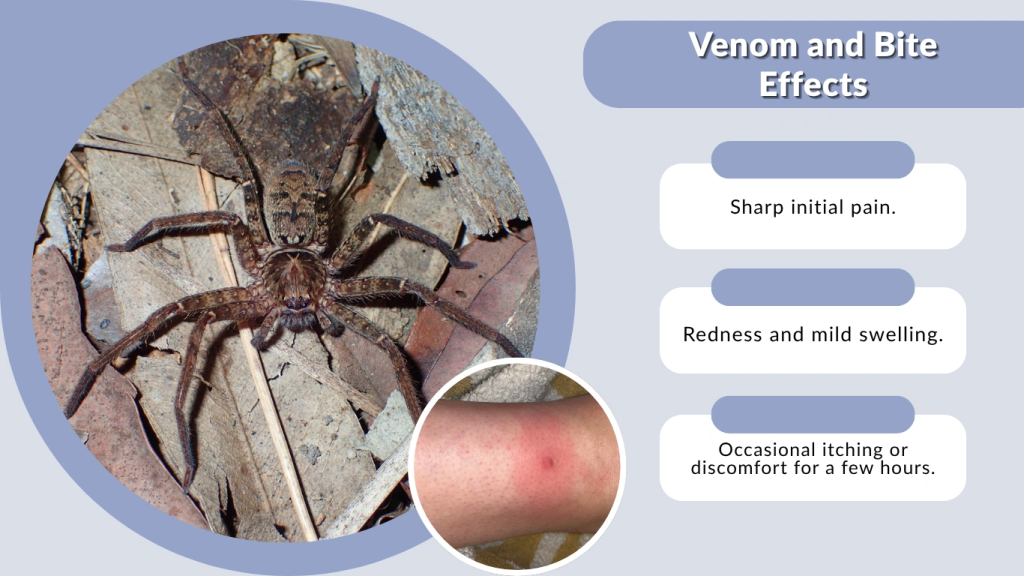
When a bite does occur, symptoms are typically localized. These include:
- Sharp initial pain.
- Redness and mild swelling.
- Occasional itching or discomfort for a few hours.
Severe symptoms such as nausea or dizziness are extremely rare and usually tied to allergic reactions.
What To Do If Bitten
If bitten by a huntsman spider, basic first aid is usually sufficient. Wash the bite area with soap and water, apply an ice pack to reduce swelling, and take over-the-counter pain relief if necessary. If symptoms worsen or if the person bitten has known allergies to spider venom, medical advice should be sought, though such cases are uncommon.
Are Specific Types Dangerous?

Badge Huntsman Spiders
Badge huntsman spiders (Neosparassus species) are widespread in Australia and are sometimes more colorful than other species. While they may bite if handled, they are not considered highly dangerous. Their venom can cause mild pain, redness, and sometimes nausea, but serious medical consequences are rare.
Green Huntsman Spiders
The green huntsman spider (Micrommata virescens) is native to Europe and is smaller than many of its Australian relatives. Its bright green color helps it camouflage among leaves. Bites from this species are extremely uncommon, and the effects are generally minor, making it harmless to humans.
Golden & Florida Huntsman Spiders
Golden huntsman spiders and Florida huntsman spiders are variations found in different regions. In Florida, huntsman spiders are introduced species that thrive in warm climates. Like their counterparts elsewhere, they are intimidating but not dangerous. Most bites are accidental and result only in temporary discomfort.
Baby Huntsman Spiders
Baby huntsman spiders are completely harmless. They lack the strength to deliver bites that break human skin and pose no threat at all. Despite myths suggesting that younger spiders can be more venomous, huntsman spiderlings are less intimidating and should not be feared.
Are Huntsman Spiders Dangerous to Pets?

Cats and Dogs
Cats and dogs are naturally curious and may try to chase or swat at huntsman spiders. While a bite is possible during such encounters, it is rarely serious. In most cases, pets experience mild irritation or swelling that subsides quickly. Veterinary visits are usually unnecessary unless a pet shows signs of an allergic reaction.
Small Pets (Rabbits, Birds, etc.)
Smaller animals such as rabbits, guinea pigs, or pet birds could be more vulnerable to a huntsman bite. Even so, huntsman venom is not lethal to these creatures. The greater danger lies in the stress or injury from chasing the spider rather than the bite itself. Keeping enclosures secure helps minimize risks.
Babies and Children
Parents often worry when a large spider appears near young children. Huntsman spiders are not attracted to babies and will not attack unless provoked. If one is accidentally handled, a bite may occur, but the effects are mild. Education and reassurance are key — while huntsman spiders look frightening, they are not deadly to children.
Behavioral Traits That Cause Fear
Speed and Sudden Movements
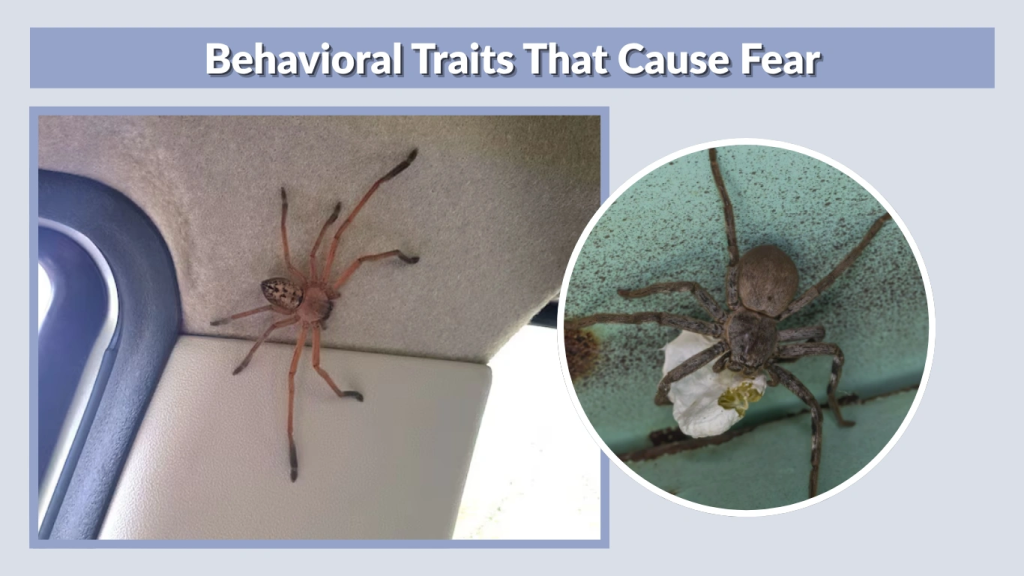
One of the biggest reasons huntsman spiders terrify people is their incredible speed. They can move rapidly across floors, walls, and ceilings, often appearing to “dash” out of hiding spots. This sudden motion triggers a fear response, even though the spider is usually trying to escape rather than attack.
Living Close to Humans
Huntsman spiders frequently enter homes, garages, and cars, especially in warm climates. They prefer dark hiding places such as behind curtains, inside shoes, or under furniture. Their habit of unexpectedly appearing indoors fuels their reputation as “invaders,” even though they are simply seeking shelter or hunting insects.
The Role of Huntsman Spiders in the Ecosystem
Despite their frightening appearance, huntsman spiders play a vital role in maintaining ecological balance. By preying on cockroaches, flies, moths, and other insects, they help control pest populations naturally. This makes them beneficial in both natural environments and human households.
In agricultural areas, huntsman spiders assist in reducing crop-damaging insects, providing an ecological alternative to chemical pesticides. Rather than being seen as a threat, they should be appreciated as allies in pest management. Their presence often indicates a healthy, balanced ecosystem.
Key Takeaways
- Huntsman spiders are large and fast, but they are not aggressive toward humans.
- Their bites are rare and cause only mild, localized symptoms.
- Species like the giant huntsman and Australian huntsman look intimidating but are not medically dangerous.
- Pets such as cats, dogs, or rabbits may experience minor irritation if bitten, but serious harm is highly unlikely.
- Huntsman spiders play a beneficial role in pest control and should be valued rather than feared.
FAQs
Are Huntsman Spiders Dangerous to Humans?
No, huntsman spiders are generally not dangerous to humans. Their bites are rare and usually cause only mild pain, swelling, or redness. Unlike highly venomous spiders, huntsman venom is not life-threatening, and most individuals recover quickly without medical treatment. Their intimidating size often causes unnecessary fear.
Are Huntsman Spiders Poisonous or Venomous?
Huntsman spiders are venomous but not poisonous. Venom is used to immobilize their insect prey, not to harm humans. In the rare case of a bite, symptoms are usually mild. “Poisonous” refers to something harmful if eaten, which does not apply to huntsman spiders. Their venom is considered medically insignificant.
Can a Huntsman Spider Kill a Cat or Dog?
No, a huntsman spider cannot kill a cat or dog. While pets may be bitten if they harass the spider, the venom is too weak to cause serious harm. At most, a pet may show mild swelling or discomfort, which typically resolves on its own. Veterinary care is rarely needed.
Should You Kill a Huntsman Spider if Found Indoors?
It is not necessary to kill a huntsman spider found indoors. These spiders are natural pest controllers that feed on cockroaches, moths, and other household insects. If their presence is unsettling, the best option is to gently capture and release them outside rather than exterminating them.
Are Huntsman Spiders More Dangerous Than Other Spiders?
Huntsman spiders may look scarier than many other species, but they are far less dangerous. Unlike the Sydney funnel-web, Brazilian wandering spider, or black widow, huntsman spiders are not medically significant. Their size and speed create a strong fear response, but in terms of danger, they rank low compared to venomous species.