


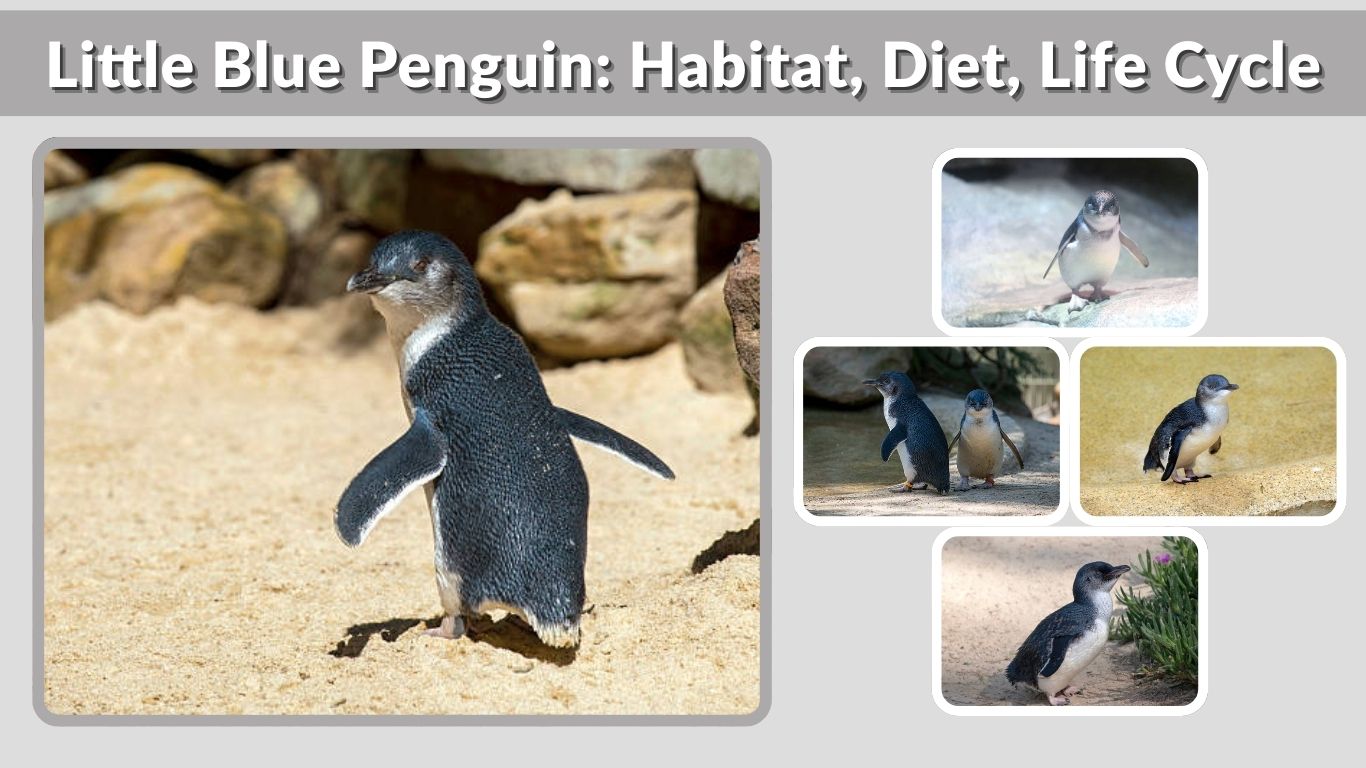
The little blue penguin is the smallest penguin species in the world, yet it is one of the most fascinating seabirds found along the coasts of Australia and New Zealand. Known for its striking blue feathers and compact size, this tiny penguin has adapted perfectly to life between land and sea. From understanding where little blue penguins live to exploring the little blue penguin diet, habitat, and life cycle, this guide covers everything you need to know about this remarkable bird.
What Is a Little Blue Penguin?
Scientific Classification and Names
The little blue penguin’s scientific name is Eudyptula minor. It is sometimes called the fairy penguin because of its small size and delicate appearance. In New Zealand, Māori communities refer to it as kororā. Despite its small stature, it belongs to the same bird family as much larger penguins like the king and emperor penguins.
Physical Appearance
Little blue penguins typically stand about 25 to 30 centimeters (10 to 12 inches) tall and weigh between 1 and 1.5 kilograms (2.2 to 3.3 pounds). Their upper body features slate-blue or indigo feathers, which give them their name, while their underside is white. This coloration provides camouflage in the ocean—dark from above to blend with the sea and light from below to match the sky.
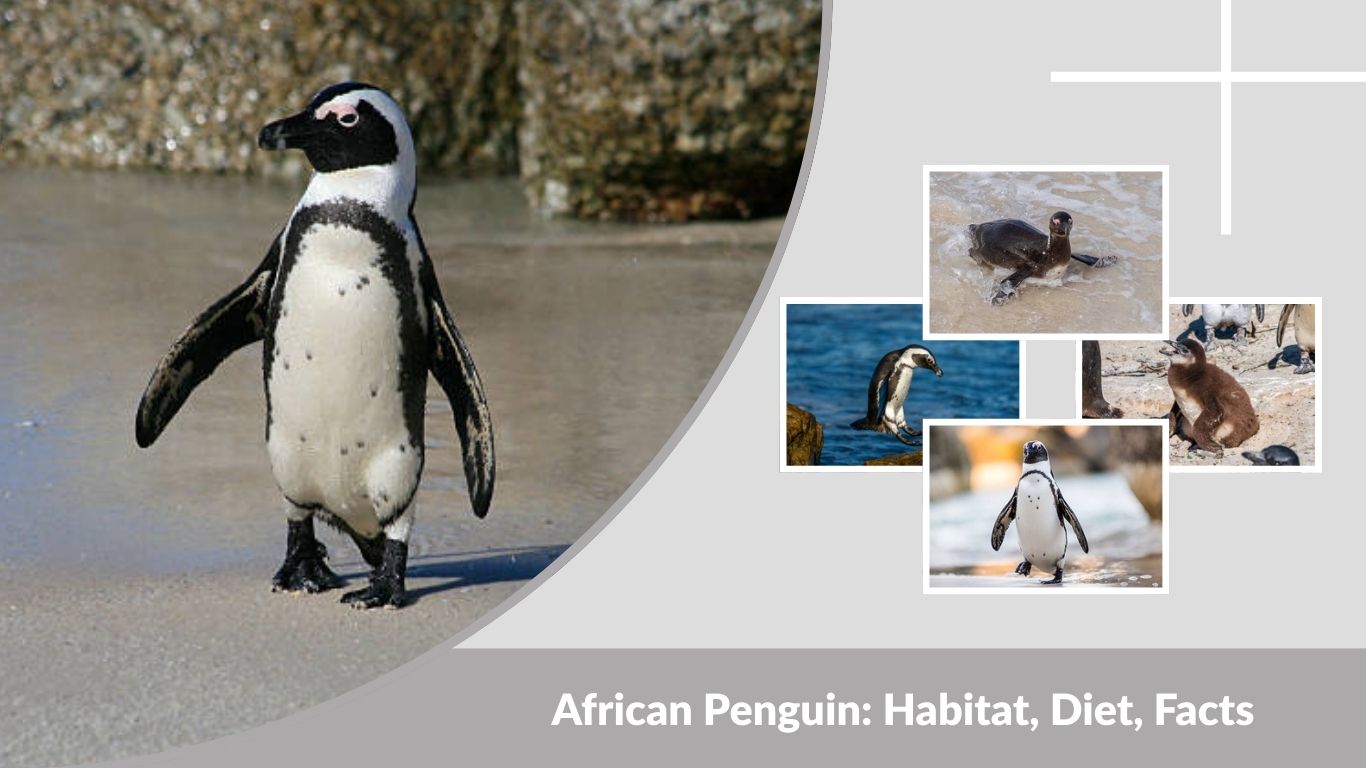
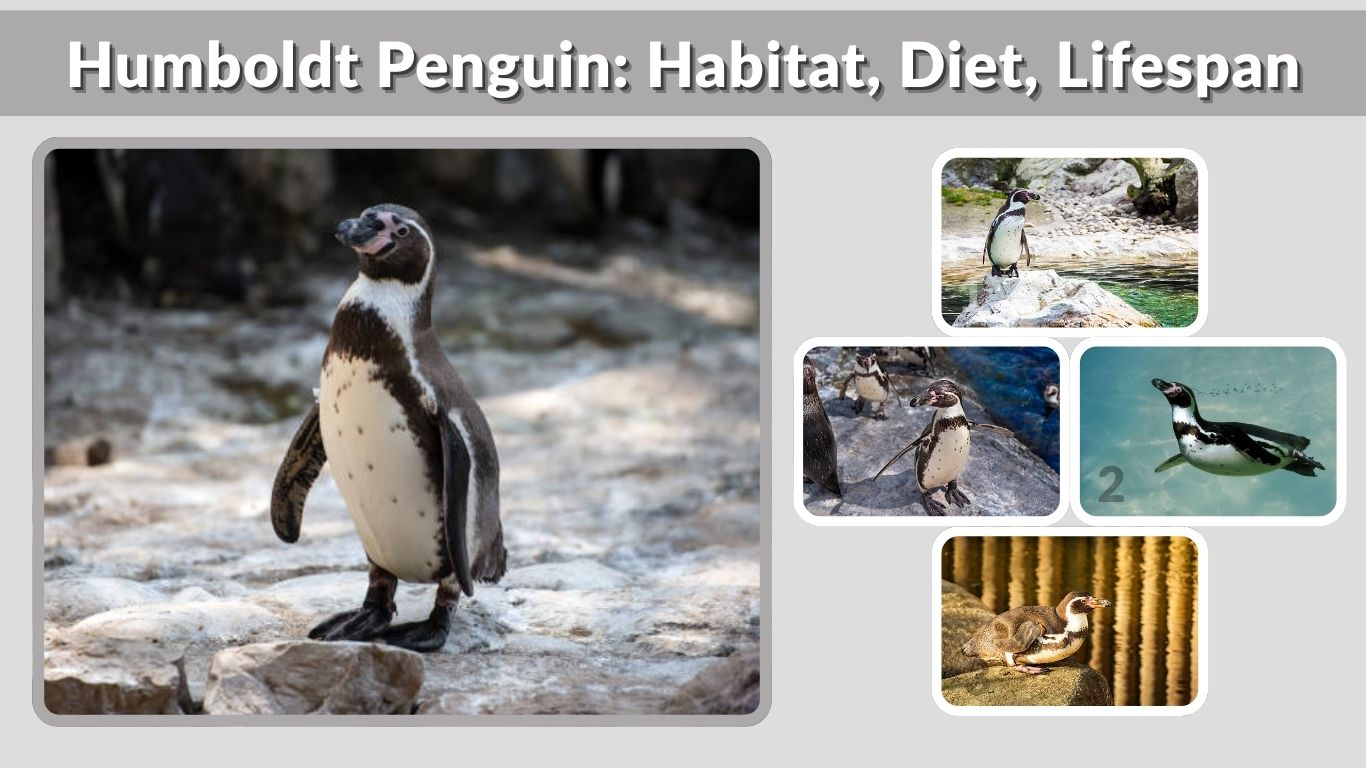
Their bodies are streamlined, with flipper-like wings designed for swimming rather than flying. Strong webbed feet and sharp claws help them navigate rocky shores and dig burrows for nesting.
Where Do Little Blue Penguins Live?
Geographic Distribution
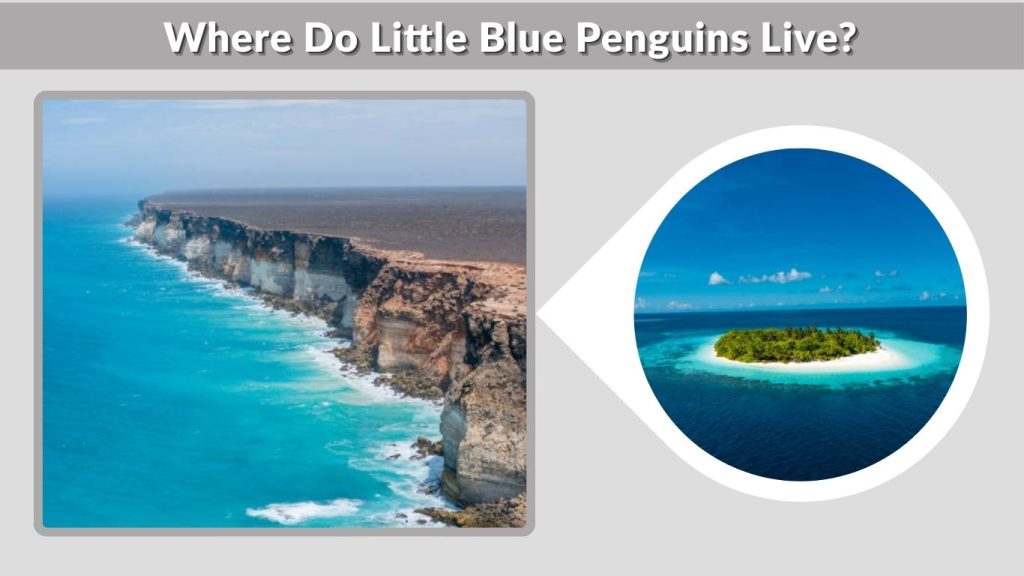
If you are wondering, where do little blue penguins live, the answer lies in the Southern Hemisphere. They are native to southern Australia, Tasmania, and New Zealand. Large populations can be found along Australia’s southern coastline and on various offshore islands.
In New Zealand, they are widespread around both the North and South Islands, often nesting in coastal areas close to human settlements.
Coastal Living Patterns
Little blue penguins prefer temperate coastal environments. They stay relatively close to shore compared to some other penguin species, rarely venturing into deep open oceans. Offshore islands are particularly important because they offer protection from land predators and human disturbance.
These penguins select locations that provide easy access to the sea for daily feeding trips while also offering safe nesting spots on land. The balance between marine feeding grounds and secure terrestrial habitats is essential for their survival.
Little Blue Penguin Habitat
Nesting Habitats on Land
The little blue penguin habitat on land usually includes sandy dunes, grassy coastal slopes, rocky crevices, and areas beneath thick vegetation. They dig burrows using their claws or occupy natural gaps between rocks. Some colonies even use artificial nesting boxes installed by conservation groups to protect them from predators.
These nesting areas are typically located within a short walking distance from the shoreline. After returning from the sea at night, penguins travel along established paths back to their burrows.
Marine Habitat
In the water, little blue penguins inhabit shallow coastal zones and areas along the continental shelf. These regions are rich in small fish and other prey. Because they rely on visual hunting, they prefer clear waters and usually forage during daylight hours.
The marine environment is just as important as their nesting grounds. Changes in ocean temperature, currents, or fish populations can significantly impact their feeding success and overall health.
Little Blue Penguin Diet
What Do Little Blue Penguins Eat?
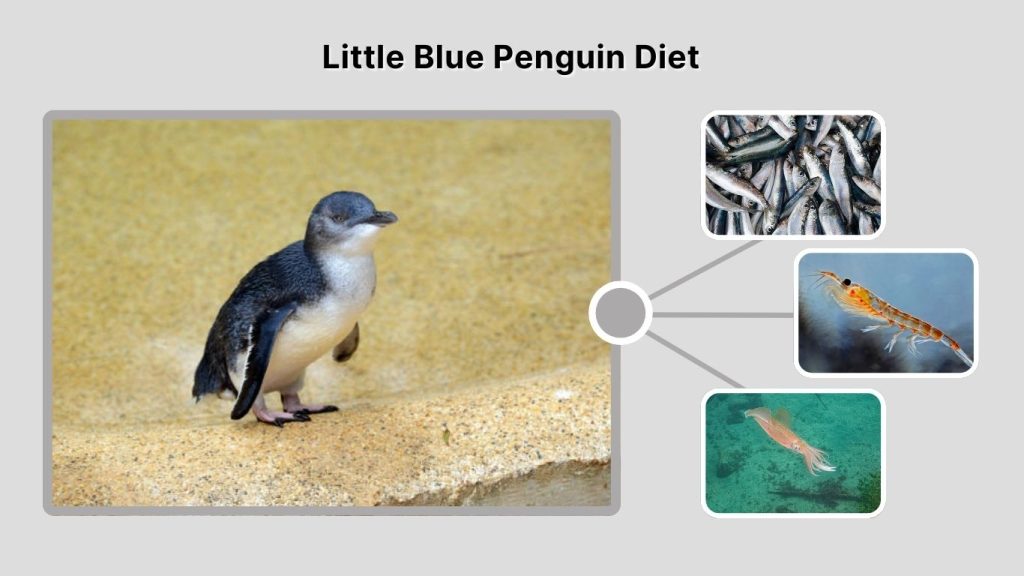
The little blue penguin diet mainly consists of small marine animals found in coastal waters. Their primary food sources include small fish such as anchovies and sardines, as well as squid, krill, and other crustaceans. The exact diet can vary depending on location and seasonal availability.
Because they live close to shore, little blue penguins depend heavily on healthy fish populations in shallow coastal ecosystems. Changes in water temperature or overfishing can directly affect their access to food.
Hunting and Feeding Behavior
Little blue penguins are skilled daytime hunters. Unlike some penguin species that feed in deeper, colder waters, these penguins typically hunt in relatively shallow areas. They use their sharp eyesight to spot prey underwater and rely on quick bursts of speed to catch it.
They may hunt alone or in small groups. When fish gather in schools, group hunting can increase their success rate. Most feeding trips last several hours, and adult penguins may travel many kilometers before returning to shore after sunset.
Feeding Chicks
During the breeding season, feeding behavior becomes even more important. Adult penguins catch fish at sea and store it in their stomachs. When they return to their nests, they regurgitate partially digested food to feed their chicks.
Both parents share feeding responsibilities. Regular feeding is essential for chick growth and survival, especially during the first few weeks after hatching. If food is scarce, chicks may struggle to develop properly.
Little Blue Penguin Life Cycle
Courtship and Breeding Season
The little blue penguin life cycle begins with courtship, which usually takes place during the spring and early summer months. The timing can vary slightly between Australia and New Zealand due to regional climate differences.
Little blue penguins are generally monogamous during a breeding season and often reunite with the same partner year after year. Courtship involves vocal calls, displays, and mutual preening. Males typically prepare or defend a nesting burrow to attract a mate.
Egg Laying and Incubation
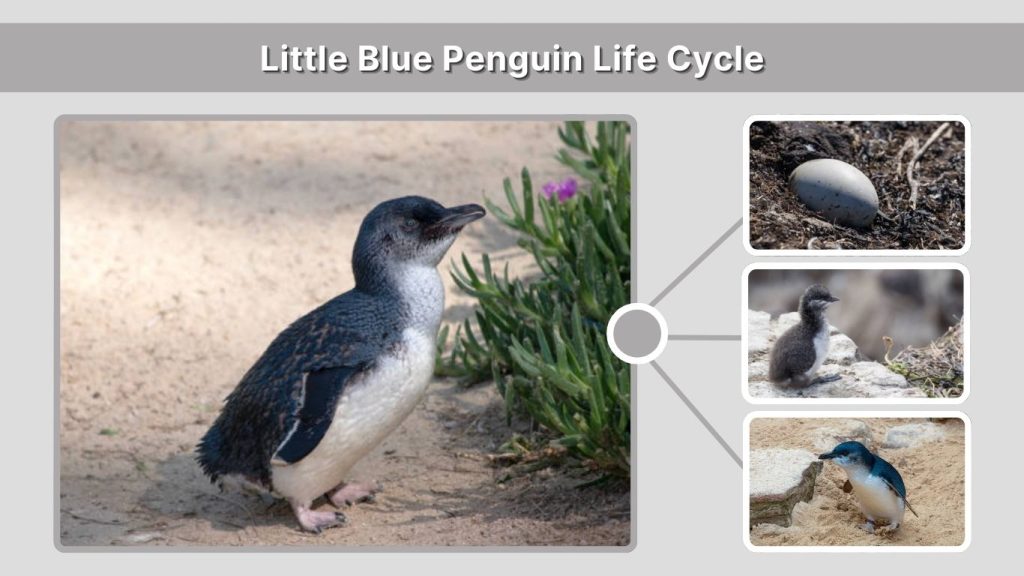
After mating, the female usually lays one or two eggs. Both parents take turns incubating the eggs, which hatch after approximately 35 days. Shared parental care is a key part of their reproductive success.
While one parent stays to guard and warm the eggs, the other goes to sea to feed. This teamwork continues even after the chicks hatch, ensuring they are protected and well-fed.
Chick Development
Once hatched, chicks enter what is known as the “guard phase.” During this period, one parent remains at the nest almost constantly to protect the chick from predators and harsh weather.
As chicks grow and develop thicker feathers, both parents may leave them alone for short periods while foraging. After about 7 to 9 weeks, the chicks undergo fledging. At this stage, they leave the nest and head out to sea for the first time, beginning an independent life.
Maturity and Molting
Little blue penguins typically reach sexual maturity at around 2 to 3 years of age. Like all penguins, they go through an annual molting process. During molting, they shed old feathers and grow new waterproof ones.
Molting usually takes place on land and lasts several weeks. During this time, penguins cannot enter the water to feed because their feathers are not fully waterproof. They must rely on stored body fat to survive until the new feathers are ready.
Little Blue Penguin Facts
They Are the Smallest Penguin Species
One of the most interesting little blue penguin facts is that they are the smallest of all 18 penguin species. While emperor penguins can grow over 1 meter tall, little blue penguins are barely one-third of that height. Their small size allows them to move quickly through the water and hide more easily from predators.
Impressive Swimmers
Although tiny, little blue penguins are powerful swimmers. They can reach speeds of up to 6 kilometers per hour (about 3.7 mph) and are capable of diving to depths of around 20 to 60 meters when hunting. Most of their day is spent at sea searching for food, sometimes traveling several kilometers away from their colonies.
Their wings function like flippers, propelling them smoothly underwater. On land, however, they appear much less graceful, waddling or hopping across rocks and sand.
Social and Nocturnal Behavior
Little blue penguins are highly social birds and typically live in colonies that can range from a few pairs to thousands of individuals. They spend daylight hours at sea and usually return to land after sunset. This nocturnal behavior helps them avoid predators such as large birds and mammals.
They are also very vocal. Each penguin has a distinct call that helps mates and chicks recognize one another in crowded colonies. During breeding season, their calls become louder and more frequent as they defend territory and strengthen pair bonds.
Lifespan and Survival
In the wild, little blue penguins generally live between 6 and 10 years, though some individuals have been recorded living longer. Survival depends heavily on food availability, predator presence, and environmental conditions. Natural predators include seals and large seabirds, while young chicks are more vulnerable to land-based threats.
Threats and Conservation
Natural Predators
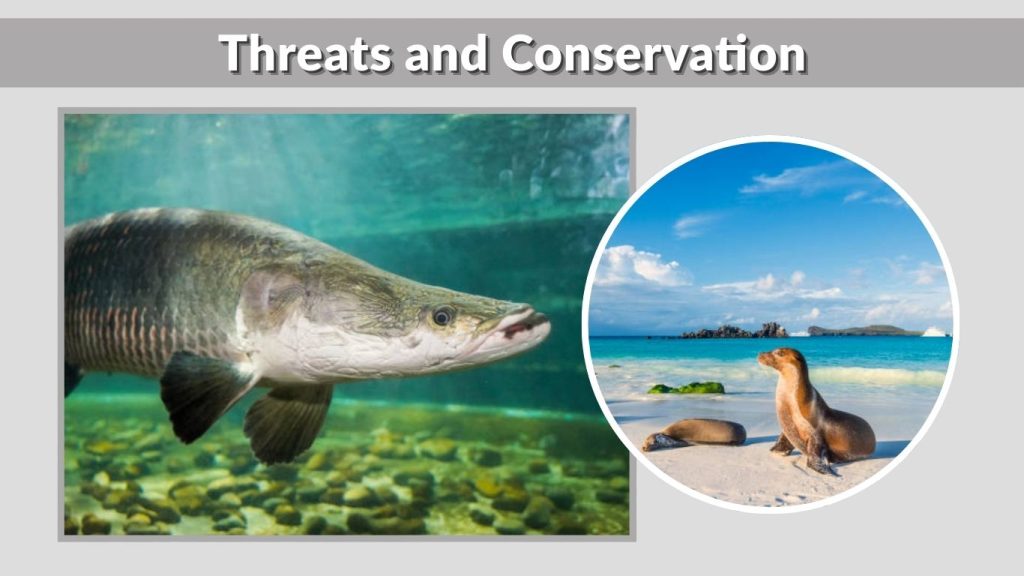
In the wild, little blue penguins face several natural predators. In the ocean, seals and large predatory fish pose risks. On land, chicks and eggs can be targeted by large seabirds.
However, natural predation is part of the ecosystem and usually does not threaten entire populations.
Human-Related Threats
Human activity presents more serious challenges. Introduced predators such as foxes, cats, and dogs can significantly reduce colony numbers, especially in areas close to urban development. Habitat destruction from coastal construction also affects nesting sites.
Other threats include oil spills, plastic pollution, fishing nets, and climate change. Rising ocean temperatures can alter fish distribution, making it harder for penguins to find food.
Conservation Efforts
Many conservation programs are in place to protect little blue penguins. Wildlife organizations monitor colonies, install nesting boxes, and control introduced predators. In some regions, eco-tourism programs are carefully managed to allow visitors to observe penguins without disturbing them.
Protected marine areas also help safeguard feeding grounds, ensuring that little blue penguins continue to thrive in their natural habitat.
Why Little Blue Penguins Matter
Little blue penguins play an important role in coastal ecosystems. As predators of small fish and marine organisms, they help maintain balance within the food chain. At the same time, they serve as indicator species, meaning their health reflects the overall condition of the marine environment.
They also hold cultural significance in New Zealand and attract thousands of visitors each year to coastal viewing areas. Their presence supports local tourism and promotes environmental education and conservation awareness.
FAQs
Where do little blue penguins live?
Little blue penguins live along the southern coasts of Australia, Tasmania, and New Zealand. They prefer temperate coastal environments and often nest on offshore islands or protected shorelines close to feeding grounds.
What is the little blue penguin diet?
The little blue penguin diet includes small fish such as anchovies and sardines, along with squid, krill, and crustaceans. They hunt during the day in shallow coastal waters using their excellent underwater vision.
How long do little blue penguins live?
In the wild, little blue penguins typically live between 6 and 10 years. Some individuals can live longer depending on environmental conditions, food availability, and predator exposure.
How big is a little blue penguin?
Little blue penguins grow to about 25–30 centimeters tall and weigh between 1 and 1.5 kilograms. They are the smallest penguin species in the world.
Are little blue penguins endangered?
Little blue penguins are not currently classified as endangered overall, but some local populations are declining due to habitat loss, introduced predators, and environmental changes.