




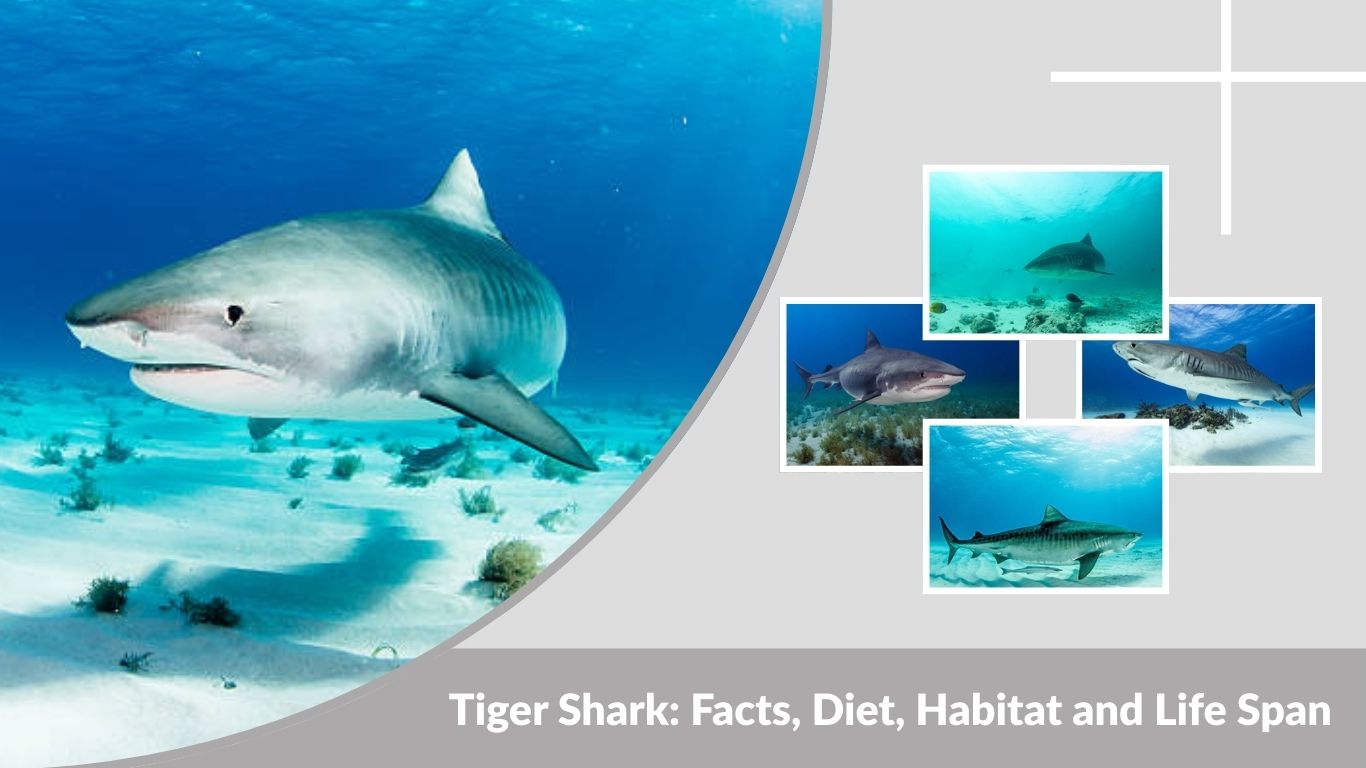
The tiger shark is one of the largest and most powerful predatory sharks in the ocean. Known for its distinctive stripes and aggressive feeding behavior, this species plays a crucial role in maintaining marine ecosystem balance. Found mostly in warm coastal waters, tiger sharks are both fascinating and misunderstood. In this guide, you’ll discover essential tiger shark facts, their habitat, diet, behavior, and what makes them different from other large shark species.
What Is a Tiger Shark?
Scientific Classification and Name
The tiger shark’s scientific name is Galeocerdo cuvier. It belongs to the family Carcharhinidae, commonly known as requiem sharks. Unlike many other sharks in this family, the tiger shark is the only living species in its genus, making it biologically unique. It is considered one of the “big three” shark species most often associated with recorded attacks, alongside the great white and bull shark.
Why It’s Called a Tiger Shark
Tiger sharks get their name from the dark vertical stripes that run along the sides of juveniles. These markings resemble a tiger’s pattern, especially when the shark is young. As they mature, the stripes gradually fade but may still be faintly visible in adults. Their large, blunt head and robust body also give them a powerful and intimidating appearance.
Tiger Shark Habitat

Understanding tiger shark habitat helps explain why they frequently interact with coastal environments.
Where Do Tiger Sharks Live?
Tiger sharks are widely distributed in tropical and subtropical oceans around the world. They are commonly found in the Atlantic, Pacific, and Indian Oceans. Coastal regions are their preferred territory, particularly around islands and continental shelves.
They are especially common in areas such as Hawaii, the Gulf of Mexico, the Caribbean, and parts of Australia.
Preferred Environment
Tiger sharks favor warm waters and are often found in shallow coastal zones. They inhabit coral reefs, lagoons, and estuaries, where prey is abundant. However, they are also capable of diving into deeper offshore waters when necessary.
Because they swim close to shore more often than some other large sharks, human encounters are slightly more likely compared to species that remain far offshore.
Migration and Movement Patterns
Tiger sharks are known to migrate seasonally, often moving toward warmer waters during colder months. They can travel long distances across ocean basins in search of food or suitable breeding grounds.
While they frequently patrol shallow waters, tiger sharks have been recorded at depths of nearly 1,000 feet. This adaptability allows them to thrive in various marine environments.
Tiger Shark Diet
What Do Tiger Sharks Eat?
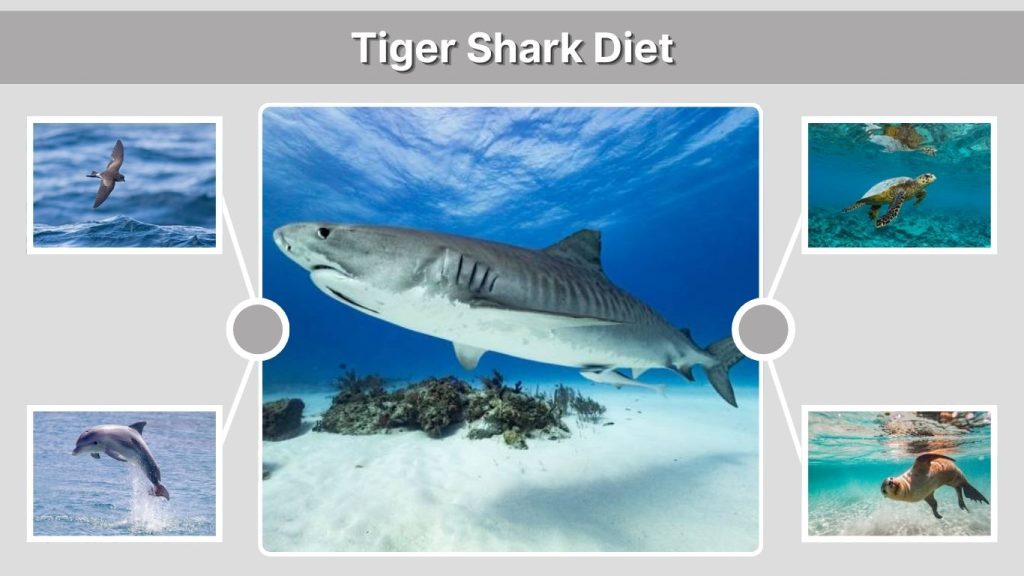
The tiger shark diet is one of the most diverse among shark species. They feed on fish, sea turtles, seals, seabirds, and even dolphins. Sea turtles are a particularly important part of their diet, and their serrated teeth are perfectly adapted for cutting through hard shells.
Their broad diet helps maintain balance in marine ecosystems by controlling populations of different species.
Opportunistic Feeding Behavior
Tiger sharks are true opportunistic predators. This means they do not rely on a single food source but instead consume whatever is available in their environment. In addition to live prey, they are also known to scavenge on dead animals. This scavenging behavior plays an important ecological role, as it helps keep ocean ecosystems clean by removing carrion.
Because they feed in both shallow and deep waters, tiger sharks have access to a wide variety of marine life. Their slow, steady swimming style allows them to patrol reefs and coastal areas efficiently. When they detect prey, they rely on sudden bursts of speed and their powerful bite to secure a meal.
As apex predators, tiger sharks sit near the top of the food chain. By regulating populations of turtles, fish, and other marine animals, they help maintain balance within their ecosystems. Without large predators like the tiger shark, certain species could overpopulate and disrupt the marine food web.
Tiger Shark Life Span
How Long Do Tiger Sharks Live?
The tiger shark life span is estimated to be between 20 and 30 years in the wild, though some researchers believe they may live even longer. Like many large shark species, tiger sharks grow relatively slowly, which can make them vulnerable to overfishing.
Their longevity depends on several factors, including food availability, habitat conditions, and human-related threats such as fishing pressure. Because they mature later in life, population recovery can be slow if their numbers decline.
Growth and Reproduction
Tiger sharks are ovoviviparous, meaning their eggs hatch inside the mother’s body before the pups are born live. After a gestation period that may last over a year, a female tiger shark can give birth to a large litter, sometimes ranging from 10 to 80 pups.
Young tiger sharks are independent from birth and must immediately learn to hunt and avoid predators. Sexual maturity is typically reached between 7 and 10 years of age, depending on environmental conditions and growth rates.
Tiger Shark vs Bull Shark
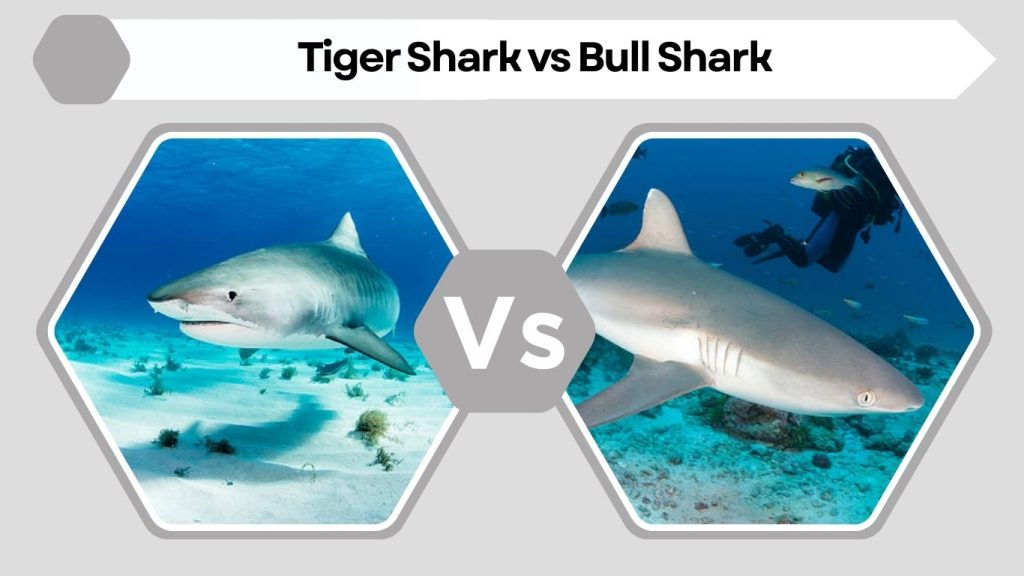
The comparison of tiger shark vs bull shark is common because both species are large, powerful, and sometimes found near humans.
Size and Strength Comparison
In general, tiger sharks are larger than bull sharks. While bull sharks typically grow between 7 and 11 feet long, tiger sharks often exceed 12 feet. Tiger sharks also tend to weigh more on average.
Both species are extremely strong and possess powerful jaws. However, tiger sharks are known for their uniquely serrated teeth, which are especially effective at slicing through tough prey like turtle shells.
Habitat Differences
One of the biggest differences between tiger sharks and bull sharks is habitat preference. Tiger sharks primarily inhabit saltwater environments in tropical and subtropical oceans.
Bull sharks, on the other hand, have a remarkable ability to survive in freshwater. They are often found in rivers, estuaries, and even far inland in some regions. This freshwater tolerance increases the likelihood of human encounters with bull sharks compared to tiger sharks in certain areas.
Which Is More Dangerous?
Both tiger sharks and bull sharks are responsible for a number of recorded shark attacks. Tiger sharks are often ranked among the top species involved in unprovoked incidents. However, attacks remain extremely rare when compared to the millions of people who enter the ocean each year.
Bull sharks may be considered more unpredictable due to their presence in murky coastal and freshwater environments. Ultimately, both species deserve respect, but neither actively seeks out humans as prey.
Are Tiger Sharks Dangerous to Humans?
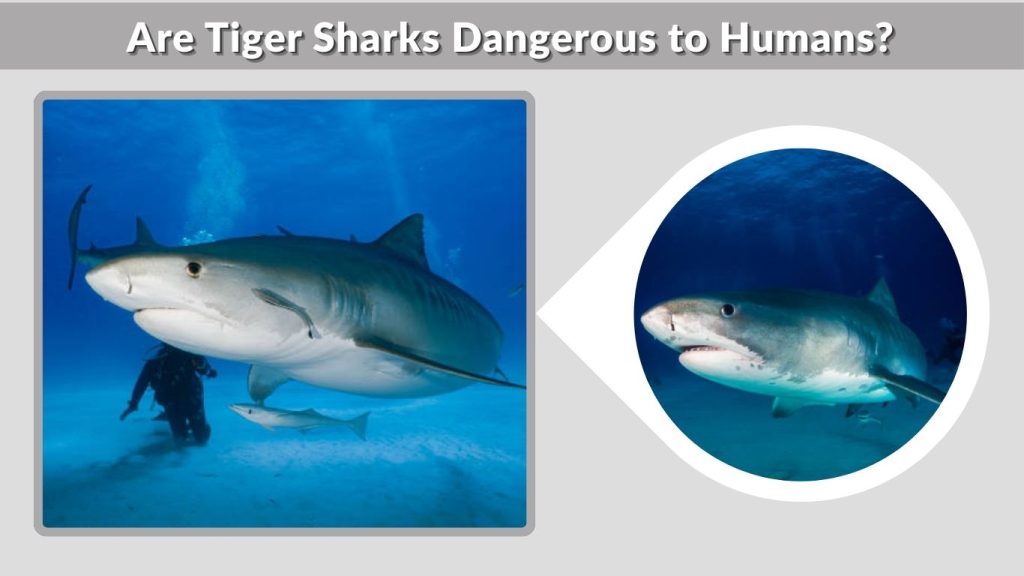
Tiger sharks have a reputation for being dangerous, partly because of their size and varied diet. While they are involved in some recorded attacks, such incidents are uncommon. Most encounters occur due to mistaken identity, curiosity, or poor visibility in the water.
Swimmers and surfers can reduce risk by avoiding swimming at dawn or dusk, staying in groups, and refraining from entering the water with open wounds or shiny objects. Understanding tiger shark behavior helps reduce fear and encourages safer ocean practices.
Tiger Shark Facts
Tiger sharks are among the most adaptable predators in the ocean. Here are some key tiger shark facts that highlight their remarkable nature.
Size and Physical Characteristics
Tiger sharks are massive compared to most other shark species. Adults typically measure between 10 and 14 feet in length, although some individuals have been recorded at over 16 feet. Their weight can range from 850 to more than 1,400 pounds.
One of their most impressive features is their teeth. Tiger shark teeth are wide, serrated, and curved, designed to cut through tough materials like turtle shells and bone. Their powerful jaws allow them to consume prey that many other sharks cannot.
They also have excellent sensory systems. Like other sharks, they can detect electrical signals produced by prey, giving them a strong advantage when hunting in low-visibility waters.
Behavior and Hunting Style
Tiger sharks are typically solitary hunters. They are most active at night, using stealth and surprise to capture prey. Unlike some sharks that specialize in certain types of food, tiger sharks are opportunistic feeders, meaning they will eat almost anything available.
Their swimming style is usually slow and deliberate, but they can accelerate quickly when attacking prey. This combination of patience and power makes them highly effective predators.
Interesting Tiger Sharks Facts
Tiger sharks are sometimes called the “garbage cans of the sea.” Researchers have found unusual objects in their stomachs, including license plates, tires, and other debris. While they do not actively seek out trash, their opportunistic feeding habits mean they may swallow non-food items while scavenging.
Another fascinating fact is their strong bite force, which is among the highest measured in shark species. This allows them to break through hard shells and thick bones with ease.
Conservation Status and Threats

Tiger sharks are currently classified as Near Threatened in many conservation assessments. Major threats include overfishing, bycatch, and the shark fin trade. Because tiger sharks grow slowly and reproduce later in life, their populations can take a long time to recover.
Protecting tiger shark habitat is essential not only for the species itself but also for the overall health of marine ecosystems. As apex predators, they play a vital role in maintaining ocean balance.
Conclusion
The tiger shark is one of the ocean’s most impressive predators. From its distinctive striped appearance to its powerful bite and diverse diet, this species stands out among sharks. Found in warm coastal waters around the world, tiger sharks play a critical role in marine ecosystems. Although they have a reputation for danger, attacks are rare, and conservation efforts are vital to ensuring their survival. Understanding tiger shark facts, habitat, diet, and life span helps promote respect for this remarkable marine predator.