



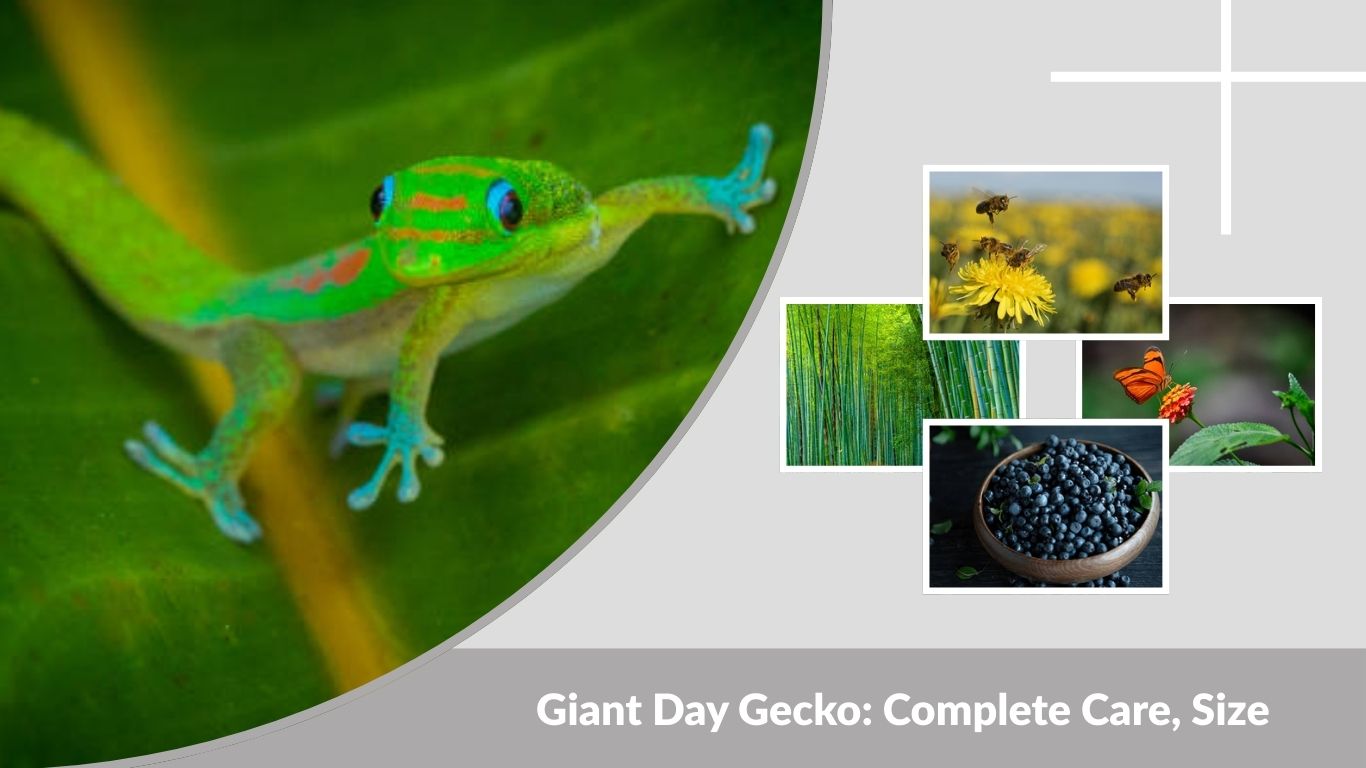
The giant day gecko (Phelsuma grandis) is one of the most striking and colorful reptiles in the pet trade. Native to Madagascar, this vibrant green gecko is known for its red markings, active daytime behavior, and impressive climbing ability. Unlike many gecko species, giant day geckos are diurnal, meaning they are awake during the day. In this guide, you’ll learn about their size, lifespan, natural habitat, and essential care requirements.
What Is a Giant Day Gecko?
Scientific Name and Classification
The giant day gecko’s scientific name is Phelsuma grandis. It belongs to the family Gekkonidae and is one of the largest species in the Phelsuma genus. Unlike nocturnal geckos such as leopard geckos, giant day geckos are active during daylight hours, making them highly visible and engaging display pets.
Originally found in Madagascar, they have also established populations in places like Hawaii due to accidental introductions. In captivity, they are commonly bred and widely available in the reptile hobby.
Physical Appearance
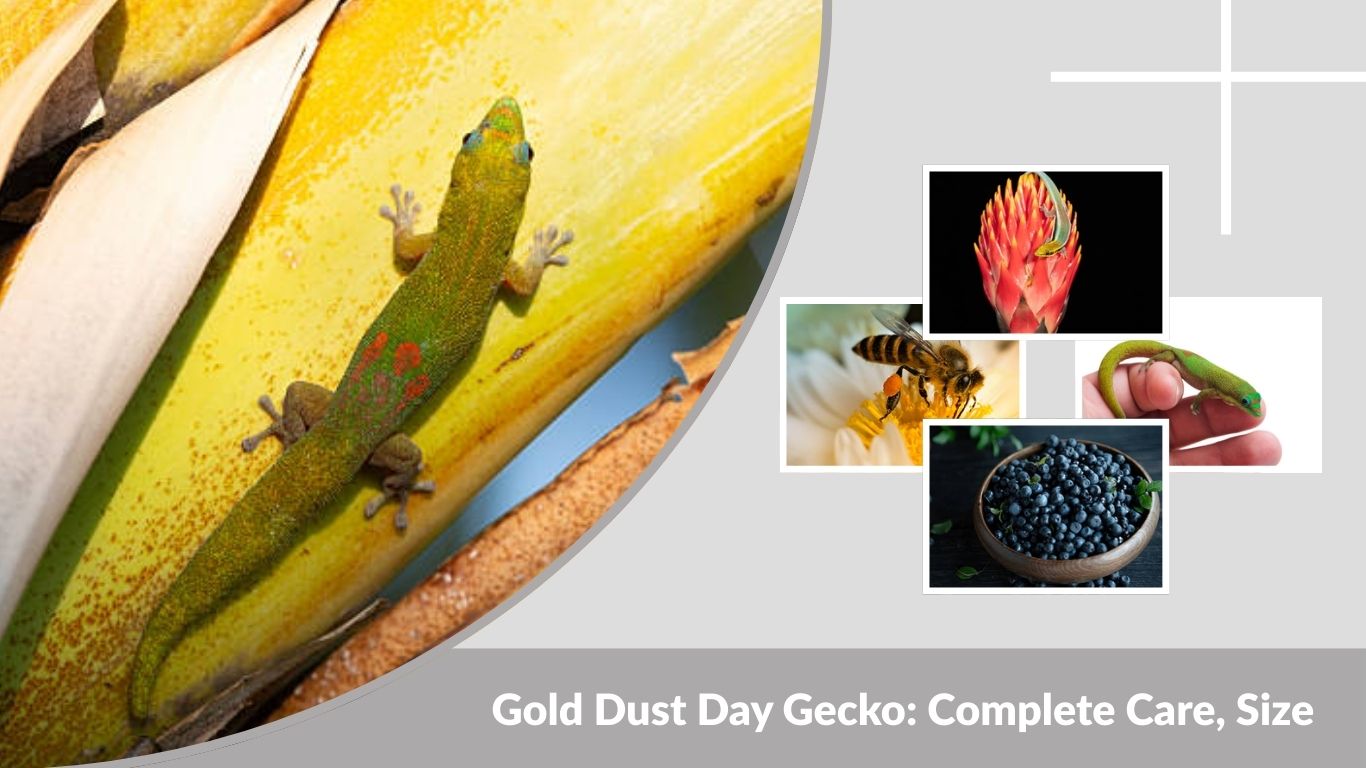
Giant day geckos are famous for their vivid coloration. They typically have a bright lime-green body with red or orange markings across the head and back. Some individuals may also display blue or turquoise accents near the eyes.
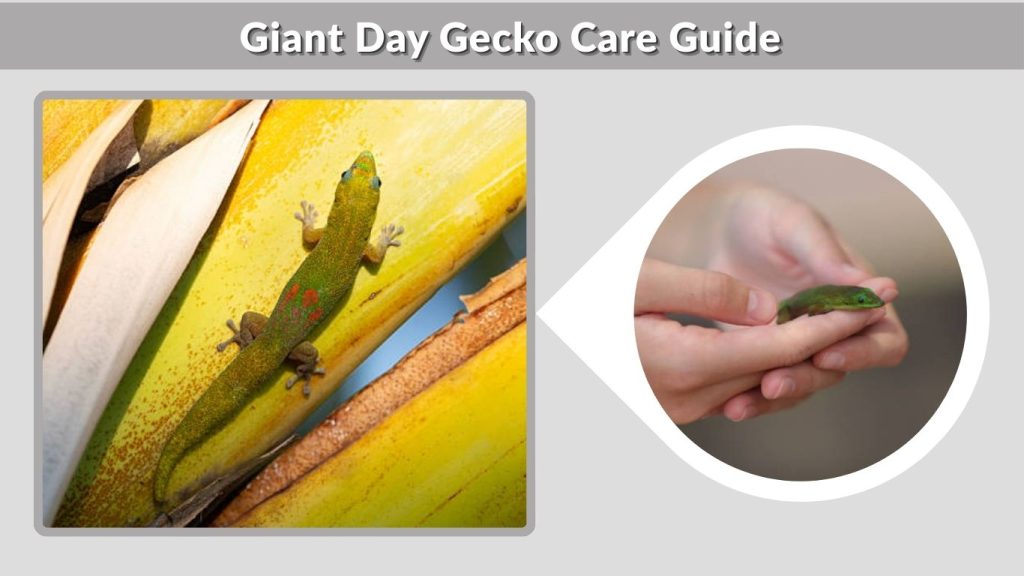
Adults generally grow between 9 and 12 inches in total length, including the tail. Their bodies are slender, with smooth, delicate skin. Like other geckos, they have specialized toe pads covered in microscopic structures that allow them to cling to glass, leaves, and vertical surfaces with ease.
Males are usually slightly larger than females and may display more pronounced femoral pores along their underside. They also tend to be more territorial.
Giant Day Gecko Size and Lifespan
How Big Do Giant Day Geckos Get?
Giant day geckos are considered large compared to many other commonly kept gecko species. Most adults reach 9 to 12 inches in length, with males typically growing slightly bigger than females.
Juveniles grow quickly when provided with proper nutrition and environmental conditions. Within the first year, they can reach near-adult size. Providing adequate UVB lighting, calcium supplementation, and a well-balanced diet is crucial for healthy growth and bone development.
How Long Do They Live?
With proper care, giant day geckos can live between 10 and 20 years in captivity. Their lifespan depends heavily on husbandry practices, including proper lighting, humidity control, and diet.
Inadequate UVB exposure or insufficient calcium supplementation can lead to metabolic bone disease, which significantly shortens lifespan. Consistent care, routine enclosure maintenance, and access to fresh water can help ensure your gecko thrives for many years.
Natural Habitat and Behavior
Native Habitat in Madagascar
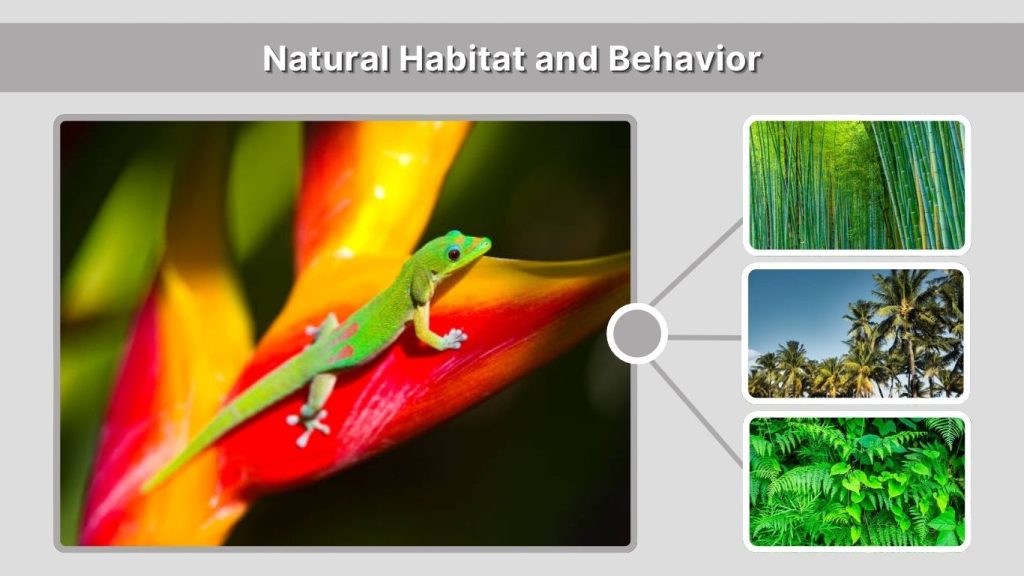
In the wild, giant day geckos inhabit the tropical forests of Madagascar. They prefer warm, humid environments with abundant vegetation. These geckos are arboreal, meaning they spend most of their time in trees rather than on the ground.
They often live among bamboo, palm trees, and dense foliage, where they can easily climb and hide. Their bright green coloration helps them blend into leafy surroundings, providing camouflage from predators.
Replicating this natural environment in captivity is essential. A vertical enclosure with plenty of climbing branches, live plants, and hiding spots will help mimic their natural habitat.
Temperament and Activity
Giant day geckos are active, alert, and highly visual reptiles. Because they are diurnal, they spend their days climbing, exploring, basking under light, and hunting for food.
However, they are not typically considered handling-friendly pets. Their skin is delicate and can tear easily if grabbed. Additionally, they may drop their tails as a defense mechanism if stressed or threatened.
They can also be territorial, especially males. Housing two males together often leads to aggression. Even male-female pairs should be monitored carefully to prevent stress or injury.
Despite their limited tolerance for handling, giant day geckos are fascinating to observe. Their bright colors and energetic behavior make them ideal display reptiles for enthusiasts who enjoy watching natural behaviors.
Giant Day Gecko Care Guide
Proper husbandry is the key to keeping a giant day gecko healthy and thriving. Their tropical origin means they require specific environmental conditions to stay in good health.
Enclosure Size and Setup
Because giant day geckos are arboreal, height is more important than floor space. A minimum enclosure size of 18 x 18 x 24 inches is recommended for one adult, though larger is always better.
A vertical glass terrarium works best. Include sturdy branches, bamboo, cork bark, and live or artificial plants to create climbing opportunities and hiding spots. Live plants such as pothos or bromeliads can help maintain humidity levels while providing a natural look.
A secure lid is essential, as these geckos are excellent climbers and escape artists.
Temperature and Heating
Giant day geckos thrive in warm conditions. Daytime temperatures should range between 75°F and 85°F, with a basking spot reaching 88°F to 92°F. At night, temperatures can safely drop into the low 70s.
A heat lamp combined with proper lighting typically provides adequate warmth. Always use a thermometer to monitor temperature levels and prevent overheating.
Humidity Requirements
Maintaining proper humidity is essential for the health of a giant day gecko. These reptiles come from tropical regions where moisture levels remain relatively high throughout the year. In captivity, humidity should generally stay between 60% and 80%. Daily misting helps maintain this range and also provides drinking opportunities, as giant day geckos often lick water droplets from leaves rather than drinking from a bowl.
Proper ventilation is just as important as humidity. Stagnant, overly damp conditions can lead to respiratory infections and mold growth inside the enclosure. A well-balanced setup with airflow and consistent misting will help replicate their natural environment. Monitoring humidity with a digital hygrometer ensures that levels remain stable.
Lighting Needs
Lighting plays a critical role in a giant day gecko’s overall health. Because they are diurnal, they require a consistent day and night cycle. A 10 to 12 hour light cycle closely mimics their natural rhythm and supports healthy activity patterns.
UVB lighting is especially important. Exposure to UVB rays allows the gecko to synthesize vitamin D3, which is necessary for proper calcium absorption. Without it, they are at high risk of developing metabolic bone disease. A quality UVB bulb designed for tropical reptiles should be installed above the enclosure and replaced according to the manufacturer’s guidelines. Proper lighting not only supports bone health but also enhances coloration and natural behavior.
Giant Day Gecko Diet
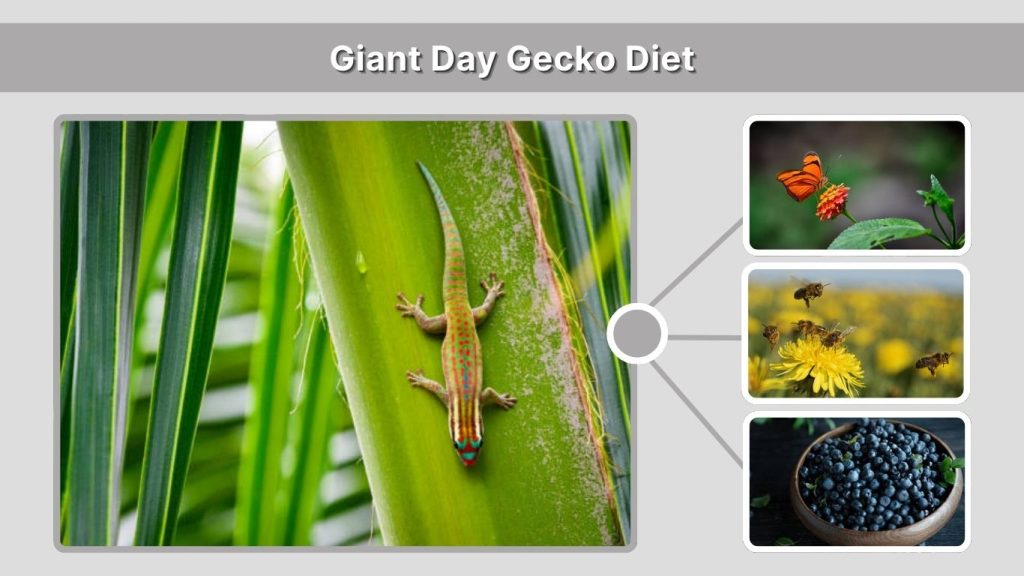
A well-balanced diet is vital for maintaining a healthy giant day gecko. In the wild, they consume a mix of insects, nectar, and soft fruits. Captive diets should reflect this natural variety.
What Do Giant Day Geckos Eat?
In captivity, giant day geckos thrive on a combination of live insects and commercially prepared fruit-based gecko diets. Crickets and dubia roaches are commonly offered as staple feeders. These insects should be appropriately sized, meaning they are no wider than the space between the gecko’s eyes. Occasional treats such as mashed fruit can also be provided, though sugary fruits should not dominate the diet.
Many keepers use specially formulated powdered gecko diets that mix with water to create a nectar-like consistency. These products are designed to provide balanced nutrition and are widely accepted by this species. Offering both insects and prepared diets helps ensure dietary variety and proper nutrient intake.
Feeding Schedule and Supplements
Juvenile giant day geckos typically require daily feeding to support rapid growth. As they mature, feeding can be reduced to three or four times per week. The exact schedule depends on the individual gecko’s age, size, and activity level.
Calcium supplementation is essential, particularly for insect meals. Feeder insects should be lightly dusted with calcium powder on a regular basis. A calcium supplement containing vitamin D3 may be used occasionally if UVB exposure is limited, though proper lighting is always the preferred source of D3. A reptile multivitamin can also be offered periodically to prevent nutritional deficiencies. Consistent supplementation combined with quality lighting greatly reduces the risk of metabolic disorders.
Handling and Interaction
Although giant day geckos are visually stunning, they are not ideal for frequent handling. Their skin is delicate and can tear if restrained too firmly. When stressed, they may also drop their tail as a defense mechanism. While the tail can regenerate, the process requires energy and may temporarily impact the gecko’s health.
If handling is necessary, it should be done gently and infrequently. Allowing the gecko to move voluntarily onto your hand rather than grabbing it helps reduce stress. Many keepers choose to interact primarily through observation, enjoying their natural climbing, basking, and feeding behaviors instead of physical contact. This approach keeps the gecko safer and more comfortable.
Common Health Issues
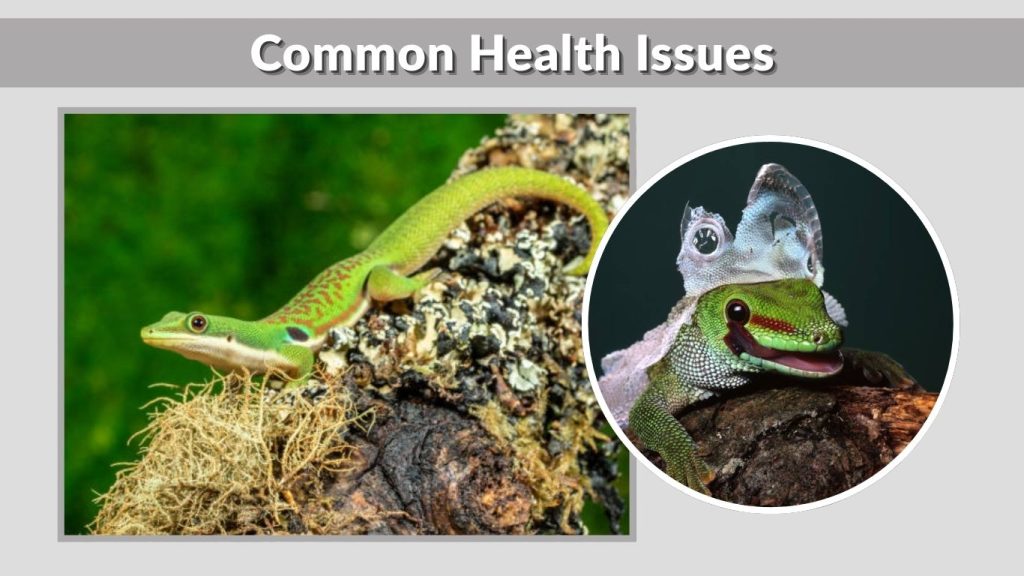
Like all reptiles, giant day geckos are susceptible to certain health problems if husbandry is not properly maintained. One of the most common conditions is metabolic bone disease, which results from inadequate calcium intake or insufficient UVB lighting. Symptoms may include soft jawbones, tremors, or difficulty climbing.
Shedding problems can occur if humidity levels are too low. Retained skin around the toes may restrict circulation and require careful intervention. Dehydration is another concern, particularly if misting is inconsistent. Parasites may also affect geckos, especially those that were not captive bred.
Preventative care is the best defense against illness. Maintaining proper temperature, humidity, lighting, and diet significantly reduces health risks. Regular observation allows keepers to detect changes in behavior or appearance early, making treatment more effective if issues arise.
Pros and Cons of Owning a Giant Day Gecko
Owning a giant day gecko can be a rewarding experience for reptile enthusiasts who appreciate vibrant colors and active daytime behavior. Their striking appearance and engaging movements make them exceptional display animals. They also have relatively long lifespans when cared for correctly, allowing owners to enjoy them for many years.
However, they require precise environmental conditions, including consistent humidity and proper UVB lighting. Their fragile skin and limited tolerance for handling make them less suitable for children or those seeking an interactive pet. Prospective owners should carefully consider whether they can provide the specialized care this tropical species requires.
FAQs
Are giant day geckos good for beginners?
Giant day geckos can be suitable for beginners who are willing to research and maintain proper husbandry conditions. They are not as forgiving as some hardier gecko species, but attentive care and consistent environmental management can lead to success.
Can giant day geckos live together?
Housing giant day geckos together requires caution. Males are highly territorial and should not be kept in the same enclosure. Even mixed pairs may experience stress or aggression. Careful monitoring is essential if attempting cohabitation.
Do giant day geckos need UVB lighting?
Yes, UVB lighting is strongly recommended. It enables proper vitamin D3 synthesis and supports healthy calcium metabolism. Without UVB exposure, giant day geckos are at significant risk of metabolic bone disease.
How often should I mist the enclosure?
Most enclosures should be misted once or twice daily to maintain appropriate humidity levels. The frequency may vary depending on ventilation and local climate conditions. Monitoring with a hygrometer ensures accuracy.
What size tank does a giant day gecko need?
An adult giant day gecko requires a vertical enclosure measuring at least 18 x 18 x 24 inches. Larger enclosures provide additional climbing space and improve overall well-being, especially for active individuals.