




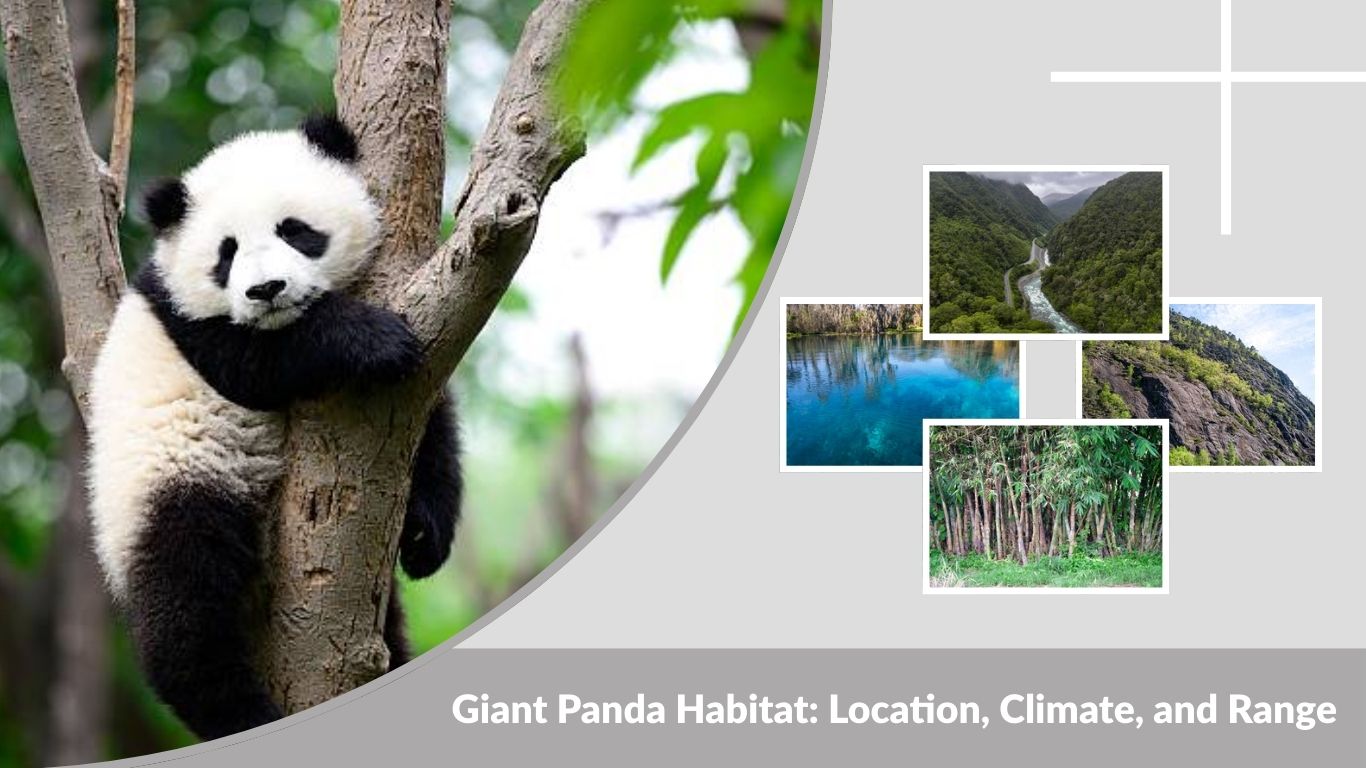
The giant panda habitat is one of the most unique and specialized environments in the world. Native to central China, giant pandas live in cool, mountainous regions covered in dense bamboo forests. Unlike many other bear species that adapt to various ecosystems, pandas depend almost entirely on specific habitat conditions for survival. From elevation and climate to bamboo availability and conservation efforts, understanding the giant panda habitat helps explain why protecting these forests is essential for the species’ future.
Where Do Giant Pandas Live?
If you are wondering where do giant pandas live, their habitat is limited to central China. Today, wild giant pandas are found mainly in three provinces:
- Sichuan
- Shaanxi
- Gansu
These regions contain remote mountain ranges that provide the cool temperatures and dense vegetation pandas need. Most pandas live within protected reserves, many of which were established to prevent habitat destruction.
Historically, giant pandas once roamed across much larger areas of southern and eastern China. However, human development, agriculture, and deforestation reduced their range significantly. Now, their habitat exists in isolated mountain pockets.
Giant Panda Natural Habitat Overview
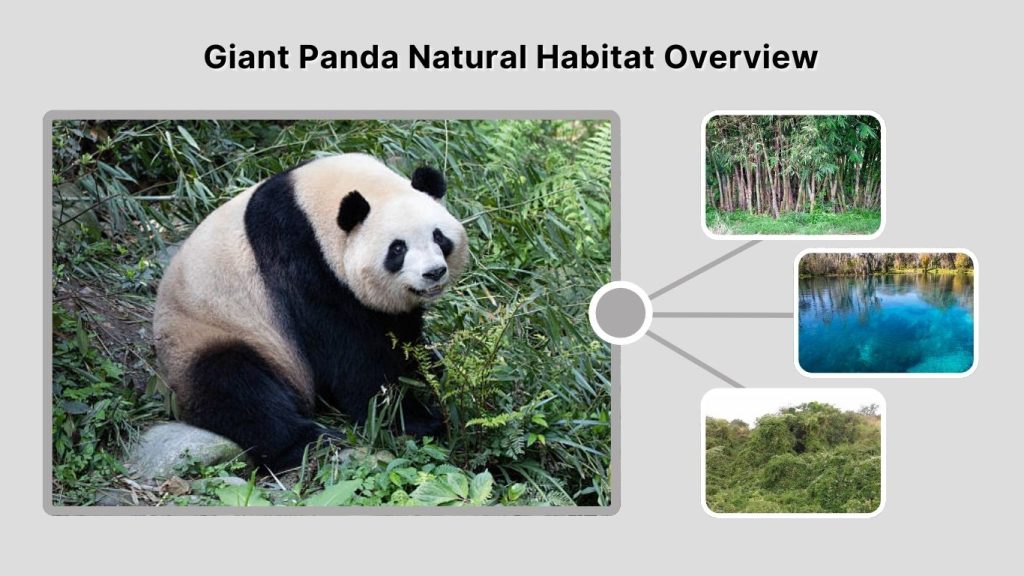
The giant panda natural habitat consists primarily of temperate broadleaf and mixed forests. These forests are characterized by thick bamboo undergrowth, high humidity, and steady rainfall.
Pandas prefer quiet, undisturbed forests with minimal human activity. Their habitat must provide:
- Abundant bamboo for food
- Fresh water sources
- Dense vegetation for shelter
- Safe areas for raising cubs
Because bamboo makes up about 99% of a panda’s diet, the health of bamboo forests directly determines panda survival.
Mountain Ecosystems of the Giant Panda
Elevation Range
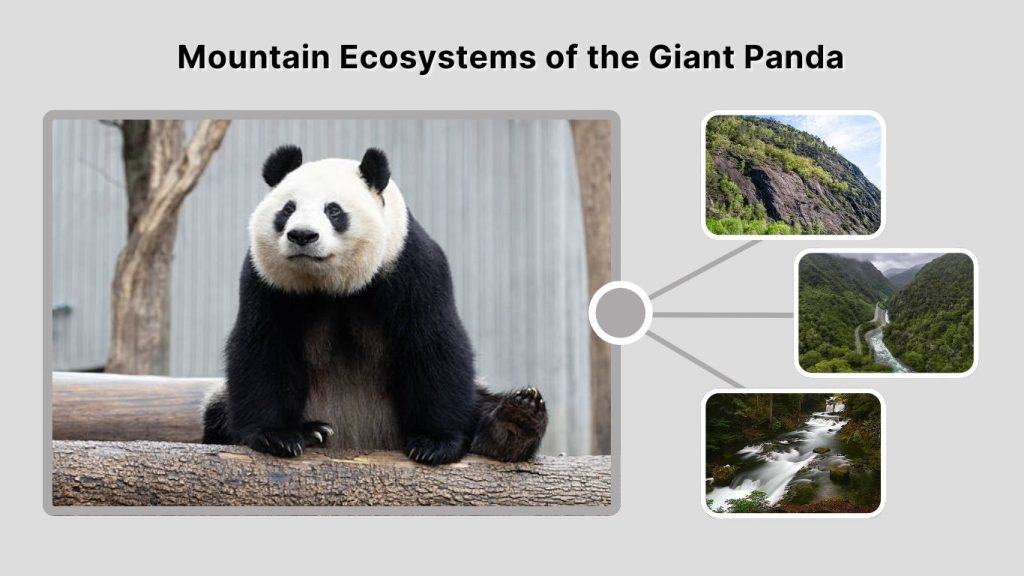
Giant pandas live at elevations between 5,000 and 10,000 feet above sea level. The mountain habitat offers cooler temperatures and reliable bamboo growth.
During different seasons, pandas may move slightly up or down the mountain slopes to follow fresh bamboo shoots. Higher elevations provide snow cover in winter, while lower elevations may offer more food during certain times of the year.
Terrain and Landscape
The giant panda habitat includes:
- Steep mountain slopes
- Deep valleys
- Flowing rivers and streams
- Dense tree cover
These rugged landscapes help protect pandas from predators and human disturbance. Natural caves, hollow trees, and dense shrubs provide safe resting spots and shelter for mothers raising cubs.
The mountainous terrain also contributes to habitat fragmentation, as isolated valleys can separate panda populations from one another.
Bamboo Forests – The Core of Panda Habitat
Why Bamboo Is Essential
Bamboo forests form the foundation of the giant panda habitat. There are several species of bamboo growing at different elevations, and pandas rely on this variety for year-round feeding.
Because bamboo is low in nutrients, pandas must eat large amounts daily—sometimes up to 80 pounds. This heavy dependence means pandas cannot survive in habitats without a steady bamboo supply.
Bamboo Growth Cycles
One of the most important giant panda habitat facts involves bamboo’s natural growth cycle. Some bamboo species undergo mass flowering events followed by die-offs. When this happens, large areas of bamboo may disappear for years.
In the past, pandas could migrate freely to find new bamboo forests. Today, habitat fragmentation limits this movement, making bamboo die-offs more dangerous for isolated panda populations.
Protecting connected forest corridors is essential so pandas can safely move between feeding areas when bamboo cycles change.
Giant Panda Habitat Climate
Temperature Conditions
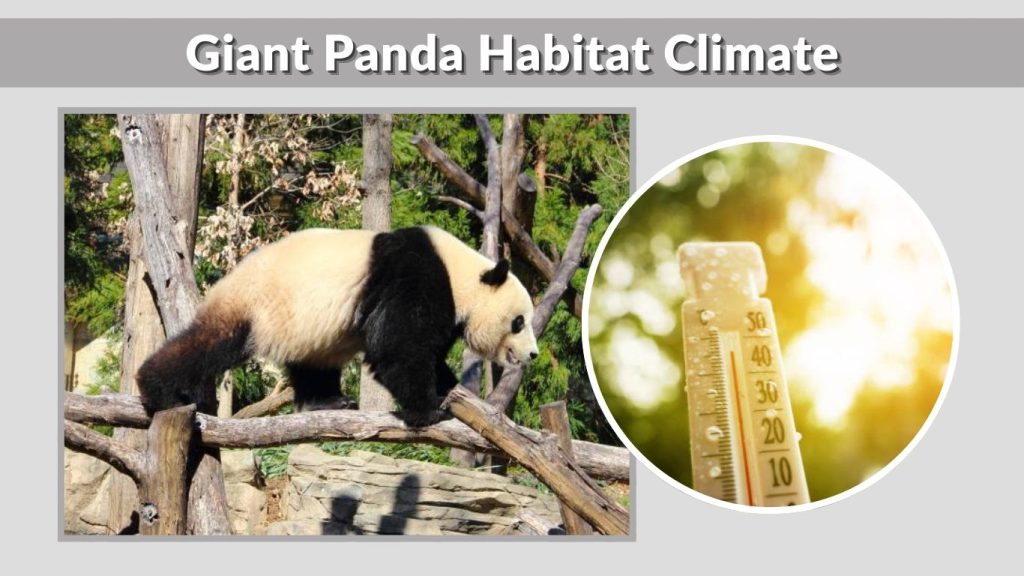
The giant panda habitat climate is generally cool and moist. Mountain temperatures range from about 45°F to 75°F (7°C to 24°C) depending on elevation and season.
Snow is common in winter at higher elevations, but pandas do not hibernate. Instead, they continue feeding throughout the year, relying on their thick fur to stay warm.
Rainfall and Humidity
Frequent rain and mist are typical in panda habitats. High humidity supports healthy bamboo growth, which thrives in damp soil conditions.
Fog often covers the mountain slopes, creating a stable microclimate. This moisture-rich environment is ideal for maintaining dense forests that provide both food and shelter.
Climate change, however, threatens to alter temperature and rainfall patterns, potentially affecting bamboo growth and reducing suitable habitat areas.
Giant Panda Range and Distribution
The giant panda range today is much smaller than it once was. Wild pandas now live in several isolated mountain ranges across central China.
China has established more than 60 panda reserves to protect these habitats. One of the most famous is the Sichuan Giant Panda Sanctuary, a UNESCO World Heritage Site that covers thousands of square miles of forest.
Although conservation efforts have helped stabilize populations, habitat fragmentation still divides pandas into separate groups. Limited connectivity between forests can reduce genetic diversity and make populations more vulnerable.
Habitat Fragmentation and Isolation
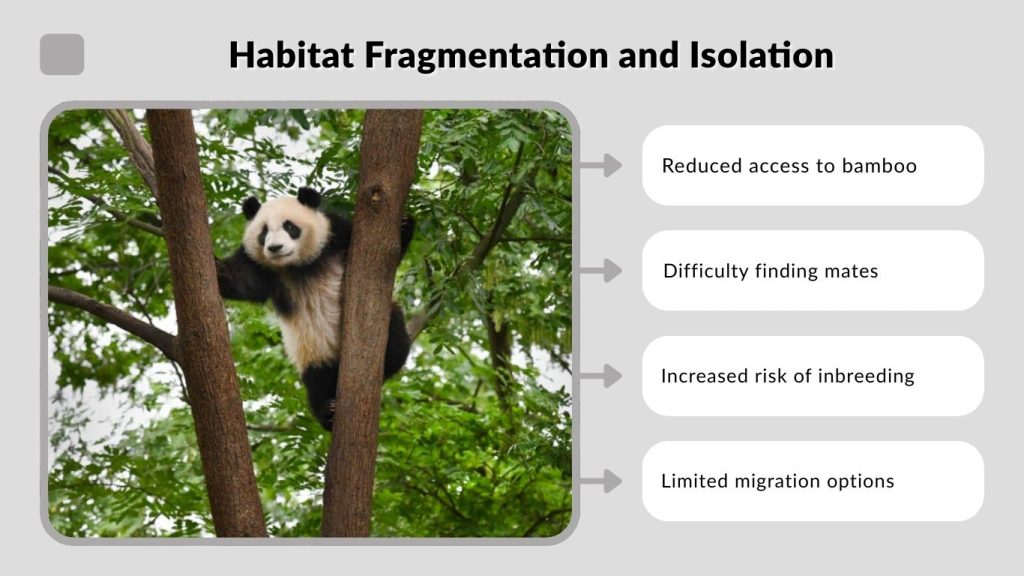
Habitat fragmentation occurs when large forest areas are broken into smaller sections by roads, farming, or urban development.
For giant pandas, fragmentation creates serious challenges:
- Reduced access to bamboo
- Difficulty finding mates
- Increased risk of inbreeding
- Limited migration options
Even though pandas are solitary animals, they still need connected habitats to maintain healthy populations over time.
Building wildlife corridors between forest patches has become an important conservation strategy.
Giant Panda Habitat Destruction
Causes
Historically, logging and agricultural expansion were major causes of giant panda habitat destruction. Large areas of bamboo forest were cleared for timber and farmland.
Today, additional threats include:
- Infrastructure development
- Road construction
- Tourism pressure
- Climate change
Although logging has been restricted in many areas, habitat protection requires ongoing monitoring.
Effects on Panda Population
When habitat shrinks, panda populations decline. Without enough bamboo, pandas struggle to find sufficient food. Isolated populations also face reproductive challenges.
Fortunately, habitat restoration programs have helped replant forests and reconnect fragmented regions. These efforts contributed to the giant panda being reclassified from Endangered to Vulnerable.
Conservation and Habitat Protection
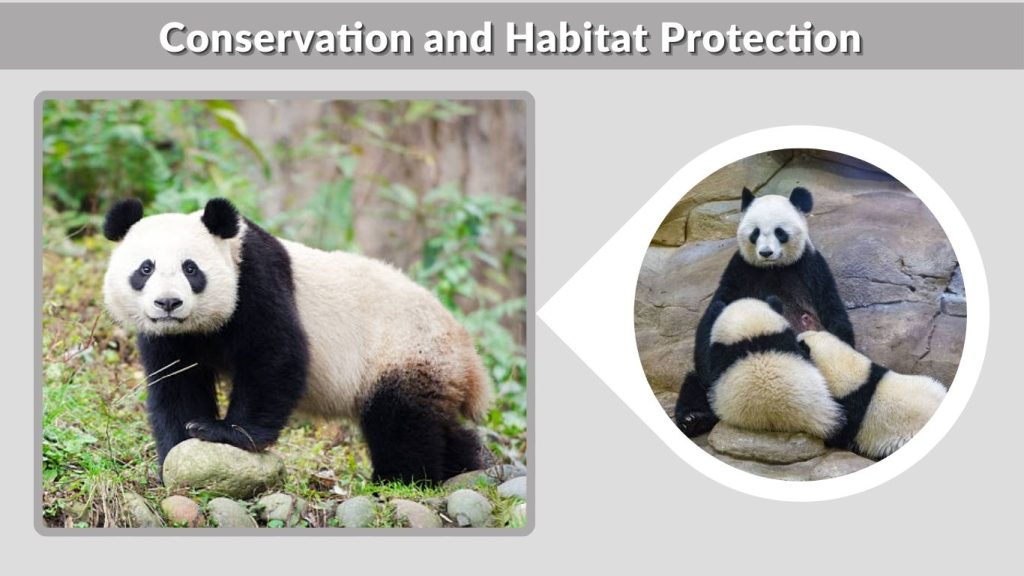
Protecting the giant panda habitat remains a top priority for conservationists. China has significantly expanded its protected areas, creating large reserves that safeguard bamboo forests.
Habitat corridors now link separate forest patches, allowing pandas to move more freely. Reforestation programs aim to restore degraded land and encourage bamboo regrowth.
International organizations such as the World Wide Fund for Nature (WWF) support research, habitat monitoring, and environmental education programs. Because giant pandas are considered an umbrella species, protecting their habitat also benefits many other plants and animals living in the same ecosystem.
Interesting Giant Panda Habitat Facts
Here are some fascinating giant panda habitat facts:
- Pandas prefer remote forests with minimal human disturbance.
- Their habitat supports diverse wildlife, including golden snub-nosed monkeys and takins.
- Bamboo availability determines where pandas can survive.
- Seasonal movement within mountain ranges helps them track fresh bamboo growth.
- Protected reserves cover much of the remaining natural habitat.
These facts highlight how specialized and delicate panda habitats truly are.
Why Habitat Is the Key to Panda Survival
The giant panda habitat provides everything pandas need: food, shelter, water, and safe breeding areas. Without healthy bamboo forests, pandas cannot survive.
Climate change poses a growing threat by potentially shifting suitable habitat zones higher into the mountains. If temperatures rise too much, bamboo forests may decline.
Continued conservation, habitat restoration, and sustainable land management are essential for ensuring giant pandas thrive for generations to come. Protecting their habitat ultimately protects entire mountain ecosystems and the rich biodiversity within them.
FAQs
Where is the giant panda habitat located?
The giant panda habitat is located in central China, mainly in the provinces of Sichuan, Shaanxi, and Gansu. Pandas live in remote mountain ranges covered with dense bamboo forests. Most of their habitat today is protected within nature reserves established to conserve forest ecosystems and support panda populations.
What type of habitat do giant pandas prefer?
Giant pandas prefer cool, moist mountain forests with thick bamboo undergrowth. Their natural habitat includes temperate broadleaf and mixed forests at elevations between 5,000 and 10,000 feet. These areas provide abundant bamboo, freshwater sources, and safe shelter for resting and raising cubs.
Why do giant pandas live in mountains?
Giant pandas live in mountains because these regions offer the climate and vegetation they need. Higher elevations provide cooler temperatures and stable bamboo growth. Mountain forests also have fewer human disturbances, making them safer environments for pandas to feed, rest, and reproduce.
How does climate affect giant panda habitat?
Climate plays a major role in maintaining bamboo forests, which are essential to panda survival. Cool temperatures, steady rainfall, and high humidity support healthy bamboo growth. Climate change, however, may alter temperature and rainfall patterns, potentially shrinking suitable habitat areas over time.
Is giant panda habitat endangered?
While significant conservation efforts have improved conditions, giant panda habitat remains vulnerable. Habitat fragmentation, infrastructure development, and climate change continue to pose risks. Ongoing forest protection, wildlife corridors, and habitat restoration projects are essential to ensure long-term survival of panda populations.