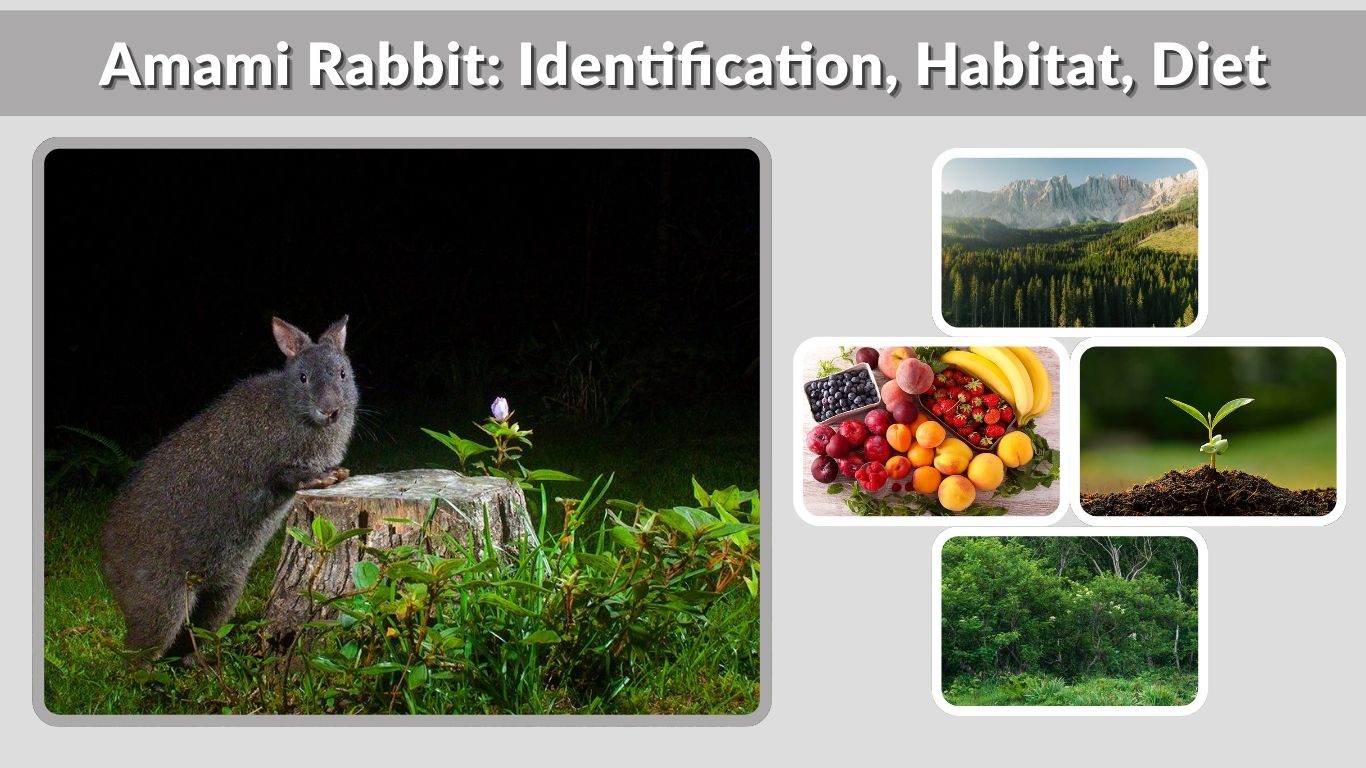





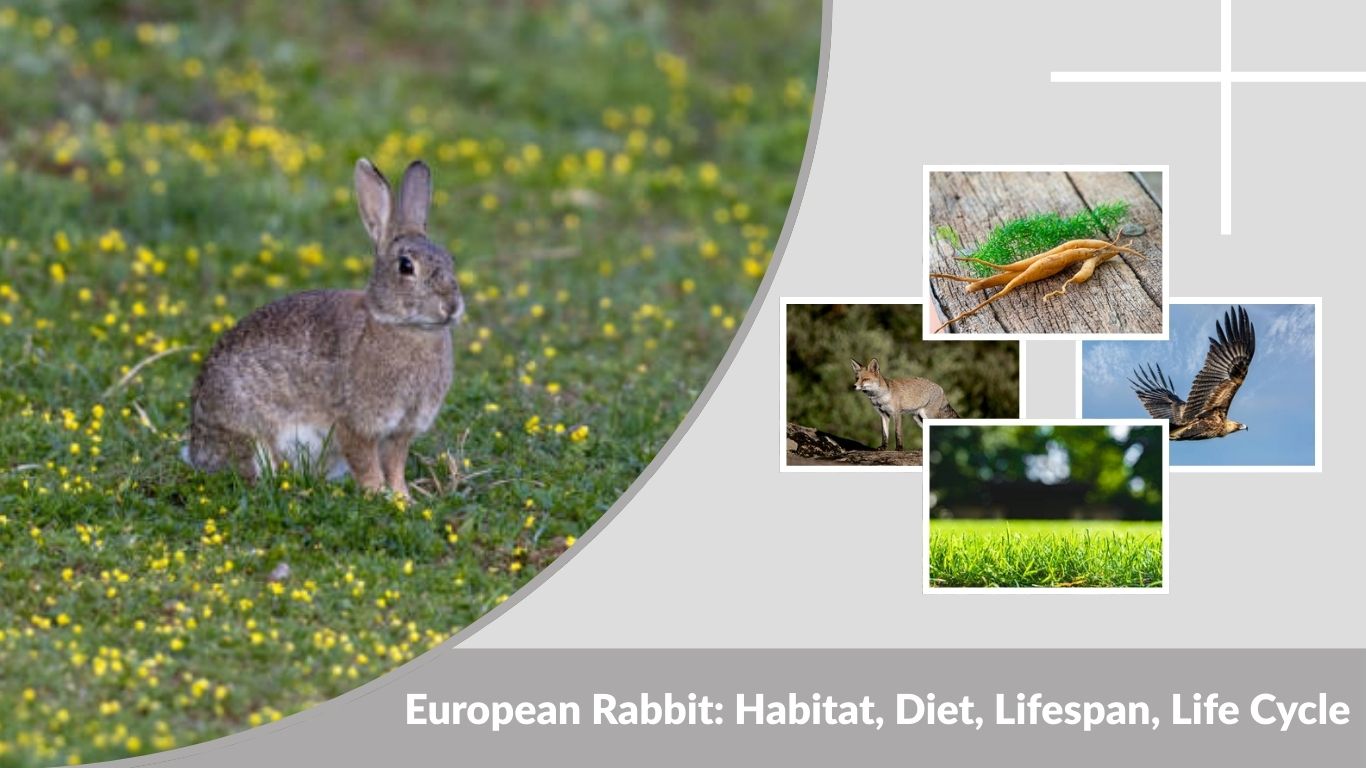
The European rabbit (Oryctolagus cuniculus) is one of the most well-known rabbit species in the world. Native to the Iberian Peninsula, particularly Spain and Portugal, this small mammal has spread across many continents due to human introduction. European rabbits play an important ecological role as prey animals and vegetation grazers. They are also known for their complex burrow systems and rapid reproduction. Understanding their habitat, diet, lifespan, life cycle, and unique characteristics helps explain how this species became so widespread.
What Is a European Rabbit?
The European rabbit is a small herbivorous mammal belonging to the Leporidae family, which also includes hares and other rabbit species. Its scientific name is Oryctolagus cuniculus, and it is the ancestor of most domestic rabbit breeds kept as pets today.
European rabbits typically have soft gray-brown fur, a white underside, and long ears with dark tips. Adults usually measure 34–50 cm in length and weigh between 1–2.5 kilograms. Compared to hares, they have shorter ears, smaller legs, and live in burrows rather than open nests.
One of the defining characteristics of this species is its highly social behavior. European rabbits often live in groups called colonies, sharing extensive underground tunnel systems known as warrens.
European Rabbit Identification
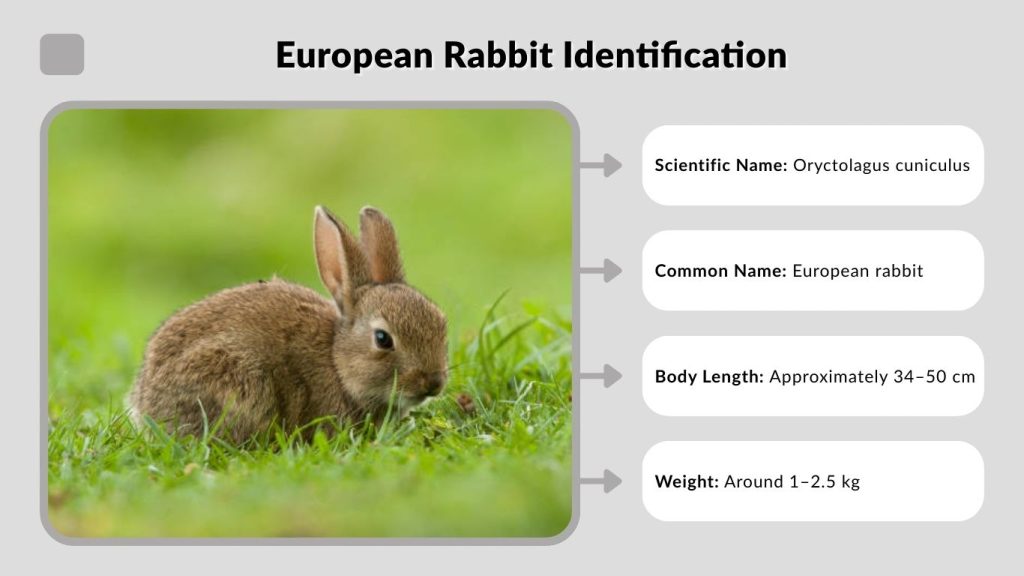
The European rabbit (Oryctolagus cuniculus) is a small burrowing mammal that belongs to the Leporidae family. It is widely recognized for its compact body, long ears, and strong hind legs adapted for running and digging. Native to the Iberian Peninsula, this species has become one of the most widespread rabbits in the world. European rabbits are also the ancestors of all domestic rabbit breeds. They are social animals that usually live in groups and build complex underground burrow systems called warrens.
Key Identification Features
- Scientific Name: Oryctolagus cuniculus
- Common Name: European rabbit
- Family: Leporidae
- Body Length: Approximately 34–50 cm
- Weight: Around 1–2.5 kg
- Fur Color: Usually gray-brown with a lighter underside
- Ears: Medium length with dark tips
- Tail: Short and white underneath
- Habitat Type: Grasslands, farmland, scrublands, and forest edges
- Distinct Feature: Lives in underground burrow systems called warrens
- Behavior: Social animals that live in colonies
European Rabbit Habitat
Native Habitat
The natural home of the European rabbit is the Iberian Peninsula, particularly Spain and Portugal, as well as parts of southern France. In these regions, the rabbits thrive in Mediterranean climates, which provide mild winters, warm summers, and abundant vegetation.
These environments offer the ideal conditions for rabbits to build burrows and find enough food throughout the year.
Introduced Habitats
Over time, humans introduced European rabbits to many parts of the world. Today they can be found in regions such as:
- Australia
- New Zealand
- North America
- South America
- Parts of Africa
- Other areas of Europe
In some countries, especially Australia, European rabbits became invasive species, causing major ecological damage by overgrazing vegetation and competing with native animals.
Preferred Living Conditions
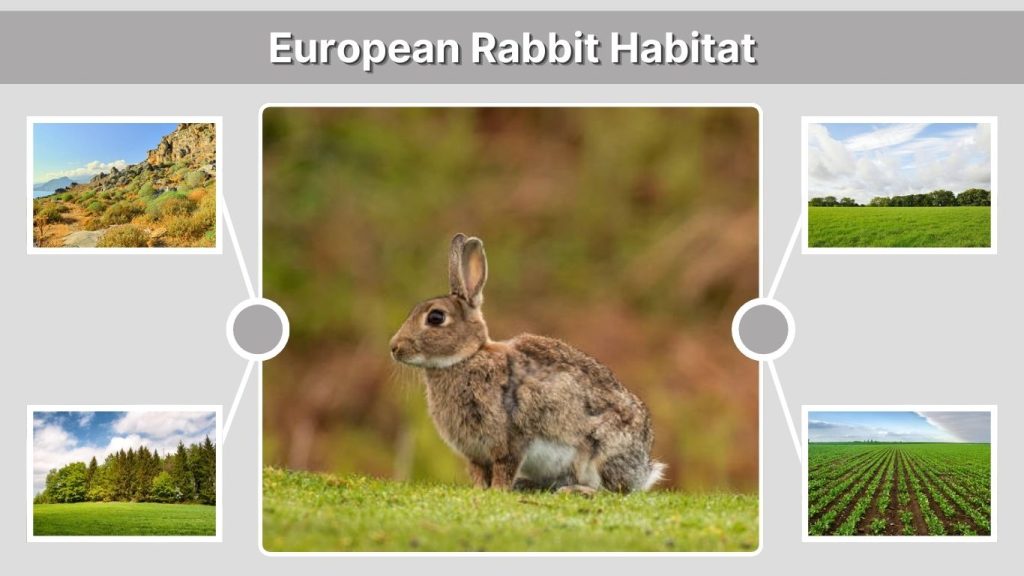
European rabbits prefer areas where food and shelter are easily available. Their most common habitats include:
- Grasslands
- Farmland
- Scrublands
- Meadows
- Forest edges
These environments provide soft soil for digging burrows and plenty of plants for grazing.
Burrow Systems (Warrens)
One of the most fascinating aspects of the European rabbit habitat is its warren system. A warren is a network of underground tunnels and chambers where rabbits live together.
These burrows serve several purposes:
- Protection from predators
- Shelter from harsh weather
- Safe places for raising young
A single warren may contain multiple entrances and can house dozens of rabbits living in a structured social group.
European Rabbit Diet
What Do European Rabbits Eat?
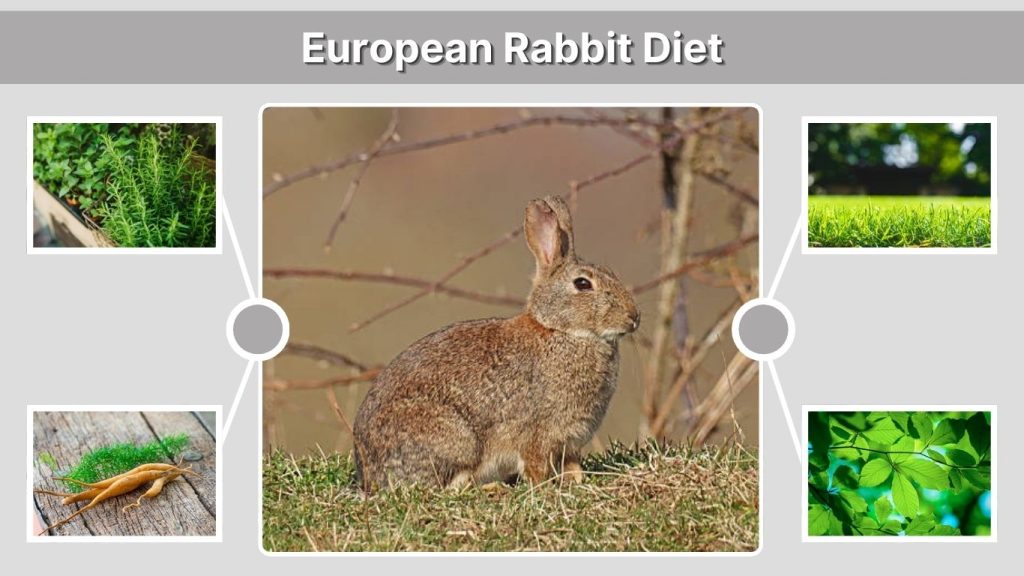
The European rabbit diet consists mainly of plant material, making them strict herbivores. Their primary foods include:
- Grasses
- Leaves
- Herbs
- Roots
- Bark
- Agricultural crops
Rabbits spend a large portion of their day grazing, often feeding during the early morning and evening when temperatures are cooler.
Seasonal Diet Changes
The diet of European rabbits can vary depending on the season.
During spring and summer, fresh grasses and leafy plants are abundant, providing high-quality nutrition. In winter, when fresh vegetation is scarce, rabbits may rely more on woody plants, bark, and roots.
This flexibility allows them to survive in a wide range of environments.
European Rabbits Diet Adaptations
European rabbits have several biological adaptations that help them process plant material efficiently.
Their teeth grow continuously, which allows them to chew tough grasses without wearing their teeth down permanently. They also have a specialized digestive system designed to extract nutrients from fibrous plants.
These adaptations enable rabbits to survive on a diet that many other animals cannot digest easily.
Coprophagy Behavior
One unusual but important behavior in the European rabbit diet is coprophagy, which means eating certain types of feces.
Rabbits produce two kinds of droppings:
- Hard pellets
- Soft nutrient-rich droppings called cecotropes
They consume the soft droppings to re-digest nutrients, allowing them to absorb vitamins and proteins that were not fully processed during the first digestion.
This process is essential for maintaining their health and nutritional balance.
European Rabbit Lifespan
Lifespan in the Wild
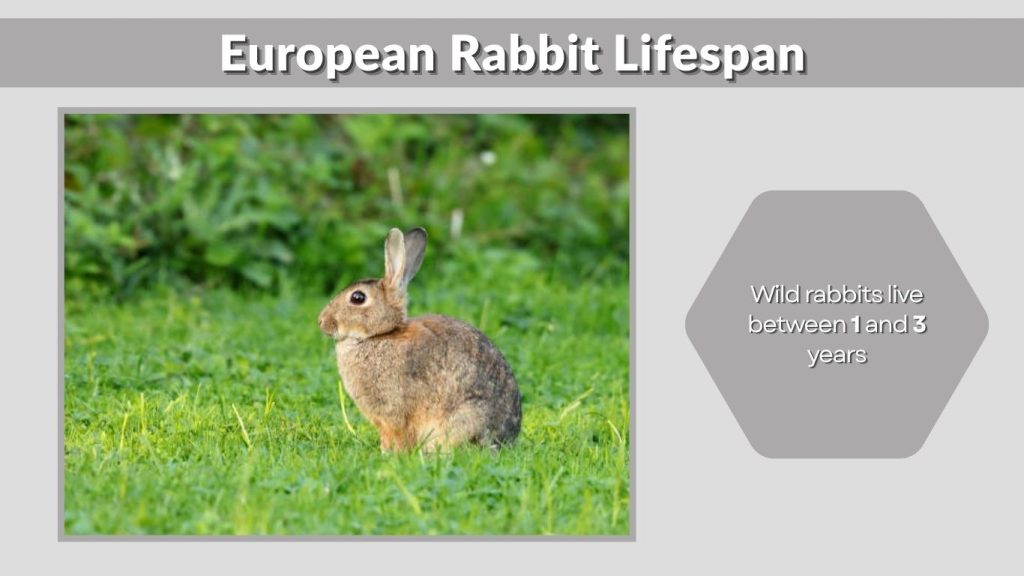
The European rabbit lifespan in the wild is relatively short compared to many other mammals. On average, wild rabbits live between 1 and 3 years. Several natural challenges reduce their survival rate, including predators, disease, and environmental factors.
Young rabbits are especially vulnerable during their first year of life. Many fall prey to predators or struggle to find enough food during harsh seasons. Despite this short lifespan, European rabbits maintain strong populations due to their rapid reproduction rate.
Lifespan in Captivity
In captivity, European rabbits can live significantly longer. When protected from predators and provided with proper nutrition and veterinary care, they may live 8 to 12 years.
Domestic rabbits, which are descendants of European rabbits, often enjoy longer lives because they live in controlled environments with regular food and medical care.
Factors Affecting Lifespan
Several factors influence how long a European rabbit lives:
- Predators: Foxes, birds of prey, and wild cats hunt rabbits regularly.
- Disease: Viral diseases such as myxomatosis and rabbit hemorrhagic disease can drastically reduce populations.
- Food availability: Poor vegetation can weaken rabbits and reduce survival.
- Climate and habitat conditions: Extreme weather or habitat loss may also affect longevity.
Because of these pressures, many rabbits reproduce quickly to ensure the survival of their species.
European Rabbit Life Cycle
The European rabbit life cycle is closely linked to its reproductive success. Rabbits are known for their ability to reproduce rapidly, which helps their populations recover even after heavy losses.
Reproduction
European rabbits breed several times throughout the year, especially during the spring and summer months when food is abundant.
The gestation period lasts about 30 days, after which the female rabbit (called a doe) gives birth to a litter of babies known as kits.
A single litter may contain 3 to 8 young rabbits, although larger litters are possible in favorable conditions.
Birth and Early Development
Newborn rabbits are born blind, hairless, and very fragile. The mother prepares a nest inside the burrow using grass and her own fur to keep the babies warm.
For the first few weeks, the kits remain inside the nest while the mother visits periodically to feed them. Rabbit mothers usually nurse their young once or twice per day.
Growth Stages
The growth of European rabbits occurs in several stages:
- Newborn (Kits) – Completely dependent on the mother.
- Juvenile Stage – Begin leaving the nest and eating solid food.
- Subadult Stage – Continue growing and learning survival behaviors.
- Adult Stage – Fully mature and capable of reproduction.
Young rabbits grow quickly and begin exploring their surroundings within a few weeks.
Reproductive Maturity
European rabbits reach sexual maturity at around 3 to 6 months of age. Once mature, they can reproduce multiple times each year.
This fast life cycle is one of the reasons why European rabbits can rapidly increase in population when conditions are favorable.
European Rabbit Facts
Interesting Facts
There are many fascinating European rabbit facts that highlight how unique this species is.
- European rabbits are the ancestors of all domestic rabbit breeds.
- They are among the most successful invasive mammals in the world.
- Rabbits are extremely social animals that live in organized colonies.
Speed and Agility
Although small, European rabbits are surprisingly fast. They can run at speeds of up to 35–40 km/h when escaping predators.
Their strong hind legs allow them to jump quickly and change direction suddenly, making it difficult for predators to catch them.
Communication
European rabbits communicate with each other using body language and sounds.
One well-known behavior is thumping the hind legs on the ground, which serves as a warning signal to other rabbits in the colony. This alert helps the group escape potential danger.
Rabbits also use ear positions and subtle movements to communicate social signals within their group.
Role in Ecosystems
European rabbits play an important role in many ecosystems.
They serve as a key prey species for numerous predators, including foxes, eagles, and lynx. Their grazing habits also influence plant growth and vegetation patterns in grassland environments.
However, in regions where rabbits are introduced outside their natural range, their large populations can sometimes cause environmental damage by overgrazing vegetation.
Predators of the European Rabbit
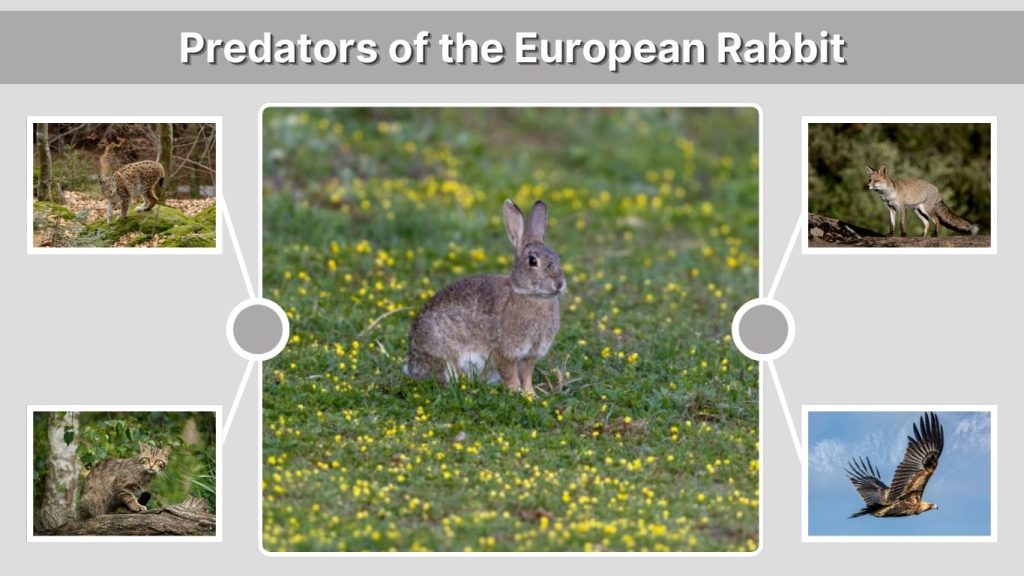
Because of their small size, European rabbits are hunted by many animals. Common predators include:
- Foxes
- Eagles and hawks
- Lynx
- Wild cats
- Snakes
- Humans
Rabbits rely on speed, alert senses, and their underground burrows to avoid these predators.
Living in groups also helps them survive, since many eyes can watch for danger.
Conservation Status
Despite being extremely common in many parts of the world, the European rabbit has faced population declines in its native range.
According to conservation organizations, diseases, habitat loss, and environmental changes have reduced rabbit numbers in some regions of Spain and Portugal.
Because of these threats, the species is considered near threatened in its original habitat, even though it remains abundant in many introduced areas.
Conservation programs in Europe aim to restore rabbit populations because they are an essential food source for endangered predators such as the Iberian lynx.
European Rabbit vs Domestic Rabbit
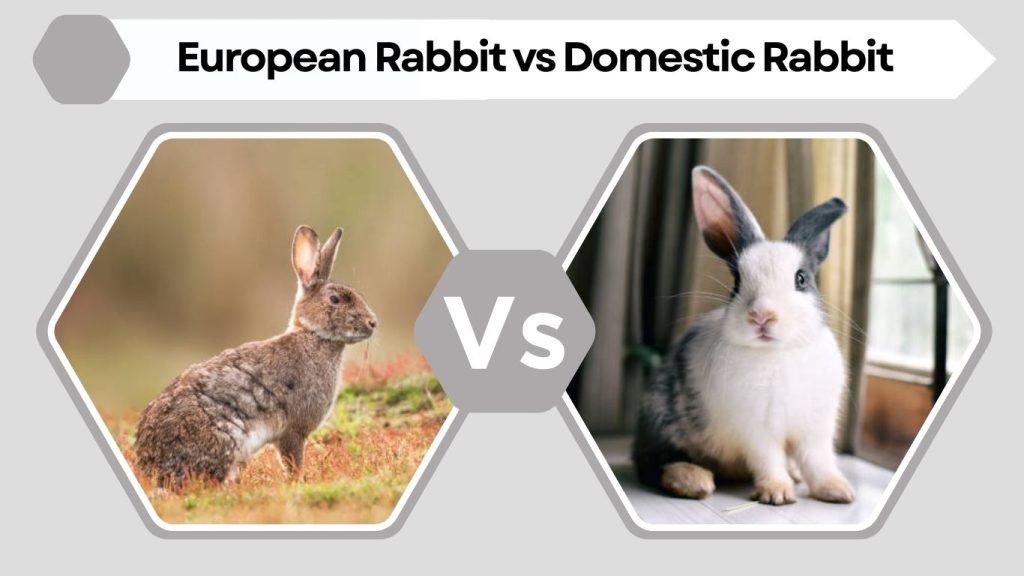
Domestic rabbits are direct descendants of the European rabbit. However, there are several differences between them.
Wild European rabbits:
- Smaller and leaner bodies
- Brown or gray camouflage fur
- Strong survival instincts
- Live in burrow systems
Domestic rabbits:
- Come in many colors and breeds
- Often larger or more varied in size
- Adapted to living with humans
- Depend on human care for survival
Although they share the same ancestry, their lifestyles and behaviors can differ significantly.
Conclusion
The European rabbit is a remarkable species known for its adaptability, social behavior, and rapid reproduction. Native to the Iberian Peninsula, it has spread across many parts of the world and now plays an important ecological role in numerous ecosystems. From its complex burrow systems to its plant-based diet and fast life cycle, the European rabbit demonstrates impressive survival strategies. Understanding its habitat, lifespan, diet, and behavior helps explain why this small mammal has become one of the most widespread and influential rabbit species on Earth.