
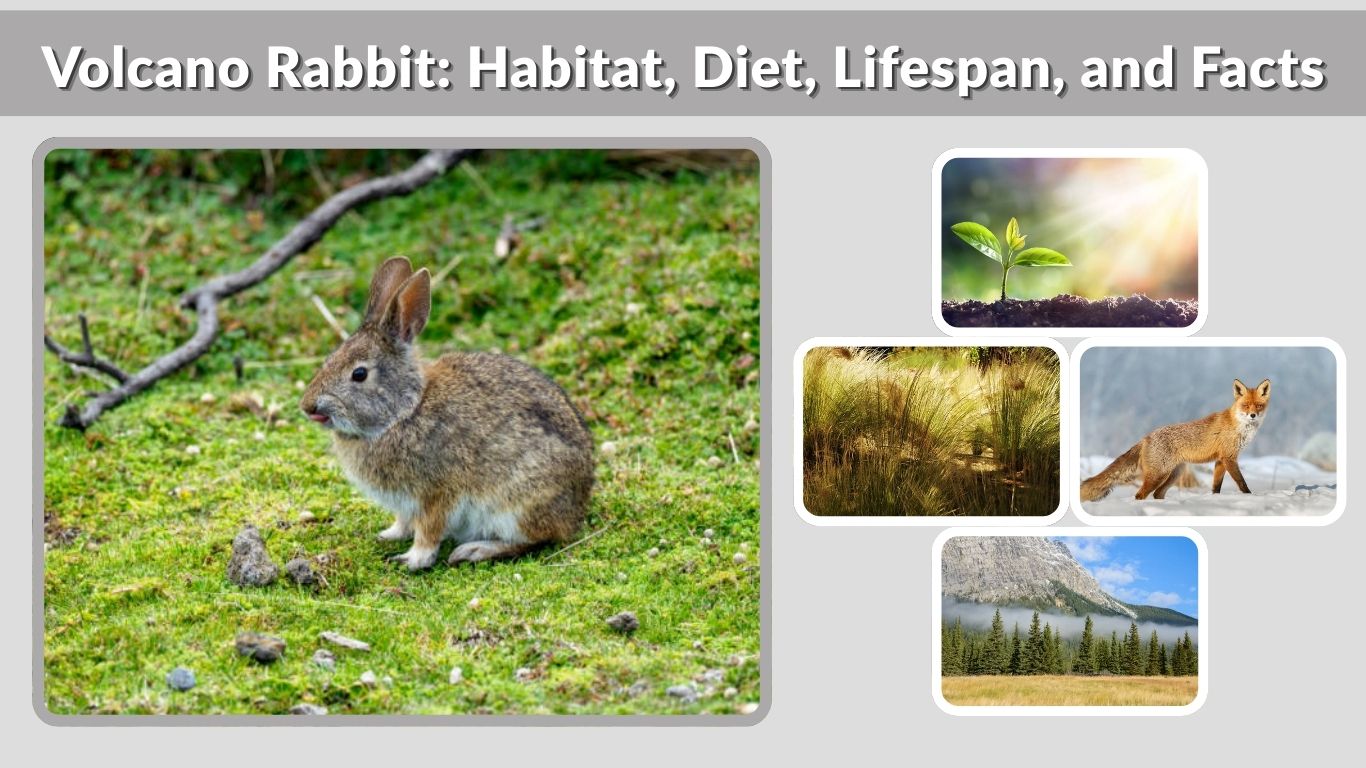
The volcano rabbit (Romerolagus diazi), also known as the teporingo, is one of the smallest and rarest rabbit species in the world. This tiny rabbit lives only in the high volcanic mountains of central Mexico, particularly around several volcanoes near Mexico City. Because of its limited habitat and small population, the volcano rabbit is considered an endangered species. Its unique environment, behavior, and physical features make it different from most other rabbits. Learning about its habitat, diet, and lifestyle helps highlight the importance of protecting this remarkable animal.
What Is a Volcano Rabbit?
The volcano rabbit is a small herbivorous mammal belonging to the Leporidae family, which includes rabbits and hares. It is the only species in the genus Romerolagus and is known for its extremely small size and specialized mountain habitat.
Volcano rabbits live in high-altitude grasslands on the slopes of volcanoes, where dense grasses provide both shelter and food. Unlike many rabbits that live in forests or fields, volcano rabbits depend heavily on mountain vegetation.
Scientific Classification
- Scientific name: Romerolagus diazi
- Family: Leporidae
- Order: Lagomorpha
- Common name: Volcano rabbit
- Other name: Teporingo
Physical Characteristics
Volcano rabbits have several distinctive physical traits that help them survive in mountain grasslands.
- Dark brown fur that blends into grassy landscapes
- Very small body size
- Short rounded ears compared to most rabbits
- Short legs and a tiny tail
- Large eyes that help detect predators
These features allow the rabbit to remain hidden in tall grass and move quickly through dense vegetation.
Size and Appearance
The volcano rabbit is one of the smallest rabbit species in the world. Adult rabbits usually measure about 25–30 centimeters in length and weigh around 400–600 grams.
Their fur is typically dark brown or grayish-brown, which helps them blend into the volcanic soil and grasses of their mountain habitat. Their ears are shorter than those of many other rabbit species, giving them a distinctive appearance.
Because of their tiny size and short ears, volcano rabbits can easily be distinguished from most other rabbits found in North America.
Volcano Rabbit Identification
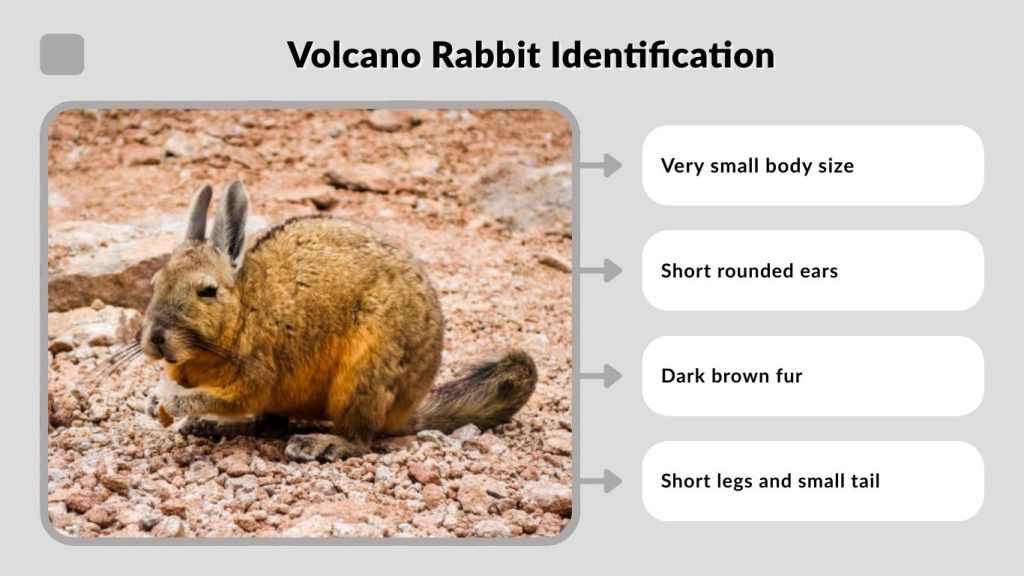
Identifying a volcano rabbit in the wild can be easier when you understand its key physical characteristics and habitat preferences.
Key Identification Features
Some of the most recognizable features of the volcano rabbit include:
- Very small body size compared with most rabbits
- Short rounded ears
- Dark brown fur suited for mountain grassland camouflage
- Short legs and small tail
- Compact body shape
These features help the rabbit move quickly through dense grasses while remaining hidden from predators.
Differences from Other Rabbits
Volcano rabbits differ from many other rabbit species in several important ways.
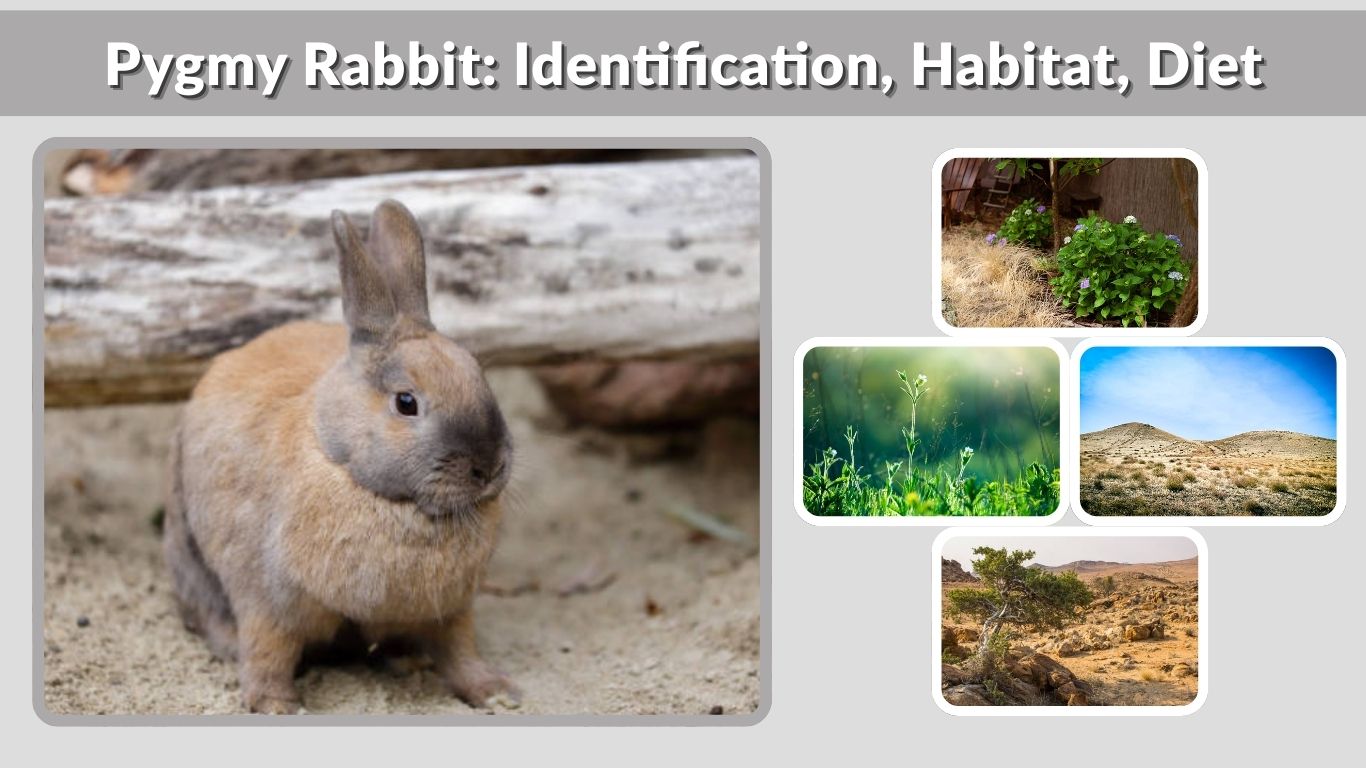
Compared with the pygmy rabbit, volcano rabbits live in high mountain grasslands rather than sagebrush habitats. Although both species are small, the pygmy rabbit usually digs burrows, while volcano rabbits mainly use dense grasses for shelter.
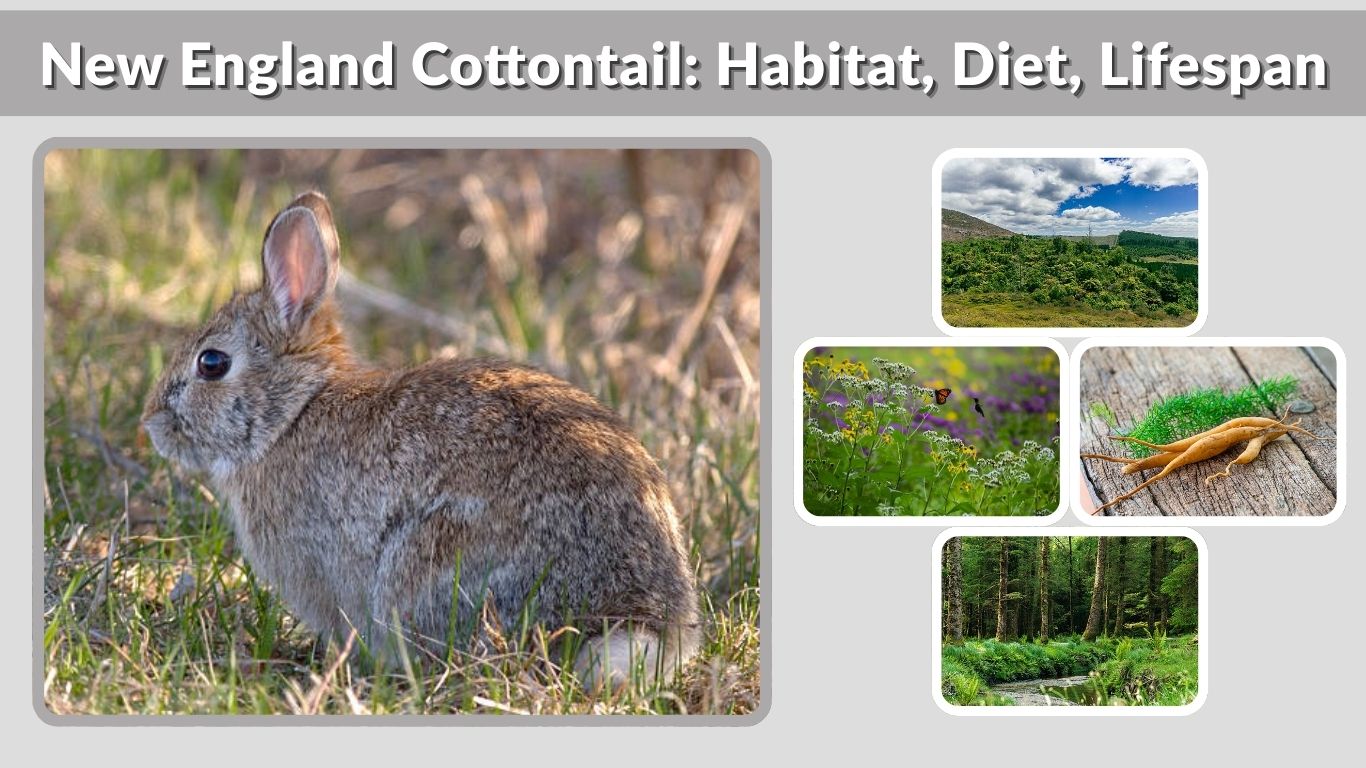
Compared with cottontail rabbits, volcano rabbits are much smaller and have shorter ears. Cottontails also live in a wide range of habitats, including forests, grasslands, and farmland, while volcano rabbits are limited to a small mountainous region.
Because of their specialized habitat and small size, volcano rabbits are considered one of the most unique rabbit species in the world.
Volcano Rabbit Habitat
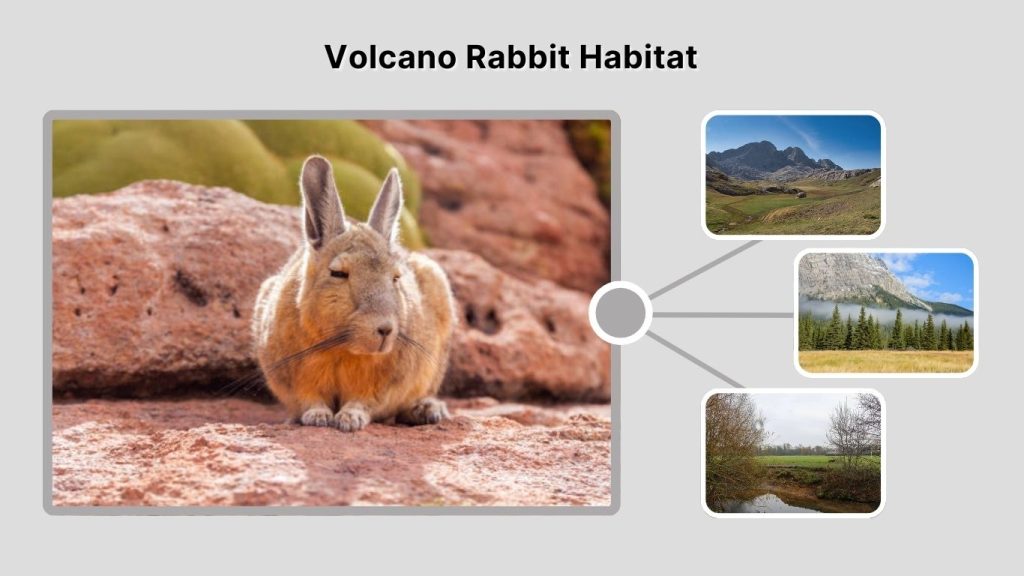
The volcano rabbit habitat is limited to a small area in central Mexico, making the species highly vulnerable to environmental changes.
Geographic Range
Volcano rabbits live in a restricted region around several volcanoes located near Mexico City. These areas include:
- Popocatépetl Volcano
- Iztaccíhuatl Volcano
- Pelado Volcano
- Tlaloc Volcano
These mountains provide the high-altitude grasslands that volcano rabbits need to survive.
Preferred Habitats
Volcano rabbits prefer environments with dense mountain grasses and volcanic soil. Their most common habitats include:
- High-altitude grasslands
- Pine forests with thick grass cover
- Areas with volcanic soil and dense vegetation
These environments provide protection from predators and a steady supply of plant food.
Shelter and Living Behavior
Volcano rabbits rely heavily on dense grasses for shelter. One of the most important plants in their habitat is zacaton grass, which forms thick clumps that create natural hiding places.
Instead of digging extensive burrows, volcano rabbits usually create small tunnels or pathways within tall grasses. These tunnels help them move safely between feeding areas and hiding spots.
Volcano rabbits are typically most active during dawn and dusk, when temperatures are cooler and predators are less active. During the day, they remain hidden in dense vegetation.
Volcano Rabbit Diet
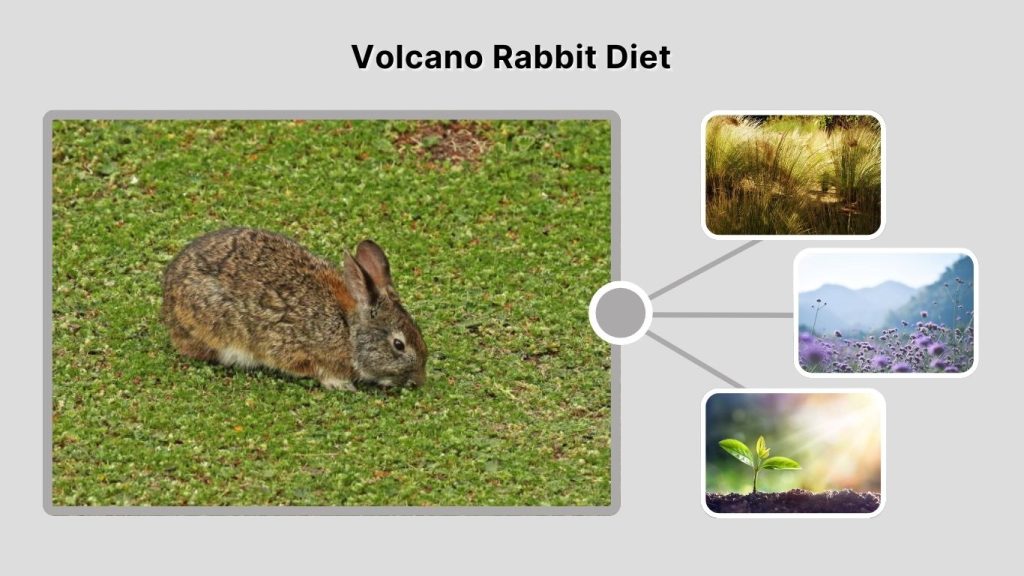
The volcano rabbit diet consists entirely of plant material found in mountain grassland ecosystems. Like other rabbits, volcano rabbits are herbivores.
What Do Volcano Rabbits Eat?
Common foods eaten by volcano rabbits include:
- Zacaton grasses
- Wild herbs
- Leaves from small plants
- Bark from shrubs
These plants provide the nutrients needed for survival in their mountain environment.
Seasonal Diet Changes
The diet of volcano rabbits can vary depending on the season.
During spring and summer, they mainly eat fresh grasses and leafy plants that grow abundantly in mountain grasslands.
In fall and winter, when fresh vegetation becomes less available, they rely more on dry grasses and woody plant materials.
Feeding Behavior
Volcano rabbits usually feed near dense vegetation, which allows them to hide quickly if danger appears.
They are typically most active during dawn and dusk, when temperatures are cooler and predators are less active.
Volcano Rabbit Lifespan
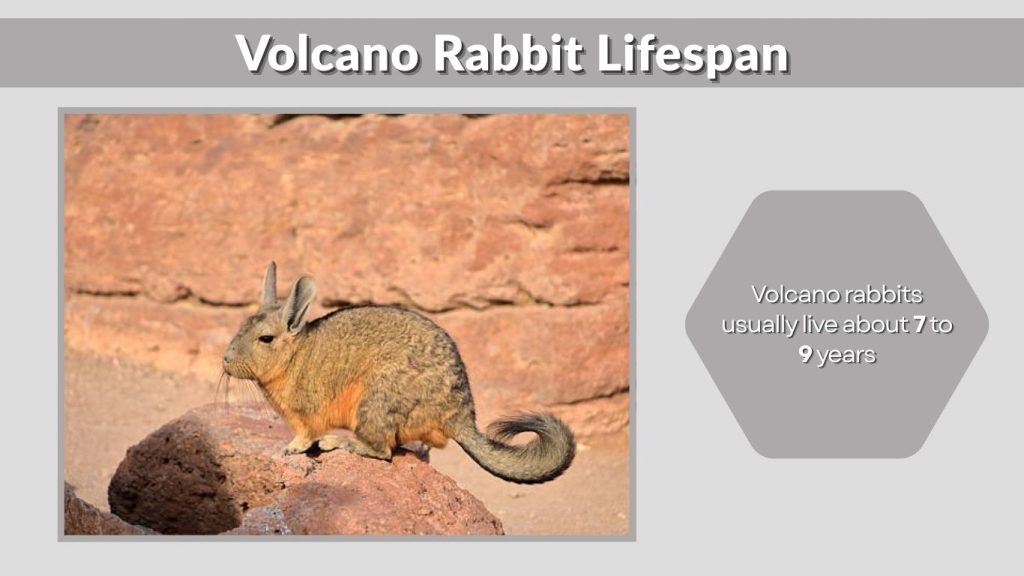
The volcano rabbit lifespan is influenced by environmental conditions, predators, and the availability of food in its mountain habitat. Because this species lives in a small geographic area, changes in its environment can strongly affect its survival.
Lifespan in the Wild
In the wild, volcano rabbits usually live about 7 to 9 years. However, many individuals may not reach this age due to predators, habitat disturbance, and environmental pressures.
Young rabbits are especially vulnerable during their early life stages when they are still learning to avoid predators and find safe hiding places.
Lifespan in Captivity
In captivity, volcano rabbits may live slightly longer than in the wild because they are protected from predators and provided with a consistent food supply.
However, this species is rarely kept in captivity because conservation efforts focus mainly on protecting them in their natural habitat.
Factors Affecting Lifespan
Several factors influence the lifespan of volcano rabbits:
- Predators: Foxes, coyotes, and birds of prey hunt small mammals in mountain areas.
- Habitat destruction: Agricultural expansion and urban growth threaten natural habitats.
- Wildfires: Fires can destroy grasslands and important shelter areas.
- Climate changes: Environmental shifts can affect vegetation growth.
Protecting mountain grassland habitats is essential for the long-term survival of volcano rabbits.
Volcano Rabbit Life Cycle
The volcano rabbit life cycle is similar to that of many other rabbit species but adapted to high-altitude environments.
Breeding Season
Volcano rabbits are capable of breeding throughout the year, although reproduction often peaks during spring, when vegetation is more abundant.
During this time, female rabbits may produce several litters each year.
Gestation Period
The gestation period for volcano rabbits lasts around 38 to 40 days. After this period, the female gives birth to a litter of babies called kits.
A typical litter usually contains 2 to 4 young rabbits, although litter sizes may vary depending on environmental conditions.
Birth and Early Development
Newborn volcano rabbits are very small and vulnerable. They are born:
- Blind
- Nearly hairless
- Completely dependent on their mother
The mother prepares a nest hidden within dense grasses to protect the babies from predators and cold mountain temperatures.
She visits the nest briefly to nurse the kits but spends most of her time away to avoid attracting predators.
Growth Stages
Volcano rabbits grow quickly and pass through several stages of development:
- Newborn kits – Completely dependent on their mother.
- Juvenile stage – Begin eating vegetation and exploring nearby grass areas.
- Subadult stage – Continue growing and learning survival behaviors.
- Adult stage – Fully mature and capable of reproduction.
Young rabbits usually leave the nest within a few weeks and begin living independently.
Reproductive Maturity
Volcano rabbits reach sexual maturity at around 4 to 5 months of age. Once mature, they can reproduce and contribute to the population.
Because litter sizes are relatively small and the species has a limited habitat, population growth is slower compared with many other rabbit species.
Predators of the Volcano Rabbit
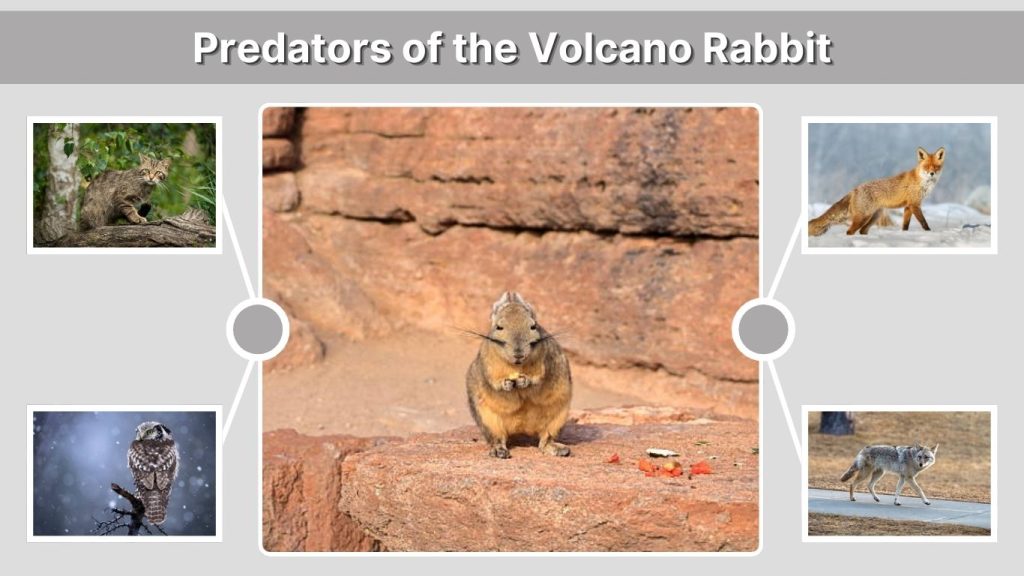
Volcano rabbits are an important prey species in mountain ecosystems. Several predators hunt them in their natural habitat.
Common predators include:
- Foxes
- Coyotes
- Wild cats
- Hawks and owls
To survive, volcano rabbits rely on camouflage and dense vegetation. Their dark brown fur blends with grasses and volcanic soil, making them difficult to see.
When threatened, they quickly hide in thick grass or move through narrow tunnels in vegetation.
Interesting Volcano Rabbit Facts
There are many fascinating facts about volcano rabbits that make them unique among rabbit species.
- The volcano rabbit is also called the teporingo in Mexico.
- It is one of the smallest rabbits in the world.
- This species lives only in high volcanic mountains of central Mexico.
- Volcano rabbits are known for producing high-pitched calls, which is unusual among rabbits.
- They rely heavily on zacaton grass for shelter and food.
These traits help volcano rabbits survive in the specialized environment of mountain grasslands.
Conservation Status
The volcano rabbit is classified as an endangered species because its population is small and its habitat is limited.
Population Threats
Several threats contribute to the decline of volcano rabbit populations:
- Habitat loss due to agriculture and urban expansion
- Wildfires that destroy grassland habitats
- Overgrazing by livestock
- Human development near mountain regions
Because the species lives in such a small geographic area, these threats can have a significant impact.
Conservation Efforts
Various conservation programs aim to protect volcano rabbits and their habitat. These efforts include:
- Establishing protected areas around volcanic mountains
- Restoring grassland habitats
- Monitoring rabbit populations
- Promoting environmental education in local communities
These actions help improve the chances of survival for this rare species.
Volcano Rabbit vs Other Rabbit Species
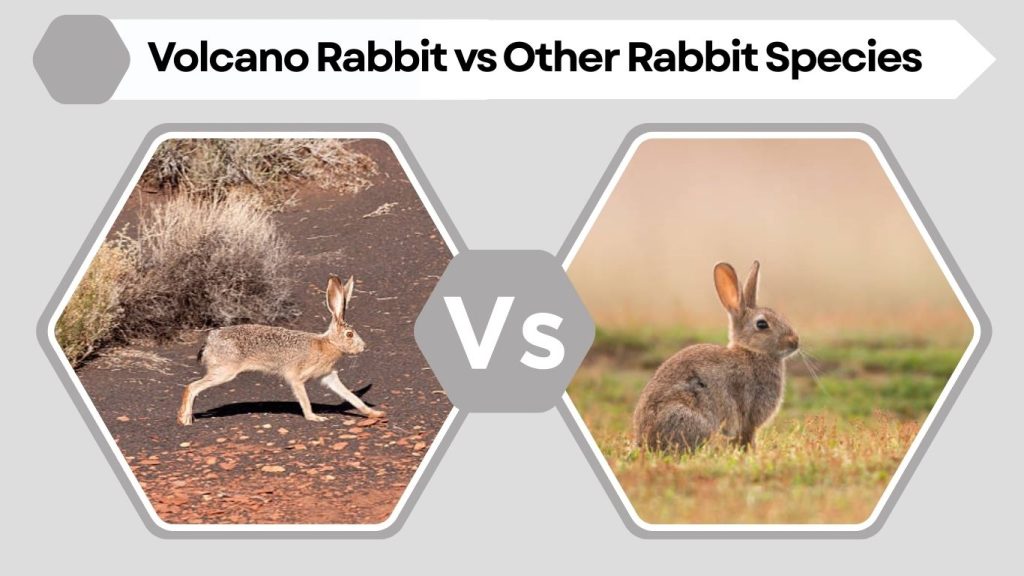
Volcano rabbits differ from most other rabbit species in several ways.
Volcano Rabbit
- Very small body size
- Lives in high mountain grasslands
- Short ears and compact body
- Limited geographic range
Typical Rabbits (Cottontails or European Rabbits)
- Larger body size
- Found in grasslands, forests, or farmland
- Longer ears
- Wider geographic distribution
These differences highlight the unique adaptations of volcano rabbits to high-altitude environments.
Conclusion
The volcano rabbit is one of the smallest and most unique rabbit species in the world. Living only in the volcanic mountains of central Mexico, it has adapted to survive in high-altitude grasslands filled with dense vegetation. With its small size, dark fur, and reliance on mountain grasses, the volcano rabbit plays an important role in its ecosystem. However, habitat loss and environmental pressures threaten its survival. Protecting its natural habitat is essential to ensure that this rare and fascinating species continues to exist in the wild.