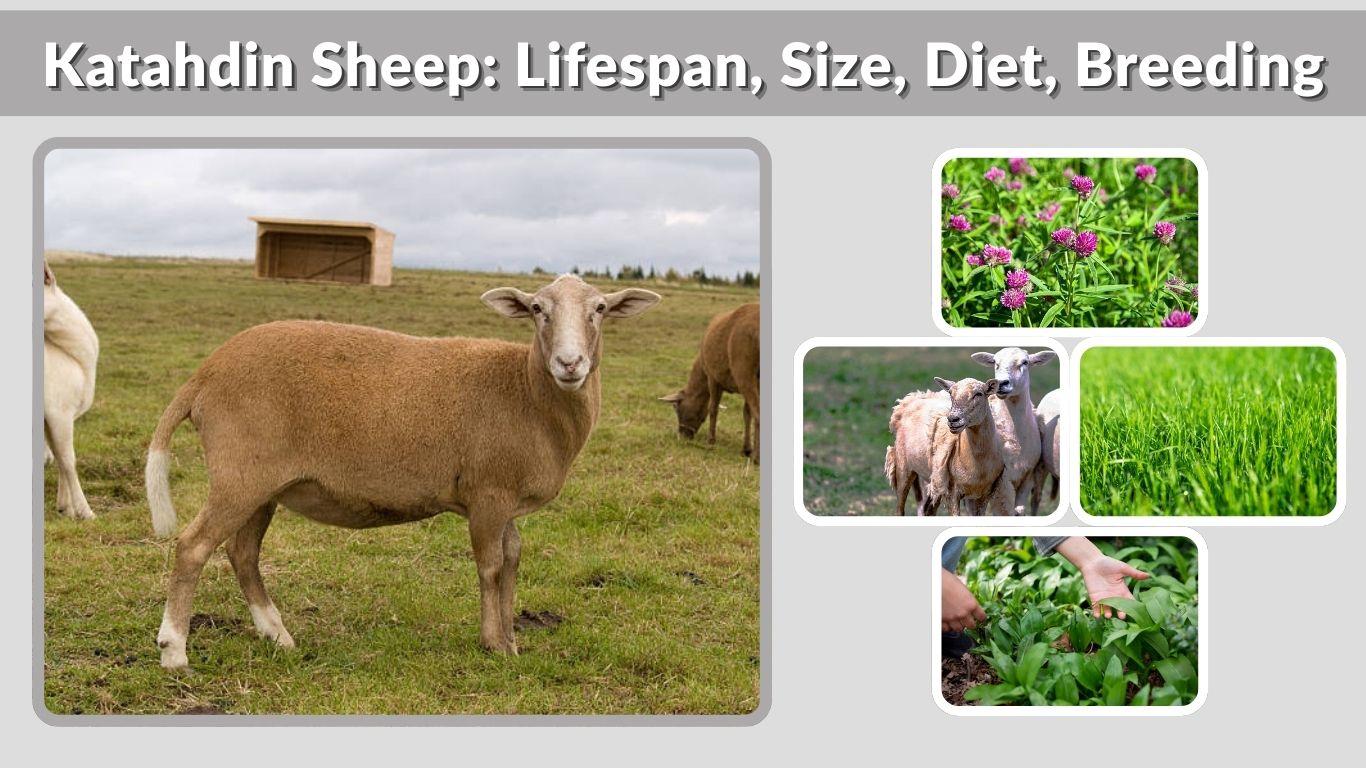
Katahdin sheep are one of the most popular hair sheep breeds raised for meat production. Known for their hardiness and low-maintenance nature, these sheep are widely favored by farmers around the world. Unlike traditional wool sheep, Katahdin sheep grow a hair coat that naturally sheds each year, which eliminates the need for shearing. Developed in the United States, this breed is valued for its strong parasite resistance, adaptability to different climates, and excellent meat quality. In this guide, we will explore Katahdin sheep characteristics, size, lifespan, breeding cycle, and other important facts.
What is Katahdin Sheep?
Katahdin sheep are a hair sheep breed developed mainly for meat production. Because they naturally shed their coat instead of producing heavy wool, they require less management compared to wool sheep breeds. This feature makes them especially attractive for farmers who want an easy-care livestock breed.
Origin and History
Katahdin sheep were developed in the United States, specifically in the state of Maine, during the mid-20th century. The breed was created by Michael Piel, a farmer who wanted to develop a sheep that required minimal care while still producing high-quality meat.
To achieve this goal, he crossed Caribbean hair sheep breeds, such as the St. Croix sheep, with traditional wool sheep breeds. The result was a hardy sheep that combined the parasite resistance and shedding coat of hair sheep with the size and productivity of meat sheep.
The breed was named after Mount Katahdin, the highest mountain in Maine. Over time, Katahdin sheep became increasingly popular across the United States and other countries because of their strong adaptability and low management requirements.
Why Katahdin Sheep is Popular
Katahdin sheep are widely favored by farmers for several reasons. Their unique characteristics make them especially suitable for modern pasture-based farming systems.
Some of the main reasons for their popularity include:
- Natural shedding coat that eliminates shearing
- Strong resistance to parasites and diseases
- Excellent meat production
- High fertility and good lamb survival rates
- Ability to thrive in different climates
Because of these benefits, Katahdin sheep are now considered one of the most practical breeds for commercial meat production and small farm operations.
Katahdin Sheep Characteristics
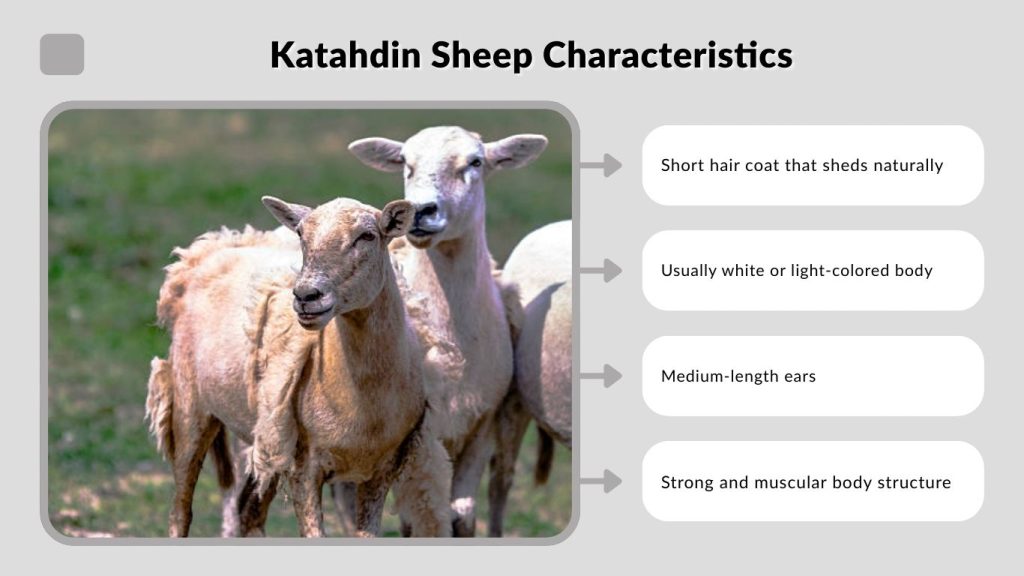
Katahdin sheep have several physical and behavioral traits that make them different from many traditional sheep breeds.
Physical Appearance
Katahdin sheep are medium to large-sized animals with a hair coat instead of wool. Their coat naturally sheds during warm seasons, which reduces the need for intensive grooming or shearing.
Common physical features include:
- Short hair coat that sheds naturally
- Usually white or light-colored body
- Medium-length ears
- Strong and muscular body structure
- Polled (generally hornless) head
Their simple coat and strong body structure make them well-suited to pasture-based farming systems.
Temperament
Katahdin sheep are generally known for their calm and manageable temperament. They adapt well to various farming systems and are relatively easy to handle compared to some other livestock animals.
Typical temperament traits include:
- Gentle and manageable behavior
- Good adaptability to pasture grazing
- Ability to thrive in large flocks
Because of their manageable nature, Katahdin sheep are often recommended for both beginners and experienced sheep farmers.
Adaptability
One of the greatest strengths of Katahdin sheep is their excellent adaptability. They can perform well in a wide range of environmental conditions.
Katahdin sheep can thrive in:
- Hot and humid climates
- Cold regions
- Dry pasture environments
- Large grazing systems
Their strong parasite resistance and hardy nature make them especially suitable for low-input farming systems.
Katahdin Sheep Size
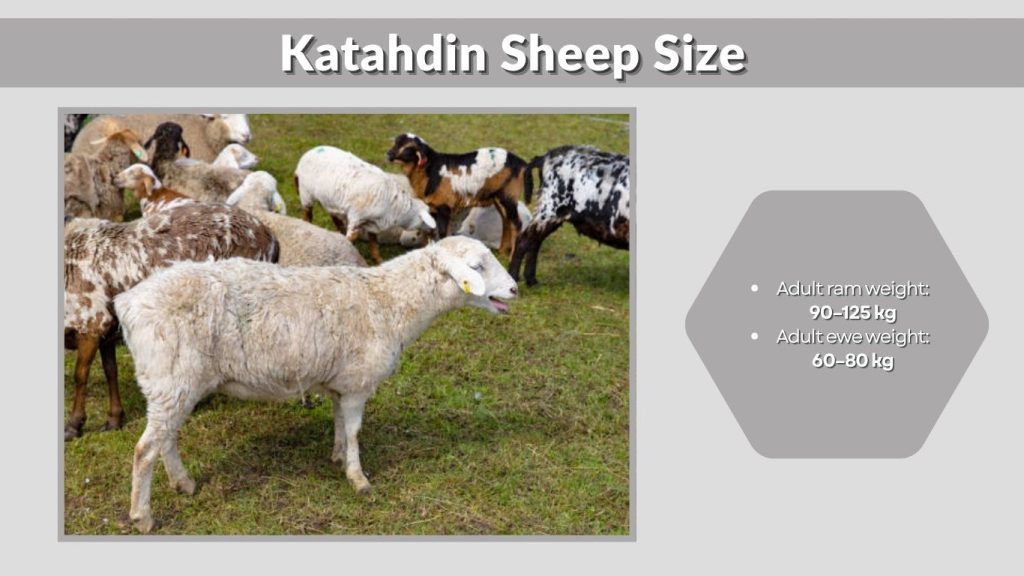
Katahdin sheep are considered a medium to large-sized meat breed. Their body structure is designed for efficient growth and meat production.
Adult Body Weight
The body weight of Katahdin sheep varies depending on feeding, genetics, and management practices.
Typical body weights include:
- Adult ram weight: 90–125 kg
- Adult ewe weight: 60–80 kg
With proper feeding and pasture management, some animals may grow even larger.
Growth Rate
Katahdin sheep are known for their rapid lamb growth rate, which makes them ideal for meat production. Lambs grow quickly and can reach market weight faster than many traditional sheep breeds.
Benefits of their fast growth include:
- Earlier marketing of lambs
- Efficient feed conversion
- Higher production efficiency
These growth characteristics help farmers produce more meat within shorter production cycles.
Katahdin Sheep Lifespan
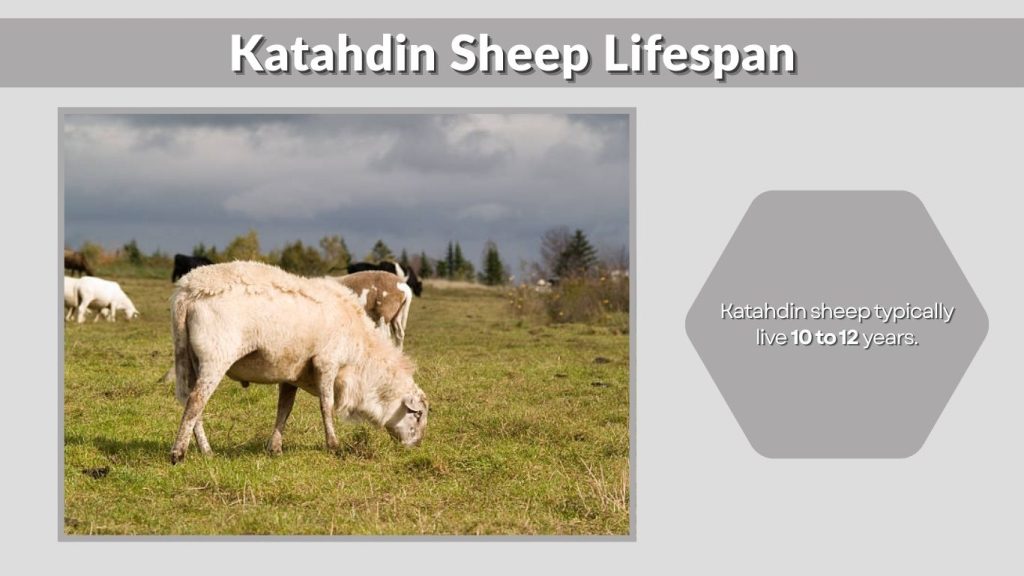
The lifespan of Katahdin sheep is generally long compared with many livestock animals, especially when they receive proper care and nutrition.
Average Lifespan
Katahdin sheep typically live 10 to 12 years, although some animals may live longer under good management conditions.
During their lifetime, they can produce many lambs and remain productive for several years.
Productive Years
Although Katahdin sheep may live for over a decade, their most productive period usually occurs during the first 6 to 8 years of life. During this time, ewes produce healthy lambs and maintain strong reproductive performance.
Good farm management, including balanced nutrition and proper healthcare, helps maximize the productive life of the flock.
Katahdin Sheep Breeding Cycle
Katahdin sheep are known for their excellent reproductive performance. Their high fertility and strong maternal instincts make them a productive breed for lamb production. Many farmers prefer Katahdin sheep because they can produce healthy lambs regularly with minimal management.
Breeding Age
Katahdin sheep reach sexual maturity relatively early compared to many other livestock animals.
Typical breeding ages include:
- Rams: around 5–7 months of age
- Ewes: around 7–10 months of age
However, most farmers prefer breeding ewes when they reach proper body weight to ensure healthy pregnancies and strong lambs.
Gestation Period
Like most sheep breeds, the gestation period of Katahdin sheep is approximately 147–150 days. After this period, the ewe gives birth to one or more lambs.
Katahdin sheep are known for their strong reproductive efficiency, which contributes to higher flock productivity.
Lambing Frequency
One of the major advantages of Katahdin sheep is their high lambing rate. Many ewes give birth to twins, and in some cases, triplets.
Important reproductive features include:
- High twinning ability
- Good lamb survival rates
- Strong maternal instincts
These qualities make Katahdin sheep highly efficient for commercial lamb production.
Katahdin Sheep Diet
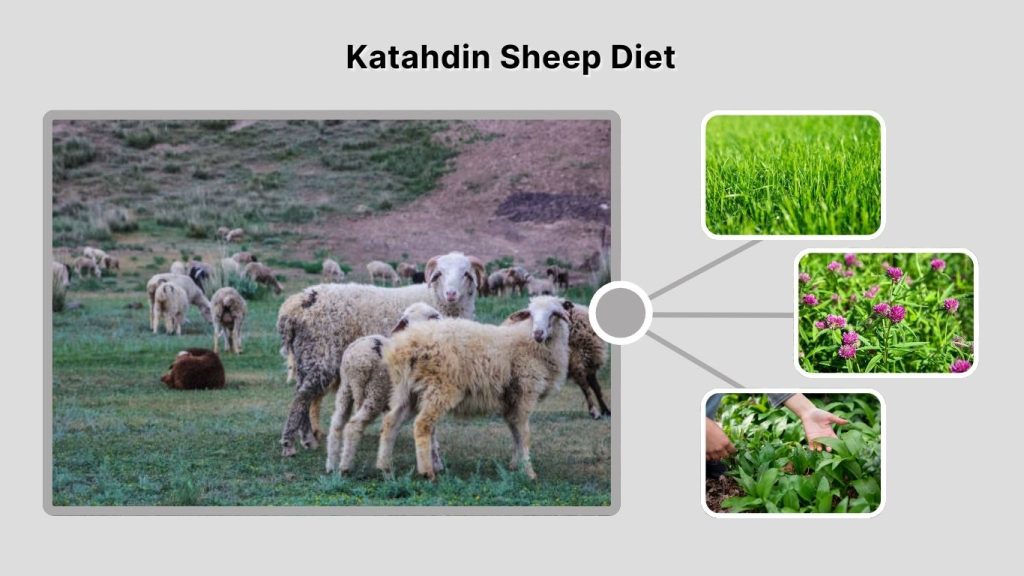
Proper nutrition plays an important role in maintaining the health and productivity of Katahdin sheep. Since they are excellent grazers, much of their diet comes from pasture.
Grazing and Pasture
Katahdin sheep perform best in pasture-based farming systems. They obtain most of their nutrients from natural grasses and forage plants.
Common pasture foods include:
- Natural grasses
- Clover and legumes
- Weeds and forage plants
- Fresh green pasture
Access to good pasture helps maintain healthy body weight and supports proper lamb growth.
Supplementary Feeding
In addition to pasture grazing, farmers may provide supplementary feed when pasture quality is poor or during winter months.
Common supplementary feeds include:
- Hay and silage
- Grain supplements such as corn or barley
- Commercial sheep feed
Supplementary feeding helps maintain growth and supports pregnant or lactating ewes.
Mineral and Water Needs
Katahdin sheep also require essential minerals and fresh drinking water for proper health.
Important mineral supplements include:
- Calcium
- Phosphorus
- Salt
- Trace minerals such as selenium and zinc
Providing mineral blocks and clean water helps support digestion, bone development, and overall health.
Katahdin Sheep Facts
Katahdin sheep have several unique features that make them one of the most practical sheep breeds for modern farming.
Hair Sheep Breed
Katahdin sheep are classified as hair sheep, meaning they naturally shed their coat each year instead of producing heavy wool. This eliminates the need for shearing, which reduces labor and management costs.
Known for Parasite Resistance
Another important fact about Katahdin sheep is their strong resistance to parasites, especially internal parasites. This trait makes them very useful in pasture-based farming systems.
Excellent Meat Breed
Katahdin sheep are primarily raised for meat production. Their lamb meat is known for being lean, tender, and high quality, making it popular in many markets.
Low Maintenance Breed
Because of their shedding coat and strong adaptability, Katahdin sheep are considered a low-maintenance livestock breed. This makes them ideal for beginner farmers and small-scale farming operations.
Dorper vs Katahdin Sheep
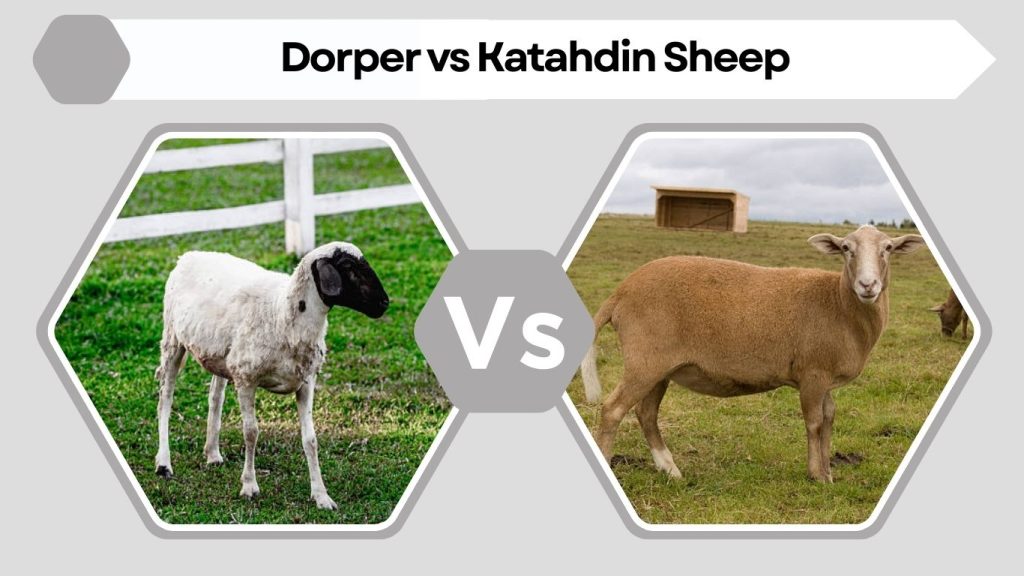
Dorper sheep and Katahdin sheep are both popular hair sheep breeds used for meat production. However, they have several differences that farmers often consider when choosing a breed.
Differences in Origin
Dorper sheep were developed in South Africa, while Katahdin sheep were developed in the United States.
Both breeds were created to produce high-quality meat and adapt to challenging environments.
Growth and Meat Production
Dorper sheep are known for very rapid growth and muscular carcasses, which makes them highly efficient for meat production. Katahdin sheep also grow quickly but are especially valued for their parasite resistance and adaptability.
Climate Adaptability
Katahdin sheep perform very well in humid and pasture-based environments, while Dorper sheep are often better suited to dry and semi-arid regions.
Management Requirements
Both breeds are low-maintenance hair sheep, but Katahdin sheep often require less parasite treatment, making them attractive for natural or low-input farming systems.
Conclusion
Katahdin sheep are one of the most practical and productive hair sheep breeds in the world. Their natural shedding coat, strong parasite resistance, and excellent reproductive performance make them easy to manage compared with many traditional wool sheep breeds. In addition to producing high-quality lamb meat, they adapt well to a variety of climates and farming systems. With proper feeding, health care, and breeding management, Katahdin sheep can provide consistent production and profitable results for farmers.