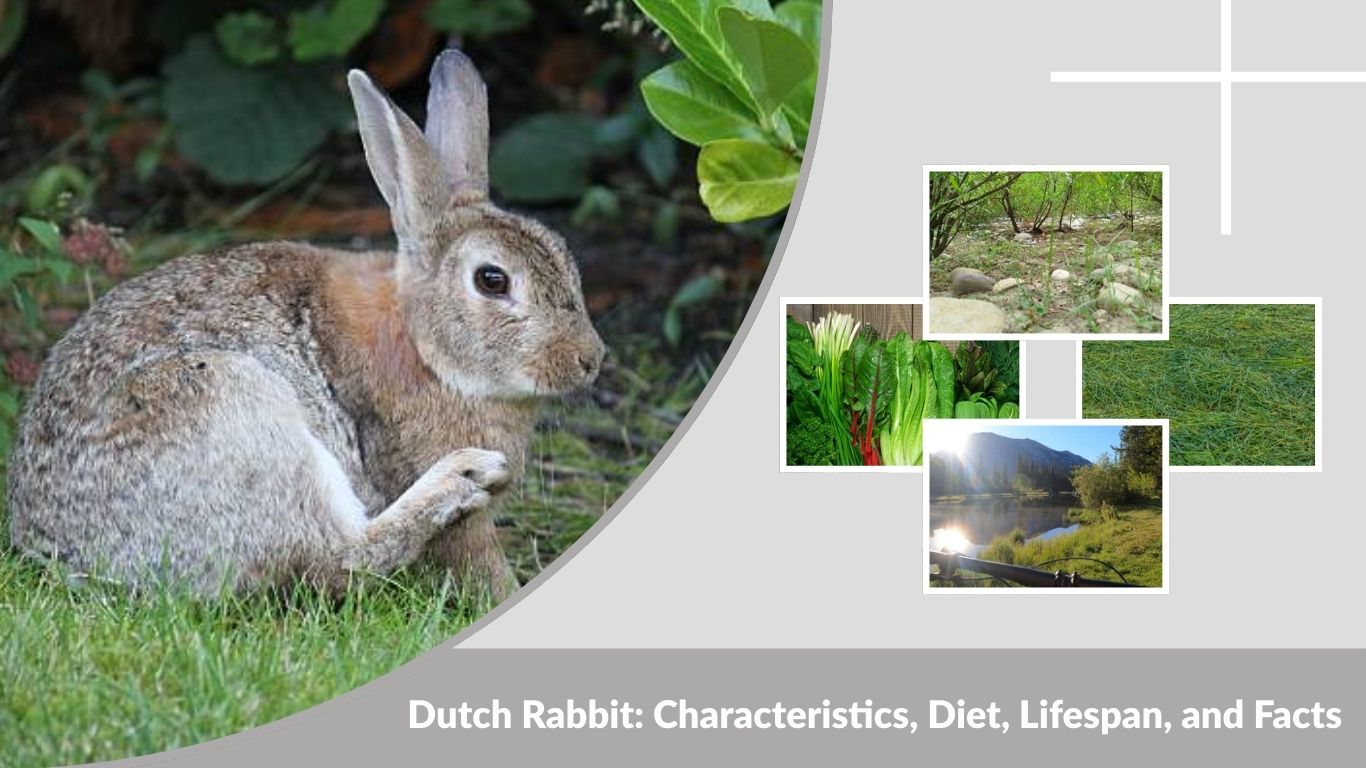





Wild rabbits are resourceful grazers that thrive on a plant-based diet found in their natural surroundings. From grassy meadows to forest edges, they carefully select foods that meet their nutritional needs throughout the seasons. Unlike domestic rabbits, wild rabbits must rely solely on what nature provides—making their diet both diverse and purposeful.
In this article, we’ll explore 12 natural foods that wild rabbits commonly eat, explain why they choose each, and uncover the health benefits these foods offer. Whether you’re a nature enthusiast, wildlife observer, or caring for a wild rabbit temporarily, this guide offers valuable insight into their eating habits and survival strategies.
1. Grasses

Grasses are the foundation of a wild rabbit’s diet and can be found in almost every habitat they roam. They offer an ideal balance of nutrition, accessibility, and roughage, making them the go-to food source year-round.
Why Rabbits Eat It
Grasses grow abundantly in fields, open woods, and even roadside edges. Wild rabbits choose them because they are easy to find, safe to eat, and satisfy their constant need to chew.
Health Benefits
Grasses are packed with dietary fiber, which keeps a rabbit’s digestive system functioning smoothly. Constant chewing on fibrous grasses also helps wear down their ever-growing teeth, preventing dental problems in the wild.
2. Clover

Clover is a favorite among wild rabbits due to its soft texture and sweet, appealing taste. Found in meadows, lawns, and pastures, it’s a rich and accessible food choice during spring and summer.
Why Rabbits Eat It
Clover is high in moisture and easier to chew than tough grasses. Wild rabbits are naturally drawn to its scent and flavor, and they often seek it out when it’s in season.
Health Benefits
Clover provides essential nutrients like protein and calcium, which are important for muscle development and bone strength. It also supports hydration due to its high water content.
3. Dandelion Leaves

Dandelion leaves are one of the most nutrient-dense wild plants rabbits can find. These common weeds grow almost everywhere and are easy for rabbits to recognize and eat.
Why Rabbits Eat It
Dandelion leaves are soft, flavorful, and available throughout most of the year. Rabbits often prefer them over other greens because of their tender texture and strong aroma.
Health Benefits
Rich in vitamins A, C, and K, dandelion leaves help support immune function and healthy vision. They also 4. Bark and Twigs
When fresh greens are scarce—especially in winter—wild rabbits turn to bark and twigs from shrubs and trees to survive. Though not their first choice, these woody materials are essential during harsher seasons.
Why Rabbits Eat It
Bark and twigs are readily available year-round, especially when snow or dry conditions limit access to leafy plants. Rabbits gnaw on them to stay nourished and to keep their teeth in check.
Health Benefits
These rough materials provide fiber for digestion and help prevent overgrown teeth. Some tree barks also contain trace minerals that can support overall health and energy.
5. Plantain (Broadleaf Weed)

Plantain is a wild herbaceous plant—not to be confused with the banana variety—that grows in lawns, paths, and meadows. Wild rabbits often nibble on its broad, veined leaves.
Why Rabbits Eat It
Plantain is soft, easy to chew, and grows low to the ground, making it ideal for wild rabbits. Its subtle aroma and mild taste make it a natural part of their foraging routine.
Health Benefits
It supports digestion and soothes the gut lining, thanks to its anti-inflammatory properties. Plantain is also rich in calcium and other trace minerals, contributing to bone and immune health.
act as a natural diuretic, helping rabbits eliminate toxins and maintain proper kidney function.
6. Wild Strawberries and Leaves

Wild strawberries, along with their leaves, are a seasonal treat for wild rabbits. Found in forest edges, meadows, and grassy clearings, these plants offer both sweet fruit and leafy greens.
Why Rabbits Eat It
Rabbits are drawn to the natural sugars in the fruit and the tender texture of the leaves. During berry season, they actively forage these plants for a quick energy boost and added variety in their diet.
Health Benefits
The berries provide natural antioxidants and hydration, while the leaves are high in fiber and vitamin C. Together, they support immune function and digestive health.
7. Alfalfa (Young Rabbits Mostly)
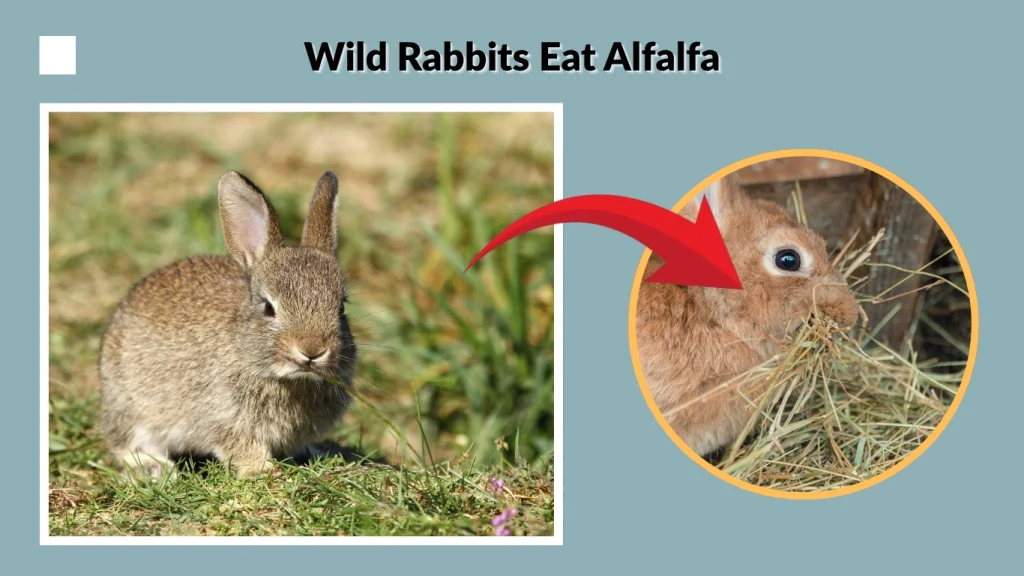
Alfalfa is a high-nutrient legume found in wild patches and fields. It’s especially favored by young rabbits who need extra energy and nutrients for growth.
Why Rabbits Eat It
Young wild rabbits seek out alfalfa for its rich protein and calcium content. It’s soft and palatable, making it easier for small rabbits to chew and digest.
Health Benefits
Alfalfa supports rapid growth, strong bones, and muscle development. It’s especially beneficial for juveniles and nursing mothers, though adults eat it sparingly due to its high calcium levels.
8. Wild Herbs (e.g., Mint, Parsley, Basil)

Wild rabbits occasionally forage aromatic herbs like mint, parsley, and basil when they grow near gardens, forest edges, or open fields. These herbs offer a fragrant and flavorful addition to their diet.
Why Rabbits Eat It
The strong scent and taste of wild herbs attract rabbits, and they often nibble small amounts when they come across them. These herbs are not a staple, but they’re a valuable supplement when available.
Health Benefits
Wild herbs contain natural antibacterial and anti-inflammatory compounds. They help improve digestion, reduce bloating, and offer immune system support—making them a beneficial occasional snack.
9. Leaves from Shrubs and Bushes

During warmer months, wild rabbits often browse the tender leaves of low-growing shrubs and bushes. These leafy greens serve as a backup food source when grasses are limited or overgrazed.
Why Rabbits Eat It
Leaves from bushes like raspberry, blackberry, and willow are soft and easy to reach. Rabbits forage them to diversify their diet and meet their hydration needs, especially during dry spells.
Health Benefits
These leaves are high in moisture, vitamins, and antioxidants. They help keep rabbits hydrated and supply micronutrients that support coat health, vision, and immune function.
10. Thistle (Young Shoots)
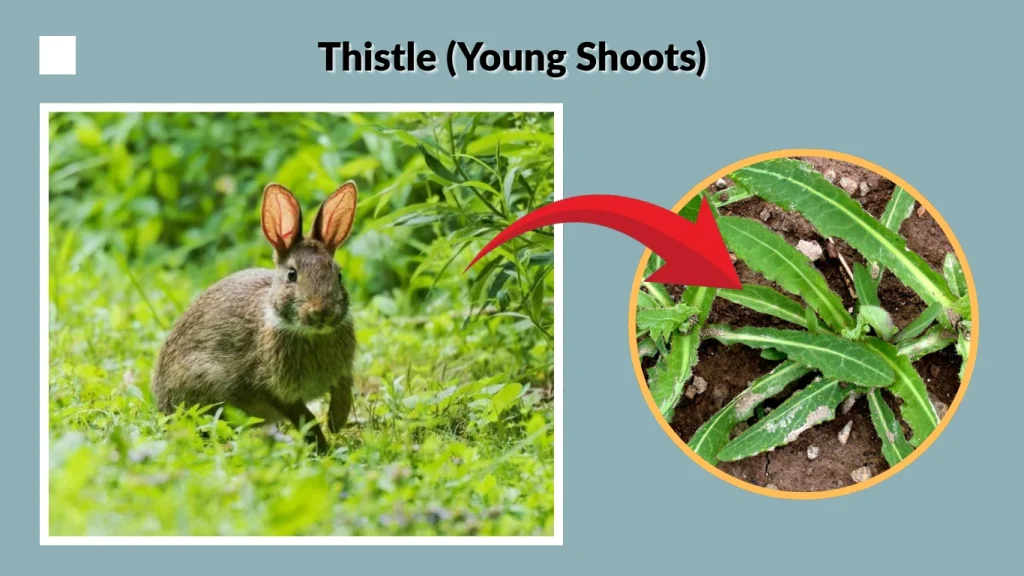
While mature thistles are too spiny to eat, wild rabbits often target the young shoots before they harden. These are commonly found in fields, roadsides, and disturbed soils.
Why Rabbits Eat It
Young thistle shoots are tender, less prickly, and relatively easy to chew. Rabbits seek them out during early growth stages for a different texture and taste in their diet.
Health Benefits
Thistle shoots provide roughage and contain antioxidants with mild anti-inflammatory effects. They also support liver function and aid in detoxification when consumed in small amounts.
11. Weeds (Chickweed, Shepherd’s Purse)
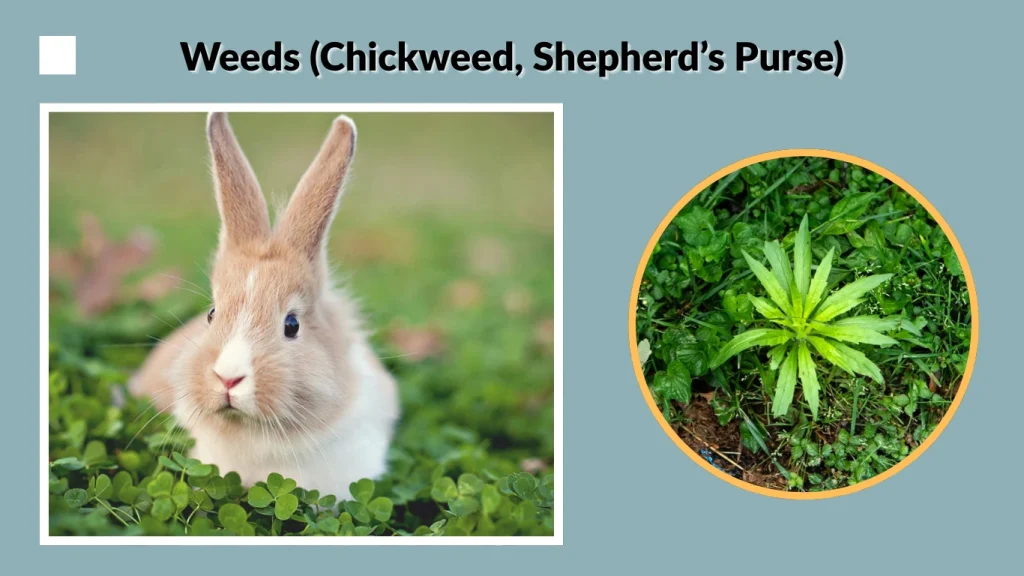
Common wild weeds like chickweed and shepherd’s purse grow abundantly in fields, gardens, and open spaces, making them a frequent snack for wild rabbits.
Why Rabbits Eat It
These soft, low-growing weeds are easy to access and digest. Rabbits instinctively recognize their mild flavors and nutrient content, making them a reliable seasonal food source.
Health Benefits
Weeds like chickweed are rich in vitamins A and C, as well as iron and calcium. They support overall wellness, skin health, and metabolism, helping rabbits thrive in diverse environments.
12. Tree Leaves (Willow, Apple, Maple)
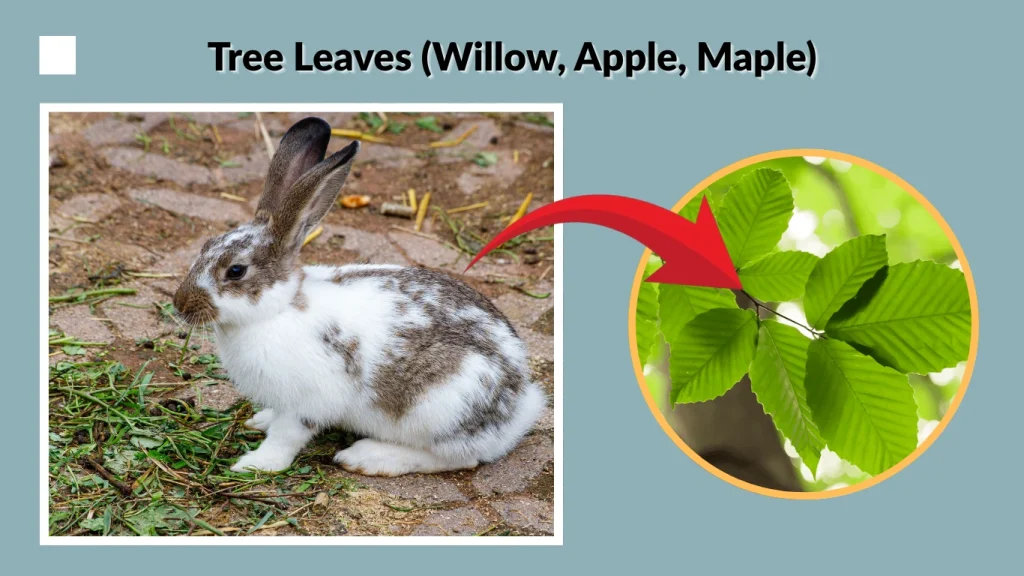
Wild rabbits often forage fallen or low-hanging tree leaves, especially from species like willow, apple, and maple. These are usually eaten during late summer or fall when other greens become less available.
Why Rabbits Eat It
Tree leaves are plentiful during certain seasons and easy to reach when they drop to the ground. Rabbits chew them as an alternative to grasses and herbs, especially in wooded areas.
Health Benefits
Leaves from trees like willow have natural anti-inflammatory and pain-relieving properties. They also provide fiber for digestion and help wear down teeth, promoting overall oral and gut health.
Final Thoughts
Wild rabbits are skilled foragers that rely on instinct and seasonal availability to meet their dietary needs. The foods listed above offer a perfect balance of fiber, hydration, vitamins, and minerals—supporting their digestion, dental health, and immune systems in the wild. By understanding what wild rabbits eat, we gain insight into their survival strategies and their critical role in natural ecosystems.