


Baby turtles are adorable, fascinating creatures—but they also have very specific dietary needs to ensure healthy growth, shell development, and survival. Whether you’ve adopted a baby snapping turtle, found a wild hatchling, or are caring for a baby box turtle, knowing what to feed them is crucial.
In this guide, you’ll learn exactly what baby turtles eat based on species (snapping, box, painted, sea, mud, musk, softshell, and more), where they live (land or water), and whether they’re wild or kept as pets. We’ll also cover what baby turtles drink, how often to feed them, and tips for ensuring proper nutrition.
What Do Baby Turtles Eat?

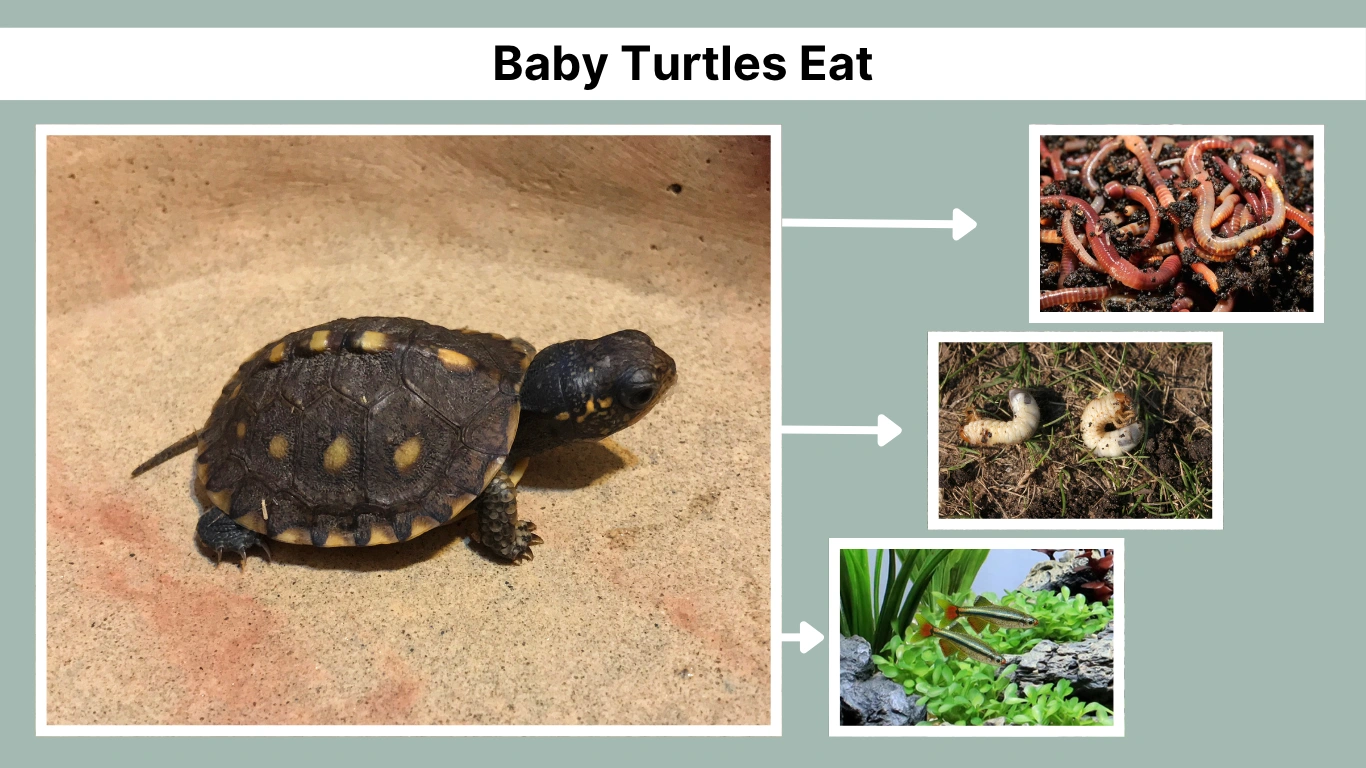
Most baby turtles are omnivorous, with a strong preference for protein-rich foods during their first year of life. Their rapid growth demands a high intake of nutrients like calcium, vitamin D3, and protein.
Baby turtles typically eat:
- Small insects and worms
- Aquatic invertebrates
- Commercial turtle pellets
- Leafy greens and soft vegetables (in moderation)
- Occasionally fruit (for certain land species)
Feeding varies depending on the species, so let’s break it down in detail.
What Do Baby Snapping Turtles Eat?

Baby snapping turtles are mostly carnivorous. In the wild, they hunt small prey in shallow water. Their diet includes:
- Insect larvae
- Earthworms
- Small minnows or guppies
- Aquatic insects
- Tadpoles and small frogs
In captivity, you can feed baby snapping turtles:
- Reptile or turtle pellets
- Bloodworms or blackworms
- Freeze-dried shrimp or krill
- Chopped worms
- Boiled egg (occasionally)
Feed them once daily, and ensure the food is small enough to swallow.
What Do Baby Alligator Snapping Turtles Eat?

Alligator snapping turtles are more aquatic and carnivorous than common snappers. Their baby diet is similar but includes:
- Small fish
- Snails
- Worms
- Crustaceans (like small crayfish)
In captivity, use:
- Floating pellets made for carnivorous turtles
- Raw fish bits
- Shrimp
- Feeder guppies
Feeding should mimic their natural environment—drop the food in water and let them ambush it.
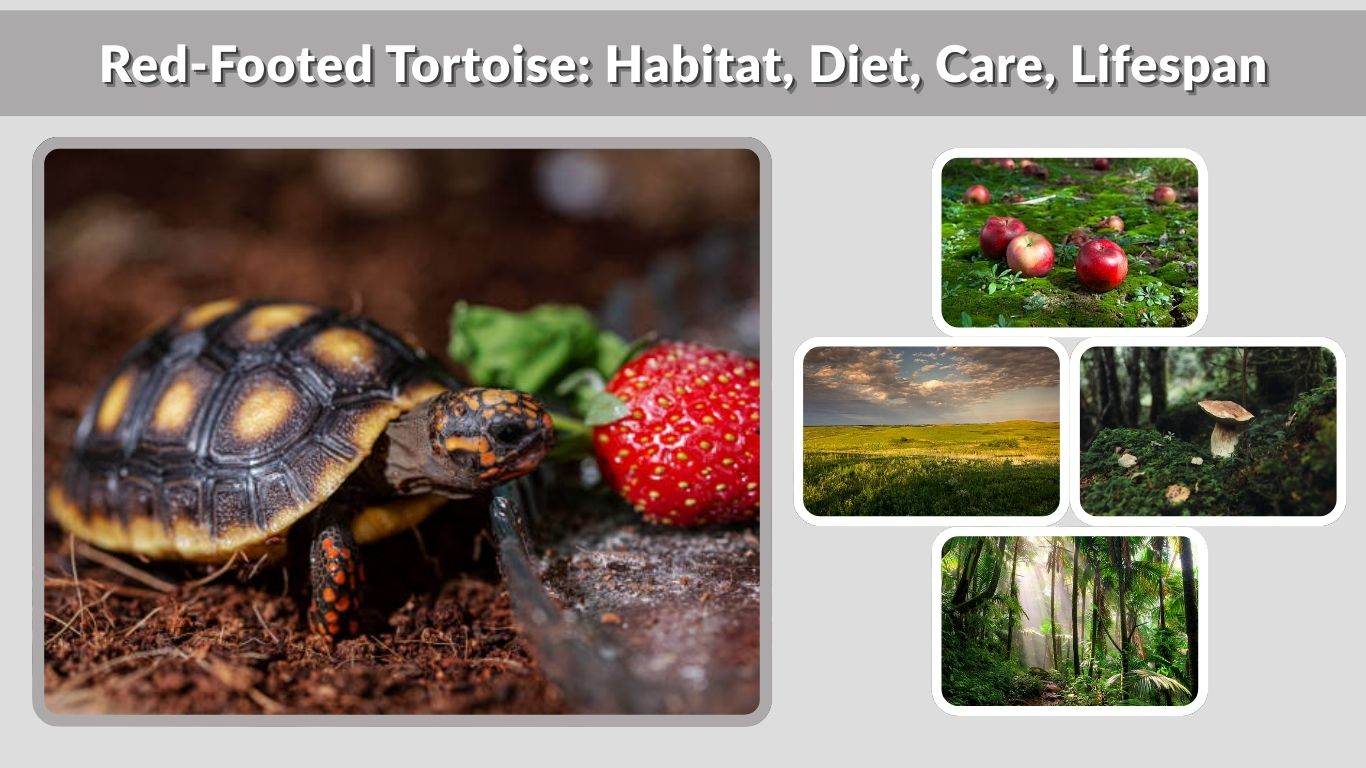
What Do Baby Box Turtles Eat?
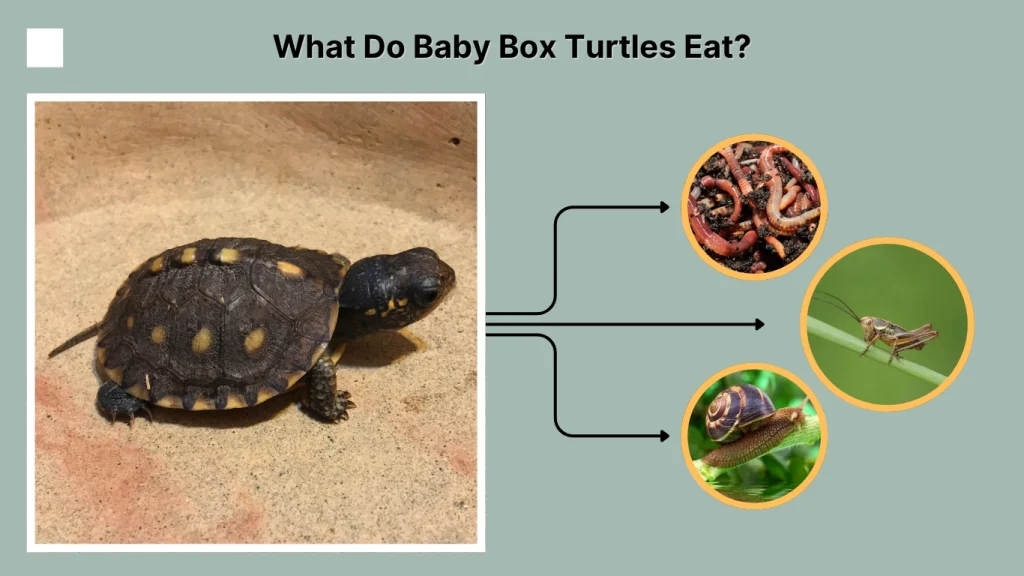
Box turtles are omnivores, and as babies, they prefer more protein than plants. A healthy baby box turtle diet includes:
- Earthworms and mealworms
- Crickets (pinhead size)
- Slugs and snails
- Boiled egg (mashed)
- Chopped fruits: berries, apple (no seeds)
- Leafy greens: dandelion, kale, collard greens
Feed them every day. Mist food lightly to provide hydration and keep the enclosure humid.
What Do Baby Painted Turtles Eat?
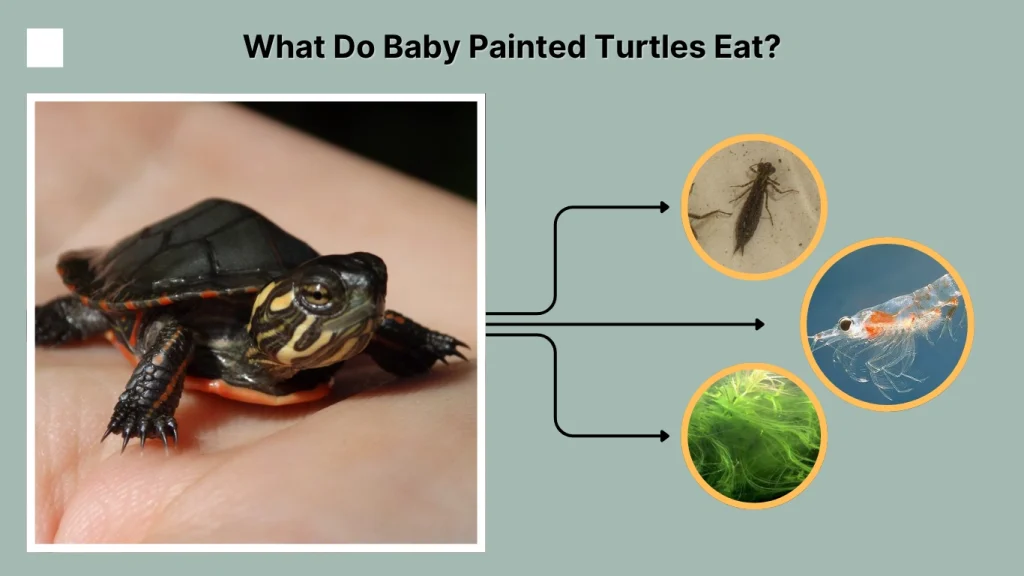
Baby painted turtles are active feeders and eat underwater. In the wild, they consume:
- Small aquatic insects
- Zooplankton
- Algae and soft plants
In captivity, feed them:
- Commercial floating turtle food
- Bloodworms and chopped earthworms
- Brine shrimp
- Duckweed or romaine lettuce
Use shallow water and make sure the food floats or is easy to reach.
What Do Baby Sea Turtles Eat?

In the wild, baby sea turtles are highly carnivorous. After hatching, they venture into the ocean and feed on:
- Jellyfish
- Plankton
- Small crustaceans
- Floating algae
- Tiny fish
Sea turtles are not typically kept as pets. Conservation hatcheries feed them specialized marine diets until release. They also need saltwater conditions and deep water space.
What Do Baby Turtles Eat in the Wild?
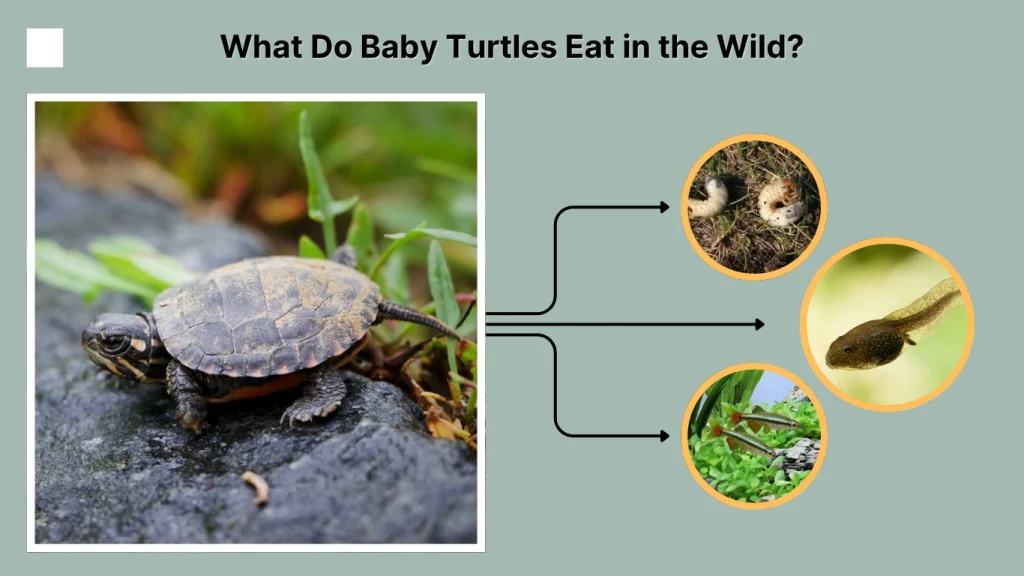
Wild baby turtles depend on what’s available in their habitat. Most eat:
- Insects and larvae
- Tadpoles
- Small fish
- Aquatic plants
- Algae
- Fungi (for land turtles like box turtles)
They are instinctive hunters and foragers, learning quickly what’s edible and when to hide. Protein is their main source of energy early in life.
What Do Baby Snapping Turtles Eat in the Wild?

Wild snapping turtle hatchlings prefer shallow, vegetated areas where they can hide and hunt. Their wild diet includes:
- Mosquito larvae
- Dragonfly nymphs
- Tiny snails
- Carrion (dead fish or animals)
- Water bugs
They are mostly aquatic but may come on land occasionally.
What Do Baby Mud Turtles Eat?

Baby mud turtles live in freshwater and are primarily carnivorous. They eat:
- Aquatic worms
- Insect larvae
- Small fish
- Crustaceans
In captivity, feed them similar foods like bloodworms, brine shrimp, and turtle pellets. Provide shallow water with access to land.
What Do Baby Musk Turtles Eat?

Musk turtles are tiny as babies and need soft, sinking foods. In the wild and captivity, they eat:
- Aquatic insects
- Worms
- Soft fish pieces
- Snails
- Blackworms
Use feeding trays or shallow water bowls to ensure easy access to food.
What Do Baby Softshell Turtles Eat?

Softshell turtles grow fast and have a strong carnivorous diet. Baby softshells eat:
- Insects
- Minnows
- Crustaceans
- Mollusks
For captive babies, feed chopped worms, live feeder fish, and pellets. These turtles are sensitive to water quality, so clean water is a must.
What Do Baby Water Turtles Eat?

“Water turtles” is a broad term, but generally includes painted, red-eared sliders, and similar species. Their baby diet includes:
- Bloodworms
- Feeder fish
- Floating pellets
- Chopped greens
These turtles must eat in water. If they don’t seem interested, check the water temperature (78–82°F is ideal for feeding).
What Do Baby Land Turtles Eat?
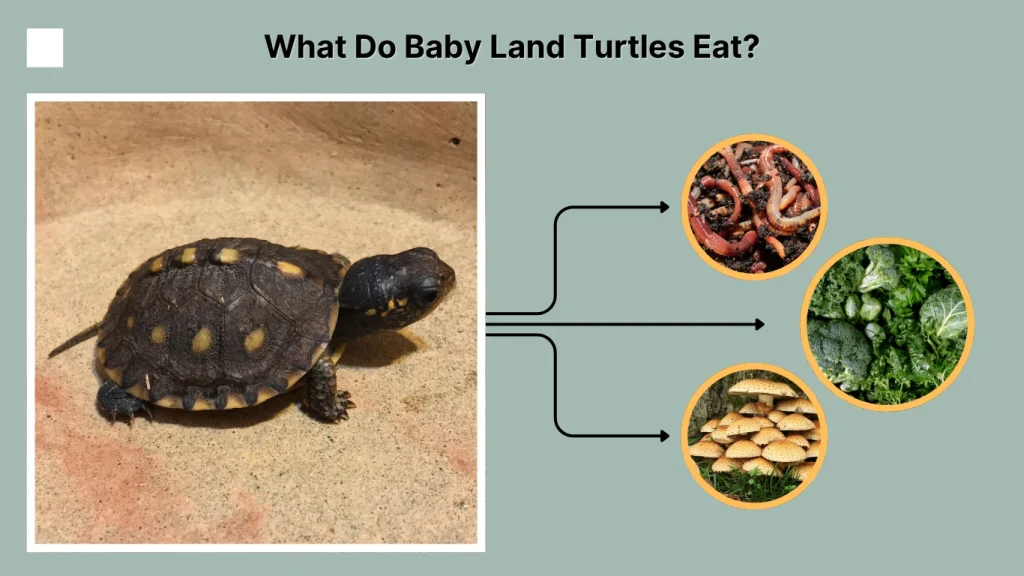
Land turtles (like box turtles) consume:
- Earthworms and insects
- Leafy greens
- Mushrooms
- Berries and fruit
- Flowers like hibiscus or dandelions
Hydration is critical. Mist their food and provide shallow soaking dishes.
What Do Baby Turtles Eat and Drink?
All baby turtles eat soft, small, high-protein foods and drink water from their habitat. Aquatic turtles absorb moisture and drink while swimming. Land turtles need a shallow dish of clean water and may also absorb moisture through the skin and cloaca.
Always keep water clean, dechlorinated, and easily accessible.
How Often Should You Feed Baby Turtles?
Feed baby turtles once daily. Offer as much as they’ll eat in 15–20 minutes, then remove leftovers to prevent water fouling. Make sure the feeding time is during their active hours (usually mid-morning).
Tips for Feeding Baby Turtles
- Use feeding trays or small containers to avoid dirtying the main tank.
- Rotate protein and greens for variety.
- Dust food with calcium and vitamin D3 powder 3 times a week.
- Avoid feeding meat, dairy, or processed foods.
Conclusion
Feeding baby turtles properly sets the foundation for a healthy adult life. Their early months are critical for bone, shell, and immune system development. Whether you’re caring for a baby box turtle, snapping turtle, or painted turtle, offering the right mix of protein, greens, and hydration will keep them active and thriving.
Always research your turtle species before feeding and consult a reptile vet if your hatchling stops eating or shows signs of illness. With proper care, your baby turtle will grow strong and healthy—ready to explore the world, one slow step at a time.