




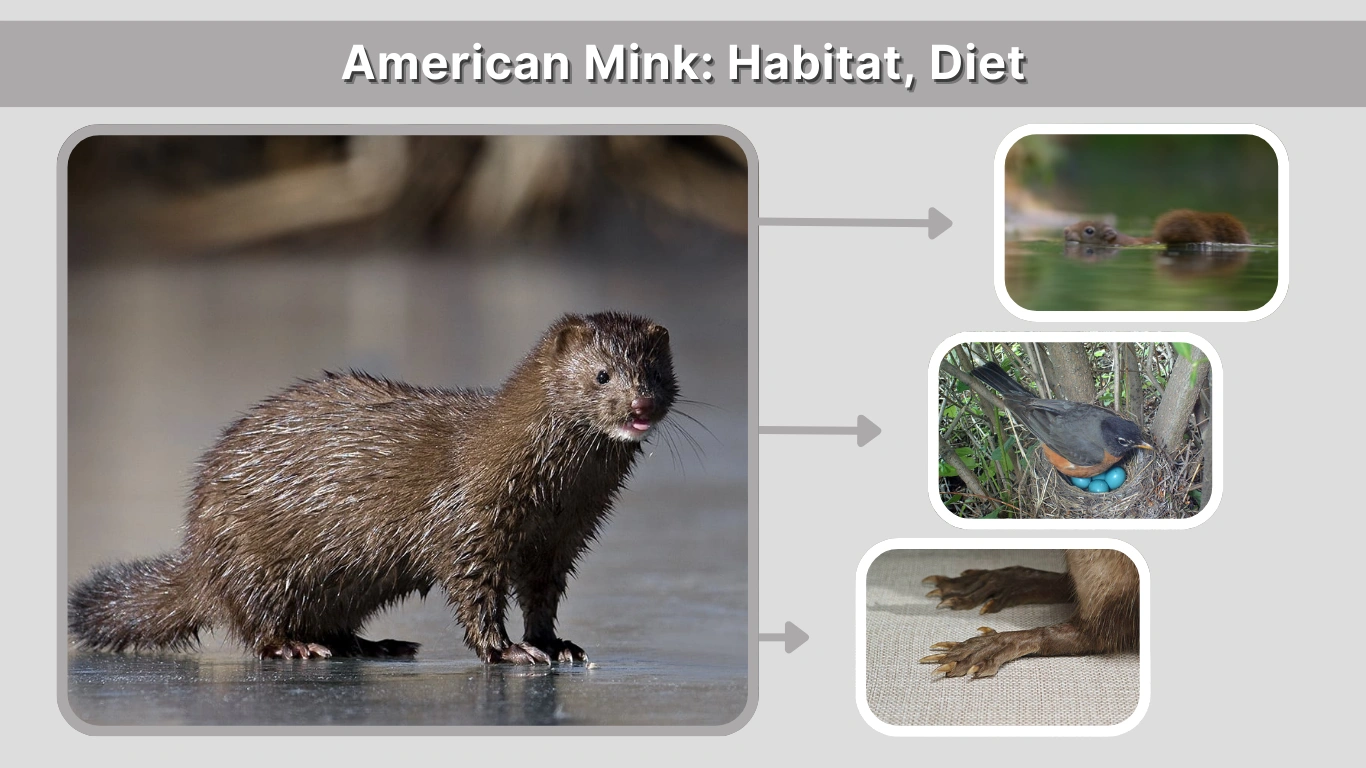
The American mink is a semi-aquatic carnivorous mammal native to North America and known for its sleek body, thick fur, and remarkable hunting skills. Found near rivers, lakes, and wetlands, this adaptable predator thrives in both wild and human-altered landscapes. Over time, the American mink has gained global attention not only for its ecological role but also for its connection to the fur industry and its impact as an introduced species in other parts of the world.
What Is the American Mink?
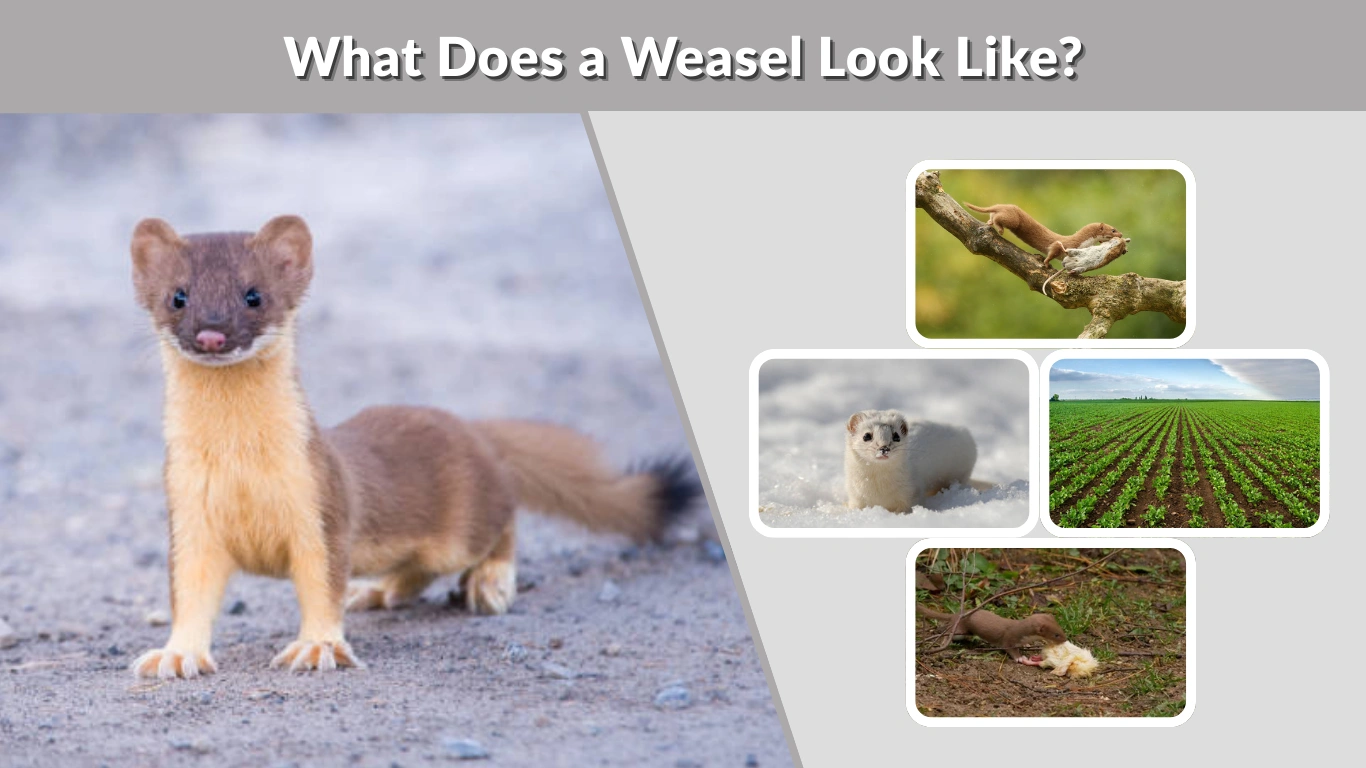
The American mink is a small but powerful member of the weasel family. Despite its modest size, it is an efficient predator capable of hunting on land and in water. Its streamlined body and dense, waterproof fur make it especially suited to semi-aquatic environments.
Scientific Classification
- Scientific name: Neogale vison (formerly Mustela vison)
- Family: Mustelidae
- Order: Carnivora
The Mustelidae family includes otters, weasels, martens, and ferrets. Like its relatives, the American mink has a long, flexible body and strong scent glands used for communication and defense. Taxonomic revisions in recent years moved the species from the genus Mustela to Neogale, though many sources still use the former name.
Physical Characteristics
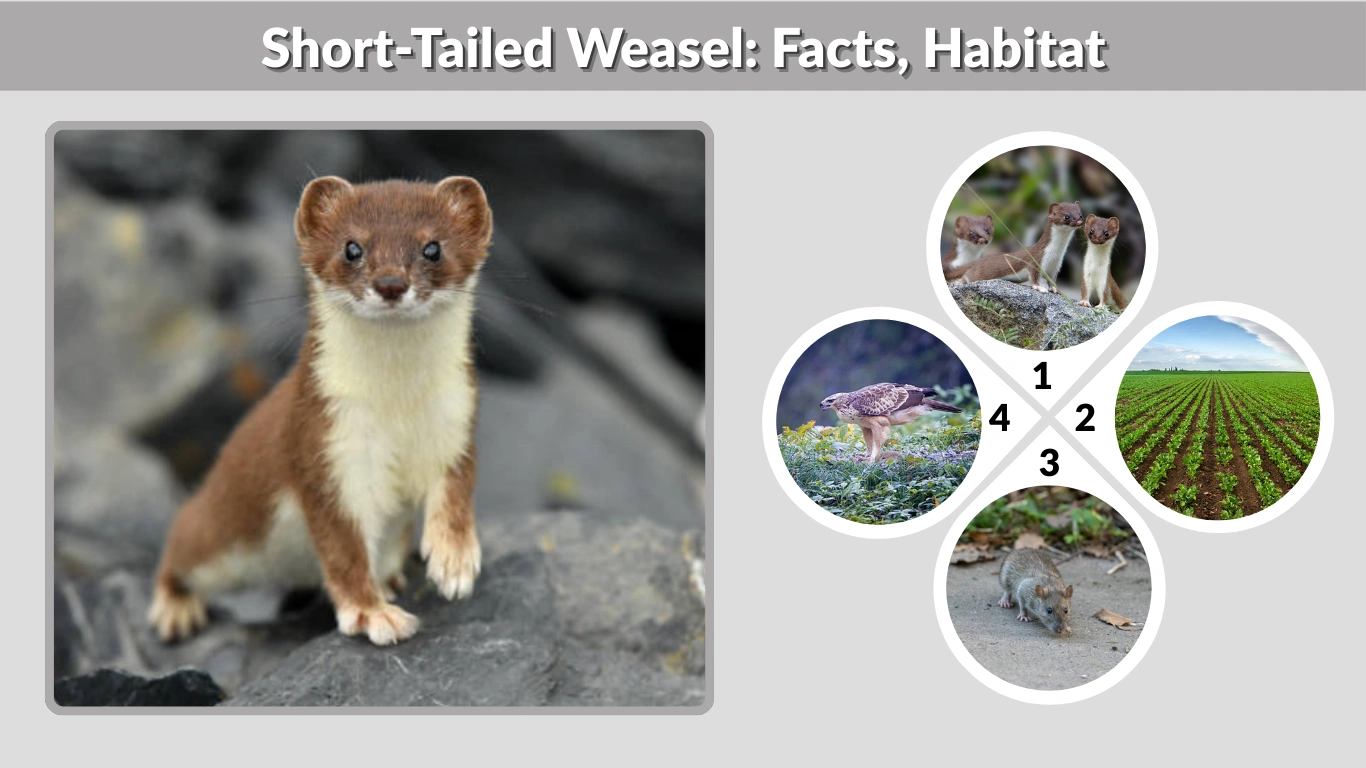
The American mink typically measures 18 to 28 inches (including the tail) and weighs between 1.5 and 3.5 pounds, with males being larger than females. It has a long, slender body, short legs, and a bushy tail that helps with balance while swimming.
Its fur is usually dark brown to nearly black, often with a small white patch on the chin or throat. This dense fur is highly water-resistant, allowing the mink to swim comfortably even in cold conditions. Partially webbed feet enhance its swimming ability, making it a skilled underwater hunter.
Habitat and Geographic Range
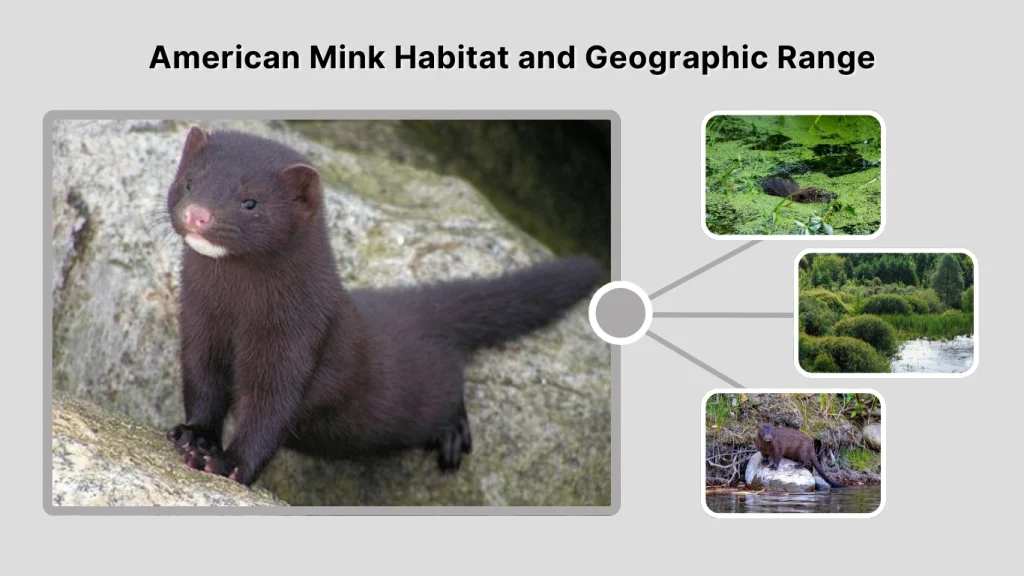
The American mink is widely distributed across North America and has successfully adapted to a range of aquatic and semi-aquatic habitats.
Native Range in North America
This species is found throughout:
- Most of Canada
- The majority of the United States
- Parts of Alaska
American minks are particularly common in regions with abundant freshwater sources. They are rarely found far from water, as aquatic environments provide both food and shelter.
Preferred Habitat
American minks prefer habitats such as:
- Rivers and streams
- Lakes and ponds
- Marshes and wetlands
- Coastal shorelines
They typically establish dens near water. These dens may be located in hollow logs, rock crevices, riverbanks, or abandoned burrows of other animals. Dense vegetation nearby offers cover from predators and supports prey populations.
Minks are territorial and maintain home ranges that often follow waterways. Males usually control larger territories than females, especially during breeding season.
Introduced and Invasive Populations
Outside North America, the American mink has been introduced to parts of:
- Europe
- South America
- Asia
Many introductions occurred due to escapes or releases from fur farms. In several regions, especially Europe, the American mink is considered an invasive species. It competes with native wildlife, including the critically endangered European mink, and can disrupt local ecosystems by preying on birds and small mammals.
Diet and Hunting Behavior
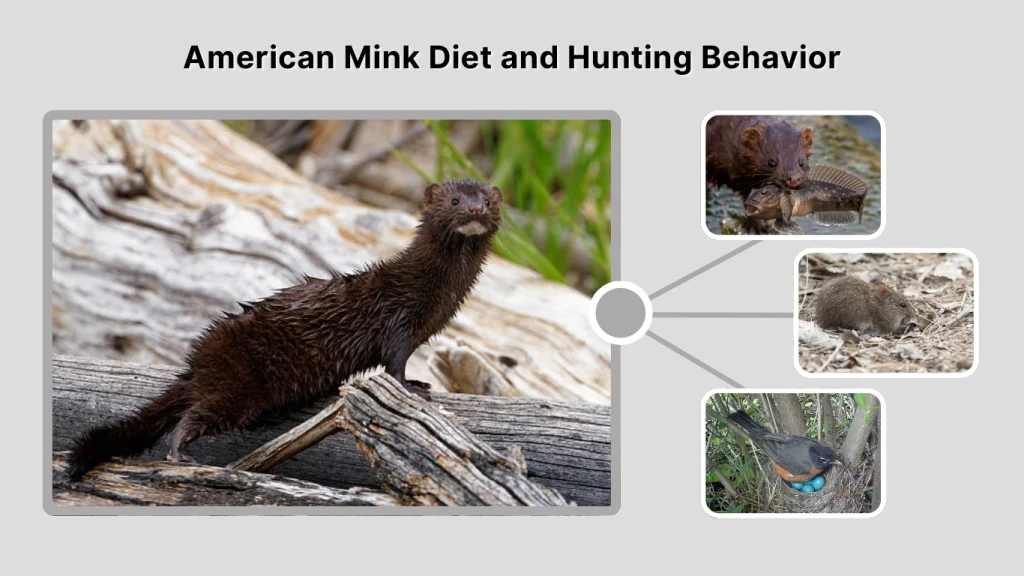
The American mink is a carnivorous and opportunistic predator. Its flexible diet contributes greatly to its adaptability.
What Do American Minks Eat?
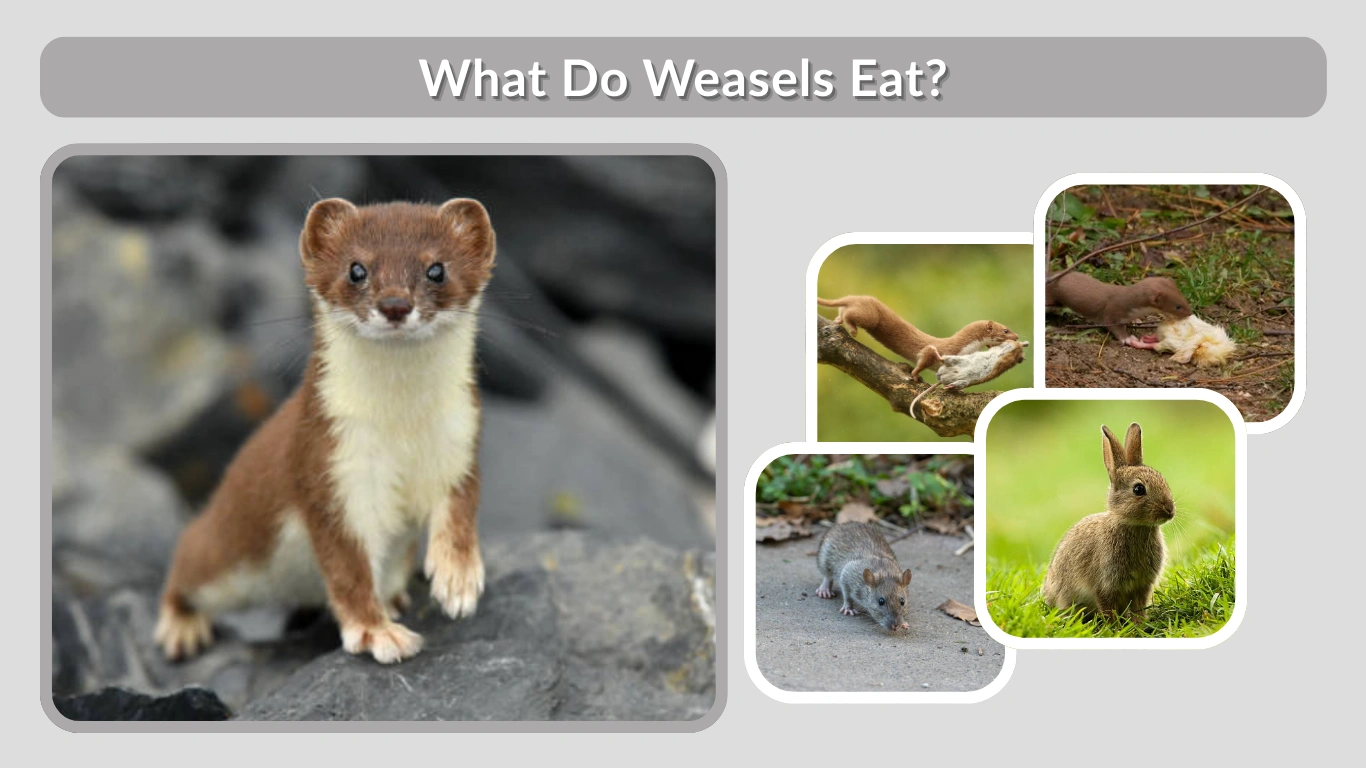
American minks feed on a wide range of prey, including:
- Fish
- Small mammals such as mice, voles, and rabbits
- Birds and bird eggs
- Frogs and other amphibians
- Crustaceans
Their diet varies depending on location and season. In winter, they may rely more heavily on mammals, while in warmer months they often hunt fish and amphibians.
Hunting Techniques
Minks are primarily nocturnal or crepuscular, meaning they are most active at night or during dawn and dusk. They rely on sharp senses of smell, sight, and hearing to locate prey.
Excellent swimmers, American minks can dive underwater and pursue fish with surprising speed. On land, they use stealth and quick bursts of movement to capture small animals. Their sharp teeth and strong jaws allow them to deliver a swift, fatal bite to the neck of their prey.
Behavior and Adaptations
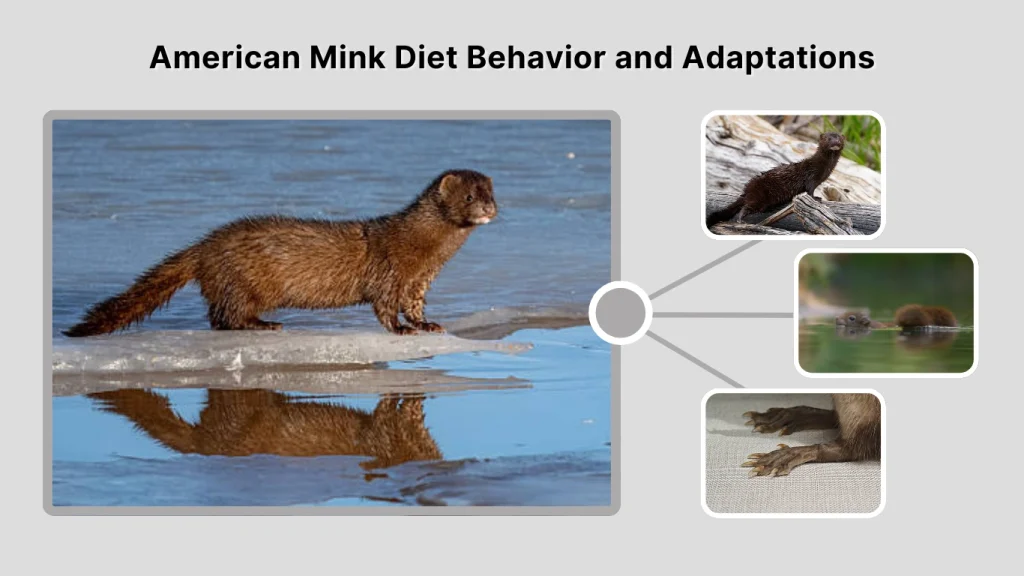
The American mink is known for its solitary lifestyle and impressive physical adaptations.
Solitary and Territorial Nature
American minks generally live alone except during the breeding season. They are highly territorial and mark their range using scent glands located near the base of the tail. These scent markings communicate boundaries and reproductive status to other minks.
Encounters between adults outside the breeding season can be aggressive. Territorial behavior helps reduce competition for food and shelter.
Adaptations for Semi-Aquatic Life
Several features make the American mink well-suited for life near water:
- Thick, waterproof fur for insulation
- Streamlined body for efficient swimming
- Partially webbed feet
- Sharp claws for climbing and digging
Interestingly, minks can also climb trees and rotate their hind feet to descend headfirst. Their adaptability allows them to thrive in diverse environments, from remote wilderness areas to farmland and suburban waterways.
Reproduction and Lifespan
Reproduction in the American mink follows a seasonal cycle, with breeding typically occurring in late winter or early spring. During this time, males travel widely in search of receptive females, often crossing multiple territories. After mating, the pair separates, and the female raises the young alone.
Delayed Implantation
One of the most fascinating aspects of American mink reproduction is delayed implantation, also known as embryonic diapause. After fertilization, the embryo does not immediately attach to the uterine wall. Instead, development pauses for several weeks. This allows the young to be born during favorable environmental conditions in spring.
Because of delayed implantation, the total gestation period can vary from about 40 to 75 days. Females usually give birth to litters of 3 to 6 kits, though larger litters are possible.
Development and Lifespan
Kits are born blind and helpless, relying entirely on their mother for warmth and food. Their eyes open at around five weeks, and they begin learning to hunt by mid-summer. By late summer or early fall, young minks become independent.
In the wild, American minks typically live 3 to 4 years, though many die earlier due to predation, disease, or human-related factors. In captivity, where food and veterinary care are available, they can live up to 10 years.
American Mink vs European Mink
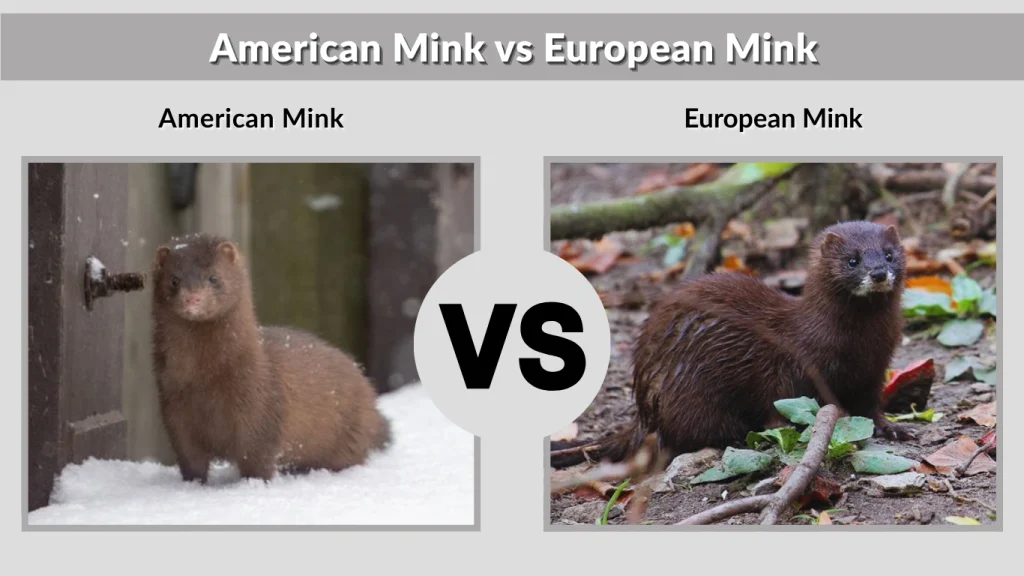
Although they share similar names and appearances, the American mink and European mink are distinct species with important differences.
Key Physical Differences
The American mink is generally larger and more robust than the European mink. While both species have dark brown fur, the European mink typically has white markings on both the upper and lower lips, whereas the American mink usually has a white patch only on the chin.
Subtle differences in skull shape and body proportions also distinguish the two species, though these traits are less noticeable to casual observers.
Conservation Status and Competition
The American mink has a stable and widespread population in its native range. In contrast, the European mink is critically endangered, with fragmented populations remaining in parts of Europe.
In areas where the American mink has been introduced, it often outcompetes the smaller European mink for food and territory. This competition, along with habitat loss, has contributed significantly to the decline of the European species.
Predators and Threats
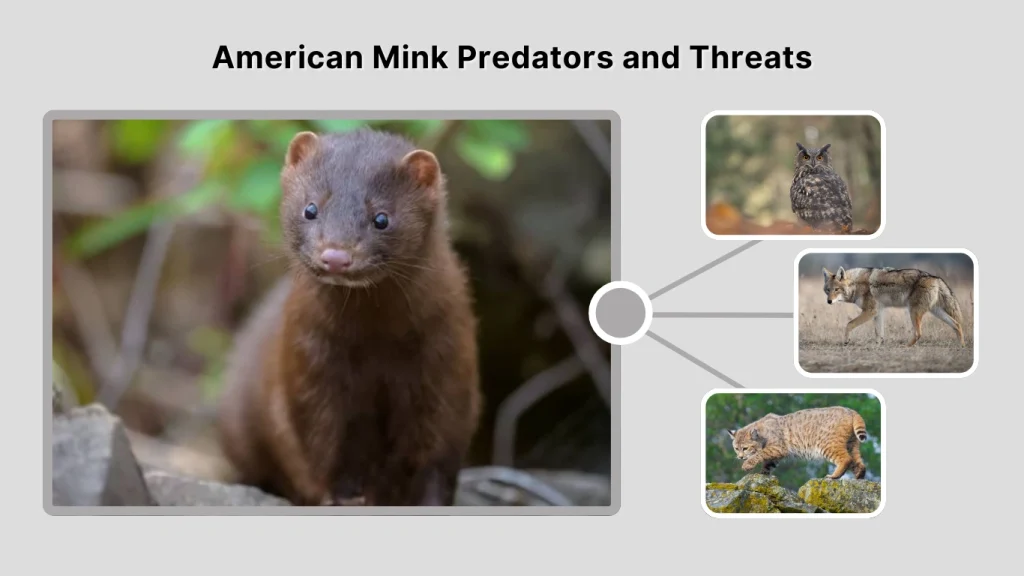
Despite being an efficient predator, the American mink faces threats from both natural enemies and human activities.
Natural predators include:
- Large birds of prey such as owls and hawks
- Foxes and coyotes
- Bobcats and other medium-sized carnivores
However, human-related threats are often more significant. These include habitat destruction, water pollution, trapping, and road mortality. Historically and currently, the fur industry has also played a major role in mink mortality.
Disease can impact both wild and farmed populations. Escaped farm minks may also introduce new diseases into wild populations.
Role in the Ecosystem
The American mink plays an important role in maintaining ecological balance within wetland and riparian ecosystems.
As a mid-level predator, it helps control populations of rodents, fish, amphibians, and certain bird species. This regulation can prevent overpopulation and reduce damage to vegetation and aquatic systems.
In its native habitat, the mink is part of a stable food web. However, in regions where it is non-native, it can disrupt local ecosystems by preying on ground-nesting birds and small mammals that evolved without such predators. This dual role highlights how species can be beneficial in one environment and problematic in another.
American Mink and the Fur Industry
The American mink has long been associated with the fur trade. Its dense, soft, and glossy fur made it one of the most economically valuable fur-bearing animals in the world.
Commercial mink farming began in the late 19th and early 20th centuries and expanded rapidly. Today, farmed minks are bred in various color varieties for fashion markets.
However, mink farming has generated significant ethical and environmental debate. Concerns include animal welfare, environmental pollution, and the ecological risks posed by escaped individuals establishing wild populations outside their native range.
Interesting Facts About the American Mink
- American minks are capable swimmers and can dive several meters underwater in pursuit of prey.
- They produce a strong musky scent from specialized glands for marking territory.
- Males are significantly larger than females, sometimes nearly twice the size.
- They are highly adaptable and can survive in both remote wilderness and near human settlements.
- Despite their size, they are bold and capable of taking down prey larger than themselves.
FAQs
Are American minks dangerous to humans?
American minks are generally not dangerous to humans and tend to avoid contact. However, like most wild animals, they may bite if cornered or threatened. They have sharp teeth and can defend themselves aggressively, so it is best to observe them from a distance.
Why is the American mink considered invasive?
The American mink is considered invasive in some regions outside North America because it competes with native species and preys on local wildlife. In Europe, for example, it has contributed to the decline of the endangered European mink and certain bird populations.
How can you identify American mink tracks?
American mink tracks typically show five toes with visible claw marks. Their prints are small, about 1 to 2 inches long, and are often found near water. Tracks may appear in bounding patterns due to their hopping gait.
What is the conservation status of the American mink?
The American mink is classified as a species of least concern in its native range due to its wide distribution and stable population. However, localized declines can occur because of habitat loss and pollution.
Can American minks be kept as pets?
American minks are wild animals and are not suitable as typical household pets. They require specialized care, space, and permits in many regions. Their strong territorial instincts and high energy levels make them challenging to manage in captivity.