




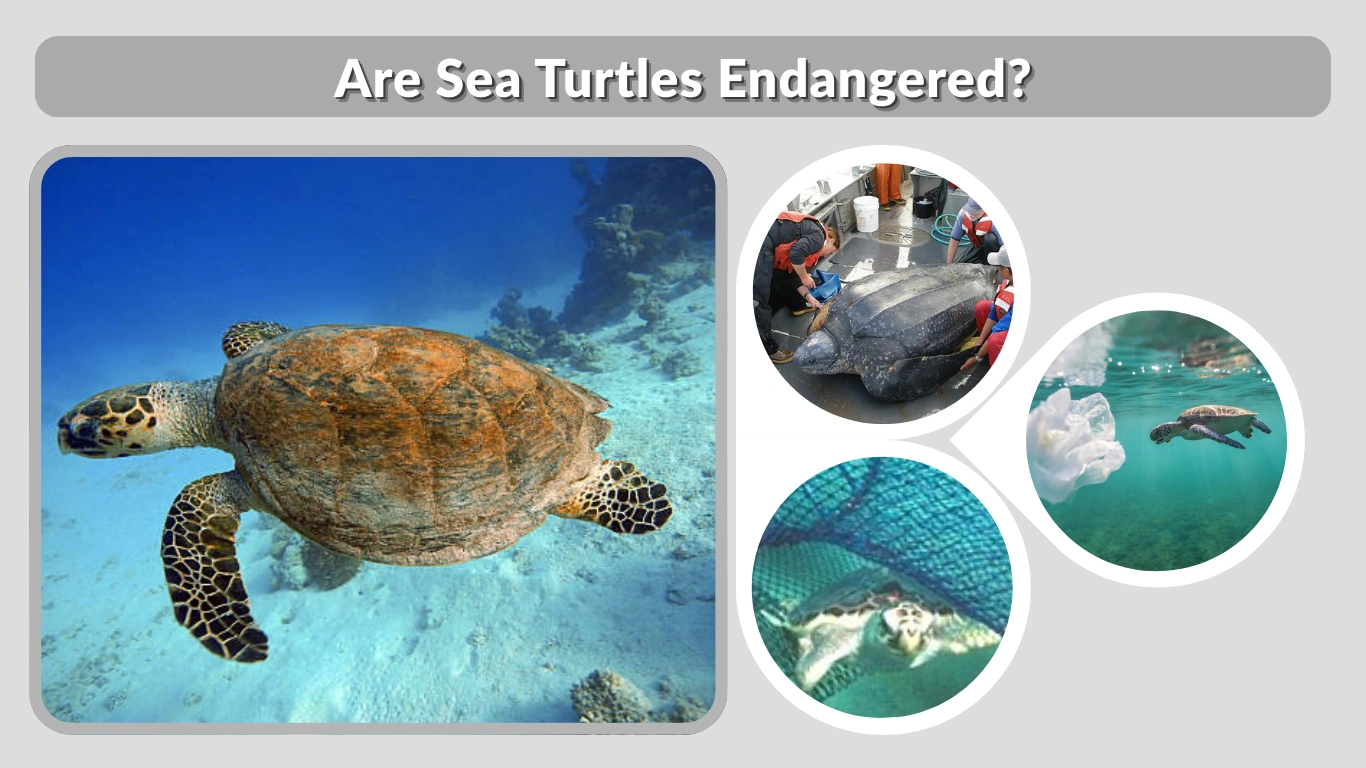
Sea turtles are some of the most iconic and ancient reptiles in the ocean, existing for over 100 million years. These gentle, air-breathing reptiles are crucial to marine ecosystems, from maintaining healthy seagrass beds to controlling jellyfish populations. Despite their importance, all seven species of sea turtles face serious threats, and most are considered endangered or vulnerable. Understanding why sea turtles are endangered, the dangers they face, and the efforts to protect them is essential for their survival and the health of our oceans.
Why Sea Turtles Are Endangered
Sea turtles are classified as endangered or vulnerable primarily due to human activities. While natural threats like predators, storms, and disease affect hatchlings and eggs, human influence has accelerated population declines.
Human-Induced Threats
- Fishing Bycatch: Many sea turtles are accidentally caught in fishing nets, longlines, and trawls, often leading to injury or death.
- Coastal Development: Tourism, construction, and urbanization destroy or degrade nesting beaches, making it difficult for females to lay eggs safely.
- Pollution: Sea turtles frequently ingest plastic debris, mistaking it for food, which can block digestive tracts or cause injury. Chemical contamination also affects their health.
- Poaching and Illegal Trade: Eggs, meat, and shells are harvested illegally in some regions, reducing reproductive success.
- Climate Change: Rising temperatures affect nesting success and hatchling sex ratios, as warmer sand produces more females, potentially destabilizing future populations.
Conservation Status of Sea Turtle Species
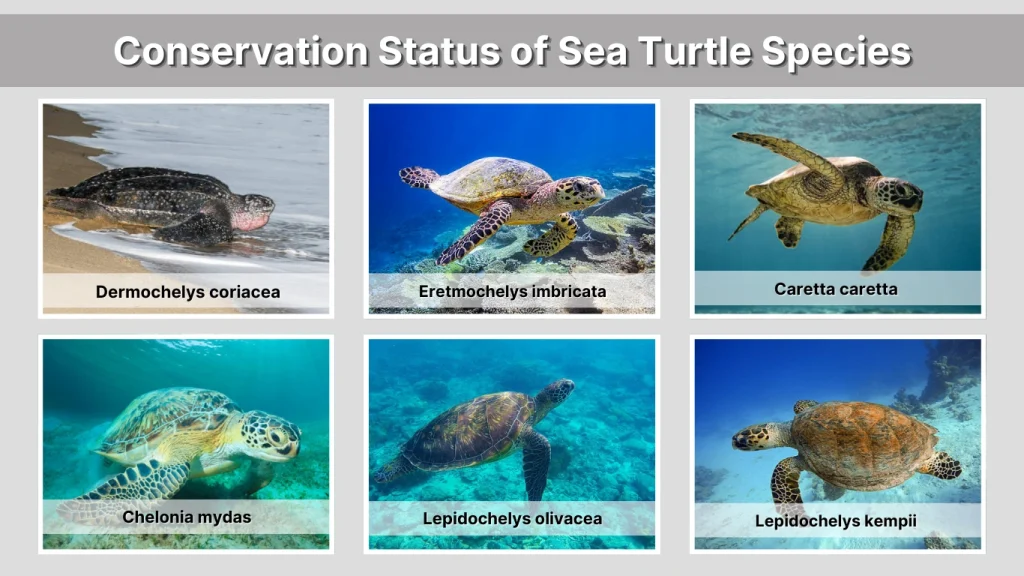
The International Union for Conservation of Nature (IUCN) categorizes all seven sea turtle species based on their risk of extinction:
- Leatherback (Dermochelys coriacea): Vulnerable globally, some populations critically endangered.
- Hawksbill (Eretmochelys imbricata): Critically endangered due to shell trade and habitat loss.
- Loggerhead (Caretta caretta): Vulnerable, with certain populations declining due to bycatch.
- Green (Chelonia mydas): Endangered, primarily from habitat destruction and bycatch.
- Olive Ridley (Lepidochelys olivacea): Vulnerable, affected by mass nesting beach exploitation.
- Kemp’s Ridley (Lepidochelys kempii): Critically endangered, smallest and rarest sea turtle.
- Flatback (Natator depressus): Data deficient but considered vulnerable in limited range habitats.
These classifications highlight that all sea turtles are at risk, with certain species more endangered than others.
Signs of Declining Sea Turtle Populations
Populations of sea turtles are declining due to low hatchling survival rates, fewer adults reaching sexual maturity, and habitat degradation. Observers may notice:
- Reduced nesting activity on previously popular beaches
- Fewer juvenile and adult turtles in coastal and pelagic waters
- Loss of seagrass beds or coral reef habitats essential for feeding
Why Protecting Sea Turtles Matters
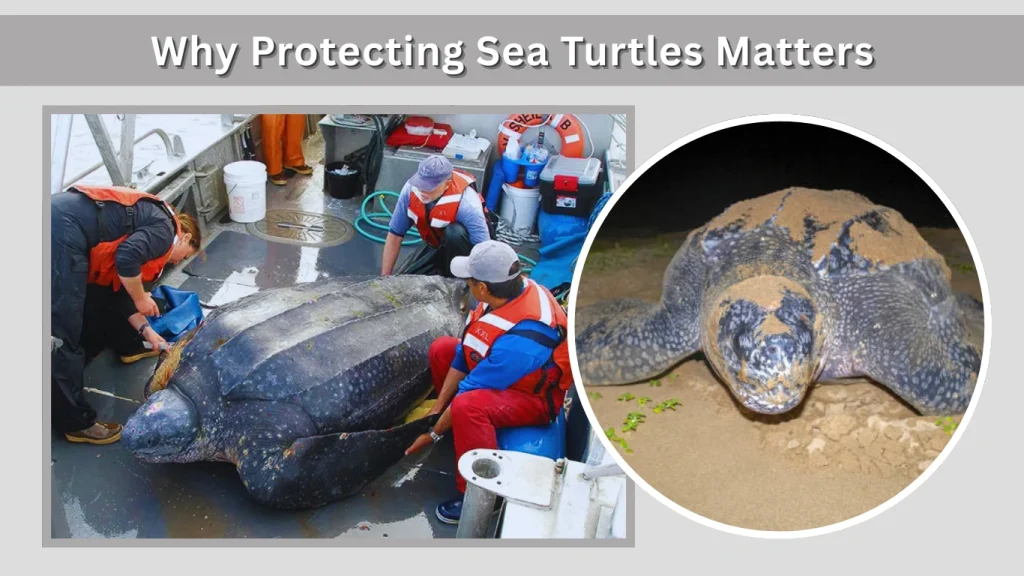
Sea turtles are keystone species:
- Maintain seagrass health: Grazing prevents overgrowth, supporting fish and invertebrate populations.
- Control jellyfish populations: Predation reduces outbreaks that can harm fisheries.
- Support coral reefs: Hawksbills feed on sponges, allowing corals to thrive.
- Cultural and economic importance: Many coastal communities rely on ecotourism and sustainable wildlife initiatives.
Protecting sea turtles ensures balanced marine ecosystems, benefiting biodiversity and humans alike.
How to Protect Sea Turtles
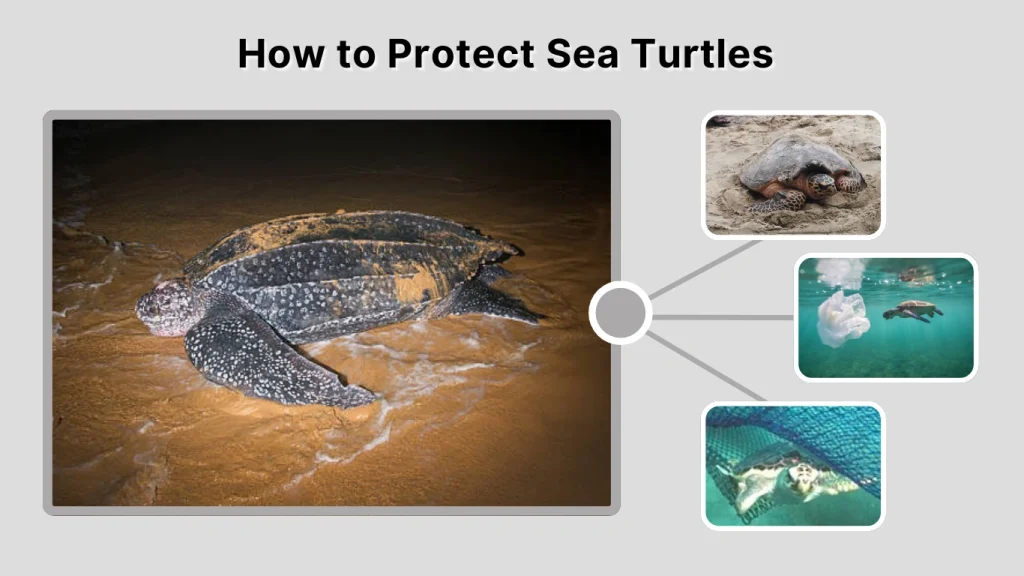
- Protect nesting beaches: Restrict human activity, prevent light pollution, and support beach conservation programs.
- Reduce plastic use: Keep beaches and oceans free from litter to prevent ingestion by turtles.
- Use turtle-friendly fishing practices: Circle hooks and turtle excluder devices reduce bycatch.
- Support conservation organizations: Volunteer or donate to groups that monitor, protect, and rehabilitate sea turtles.
- Raise awareness: Educate communities about the importance of sea turtles and the risks they face.
Fascinating Facts About Sea Turtles
- Sea turtles have existed for over 100 million years, surviving multiple mass extinctions.
- Leatherbacks can dive over 1,200 meters and migrate across oceans.
- Hawksbill shells were historically used for the tortoiseshell trade, nearly driving the species to extinction.
- Green sea turtles are herbivores as adults, maintaining the health of seagrass beds.
- Sea turtles return to the same beaches where they hatched to lay their eggs.
FAQs
Are all sea turtles endangered?
Yes, all seven species of sea turtles are considered at risk, ranging from vulnerable to critically endangered according to the IUCN.
Why are sea turtles endangered?
Human activities like fishing bycatch, habitat loss, pollution, poaching, and climate change are the primary causes of population declines.
How long do sea turtles live?
Sea turtles can live 50–80 years, with some leatherbacks and green turtles reaching even older ages.
What is being done to protect sea turtles?
Conservation programs include protected nesting beaches, marine reserves, bycatch reduction, and rehabilitation centers, as well as international agreements to prevent poaching and trade.
How can humans help sea turtles?
Humans can help by reducing plastic pollution, protecting nesting beaches, supporting conservation programs, and practicing responsible tourism near turtle habitats.