




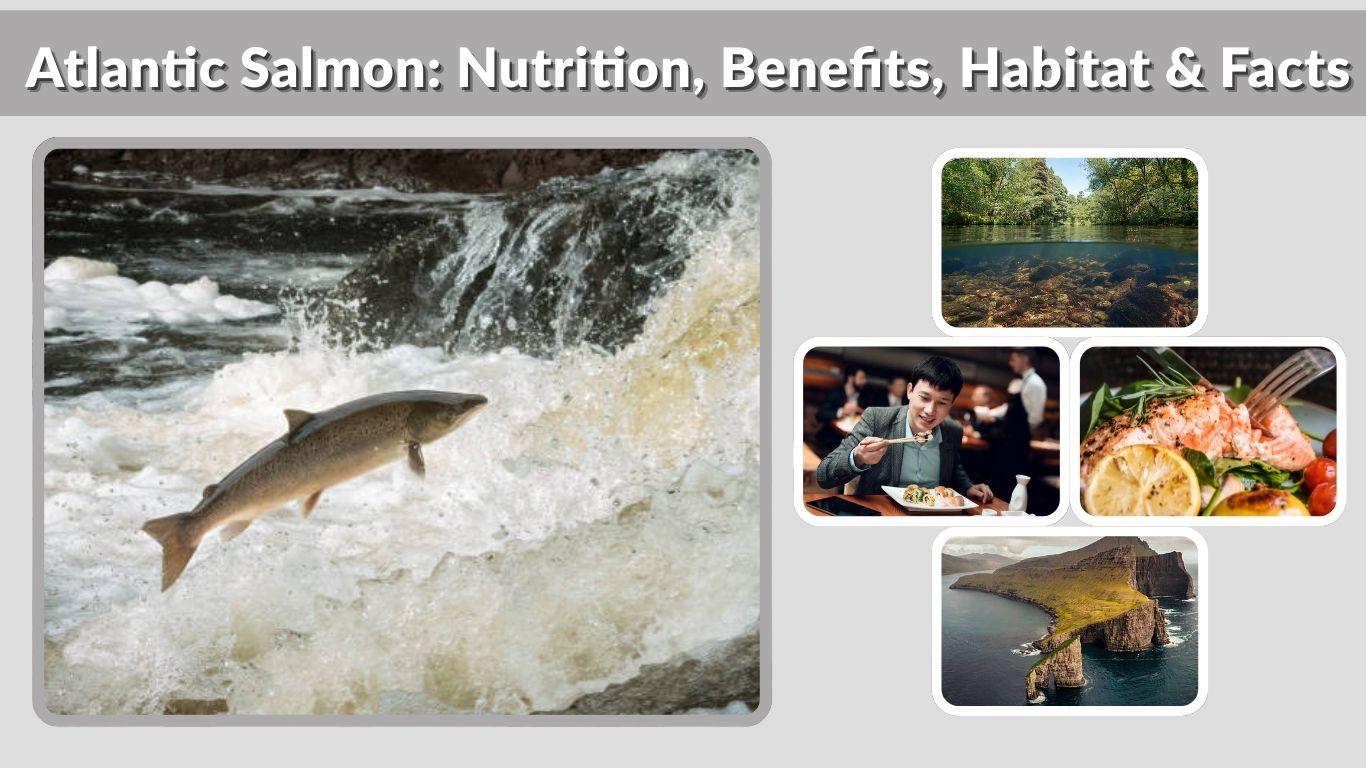
Atlantic salmon is one of the most popular and widely consumed fish in the world. Known for its rich flavor, tender texture, and impressive nutritional profile, this fish has become a staple in healthy diets. Whether grilled, baked, or pan-seared, Atlantic salmon offers both versatility and health benefits. Native to the North Atlantic Ocean and surrounding rivers, it plays an important role in both wild ecosystems and global aquaculture. Understanding its nutrition, habitat, and benefits can help you make informed choices when adding it to your diet.
What Is Atlantic Salmon?
Atlantic salmon, scientifically known as Salmo salar, is a species of ray-finned fish found in the northern Atlantic Ocean and the rivers that flow into it. It belongs to the Salmonidae family, which also includes trout and Pacific salmon species. Unlike Pacific salmon, Atlantic salmon is a single species with a unique life cycle and migration pattern.
Scientific Classification and Origin
The scientific name of Atlantic salmon is Salmo salar. It is native to the North Atlantic Ocean, as well as rivers in North America and Europe. Historically, large populations were found in rivers along the northeastern United States, eastern Canada, Iceland, Norway, Scotland, and parts of Russia. Today, wild populations are more limited due to environmental changes, but conservation efforts are ongoing.
Physical Characteristics
Atlantic salmon are easily recognized by their streamlined, silver bodies marked with small black spots. Their bellies are typically lighter in color, and during spawning season, males may develop darker shades and hooked jaws. Adult Atlantic salmon can weigh between 8 to 12 pounds on average, though some grow much larger in the wild. Their sleek shape allows them to swim long distances during migration.
Life Cycle and Migration
One of the most fascinating aspects of Atlantic salmon is its life cycle. It is an anadromous fish, meaning it is born in freshwater, migrates to the ocean to grow, and then returns to freshwater to spawn.
Young salmon, called parr, spend one to three years in rivers before migrating to the ocean as smolts. In the ocean, they grow rapidly by feeding on smaller fish and marine organisms. After one or more years at sea, mature adults return to their original rivers to reproduce. This remarkable migration can span thousands of miles and requires exceptional strength and endurance.
Atlantic Salmon Habitat and Farming
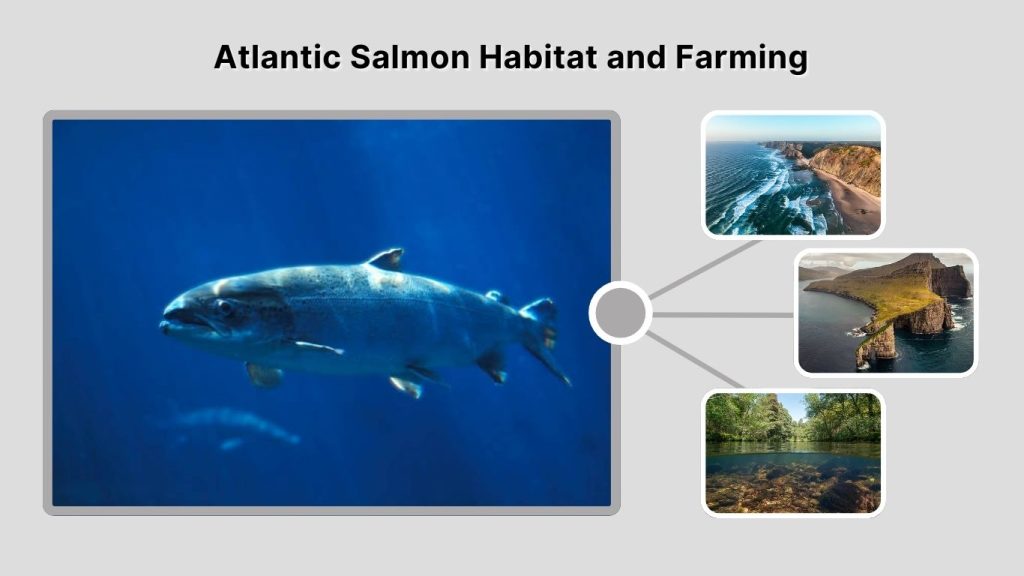
Atlantic salmon thrive in cold, clean waters. Their habitat plays a critical role in their growth, reproduction, and overall health.
Natural Habitat
In the wild, Atlantic salmon live in the North Atlantic Ocean and migrate into freshwater rivers to spawn. They prefer cold, oxygen-rich water with steady currents. Rivers with gravel beds are ideal for spawning because females lay their eggs in nests called redds, which protect the eggs until they hatch.
However, wild Atlantic salmon populations have declined in many regions due to habitat loss, pollution, overfishing, and barriers such as dams. Conservation programs now focus on restoring river habitats and improving fish passage systems.
Farmed vs Wild Atlantic Salmon
Today, most Atlantic salmon available in supermarkets is farmed. Aquaculture has made salmon more affordable and widely accessible year-round. Farmed Atlantic salmon are raised in controlled environments, usually in large sea pens or tanks.
There are some differences between wild and farmed Atlantic salmon. Farmed salmon typically have a higher fat content, which gives them a richer flavor and softer texture. Wild salmon tend to be leaner and may have a slightly firmer texture. The color of farmed salmon is often enhanced through diet to achieve the familiar pink-orange appearance.
While aquaculture supports global demand, it has also raised environmental concerns. Responsible farming practices and sustainability certifications help consumers choose more environmentally friendly options.
Atlantic Salmon Nutrition Facts
Atlantic salmon is widely praised for its exceptional nutritional value. It is considered one of the healthiest protein sources available.
Macronutrients
A 100-gram serving of Atlantic salmon typically contains around 200 calories, depending on whether it is farmed or wild. It provides approximately 20–22 grams of high-quality protein, making it an excellent option for muscle growth and repair.
In addition to protein, Atlantic salmon contains healthy fats, particularly polyunsaturated fats. These fats are essential for overall health and help the body absorb certain vitamins.
Omega-3 Fatty Acids
One of the biggest nutritional advantages of Atlantic salmon is its high omega-3 fatty acid content. It is rich in EPA (eicosapentaenoic acid) and DHA (docosahexaenoic acid), two essential fatty acids that play a crucial role in heart and brain health.
Omega-3s help reduce inflammation, lower triglyceride levels, and support healthy blood vessels. Since the body cannot produce these fatty acids efficiently on its own, consuming foods like Atlantic salmon is important for meeting daily requirements.
Vitamins and Minerals
Atlantic salmon is also an excellent source of important vitamins and minerals. It provides significant amounts of vitamin D, which supports bone health and immune function. Many people struggle to get enough vitamin D from sunlight alone, making salmon a valuable dietary source.
It is also rich in vitamin B12, which is essential for nerve function and red blood cell formation. Other key nutrients include selenium, potassium, and several B vitamins that contribute to energy production and metabolic health.
Health Benefits of Atlantic Salmon
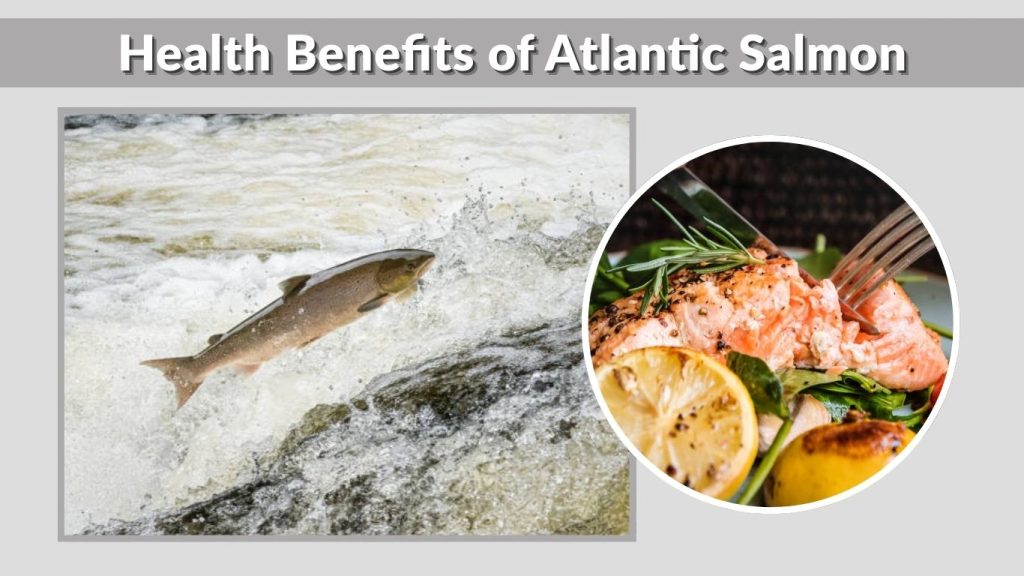
Atlantic salmon is more than just a flavorful seafood choice. Its rich nutrient profile supports multiple aspects of overall health, making it a smart addition to a balanced diet.
Supports Heart Health
One of the most well-known benefits of Atlantic salmon is its positive impact on heart health. The omega-3 fatty acids EPA and DHA help reduce triglyceride levels, lower blood pressure, and decrease the risk of abnormal heart rhythms. Regular consumption of fatty fish like salmon has been associated with a reduced risk of heart disease and stroke.
In addition, the healthy fats in salmon may help increase levels of good HDL cholesterol while lowering harmful LDL cholesterol. Combined with its high-quality protein content, Atlantic salmon supports cardiovascular function in a natural and effective way.
Boosts Brain Function
Atlantic salmon is often referred to as “brain food.” DHA, one of its primary omega-3 fatty acids, is a major structural component of the brain. Adequate intake of DHA supports cognitive function, memory, and concentration.
Some research suggests that diets rich in omega-3s may help reduce the risk of cognitive decline and neurodegenerative diseases as people age. For children and adolescents, these nutrients are especially important for healthy brain development.
Reduces Inflammation
Chronic inflammation is linked to many long-term health conditions, including heart disease, diabetes, and certain autoimmune disorders. The omega-3 fatty acids found in Atlantic salmon have anti-inflammatory properties that help balance inflammatory processes in the body.
By including salmon in your diet a few times per week, you may help reduce inflammation naturally while supporting overall immune health.
Supports Skin and Eye Health
The healthy fats and antioxidants in Atlantic salmon also benefit skin and eye health. Omega-3 fatty acids help maintain skin elasticity and hydration, potentially reducing dryness and irritation.
DHA also plays a role in maintaining healthy vision. Combined with vitamin A and other nutrients, regular salmon consumption can contribute to long-term eye health.
Atlantic Salmon vs Pacific Salmon
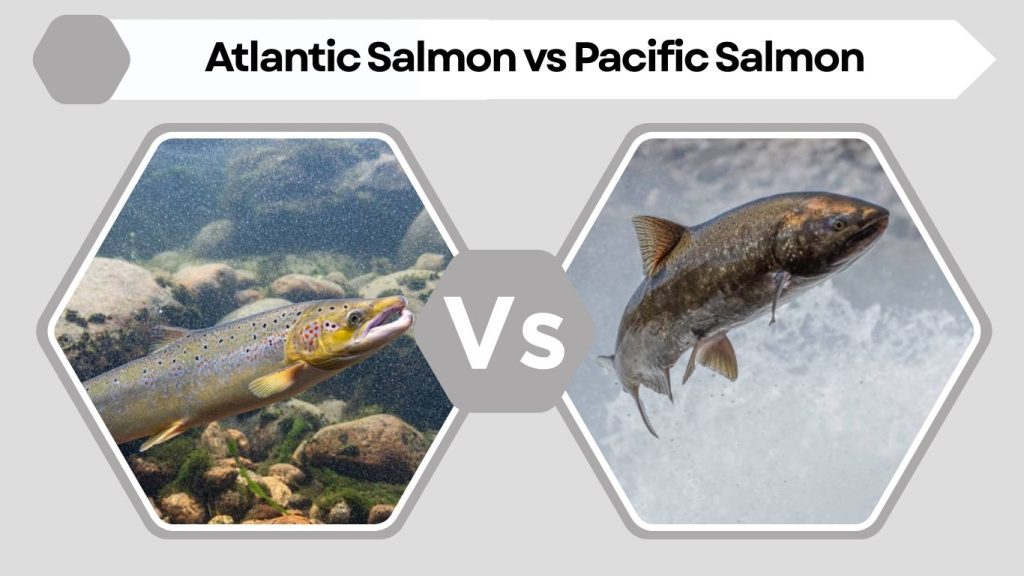
Although both types are nutritious and delicious, Atlantic salmon and Pacific salmon have several key differences.
Species and Availability
Atlantic salmon is a single species (Salmo salar), while Pacific salmon includes five main species, such as sockeye, coho, and chinook. Most Atlantic salmon sold commercially is farm-raised, whereas Pacific salmon is more commonly available wild-caught, depending on the season.
Taste, Texture, and Nutrition
Atlantic salmon generally has a milder flavor and a softer, fattier texture due to its higher fat content. Pacific salmon varieties can have a stronger flavor and firmer texture.
Nutritionally, both are excellent sources of protein and omega-3 fatty acids. However, wild Pacific salmon is often leaner, while farmed Atlantic salmon typically contains slightly more total fat.
How to Cook Atlantic Salmon
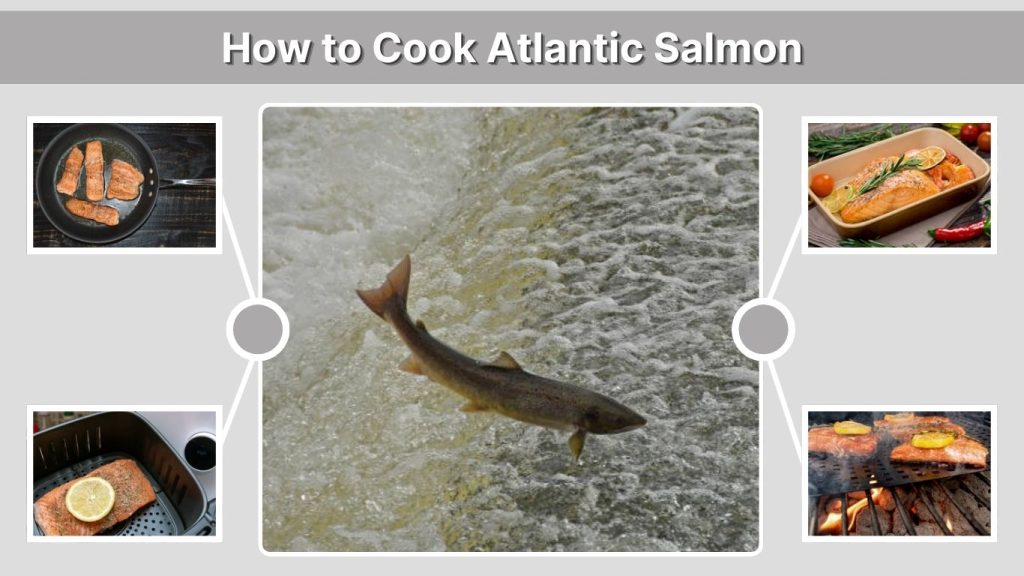
One of the reasons Atlantic salmon is so popular is its versatility in the kitchen. Its rich flavor pairs well with a wide range of seasonings and cooking methods.
Baking
Baking is one of the simplest and healthiest ways to prepare Atlantic salmon. Preheat the oven to around 375–400°F (190–200°C), season the fillet with olive oil, salt, pepper, lemon, and herbs, and bake for 12–15 minutes depending on thickness. This method keeps the fish moist and tender.
Grilling
Grilling adds a smoky flavor that enhances the natural richness of salmon. Lightly oil the grill grates to prevent sticking, and cook the salmon skin-side down first. Grill for about 4–6 minutes per side. Marinades with garlic, honey, mustard, or soy sauce work especially well.
Pan-Seared
Pan-searing creates a crispy outer layer while keeping the inside flaky and moist. Heat a skillet over medium-high heat with a small amount of oil. Place the salmon skin-side down and cook for several minutes before flipping. This technique is ideal for achieving crispy skin.
Air Fryer Option
For a quick and convenient method, the air fryer is an excellent choice. Cook salmon at around 375°F (190°C) for 7–10 minutes. This method requires minimal oil and delivers a slightly crisp exterior with a tender interior.
Is Atlantic Salmon Safe to Eat?

Atlantic salmon is generally considered safe and healthy to eat. It is relatively low in mercury compared to larger predatory fish such as swordfish or king mackerel. This makes it a safer option for regular consumption, including for pregnant women when eaten in recommended amounts.
Concerns about farmed salmon often focus on environmental impact and feed quality. Choosing salmon certified by reputable sustainability organizations can help address these concerns. Health experts commonly recommend eating fatty fish like salmon two to three times per week as part of a balanced diet.
Tips for Buying and Storing Atlantic Salmon
When buying fresh Atlantic salmon, look for firm flesh that springs back when pressed. The color should appear vibrant and moist, not dull or dry. Fresh salmon should have a mild, clean smell rather than a strong fishy odor.
Store fresh salmon in the refrigerator and use it within one to two days. If you do not plan to cook it immediately, freezing is a good option. Properly wrapped salmon can last several months in the freezer without significant loss of quality.
FAQs
Is Atlantic salmon healthy to eat regularly?
Yes, Atlantic salmon is considered very healthy when eaten in moderation. It provides high-quality protein, omega-3 fatty acids, vitamin D, and several essential nutrients. Eating salmon two to three times per week can support heart, brain, and overall health as part of a balanced diet.
Is Atlantic salmon always farmed?
Most Atlantic salmon sold in supermarkets is farm-raised due to limited wild populations. However, wild Atlantic salmon does exist in certain regions, though it is less commonly available commercially and may be more expensive.
What does Atlantic salmon taste like?
Atlantic salmon has a mild, slightly buttery flavor with a tender and moist texture. Its higher fat content gives it a rich taste compared to leaner fish varieties, making it appealing even to those who do not usually enjoy seafood.
How often should you eat salmon per week?
Health experts generally recommend eating fatty fish like Atlantic salmon two to three times per week. This amount helps provide adequate omega-3 fatty acids while maintaining a balanced and varied diet.