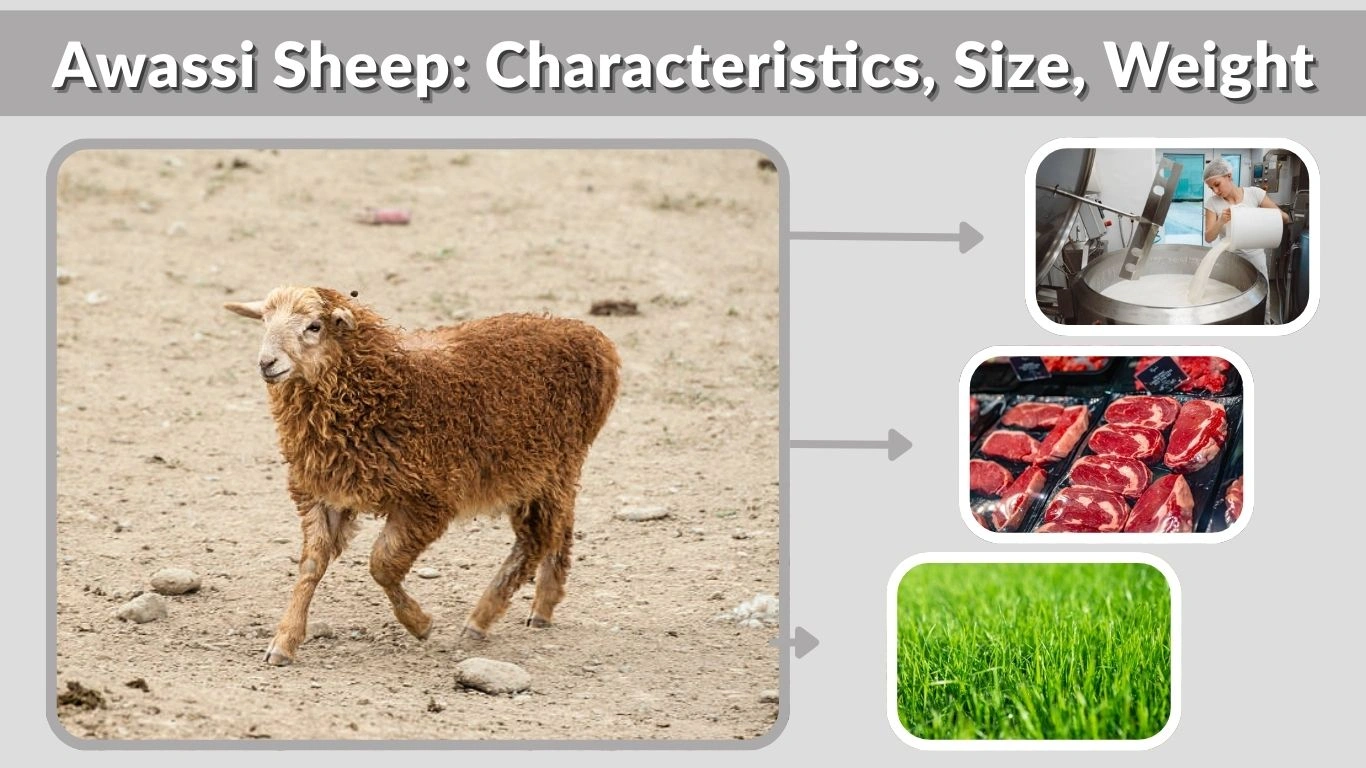
Awassi sheep are one of the most important dairy sheep breeds in the world. They are well known for their excellent milk production, strong adaptability, and ability to survive in harsh environments. Originally developed in the Middle East, Awassi sheep have been raised for centuries in countries such as Syria, Iraq, Jordan, and Israel. Their fat-tailed body structure and large size make them easily recognizable. Farmers value Awassi sheep not only for milk production but also for meat and wool, making them a versatile breed for sheep farming.
What is Awassi Sheep?
Awassi sheep are a fat-tailed sheep breed primarily raised for milk production. They are considered one of the best dairy sheep breeds in the world and play an important role in livestock farming in many Middle Eastern countries.
Origin and History
Awassi sheep originated in the Middle East, particularly in regions that are now part of Syria, Iraq, and surrounding countries. These sheep were developed over centuries by local farmers who needed animals that could survive in hot, dry climates with limited food and water.
Because of their remarkable adaptability, Awassi sheep became a dominant breed across many arid and semi-arid regions. Over time, the breed spread to other countries where farmers recognized its value in dairy production.
Today, Awassi sheep are raised in many regions including:
- Middle Eastern countries
- Israel
- Turkey
- Parts of Europe
- Australia
In some countries, Awassi sheep have also been used in breeding programs to improve milk production in other sheep breeds.
Why Awassi Sheep is Popular
Awassi sheep are widely appreciated by farmers because of their strong productivity and adaptability.
Some key reasons for their popularity include:
- High milk production
- Strong resistance to harsh climates
- Ability to survive in dry regions
- Dual-purpose production for milk and meat
- Good reproductive performance
Because of these qualities, Awassi sheep are considered one of the most valuable breeds for dairy sheep farming.
Awassi Sheep Characteristics
Awassi sheep have several distinctive physical and behavioral traits that make them different from many other sheep breeds.
Physical Appearance
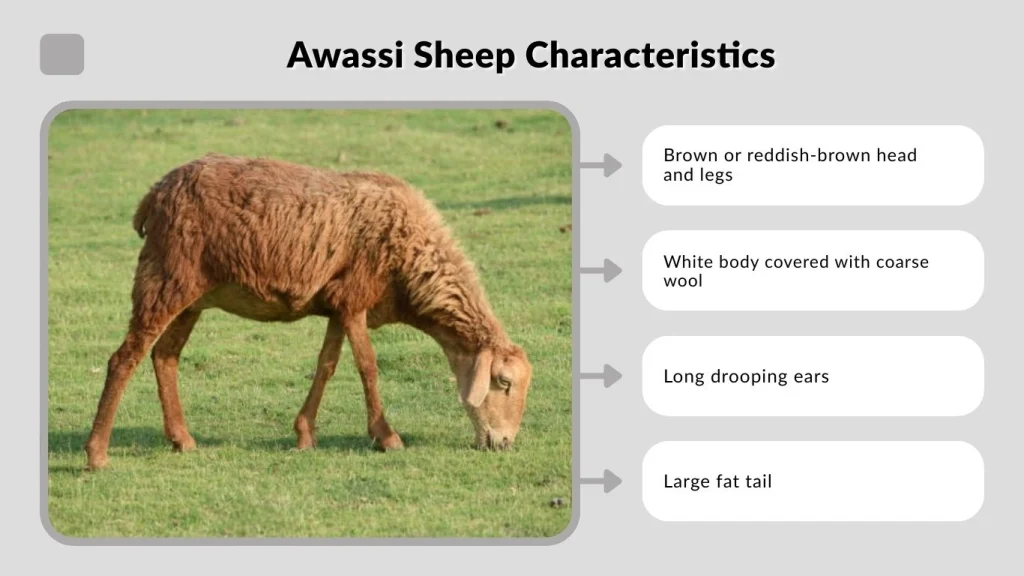
One of the most recognizable features of Awassi sheep is their fat tail, which stores energy and helps the sheep survive during periods of limited food supply.
Common physical features include:
- Brown or reddish-brown head and legs
- White body covered with coarse wool
- Long drooping ears
- Large fat tail
- Strong body frame
Their fat tail is particularly important because it helps them store energy during harsh environmental conditions.
Body Structure
Awassi sheep have a large and strong body structure, which allows them to perform well in difficult environments.
Important body structure features include:
- Long and deep body
- Broad chest
- Strong legs suitable for walking long distances
- Large skeletal frame
This body structure makes Awassi sheep suitable for both milk production and meat production.
Temperament
Awassi sheep are generally known for their hardy and adaptable temperament. They are capable of surviving in environments where many other sheep breeds might struggle.
Typical behavioral traits include:
- Strong grazing ability
- Adaptability to dry climates
- Ability to travel long distances for food and water
These characteristics make Awassi sheep particularly suitable for traditional pastoral farming systems.
Awassi Sheep Size
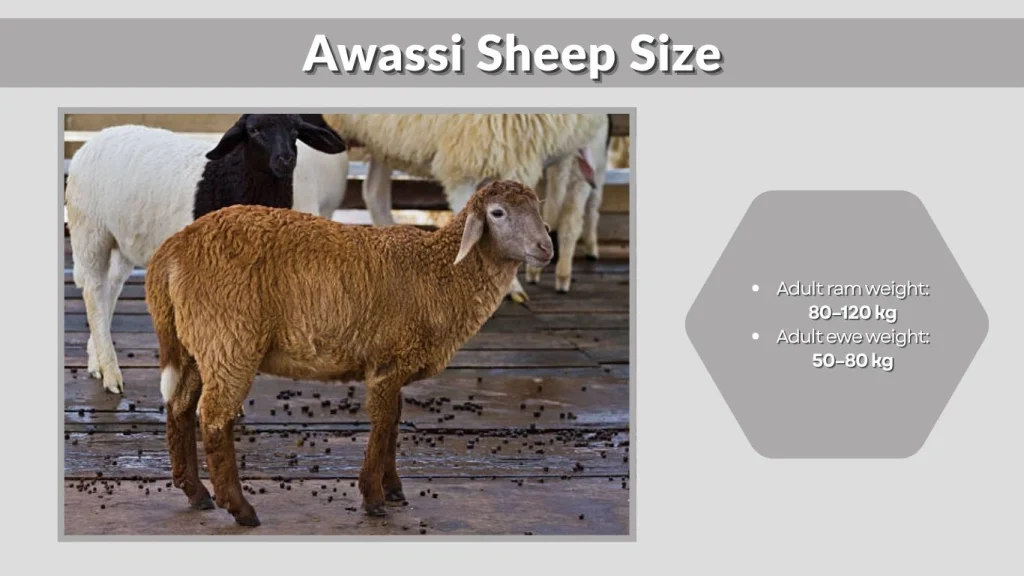
Awassi sheep are considered a large sheep breed, especially compared with many other dairy sheep breeds. Their size contributes to their strong production performance.
Adult Body Weight
The body weight of Awassi sheep varies depending on nutrition, genetics, and farm management practices.
Typical body weights include:
- Adult ram weight: 80–120 kg
- Adult ewe weight: 50–80 kg
Under good feeding and management conditions, some animals may reach even higher weights.
Growth Rate
Awassi lambs have a moderate to good growth rate, especially when raised under proper feeding conditions.
Important growth advantages include:
- Strong lamb survival rates
- Efficient use of pasture
- Good development for meat production
Because of these qualities, Awassi sheep are often raised as a dual-purpose breed, providing both milk and meat.
Body Frame
Awassi sheep have a long and strong body frame, which supports their ability to produce milk and maintain physical endurance in harsh environments.
Key body frame features include:
- Long body structure
- Strong bones and muscles
- Large fat tail used for energy storage
These characteristics allow Awassi sheep to thrive in challenging climates while maintaining productivity.
Awassi Sheep Weight
The weight of Awassi sheep varies depending on factors such as age, feeding conditions, genetics, and overall farm management. Because they are a large breed, Awassi sheep usually have a heavier body weight compared to many traditional sheep breeds.
Ram Weight
Adult Awassi rams are generally larger and heavier than ewes. Their strong body structure allows them to grow significantly when provided with proper nutrition.
Typical weight range for Awassi rams:
- Adult ram weight: 80–120 kg
- Some well-fed rams may reach 130 kg or more
Their larger size helps improve breeding performance and contributes to strong offspring.
Ewe Weight
Female Awassi sheep, known as ewes, are slightly smaller than rams but still considered relatively large among dairy sheep breeds.
Typical weight range for Awassi ewes:
- Adult ewe weight: 50–80 kg
- Well-managed ewes may reach 90 kg
Healthy ewe weight is important for good milk production and successful reproduction.
Factors Affecting Weight
Several factors can influence the body weight of Awassi sheep, including:
- Quality of nutrition and pasture
- Availability of water and minerals
- Health management practices
- Environmental conditions
- Genetic traits
Farmers who maintain balanced feeding programs and proper health care can help Awassi sheep reach their optimal body weight.
Awassi Sheep Milk Production
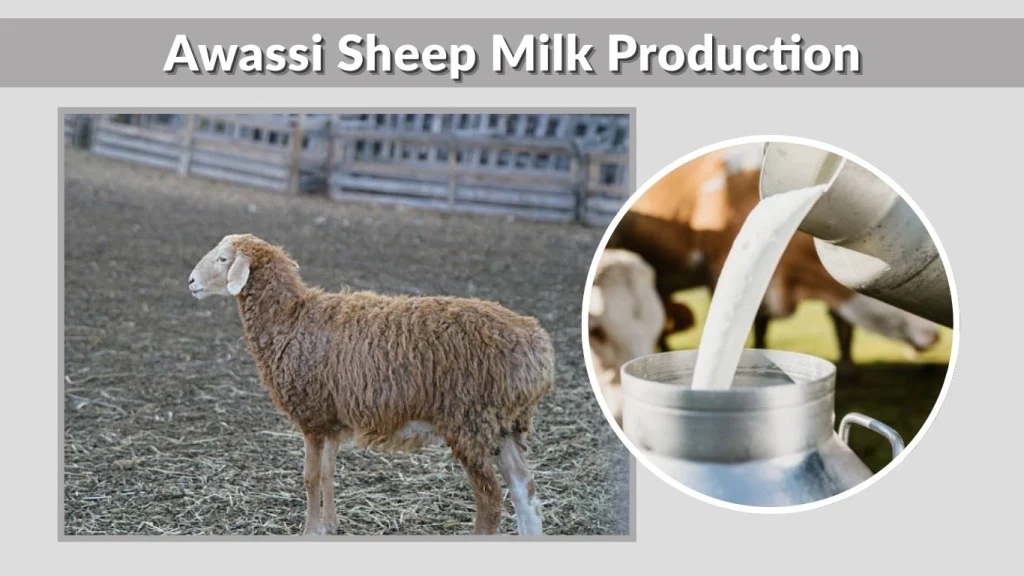
Awassi sheep are widely known as one of the best dairy sheep breeds in the world. Their milk production ability is one of the main reasons farmers raise them.
Dairy Production Ability
Awassi ewes produce significantly more milk than many other sheep breeds. In traditional farming systems, they provide enough milk to feed their lambs and still produce additional milk for human consumption.
Typical milk production includes:
- Average milk yield: 300–500 liters per lactation
- Lactation period usually lasts 150–210 days
Under improved farming conditions, milk production can be even higher.
Milk Quality
Awassi sheep milk is rich and nutritious, containing higher levels of fat and protein than cow’s milk.
Important qualities of Awassi milk include:
- High fat content
- Rich flavor
- High protein levels
Because of these qualities, Awassi milk is often used to produce dairy products such as:
- Cheese
- Yogurt
- Butter
- Traditional dairy foods
Importance in Dairy Sheep Farming
Due to their excellent milk production, Awassi sheep play an important role in dairy sheep farming in many regions.
Farmers value them because they:
- Produce consistent milk yields
- Adapt well to dry environments
- Provide both milk and meat production
Awassi Sheep Facts
Awassi sheep have several unique traits that make them one of the most valuable livestock breeds in the Middle East and beyond.
Famous Dairy Sheep Breed
One of the most notable facts about Awassi sheep is that they are among the highest milk-producing sheep breeds in the world.
This makes them especially valuable in regions where dairy sheep farming is common.
Known for Fat-Tailed Structure
Awassi sheep are classified as fat-tailed sheep, meaning they store fat in their tail. This fat acts as an energy reserve, helping the sheep survive during periods of food scarcity.
Excellent Adaptability to Dry Regions
Awassi sheep are well adapted to hot and dry climates. They can travel long distances in search of food and water, making them suitable for pastoral farming systems.
Important Breed in Middle Eastern Agriculture
For centuries, Awassi sheep have played a major role in agriculture in the Middle East. They provide milk, meat, wool, and sometimes even hides for local communities.
Awassi Sheep Farming Guide
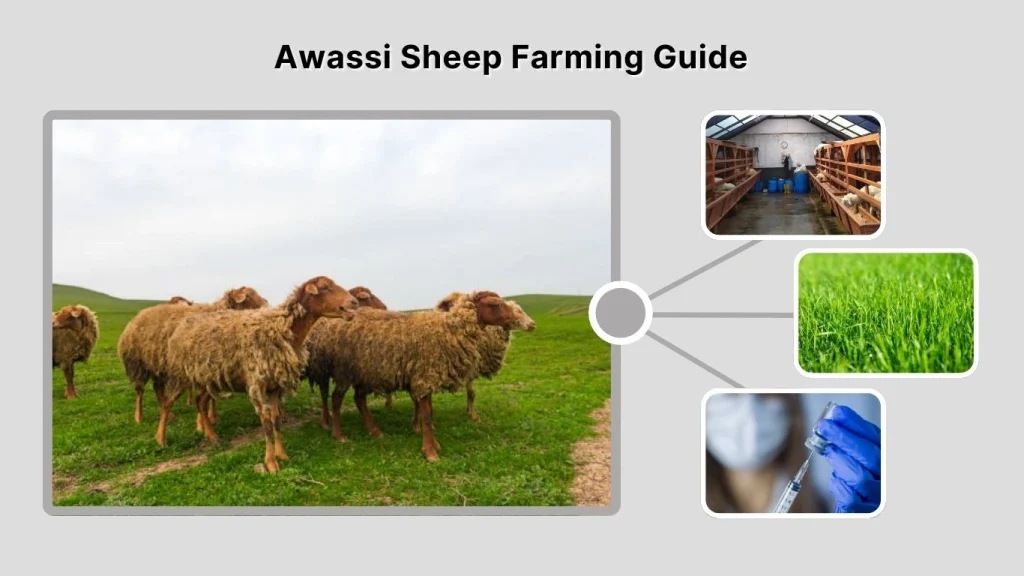
Raising Awassi sheep can be highly productive when farmers follow proper management practices.
Housing Requirements
Although Awassi sheep are hardy animals, they still require basic shelter to protect them from extreme weather.
Important housing features include:
- Dry and clean shelter
- Adequate ventilation
- Protection from excessive heat or cold
- Enough space for each animal
Providing proper housing helps maintain health and productivity.
Feeding Management
Awassi sheep mainly depend on pasture grazing, but additional feed may be required when pasture quality is poor.
Common feed sources include:
- Natural grasses
- Legume plants such as clover
- Hay and silage
- Grain supplements
Providing mineral supplements and clean drinking water is also essential for healthy growth and milk production.
Health Management
Maintaining the health of Awassi sheep is important for ensuring high milk and meat production.
Basic health practices include:
- Regular vaccinations
- Parasite control through deworming
- Clean living conditions
- Monitoring animals for signs of illness
Early veterinary care can prevent serious diseases and improve flock productivity.
Advantages of Raising Awassi Sheep
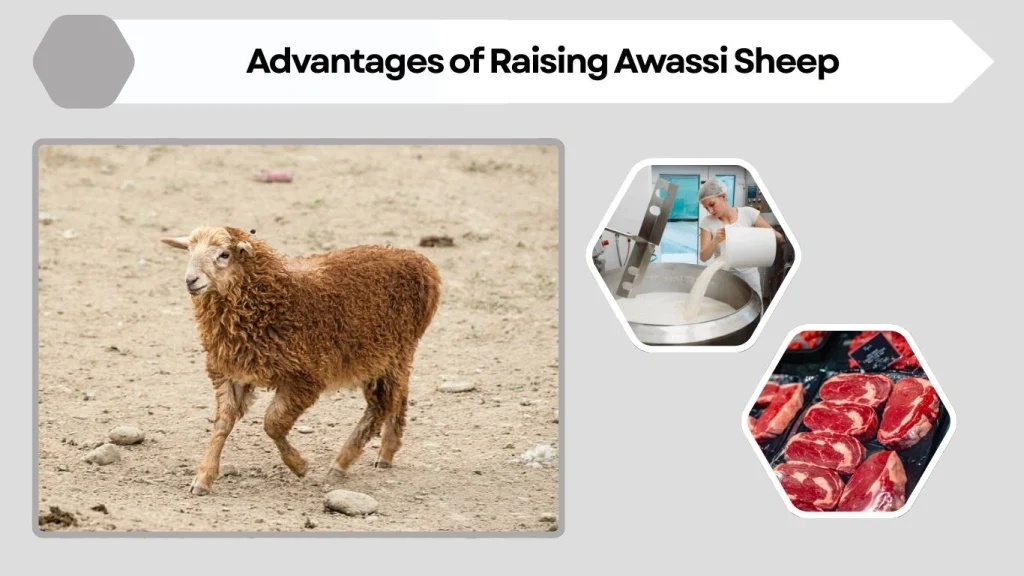
Awassi sheep offer several benefits that make them a valuable breed for farmers.
High Milk Production
Their excellent dairy ability makes them one of the best breeds for sheep milk production.
Strong Adaptability
Awassi sheep can survive in harsh environments, including hot and dry regions.
Dual-Purpose Production
They provide both milk and meat, making them a versatile breed for livestock farming.
Hardy and Resilient
Their fat tail and strong body structure allow them to survive periods of limited food availability.
Conclusion
Awassi sheep are one of the most valuable and productive sheep breeds in the world. Their high milk production, strong adaptability, and large body size make them ideal for farming in dry and semi-arid regions. In addition to providing milk, they also produce meat and wool, making them a versatile livestock breed. With proper feeding, housing, and health care, Awassi sheep can provide sustainable income and reliable production for farmers.