


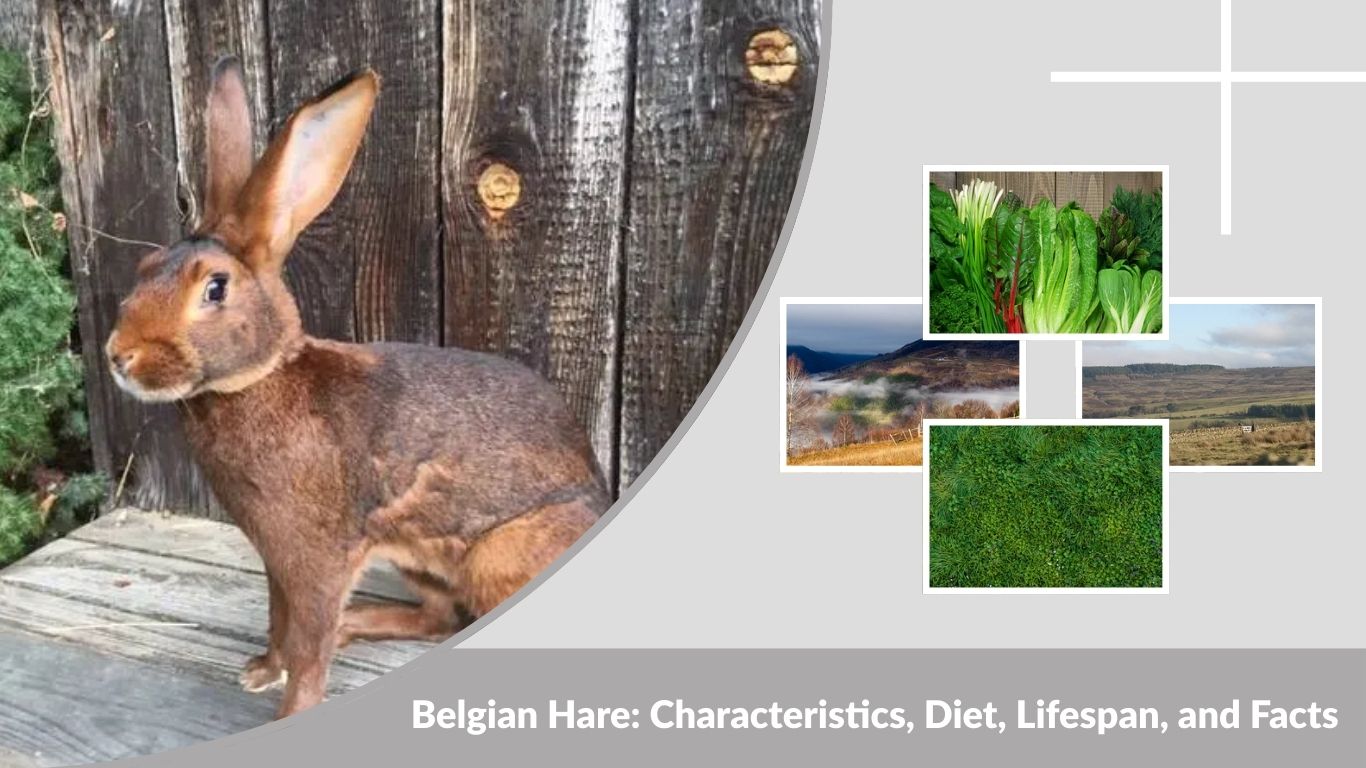
The Belgian hare is a unique domestic rabbit breed known for its slim body, long legs, and graceful appearance that closely resembles a wild hare. Despite its name, the Belgian hare is not a true hare but a breed of domestic rabbit derived from the European rabbit (Oryctolagus cuniculus). This breed was developed in Belgium during the 19th century and quickly gained popularity for its athletic build and elegant look. Today, Belgian hares are admired by rabbit enthusiasts for their beauty, energy, and distinctive characteristics.
What Is a Belgian Hare?
The Belgian hare is a domestic rabbit breed that was carefully developed to mimic the appearance of wild hares. Breeders selected rabbits with long bodies, arched backs, and reddish fur to create an animal that looked similar to a hare but retained the traits of a rabbit.
Although the Belgian hare resembles a wild animal, it is fully domesticated and often raised for exhibitions, breeding programs, and sometimes as a pet.
Origin and History
The Belgian hare breed originated in Belgium during the early 1800s. Breeders crossed several domestic rabbit varieties to produce a rabbit that resembled the European brown hare.
During the late 19th century, the breed became very popular in England, where breeders refined its appearance. From England, the Belgian hare was introduced to North America, where it gained recognition in rabbit shows and breeding programs.
In the late 1800s and early 1900s, the breed even experienced a “Belgian Hare Boom,” when people began raising these rabbits for meat and commercial breeding.
Scientific Classification
Although called a hare, the Belgian hare is scientifically classified as a domestic rabbit.
- Scientific name: Oryctolagus cuniculus
- Family: Leporidae
- Order: Lagomorpha
- Breed type: Domestic rabbit
This classification shows that the Belgian hare is closely related to other domestic rabbit breeds rather than true hares.
Purpose of the Breed
The Belgian hare was originally developed for multiple purposes.
Some of the early reasons for breeding this rabbit included:
- Meat production
- Exhibition and show competitions
- Selective breeding programs
Today, the Belgian hare is mainly raised by rabbit enthusiasts and breeders who appreciate its elegant appearance and energetic personality.
Belgian Hare Identification
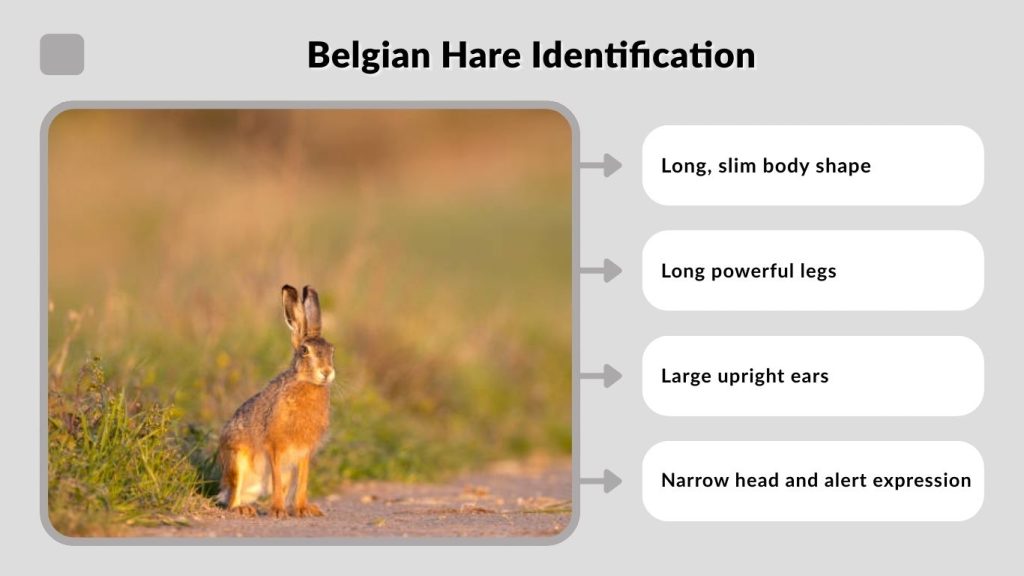
The Belgian hare has several distinctive physical features that make it easy to recognize. Its body structure is very different from many other domestic rabbit breeds.
Physical Characteristics
Belgian hares are known for their long, slender bodies and athletic build. These traits give them an appearance similar to wild hares.
Common physical characteristics include:
- Long, slim body shape
- Arched back that resembles a running hare
- Long powerful legs
- Large upright ears
- Narrow head and alert expression
These features make the Belgian hare appear more agile and energetic than many other rabbit breeds.
Coat and Color
One of the most striking features of the Belgian hare is its beautiful coat.
The breed typically has:
- A short, glossy coat
- Rich reddish-brown or chestnut color
- Fine black ticking throughout the fur
The glossy fur enhances the rabbit’s elegant appearance and makes it stand out in rabbit shows.
Size and Weight
Belgian hares are considered medium-sized rabbits, but they appear larger because of their long bodies and legs.
Typical measurements include:
- Average weight: about 2.5–4 kilograms
- Body structure: lean and muscular
- Posture: arched back with long legs
Unlike some domestic rabbit breeds that have round bodies, Belgian hares have a slender and athletic shape designed for speed and agility.
Belgian Hare Habitat
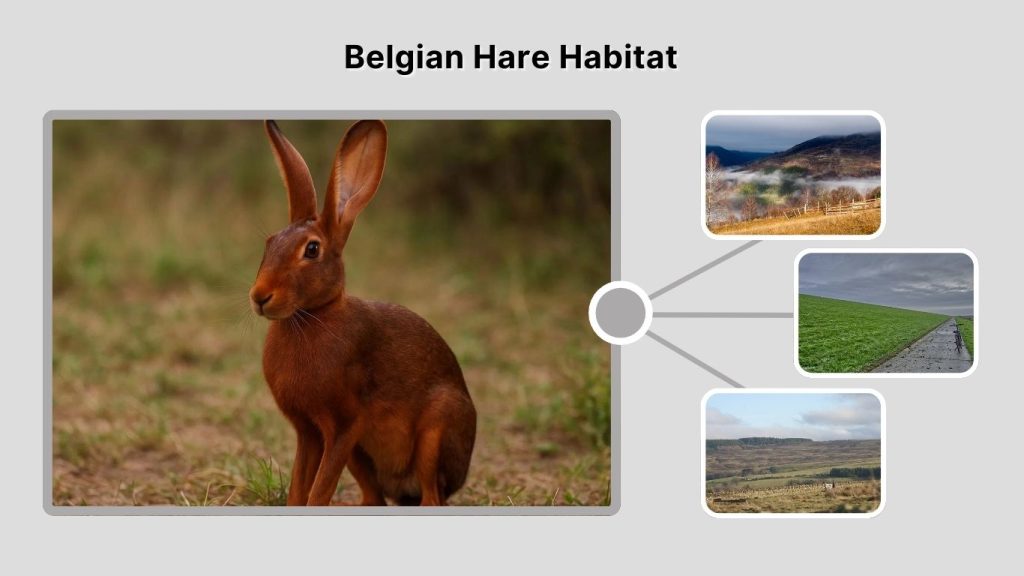
Since the Belgian hare is a domestic rabbit breed, it usually lives in environments created by humans rather than natural wild habitats.
Domestic Habitat
Belgian hares are commonly kept in rabbit hutches, outdoor enclosures, or indoor spaces designed specifically for rabbits.
A proper living environment usually includes:
- A spacious enclosure or hutch
- Good ventilation
- Protection from extreme weather
- Comfortable bedding material
Providing a clean and safe habitat is important for maintaining the health of the rabbit.
Ideal Living Conditions
Belgian hares are an active breed, so they require more space than many other domestic rabbits.
Ideal living conditions include:
- Plenty of room for movement
- Clean bedding such as straw or hay
- Fresh water available at all times
- Protection from predators and harsh temperatures
Because of their energetic nature, Belgian hares benefit from environments where they can move freely.
Activity Needs
Unlike some calm rabbit breeds, Belgian hares are highly active and energetic. They enjoy running, exploring, and jumping.
To stay healthy, they require:
- Regular exercise
- Large enclosures or play areas
- Mental stimulation and activity
Without enough space and movement, these rabbits may become stressed or unhealthy.
Belgian Hare Diet
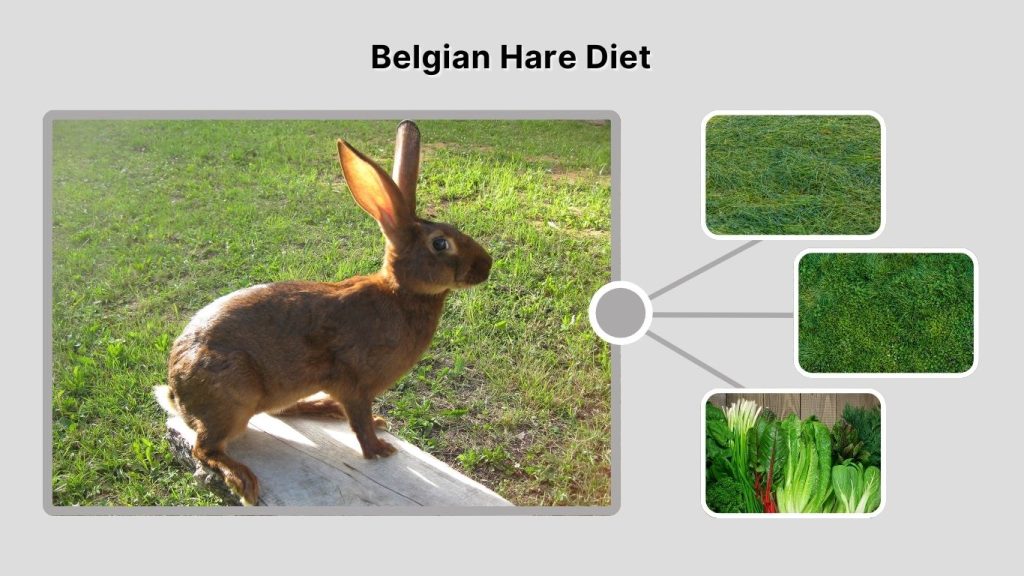
The Belgian hare diet is similar to that of most domestic rabbits. As herbivores, they rely on plant-based foods that provide fiber and essential nutrients.
What Do Belgian Hares Eat?
Common foods in their diet include:
- Fresh hay
- Grass
- Leafy vegetables
- Rabbit pellets
- Fresh water
Hay is particularly important because it supports healthy digestion and helps maintain proper dental health.
Nutritional Needs
Belgian hares require a balanced diet rich in fiber to stay healthy. High-fiber foods help support their digestive system, which is specially adapted for plant-based diets.
A healthy diet usually includes:
- High-quality hay as the main food source
- Fresh vegetables for vitamins and minerals
- Limited pellets for additional nutrients
Providing a balanced diet helps maintain the rabbit’s energy levels and overall health.
Feeding Behavior
Belgian hares naturally follow a grazing pattern, meaning they eat small amounts of food throughout the day.
This behavior is similar to that of wild rabbits and helps keep their digestive system functioning properly.
They often prefer to eat during early morning and evening hours, which matches the natural feeding patterns of many rabbit species.
Belgian Hare Lifespan
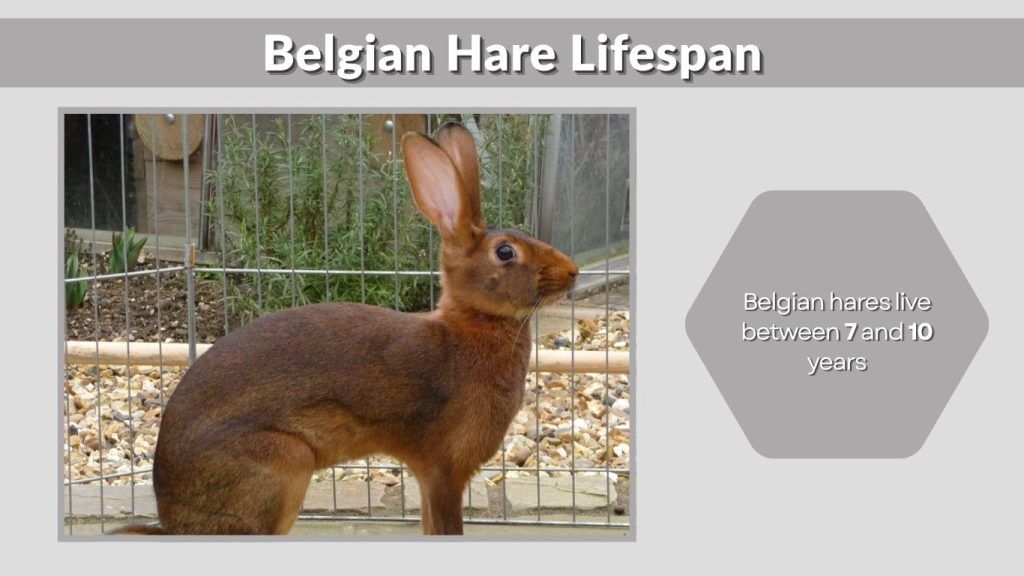
The Belgian hare lifespan is similar to that of many domestic rabbit breeds. With proper care, nutrition, and a clean environment, these rabbits can live for several years.
Average Lifespan
On average, Belgian hares live between 7 and 10 years. However, their lifespan may vary depending on living conditions, diet, and health care.
Rabbits that receive proper attention and regular care tend to live longer than those kept in poor conditions.
Factors Affecting Lifespan
Several factors can influence how long a Belgian hare lives:
- Diet: A balanced diet rich in fiber helps maintain good health.
- Housing conditions: Clean and spacious habitats reduce stress and disease.
- Exercise: Regular activity keeps the rabbit physically fit.
- Veterinary care: Regular health checks help prevent illnesses.
Providing a healthy environment and proper nutrition can significantly improve a Belgian hare’s quality of life.
Belgian Hare Temperament and Behavior
The Belgian hare is known for its active and energetic personality. Compared with many other rabbit breeds, it is more alert and agile.
Personality Traits
Belgian hares often display several unique personality characteristics:
- Active and energetic
- Alert and intelligent
- Curious about their surroundings
- Sensitive and easily startled
Because of their alert nature, they may react quickly to sudden movements or loud noises.
Social Behavior
Although Belgian hares can bond with humans, they may be more independent than some other domestic rabbit breeds.
They often enjoy interaction but may need time to feel comfortable with new people. Gentle handling and patience help build trust with this breed.
Activity Level
Belgian hares are considered one of the most active rabbit breeds. They enjoy running, jumping, and exploring their environment.
Because of this high activity level, they benefit from:
- Large enclosures
- Exercise areas
- Toys or objects for stimulation
Providing enough space and activity helps prevent boredom and promotes good health.
Interesting Belgian Hare Facts
There are many interesting facts about the Belgian hare that make it stand out among rabbit breeds.
- The Belgian hare was developed to resemble a wild hare while remaining a domestic rabbit.
- It became extremely popular during the “Belgian Hare Boom” in the late 1800s.
- The breed is known for its graceful and athletic appearance.
- Belgian hares are often featured in rabbit shows and exhibitions.
- Their arched body shape is unique compared with most other domestic rabbit breeds.
These characteristics make the Belgian hare a favorite among rabbit breeders and enthusiasts.
Belgian Hare vs True Hare
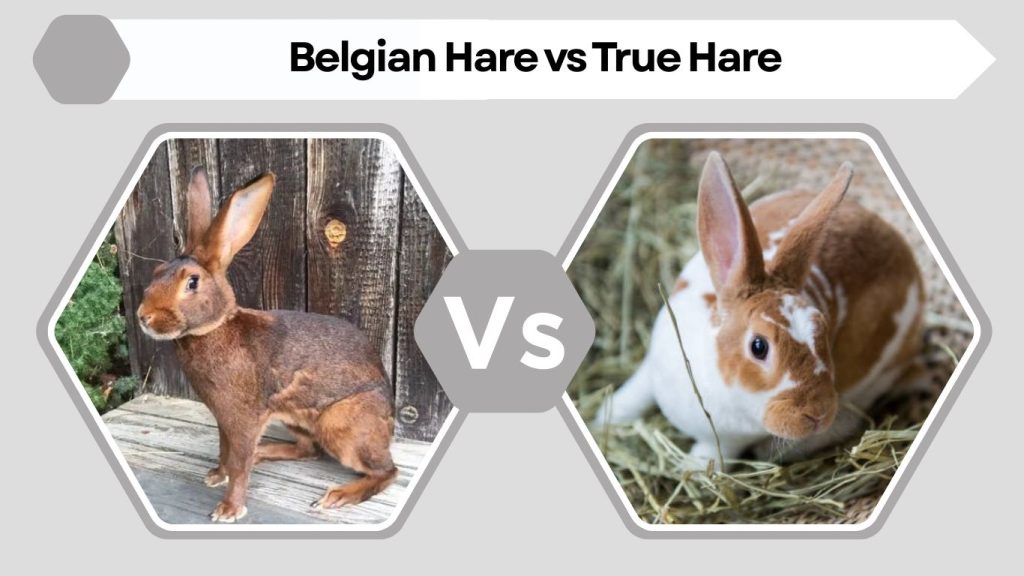
Despite its name, the Belgian hare is not a true hare. There are important differences between Belgian hares and wild hare species.
Domestic Rabbit vs Wild Hare
The Belgian hare is a domestic rabbit breed, while true hares belong to the genus Lepus.
Some differences include:
- Belgian hare: Domestic rabbit breed derived from Oryctolagus cuniculus
- True hare: Wild animal species belonging to the genus Lepus
Physical and Behavioral Differences
Although Belgian hares were bred to resemble wild hares, they still have characteristics of rabbits.
Key differences include:
- True hares are generally larger and faster.
- Hares are wild animals, while Belgian hares are domesticated.
- Domestic rabbits are usually more adaptable to human care.
This distinction explains why the Belgian hare is considered a rabbit breed despite its name.
Role in Rabbit Breeding and Shows
The Belgian hare has played an important role in the history of rabbit breeding.
Because of its unique appearance and elegant posture, the breed became very popular in rabbit exhibitions.
Importance in Rabbit Shows
Belgian hares are often displayed in rabbit shows where judges evaluate their:
- Body shape
- Fur quality
- Color pattern
- Overall health
Their long, slender body and glossy coat make them particularly attractive in competitions.
Influence on Rabbit Breeding
The Belgian hare also influenced the development of other rabbit breeds. Breeders admired its athletic structure and distinctive coat color, which encouraged further selective breeding programs.
Today, the breed remains an important part of rabbit breeding culture and exhibition events.
Conclusion
The Belgian hare is a remarkable domestic rabbit breed known for its elegant appearance, athletic build, and energetic personality. Developed in Belgium during the 19th century, it was carefully bred to resemble wild hares while remaining a domesticated rabbit. From its glossy reddish coat and slender body to its active temperament, the Belgian hare stands out among rabbit breeds. With proper care, a balanced diet, and adequate space for exercise, these rabbits can live healthy lives and continue to be appreciated by rabbit enthusiasts around the world.