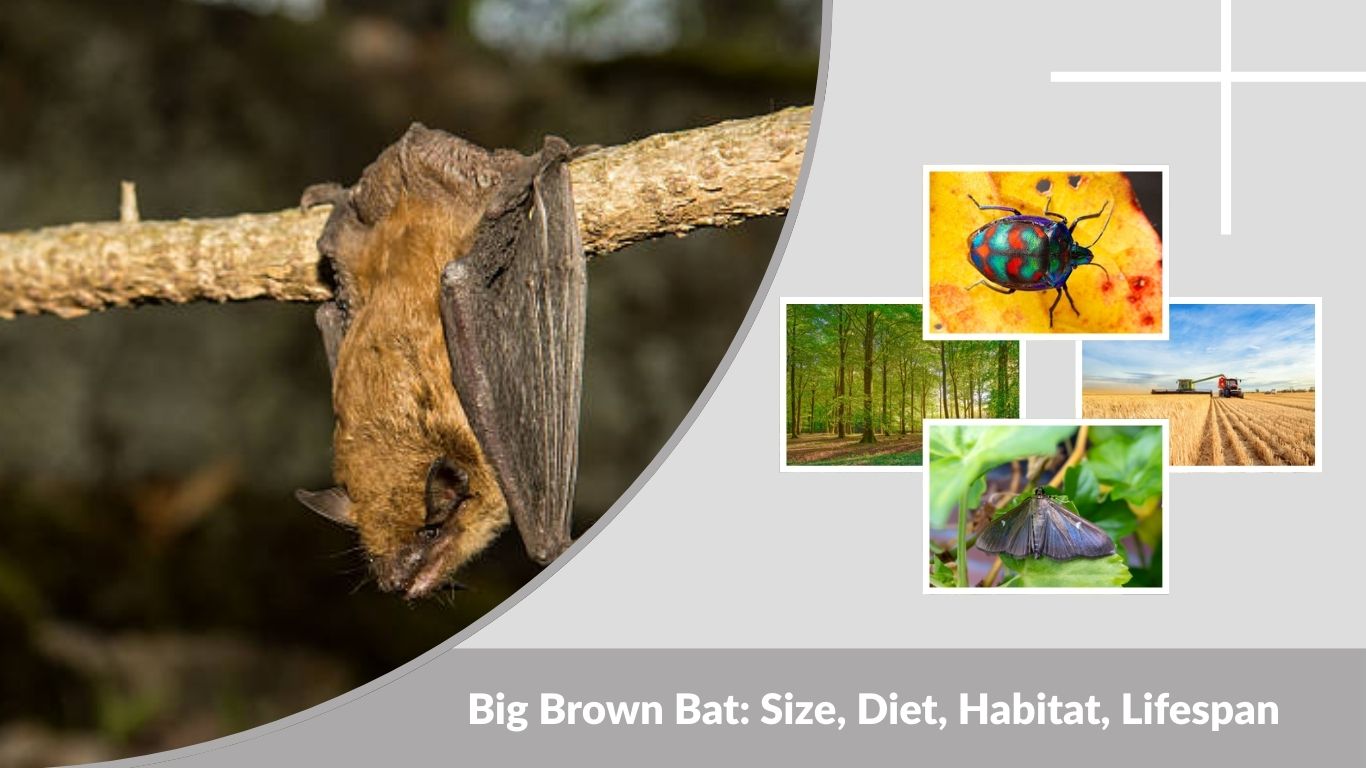
The big brown bat (Eptesicus fuscus) is one of the most widespread and recognizable bat species in North America. Known for its strong flight and adaptability, this bat thrives in a variety of environments, including forests, farms, and urban areas. Big brown bats play an important ecological role because they consume large numbers of insects each night, helping to control agricultural pests naturally. Although they may look similar to other bats, their larger size and feeding habits make them unique among North American bat species.
What Is a Big Brown Bat?
The big brown bat is a medium-to-large insect-eating bat belonging to the family Vespertilionidae, often called evening bats. It is known for its hardy nature and ability to survive in environments where many other bat species struggle. Because of their adaptability, big brown bats are frequently found living close to humans.
Scientific Classification
The big brown bat belongs to the following scientific classification:
- Kingdom: Animalia
- Phylum: Chordata
- Class: Mammalia
- Order: Chiroptera
- Family: Vespertilionidae
- Genus: Eptesicus
- Species: Eptesicus fuscus
The species name fuscus means “dark” or “brownish,” reflecting the bat’s characteristic fur color.
Big Brown Bat Identification
Big brown bats can be identified by their sturdy body, broad wings, and dark brown fur. Their fur typically ranges from rich brown to reddish-brown, while their wings and face are usually darker.
Key identification features include:
- Broad wings suited for steady flight
- Rounded ears with a short tragus (a small projection inside the ear)
- A short, blunt snout
- Dark wing membranes
Compared to many other bats, the big brown bat has a heavier and more muscular body, which helps it capture larger insects such as beetles.
Big Brown Bat Size
As the name suggests, the big brown bat is larger than many common bat species.
Typical size measurements include:
- Body length: 9–13 cm (about 3.5–5 inches)
- Wingspan: 32–35 cm (12–14 inches)
- Weight: 14–25 grams
Although they are called “big,” they are still relatively small mammals. However, when compared to species like the little brown bat, they appear noticeably larger and stronger.
Big Brown Bat Habitat
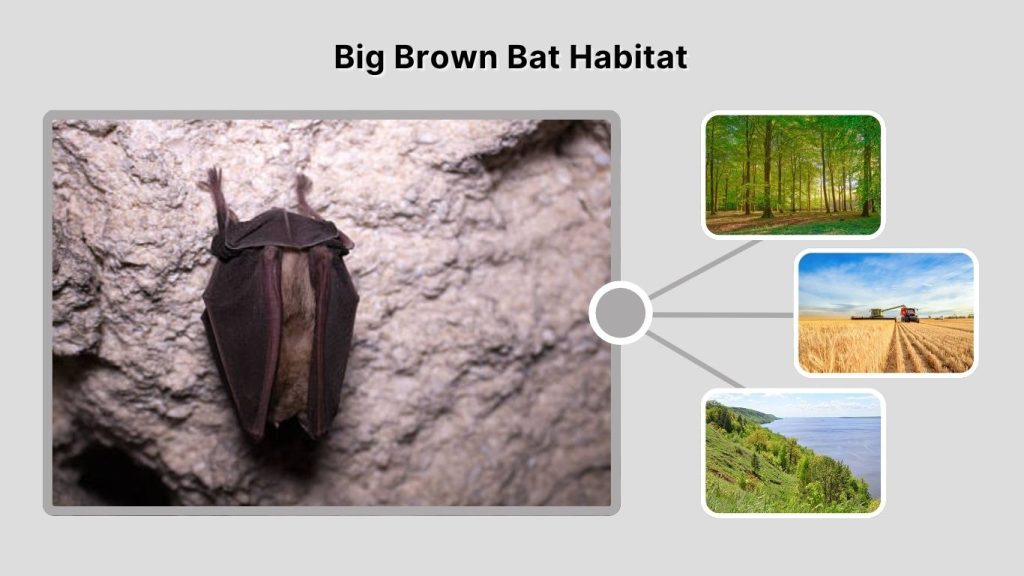
Big brown bats are extremely adaptable and can live in a wide range of habitats. Their ability to adjust to human environments has helped them maintain stable populations in many regions.
Geographic Distribution
Big brown bats are widely distributed throughout North America. Their range includes:
- Most of the United States
- Canada
- Parts of Mexico
- Some areas of Central America
Because they tolerate different climates, they can live in both northern and southern regions of the continent.
Preferred Habitats
Big brown bats are commonly found in areas where insects are abundant. They prefer environments that provide both feeding opportunities and safe roosting sites.
Typical habitats include:
- Forests
- Farmland and agricultural areas
- Wetlands and river valleys
- Urban and suburban environments
These bats often hunt above open spaces such as fields and water bodies where insects are plentiful.
Roosting Locations
During the daytime, big brown bats rest in sheltered locations called roosts. These places protect them from predators and harsh weather conditions.
Natural roosting sites include:
- Hollow trees
- Rock crevices
- Caves
However, big brown bats frequently use human structures as well. They may roost in:
- Attics
- Barns
- Bridges
- Wall cavities in buildings
In summer, female bats gather in maternity colonies where they raise their young together. These colonies can contain dozens or sometimes hundreds of individuals.
Big Brown Bat Diet
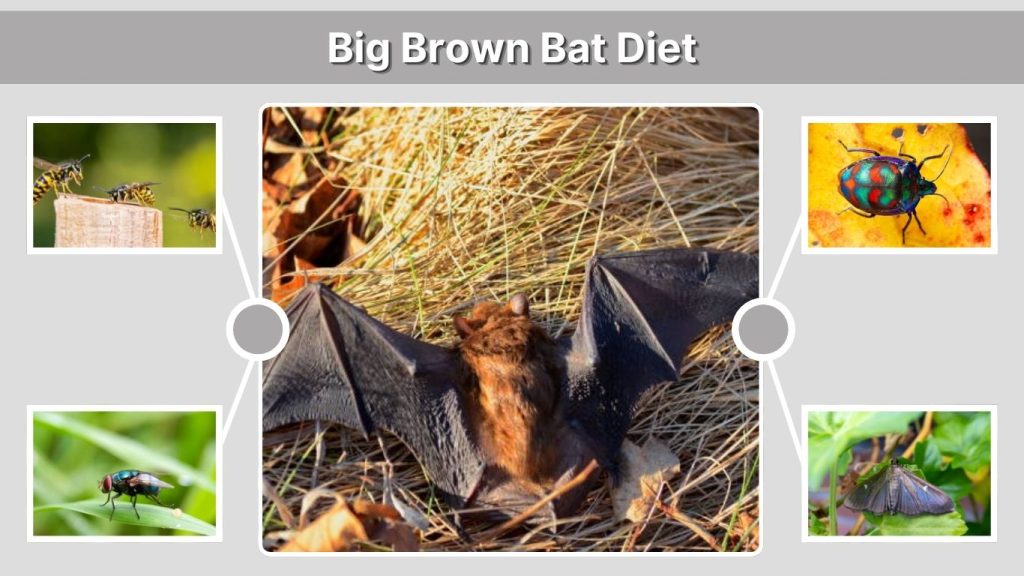
Big brown bats are insectivores, meaning their diet consists mainly of insects. Their feeding habits make them extremely valuable for natural pest control.
What Do Big Brown Bats Eat?
Unlike some bats that focus on tiny insects, big brown bats often prey on larger, hard-shelled insects.
Their common food sources include:
- Beetles
- Moths
- Wasps
- Flies
- Other flying insects
Beetles are particularly important in their diet. Their strong jaws allow them to crush the tough shells of these insects.
Hunting Behavior
Big brown bats are nocturnal hunters, meaning they search for food at night. They leave their roost shortly after sunset and begin hunting in open areas where insects gather.
They locate prey using echolocation, a system in which bats emit high-frequency sound waves that bounce off objects. By interpreting the returning echoes, they can determine the size, distance, and movement of their prey.
This ability allows them to:
- Hunt in complete darkness
- Avoid obstacles while flying
- Capture fast-moving insects in midair
Their strong and steady flight style makes them particularly effective at catching larger insects.
Big Brown Bat Behavior and Lifestyle
Big brown bats have unique behaviors that help them survive in different environments. Their daily activities revolve around hunting insects at night and resting during the day. Because they are adaptable and resilient, they can thrive in both natural and urban habitats.
Nocturnal Activity
Big brown bats are nocturnal, meaning they are active mainly at night. They usually leave their roosts shortly after sunset to begin hunting for insects. Most of their feeding activity occurs during the early hours of the night when insect populations are highest.
During the day, they remain hidden in dark and quiet roosting locations to conserve energy and avoid predators such as hawks, owls, and snakes.
Social Structure
These bats often live in groups, particularly during the warmer months. Female big brown bats form maternity colonies, where many mothers gather together to give birth and raise their young.
Male bats usually live alone or in smaller groups during summer. Living in colonies helps maintain warmth and provides protection for newborn pups.
Flight and Movement
Big brown bats are known for their powerful and steady flight. Unlike some smaller bats that fly quickly and erratically, big brown bats use slower but stronger wing beats.
This type of flight allows them to:
- Catch larger insects
- Travel long distances while hunting
- Maneuver efficiently through open spaces
Their strong flight is one reason they are successful predators of beetles and other hard-bodied insects.
Reproduction and Life Cycle
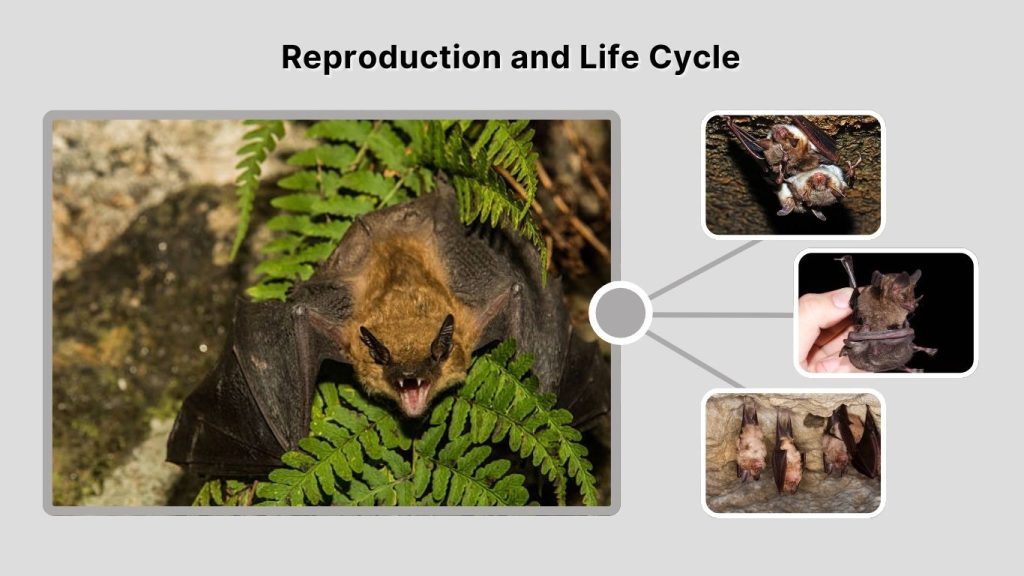
The reproductive cycle of big brown bats follows seasonal patterns that ensure their young are born when food is abundant.
Mating Season
Big brown bats typically mate during late summer and early autumn. During this time, bats gather in larger groups at caves or other roosting locations.
Female bats store sperm throughout the winter months, delaying fertilization until spring.
Pregnancy and Birth
Fertilization occurs after bats emerge from hibernation in spring. The pregnancy period lasts about 50 to 60 days.
Female big brown bats usually give birth to one or two pups, most often twins. Birth typically occurs in late spring or early summer, when insects are plentiful.
Development of Young
Baby bats are born small, hairless, and unable to fly. They rely entirely on their mothers for warmth and nourishment.
Young bats grow rapidly and usually learn to fly within three to five weeks. Once they can fly, they begin learning to hunt insects and gradually become independent.
Big Brown Bat Lifespan
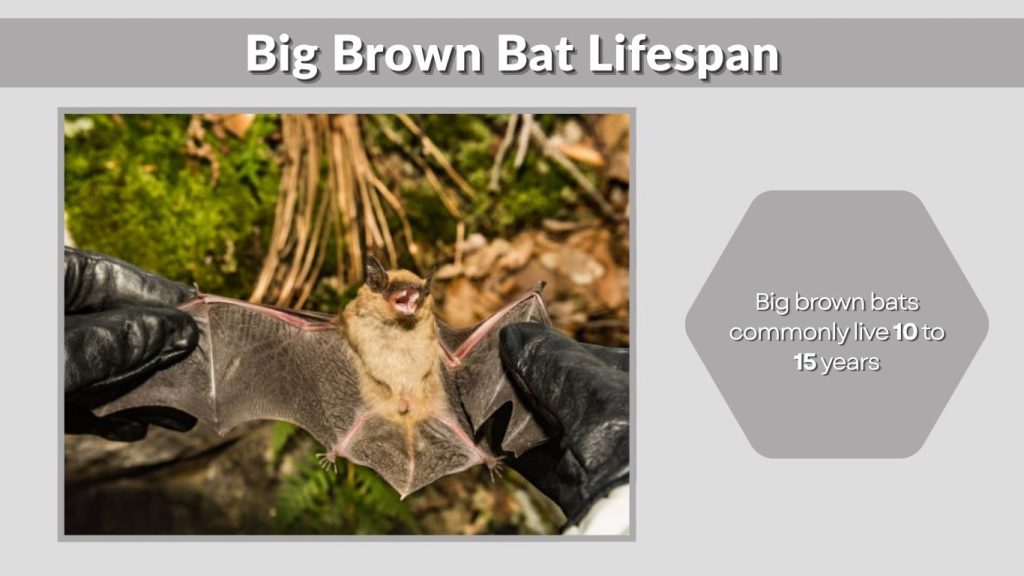
The lifespan of big brown bats is relatively long compared to many small mammals.
Average Lifespan
In the wild, big brown bats commonly live 10 to 15 years, although many individuals survive longer depending on environmental conditions.
Longevity Records
Some big brown bats have been recorded living nearly 20 years or more in the wild. Their slow metabolism and hibernation habits contribute to their longer lifespan.
Factors Affecting Lifespan
Several factors influence how long big brown bats live, including:
- Predators
- Disease
- Habitat quality
- Food availability
- Human disturbance
Protection of roosting areas and food sources plays an important role in bat survival.
Little Brown Bat vs Big Brown Bat
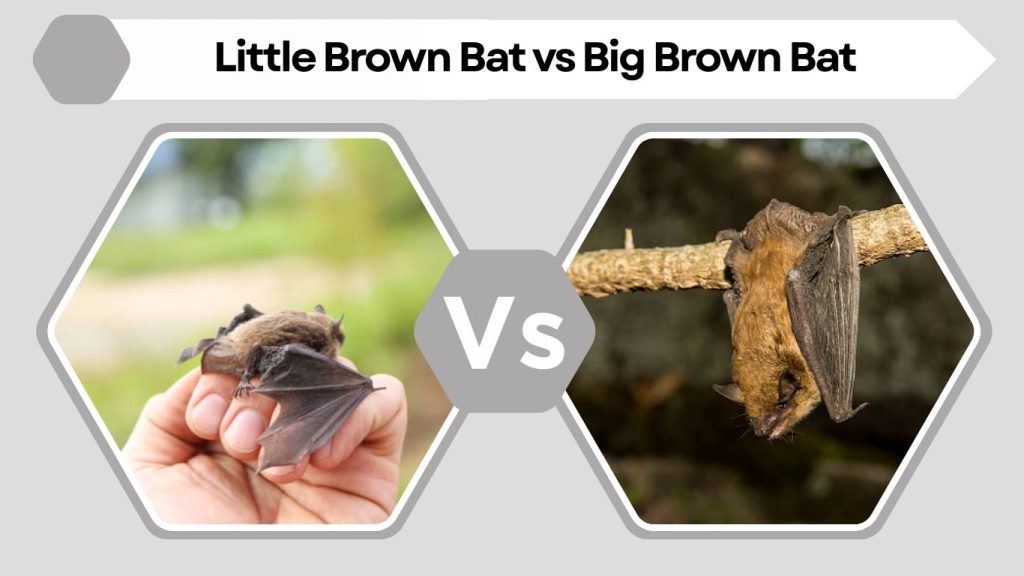
Many people confuse the big brown bat with the little brown bat, but there are several noticeable differences between these two species.
Size Differences
The most obvious difference is size. Big brown bats are significantly larger and heavier than little brown bats.
- Big Brown Bat: Larger body and broader wings
- Little Brown Bat: Smaller and lighter body
Physical Appearance
Big brown bats usually have darker and thicker fur, while little brown bats often appear slightly lighter in color. Big brown bats also have a stronger and more muscular body shape.
Habitat and Behavior Differences
Although both species can live near humans, big brown bats are often more tolerant of urban environments. Little brown bats are more commonly found near water sources and forested areas.
Diet Differences
Big brown bats specialize in eating hard-bodied insects like beetles, while little brown bats often feed more on mosquitoes, flies, and moths.
Threats to Big Brown Bats
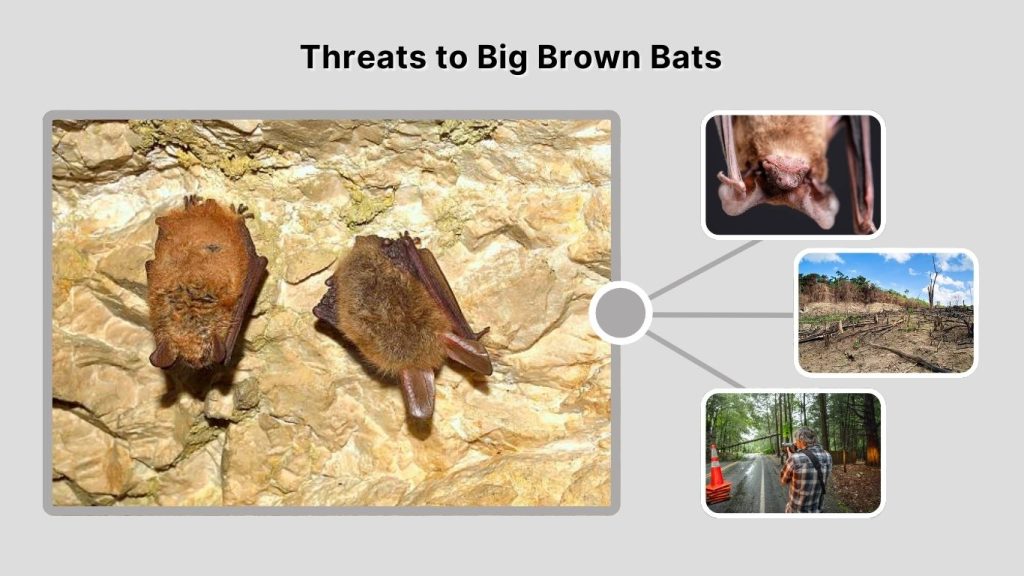
Although big brown bats remain relatively common, they still face several threats that can affect their populations.
White-Nose Syndrome
White-nose syndrome is a fungal disease that has caused serious declines in many bat species. It disrupts hibernation and causes bats to wake up too frequently during winter, leading to energy loss and starvation.
Habitat Loss
Urban expansion, deforestation, and the destruction of old buildings can remove important roosting sites. Without safe places to rest and reproduce, bat populations may decline.
Human Disturbance
Human disturbance, including cave exploration and pesticide use, can harm bat populations. Pesticides reduce insect populations and may also poison bats indirectly.
Interesting Big Brown Bat Facts
Big brown bats have several fascinating characteristics:
- They can eat thousands of insects in a single night.
- Their strong jaws allow them to crush hard-shelled beetles.
- They can survive cold winters by hibernating in protected locations.
- Big brown bats are among the most commonly encountered bats in North America.
- They play an important role in natural pest control for agriculture.
Conclusion
The big brown bat is an important species that contributes greatly to maintaining ecological balance. By feeding on large numbers of insects, these bats help control pest populations and support healthy ecosystems. Their adaptability allows them to live in many environments, including areas close to humans. Although they face threats such as disease and habitat loss, conservation efforts and increased awareness can help protect these valuable animals. Understanding the role of big brown bats encourages greater appreciation for their importance in nature.