
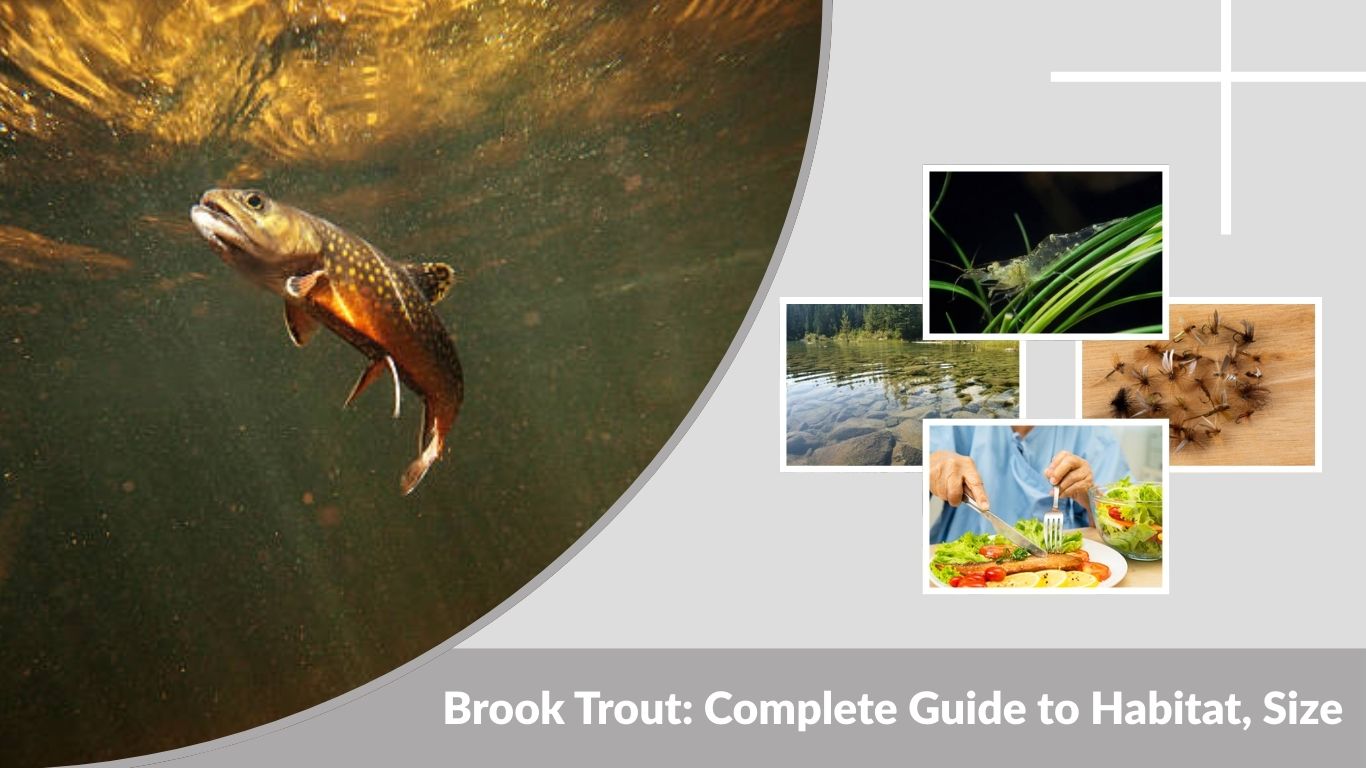
Brook trout are among the most beautiful freshwater fish in North America. Known for their vibrant colors and distinctive markings, the brook trout fish is a favorite for anglers and nature enthusiasts alike. Despite the name, brook trout are not true trout but members of the char family. Native to eastern North America, they thrive in cold, clean waters. In this guide, you’ll discover essential brook trout facts, including habitat, size, and feeding behavior.
What Is a Brook Trout?
The brook trout (Salvelinus fontinalis) belongs to the Salmonidae family, but it is technically a char, closely related to lake trout and Arctic char rather than brown or rainbow trout.
Identifying Features
Brook trout are easily recognized by their striking appearance. Their bodies are dark green to brown with a unique brook trout pattern of light, worm-like markings called vermiculations across their back.
They also feature small red spots surrounded by blue halos along their sides. During spawning season, males become even more colorful, displaying bright orange bellies.
The brook trout head is relatively small with a slightly rounded snout. Their mouth extends back toward the eye, helping them catch insects and small fish. The brook trout tail is typically square or only slightly forked, which helps distinguish them from other trout species.
Their lower fins often have bright white leading edges followed by a black stripe, one of their most recognizable features.
Brook Trout Habitat
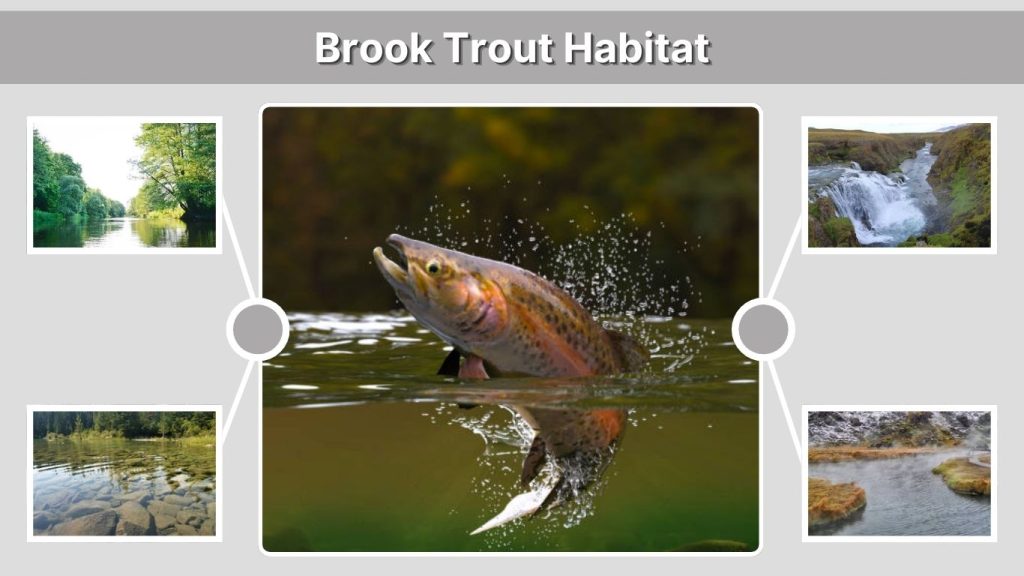
Brook trout habitat is strongly linked to cold, clean water. They are highly sensitive to pollution and temperature changes, making them an indicator species for healthy ecosystems.
Natural Habitat
Brook trout prefer:
- Cold mountain streams
- Spring-fed creeks
- Small rivers
- Clear, cool lakes
They are often found in shallow headwater streams with gravel bottoms and plenty of shade from surrounding trees. In lakes, they tend to occupy cooler, deeper sections during warmer months.
Water Requirements
Brook trout require water temperatures below 68°F (20°C), with optimal conditions between 50°F and 60°F (10°C–15°C). They also need high oxygen levels and minimal sediment in the water.
Because they are less tolerant of warm temperatures than brown trout, brook trout populations decline quickly when water quality deteriorates.
Geographic Distribution
Brook trout are native to:
- Eastern United States
- Appalachian Mountains
- Eastern Canada
They have also been introduced to parts of the western United States and other countries. However, in some areas, introduced species like brown trout have reduced native brook trout populations through competition.
Brook Trout Size and Weight
Brook trout size varies greatly depending on habitat and food availability.
Brook Trout Average Size
In small streams, the brook trout average size is typically:
- Length: 6–12 inches
- Weight: Less than 1 pound
Limited food resources in headwater streams often keep them relatively small.
Maximum Size
In larger lakes with abundant prey, brook trout weight can reach 5–10 pounds or more. Lake-dwelling brook trout, sometimes called “coasters,” grow significantly larger than stream populations.
Growth depends on:
- Food supply
- Water temperature
- Habitat space
- Competition with other species
Brook trout in productive lakes generally grow faster and live longer than those in small creeks.
What Do Brook Trout Eat?
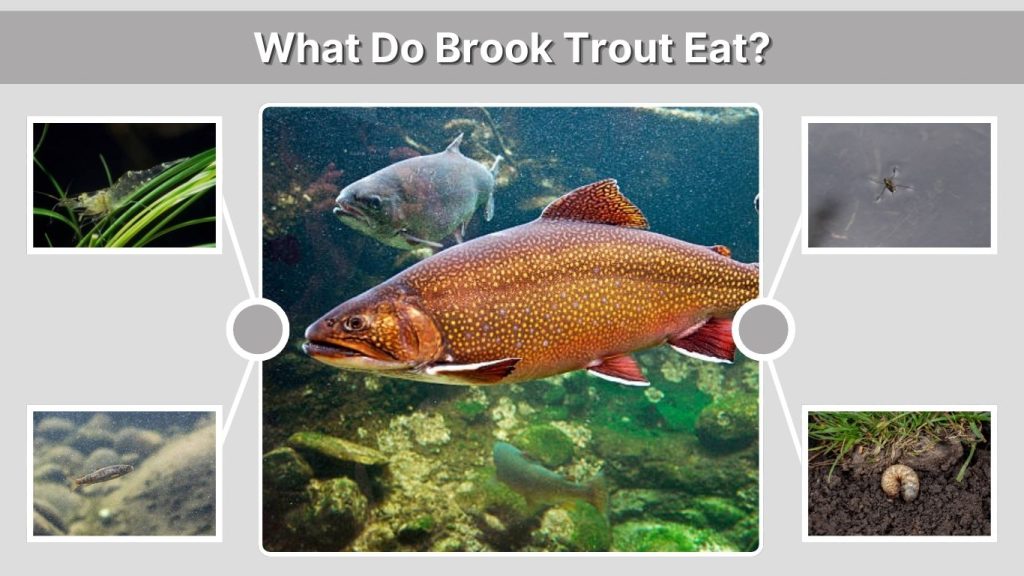
If you’re wondering what do brook trout eat, their diet mainly consists of small aquatic organisms.
Natural Diet
Brook trout commonly feed on:
- Aquatic insects (mayflies, caddisflies, stoneflies)
- Insect larvae
- Small crustaceans
- Terrestrial insects that fall into the water
- Small fish (larger individuals)
Young brook trout baby fish, known as fry, begin feeding on plankton and tiny aquatic insects. As they grow, they expand their diet to include larger prey.
Feeding Behavior
Brook trout are opportunistic feeders. In streams, they often hold position behind rocks or logs and wait for food to drift toward them. During insect hatches, they may rise to the surface to feed actively.
Because they live in clear water, brook trout can be cautious and easily spooked, especially in shallow streams.
Brook Trout Lifespan and Life Cycle
The brook trout lifespan is generally shorter than that of brown trout or lake trout, especially in small stream environments.
Brook Trout Lifespan
In most streams, brook trout live about 3 to 5 years. However, in larger lakes with stable conditions and abundant food, they may live up to 7 years or more. Their lifespan depends heavily on water temperature, habitat quality, and fishing pressure.
Because they require cold, clean water, environmental changes can significantly impact survival rates.
Spawning and Brook Trout Eggs
Brook trout typically spawn in the fall, usually between September and November, when water temperatures begin to drop. Females select gravel beds in shallow water and create nests known as “redds.”
They deposit hundreds to several thousand brook trout eggs, depending on their size. Males fertilize the eggs externally, and the eggs remain buried in gravel throughout the winter.
Cold, oxygen-rich water flowing through the gravel is essential for successful egg development. The eggs hatch in late winter or early spring.
Brook Trout Baby (Fry Stage)
A brook trout baby, known as a fry, emerges from the egg carrying a yolk sac that provides nutrients during its first days of life. Once the yolk sac is absorbed, the fry begin feeding on tiny aquatic organisms.
Juvenile brook trout develop vertical markings called parr marks, which help camouflage them in shallow streams. As they mature, these markings fade, and the fish develop their characteristic spotted coloration.
Brook Trout vs Brown Trout
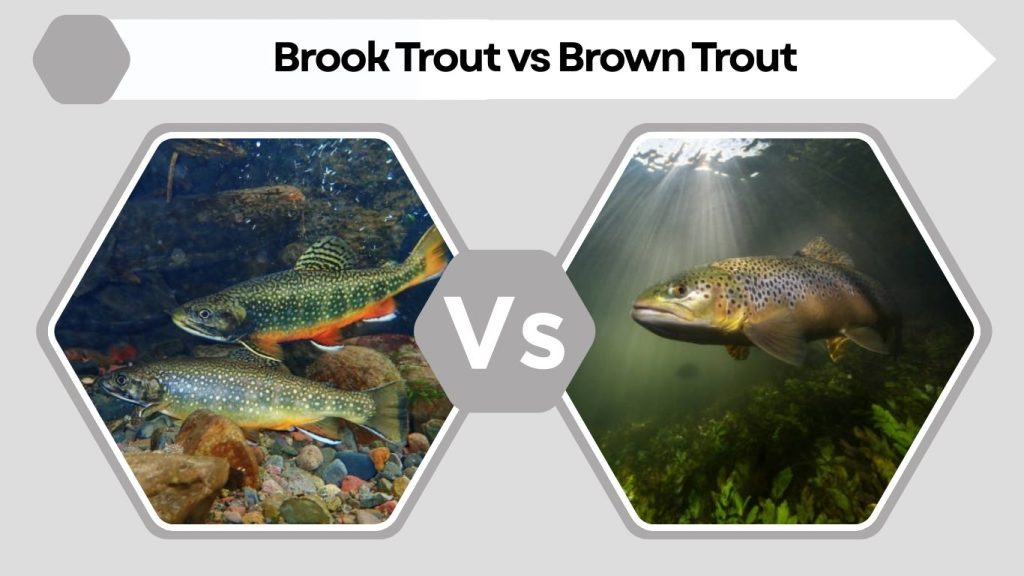
The brook trout vs brown trout comparison is common, especially among anglers.
Physical Differences
- Color: Brook trout display lighter worm-like markings and red spots with blue halos, while brown trout have darker bodies with red and black spots surrounded by pale halos.
- Fins: Brook trout have distinctive white-edged fins, which brown trout lack.
- Size: Brown trout typically grow larger than brook trout in similar environments.
Habitat Differences
Brook trout prefer colder water and are less tolerant of temperature changes. Brown trout can survive in slightly warmer water and often outcompete brook trout in shared habitats.
Behavior Differences
Brook trout are generally less aggressive than brown trout but can still be territorial. Brown trout tend to be more cautious and are often active during low-light conditions.
Brook Trout Fishing Guide
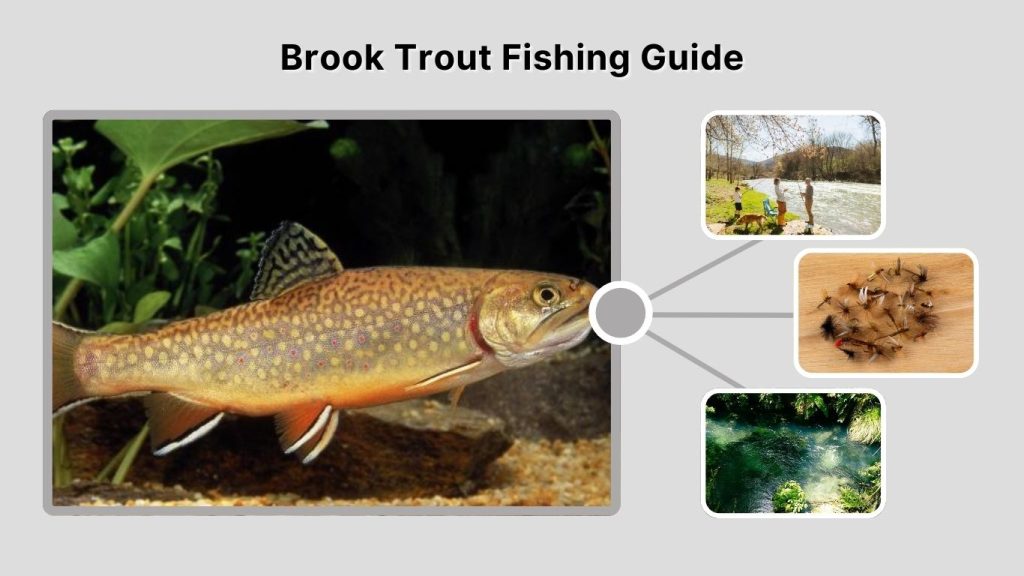
Brook trout fishing is popular due to the species’ beauty and the scenic waters they inhabit.
Best Time to Catch Brook Trout
- Spring and fall seasons
- Early morning or late evening
- During insect hatches
- Cool, overcast days
Brook trout are more active in cooler temperatures and may reduce feeding during hot summer afternoons.
Best Baits and Lures
Effective options include:
- Dry flies and nymphs (fly fishing)
- Small spinners and spoons
- Live worms
- Lightweight artificial lures
Because brook trout are often found in small streams, light tackle works best.
Where to Find Them
Look for brook trout in:
- Shallow headwater streams
- Near rocks and submerged logs
- Under overhanging vegetation
- Along shaded banks
Understanding brook trout habitat greatly improves fishing success.
Brook Trout Nutrition and Benefits
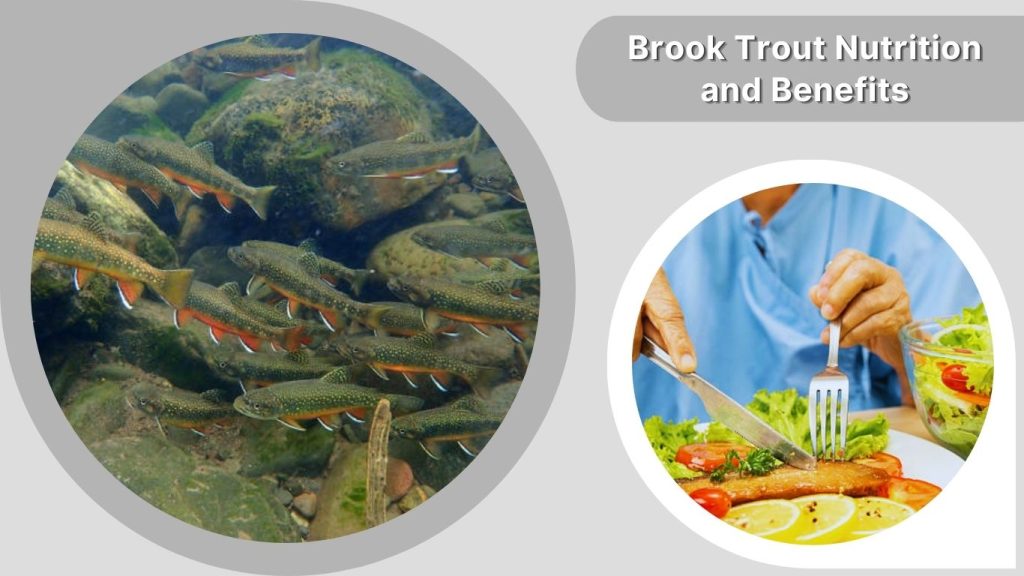
Brook trout are not only valued for sport but also as a nutritious food source.
Brook Trout Nutrition
Brook trout provide:
- High-quality protein
- Omega-3 fatty acids
- Vitamin B12
- Vitamin D
- Essential minerals like selenium
Their nutritional profile supports overall health and balanced diets.
Brook Trout Benefits
Key brook trout benefits include:
- Supporting heart health
- Promoting brain function
- Providing lean protein for muscle growth
- Offering essential vitamins with moderate fat levels
When sourced from clean waters, brook trout are considered a healthy seafood option.
Interesting Brook Trout Facts
Here are some fascinating brook trout facts:
- Brook trout are technically char, not true trout.
- They are extremely sensitive to pollution and rising water temperatures.
- They are the state fish of several U.S. states.
- Males become brightly colored during spawning season.
- Lake-dwelling brook trout can grow significantly larger than stream populations.
FAQs
What is the average size of a brook trout?
The brook trout average size in streams is typically 6 to 12 inches and weighs less than 1 pound. In larger lakes, they can grow much bigger, sometimes exceeding 5 pounds under ideal conditions.
How long do brook trout live?
The brook trout lifespan is usually 3 to 5 years in streams. In lakes with stable, cold conditions, some individuals may live 7 years or longer.
What do brook trout eat?
If you’re wondering what do brook trout eat, their diet includes aquatic insects, larvae, crustaceans, and small fish. Larger individuals may also feed on terrestrial insects that fall into the water.
Are brook trout good to eat?
Yes, brook trout are considered excellent table fare. They have mild, delicate flesh and provide strong brook trout nutrition, including protein and omega-3 fatty acids.
What is the difference between brook trout and brown trout?
In the brook trout vs brown trout comparison, brook trout have white-edged fins and worm-like back markings, while brown trout have red and black spots with pale halos and generally grow larger.