
Brown trout are one of the most respected freshwater game fish in the world. Known for their strength, intelligence, and beautiful coloration, the brown trout fish is a favorite among anglers. Native to Europe and Western Asia, this species has been introduced to rivers and lakes across North America, Australia, and New Zealand. In this guide, you’ll discover essential brown trout facts, including their habitat, size, feeding habits, and key characteristics.
What Is a Brown Trout?
The brown trout (Salmo trutta) belongs to the salmon family (Salmonidae). It is a highly adaptable species that can live entirely in freshwater or migrate to the ocean, depending on environmental conditions.
Identifying Features
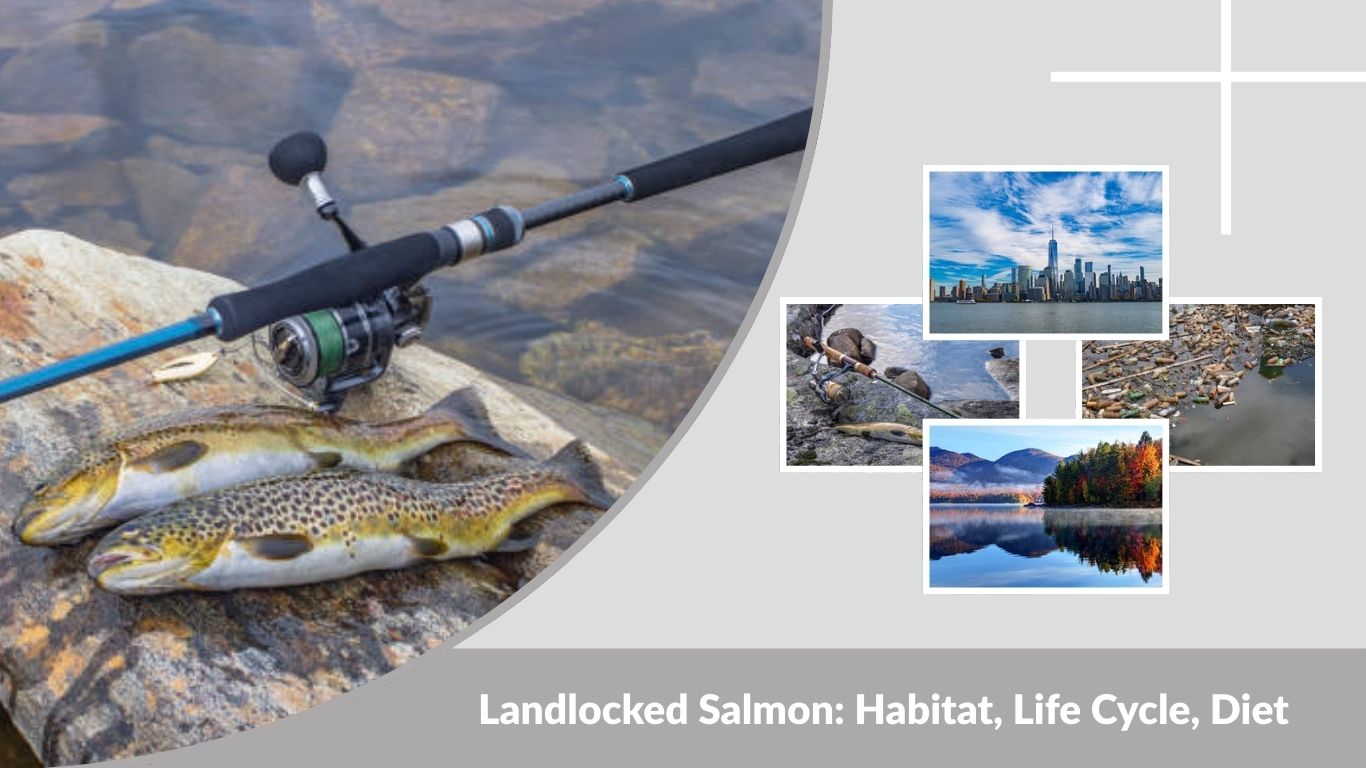
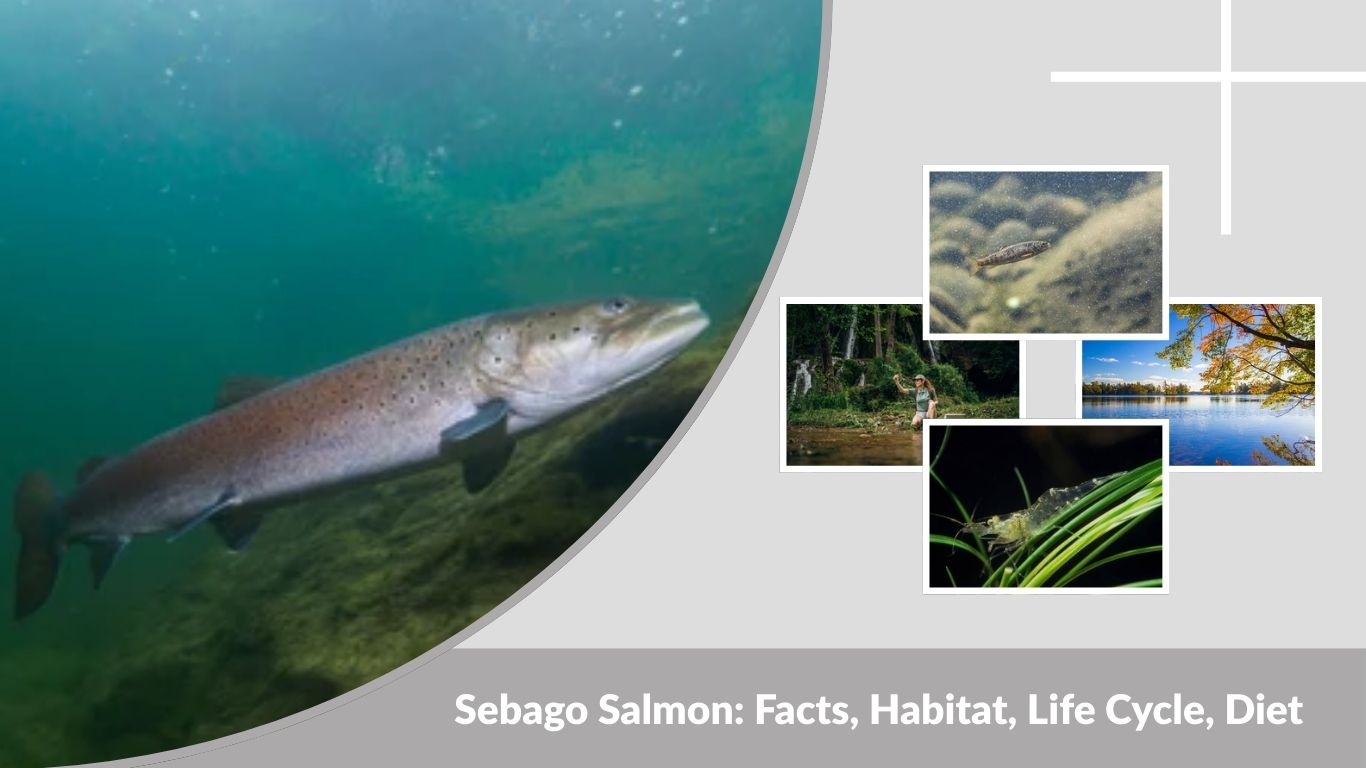
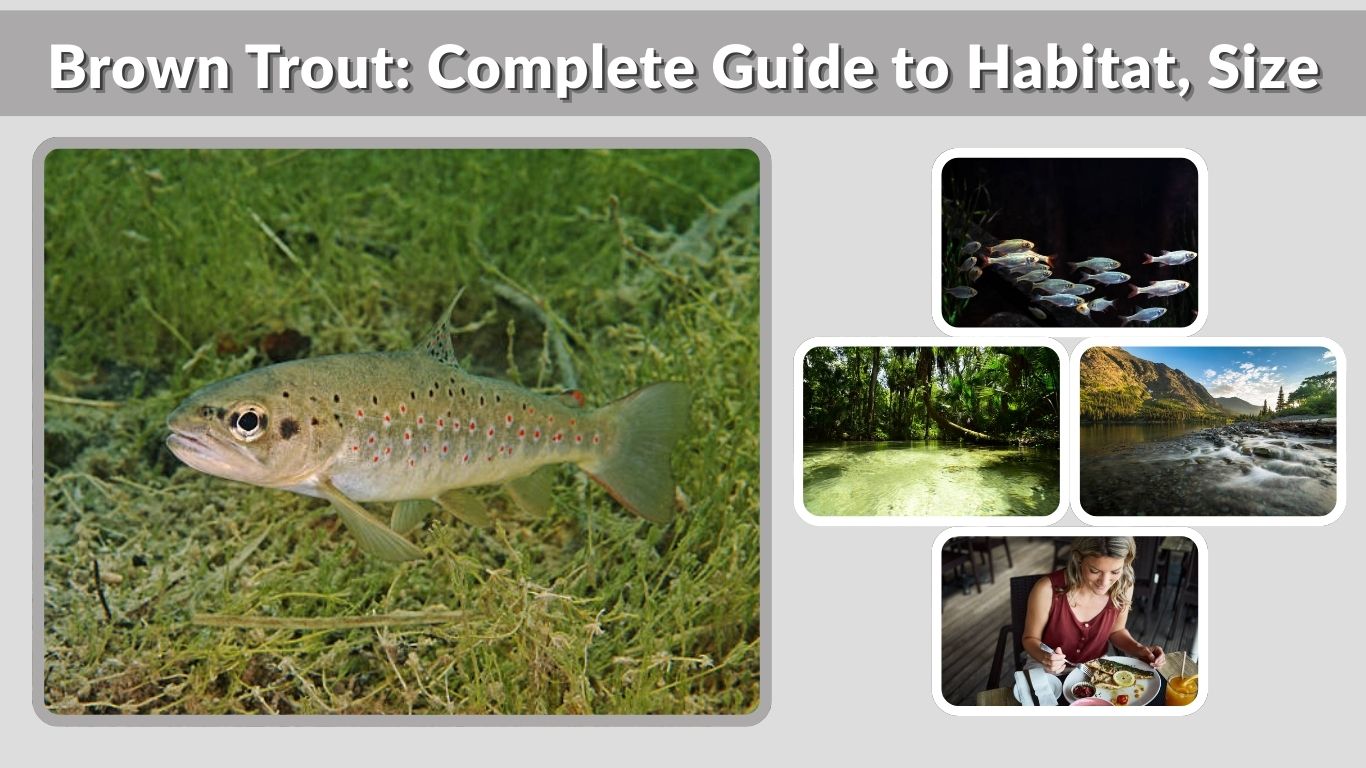
Brown trout are easily recognized by their golden-brown to olive-colored bodies. Their most distinctive feature is the brown trout pattern of dark spots mixed with red or orange spots surrounded by pale halos.
The brown trout head is slightly large and powerful, with a wide mouth that extends past the eye—an advantage when catching prey. The brown trout tail is generally square or slightly forked, helping the fish maneuver in both slow and fast-moving water.
Coloration can vary based on habitat. Fish living in darker streams may appear more muted, while those in clear rivers often display brighter spots and contrast.
Brown Trout Habitat
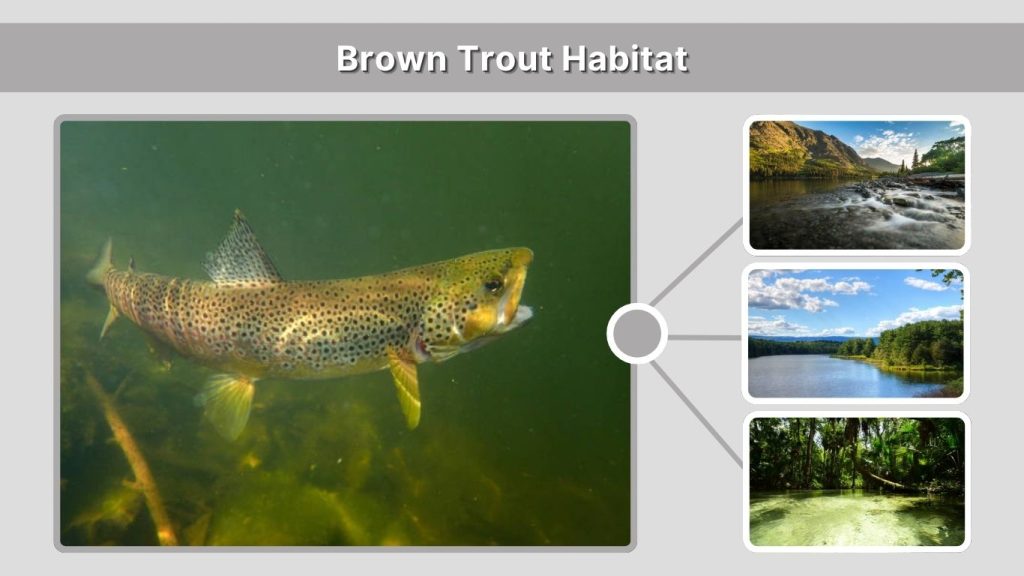
Understanding brown trout habitat is essential for both conservation and fishing success.
Natural Habitat
Brown trout thrive in cold, clear freshwater environments such as:
- Rivers and streams
- Lakes and reservoirs
- Spring-fed creeks
They prefer deep pools, undercut banks, submerged logs, and rocky structures that provide shelter and protection from predators.
Water Conditions
Brown trout tolerate slightly warmer water than rainbow trout but still require cool temperatures, ideally between 44°F and 67°F (7°C–19°C). They also need well-oxygenated water to survive.
Unlike some trout species, brown trout are highly adaptable. They can survive in larger rivers and even brackish coastal waters. Sea-run varieties, often called “sea trout,” migrate to the ocean and return to freshwater to spawn.
Global Distribution
Although native to Europe, brown trout have been introduced worldwide.
- North America: Widespread in rivers and lakes across the United States and Canada.
- Brown trout Australia: Introduced in the 1800s and now common in cooler southeastern regions.
- New Zealand: Considered one of the top sport fish species.
Their ability to adapt has helped them establish strong populations in many regions.
Brown Trout Size and Weight
Brown trout size can vary significantly depending on habitat and food availability.
Brown Trout Average Size
The brown trout average size in most rivers ranges from:
- Length: 10–20 inches
- Weight: 1–5 pounds
Stream-dwelling trout often remain smaller due to limited food resources.
Maximum Size
In large lakes and rivers with abundant prey, brown trout weight can exceed 20 pounds. Trophy specimens over 30 pounds have been recorded, particularly in lake environments where they feed heavily on smaller fish.
Growth depends on:
- Food supply
- Water quality
- Habitat space
- Genetic factors
Brown trout living in productive waters tend to grow larger and faster than those in smaller streams.
What Do Brown Trout Eat?
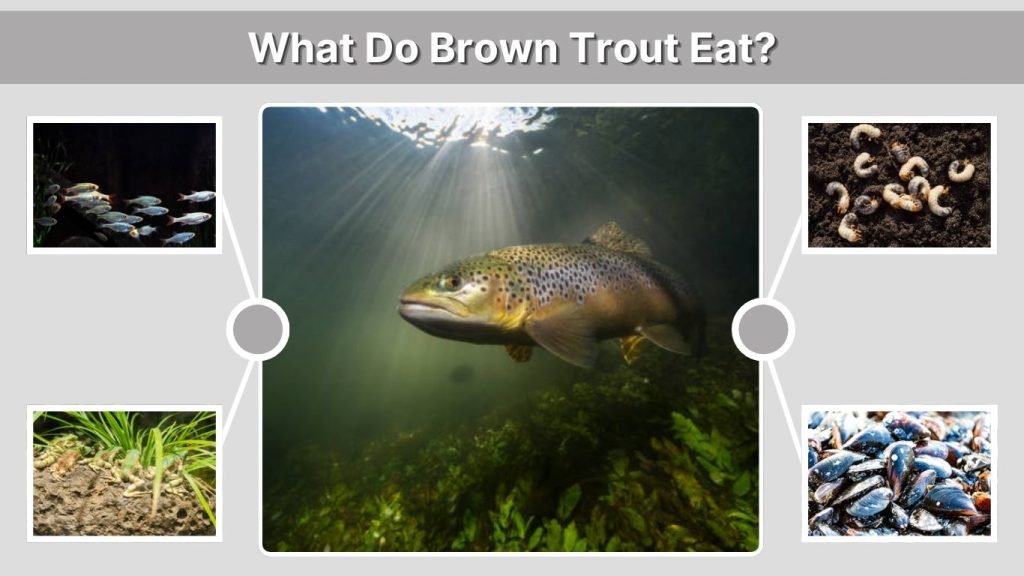
If you’re asking what do brown trout eat, the answer depends on their age and environment.
Natural Diet
Brown trout are opportunistic feeders. Their diet includes:
- Aquatic insects (mayflies, caddisflies, stoneflies)
- Insect larvae
- Crustaceans
- Small fish
- Fish eggs
- Occasionally frogs or small rodents (in larger trout)
Young brown trout baby fish, known as fry, begin by feeding on plankton and tiny aquatic organisms before moving on to insects and small prey.
Feeding Behavior
Brown trout are known for being cautious and strategic hunters. Unlike rainbow trout, they often stay near the bottom or hide near cover, waiting to ambush prey.
Larger brown trout become more predatory as they age, consuming more fish and high-protein food sources. They may also feed during low-light conditions, such as early morning, evening, or nighttime.
Brown Trout Lifespan and Life Cycle
Understanding the brown trout lifespan helps explain why they are such a resilient and successful species.
Brown Trout Lifespan
In the wild, brown trout typically live between 4 and 8 years. In large lakes or protected environments, some individuals can survive over 10 years. Their lifespan depends on water quality, food supply, fishing pressure, and predation.
Lake-dwelling brown trout often grow larger and live longer than those in small streams, where competition and limited food can restrict growth.
Reproduction and Brown Trout Eggs
Brown trout usually spawn in the fall when water temperatures begin to drop. Females create shallow nests in gravel beds called “redds.” They deposit thousands of brown trout eggs, which are then fertilized externally by males.
The eggs remain buried in gravel, protected by flowing water that provides oxygen. Depending on water temperature, the eggs hatch in late winter or early spring.
Brown Trout Baby (Fry Stage)
A brown trout baby, known as a fry, emerges from the egg with a yolk sac attached. This sac provides essential nutrients during the first stage of life. Once absorbed, the fry begin feeding on tiny aquatic organisms.
As they grow, juvenile trout develop distinctive vertical markings called “parr marks,” which help camouflage them in streams before they mature into adults.
Brown Trout vs Rainbow Trout
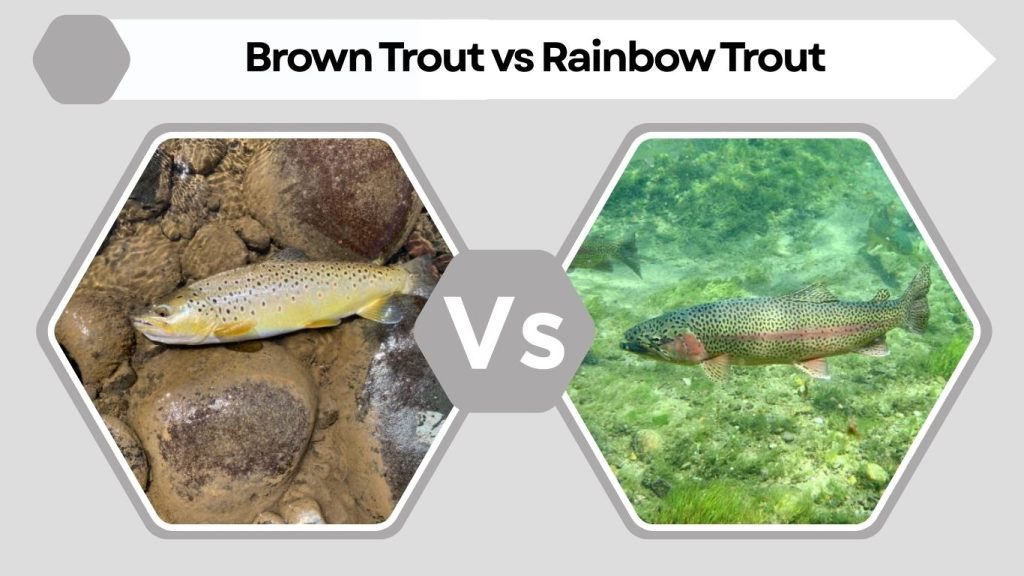
The brown trout vs rainbow trout comparison is common among anglers and seafood lovers.
Physical Differences
- Color: Brown trout have golden-brown bodies with red and black spots, while rainbow trout display a pink stripe along their sides.
- Spots: Brown trout pattern includes red spots with pale halos, while rainbow trout have small black speckles.
- Tail: Brown trout tail is more square, while rainbow trout tails are slightly more forked.
Behavior Differences
Brown trout are often more cautious and territorial. They prefer hiding under cover and ambushing prey. Rainbow trout are generally more active and visible in open water.
Taste and Nutrition
Both species provide high-quality protein and omega-3 fatty acids. Brown trout may have a slightly richer flavor, especially lake-run fish that feed heavily on smaller fish.
Brown Trout Fishing Guide
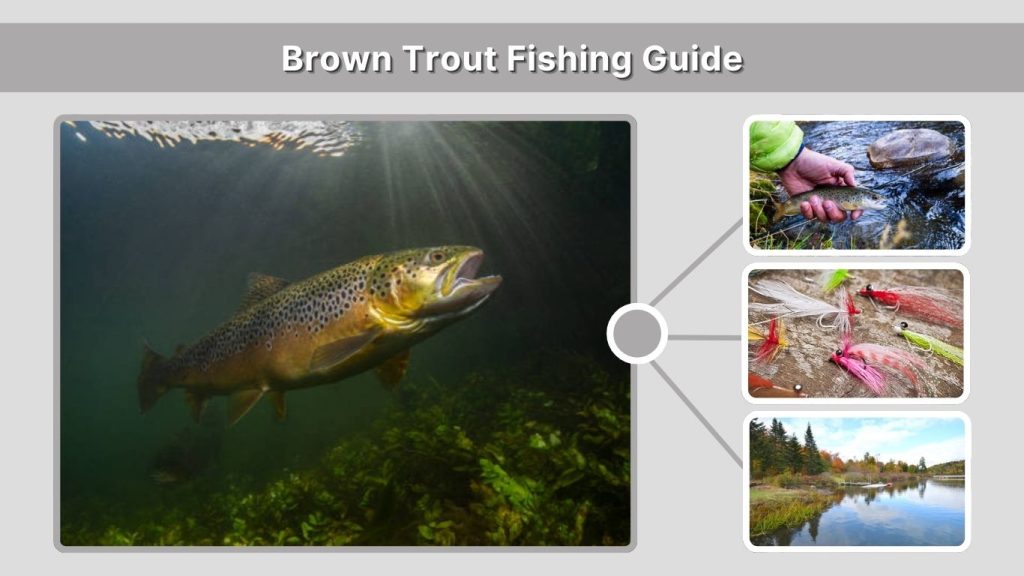
Brown trout fishing is popular worldwide due to the species’ strength and challenge.
Best Time to Catch Brown Trout
- Early morning and late evening
- Overcast days
- During insect hatches
- Fall season before spawning
Brown trout often feed more actively in low-light conditions.
Best Bait and Lures
Anglers commonly use:
- Fly fishing patterns (mayfly and caddisfly imitations)
- Spinners and spoons
- Live bait such as worms or minnows
- Streamer flies for larger trout
Larger brown trout are known to strike bigger lures, especially those imitating small fish.
Where to Find Them
Look for brown trout in:
- Deep pools
- Undercut banks
- Near submerged logs
- Rocky structures
- Lake drop-offs
Understanding brown trout habitat significantly increases fishing success.
Brown Trout Nutrition and Benefits

Beyond sport fishing, brown trout are valued as a nutritious food source.
Brown Trout Nutrition
Brown trout are rich in:
- High-quality protein
- Omega-3 fatty acids
- Vitamin B12
- Vitamin D
- Selenium and phosphorus
These nutrients contribute to overall health and wellness.
Brown Trout Benefits
Key brown trout benefits include:
- Supporting heart health
- Promoting brain function
- Assisting muscle repair and growth
- Providing lean protein with moderate fat levels
Like most trout, they are considered a healthy seafood option when sourced from clean waters.
Interesting Brown Trout Facts
Here are some notable brown trout facts:
- They can adapt to both freshwater and saltwater environments.
- Large brown trout are often nocturnal feeders.
- They are highly territorial, especially in streams.
- Their coloration changes depending on habitat.
- Brown trout are one of the most sought-after sport fish species worldwide.
FAQs
What is the average size of a brown trout?
The brown trout average size in most rivers ranges from 10 to 20 inches and weighs between 1 and 5 pounds. In lakes with abundant food, they can grow much larger and exceed 20 pounds.
How long do brown trout live?
The brown trout lifespan typically ranges from 4 to 8 years in the wild. In large lakes or protected environments, some individuals may live over 10 years under ideal conditions.
What do brown trout eat?
If you’re wondering what do brown trout eat, their diet includes aquatic insects, larvae, crustaceans, small fish, and fish eggs. Larger brown trout may also eat frogs or small mammals near the water.
What is the difference between brown trout and rainbow trout?
In the brown trout vs rainbow trout comparison, brown trout have red and black spots with pale halos and a golden body, while rainbow trout feature a pink side stripe and more uniform black speckles.
Are brown trout aggressive?
Brown trout can be territorial and aggressive, especially toward other fish in their feeding areas. Larger trout are skilled ambush predators and may strike aggressively at lures or prey.