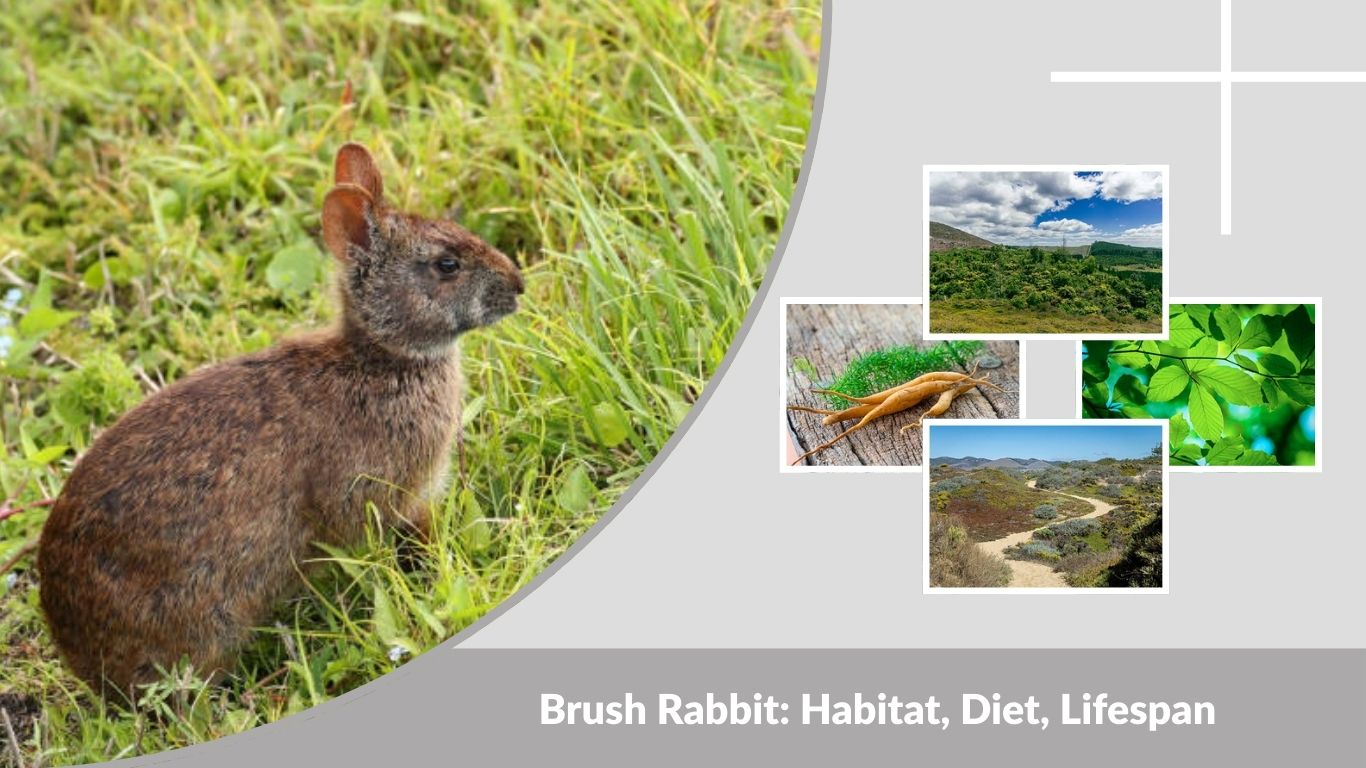
The brush rabbit (Sylvilagus bachmani) is a small rabbit species native to the western coast of North America. This rabbit is known for living in dense vegetation such as shrubs, bushes, and coastal brushlands. Its compact body and brownish fur help it blend into its surroundings, making it difficult for predators to spot. Unlike some rabbits that live in open grasslands, brush rabbits prefer areas with thick cover. Learning about their habitat, diet, identification, and behavior helps explain how these shy animals survive in dense vegetation.
What Is a Brush Rabbit?
The brush rabbit is a small herbivorous mammal belonging to the Leporidae family, which includes rabbits and hares. This species is especially adapted to living in thick vegetation, where it can hide easily from predators. Brush rabbits usually stay close to dense bushes and shrubs and rarely travel far from their cover.
These rabbits are generally solitary animals and spend most of their time feeding, hiding, or resting in sheltered areas. Their physical characteristics and behavior allow them to move easily through thick brush and avoid danger.
Scientific Classification
- Scientific name: Sylvilagus bachmani
- Family: Leporidae
- Order: Lagomorpha
- Common name: Brush rabbit
Physical Characteristics
Brush rabbits have several physical traits that help them survive in dense vegetation.
- Brownish-gray fur that blends with shrubs and brush
- Short ears compared to many other rabbit species
- Small fluffy tail with a lighter underside
- Large dark eyes for detecting predators
- Strong hind legs for quick jumps and fast movement
These features allow brush rabbits to remain hidden while still being able to escape quickly if a predator approaches.
Size and Appearance
The brush rabbit is a relatively small rabbit species with a compact body. Adults typically measure about 30–35 centimeters in length and weigh around 0.7 to 1.2 kilograms.
Their fur is usually dark brown or grayish, which helps them blend into the dense vegetation of their habitat. The underside of their body is lighter in color, and their short tail often shows a pale underside when they move.
Because of their small size and short ears, brush rabbits look slightly different from many other cottontail rabbits.
Brush Rabbit Identification
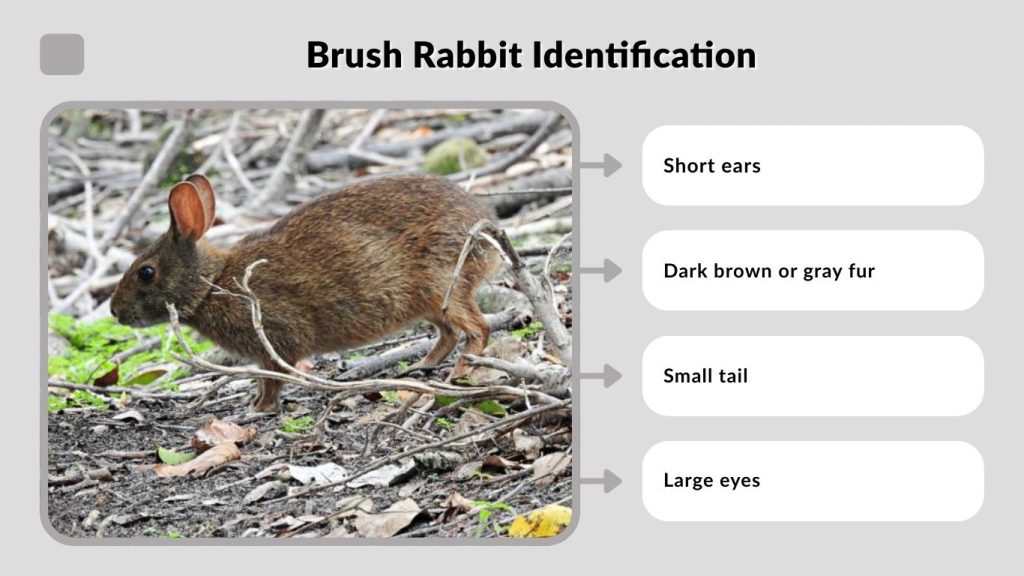
Identifying a brush rabbit in the wild can sometimes be challenging because it often hides in thick vegetation. However, several physical characteristics help distinguish it from other rabbit species.
Key Identification Features
Some of the most noticeable features of brush rabbits include:
- Short ears compared to other cottontail rabbits
- Dark brown or gray fur that blends with shrubs
- Small tail with a lighter underside
- Compact body shape suited for moving through dense plants
- Large eyes that help detect movement and predators
These characteristics allow the brush rabbit to survive in environments where thick vegetation provides both protection and food.
Differences from Other Rabbits
Brush rabbits are sometimes confused with other cottontail species, such as the eastern cottontail or the desert cottontail. However, there are some important differences.
Brush rabbits generally have shorter ears than many other rabbit species. This adaptation helps them move easily through dense brush without their ears getting caught on branches or leaves.
Their habitat also differs from other rabbits. While desert cottontails prefer dry open landscapes, brush rabbits usually live in dense shrublands and coastal vegetation where thick cover is available.
Unlike European rabbits, brush rabbits do not dig complex underground burrows. Instead, they rely on natural vegetation for shelter and protection.
Brush Rabbit Habitat
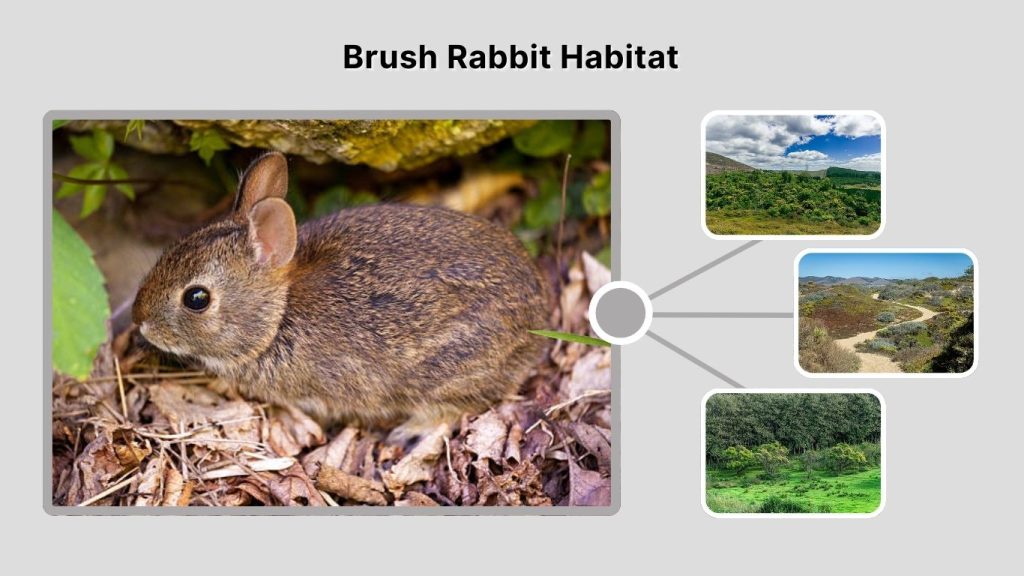
The brush rabbit habitat is closely linked to areas with dense plant growth. These rabbits depend heavily on vegetation for both food and protection from predators.
Geographic Range
Brush rabbits are primarily found along the western coast of North America. Their range includes:
- California
- Parts of Oregon
- Coastal regions of the western United States
These regions often have mild climates and abundant vegetation, which create ideal living conditions for brush rabbits.
Preferred Habitats
Brush rabbits prefer environments that provide thick cover and abundant plant food. Their most common habitats include:
- Dense shrublands
- Coastal scrub habitats
- Woodland edges
- Areas with thick grasses and bushes
These environments allow brush rabbits to hide easily while still having access to a variety of plants for food.
Shelter and Living Behavior
Unlike some rabbits that dig burrows, brush rabbits usually rely on natural shelters. They spend most of their time hidden within dense vegetation.
Brush rabbits often create small pathways or tunnels through thick plants, allowing them to move quickly between feeding and resting areas.
They typically remain close to cover at all times. If threatened, they quickly run into nearby bushes or shrubs where predators have difficulty following them.
Brush Rabbit Diet
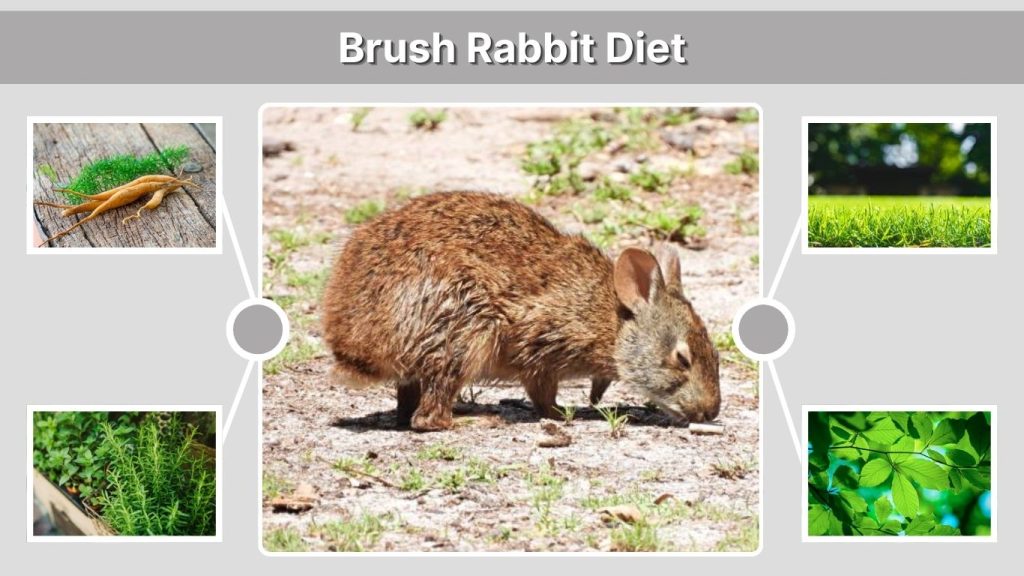
The brush rabbit diet consists entirely of plant material. As herbivores, these rabbits feed on a variety of grasses and vegetation found in their habitat.
What Do Brush Rabbits Eat?
Common foods eaten by brush rabbits include:
- Grasses
- Leaves from shrubs
- Wild herbs
- Young plant shoots
- Bark and small twigs
These plants provide the nutrients needed for growth and survival.
Seasonal Diet Changes
The diet of brush rabbits changes depending on the season and the availability of plants.
During spring and summer, brush rabbits mainly eat fresh grasses and leafy plants that grow abundantly in their habitat.
In fall and winter, when fresh vegetation is less available, they rely more on woody plants, bark, and twigs for food.
Feeding Behavior
Brush rabbits are usually most active during dawn and dusk, when temperatures are cooler and predators are less active.
They typically feed close to dense vegetation so they can quickly hide if danger approaches. This behavior helps reduce the risk of being caught by predators.
Brush Rabbit Lifespan
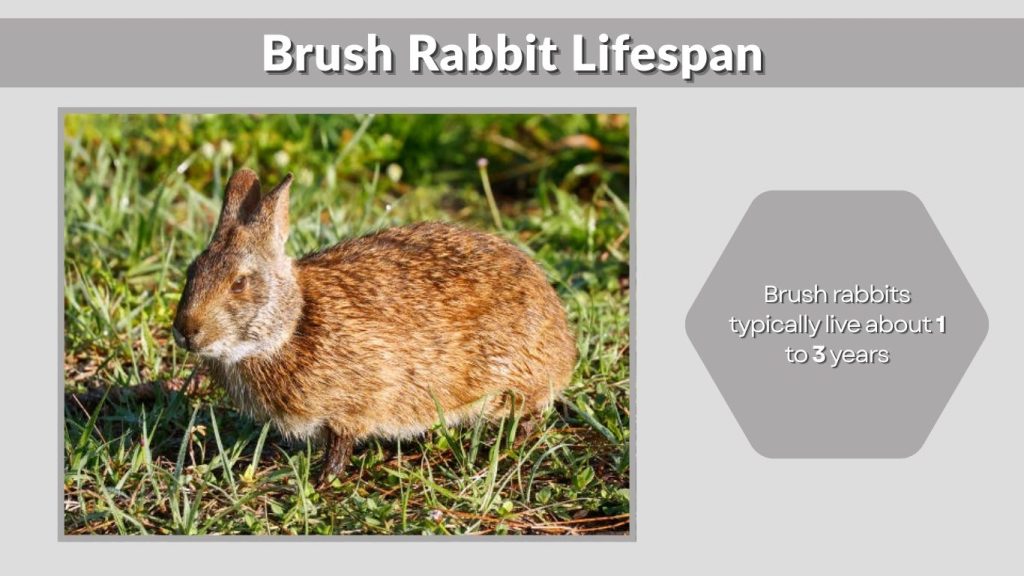
The brush rabbit lifespan depends on several environmental factors, including predators, habitat conditions, and food availability. Like many wild rabbits, brush rabbits face many dangers in nature that can limit how long they live.
Lifespan in the Wild
In the wild, brush rabbits typically live about 1 to 3 years. Many young rabbits do not survive their first year because they are vulnerable to predators and environmental challenges.
Despite their relatively short lifespan, brush rabbit populations remain stable because they reproduce quickly and produce multiple litters each year.
Lifespan in Captivity
When protected from predators and provided with proper food and care, brush rabbits can live longer. In captivity, they may live around 5 to 8 years.
Captive rabbits benefit from regular feeding, shelter, and veterinary care, which significantly improves their chances of survival.
Factors Affecting Lifespan
Several factors influence how long brush rabbits live:
- Predators: Coyotes, foxes, and birds of prey hunt rabbits frequently.
- Habitat loss: Human development can reduce suitable living areas.
- Disease: Illnesses and parasites can affect wild rabbit populations.
- Food availability: Limited vegetation may weaken rabbits and reduce survival.
Because of these risks, brush rabbits depend on their rapid reproductive cycle to maintain healthy populations.
Brush Rabbit Life Cycle
The brush rabbit life cycle is relatively short but highly productive. Their ability to reproduce quickly helps ensure the survival of the species despite many natural threats.
Breeding Season
Brush rabbits typically breed from late winter through summer. During this period, food is more abundant, providing better conditions for raising young rabbits.
Female rabbits may produce several litters in one year, depending on environmental conditions.
Gestation Period
The gestation period for brush rabbits lasts about 27 to 30 days. After this short pregnancy, the female gives birth to a group of babies called kits.
A typical litter usually contains 3 to 5 young rabbits, although litter sizes may vary.
Birth and Early Development
Newborn brush rabbits are very small and vulnerable. They are born:
- Blind
- Nearly hairless
- Completely dependent on their mother
The mother prepares a hidden nest lined with grass and fur to keep the babies warm and protected.
Unlike many mammals, the mother rabbit visits the nest only briefly to feed the babies. This behavior helps reduce the chance of predators discovering the nest.
Growth Stages
Brush rabbits develop quickly and pass through several stages of growth:
- Newborn kits – Completely dependent on the mother.
- Juvenile stage – Begin eating vegetation and exploring their surroundings.
- Subadult stage – Continue growing and learning survival behaviors.
- Adult stage – Fully mature and able to reproduce.
Young rabbits usually leave the nest after a few weeks and begin living independently.
Reproductive Maturity
Brush rabbits reach sexual maturity at around 2 to 3 months of age. Once mature, they can reproduce multiple times each year.
This rapid development allows brush rabbit populations to recover quickly even when many individuals fall prey to predators.
Predators of the Brush Rabbit
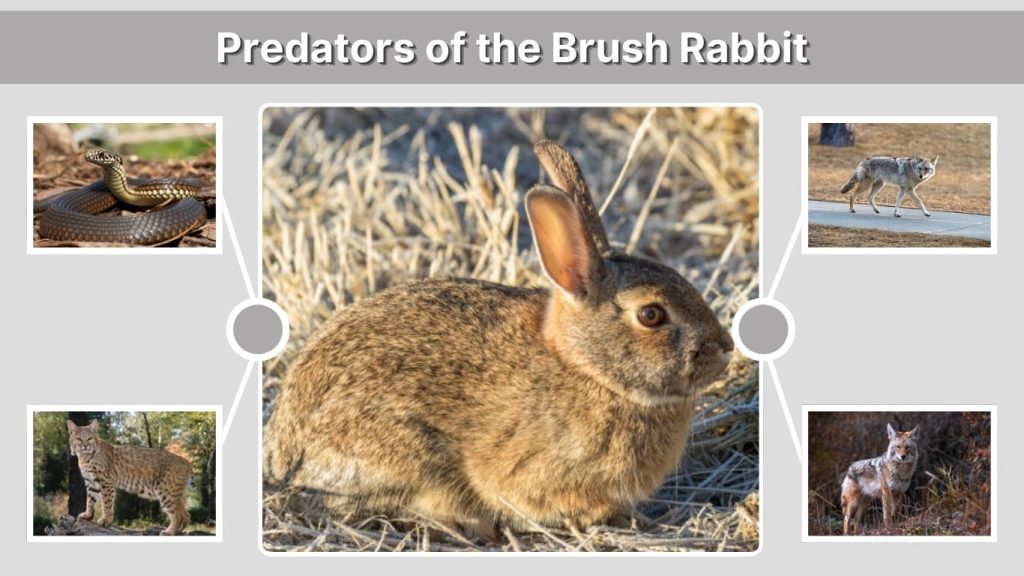
Brush rabbits are an important prey species for many predators. Because they live in dense vegetation, they rely heavily on camouflage and quick movement to survive.
Common predators of brush rabbits include:
- Coyotes
- Foxes
- Bobcats
- Hawks and owls
- Snakes
When threatened, brush rabbits quickly run into nearby bushes or shrubs where predators have difficulty following them. Their brown fur also helps them blend into the vegetation, making them harder to detect.
Interesting Brush Rabbit Facts
There are many interesting facts about brush rabbits that highlight how well they are adapted to their environment.
- Brush rabbits rarely travel far from dense vegetation.
- They often create small paths through thick plants that help them move quickly between feeding areas.
- Brush rabbits are mostly solitary animals and usually live alone.
- Their short ears help them move easily through dense shrubs.
- They are an important food source for many predators.
These characteristics allow brush rabbits to survive in environments where thick vegetation provides both protection and food.
Role in the Ecosystem
Brush rabbits play an important role in their ecosystems. As herbivores, they feed on grasses and shrubs, helping to control plant growth.
They also serve as an important prey species for predators such as foxes, coyotes, and birds of prey. Because many animals depend on rabbits as a food source, brush rabbits help support the balance of local wildlife populations.
Their presence contributes to the biodiversity of shrubland and coastal ecosystems.
Brush Rabbit vs Other Cottontail Rabbits
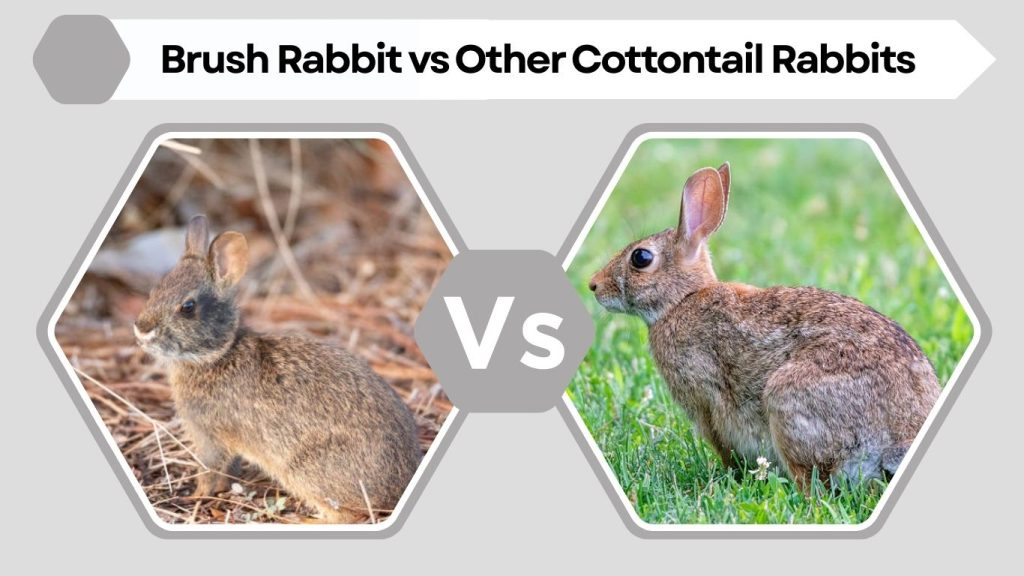
Although brush rabbits are part of the cottontail rabbit group, they differ from other species in several ways.
Brush Rabbit
- Short ears
- Lives in dense shrubs and brushlands
- Rarely travels far from cover
Eastern Cottontail
- Longer ears
- Lives in grasslands, forests, and suburban areas
- More widely distributed across North America
Desert Cottontail
- Adapted to dry desert environments
- Often has slightly larger ears for heat regulation
These differences help each species survive in its specific environment.
Conclusion
The brush rabbit is a small but fascinating species that thrives in dense vegetation along the western coast of North America. Its compact body, short ears, and brownish fur allow it to move easily through shrubs and remain hidden from predators. With a plant-based diet, a short but productive life cycle, and strong survival instincts, brush rabbits continue to play an important role in their ecosystems. Understanding their habitat, diet, lifespan, and behavior helps highlight the importance of protecting the natural environments where these shy animals live.