




Chum salmon is one of the most widely distributed species of Pacific salmon. Known scientifically as Oncorhynchus keta, this fish plays an important role in marine ecosystems and global fisheries. It is commonly found in the northern Pacific Ocean and is recognized for its long migration journeys from ocean waters to freshwater rivers where it spawns. Chum salmon is valued for its roe, nutritional benefits, and commercial importance, making it a significant species for both the seafood industry and wildlife conservation.
What Is Chum Salmon?
Chum salmon is a species of Pacific salmon native to the northern Pacific Ocean and surrounding rivers. It belongs to the genus Oncorhynchus, which includes several other salmon species such as sockeye, coho, and chinook.
This salmon is often referred to by several names, including dog salmon and keta salmon. The nickname “dog salmon” comes from the large canine-like teeth that males develop during the spawning season.
Chum salmon are known for their wide distribution and ability to adapt to different marine environments. Unlike some other salmon species that spend more time in freshwater, chum salmon migrate to the ocean shortly after hatching and spend most of their life in saltwater before returning to their birth rivers to spawn.
Another key feature of chum salmon is their importance in commercial fishing. Although they are generally less fatty than species like king or sockeye salmon, they are still widely harvested for their meat and especially for their eggs, which are commonly used in sushi as ikura.
Physical Characteristics of Chum Salmon
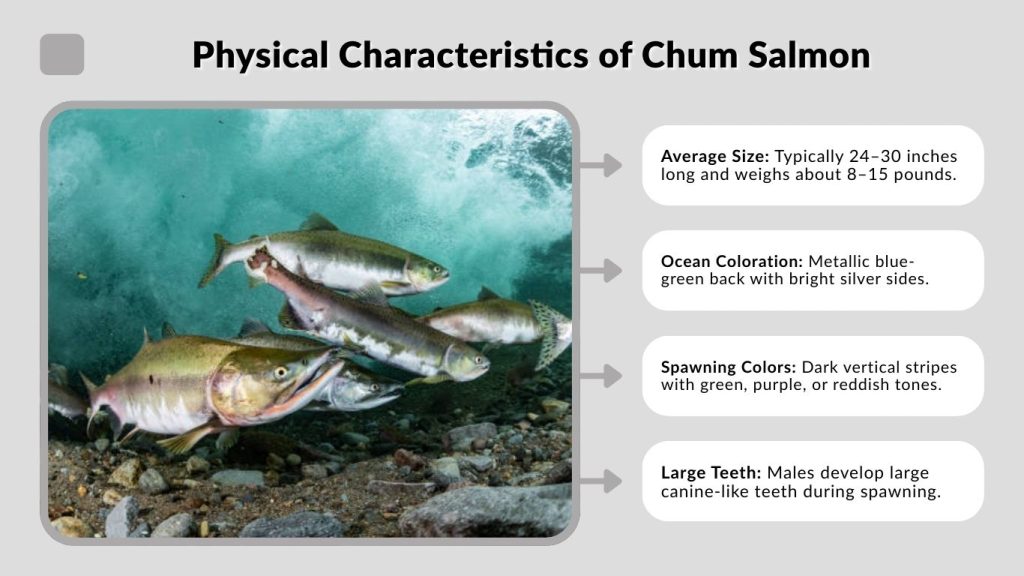
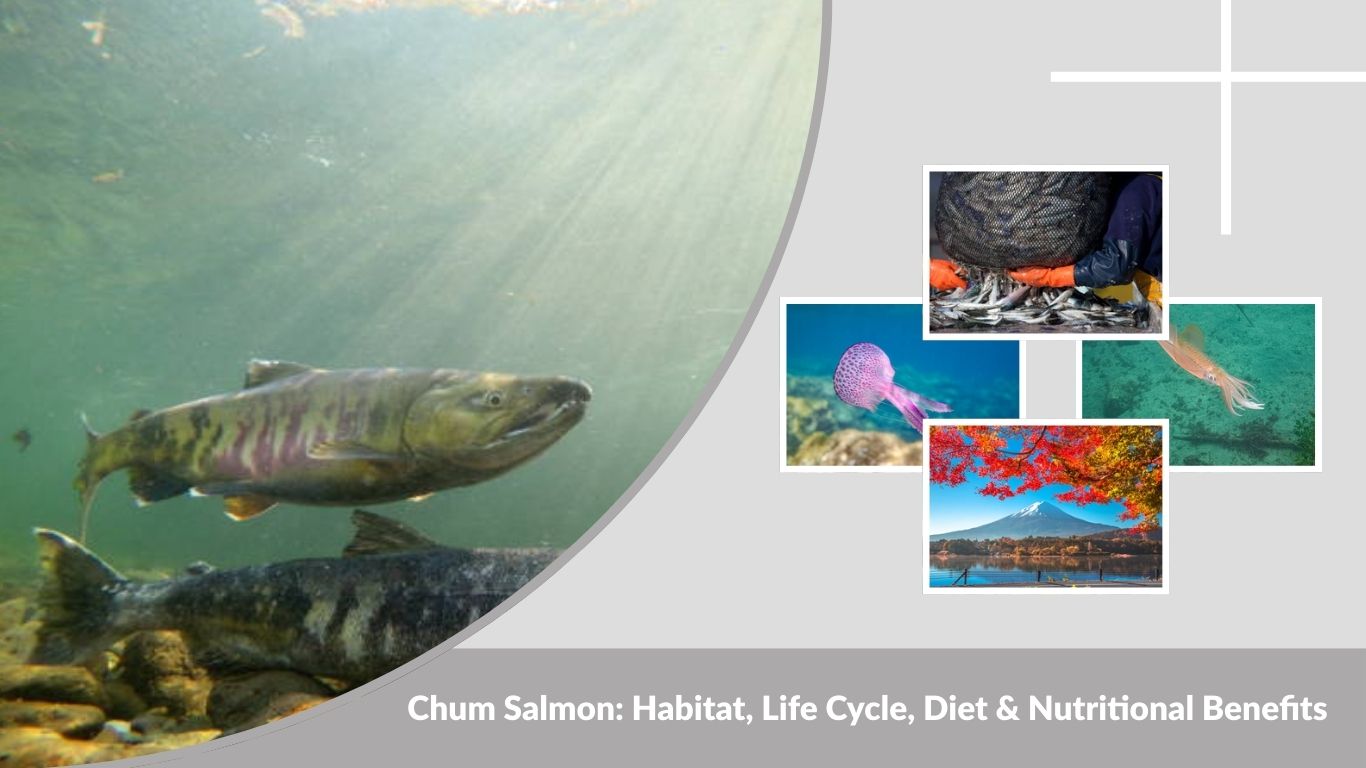
Chum salmon have several distinctive physical features that help differentiate them from other Pacific salmon species. Their appearance changes noticeably depending on whether they are living in the ocean or returning to freshwater rivers to spawn. While in the ocean, chum salmon have a sleek and silvery body designed for efficient swimming in open waters. However, during the spawning season, they develop bold colors and unique physical traits that make them easy to recognize.
Below are some key physical characteristics of chum salmon:
- Average Size: Typically 24–30 inches long and weighs about 8–15 pounds.
- Ocean Coloration: Metallic blue-green back with bright silver sides.
- Spawning Colors: Dark vertical stripes with green, purple, or reddish tones.
- Large Teeth: Males develop large canine-like teeth during spawning.
- Hooked Jaw: Male chum salmon form a curved jaw called a kype.
- Body Shape: Long, streamlined body built for long-distance migration.
- Tail and Fins: Strong tail fin that helps with powerful swimming upstream.
Habitat and Distribution
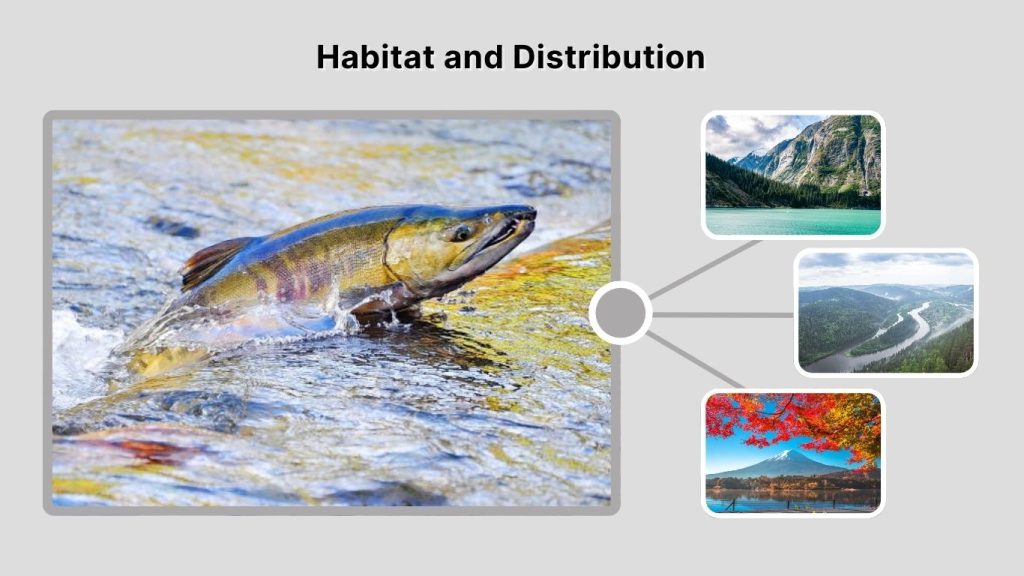
Chum salmon are widely distributed throughout the North Pacific Ocean. Their natural range extends from Alaska and Canada to Russia, Japan, and parts of the Pacific Northwest in the United States.
During their life cycle, chum salmon move between freshwater and saltwater environments. They begin their life in freshwater rivers and streams where the eggs hatch. Shortly after emerging from the gravel nests, juvenile chum salmon migrate downstream to the ocean.
Most of their adult life is spent in the open ocean, where they grow and feed for several years. When they reach maturity, they return to the exact rivers where they were born to reproduce.
Major spawning regions include rivers in Alaska, British Columbia, Washington, Russia, and northern Japan. These rivers provide the cold, clean water conditions that salmon need for successful spawning.
The ability of chum salmon to travel long distances between ocean and freshwater habitats is one of the most remarkable aspects of their biology.
Life Cycle of Chum Salmon
Like other Pacific salmon species, chum salmon have a fascinating life cycle that involves migration between freshwater and saltwater environments.
The cycle begins when adult salmon return from the ocean to their natal rivers to spawn. Female salmon dig nests, called redds, in the gravel of riverbeds where they lay thousands of eggs. Males then fertilize the eggs before both fish eventually die after spawning.
After several months, the eggs hatch into small fish known as alevins, which remain in the gravel while feeding from their yolk sacs. Once they develop further, they emerge as fry and quickly begin their journey downstream to the ocean.
Unlike some salmon species that spend a year or more in freshwater, chum salmon usually migrate to the ocean within a few weeks after hatching.
In the ocean, chum salmon spend three to five years growing and feeding before reaching maturity. When the time comes to reproduce, they begin their long migration back to the freshwater streams where they were born.
This remarkable homing ability allows chum salmon to return to their exact birthplace, ensuring the continuation of their species.
Diet and Feeding Habits
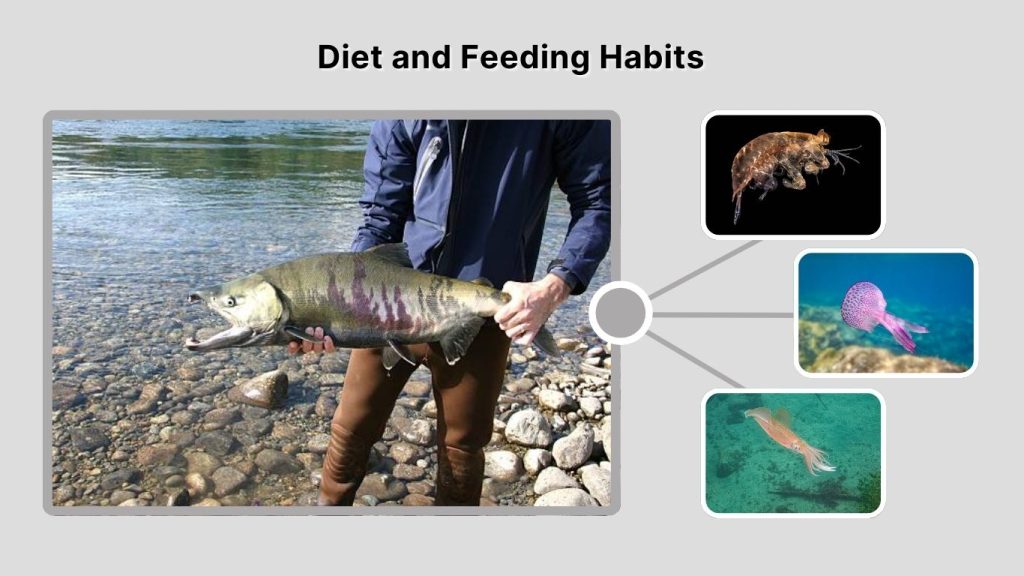
Chum salmon have a varied diet that changes as they grow and move between environments. When they first hatch in freshwater, juvenile chum salmon feed on tiny aquatic insects, plankton, and small crustaceans found in rivers and streams. These small food sources provide the nutrients needed for early growth.
Once they migrate to the ocean, their diet becomes much more diverse. Adult chum salmon commonly eat zooplankton, small fish, squid, jellyfish, and marine crustaceans. These high-protein foods help them gain the energy required for their long migrations and reproduction.
Chum salmon play an important role in the marine food chain. They serve as both predators and prey. While they feed on smaller marine organisms, they are also hunted by larger fish, seabirds, seals, and other marine mammals.
Their feeding habits also contribute to nutrient cycling. When adult salmon return to freshwater rivers and eventually die after spawning, their bodies provide valuable nutrients that support river ecosystems and nearby wildlife.
Nutritional Value of Chum Salmon
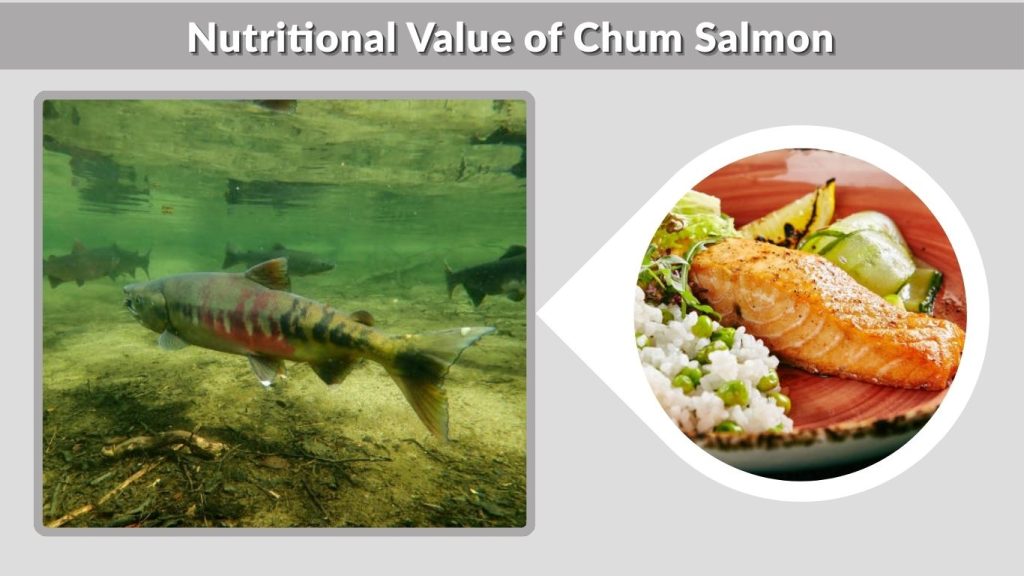
Chum salmon is considered a nutritious and healthy seafood choice. Although it has a slightly lower fat content than species like king or sockeye salmon, it still provides many essential nutrients.
One of the main benefits of chum salmon is its high-quality protein. Protein helps support muscle growth, tissue repair, and overall body function.
Chum salmon is also a good source of omega-3 fatty acids, which are known to support heart health, brain function, and reduce inflammation. Regular consumption of omega-3-rich fish is often recommended as part of a balanced diet.
In addition, chum salmon contains several important vitamins and minerals, including:
- Vitamin B12
- Vitamin D
- Selenium
- Potassium
These nutrients help support the immune system, maintain strong bones, and promote healthy metabolism.
Because of its nutritional profile, chum salmon is often included in healthy meal plans and recommended by nutrition experts as part of a balanced diet.
Taste and Culinary Uses
Chum salmon has a mild flavor and firm texture, which makes it suitable for many cooking methods. Compared to fattier salmon species, its meat is slightly leaner, resulting in a lighter taste.
Because of its lower fat content, chum salmon is often used in recipes where delicate flavors are preferred. It can be prepared in a variety of ways, including:
- Grilling
- Baking
- Smoking
- Pan-searing
Smoked chum salmon is especially popular in many coastal regions.
One of the most valuable culinary uses of chum salmon is its roe (fish eggs). The bright orange eggs are widely used in Japanese cuisine and are known as ikura. These eggs are prized for their rich flavor and are commonly served with sushi and rice dishes.
Due to its versatility, chum salmon is used in both traditional seafood dishes and modern culinary recipes.
Chum Salmon vs Other Salmon Species
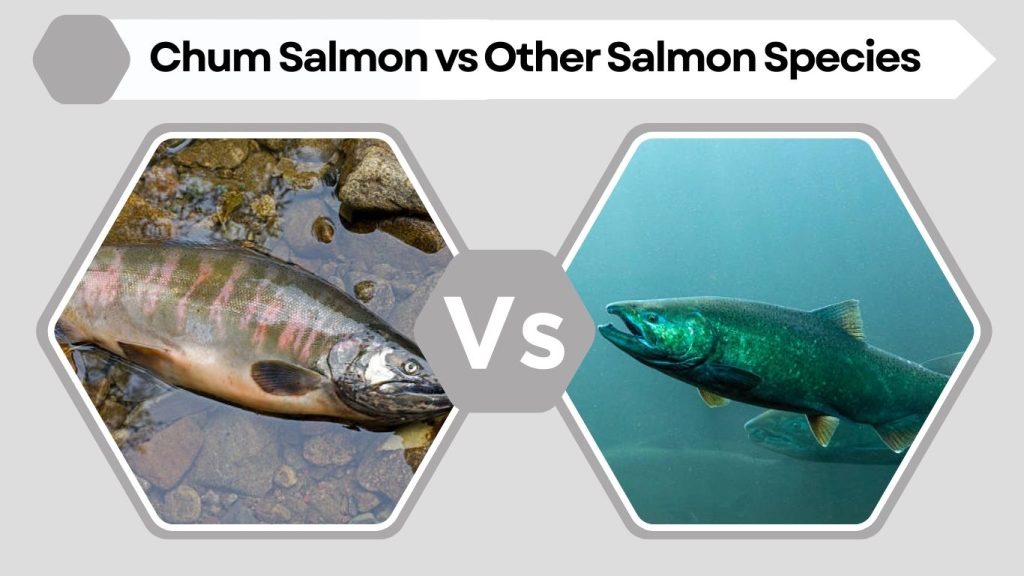
Chum salmon differs from other Pacific salmon species in several ways, including taste, fat content, and market value.
For example, Chinook salmon (king salmon) is known for its very high fat content and rich flavor, making it one of the most expensive salmon varieties. In comparison, chum salmon has a leaner texture and milder taste.
Sockeye salmon is famous for its deep red color and strong flavor. While sockeye is often preferred for grilling and premium seafood dishes, chum salmon is commonly used for smoking and processing.
Pink salmon, the smallest Pacific salmon species, is often used in canned salmon products. Chum salmon is generally larger and has firmer meat than pink salmon.
Despite being less expensive than some salmon species, chum salmon remains important in commercial fisheries due to its large population and global distribution.
Commercial Fishing and Economic Importance
Chum salmon plays a significant role in the global seafood industry. Large commercial fisheries harvest chum salmon in regions such as Alaska, Russia, Canada, and Japan.
Alaska is one of the largest producers of wild chum salmon, with many fisheries carefully managed to maintain sustainable populations.
The species is also very important for the salmon roe industry, as chum salmon eggs are among the most commonly used roe in international markets.
In addition to commercial fishing, chum salmon supports local economies and indigenous communities that rely on salmon for food, culture, and livelihood.
The combination of commercial value and ecological importance makes chum salmon a vital species in many coastal regions.
Conservation and Sustainability
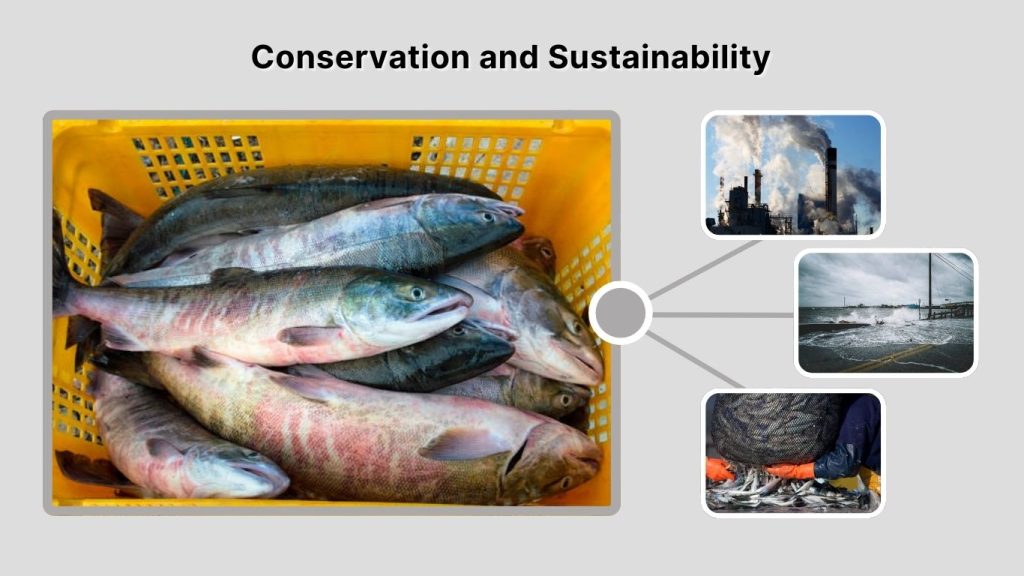
Although chum salmon populations are generally stable compared to some other salmon species, they still face several environmental challenges.
Factors such as climate change, habitat destruction, pollution, and overfishing can affect salmon populations and their spawning habitats.
Many governments and fisheries organizations have introduced sustainable fishing practices to help protect chum salmon stocks. These include catch limits, seasonal restrictions, and habitat restoration programs.
Protecting rivers and streams where salmon spawn is also critical for maintaining healthy populations.
Sustainable management ensures that chum salmon will continue to support ecosystems, fisheries, and communities for generations to come.
Interesting Facts About Chum Salmon
Chum salmon have several fascinating traits that make them unique among fish species.
They are known for their incredible migration ability, traveling thousands of miles in the ocean before returning to the exact river where they were born.
The nickname “dog salmon” comes from the large canine-like teeth that males develop during the spawning season.
Chum salmon also display some of the most dramatic color changes among salmon species when they return to freshwater to reproduce.
Another interesting fact is that chum salmon are one of the oldest species of Pacific salmon, with a long evolutionary history in the northern Pacific region.
FAQs
What is chum salmon known for?
Chum salmon is best known for its wide distribution in the Pacific Ocean and its valuable roe, which is commonly used in sushi as ikura. It is also recognized for its dramatic color changes during the spawning season and its long migration from the ocean back to freshwater rivers.
Is chum salmon good to eat?
Yes, chum salmon is good to eat and provides high-quality protein, omega-3 fatty acids, and essential vitamins. Its mild flavor and firm texture make it suitable for grilling, baking, smoking, and other cooking methods.
Why is chum salmon called dog salmon?
Chum salmon is called dog salmon because males develop large, sharp teeth during the spawning season. Early fishermen believed these teeth resembled those of dogs, which led to the nickname.
Where is chum salmon commonly found?
Chum salmon is commonly found in the North Pacific Ocean and nearby rivers. Major populations occur in Alaska, Canada, Russia, Japan, and parts of the Pacific Northwest of the United States.
Is chum salmon healthy?
Yes, chum salmon is considered a healthy seafood choice. It contains protein, omega-3 fatty acids, vitamin B12, vitamin D, and other nutrients that support heart health, brain function, and overall wellness.