



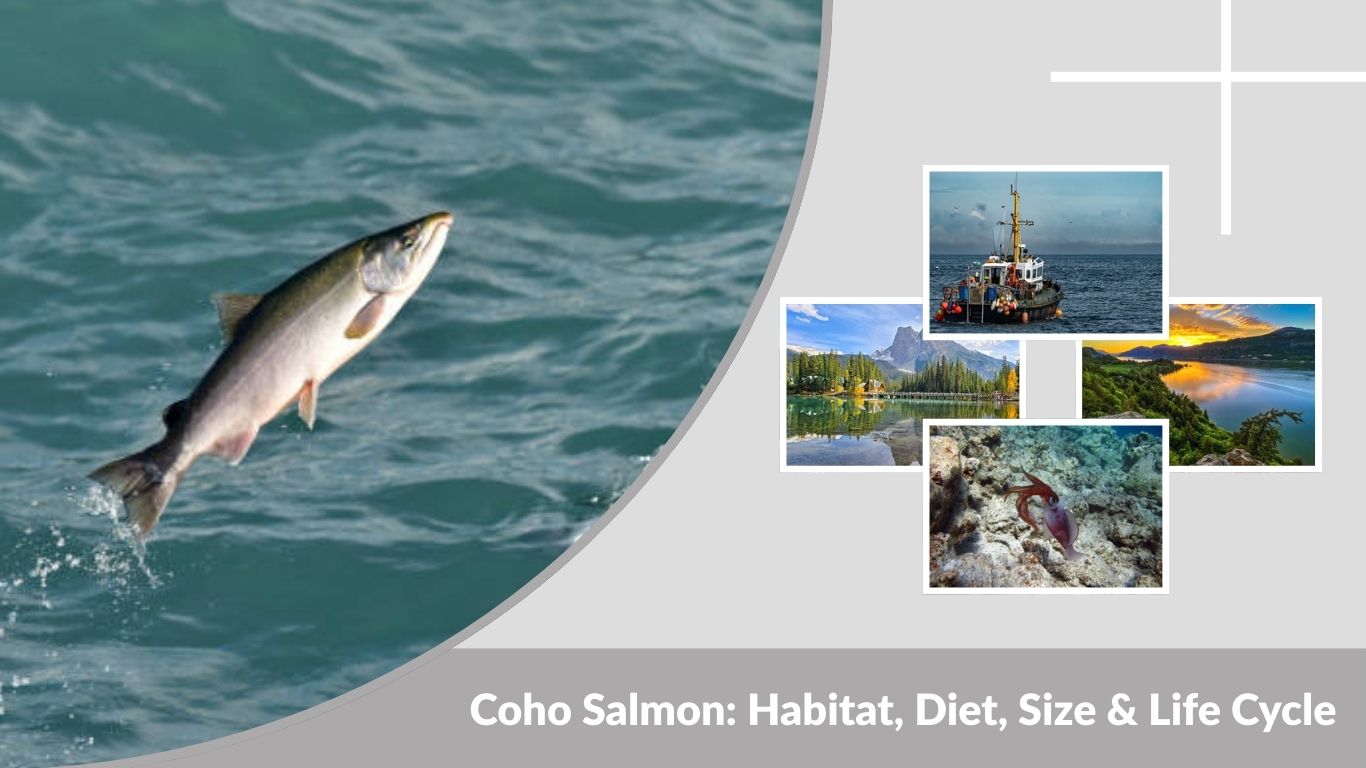
Coho salmon, commonly known as Silver Salmon, are one of the most recognizable and sought-after Pacific salmon species. Valued for their bright silver color, energetic fighting ability, and delicious flavor, Coho play an important role in coastal ecosystems and fisheries. Found along the North Pacific coastline, these salmon follow a remarkable life cycle that takes them from freshwater streams to the open ocean and back again. Their ecological importance and popularity among anglers make them a fascinating species to explore.
What Is Coho Salmon?
Coho salmon (Oncorhynchus kisutch) are a species of Pacific salmon native to the North Pacific Ocean and its surrounding river systems. They are widely known as Silver Salmon due to their bright, metallic silver sides during their ocean phase.
Coho are anadromous fish, meaning they hatch in freshwater, migrate to the ocean to grow and mature, and then return to freshwater to spawn. This life strategy allows them to benefit from nutrient-rich marine feeding grounds while reproducing in protected inland streams.
They are smaller than Chinook salmon but larger than pink salmon, placing them in the mid-size range among Pacific salmon species. Their balanced size, flavor, and availability make them popular in both commercial and recreational fisheries.
Physical Characteristics
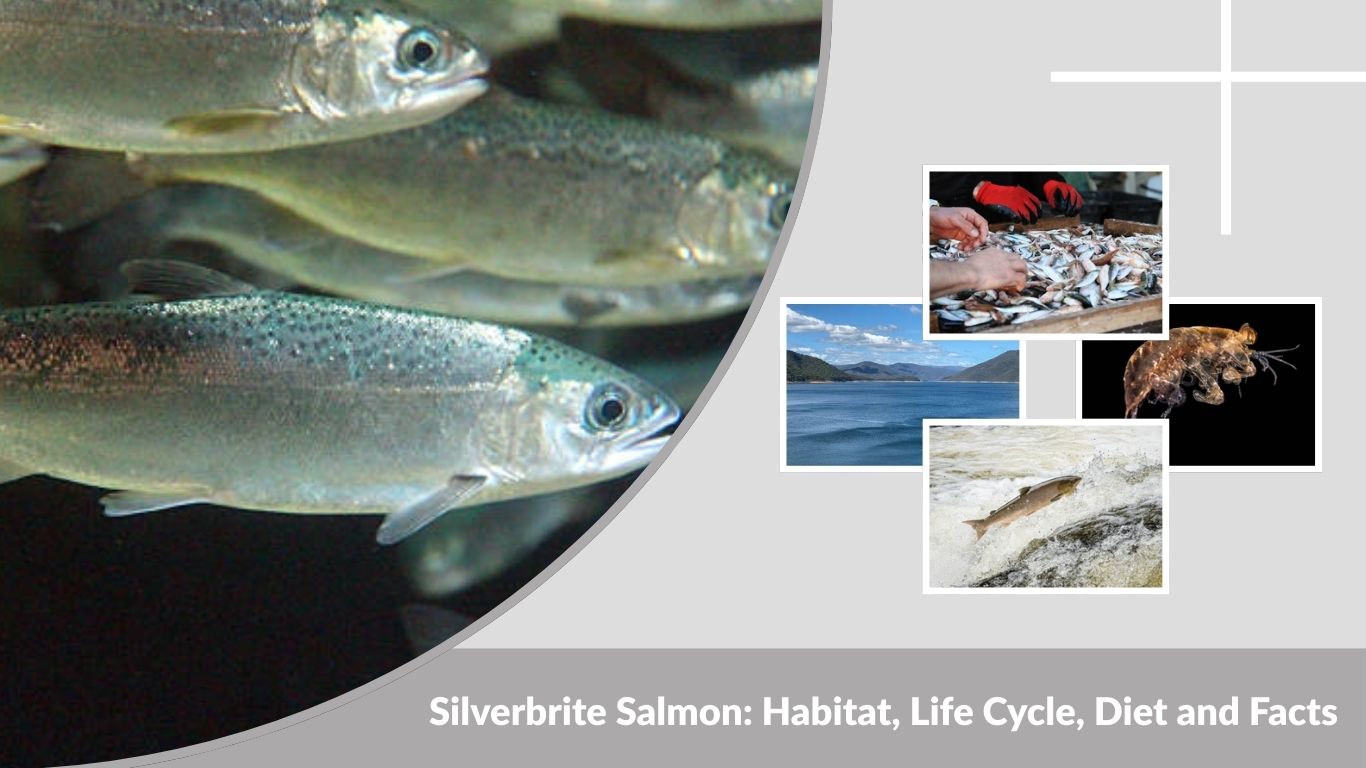
Coho salmon are known for their sleek, streamlined bodies and brilliant silver coloration while at sea. In the ocean, they have dark blue or greenish backs, bright silver sides, and a light-colored belly. They also have small black spots on the upper lobe of the tail and on their back.
Adult Coho typically weigh between 6 and 15 pounds, though some individuals can exceed 20 pounds. They are significantly smaller than Chinook salmon but still large enough to provide a strong fight when hooked by anglers.
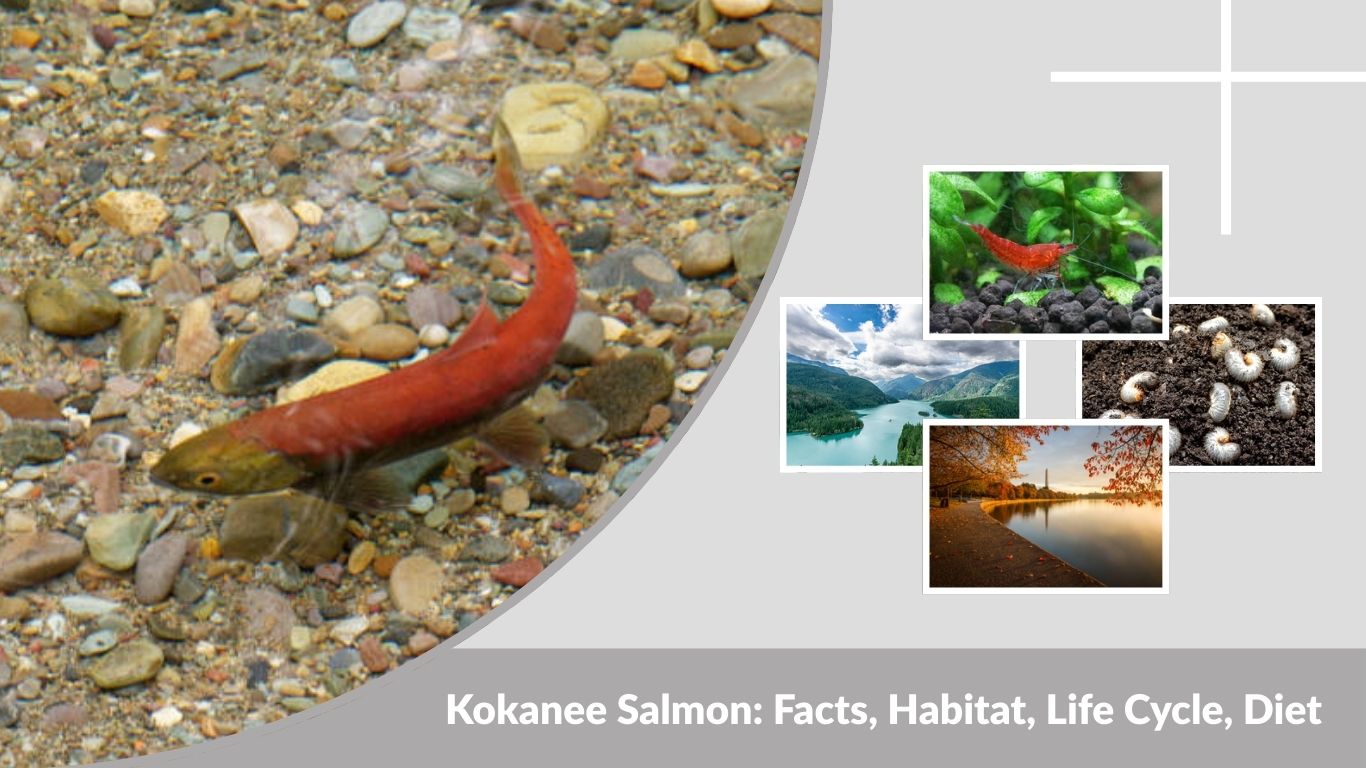
As Coho salmon prepare to spawn and return to freshwater, their appearance changes dramatically. Males often develop bright red sides with darker heads and backs. They also grow a pronounced hooked jaw, known as a kype, and enlarged teeth. These changes help males compete for mates during spawning season.
Coho salmon generally live about three to five years, depending on environmental conditions and regional populations.
Habitat and Distribution
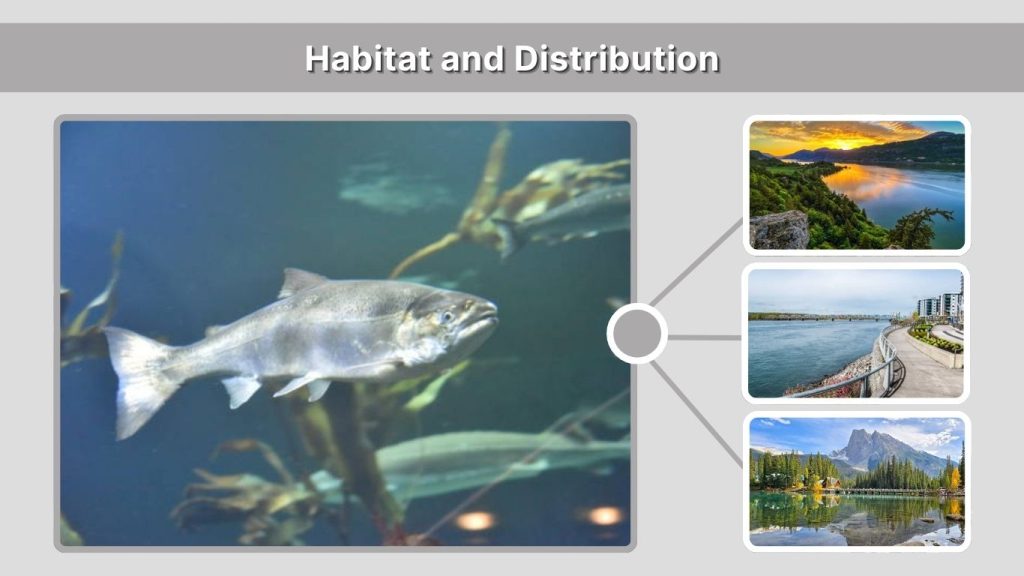
Coho salmon are found throughout the North Pacific Ocean. In North America, their range extends from central California northward through Oregon, Washington, British Columbia, and Alaska. In Asia, they occur in parts of Russia and northern Japan.
Unlike some salmon species that travel far offshore, Coho tend to remain in coastal marine waters during their ocean phase. These nutrient-rich coastal areas provide abundant food and suitable growing conditions.
In freshwater, Coho salmon prefer small to medium-sized streams with cool, clean water and plenty of cover such as fallen logs and undercut banks. Juveniles often spend a full year in freshwater before migrating to the ocean, which is longer than some other Pacific salmon species.
Access to healthy river systems is essential for their survival. Clean gravel beds are required for spawning, and stable water flows help protect eggs and young fish from disturbance.
Life Cycle of Coho Salmon
The life cycle of Coho salmon begins in freshwater streams, where adult females lay eggs in gravel nests called redds. After fertilization, the eggs develop beneath the gravel, protected from predators and strong currents.
When the eggs hatch, the young fish—called alevins—remain in the gravel while feeding on their attached yolk sacs. Once the yolk is absorbed, they emerge as fry and begin actively feeding on small aquatic insects and plankton.
One distinctive trait of Coho salmon is their extended freshwater juvenile stage. Young Coho typically spend about one year in streams before migrating to the ocean. During this time, they establish territories and rely heavily on stream habitat structure for protection.
As they prepare for saltwater life, juveniles undergo physiological changes during the smolt stage. These changes allow them to regulate salt levels in their bodies once they enter the ocean. After reaching coastal waters, they feed heavily and grow rapidly for one to three years before beginning their return migration to spawn.
Their journey back to their natal streams is guided by a highly developed sense of smell, enabling them to locate the exact river where they were born. After spawning, most adult Coho salmon die, completing their life cycle and contributing nutrients back to the ecosystem.
Diet and Feeding Habits
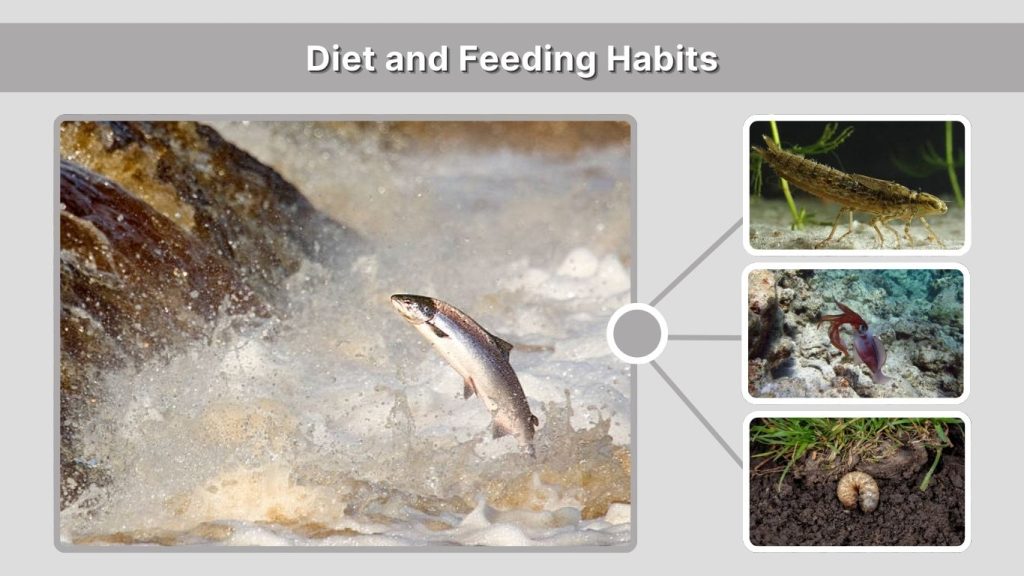
Coho salmon are opportunistic predators whose diet shifts as they grow. In freshwater, juveniles primarily consume aquatic insects, larvae, and small crustaceans. This protein-rich diet supports steady growth during their year-long stream residence.
Once in the ocean, their diet becomes more diverse and energy-dense. Adult Coho feed on small fish such as herring, anchovies, and sand lance, along with squid and marine crustaceans. This high-quality marine diet contributes to their firm texture and moderately rich flavor.
As both predator and prey, Coho salmon play an essential role in marine and freshwater food webs. They help regulate smaller fish populations while serving as a food source for orcas, seals, bears, birds of prey, and other wildlife.
Coho Salmon vs. Chinook Salmon
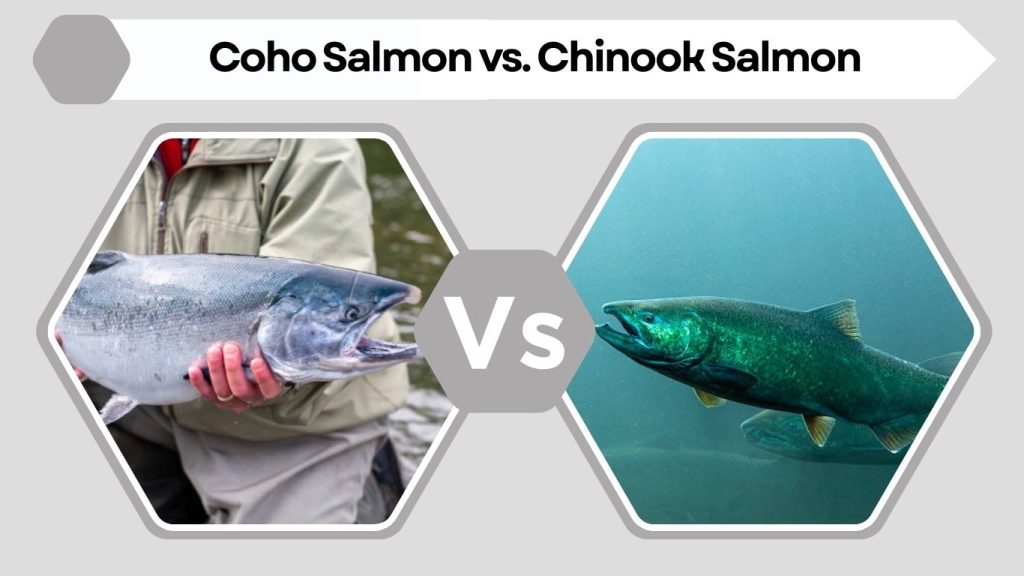
Coho and Chinook salmon are often compared because they share similar habitats and migration patterns. However, several differences set them apart.
Chinook salmon are generally much larger, often weighing 20 pounds or more, while Coho typically range between 6 and 15 pounds. Chinook also have a higher fat content, which gives them a richer, more buttery flavor. Coho salmon, by contrast, have a milder taste and slightly firmer texture.
From a fishing perspective, both species are strong fighters, but Coho are especially known for their aggressive strikes and acrobatic jumps. This energetic behavior makes them a favorite among sport anglers.
In seafood markets, Chinook usually commands a higher price due to its size and fat content. Coho, however, remains highly valued for its balanced flavor and versatility in cooking.
Fishing and Commercial Importance
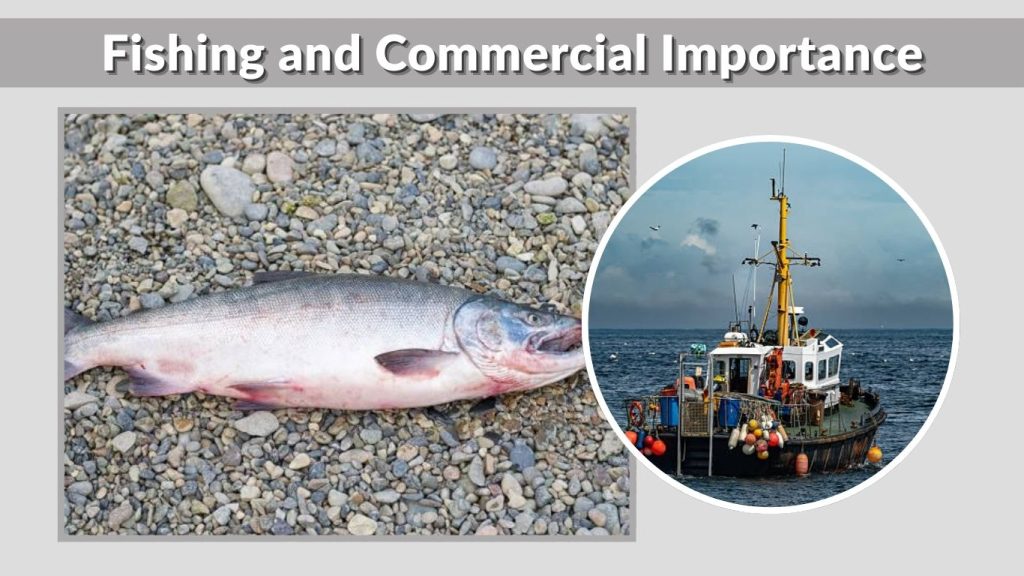
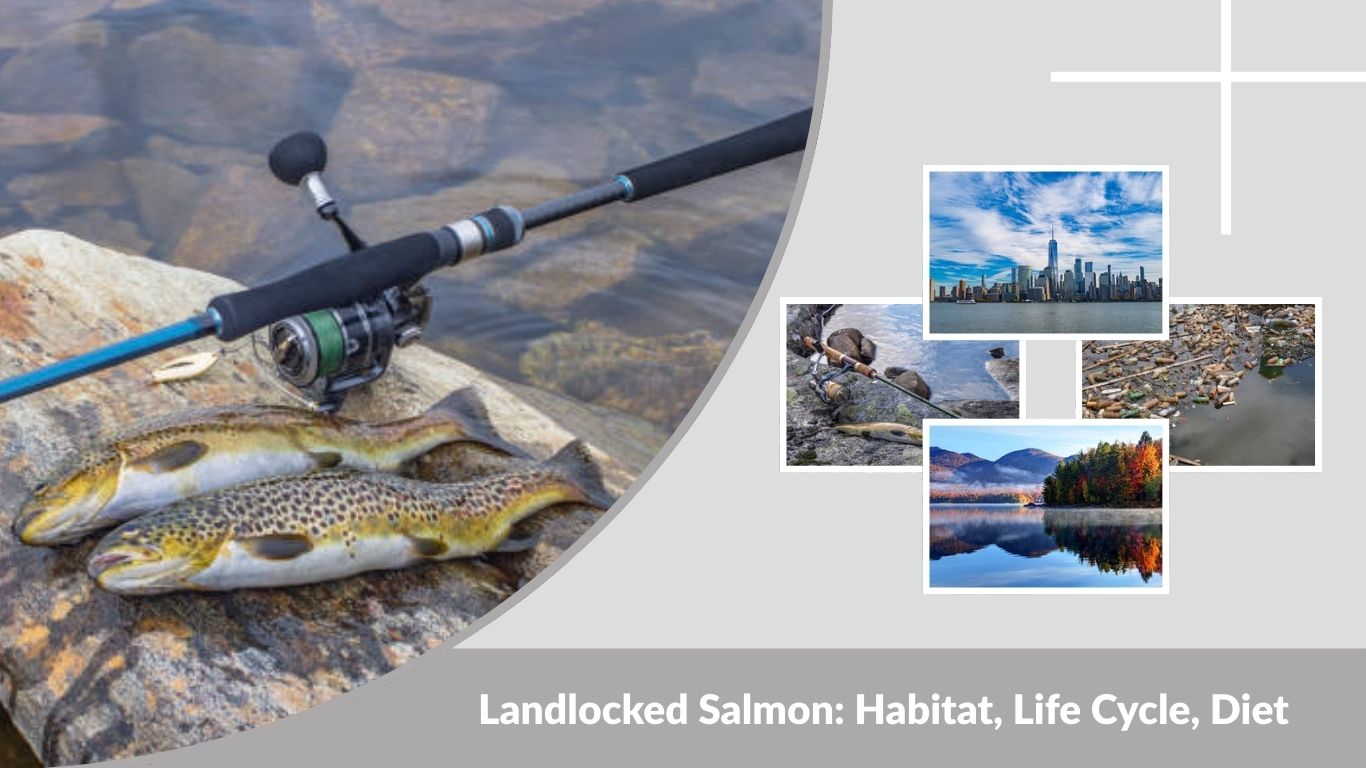
Coho salmon support significant commercial and recreational fisheries across the Pacific region. In areas such as Alaska, British Columbia, Washington, and Oregon, seasonal Coho runs attract thousands of anglers each year.
Recreational fishers prize Coho for their speed and powerful runs. When hooked, they often leap from the water and make sudden directional changes, creating an exciting challenge.
Commercially, Coho salmon are sold fresh, frozen, smoked, and canned. Both wild-caught and farmed Coho are available in markets. Farmed Coho production helps meet consumer demand while reducing pressure on some wild populations.
Fishing seasons are carefully managed in many regions to prevent overharvesting. Regulations may include catch limits, size restrictions, and seasonal closures to protect spawning populations.
Nutritional Value and Health Benefits
Coho salmon is considered a healthy and nutrient-dense food choice. It is rich in high-quality protein, which supports muscle growth and overall body function. It also provides essential omega-3 fatty acids that promote heart health, brain function, and reduced inflammation.
Although Coho contains slightly less fat than Chinook, it still offers a beneficial amount of omega-3s. It is also a good source of vitamins B12 and D, as well as minerals like selenium and potassium.
Because of its moderate fat content, Coho has a lighter texture compared to Chinook but remains moist when cooked properly. This balance makes it a popular choice for grilling, baking, broiling, and pan-searing.
Conservation Status and Threats
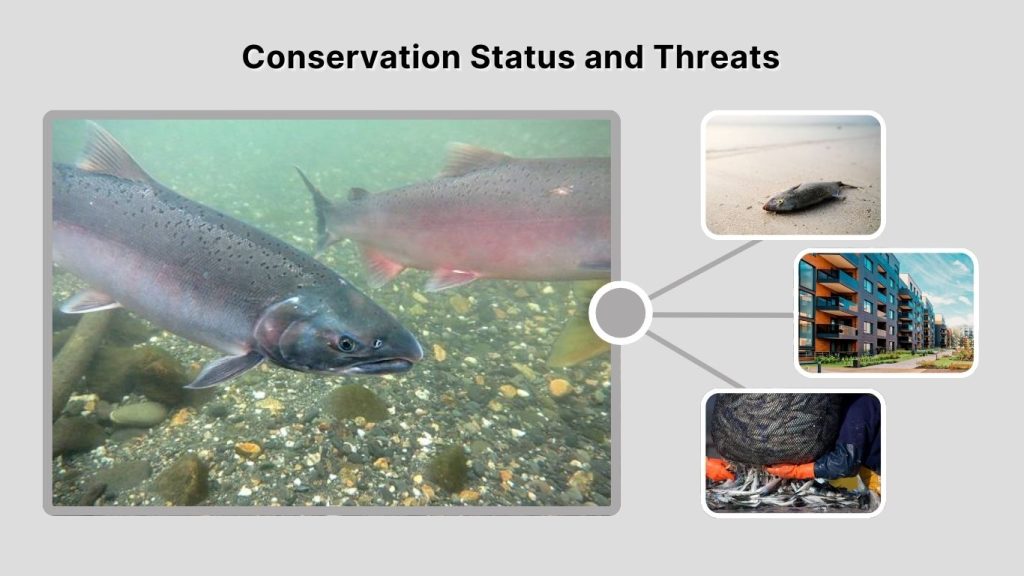
Like many salmon species, Coho salmon face environmental challenges. Habitat loss is a major concern, particularly in areas where rivers have been altered by dams, logging, agriculture, or urban development. These changes can reduce spawning habitat and disrupt migration routes.
Water temperature is another critical factor. Rising temperatures due to climate change can stress salmon and lower survival rates, especially during migration and spawning.
Overfishing historically reduced some Coho populations, but improved fisheries management has helped stabilize certain stocks. Conservation efforts often include habitat restoration, improved fish passage around dams, and careful monitoring of harvest levels.
Some regional Coho populations are listed as threatened, while others remain relatively stable. Continued management and habitat protection are essential for their long-term survival.
Interesting Facts About Coho Salmon
Coho salmon are famous for their aggressive behavior when hooked. Anglers often describe them as one of the most exciting salmon species to catch because of their high-energy fights and frequent jumps.
They are sometimes called “bluebacks” in certain regions due to their dark blue ocean coloration. During spawning season, their dramatic color transformation—especially the bright red sides of males—makes them visually striking.
Coho salmon also contribute vital nutrients to freshwater ecosystems. After spawning and dying, their bodies decompose and release marine-derived nutrients into rivers and surrounding forests, supporting plants and wildlife.
FAQs
Why is Coho salmon called Silver Salmon?
Coho salmon are called Silver Salmon because of their bright, metallic silver sides during their ocean phase. This shiny appearance helps distinguish them from other salmon species and makes them easily recognizable in coastal waters.
How big do Coho salmon get?
Most adult Coho salmon weigh between 6 and 15 pounds, although some individuals can exceed 20 pounds. They are smaller than Chinook salmon but still large enough to provide a strong fight for recreational anglers.
Where do Coho salmon spawn?
Coho salmon spawn in freshwater streams and rivers along the Pacific coast of North America and parts of Asia. They return to the same river where they were born, guided by their strong sense of smell.
Is Coho salmon good to eat?
Yes, Coho salmon is highly regarded for its mild flavor and firm texture. It contains beneficial omega-3 fatty acids, high-quality protein, and essential vitamins, making it both nutritious and delicious.
How long do Coho salmon live?
Coho salmon typically live three to five years. They spend about one year in freshwater, one to three years in the ocean, and then return to freshwater to spawn and complete their life cycle.