




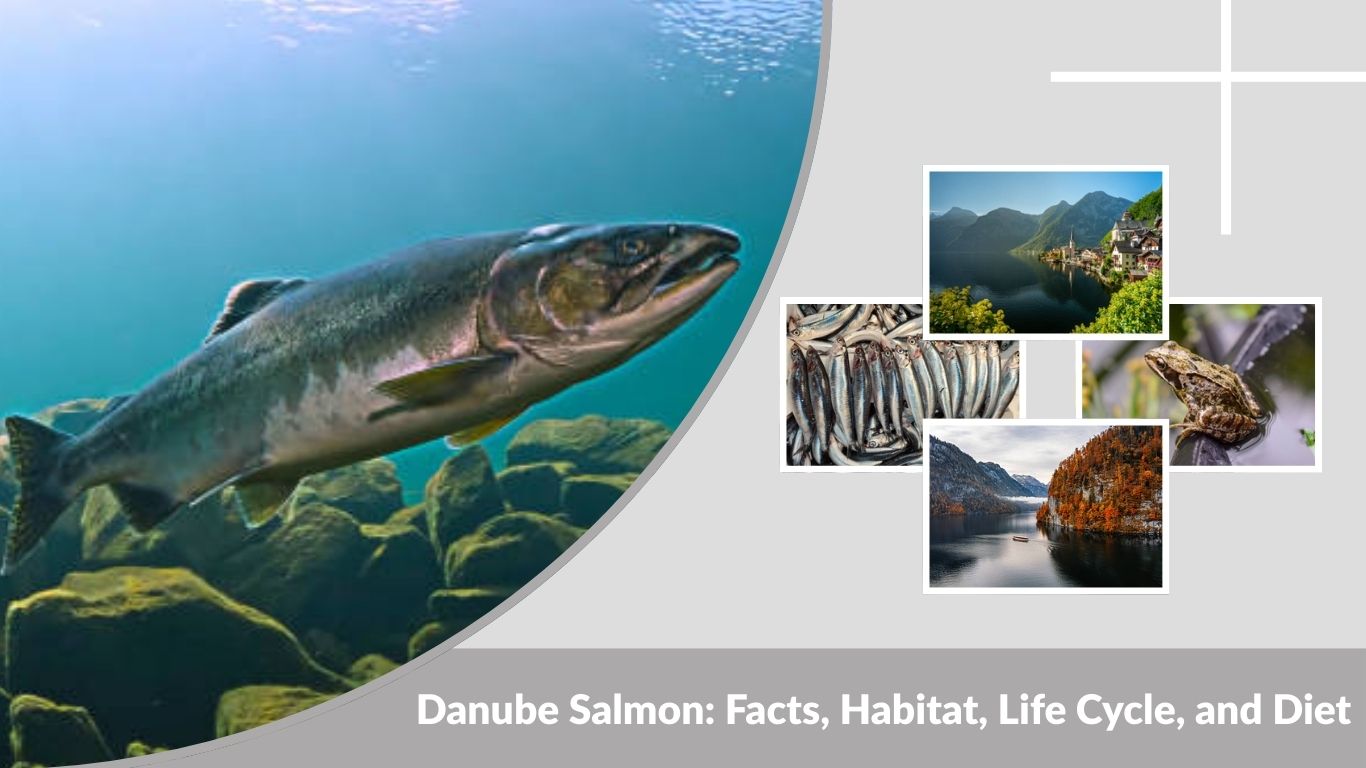
Danube salmon is one of the largest freshwater fish species in Europe. Scientifically known as Hucho hucho, it belongs to the salmonid family, which also includes trout and other salmon species. This powerful fish is native to the Danube River basin and is highly valued by anglers and conservationists. Often called huchen or Danube huchen, the species is known for its impressive size, strong swimming ability, and predatory behavior. Because of habitat changes and environmental pressures, Danube salmon has become an important focus of conservation efforts in many European countries.
What Is Danube Salmon?
Danube salmon is a large freshwater fish belonging to the family Salmonidae. Unlike many salmon species that migrate between the ocean and rivers, Danube salmon spend their entire lives in freshwater rivers.
The species is scientifically named Hucho hucho and is commonly referred to as huchen in several European regions. It is considered one of the most powerful predatory fish in European rivers.
Danube salmon are native to the Danube River basin, which flows through many countries in Central and Eastern Europe. These rivers provide the cold, clean, and fast-flowing waters that the species needs to survive.
Historically, Danube salmon were widely distributed throughout the river systems connected to the Danube. However, modern environmental challenges have reduced their natural range.
Today, the species is recognized as an important part of freshwater ecosystems and is also considered a valuable species for sport fishing and conservation programs.
Physical Characteristics of Danube Salmon
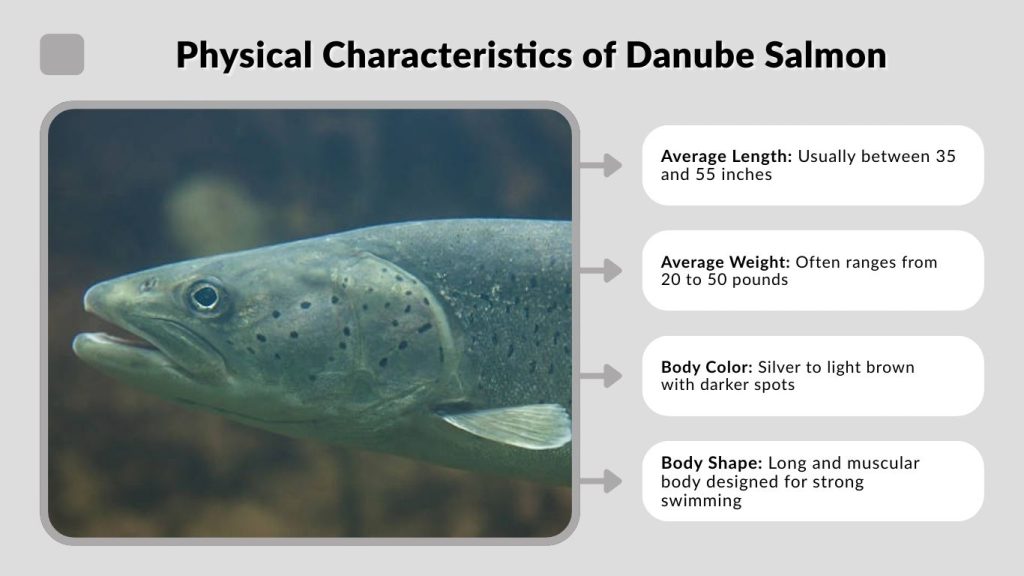
Danube salmon are known for their large size and powerful body structure. Their long, streamlined shape allows them to move quickly through strong river currents.
The fish typically has a silver or light brown body with darker spots scattered along its sides and back. This coloration helps it blend into river environments while hunting prey.
Danube salmon are among the largest freshwater salmonid fish. Some individuals can grow to impressive sizes, making them highly prized among anglers.
Key physical characteristics of Danube salmon include:
- Average Length: Usually between 35 and 55 inches
- Average Weight: Often ranges from 20 to 50 pounds
- Body Color: Silver to light brown with darker spots
- Body Shape: Long and muscular body designed for strong swimming
- Head: Large head with a wide mouth for catching prey
- Fins: Powerful fins that help maintain stability in fast currents
These features make Danube salmon an effective predator in river ecosystems.
Habitat and Distribution
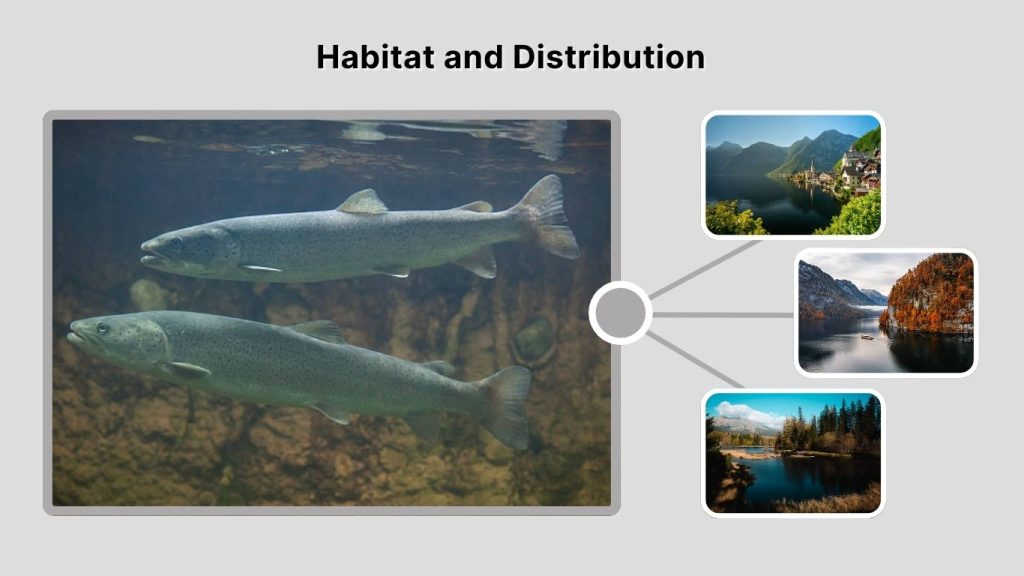
Danube salmon are native to the Danube River basin, one of the largest river systems in Europe. This basin stretches across multiple countries, including Austria, Germany, Slovakia, Hungary, Croatia, Serbia, Romania, and Bulgaria.
The species prefers cold, fast-flowing rivers with high oxygen levels. Clean water and gravel riverbeds are essential for their survival and reproduction.
Danube salmon are most commonly found in large mountain rivers and tributaries where water remains cool throughout the year. These habitats provide suitable conditions for feeding, growth, and spawning.
However, human activities such as dam construction, river regulation, and pollution have significantly reduced the natural habitat available for this species.
Because of these environmental pressures, Danube salmon populations are now limited to certain areas within the Danube basin.
Life Cycle of Danube Salmon
The life cycle of Danube salmon takes place entirely within freshwater rivers. Unlike many salmon species, they do not migrate to the ocean.
Spawning usually occurs in spring, when water temperatures begin to rise. During this time, adult fish move upstream to suitable spawning grounds.
Female Danube salmon create nests in the riverbed gravel, known as redds, where they deposit their eggs. Male fish then fertilize the eggs.
After several weeks, the eggs hatch into small fish called alevins, which remain hidden in the gravel while feeding on nutrients from their yolk sacs.
Once the young fish grow larger, they emerge as fry and begin feeding on small aquatic insects and other tiny organisms.
As they mature, Danube salmon become strong predators and continue growing for several years before reaching reproductive age.
Their ability to live entirely in freshwater rivers makes their life cycle closely tied to the health of river ecosystems.
Diet and Feeding Habits
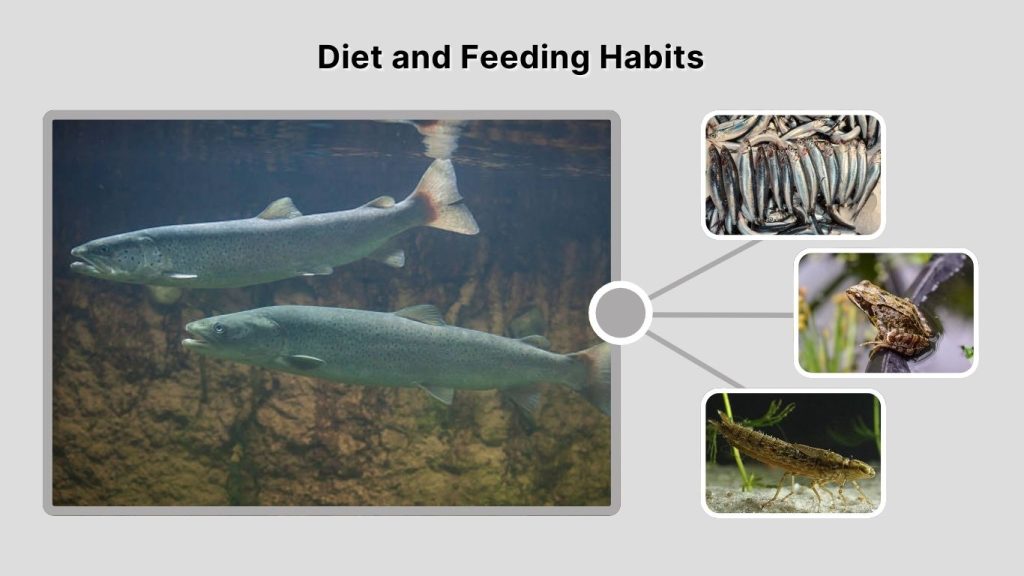
Danube salmon are powerful predatory fish that feed on a variety of aquatic animals found in freshwater rivers. Their diet changes as they grow, allowing them to adapt to different stages of life.
Young Danube salmon usually feed on aquatic insects, insect larvae, and small crustaceans. These small food sources provide the nutrients needed for early growth and development.
As the fish grow larger, they begin to hunt bigger prey. Adult Danube salmon commonly eat small fish, frogs, and other aquatic animals. Their large mouth and sharp teeth make them effective hunters in river environments.
Because of their role as top predators, Danube salmon help maintain balance in freshwater ecosystems by controlling populations of smaller fish and aquatic organisms.
Nutritional Value of Danube Salmon
Danube salmon, like other salmonid fish, provides several important nutrients that support overall health. Although it is not as widely consumed as some other salmon species, it still offers many nutritional benefits.
One of the most important nutrients in Danube salmon is high-quality protein, which helps build and repair body tissues and supports muscle health.
The fish also contains omega-3 fatty acids, which are beneficial for heart health and brain function. Omega-3 fats may help reduce inflammation and support cardiovascular health.
In addition, Danube salmon contains essential vitamins and minerals such as:
- Vitamin B12
- Vitamin D
- Selenium
- Phosphorus
These nutrients help strengthen bones, support the immune system, and promote healthy metabolism.
Danube Salmon vs Other Salmon Species
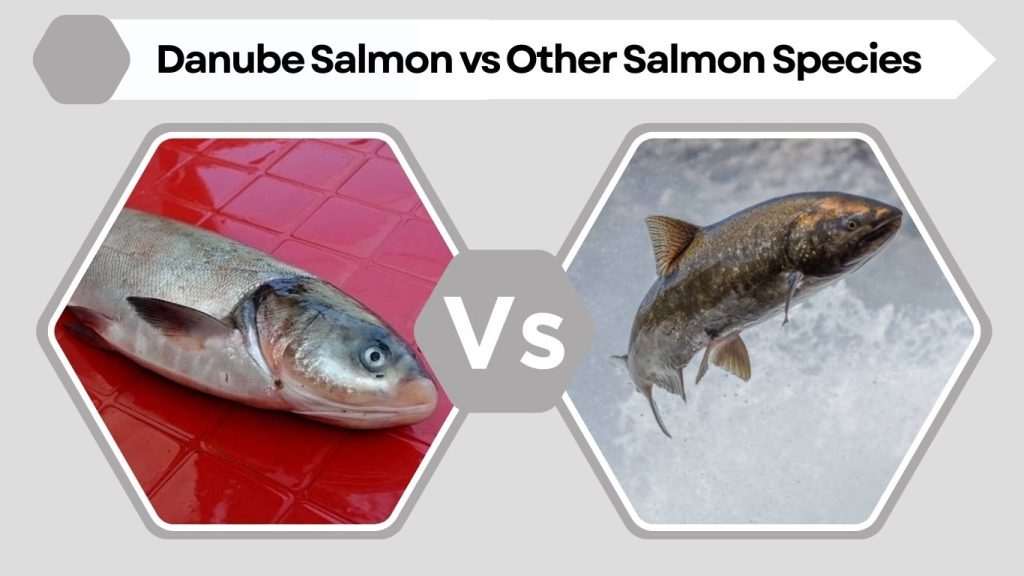
Danube salmon differs from many other salmon species in several important ways.
For example, Pacific salmon species such as chum or sockeye salmon migrate between freshwater rivers and the ocean during their life cycle. Danube salmon, however, spends its entire life in freshwater rivers.
Another difference is size. Danube salmon is often larger than many other salmon species, making it one of the biggest members of the salmonid family in Europe.
Compared to Atlantic salmon, which migrate to the ocean, Danube salmon remain within river systems and rely heavily on healthy freshwater habitats.
These differences in habitat and life cycle make Danube salmon a unique species among salmonids.
Fishing and Economic Importance
Danube salmon is highly valued in sport fishing because of its size, strength, and challenging behavior when caught. Many anglers consider it one of the most exciting freshwater fish to catch in Europe.
Historically, the species was also important for local fisheries along the Danube River and its tributaries. However, declining populations have led to stricter fishing regulations in many regions.
Today, many countries have introduced catch limits, protected seasons, and catch-and-release policies to help protect Danube salmon populations.
Recreational fishing for this species also contributes to local tourism and river conservation programs, especially in areas where healthy populations still exist.
Conservation and Sustainability
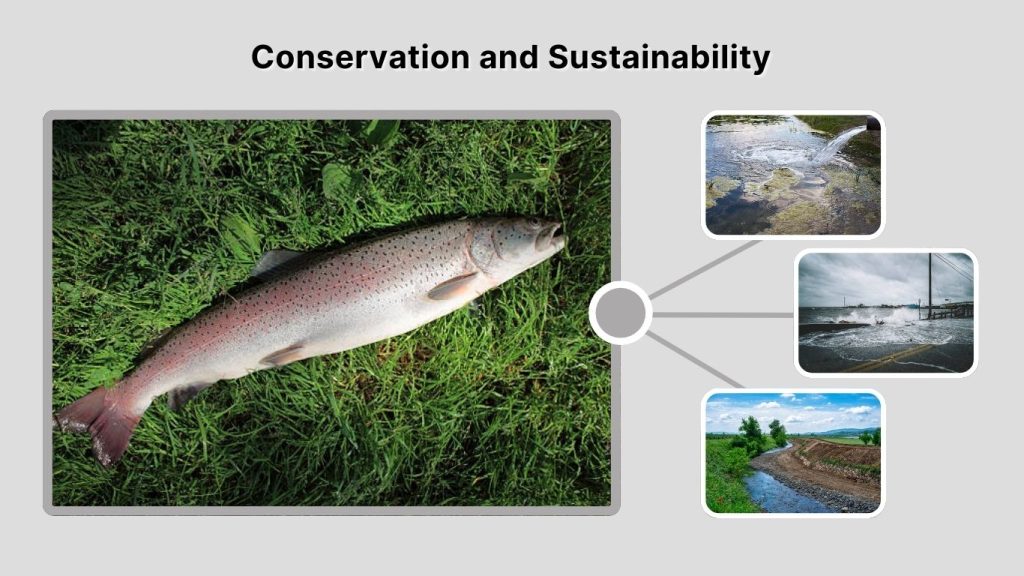
Danube salmon populations have declined significantly over the past century due to environmental changes and human activities.
One of the biggest threats to the species is dam construction, which blocks migration routes and reduces access to spawning habitats.
Other major threats include:
- River pollution
- Habitat destruction
- Water regulation and river channel modification
Because Danube salmon rely on clean, cold, and fast-flowing rivers, any disruption to these habitats can negatively affect their survival.
Many conservation programs now focus on river restoration, fish passage construction, and habitat protection to help recover Danube salmon populations.
Protecting this species is important not only for biodiversity but also for maintaining healthy freshwater ecosystems.
Interesting Facts About Danube Salmon
Danube salmon has several unique traits that make it a fascinating freshwater species.
One interesting fact is that it is often called the “king of the Danube rivers” because of its large size and powerful swimming ability.
Danube salmon can grow to over 50 pounds, making it one of the largest freshwater salmonid fish in Europe.
Another remarkable trait is that the species lives entirely in freshwater, unlike many other salmon that migrate to the ocean.
Because of its rarity and size, Danube salmon is considered one of the most prized fish for European sport anglers.
FAQs
What is Danube salmon?
Danube salmon is a large freshwater fish scientifically known as Hucho hucho. It belongs to the salmonid family and is native to the Danube River basin in Europe.
Where is Danube salmon found?
Danube salmon is found mainly in the Danube River and its tributaries, which flow through several Central and Eastern European countries.
How big can Danube salmon grow?
Danube salmon can grow very large. Adult fish commonly reach 35 to 55 inches in length and may weigh 20 to 50 pounds or more.
Is Danube salmon endangered?
Yes, Danube salmon is considered a threatened species in many parts of Europe due to habitat loss, dams, and pollution. Conservation programs aim to protect and restore its populations.
What does Danube salmon eat?
Danube salmon is a predatory fish that feeds on small fish, frogs, insects, and other aquatic animals found in freshwater rivers.