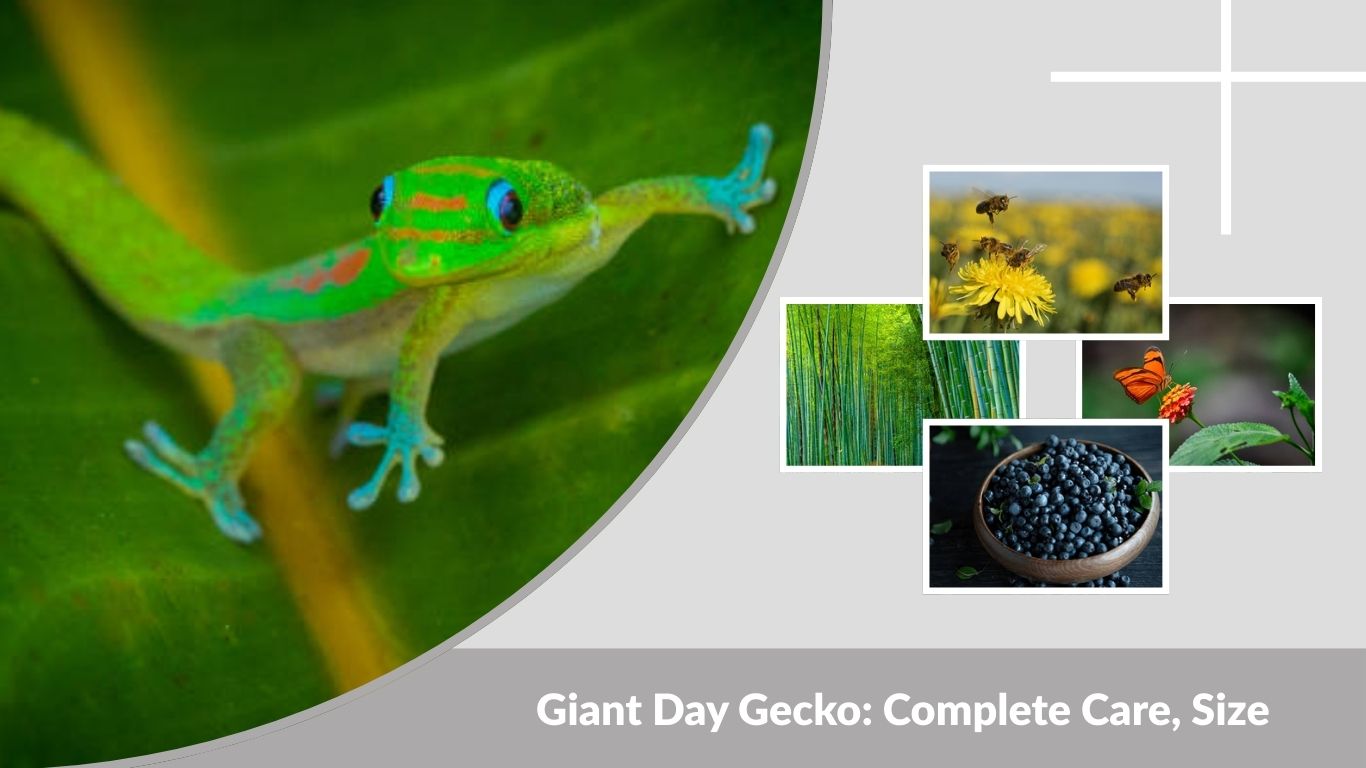




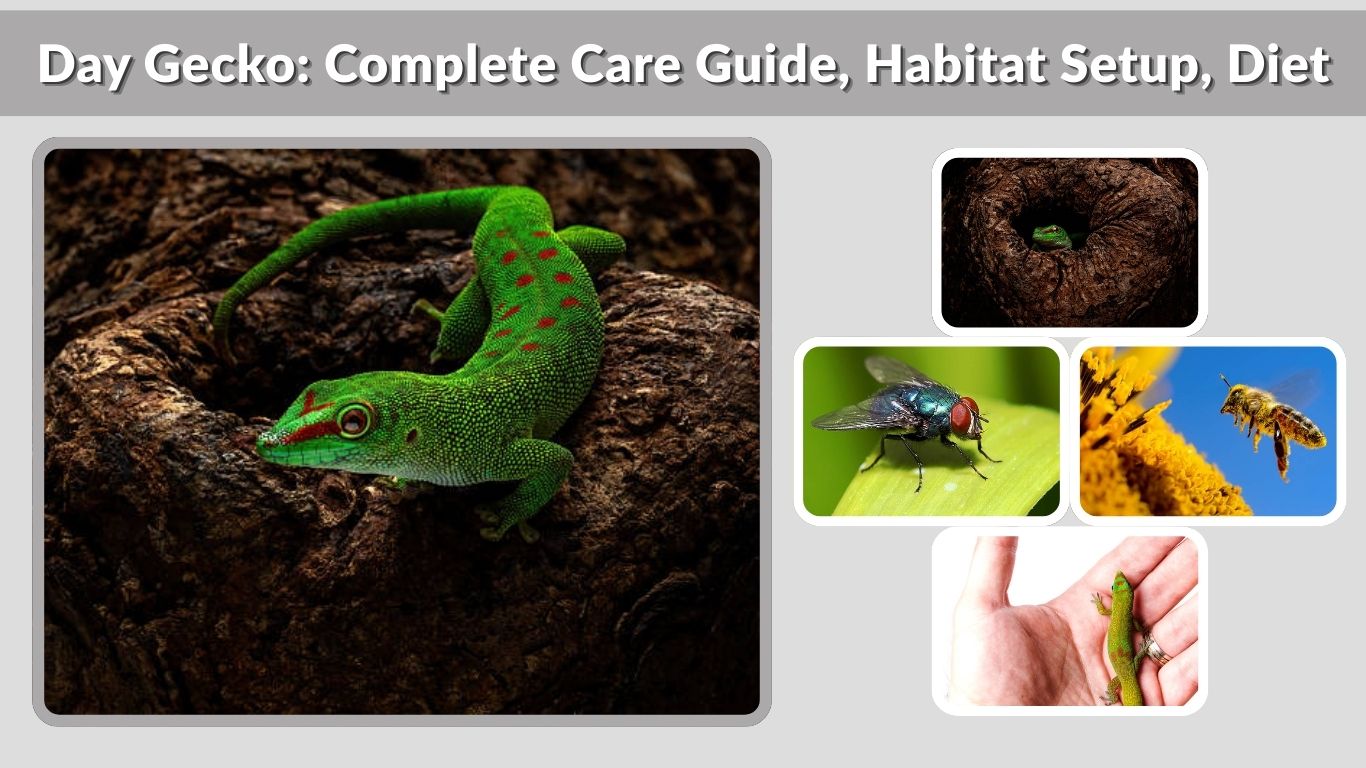
Bright green, fast-moving, and active during the day, the day gecko is one of the most visually striking reptiles in the pet world. Native to Madagascar and nearby islands, these tropical lizards belong to the Phelsuma genus and are known for their vibrant colors and energetic personalities. Unlike many other geckos that are nocturnal, day geckos are active in daylight hours, making them fascinating display pets. In this guide, you’ll learn about popular species, size and lifespan, and the essential habitat requirements needed to keep a day gecko healthy and thriving.
What Is a Day Gecko?
A day gecko is a diurnal (day-active) lizard belonging to the genus Phelsuma. There are more than 60 species of day geckos, most of which originate from Madagascar, Mauritius, and other islands in the Indian Ocean.
Unlike nocturnal geckos such as leopard geckos, day geckos have round pupils and rely heavily on bright light and warmth. Their bodies are typically bright green with red, blue, or gold markings that help them blend into tropical foliage.
Day geckos are arboreal, meaning they spend most of their lives in trees. In captivity, they require vertical enclosures with plenty of climbing space. They are quick, agile, and somewhat shy. While they are not aggressive, they are delicate and not ideal for frequent handling due to their fragile skin.
Popular Types of Day Geckos
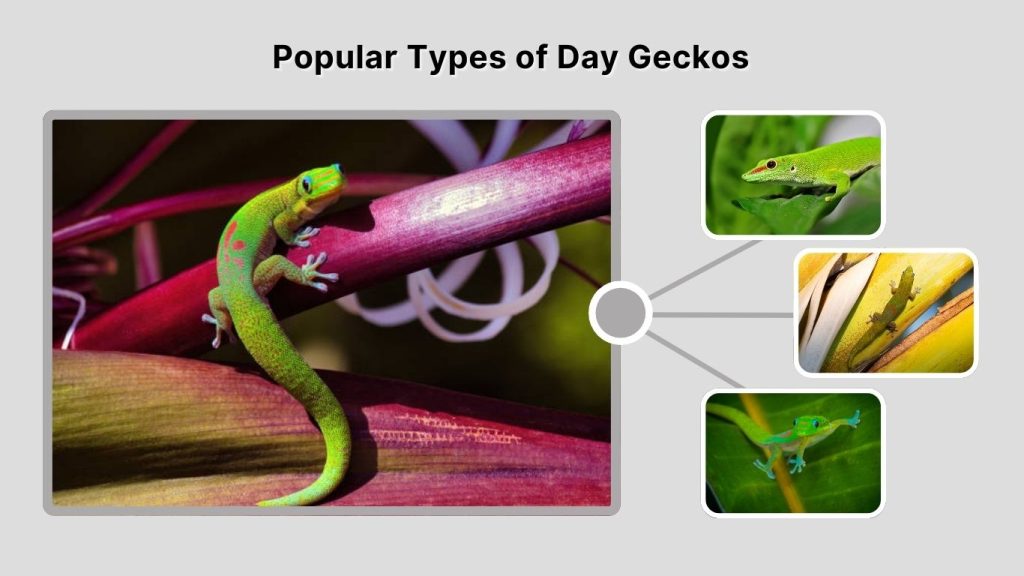
There are many species of day geckos, but a few are especially popular among reptile keepers.
Giant Day Gecko (Phelsuma grandis)
The Giant Day Gecko is the largest and one of the most commonly kept species. Adults can grow up to 10–12 inches long. They have a bright green body with vivid red stripes or spots along their back.
Because of their larger size and bold appearance, they are a favorite among experienced hobbyists. They require a spacious vertical enclosure and stable humidity levels to thrive.
Gold Dust Day Gecko
The Gold Dust Day Gecko is smaller, typically reaching 4–6 inches in length. This species is known for its sparkling gold flecks and blue markings around the eyes.
Due to its smaller size, it can be housed in slightly smaller enclosures compared to the giant species. However, it still requires proper humidity, UVB lighting, and vertical climbing space.
Madagascar Day Gecko
Often confused with the Giant Day Gecko, the Madagascar Day Gecko is another bright green species native to Madagascar. It features red markings on the head and back and thrives in warm, humid conditions.
This species is hardy when provided with the correct environment and is commonly available in the pet trade.
Day Gecko Size and Lifespan
The size of a day’s gecko depends largely on the species. Smaller varieties may reach 4 inches, while larger species like the Giant Day Gecko can grow up to 12 inches in total length.
Juveniles grow rapidly during their first year when provided with proper nutrition and lighting. Growth slows as they reach adulthood, typically around 12–18 months of age.
In captivity, day geckos generally live between 6 and 15 years. With excellent care, some individuals may live even longer. Their lifespan is influenced by several factors:
- Proper UVB lighting
- Balanced diet with calcium supplementation
- Correct humidity levels
- Low stress environment
- Clean enclosure maintenance
Poor husbandry can significantly shorten their lifespan, especially if metabolic bone disease or dehydration develops.
Day Gecko Habitat Requirements
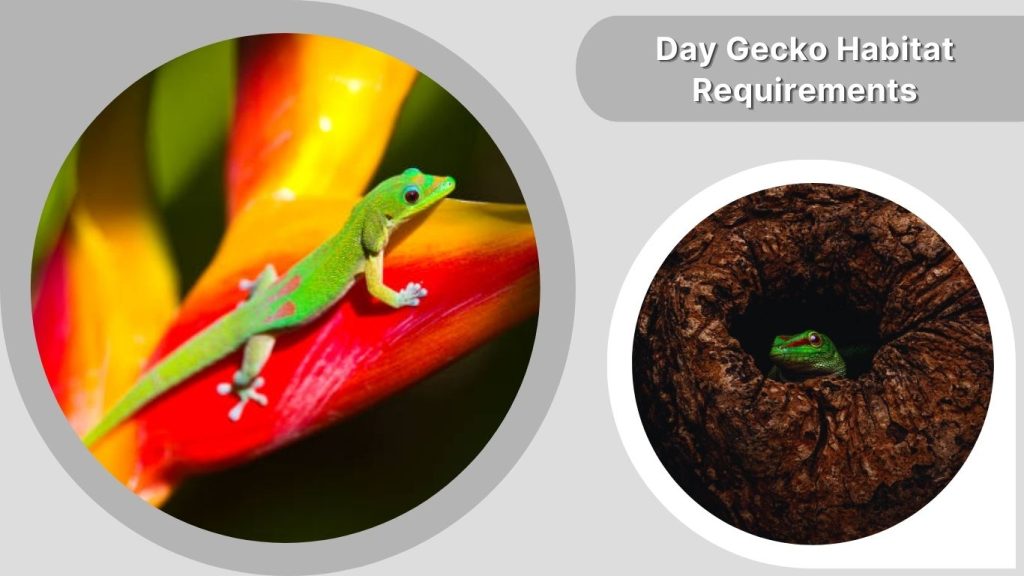
Creating the correct habitat is one of the most important aspects of day gecko care. These tropical reptiles require warmth, humidity, and vertical space to mimic their natural environment.
Enclosure Size and Type
Day geckos prefer tall, vertical terrariums rather than long, ground-level tanks. Since they are tree-dwelling reptiles, height is more important than floor space.
For smaller species, a 12x12x18-inch enclosure may be sufficient. Larger species like the Giant Day Gecko typically require at least an 18x18x24-inch terrarium or larger.
Glass terrariums are commonly used because they help retain humidity. A secure lid is essential, as day geckos are fast climbers and skilled escape artists.
Temperature and Humidity
Day geckos thrive in warm, tropical conditions. The ideal daytime temperature should range between 75–85°F, with a basking spot reaching around 88–90°F.
At night, temperatures can safely drop to around 70–75°F.
Humidity levels should stay between 60–80%. This can be maintained by:
- Daily misting
- Using live plants
- Installing a drainage-friendly substrate
- Covering part of the screen top to retain moisture
Proper humidity supports healthy shedding and prevents dehydration.
Lighting and UVB Needs
Unlike many nocturnal geckos, day geckos require UVB lighting. UVB exposure helps them metabolize calcium and prevents metabolic bone disease.
A low to moderate UVB bulb designed for tropical reptiles should be provided for 10–12 hours per day. Pairing UVB lighting with a heat source helps simulate a natural day/night cycle.
Without proper lighting, day geckos may suffer from weakened bones, lethargy, and poor overall health.
What Do Day Geckos Eat?
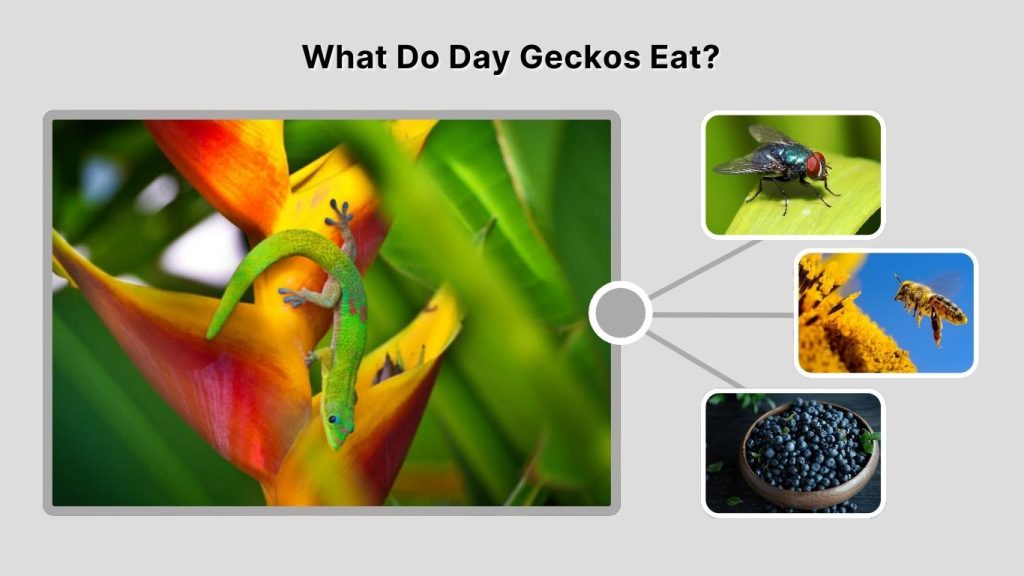
Day geckos are omnivores, meaning they eat both insects and fruit-based foods. In the wild, they consume small insects, nectar, soft fruits, and other naturally available food sources. Replicating this balanced diet in captivity is essential for proper growth and long-term health.
Insects
Live insects form a major part of a day gecko’s diet. Crickets and dubia roaches are commonly used because they provide good protein content and are easy to digest. Occasional treats such as mealworms or waxworms can be offered, but these should not be a primary food source due to their higher fat content.
All feeder insects should be gut-loaded before feeding. This means they are fed nutritious foods prior to being offered to your gecko, increasing their nutritional value. In addition, insects should be lightly dusted with calcium and vitamin supplements several times per week to prevent deficiencies.
Fruit and Commercial Diets
In addition to insects, day geckos enjoy fruit-based foods. In captivity, many owners use commercially prepared gecko diet powders that are mixed with water to create a nectar-like consistency. These diets are formulated to provide balanced nutrients and are widely accepted by most species.
Fresh fruit purees such as mashed banana, mango, or papaya can also be offered occasionally. However, fruit should complement the diet rather than replace protein-rich insects. A varied diet helps ensure proper vitamin intake and supports healthy skin and coloration.
Feeding Schedule
Juvenile day geckos typically eat more frequently than adults because they are still growing. Young geckos may require daily feeding, while adults can often be fed every other day. Monitoring body condition is important to prevent underfeeding or obesity. Clean water should always be available, though many day geckos prefer to drink water droplets from misted surfaces rather than standing water bowls.
Can Day Geckos Be Handled?
Although day geckos are beautiful and fascinating to observe, they are not ideal for frequent handling. Their skin is delicate and can tear easily if grabbed too firmly. In addition, they can drop their tails when stressed, a defense mechanism known as autotomy.
These geckos are fast and agile, making accidental escapes common during handling attempts. Excessive interaction may also cause chronic stress, which can negatively impact appetite and overall health. For this reason, day geckos are best considered display pets. Interaction should be limited to necessary enclosure maintenance and health checks. Observing their natural behaviors during the day is often far more rewarding than attempting physical contact.
Are Day Geckos Good Pets?
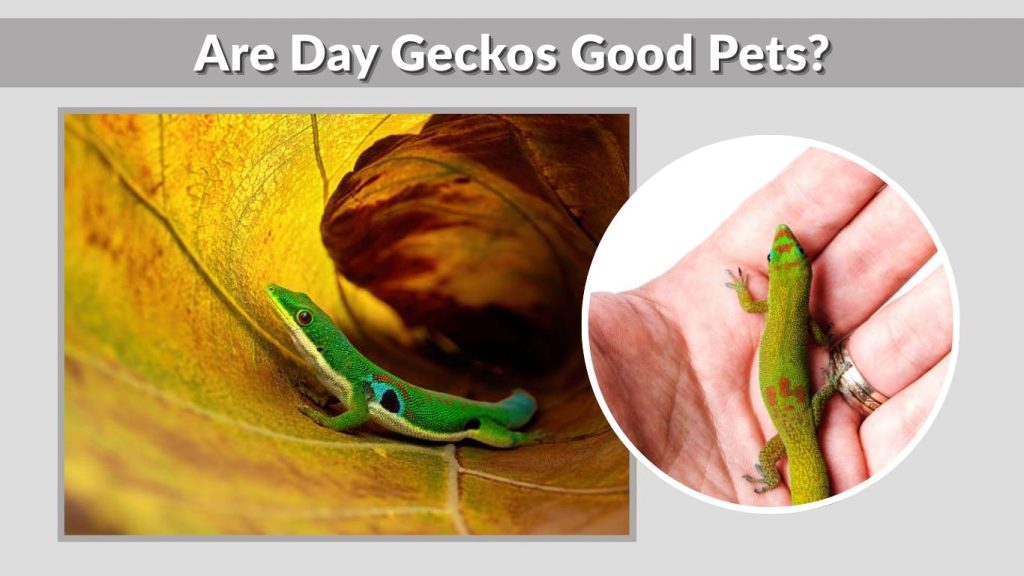
Day geckos can make excellent pets for the right keeper. Their bright coloration and daytime activity make them more visible and engaging compared to nocturnal reptiles. They are relatively low odor and do not require extremely large enclosures, especially smaller species.
However, they are not always recommended for beginners who expect a hands-on reptile. Their need for precise humidity, proper UVB lighting, and a vertically oriented habitat means that attention to detail is important. They are best suited for hobbyists who enjoy creating naturalistic enclosures and observing animal behavior rather than handling their pets regularly.
For keepers willing to meet their environmental needs, day geckos can be rewarding, long-term companions.
Common Health Problems
Like all reptiles, day geckos can experience health issues if their care requirements are not properly met. One of the most serious conditions is metabolic bone disease, which occurs when there is insufficient calcium or UVB exposure. This condition can cause weak bones, deformities, and lethargy.
Improper humidity may lead to shedding problems. Retained skin around the toes or tail can restrict circulation and cause complications if not addressed promptly. Dehydration is another concern, especially in enclosures that are too dry.
Parasites and bacterial infections can also occur, particularly in poorly maintained habitats. Regular cleaning, proper supplementation, and maintaining stable environmental conditions greatly reduce the risk of illness. Any signs of weight loss, abnormal posture, refusal to eat, or unusual behavior should prompt consultation with a reptile veterinarian.
How Much Does a Day Gecko Cost?
The cost of a day gecko depends on the species, age, and breeder reputation. Common species such as the Giant Day Gecko or Gold Dust Day Gecko are generally affordable compared to rare morphs or less common varieties.
Beyond the initial purchase price, the enclosure setup represents the largest investment. A suitable vertical terrarium, UVB lighting, heat source, live plants, and substrate can significantly increase startup costs. Ongoing expenses include feeder insects, commercial diet, supplements, and occasional equipment replacement.
Prospective owners should consider the long-term commitment. With proper care, day geckos may live for over a decade, making them a responsibility that extends well beyond the initial purchase.
FAQs
How long do day geckos live?
In captivity, most day geckos live between six and fifteen years, depending on the species and quality of care. Proper lighting, balanced nutrition, and stable humidity levels play a major role in longevity. Consistent husbandry practices significantly increase their chances of living a full lifespan.
Do day geckos need UVB lighting?
Yes, day geckos require UVB lighting to properly metabolize calcium. Without it, they are at risk of developing metabolic bone disease. Providing a suitable UVB bulb for around ten to twelve hours daily helps maintain strong bones and overall health.
Can two day geckos live together?
Housing multiple day geckos together can be challenging. Males are often territorial and may fight. Some experienced keepers successfully house one male with one female, but careful monitoring and adequate space are essential to prevent stress or injury.
Are day geckos good for beginners?
Day geckos can be suitable for beginners who are willing to carefully manage humidity, lighting, and enclosure setup. However, they are not ideal for those seeking a reptile that enjoys handling. Research and preparation are key before bringing one home.
Conclusion
Day geckos are vibrant, active reptiles that bring a tropical presence to any well-designed enclosure. Their striking green coloration, daytime behavior, and fascinating climbing abilities make them captivating display pets. However, their care requirements demand attention to lighting, humidity, and proper nutrition. By creating a stable environment and providing a balanced diet, owners can enjoy many years with these remarkable lizards. Responsible preparation and consistent husbandry are the foundations of successful day gecko care.