
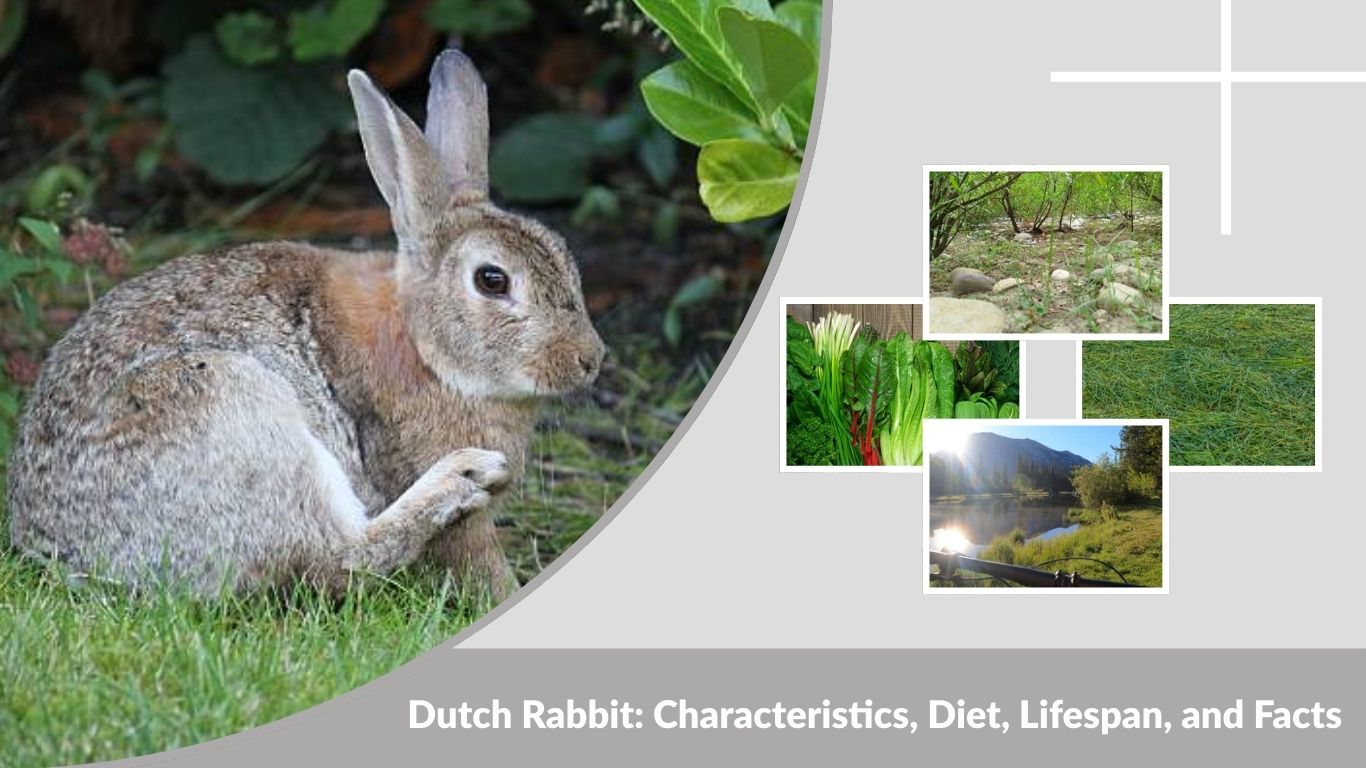
The Dutch rabbit is one of the most recognizable domestic rabbit breeds in the world. It is especially known for its distinctive two-tone color pattern, usually featuring white combined with black, blue, chocolate, gray, or tortoiseshell markings. Despite its name, the Dutch rabbit was actually developed in England during the 19th century from rabbits originally imported from the Netherlands. Because of their friendly personality, manageable size, and attractive appearance, Dutch rabbits are popular as pets and are also frequently seen in rabbit shows.
What Is a Dutch Rabbit?
The Dutch rabbit is a small to medium-sized domestic rabbit breed admired for its unique coat pattern and calm temperament. It is one of the oldest recognized rabbit breeds and has been widely kept by rabbit enthusiasts for generations.
Dutch rabbits are commonly raised as pets, exhibition rabbits, and breeding animals. Their friendly nature and moderate care requirements make them suitable for both beginner and experienced rabbit owners.
Origin and History
The Dutch rabbit breed traces its origins back to the Netherlands, where rabbits with similar markings were first observed. These rabbits were later imported to England in the early 1800s, where breeders refined their appearance and developed the modern Dutch rabbit breed.
During the late 19th century, the breed became extremely popular in rabbit exhibitions. Its symmetrical markings and balanced body shape made it highly desirable among breeders and show judges.
Over time, Dutch rabbits spread to many countries, including the United States, where they remain a well-known and widely kept rabbit breed.
Scientific Classification
Although it is called a Dutch rabbit breed, it belongs to the same species as most domestic rabbits.
- Scientific name: Oryctolagus cuniculus
- Family: Leporidae
- Order: Lagomorpha
- Breed type: Domestic rabbit
This classification places Dutch rabbits among other domestic rabbit breeds derived from the European rabbit.
Purpose of the Breed
Originally, rabbits similar to the Dutch breed were raised for meat production. However, their distinctive markings soon attracted attention, and breeders began focusing on improving their appearance.
Today, Dutch rabbits are mainly kept for:
- Pet companionship
- Rabbit shows and exhibitions
- Selective breeding programs
Their manageable size and gentle personality make them one of the most popular rabbit breeds among hobbyists.
Dutch Rabbit Identification
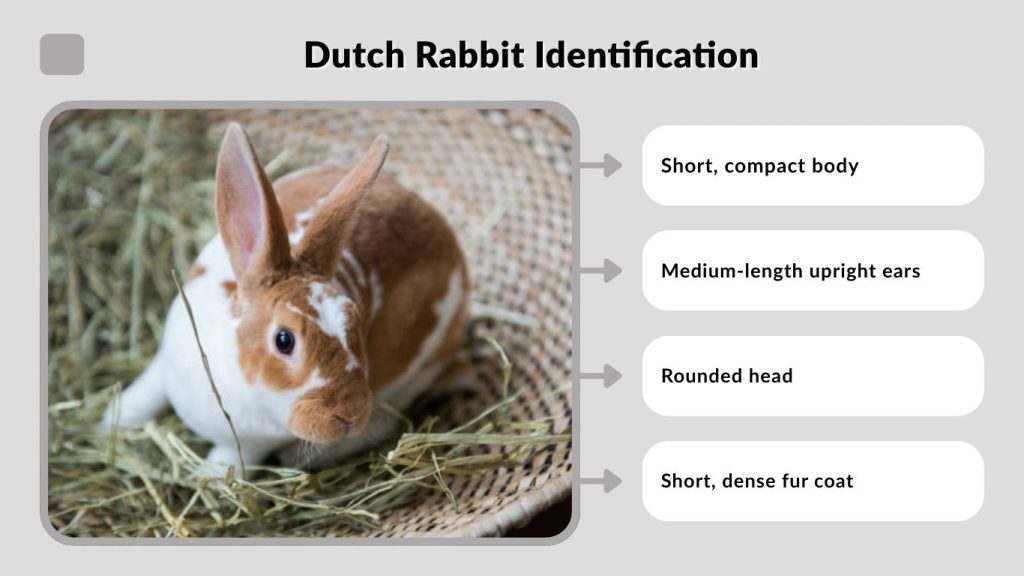
The Dutch rabbit has several distinctive physical traits that make it easy to identify. Its symmetrical markings and compact body shape are especially noticeable.
Physical Characteristics
Dutch rabbits have a compact and well-proportioned body. Their posture is balanced, and they usually appear alert and energetic.
Common physical features include:
- Short, compact body
- Medium-length upright ears
- Rounded head
- Short, dense fur coat
- Strong hind legs for hopping
These features contribute to the rabbit’s overall neat and symmetrical appearance.
Unique Dutch Markings
One of the most famous characteristics of the Dutch rabbit is its distinctive color pattern. The markings are symmetrical and clearly divided between white and another color.
Typical Dutch markings include:
- A white blaze running down the center of the face
- Colored cheeks and ears
- White shoulders and front legs
- A colored saddle covering the hindquarters
These markings create a striking contrast that makes the Dutch rabbit easily recognizable.
The colored areas of the coat can appear in several variations, including:
- Black
- Blue
- Chocolate
- Gray
- Tortoiseshell
The symmetry and clarity of these markings are important features in rabbit show competitions.
Size and Weight
Dutch rabbits are considered a small to medium-sized breed.
Typical size measurements include:
- Average weight: 1.8–2.5 kilograms
- Body type: Compact and muscular
- Ear length: Medium and upright
Their moderate size makes them easier to handle compared with larger rabbit breeds, which is one reason they are popular as household pets.
Dutch Rabbit Habitat
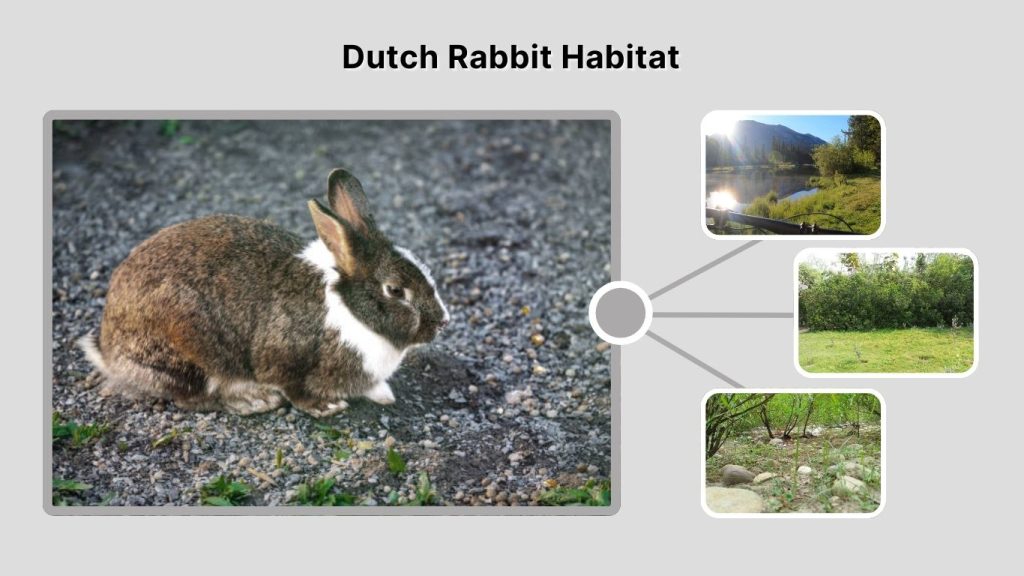
As a domestic breed, Dutch rabbits live in environments provided by humans rather than natural wild habitats.
Domestic Habitat
Dutch rabbits are usually kept in rabbit hutches, cages, or indoor enclosures. Some owners keep them indoors as companion animals, while others house them in protected outdoor hutches.
A suitable habitat typically includes:
- A clean and spacious enclosure
- Good ventilation
- Protection from extreme temperatures
- Comfortable bedding materials such as straw or hay
Maintaining a clean living space is essential for the rabbit’s health and comfort.
Ideal Living Conditions
To keep Dutch rabbits healthy, their living environment should meet several basic needs.
Ideal conditions include:
- Adequate space for movement
- Fresh water available at all times
- Clean bedding changed regularly
- A safe and quiet environment
Providing a comfortable habitat helps reduce stress and prevents health problems.
Activity Needs
Dutch rabbits have a moderate activity level. Although they may spend time resting, they also enjoy exploring their surroundings and playing.
They benefit from:
- Regular exercise outside the cage
- Toys or objects to explore
- Space to hop and move freely
Allowing Dutch rabbits to move and play helps maintain their physical health and mental stimulation.
Dutch Rabbit Diet
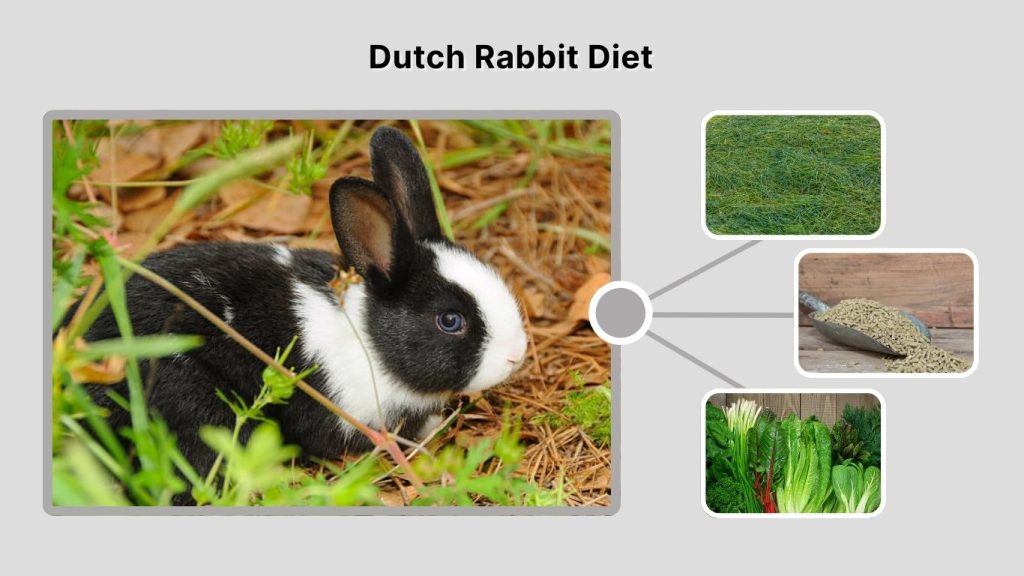
The Dutch rabbit diet is similar to that of most domestic rabbits. These animals are herbivores and depend on plant-based foods to maintain healthy digestion.
What Do Dutch Rabbits Eat?
Typical foods in a Dutch rabbit’s diet include:
- Fresh hay
- Grass
- Leafy vegetables
- Rabbit pellets
- Fresh water
Hay is the most important part of their diet because it supports healthy digestion and helps wear down their continuously growing teeth.
Nutritional Needs
Dutch rabbits require a high-fiber diet to maintain a healthy digestive system.
A balanced diet usually includes:
- Unlimited hay as the main food source
- Fresh vegetables for vitamins and minerals
- Limited rabbit pellets for additional nutrients
Providing proper nutrition ensures that the rabbit stays active and healthy.
Feeding Behavior
Dutch rabbits naturally follow a grazing feeding pattern, meaning they eat small amounts of food throughout the day.
They are often most active and likely to eat during the early morning and evening hours, which matches the natural feeding behavior of many rabbit species.
Dutch Rabbit Lifespan
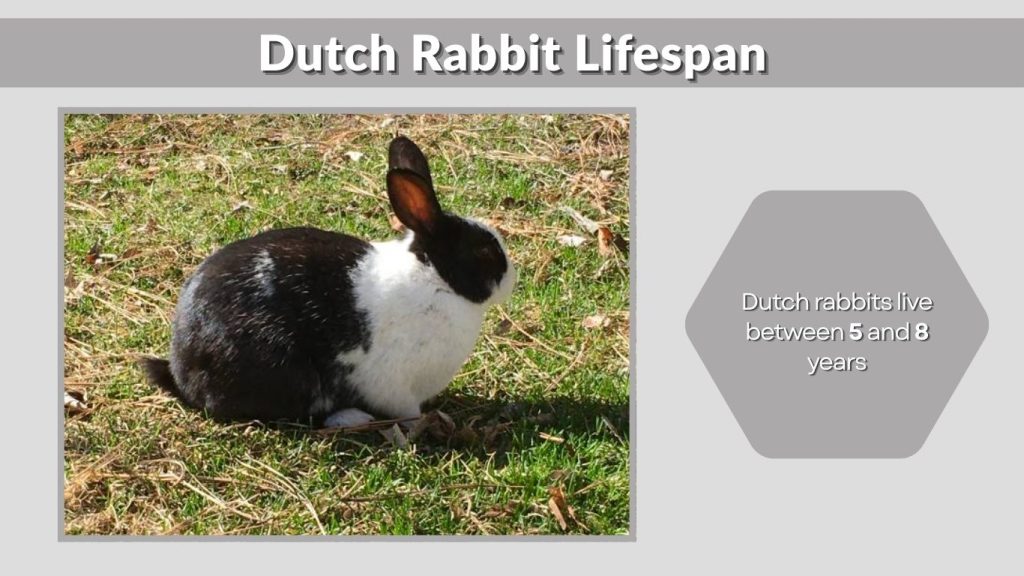
The Dutch rabbit lifespan can vary depending on the quality of care, diet, and living conditions. Like most domestic rabbits, they can live several years when kept in a healthy and safe environment.
Average Lifespan
On average, Dutch rabbits live between 5 and 8 years. Some individuals may live longer if they receive excellent care, proper nutrition, and regular veterinary attention.
Pet rabbits that are kept indoors and protected from predators or harsh weather often have a longer lifespan than rabbits kept outdoors.
Factors Affecting Lifespan
Several factors can influence how long a Dutch rabbit lives:
- Diet: A balanced, fiber-rich diet supports digestive health.
- Housing conditions: Clean and spacious habitats reduce stress and disease.
- Exercise: Regular movement keeps the rabbit physically active.
- Veterinary care: Routine health checks help prevent illnesses.
Providing good care and attention can greatly improve the rabbit’s quality of life.
Dutch Rabbit Temperament and Behavior
The Dutch rabbit is well known for its friendly and gentle temperament. Because of their calm personality, they are often recommended for families and first-time rabbit owners.
Personality Traits
Dutch rabbits typically display several positive personality traits:
- Friendly and gentle nature
- Curious and intelligent behavior
- Playful and active at times
- Calm compared with some rabbit breeds
Their balanced temperament makes them easy to handle and interact with.
Social Behavior
Dutch rabbits can form strong bonds with humans and may enjoy spending time with their owners. With gentle handling and patience, they often become comfortable around people.
Many Dutch rabbits also get along well with other rabbits if they are properly introduced.
Because rabbits are naturally social animals, they benefit from regular interaction and companionship.
Activity Level
Dutch rabbits are moderately active animals. They enjoy exploring their surroundings and playing with toys.
Providing opportunities for movement is important for their health. Activities that help keep them engaged include:
- Exploring safe play areas
- Chewing toys designed for rabbits
- Short periods of exercise outside their enclosure
Regular activity helps prevent boredom and supports both physical and mental health.
Interesting Dutch Rabbit Facts
There are several interesting facts about the Dutch rabbit that highlight why this breed is so popular.
- Dutch rabbits are one of the oldest domestic rabbit breeds.
- They are famous for their distinctive two-color coat pattern.
- Their symmetrical markings make them popular in rabbit shows and competitions.
- The breed became widely recognized during the 19th century.
- Dutch rabbits are often recommended as good pets for beginners.
These qualities have helped the Dutch rabbit remain one of the most widely known rabbit breeds in the world.
Dutch Rabbit Care Tips
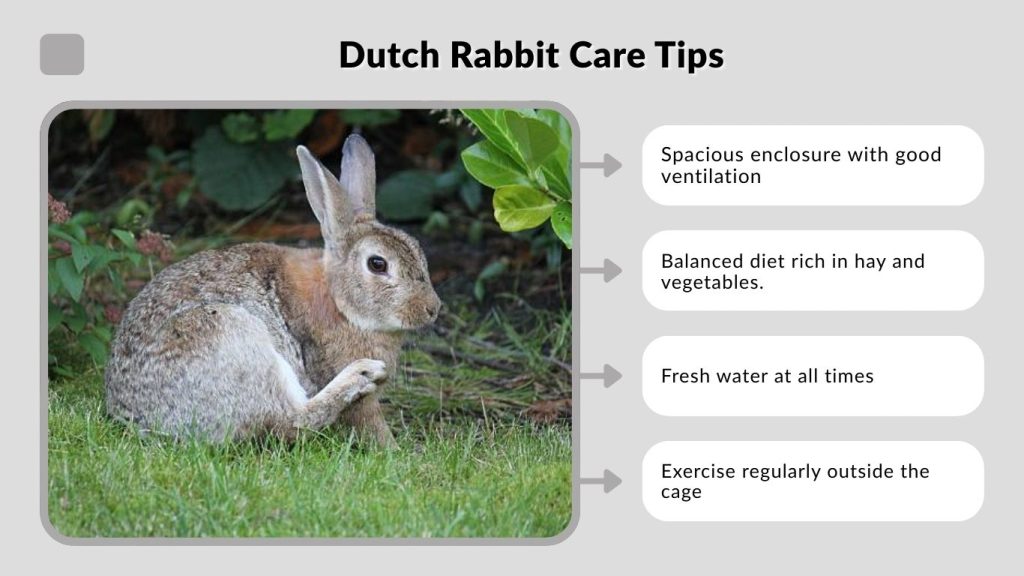
Proper care is essential to ensure the health and happiness of a Dutch rabbit. Owners should provide an environment that meets the rabbit’s physical and behavioral needs.
Important care tips include:
- Provide a spacious enclosure with good ventilation.
- Offer a balanced diet rich in hay and vegetables.
- Ensure access to fresh water at all times.
- Allow the rabbit to exercise regularly outside the cage.
- Schedule regular veterinary checkups.
Following these basic care guidelines helps keep Dutch rabbits healthy and active.
Dutch Rabbit vs Other Rabbit Breeds
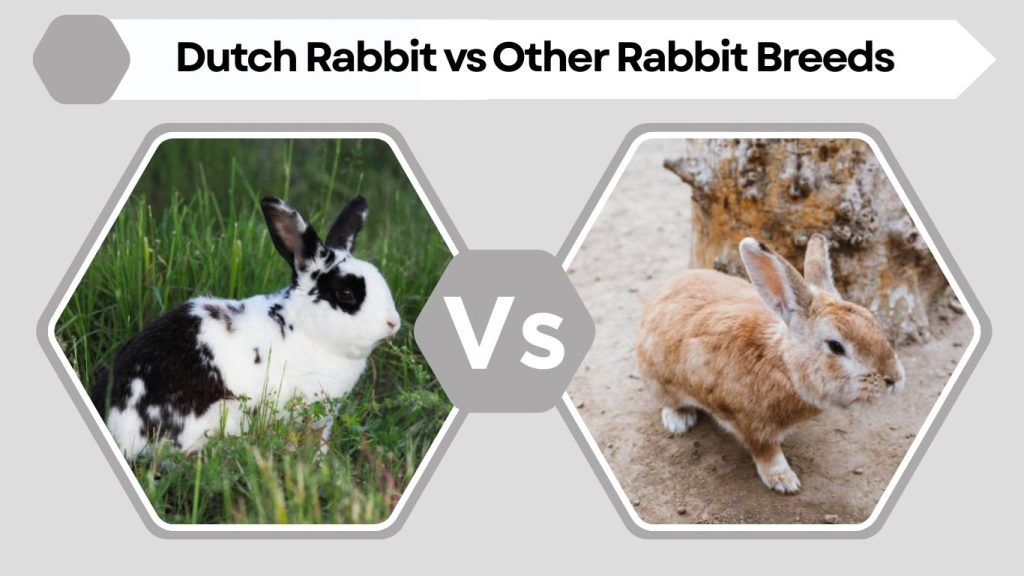
The Dutch rabbit differs from many other rabbit breeds in several ways.
Compared with larger breeds, Dutch rabbits are smaller and easier to manage. Their compact body size makes them suitable for many homes.
Another major difference is their distinctive coat pattern, which clearly separates white fur from colored areas. This unique appearance is not commonly seen in many other rabbit breeds.
Dutch rabbits are also known for their friendly temperament, which makes them particularly appealing as companion animals.
Conclusion
The Dutch rabbit is a charming and recognizable domestic rabbit breed known for its unique markings and gentle personality. Developed in England during the 19th century, this breed has become popular worldwide as both a pet and a show rabbit. With its compact body, friendly temperament, and manageable care needs, the Dutch rabbit remains a favorite among rabbit enthusiasts. Providing proper diet, housing, and attention allows these rabbits to live healthy and active lives for many years.