


The English Angora rabbit is one of the most distinctive and recognizable rabbit breeds in the world. It is famous for its long, soft, and fluffy wool coat, which covers nearly its entire body, including the face, ears, and feet. This breed belongs to the Angora family of rabbits and is valued for producing high-quality Angora wool used in textiles and yarn. English Angora rabbits are also kept as pets because of their gentle temperament and unique appearance. Understanding their characteristics, diet, and care requirements helps owners provide proper care for this special breed.
What Is an English Angora Rabbit?
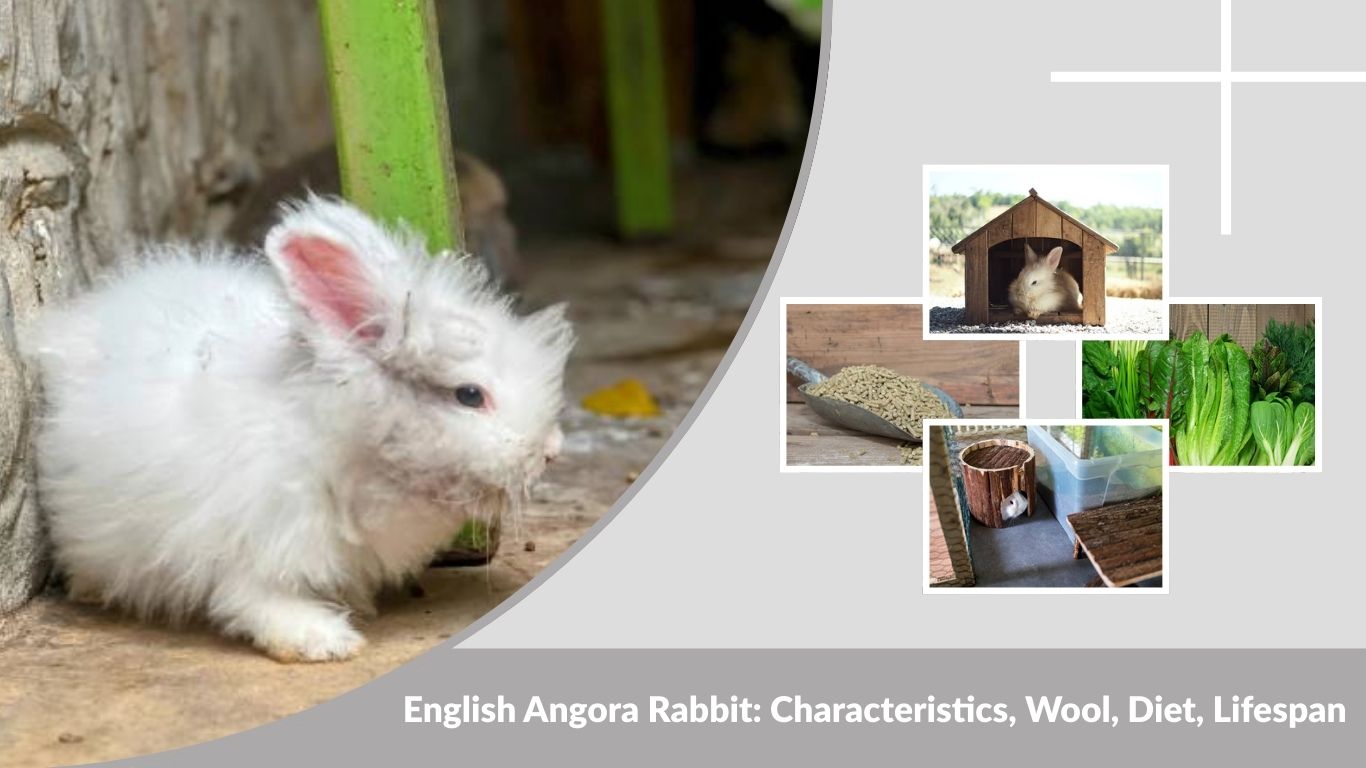
The English Angora rabbit is a small to medium-sized domestic rabbit breed known for its extremely soft and dense wool coat. It is one of several Angora rabbit breeds developed primarily for wool production.
Unlike many rabbit breeds, English Angoras require regular grooming and maintenance because their wool grows continuously. This breed is popular among fiber farmers, rabbit breeders, and pet owners who appreciate its calm personality and distinctive appearance.
Origin and History
The English Angora rabbit traces its origins back to the Ankara region of Turkey, historically known as Angora. Rabbits with long wool were first discovered in this region several centuries ago.
During the 18th century, these rabbits were brought to Europe, where breeders began selectively developing them for improved wool production and appearance.
Over time, the English Angora became one of the earliest Angora rabbit breeds recognized by rabbit breeding organizations. Today, it remains a popular breed for both wool production and rabbit shows.
Scientific Classification
Like most domestic rabbit breeds, the English Angora belongs to the same species as the European rabbit.
- Scientific name: Oryctolagus cuniculus
- Family: Leporidae
- Order: Lagomorpha
- Breed type: Domestic Angora rabbit
This classification places the English Angora among the many rabbit breeds derived from the European rabbit.
Purpose of the Breed
The English Angora rabbit has been bred for several purposes throughout history.
Common reasons for breeding this rabbit include:
- Wool production for textiles and yarn
- Rabbit shows and exhibitions
- Companion pets
Among these uses, wool production remains one of the most important roles for this breed.
English Angora Rabbit Identification
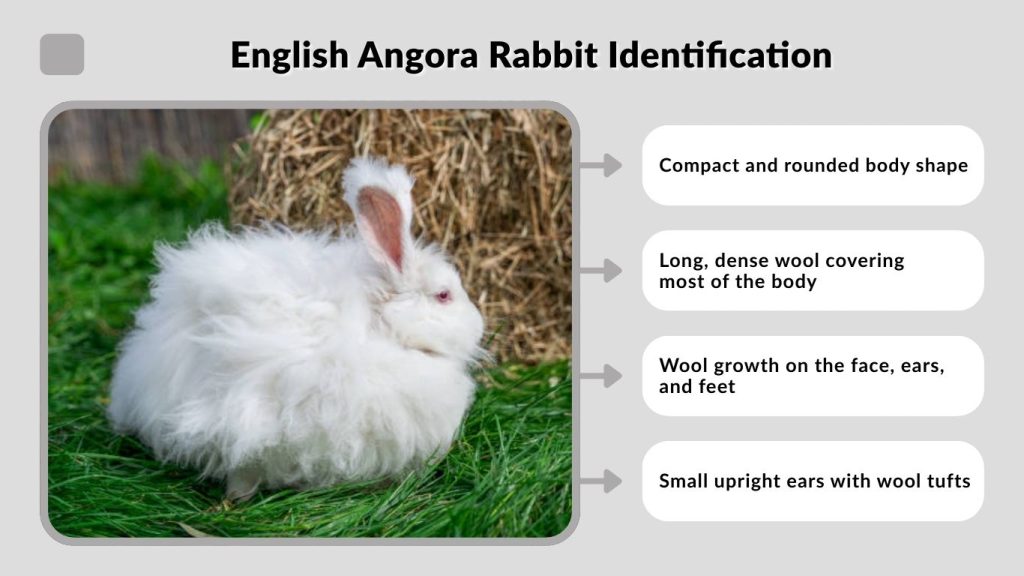
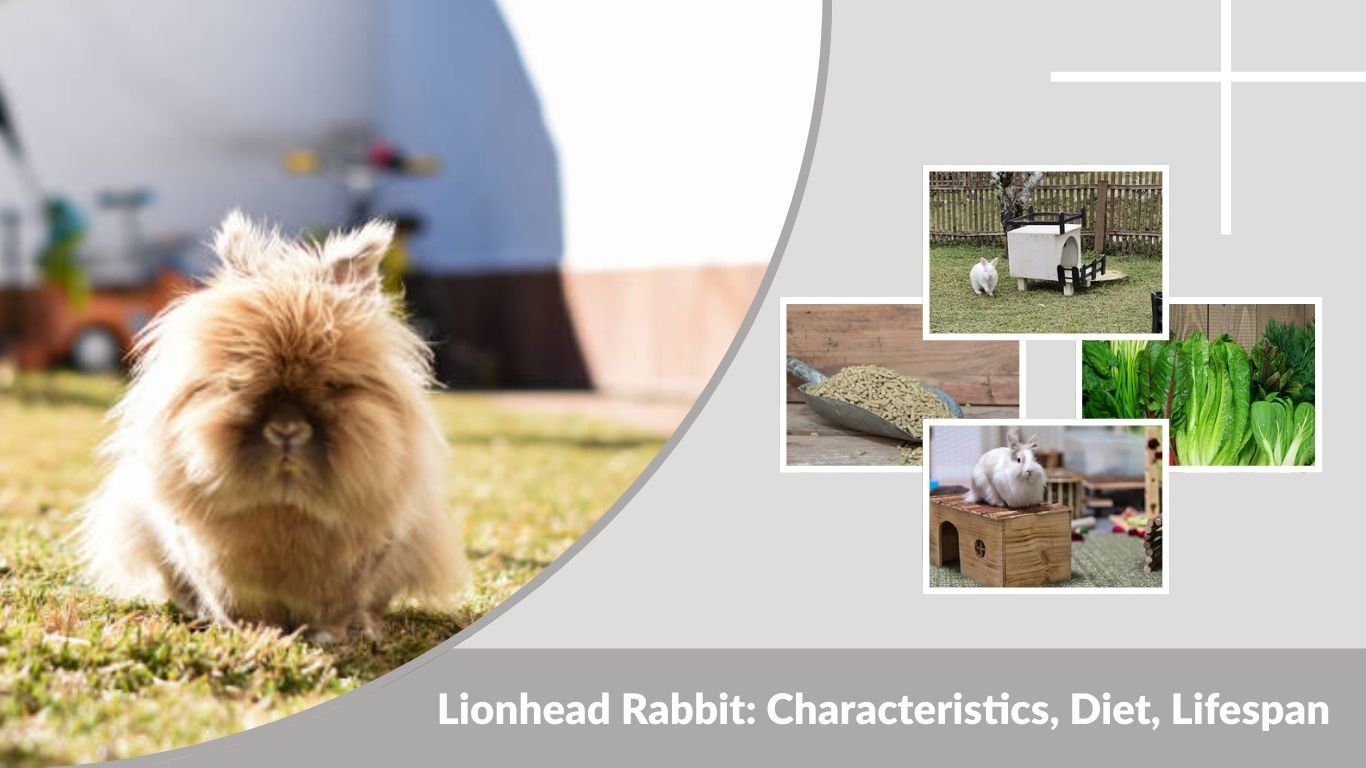
The English Angora rabbit is easily recognized because of its extremely fluffy appearance. Its long wool gives it a rounded and soft look compared with many other rabbit breeds.
Physical Characteristics
English Angora rabbits have several unique physical features that distinguish them from other breeds.
Common characteristics include:
- Compact and rounded body shape
- Long, dense wool covering most of the body
- Wool growth on the face, ears, and feet
- Small upright ears with wool tufts
- Large dark eyes
Because their wool grows thickly around the face, the rabbit’s facial features may sometimes appear partially hidden.
Coat and Wool Features
The most distinctive feature of the English Angora rabbit is its luxurious wool coat.
Important wool characteristics include:
- Extremely soft and fine fibers
- Thick wool covering the entire body
- Continuous wool growth
- Dense undercoat and guard hairs
The wool of English Angora rabbits is considered one of the softest natural animal fibers used in textile production.
Size and Weight
English Angora rabbits are among the smallest Angora rabbit breeds.
Typical measurements include:
- Average weight: 2–3.5 kilograms
- Body type: compact and rounded
- Ears: short to medium length with wool tufts
Despite their relatively small size, their thick wool coat can make them appear much larger.
English Angora Rabbit Habitat
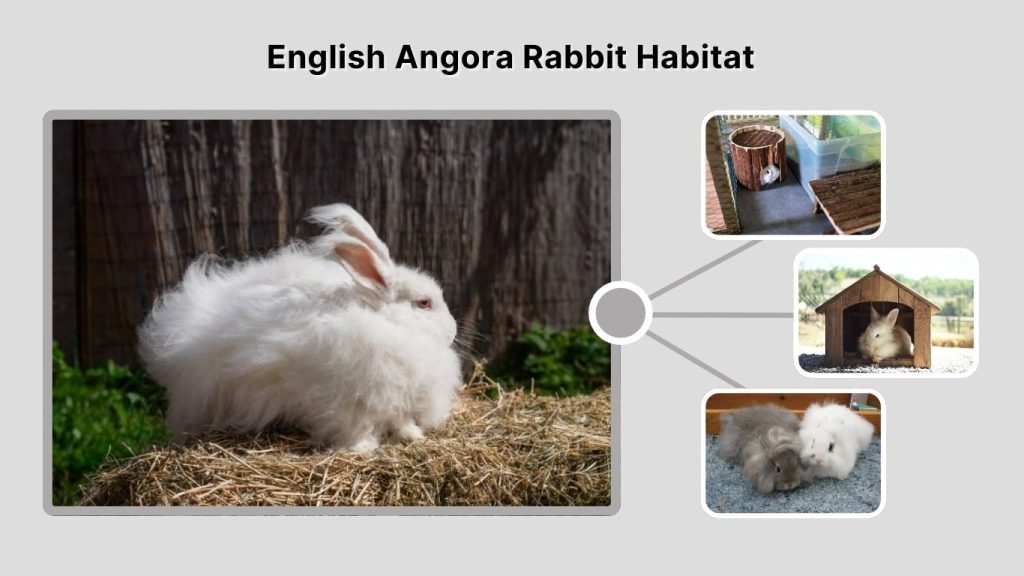
As a domestic rabbit breed, the English Angora lives in environments provided by humans rather than in natural wild habitats.
Domestic Habitat
English Angora rabbits are commonly kept in indoor enclosures, rabbit cages, or outdoor hutches. Many owners prefer indoor housing because it allows better control of temperature and cleanliness.
A suitable domestic habitat usually includes:
- A spacious cage or enclosure
- Good airflow and ventilation
- Protection from extreme weather
- Soft bedding such as hay or straw
Clean living spaces are particularly important for Angora rabbits because their wool can easily collect dirt or debris.
Ideal Living Conditions
To keep an English Angora rabbit healthy, the living environment should be comfortable and well maintained.
Important housing conditions include:
- A clean and dry enclosure
- Proper temperature control
- Fresh water available at all times
- Regular cleaning of bedding and litter areas
Maintaining good hygiene helps prevent health problems and keeps the rabbit’s wool clean.
Space and Exercise Needs
Although English Angora rabbits are not extremely active compared with some other breeds, they still require regular movement and exercise.
Providing safe space for activity allows them to:
- Hop and stretch their legs
- Explore their surroundings
- Maintain healthy muscles and weight
Exercise areas can include safe indoor rooms, playpens, or enclosed outdoor runs.
English Angora Rabbit Diet
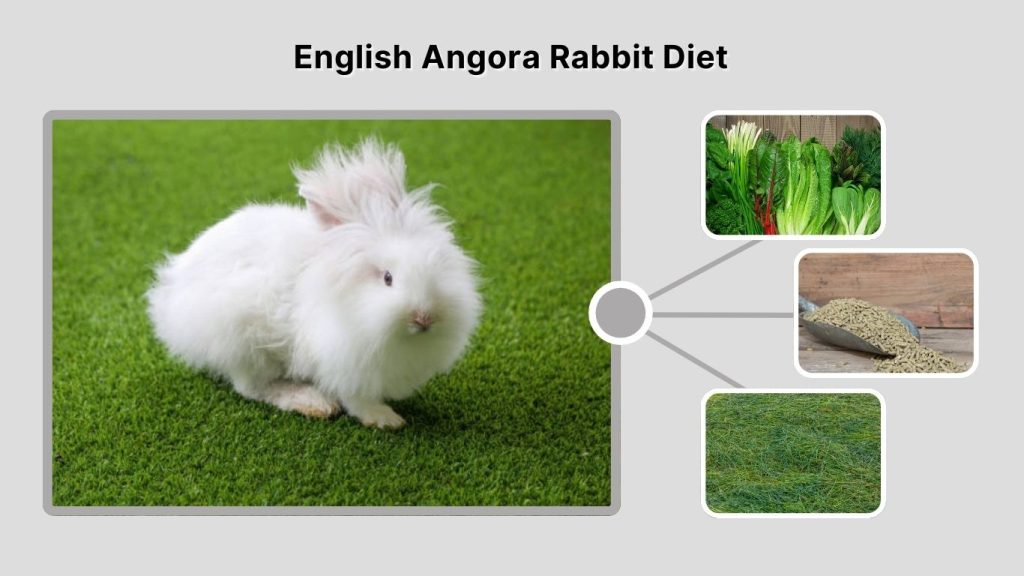
The English Angora rabbit diet is similar to that of other domestic rabbit breeds. These animals are herbivores and rely on plant-based foods to maintain healthy digestion.
What Do English Angora Rabbits Eat?
Typical foods in their diet include:
- Fresh hay
- Grass
- Leafy vegetables
- Rabbit pellets
- Fresh water
Hay is especially important because it supports the rabbit’s digestive system and helps maintain healthy teeth.
Nutritional Needs
English Angora rabbits require a high-fiber diet to support their digestive health. Because they grow thick wool, they may also require slightly higher levels of protein compared with some rabbit breeds.
A balanced diet generally includes:
- Unlimited hay as the primary food source
- Fresh vegetables for vitamins and minerals
- Limited pellets for additional nutrients
Providing proper nutrition supports both overall health and healthy wool growth.
Feeding Behavior
English Angora rabbits naturally eat small amounts of food throughout the day, a behavior known as grazing.
They are usually most active during early morning and evening hours, which are typical feeding times for many rabbit species.
English Angora Rabbit Wool Production
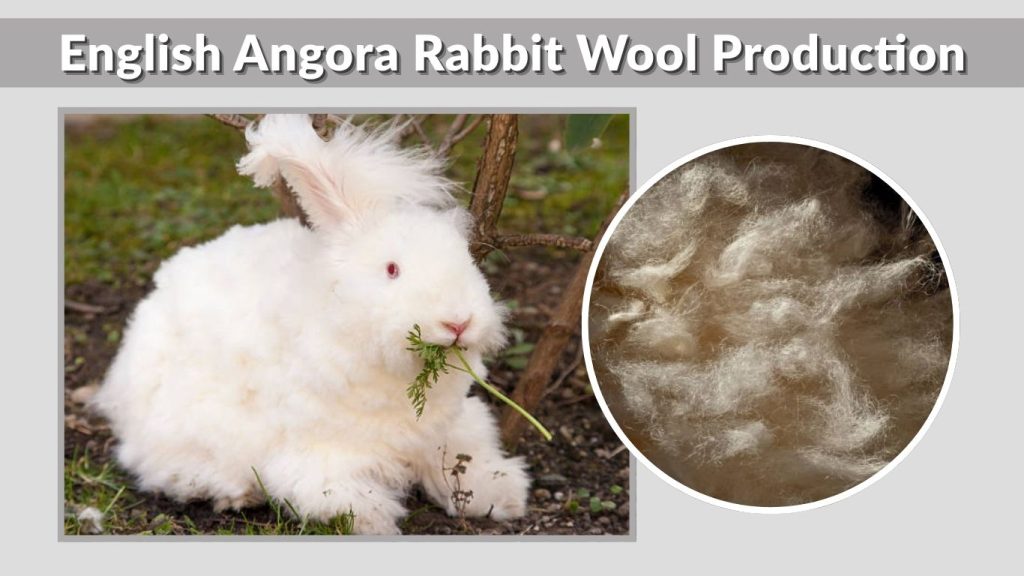
The English Angora rabbit is best known for producing luxurious Angora wool, which is widely used in the textile industry. This wool is valued for its softness, warmth, and lightweight quality.
Angora Wool Characteristics
Angora wool from English Angora rabbits has several unique qualities that make it highly desirable.
Key characteristics include:
- Extremely soft and silky texture
- Lightweight but very warm fiber
- Fine strands that can be spun into high-quality yarn
- Natural insulation properties
Because of these qualities, Angora wool is often used in products such as sweaters, scarves, hats, gloves, and blankets.
Wool Harvesting
The wool of English Angora rabbits grows continuously and must be harvested regularly.
Typically, wool is collected every 3–4 months. There are two common methods used for harvesting:
- Shearing: Cutting the wool using scissors or clippers
- Plucking: Gently removing loose wool when the rabbit naturally sheds
Regular wool collection helps keep the rabbit comfortable and prevents the coat from becoming too thick or tangled.
Importance in the Textile Industry
Angora wool has long been used in the textile industry because of its luxurious feel and excellent insulating properties. Fiber from Angora rabbits is often blended with other materials such as wool or silk to produce high-quality fabrics.
Many fiber farmers raise English Angora rabbits specifically for their valuable wool production.
English Angora Rabbit Lifespan
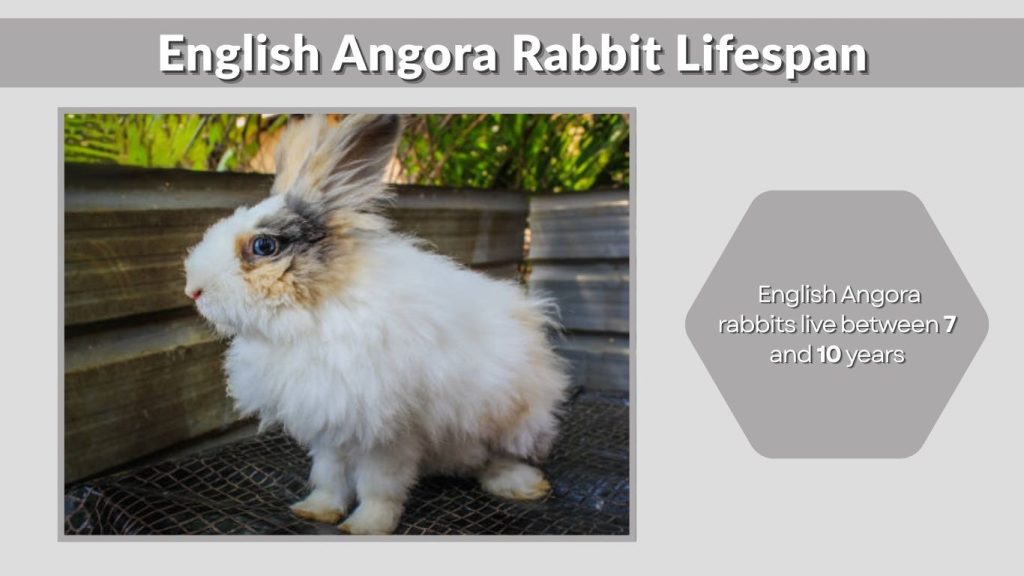
The English Angora rabbit lifespan is similar to that of many domestic rabbit breeds when proper care is provided.
Average Lifespan
On average, English Angora rabbits live between 7 and 10 years. With excellent care, some rabbits may live even longer.
Indoor rabbits often live longer because they are protected from predators, harsh weather, and other environmental risks.
Factors Affecting Lifespan
Several factors influence how long an English Angora rabbit lives:
- Proper nutrition with a balanced diet
- Regular grooming to maintain healthy wool
- Clean and comfortable living conditions
- Routine veterinary care to prevent illness
Providing proper care and attention can greatly improve the rabbit’s overall health and longevity.
English Angora Rabbit Temperament and Behavior
The English Angora rabbit is known for its gentle and friendly temperament. Many owners appreciate this breed not only for its wool but also for its calm personality.
Personality Traits
English Angora rabbits often display several positive traits:
- Gentle and calm nature
- Curious and intelligent behavior
- Friendly toward humans
- Easygoing temperament
Because of these characteristics, they can make excellent companion animals for people who are willing to care for their grooming needs.
Social Behavior
English Angora rabbits can form bonds with their owners and may enjoy regular interaction.
With gentle handling and patience, they may become comfortable being handled and spending time with people. Some rabbits also enjoy the company of other rabbits if properly introduced.
Activity Level
English Angoras have a moderate activity level. While they enjoy exploring and hopping around, they are generally calmer than some highly energetic rabbit breeds.
Providing toys and safe play areas can help keep them mentally stimulated and physically active.
Grooming Needs of English Angora Rabbits
Grooming is one of the most important aspects of caring for an English Angora rabbit. Because their wool grows continuously, regular maintenance is necessary.
Regular Grooming
English Angora rabbits require frequent brushing to prevent matting and tangles in their wool.
Brushing should typically be done several times per week, depending on the thickness of the coat.
Wool Maintenance
In addition to brushing, the wool should be trimmed or sheared every few months. This helps keep the rabbit comfortable and ensures the coat remains healthy.
Proper wool maintenance also improves the quality of fiber collected from the rabbit.
Health Considerations
One potential health issue in Angora rabbits is wool block, a digestive condition caused by ingesting too much hair while grooming.
Preventive care includes:
- Regular brushing to reduce loose wool
- Providing a high-fiber diet
- Ensuring adequate hydration
These steps help support the rabbit’s digestive health.
Interesting English Angora Rabbit Facts
There are several fascinating facts about the English Angora rabbit that make it unique among rabbit breeds.
- The English Angora is one of the oldest domestic rabbit breeds.
- It produces some of the softest animal fibers in the world.
- Its wool grows continuously and must be harvested regularly.
- English Angoras are often raised by fiber farmers and rabbit breeders.
- The breed is also popular in rabbit shows and exhibitions.
These features make the English Angora rabbit both a valuable fiber animal and a beloved companion pet.
English Angora Rabbit vs Other Angora Rabbits
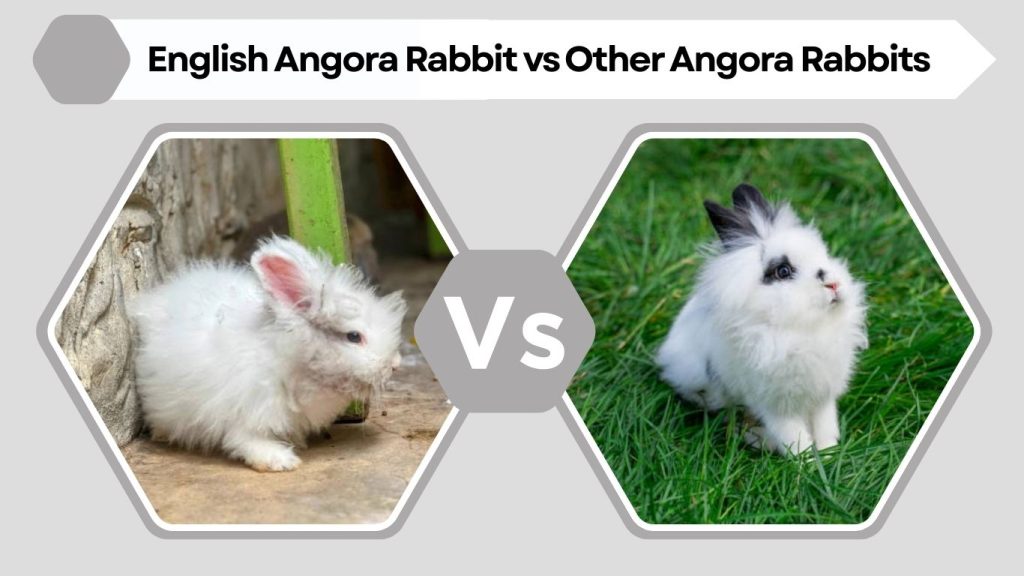
The English Angora rabbit is one of several Angora rabbit breeds, but it has some unique characteristics that distinguish it from the others.
Compared with breeds such as the French Angora or Giant Angora, the English Angora is generally smaller in size.
Another major difference is the amount of wool covering the body. English Angoras have wool that grows over the face, ears, and feet, giving them an especially fluffy appearance.
Because of this dense wool coverage, they often require more grooming and maintenance than other Angora breeds.
Conclusion
The English Angora rabbit is a remarkable domestic rabbit breed known for its luxurious wool and gentle temperament. Originating from rabbits first discovered in Turkey, this breed has been carefully developed over centuries for both wool production and companionship. Its soft fiber, unique appearance, and calm personality make it popular among fiber farmers, rabbit breeders, and pet owners. With proper care, grooming, and nutrition, English Angora rabbits can live healthy lives and continue to produce valuable Angora wool.