



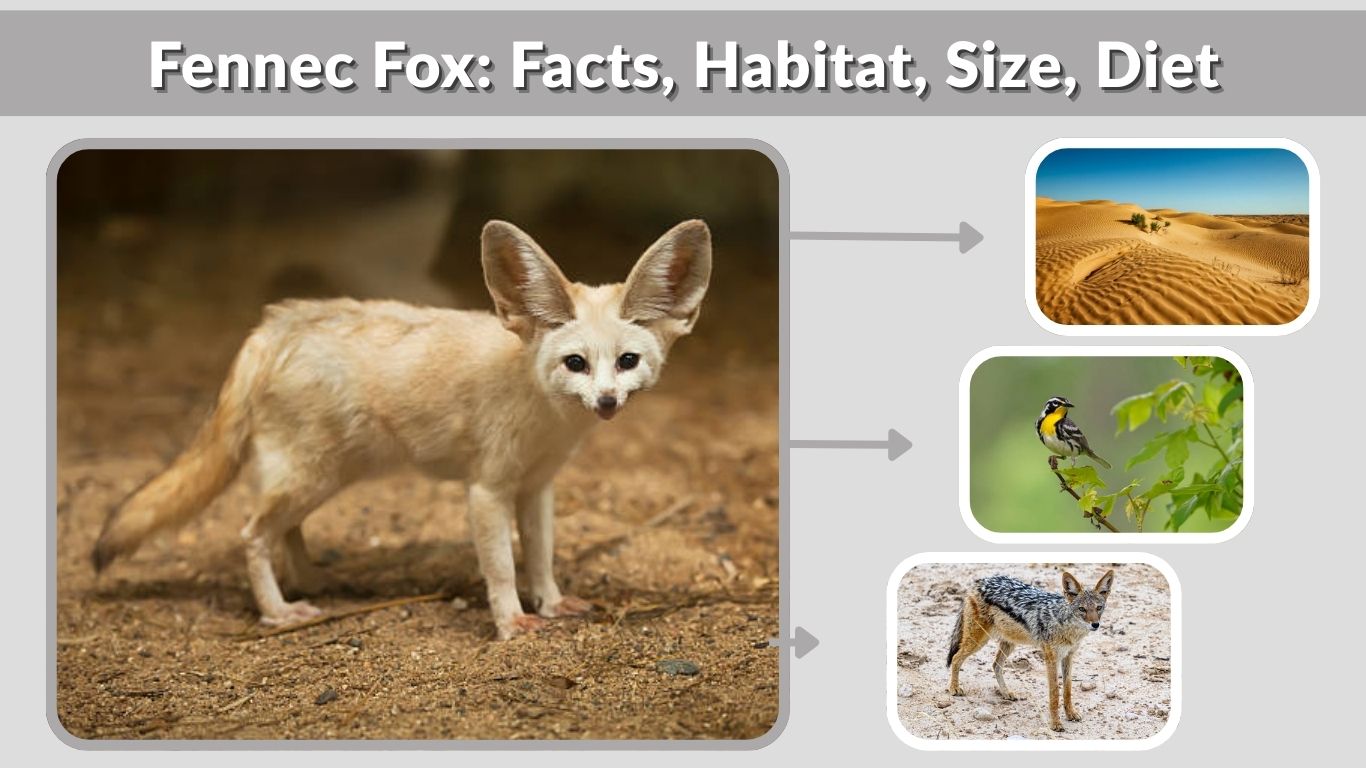
The fennec fox is one of the most fascinating animals found in desert environments. Known for its unusually large ears and small body, this fox species has perfectly adapted to survive in harsh desert climates. Native to the Sahara Desert and other parts of North Africa, the fennec fox is the smallest species of fox in the world. Despite its size, it is an excellent hunter and a highly intelligent animal. From its unique desert adaptations to its interesting life cycle, the fennec fox continues to capture the curiosity of wildlife enthusiasts and researchers alike.
What is a Fennec Fox?
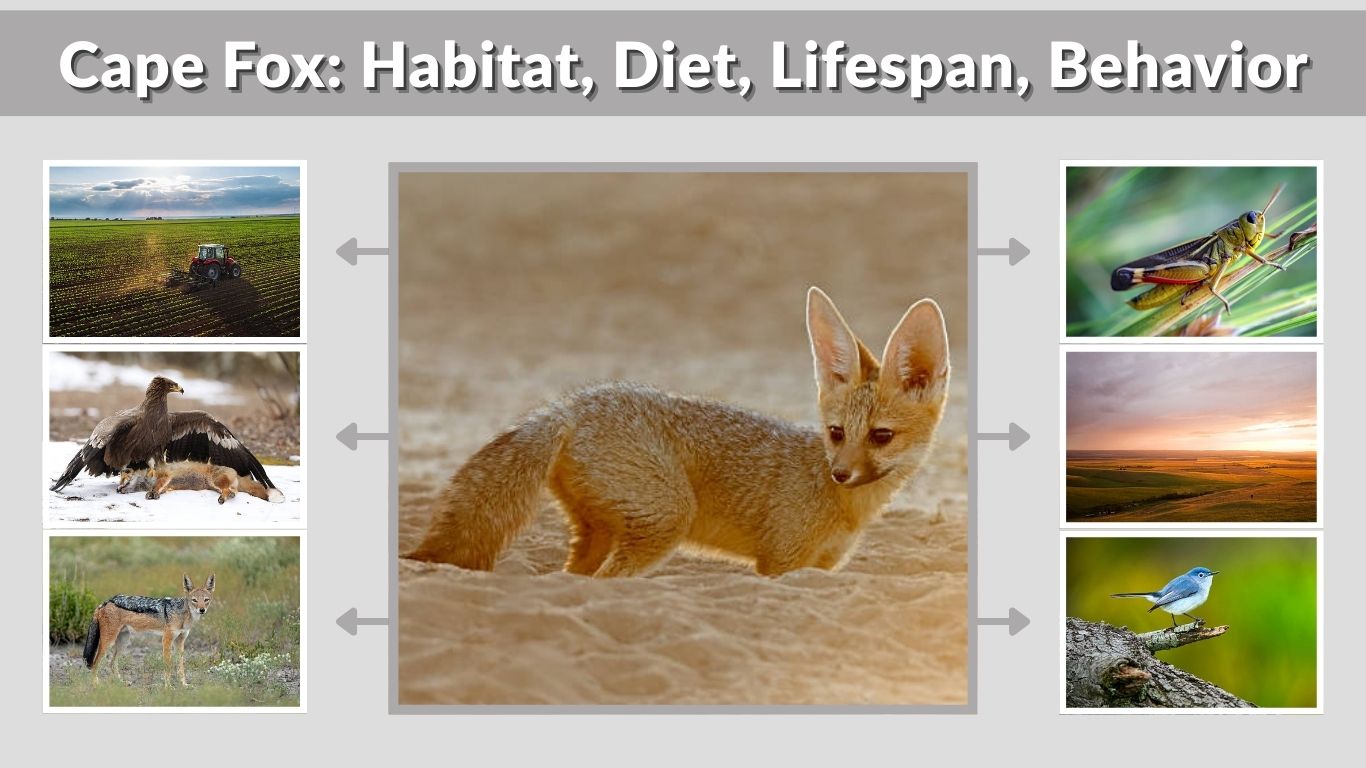
The fennec fox (Vulpes zerda) is a small nocturnal fox species that lives mainly in the deserts of North Africa. It is best known for its large ears, which can grow up to 6 inches long. These ears help the animal detect prey underground and also regulate body temperature in the extreme desert heat.
Fennec foxes have light sandy-colored fur, which helps them blend into the desert environment. This fur also reflects sunlight during the day and keeps them warm during cold desert nights. Their feet are covered with thick fur that protects them from the hot desert sand.
Unlike many other fox species, fennec foxes are highly social animals. They often live in small family groups and create extensive underground burrow systems in the sand.
Identification of a Fennec Fox
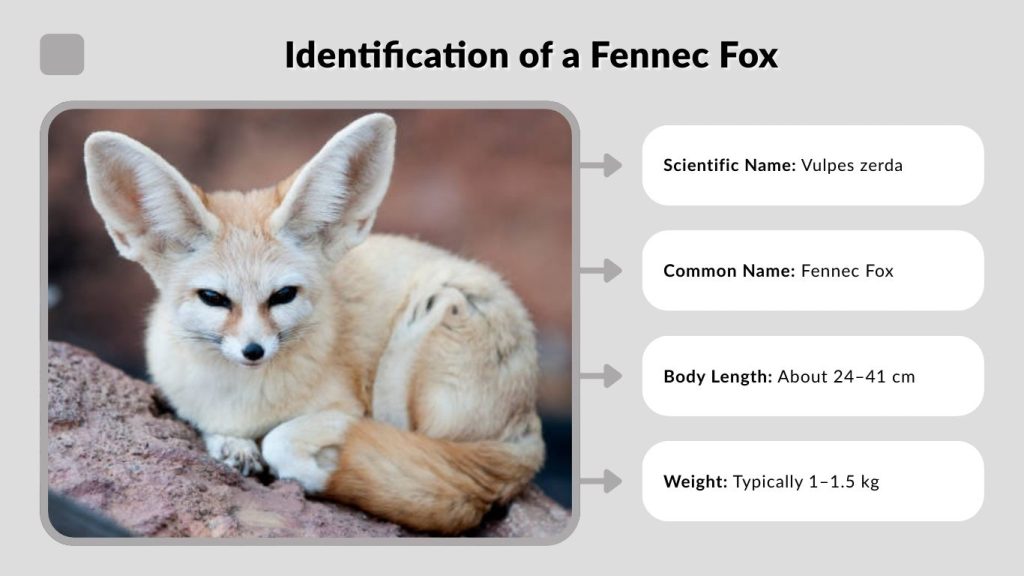
The fennec fox (Vulpes zerda) is the smallest species of fox and is easily recognized by its unique physical features. Native to the deserts of North Africa, this small mammal has evolved several adaptations that help it survive in harsh desert environments. Its most noticeable trait is its large ears, which help regulate body temperature and detect prey underground. The fennec fox also has sandy-colored fur that provides camouflage and protection from extreme temperatures.
Key Identification Features
- Scientific Name: Vulpes zerda
- Common Name: Fennec Fox
- Animal Type: Mammal
- Family: Canidae (dog family)
- Body Length: About 24–41 cm (9.5–16 inches)
- Tail Length: Around 18–31 cm (7–12 inches)
- Weight: Typically 1–1.5 kg (2–3 pounds)
- Fur Color: Light sandy or cream-colored
- Ears: Very large ears, up to 15 cm (6 inches) long
- Habitat: Desert regions of North Africa, especially the Sahara Desert
- Activity Pattern: Nocturnal (active at night)
These characteristics make the fennec fox easy to identify among other fox species and perfectly suited for life in desert ecosystems.
Fennec Fox Habitat
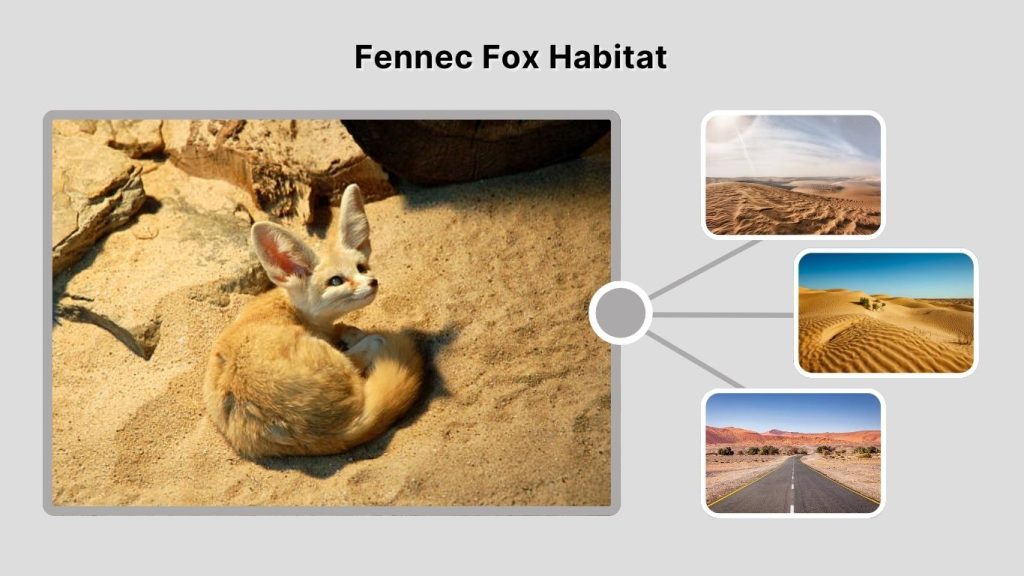
The natural habitat of the fennec fox is the desert regions of North Africa, especially the vast Sahara Desert. These animals are well adapted to life in sandy deserts where temperatures can be extremely high during the day and very cold at night.
Where Do Fennec Foxes Live?
Fennec foxes are primarily found in several North African countries, including:
- Morocco
- Algeria
- Tunisia
- Egypt
- Libya
They prefer dry, sandy deserts with sparse vegetation, which provide suitable areas for digging burrows and hunting prey.
Desert Adaptations
Surviving in the desert requires special adaptations, and the fennec fox has many of them.
Their large ears help release body heat, preventing overheating. Their fur-covered feet allow them to walk comfortably on hot sand without injury.
Fennec foxes also dig deep underground burrows where they rest during the daytime. These burrows remain cooler than the surface and provide protection from predators.
Climate and Environmental Needs
Fennec foxes thrive in arid desert environments where rainfall is minimal. The landscape usually consists of sand dunes, rocky deserts, and scattered shrubs.
They rely on the desert ecosystem for both shelter and food, and their survival depends heavily on their ability to adapt to these harsh conditions.
Fennec Fox Size
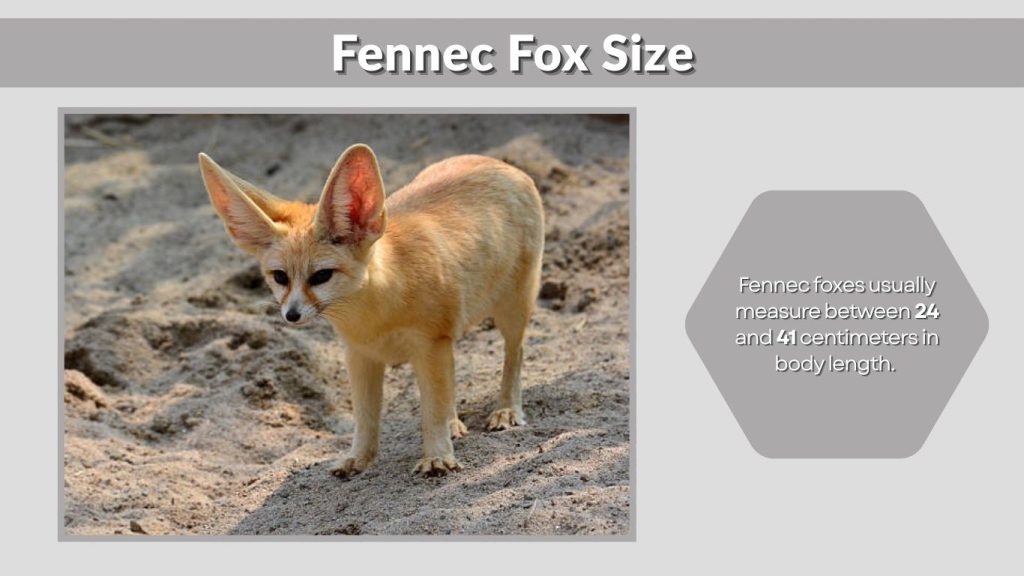
Despite their striking appearance, fennec foxes are surprisingly small animals. Their compact bodies make them well suited for navigating desert terrain and conserving energy in extreme climates.
Average Body Size
An adult fennec fox usually measures between 24 and 41 centimeters (9.5–16 inches) in body length. Their bushy tail adds an additional 18 to 31 centimeters (7–12 inches).
The tail helps them maintain balance while running and jumping across sandy terrain.
Weight Range
Most adult fennec foxes weigh between 1 and 1.5 kilograms (2 to 3 pounds). This light weight allows them to move quickly and efficiently while hunting.
Their small size also helps them hide easily from predators in desert environments.
Baby Fennec Fox
Baby fennec foxes are extremely small and delicate at birth. Like many fox species, newborn fennec foxes are called pups. They are born inside underground dens that protect them from predators and harsh desert weather. These dens are carefully built by the parents in sandy areas where the temperature is more stable.
Birth and Early Development
A female fennec fox usually gives birth to 2–5 pups after a gestation period of about 50 days. When the pups are born, they are blind, helpless, and completely dependent on their mother for warmth and food.
During the first few weeks of life, the pups remain inside the den while their mother nurses them. The father often helps by bringing food to the mother and protecting the den from potential threats.
Growth Stages
Fennec fox pups develop quickly. Their eyes typically open after about 10 days, and they start to grow soft fur shortly afterward. As they grow stronger, they begin to explore the den and nearby surroundings.
After about one month, the pups start eating small amounts of solid food while still relying on their mother’s milk. By the time they reach two to three months old, they become more active and begin learning important survival skills such as hunting and digging.
Parental Care
Both parents play a role in raising the pups. The mother focuses on feeding and caring for the young, while the father guards the territory and brings food back to the den. This teamwork increases the pups’ chances of survival in the harsh desert environment.
Fennec Fox Diet
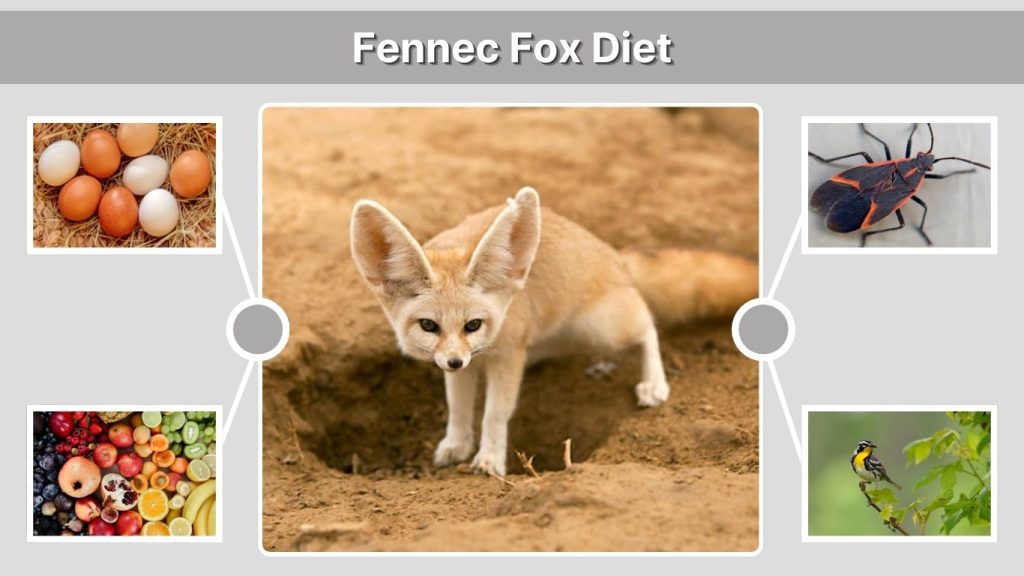
The fennec fox diet is very diverse because these animals are omnivores. This means they eat both plant-based and animal-based foods depending on what is available in the desert.
What Do Fennec Foxes Eat?
Fennec foxes commonly eat:
- Insects
- Small rodents
- Birds
- Eggs
- Lizards
- Fruits
- Roots and plants
This flexible diet helps them survive in environments where food sources can be unpredictable.
Hunting Behavior
Fennec foxes are nocturnal hunters, meaning they search for food mainly at night when temperatures are cooler. Their large ears allow them to detect sounds of insects and small animals moving beneath the sand.
Once they locate prey, they quickly dig into the sand using their sharp claws to capture it. Their agility and quick reflexes make them very effective hunters.
Water Consumption
One of the most impressive adaptations of the fennec fox is its ability to survive with very little direct water. Instead of drinking water frequently, they obtain most of the moisture they need from the food they eat, especially fruits and small animals.
Fennec Fox Life Cycle
The life cycle of a fennec fox follows several stages from birth to adulthood. Each stage is important for the fox’s growth and survival in the desert.
Reproduction
Fennec foxes usually breed once a year. The breeding season typically occurs between January and February. During this time, pairs form strong bonds and prepare a safe den for raising their young.
After mating, the female carries the pups for about 50 days before giving birth.
Pup Development
Once born, the pups remain in the den under the protection of their parents. During the early weeks, they depend entirely on their mother’s milk.
As they grow, the pups gradually learn how to explore their surroundings and hunt for food. By observing their parents, they develop essential survival skills needed for life in the desert.
Reaching Maturity
Fennec foxes usually reach sexual maturity at around 9 to 11 months of age. At this stage, they are fully capable of hunting, defending territory, and starting their own families.
Fennec Fox Lifespan
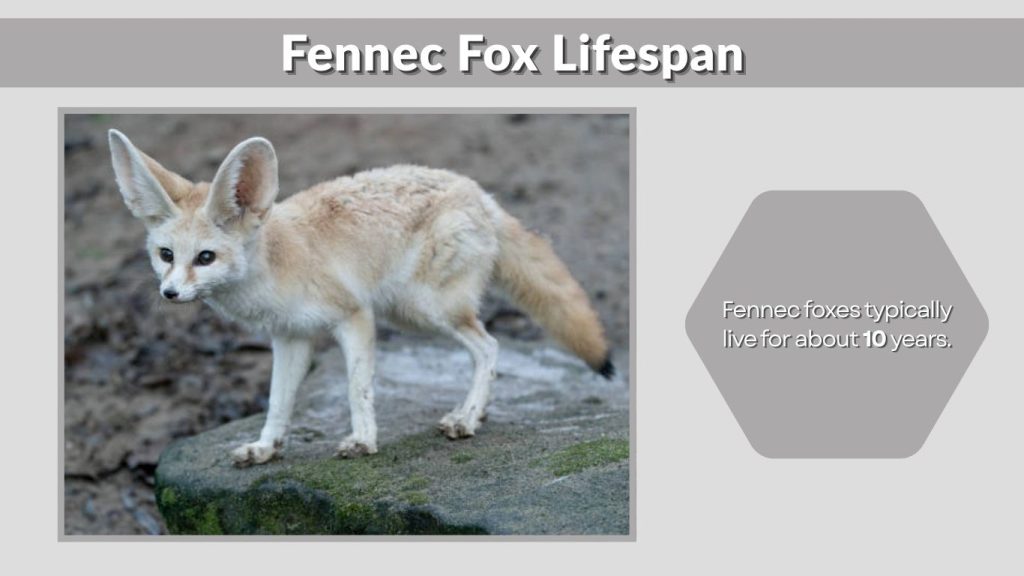
The lifespan of a fennec fox can vary depending on whether it lives in the wild or in captivity.
Lifespan in the Wild
In natural desert environments, fennec foxes typically live for about 10 years. Their lifespan may be shorter due to threats such as predators, harsh weather conditions, and limited food availability.
Lifespan in Captivity
When cared for in zoos or wildlife facilities, fennec foxes can live longer. With proper nutrition, veterinary care, and protection from predators, they may live up to 14 years or more.
Factors That Affect Lifespan
Several factors can influence how long a fennec fox lives, including:
- Availability of food
- Habitat conditions
- Predators
- Human activities such as hunting or habitat destruction
Healthy environments and proper conservation efforts can help improve the survival of this unique species.
Fennec Fox Facts
The fennec fox has several unique characteristics that make it stand out among other fox species. These animals have evolved remarkable features that allow them to survive in extremely dry and hot desert environments.
Unique Physical Features
One of the most recognizable features of the fennec fox is its large ears. These ears are not only adorable but also extremely functional. They help dissipate heat and allow the fox to stay cool even when desert temperatures rise significantly.
Their thick fur coat protects them from both the heat of the day and the cold desert nights. The fur is typically cream or sandy colored, which provides excellent camouflage against desert landscapes.
Fennec foxes also have strong legs and agile bodies, enabling them to jump impressive heights and distances while hunting or escaping predators.
Interesting Facts About Fennec Foxes
There are many interesting facts about these small desert foxes:
- The fennec fox is the smallest fox species on Earth.
- Their ears can be one-third the length of their entire body.
- They are mostly nocturnal, meaning they are active at night.
- Fennec foxes can hear prey moving underground because of their sensitive hearing.
- They can jump up to two feet high and several feet forward.
These adaptations make them highly efficient desert hunters.
Behavior and Social Life
Unlike many fox species that prefer solitude, fennec foxes are relatively social animals. They typically live in groups consisting of a mating pair and their offspring.
Their dens can be quite complex, with multiple entrances and tunnels that protect them from predators and harsh desert weather. These dens also help maintain cooler temperatures during the hot daytime hours.
Fennec foxes communicate using a variety of sounds, body language, and scent marking. They may bark, whimper, or growl to interact with other members of their group.
Predators and Threats
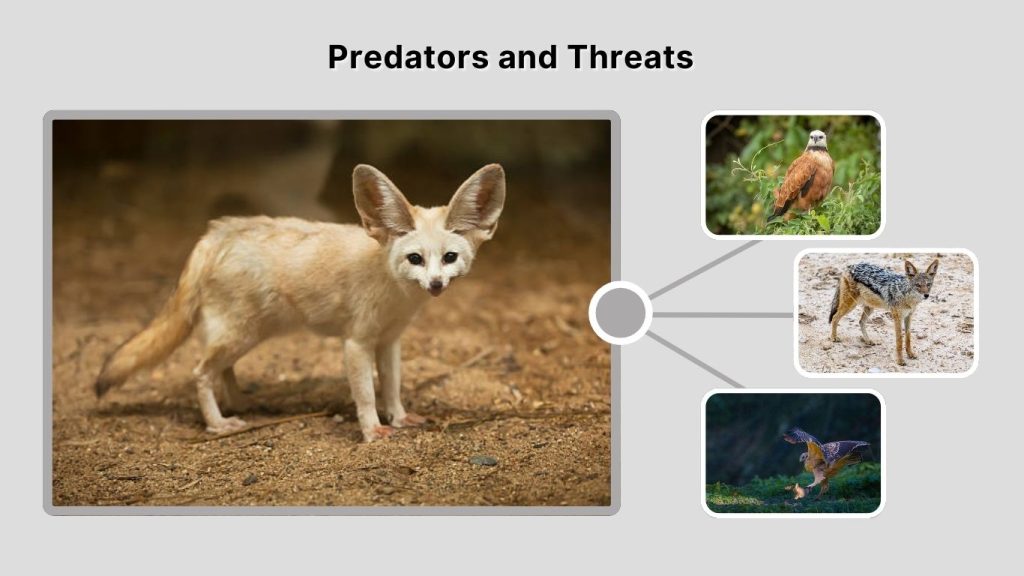
Although fennec foxes are skilled survivors, they still face dangers in the wild. Some natural predators include large birds of prey, jackals, and other carnivores.
Human activities can also threaten their populations. In some regions, fennec foxes are captured for the exotic pet trade, which can negatively impact wild populations.
Habitat disturbance and environmental changes may also affect their natural living conditions.
Are Fennec Foxes Endangered?
Currently, fennec foxes are not considered endangered, but their populations must still be protected. Conservation efforts aim to preserve desert habitats and prevent illegal wildlife trade.
Protecting these animals helps maintain the balance of desert ecosystems where they play an important role as predators of insects and small animals.
FAQs
How big is a fennec fox?
Fennec foxes usually grow between 24–41 cm in body length and weigh about 1–1.5 kg.
What do fennec foxes eat?
They eat insects, rodents, birds, eggs, fruits, and plant roots.
Where do fennec foxes live?
They mainly live in the Sahara Desert and other parts of North Africa.
How long do fennec foxes live?
They usually live around 10 years in the wild and up to 14 years in captivity.