




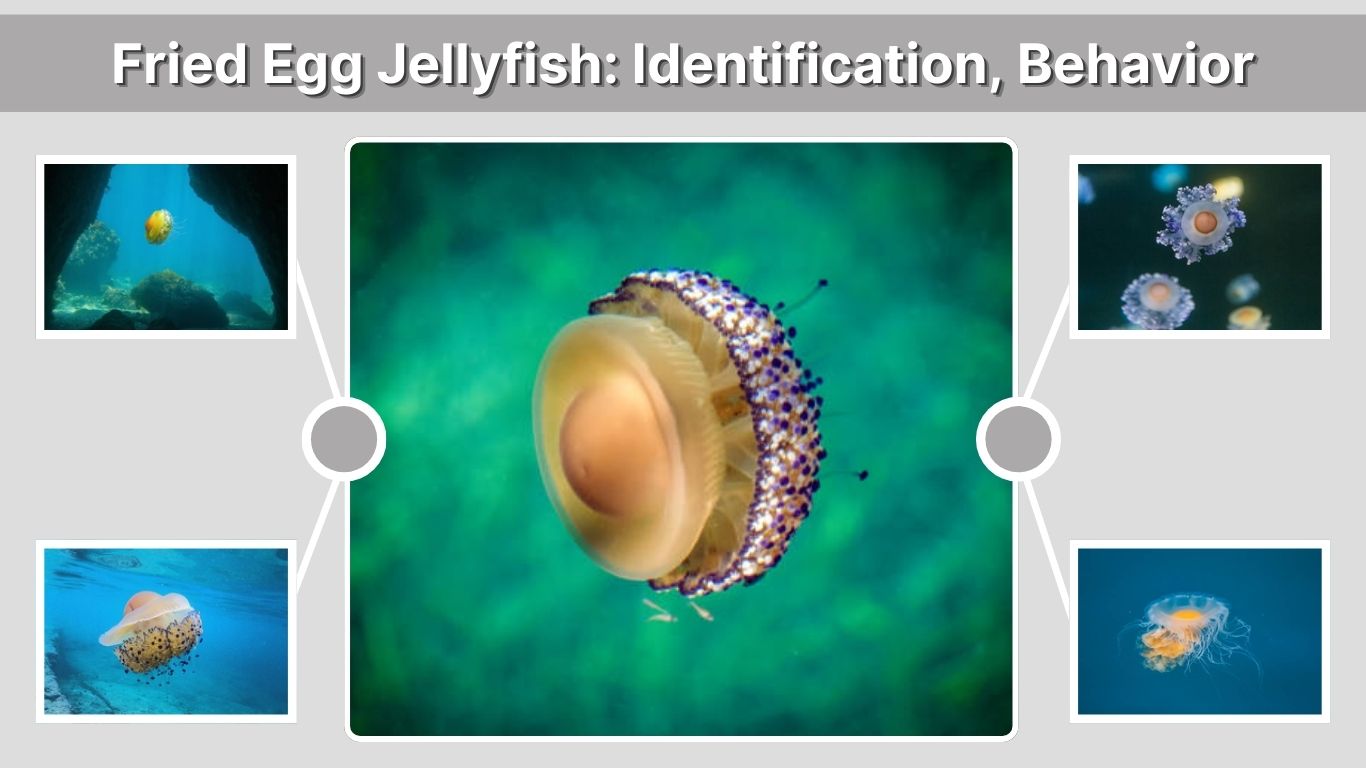
The ocean is full of strange and beautiful creatures, but few are as instantly recognizable as the fried egg jellyfish. Named for its uncanny resemblance to a sunny-side-up egg, this jellyfish stands out with a bright yellow center surrounded by a pale, translucent bell. Often spotted drifting calmly near the surface of warm waters, it has become a favorite among swimmers, divers, and marine photographers.
Unlike many jellyfish that inspire fear because of painful stings, the fried egg jellyfish is known for its relatively harmless nature. This has made it a subject of curiosity rather than caution. In this article, we’ll explore what makes this jellyfish unique, from its appearance and habitat to its behavior and role in marine ecosystems.
What Is a Fried Egg Jellyfish?
Scientific Classification
The fried egg jellyfish is scientifically known as Cotylorhiza tuberculata. It belongs to the class Scyphozoa, which includes the “true jellyfish.” This species is most commonly found in the Mediterranean Sea and is considered one of the most visually distinctive jellyfish in that region.
Although it may look delicate, Cotylorhiza tuberculata is well adapted to its environment and plays an important role in the marine food web.
Origin of the Common Name
The common name “fried egg jellyfish” comes from its striking appearance. The jellyfish has a large, flat, whitish bell that looks like egg white, while the raised, dome-shaped yellow center resembles an egg yolk. This natural design makes it easy to identify, even for people with little knowledge of marine life.
Physical Characteristics and Appearance
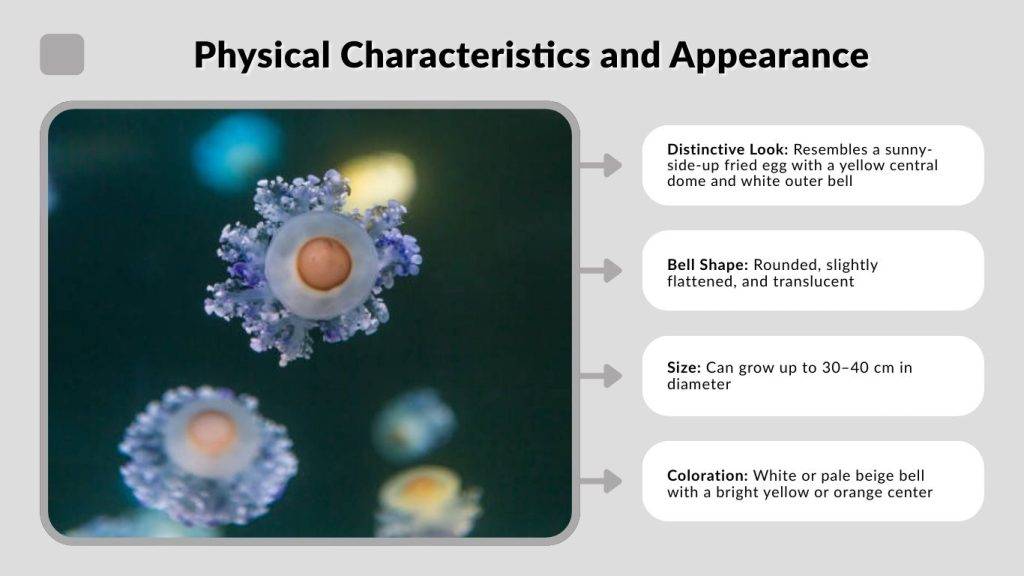
- Distinctive Look: Resembles a sunny-side-up fried egg with a yellow central dome and white outer bell
- Bell Shape: Rounded, slightly flattened, and translucent
- Size: Can grow up to 30–40 cm in diameter
- Coloration: White or pale beige bell with a bright yellow or orange center
- Tentacles: Lacks long trailing tentacles common in many jellyfish
- Oral Arms: Short, frilly oral arms beneath the bell
- Sting Strength: Very mild stinging cells, usually harmless to humans
- Symbiotic Algae: Contains zooxanthellae that contribute to color and nutrition
Natural Habitat and Distribution
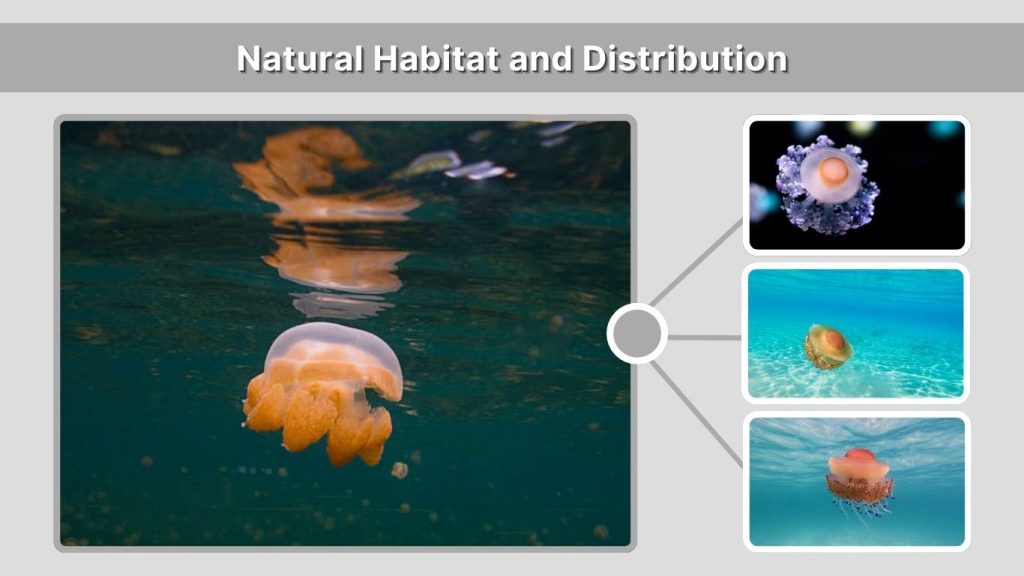
Where Fried Egg Jellyfish Are Found
The fried egg jellyfish is most commonly found in the Mediterranean Sea, particularly along coastal areas of southern Europe. Countries such as Spain, Italy, Greece, and Turkey frequently report sightings during warmer months.
Occasionally, they may appear in nearby seas, but the Mediterranean remains their primary habitat.
Preferred Environmental Conditions
This species prefers warm, calm waters with plenty of sunlight. Shallow coastal regions provide ideal conditions, especially where plankton is abundant. The presence of sunlight supports the jellyfish’s symbiotic algae, making these environments especially suitable.
Seasonal Blooms and Migration Patterns
Fried egg jellyfish are most commonly seen during summer, when water temperatures rise. During this period, large groups, known as blooms, may form. These blooms are influenced by factors such as temperature, food availability, and ocean currents.
While their sudden appearance can surprise beachgoers, these blooms are a natural phenomenon rather than a cause for alarm.
Behavior and Movement
The fried egg jellyfish is known for its slow and graceful movement through the water. Rather than actively chasing food, it drifts with ocean currents, using gentle pulses of its bell to maintain position and direction. This relaxed swimming style helps conserve energy and suits its feeding strategy.
Because of its reliance on sunlight for its symbiotic algae, the fried egg jellyfish is often seen near the water’s surface during the day. It may move slightly deeper at night or during rough conditions, but it generally stays within well-lit, shallow areas.
Diet and Feeding Habits
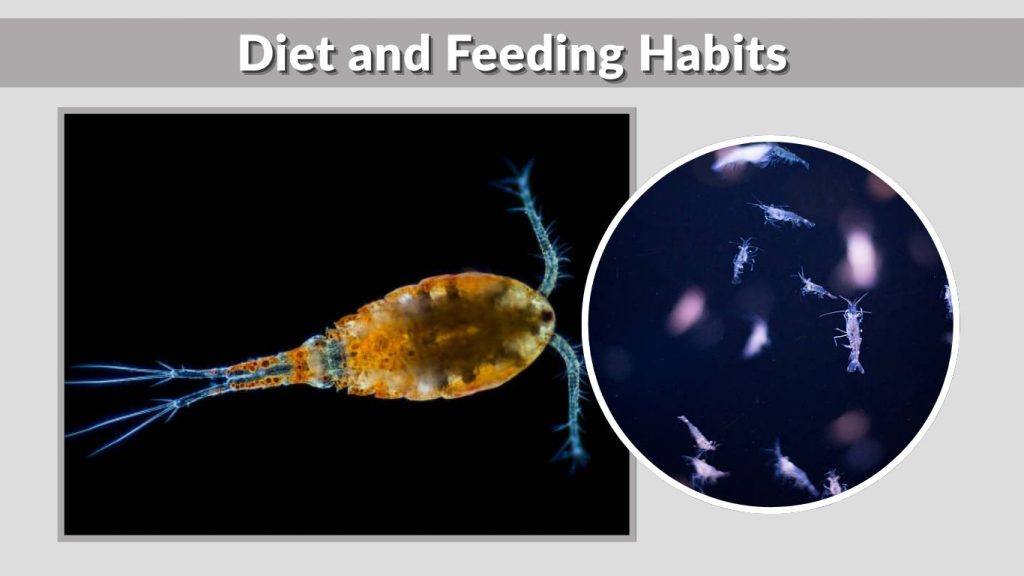
What Do Fried Egg Jellyfish Eat?
The fried egg jellyfish primarily feeds on plankton and other microscopic organisms found in the surrounding water. This includes tiny crustaceans, larvae, and organic particles drifting in the current. Its diet is simple but effective for sustaining its relatively low-energy lifestyle.
In addition to capturing food directly, the jellyfish also benefits from the nutrients produced by its symbiotic algae, which supplement its overall energy intake.
Feeding Mechanism
Instead of using long tentacles to sting prey, the fried egg jellyfish relies on mucus-covered oral arms to trap food. As plankton comes into contact with these structures, it becomes stuck and is gradually moved toward the mouth.
This passive feeding method works well in plankton-rich waters and allows the jellyfish to feed continuously as it drifts.
Life Cycle and Reproduction
Stages of the Jellyfish Life Cycle
Like most true jellyfish, the fried egg jellyfish has a complex life cycle with several distinct stages. It begins as a fertilized egg that develops into a free-swimming larva known as a planula. The larva eventually settles on a solid surface and becomes a polyp.
During favorable conditions, the polyp produces young jellyfish called ephyrae, which are released into the water. These ephyrae grow and mature into adult medusae, completing the life cycle.
Reproductive Process
Fried egg jellyfish reproduce both sexually and asexually. Adult jellyfish release eggs and sperm into the water, where fertilization occurs. Environmental factors such as temperature and food availability play a significant role in determining reproductive success.
Is the Fried Egg Jellyfish Dangerous?
Sting Strength and Effects on Humans
One of the most common questions about the fried egg jellyfish is whether it poses a threat to humans. Fortunately, its sting is very mild and rarely causes more than slight skin irritation. Many people report no reaction at all after accidental contact.
This makes it one of the safer jellyfish species encountered by swimmers.
Safety Tips for Swimmers and Divers
Even though it is largely harmless, it’s best to avoid touching fried egg jellyfish. Their delicate bodies can be easily damaged, and sensitive skin may still react to stinging cells. Observing them from a distance ensures safety for both humans and jellyfish.
Fried Egg Jellyfish vs Similar Species
Comparison with Moon Jellyfish
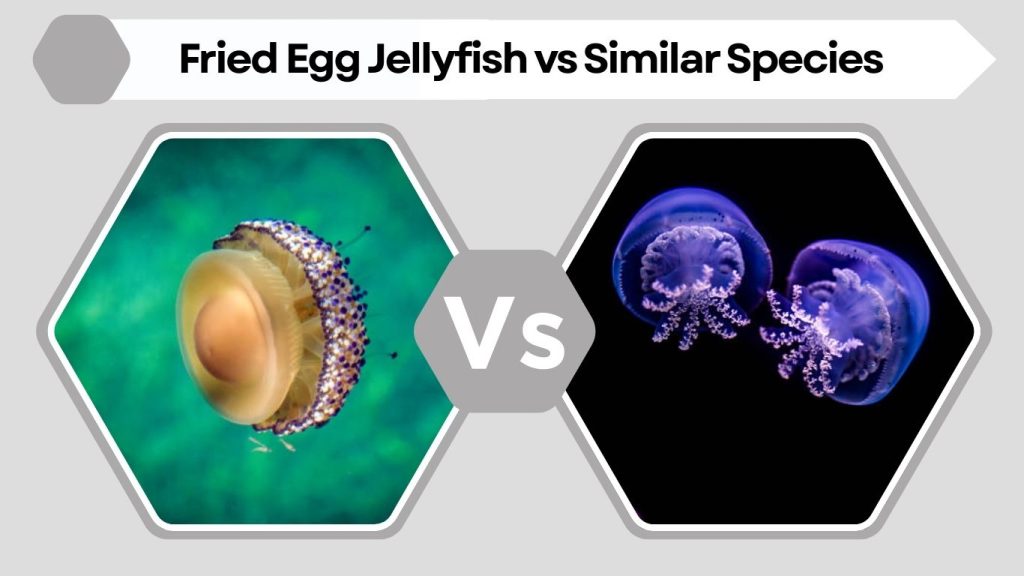
The fried egg jellyfish is often compared to the moon jellyfish because both have translucent bodies and are commonly found near shore. However, the moon jellyfish lacks the distinctive yellow center and generally has a more uniform appearance.
In terms of stinging ability, both species are considered mild, but the fried egg jellyfish is typically even less irritating.
How to Identify a Fried Egg Jellyfish in the Wild
The easiest way to identify this species is by its raised yellow dome and white bell. Its thick, frilly oral arms also help distinguish it from other jellyfish with long, trailing tentacles.
Ecological Importance
Role in Marine Ecosystems
Fried egg jellyfish play an important role in controlling plankton populations. By feeding on microscopic organisms, they help maintain balance within the marine food web. They also serve as prey for certain fish and sea turtles.
Indicator of Environmental Change
Large blooms of fried egg jellyfish may indicate changes in ocean conditions, such as rising temperatures or increased nutrient levels. While blooms are natural, their frequency can provide insight into broader environmental trends.
Interesting Facts About the Fried Egg Jellyfish
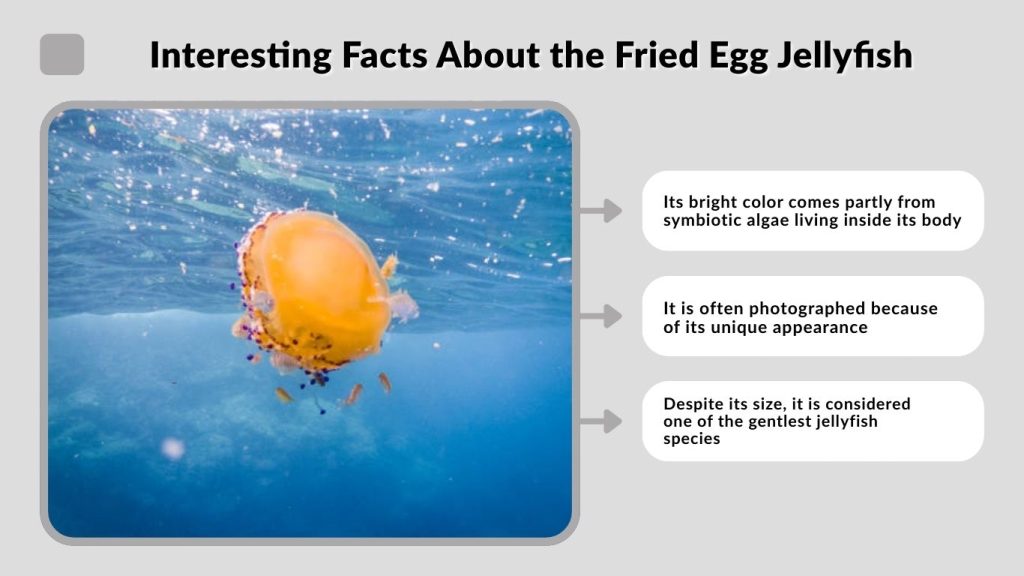
- Its bright color comes partly from symbiotic algae living inside its body
- It is often photographed because of its unique appearance
- Despite its size, it is considered one of the gentlest jellyfish species
Conservation and Human Interaction
Human activities such as pollution and coastal development can affect jellyfish habitats. Protecting clean, healthy waters helps ensure the survival of species like the fried egg jellyfish. Responsible tourism and marine conservation efforts play a key role in preserving these ecosystems.
Conclusion
The fried egg jellyfish is a remarkable example of how beauty and simplicity coexist in nature. With its unmistakable appearance, gentle behavior, and important ecological role, it continues to fascinate both scientists and casual observers. By understanding and respecting this unique jellyfish, we can better appreciate the delicate balance of marine life.