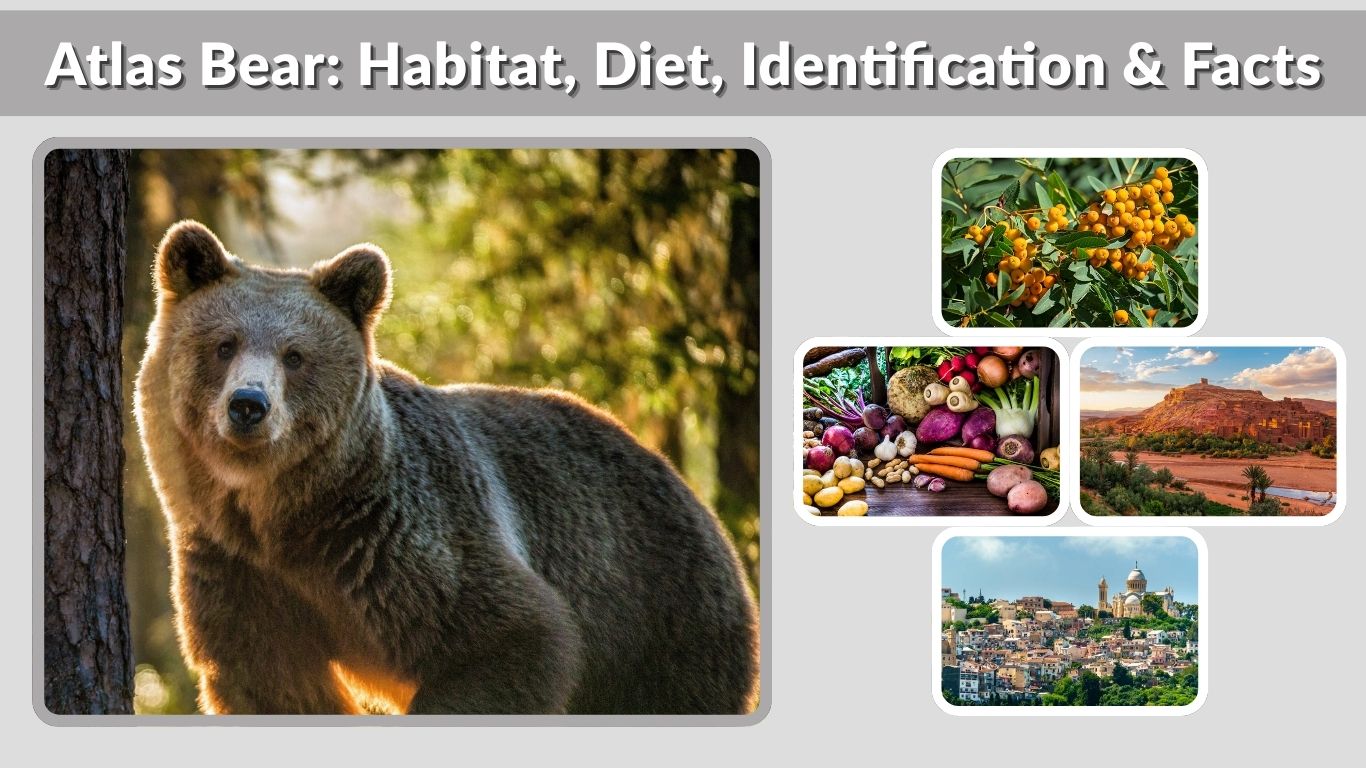





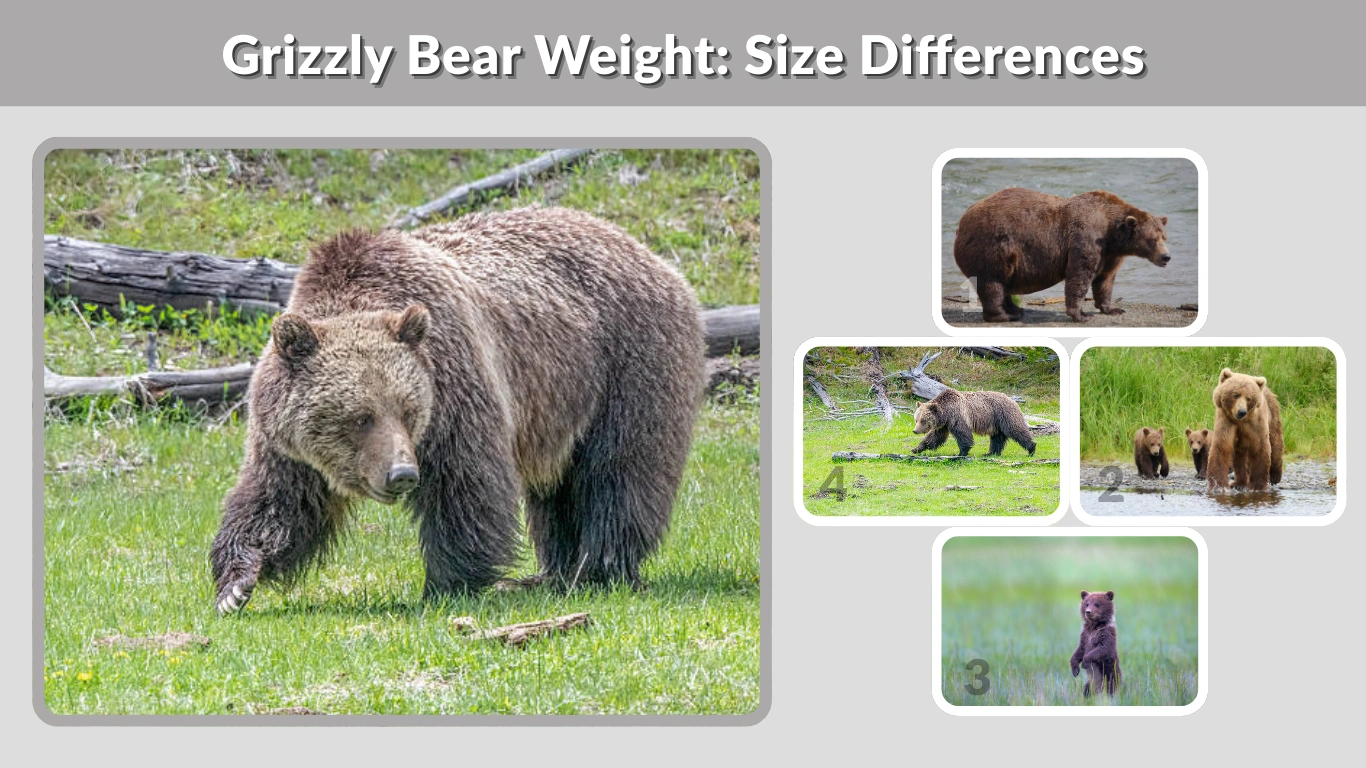
Grizzly bears are among the largest land mammals in North America, known for their impressive strength and size. One of the most fascinating aspects of these powerful animals is their weight, which can vary widely depending on age, sex, season, and habitat. From tiny newborn cubs weighing less than a pound to massive adult males exceeding several hundred pounds, grizzly bear weight reflects their survival strategies and environment. Understanding these weight variations helps us better appreciate their biology and conservation needs.
Average Weight of Adult Grizzly Bears
The weight of an adult grizzly bear depends largely on whether the bear is male or female.
Adult male grizzlies (also called boars) typically weigh between 400 and 790 pounds (180–360 kilograms). In especially food-rich areas, some large males can exceed 1,000 pounds (450 kilograms).
Adult females (sows) are smaller, usually weighing between 290 and 440 pounds (130–200 kilograms). In rare cases, large females in coastal regions may weigh over 500 pounds.
Grizzlies living inland tend to weigh less than coastal brown bears, which have access to high-calorie foods such as salmon. However, coastal grizzlies can approach the size of their Alaskan brown bear relatives.
Regional Differences in Weight
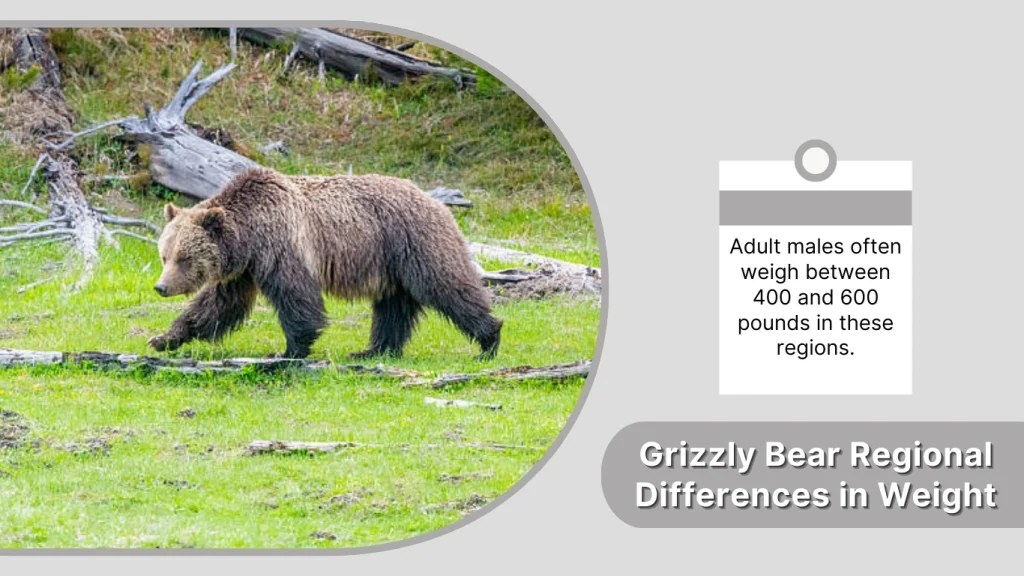
Grizzly bear weight varies significantly depending on geographic location.
Inland Grizzlies
Inland grizzlies live in places such as:
- Montana
- Wyoming
- Alberta
- British Columbia (interior regions)
These bears primarily feed on roots, berries, insects, small mammals, and carrion. Because their food sources are less calorie-dense than salmon, inland grizzlies are generally smaller. Adult males often weigh between 400 and 600 pounds in these regions.
Coastal Grizzlies
Coastal grizzlies, especially in Alaska and parts of British Columbia, have access to abundant salmon during spawning season. This protein-rich diet allows them to gain tremendous amounts of fat before winter.
Coastal males can weigh 700 to 1,000 pounds or more in the fall, making them among the largest bears in the world.
Weight Differences Between Males and Females
Grizzlies display strong sexual dimorphism, meaning males and females differ significantly in size.
Males are often 30 to 40 percent heavier than females. This size difference plays an important role in mating competition and territorial dominance. Larger males are more likely to win fights and secure breeding opportunities.
Females, on the other hand, invest more energy in reproduction and raising cubs. Their smaller size may help them require fewer calories in environments where food is unpredictable.
Weight at Birth and Early Growth
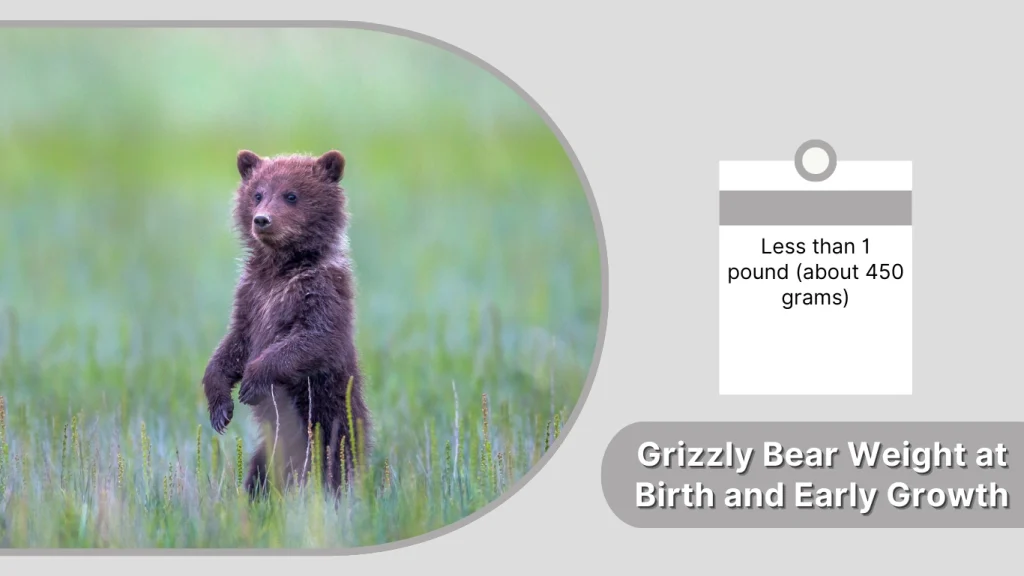
Grizzly bear cubs are incredibly small at birth. When born in winter dens, cubs typically weigh:
- Less than 1 pound (about 450 grams)
- Roughly the size of a guinea pig
They are blind, nearly hairless, and completely dependent on their mother.
By the time they leave the den in spring, cubs usually weigh between 10 and 20 pounds (4.5–9 kilograms). This rapid weight gain is fueled by their mother’s rich milk, which is high in fat.
Throughout their first year, cubs continue to grow quickly. By the end of their first summer, they may weigh 70 to 100 pounds, depending on food availability and habitat conditions.
Growth Into Adulthood
Grizzlies grow steadily during their early years.
- Year 1: 50–100 pounds
- Year 2: 100–200 pounds
- Year 3–4: Continued rapid growth, especially in males
Females typically reach adult size by age 5 to 8. Males continue gaining muscle mass and weight into their early teens.
The rate of growth depends heavily on access to food. Bears living in areas with abundant berries, nuts, or salmon grow larger and faster than those in harsher environments.
Seasonal Weight Changes
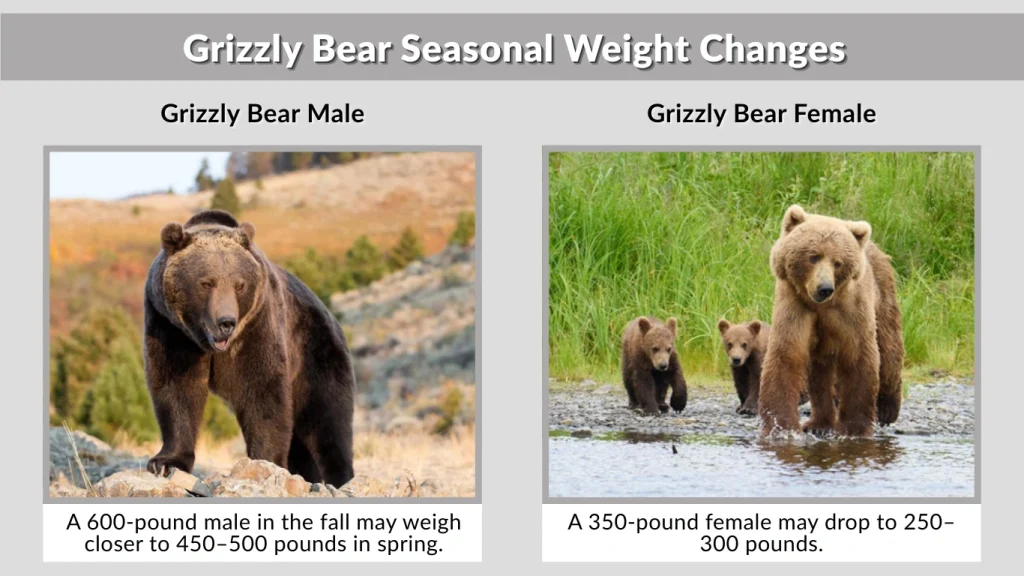
One of the most remarkable aspects of grizzly bear weight is how dramatically it changes throughout the year.
Spring Weight
After emerging from hibernation in early spring, grizzlies are at their lightest weight of the year. They may have lost 15 to 30 percent of their body weight during winter.
For example:
- A 600-pound male in the fall may weigh closer to 450–500 pounds in spring.
- A 350-pound female may drop to 250–300 pounds.
During hibernation, bears survive entirely on stored body fat. They do not eat, drink, urinate, or defecate during this time.
Summer Feeding
Throughout spring and summer, grizzlies focus intensely on feeding. Their diet may include:
- Grasses and sedges
- Roots and tubers
- Berries
- Insects
- Fish
- Small mammals
- Carrion
Weight gain accelerates in late summer when berries and salmon become abundant.
Fall Hyperphagia
In autumn, grizzlies enter a phase called hyperphagia, meaning extreme hunger. During this period, they may consume up to 20,000 calories per day.
This intense feeding allows them to build thick fat layers needed to survive winter. It is during fall that grizzlies reach their maximum yearly weight.
A large coastal male can gain several hundred pounds during this period.
The Role of Body Fat
Body fat is essential to a grizzly bear’s survival.
Fat serves multiple purposes:
- Energy storage during hibernation
- Insulation against cold temperatures
- Nutritional support for pregnant females
Pregnant females rely entirely on stored fat to nourish cubs during winter denning. If a female does not gain enough weight before denning, pregnancy may not continue successfully.
In healthy fall conditions, grizzlies may carry up to 30 to 35 percent body fat.
Heaviest Recorded Grizzly Bears
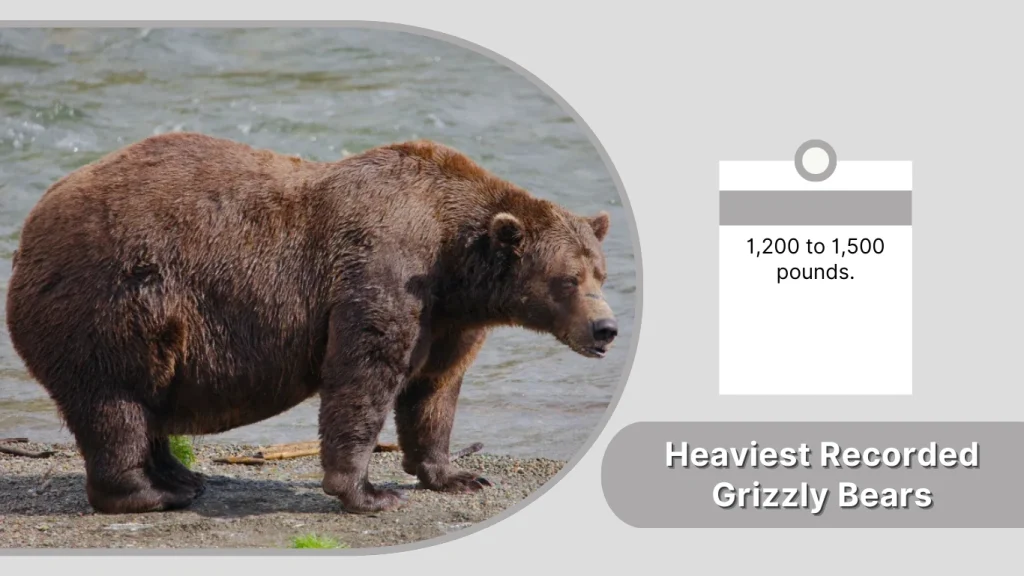
While most grizzlies fall within typical weight ranges, exceptional individuals have been recorded.
Some large Alaskan coastal brown bears (closely related to grizzlies) have been estimated at 1,200 to 1,500 pounds. True interior grizzlies rarely reach that size, but individuals exceeding 1,000 pounds have been documented in highly productive ecosystems.
Such extreme weights are rare and depend on extraordinary food availability.
Factors Influencing Weight
Several factors affect how much a grizzly bear weighs:
1. Food Availability
Access to salmon, berries, and other high-calorie foods greatly influences body size.
2. Age
Young bears weigh less than fully mature adults. Males continue gaining mass for many years.
3. Sex
Males are significantly heavier than females.
4. Habitat Quality
Protected areas with minimal human disturbance often support healthier, heavier bears.
5. Climate and Environmental Changes
Climate shifts can alter berry crops and salmon populations, directly impacting weight gain.
Why Weight Matters in Conservation
Grizzly bear weight is more than just a measure of size—it is an indicator of ecosystem health.
When bears maintain healthy body weights, it suggests:
- Stable food sources
- Balanced ecosystems
- Reduced human disturbance
Conversely, declining body weight in a population may signal habitat degradation or food shortages.
Because grizzlies reproduce slowly, maintaining adequate nutrition is essential for population stability.
Conclusion
Grizzly bear weight varies dramatically based on sex, age, season, and region. From tiny cubs weighing less than a pound to massive adult males exceeding 1,000 pounds in rich coastal habitats, their size reflects adaptation to diverse environments. Seasonal weight changes highlight the importance of food availability and fat storage for survival. Understanding these patterns not only reveals the biology of one of North America’s most iconic animals but also underscores the importance of conserving the ecosystems that sustain them.
FAQs
How much does a full-grown grizzly bear weigh?
A full-grown male grizzly typically weighs between 400 and 790 pounds, though some coastal individuals can exceed 1,000 pounds. Adult females are smaller, usually weighing between 290 and 440 pounds. Weight depends on region, food supply, and season.
How much does a grizzly bear weigh at birth?
Grizzly bear cubs weigh less than one pound at birth, usually around 12 to 16 ounces. They are born blind and nearly hairless in winter dens. Despite their tiny size, they grow rapidly on their mother’s rich milk.
Do grizzly bears lose weight during hibernation?
Yes, grizzly bears can lose 15 to 30 percent of their body weight during hibernation. They survive entirely on stored body fat while denning and do not eat or drink until spring, when they begin rebuilding lost weight.
Are coastal grizzlies heavier than inland grizzlies?
Yes, coastal grizzlies are generally heavier because they have access to high-calorie foods like salmon. Inland grizzlies rely more on plants and small animals, which typically results in smaller average body weights.