




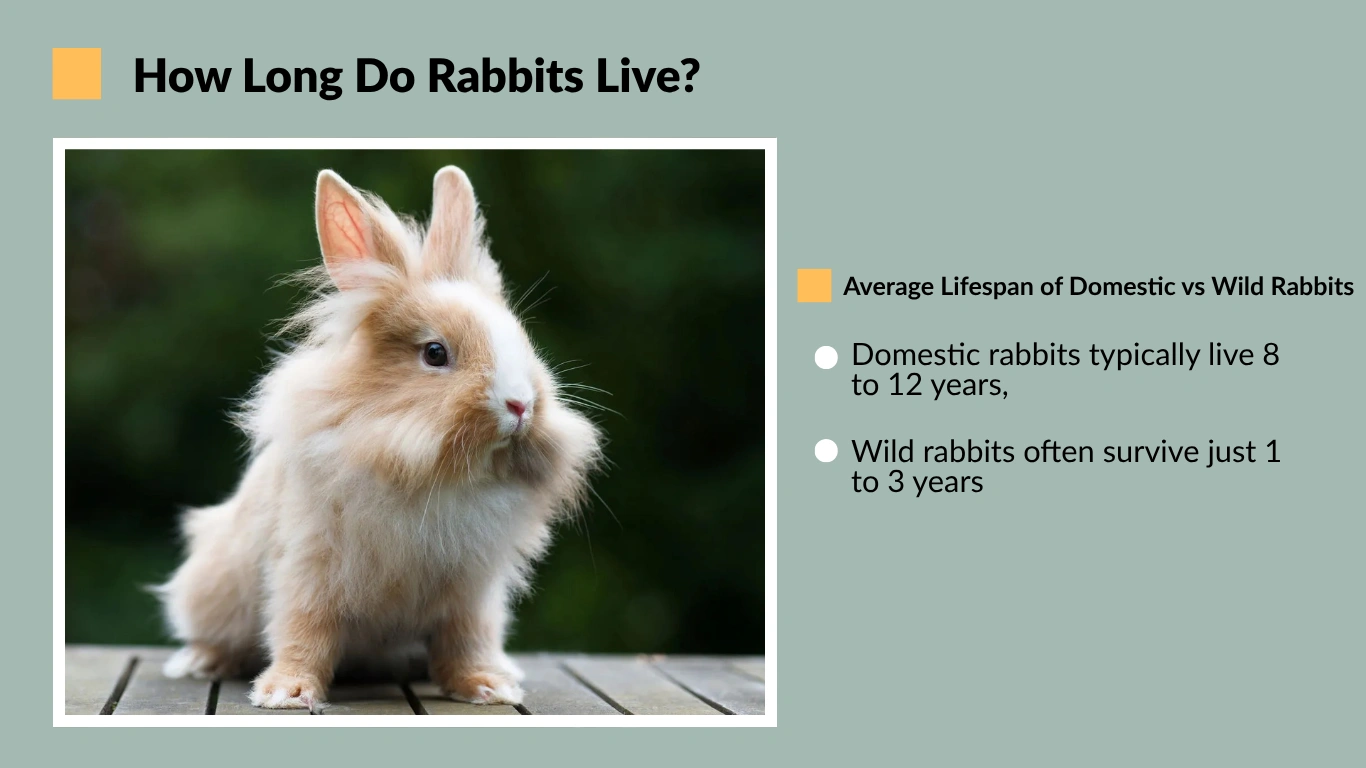
Rabbits come in many shapes, sizes, and personalities—and just like their appearance, their lifespans can vary widely. While some domestic breeds can live over a decade with proper care, wild rabbits often face shorter, more unpredictable lives. In this guide, we’ll explore how long different rabbit species typically live, what factors affect their longevity, and how you can help your pet rabbit live a healthier, longer life.
General Rabbit Lifespan
Rabbits don’t all live the same number of years—some live only a few, while others reach impressive double digits. The average lifespan depends heavily on whether they are wild or domestic, their breed, and how they’re cared for. Understanding these general patterns helps set expectations whether you’re observing rabbits in nature or caring for one at home.
Average Lifespan of Domestic vs Wild Rabbits
Domestic rabbits typically live 8 to 12 years, especially when kept indoors, fed a balanced diet, and given regular veterinary care. On the other hand, wild rabbits often survive just 1 to 3 years due to constant threats like predators, diseases, and harsh weather.
Factors Affecting Rabbit Longevity
Several elements influence how long a rabbit may live:
- Breed and genetics: Smaller breeds tend to live longer.
- Environment: Indoor rabbits live longer than outdoor ones.
- Diet: High-fiber, low-sugar diets are essential.
- Veterinary care: Regular checkups can prevent life-threatening issues.
- Predator exposure: Wild rabbits face more dangers daily.
General Rabbit Lifespan Overview
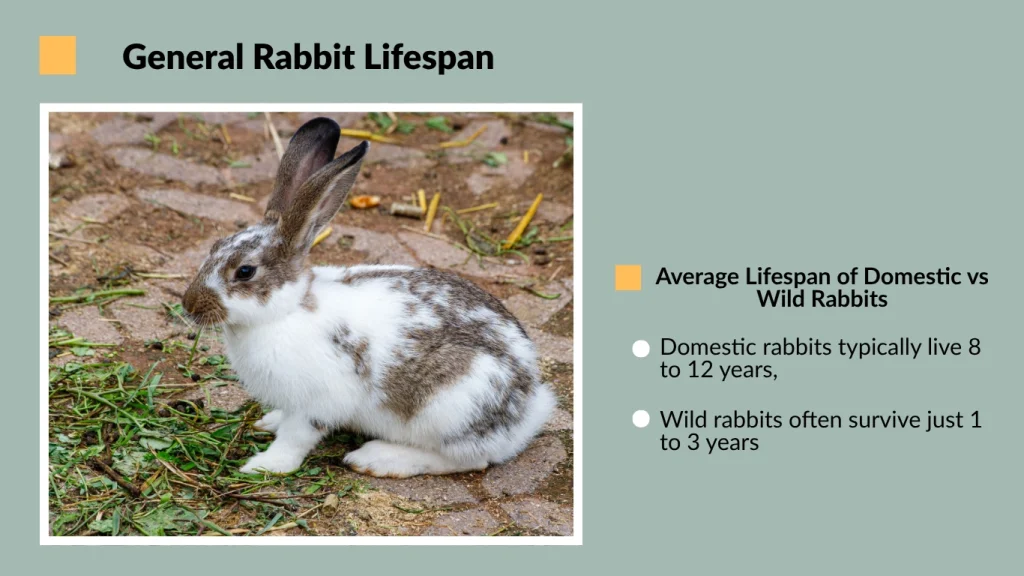
Rabbits don’t all live the same number of years—some live only a few, while others reach impressive double digits. The average lifespan depends heavily on whether they are wild or domestic, their breed, and how they’re cared for. Understanding these general patterns helps set expectations whether you’re observing rabbits in nature or caring for one at home.
Average Lifespan of Domestic vs Wild Rabbits
Domestic rabbits typically live 8 to 12 years, especially when kept indoors, fed a balanced diet, and given regular veterinary care. On the other hand, wild rabbits often survive just 1 to 3 years due to constant threats like predators, diseases, and harsh weather.
Factors Affecting Rabbit Longevity
Several elements influence how long a rabbit may live:
- Breed and genetics: Smaller breeds tend to live longer.
- Environment: Indoor rabbits live longer than outdoor ones.
- Diet: High-fiber, low-sugar diets are essential.
- Veterinary care: Regular checkups can prevent life-threatening issues.
- Predator exposure: Wild rabbits face more dangers daily.
Why Domestic Rabbits Live Longer Than Wild Ones
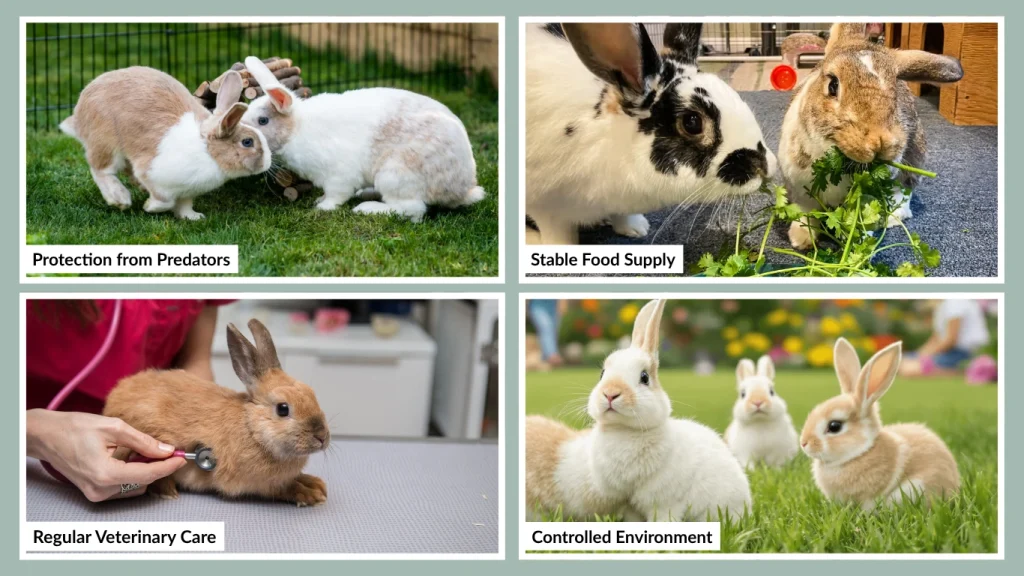
The lifespan gap between domestic and wild rabbits is striking—and it’s not by accident. While genetics play a role, it’s mostly the environment, care, and protection that give domestic rabbits a significantly longer life expectancy.
Protection from Predators
Wild rabbits are constantly on high alert. Foxes, hawks, coyotes, snakes, and even domestic pets pose threats. In contrast, domestic rabbits live in controlled spaces where they don’t face life-threatening attacks on a daily basis.
Stable Food Supply
Domestic rabbits have access to consistent, high-quality food: fresh hay, leafy greens, pellets, and clean water. Wild rabbits must forage, often settling for nutrient-poor plants or going hungry during droughts and winter.
Regular Veterinary Care
Domestic rabbits can benefit from routine vet visits, vaccinations, and treatments for illnesses that wild rabbits simply wouldn’t survive. Issues like dental problems or parasites can be managed quickly in a home environment.
Controlled Environment
Living indoors or in well-secured hutches shields domestic rabbits from harsh weather, infectious diseases, and accidents. This safe environment greatly reduces stress and health complications over time.
How to Help Your Rabbit Live Longer
Whether you’re a new rabbit owner or experienced caregiver, understanding how to extend your rabbit’s lifespan starts with simple but consistent practices. A long, healthy life is often the result of attentive care, proper diet, and a safe, enriching environment.
Provide a Balanced Diet
The foundation of a rabbit’s health is a high-fiber diet. Unlimited access to fresh hay (like timothy or orchard grass), daily leafy greens, and limited pellets help maintain proper digestion and avoid obesity or dental disease.
Keep Their Living Area Clean
Rabbits are sensitive to unsanitary conditions. A clean, dry, and well-ventilated living space minimizes the risk of respiratory infections, parasites, and foot sores. Regularly clean litter boxes and bedding.
Schedule Regular Vet Visits
Just like cats or dogs, rabbits need annual checkups—even if they seem healthy. Vets can catch early signs of dental disease, reproductive cancers, or parasites, which may not be visible to owners.
Offer Exercise and Mental Stimulation
Daily exercise reduces the risk of obesity and joint issues. Give your rabbit room to hop, explore, and play. Toys, tunnels, and supervised outdoor runs stimulate their natural curiosity and reduce boredom.
Avoid Common Health Hazards
Overgrown teeth, GI stasis, and heatstroke are leading health concerns in rabbits. Monitoring eating and bathroom habits, maintaining a cool environment, and trimming nails regularly can help prevent these issues.
Lifespan Comparison Table of Common Rabbit Breeds
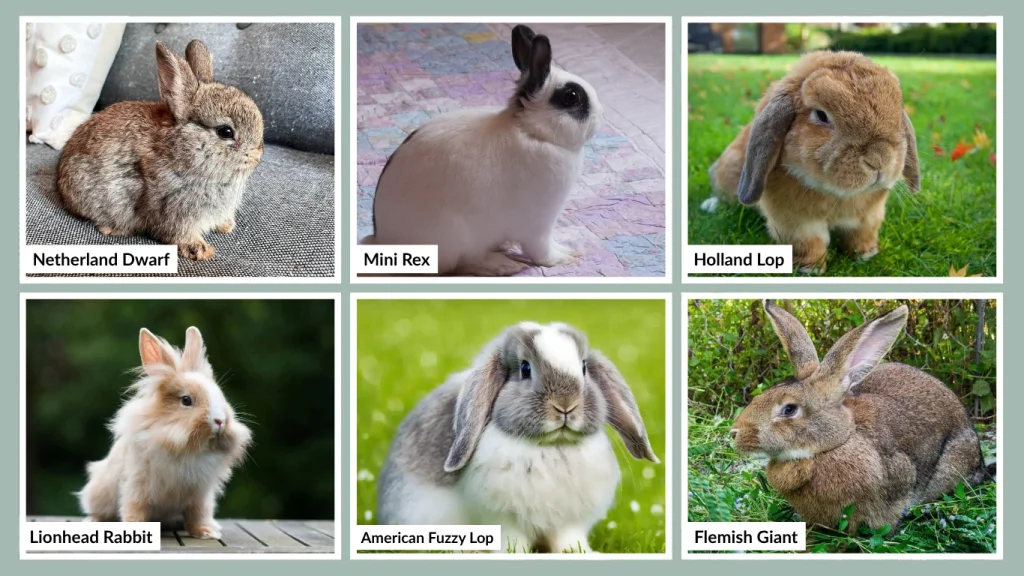
Understanding the expected lifespan of different rabbit breeds can help you choose the right pet for your lifestyle and prepare for long-term care. Smaller breeds often live longer, while larger ones tend to have shorter lifespans due to health complexities. Here’s a side-by-side comparison of some of the most popular domestic and wild rabbit species:
| Rabbit Breed / Species | Average Lifespan |
| Netherland Dwarf | 10–12 years |
| Mini Rex | 8–10 years |
| Holland Lop | 7–10 years |
| Lionhead Rabbit | 7–9 years |
| American Fuzzy Lop | 5–8 years |
| Flemish Giant | 5–8 years |
| Wild Eastern Cottontail | 1–3 years |
| European Wild Rabbit | 3–5 years |
This table offers a quick overview, but individual care, diet, and environment can significantly affect a rabbit’s actual lifespan—even within the same breed.
FAQs
1. How can I tell if my rabbit is aging?
As rabbits age, they may slow down, sleep more, or show signs of stiffness in movement. Graying fur, weight loss, and changes in behavior or appetite are also common indicators. Senior rabbits often require more frequent vet visits and a softer, more comfortable environment to support their aging bodies.
2. Do larger rabbits live shorter lives than smaller ones?
Yes, in general, larger breeds like the Flemish Giant tend to have shorter lifespans—around 5 to 8 years—compared to smaller breeds like the Netherland Dwarf, which can live 10 to 12 years. The extra strain on their bodies contributes to faster aging and increased risk of health issues.
3. Is it true that rabbits can die of fright?
Yes, rabbits are highly sensitive animals with delicate nervous systems. Sudden loud noises, predator threats, or stressful handling can cause extreme panic, which may lead to shock or even cardiac arrest in rare cases. A calm, quiet environment helps reduce anxiety and supports your rabbit’s overall health.
4. Can rabbits live longer than 12 years?
While uncommon, some rabbits can exceed 12 years, especially smaller breeds with excellent care. Proper diet, routine vet checkups, low-stress living conditions, and lots of love all contribute to extending their lifespan. The oldest recorded rabbits have lived up to 14 or even 15 years.
5. What is the oldest recorded age for a rabbit?
The oldest known rabbit lived to be 18 years and 10 months. This record-breaking rabbit named Flopsy lived in Australia and was well cared for in a domestic environment. While most rabbits won’t reach this age, it shows the potential longevity when all conditions are ideal.