


The Humboldt penguin is a unique South American species known for living in surprisingly warm, desert-like coastal regions. Native to the western coasts of Peru and Chile, this penguin thrives thanks to the cold, nutrient-rich Humboldt Current. Many people are curious about where do Humboldt penguins live, what do Humboldt penguins eat, and how long is the Humboldt penguin lifespan. In this complete guide, we’ll explore Humboldt penguin facts, habitat, diet, and the key traits that make this species so fascinating.
What Is a Humboldt Penguin?
Scientific Classification and Name Origin
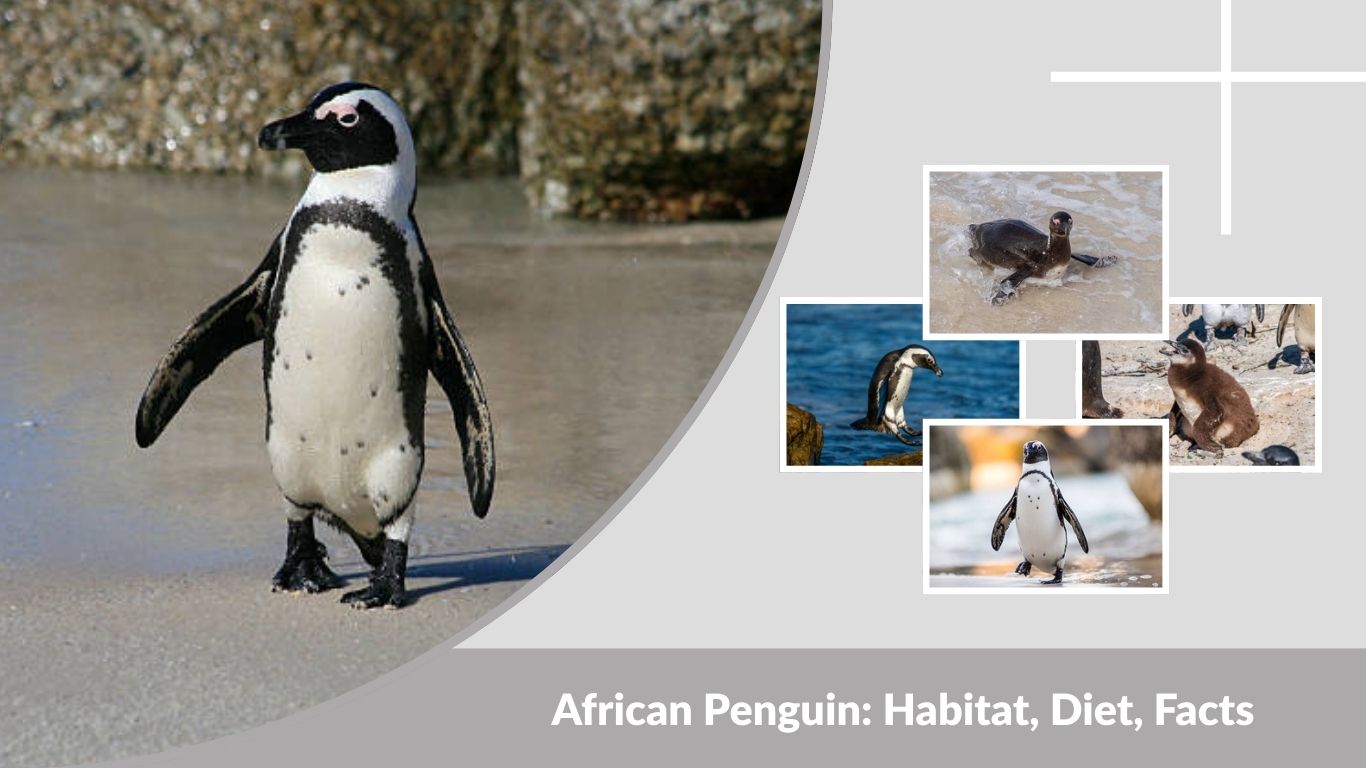
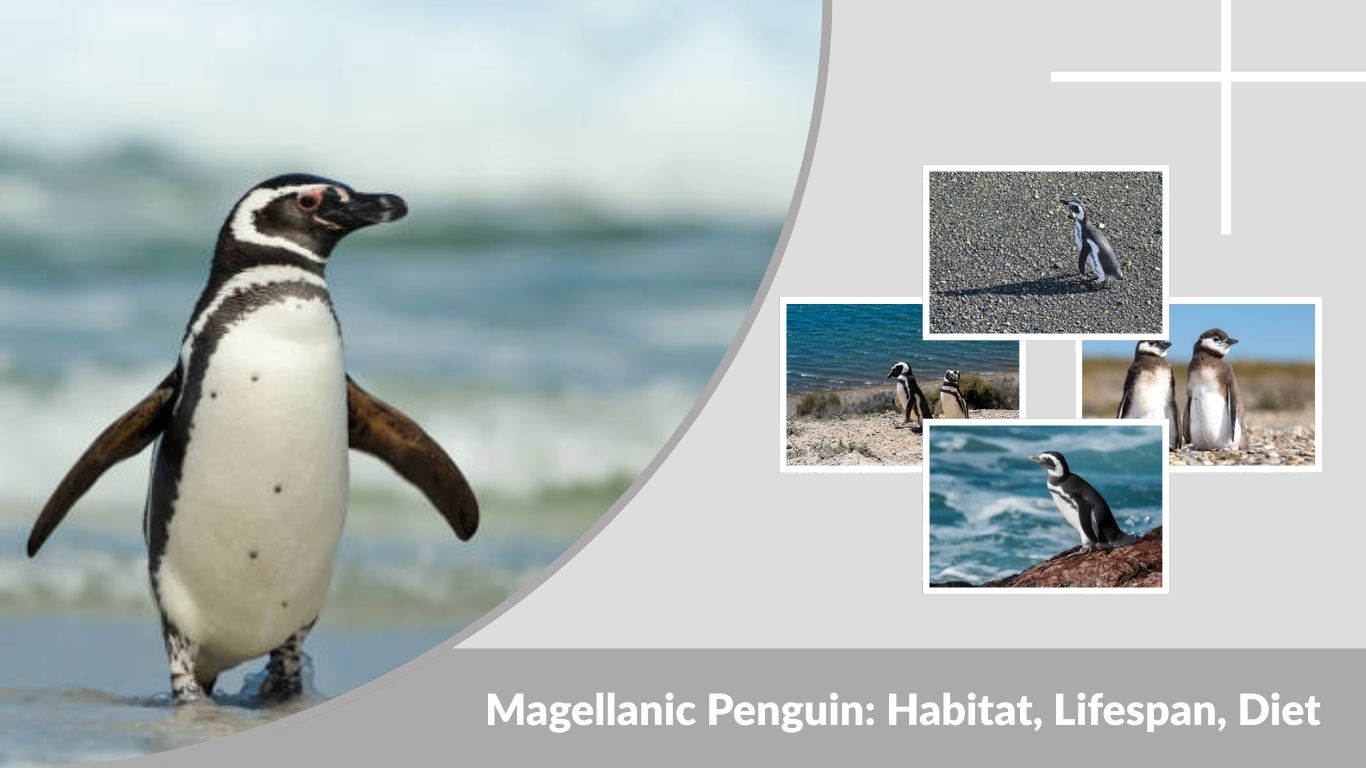
The Humboldt penguin’s scientific name is Spheniscus humboldti. It belongs to the banded penguin group, which also includes the African, Magellanic, and Galápagos penguins. The species is named after Alexander von Humboldt, a German naturalist and explorer who studied the ocean current that now bears his name.
Humboldt penguins are medium-sized penguins and are closely tied to the cold-water system of the Humboldt Current, which plays a crucial role in their survival.
Physical Characteristics
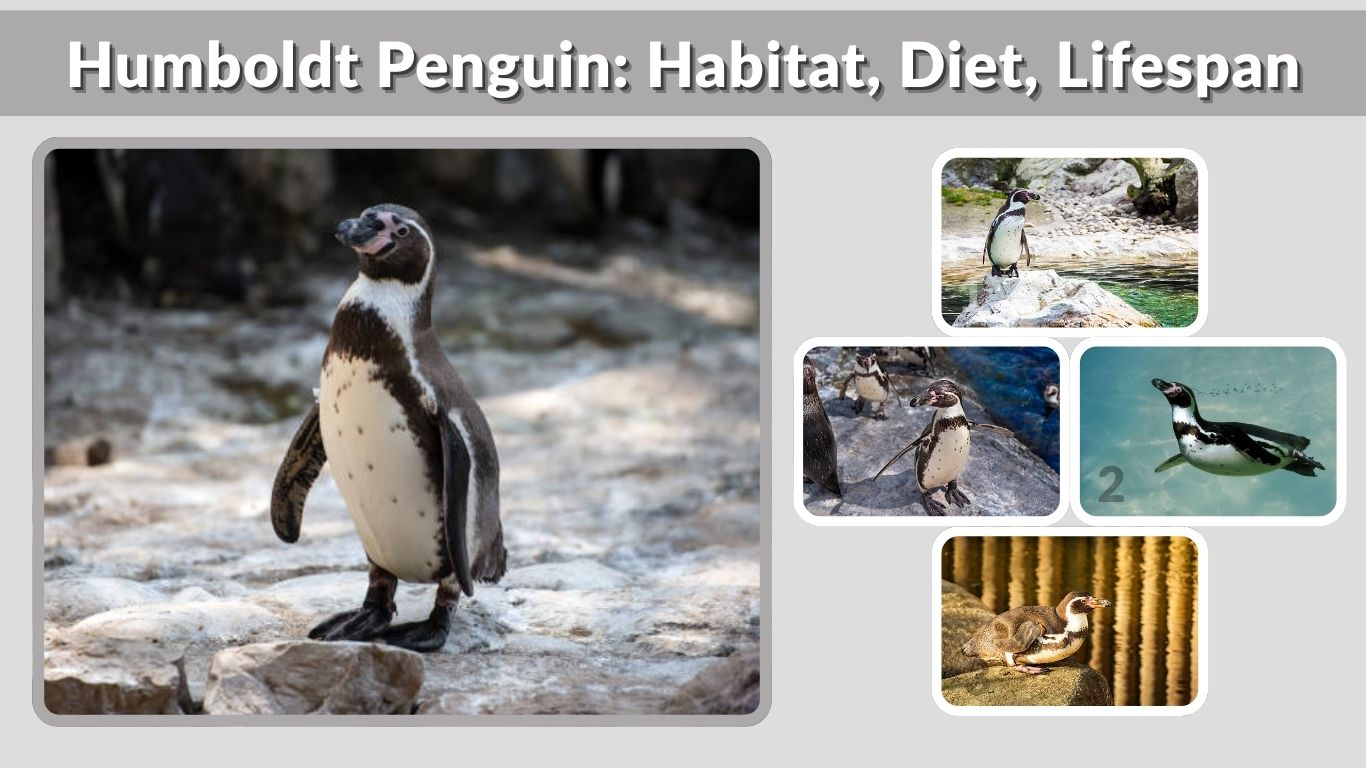
Humboldt penguins typically stand between 22 and 28 inches (56 to 70 centimeters) tall and weigh around 8 to 13 pounds (3.5 to 6 kilograms). Like other banded penguins, they have a single black band that curves across their white chest.
One of their most noticeable features is the pink patch of bare skin around their eyes and at the base of the bill. This patch helps regulate body temperature. When the penguin gets too warm, blood flow increases in this area, allowing excess heat to escape.
Their bodies are streamlined, with strong flippers that allow them to “fly” underwater. Their black backs and white bellies provide camouflage, protecting them from predators while swimming.
Where Do Humboldt Penguins Live?
Geographic Distribution
If you’re wondering where do Humboldt penguins live, the answer lies along the Pacific coast of South America. They are primarily found in Peru and Chile, especially on rocky shores and offshore islands.
Some of the largest colonies are located on protected islands where human disturbance is limited. These coastal zones provide easy access to feeding grounds and suitable nesting areas.
The Role of the Humboldt Current
The Humboldt Current is a cold ocean current that flows northward along the western coast of South America. It brings nutrient-rich waters from deep in the ocean to the surface, creating one of the most productive marine ecosystems in the world.
This upwelling system supports massive populations of anchovies and sardines, which form the foundation of the Humboldt penguin diet. Without the Humboldt Current, the species would struggle to survive.
Seasonal Movements
Unlike some penguin species that migrate long distances, Humboldt penguins are mostly non-migratory. They may move short distances along the coast depending on food availability, but they typically remain within the same general region year-round.
However, during strong El Niño events, warmer ocean temperatures can disrupt fish populations. In such cases, penguins may travel farther in search of food.
Humboldt Penguin Habitat
Coastal Nesting Habitat
The Humboldt penguin habitat on land includes rocky cliffs, coastal deserts, sea caves, and islands. These areas often appear dry and barren, but they provide important protection from predators and extreme sunlight.
Burrows are essential for nesting. Penguins dig into soft soil or guano to create tunnels that keep eggs and chicks cool. Caves and shaded rock crevices serve a similar purpose.
Nesting sites are usually located close to the ocean, allowing adults to travel quickly between feeding grounds and their chicks during breeding season.
Marine Habitat
At sea, Humboldt penguins inhabit cold, shallow coastal waters influenced by the Humboldt Current. They typically forage over the continental shelf, where fish populations are most abundant.
These waters are rich in nutrients due to constant upwelling, supporting the fish species that penguins rely on for survival.
Humboldt Penguin Diet
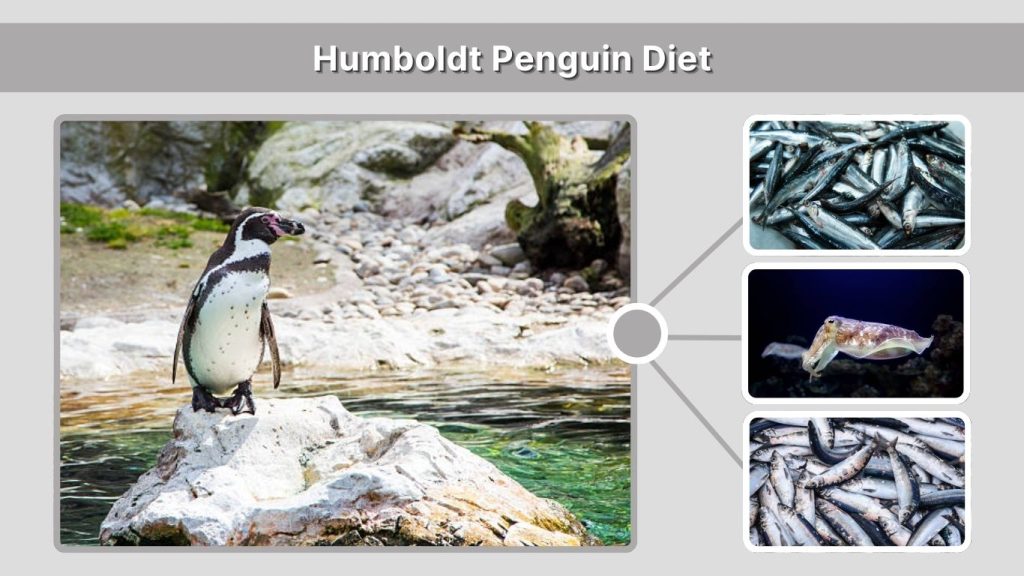
What Do Humboldt Penguins Eat?
If you’re asking, what do Humboldt penguins eat, their diet mainly consists of small schooling fish and marine invertebrates. The Humboldt penguin diet typically includes anchovies, sardines, herring, squid, and various crustaceans. Fish make up the largest portion of their meals, especially anchovies, which are abundant in the cold waters of the Humboldt Current.
Because they depend so heavily on specific fish species, any disruption to marine ecosystems can directly impact their survival.
Hunting and Feeding Behavior
Humboldt penguins are pursuit divers. This means they actively chase their prey underwater rather than waiting for it to approach. They usually hunt in shallow coastal waters but can dive to depths of about 50 to 60 meters (165–200 feet) when necessary.
They rely on strong flippers and streamlined bodies to swim efficiently. Hunting may occur individually or in small groups, particularly when fish gather in dense schools. Their excellent underwater vision helps them spot and capture fast-moving prey.
Feeding During Breeding Season
During the breeding season, feeding becomes even more demanding. Adults must not only feed themselves but also gather enough food for their chicks. Parents take turns traveling to sea while the other guards the nest.
When returning from foraging trips, adults regurgitate partially digested fish to feed their chicks. Regular feeding is essential for proper growth and survival, especially during the early weeks after hatching.
Humboldt Penguin Lifespan
Average Lifespan in the Wild
The typical Humboldt penguin lifespan in the wild ranges between 15 and 20 years. However, not all individuals reach this age. Juveniles face the highest risks during their first few years at sea when they are still learning how to hunt and avoid predators.
Survival rates depend largely on food availability, stable environmental conditions, and protection from human-related threats.
Lifespan in Captivity
In captivity, Humboldt penguins often live slightly longer than their wild counterparts. With consistent food, veterinary care, and protection from predators, some individuals can exceed 20 years of age.
Zoos and aquariums also play a role in breeding programs that help support global conservation efforts for the species.
Factors Affecting Lifespan
Several factors influence the Humboldt penguin life expectancy. Overfishing can reduce their food supply, forcing penguins to travel farther to find prey. Climate events such as El Niño can warm ocean waters and disrupt fish populations.
Oil pollution, plastic waste, and accidental entanglement in fishing nets also threaten survival. Habitat disturbance near nesting colonies further increases stress on breeding populations.
Humboldt Penguin Life Cycle
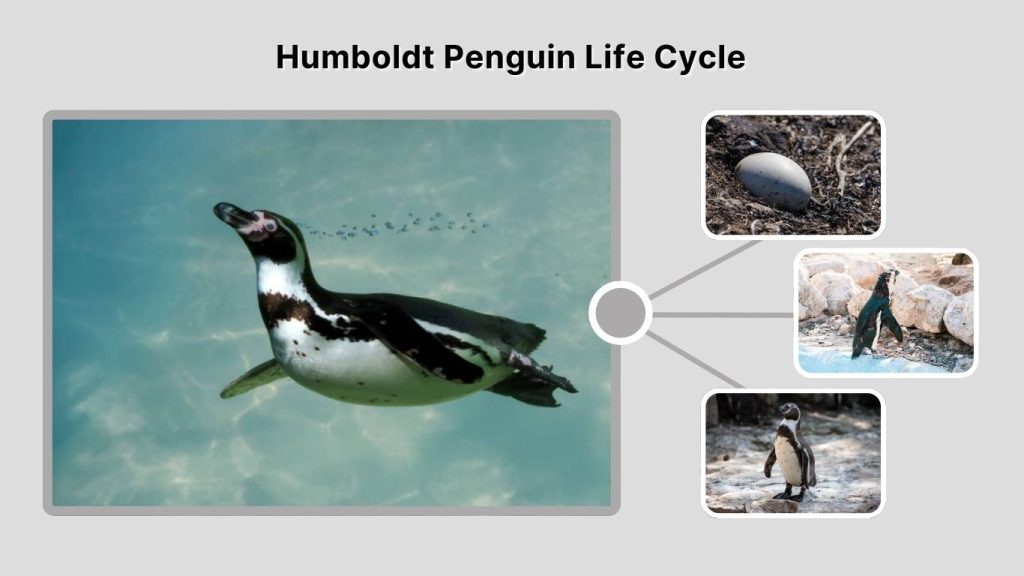
Courtship and Pair Bonding
The Humboldt penguin life cycle begins with courtship. These penguins are generally monogamous during breeding seasons and may reunite with the same partner year after year. Courtship involves vocal displays, head movements, and mutual preening.
Males often prepare nesting sites before females arrive. Once paired, both partners cooperate to maintain and defend their burrow.
Egg Laying and Incubation
Females typically lay two eggs per breeding season. Both parents share incubation duties, which last about 40 days. While one parent keeps the eggs warm and protected, the other travels to sea to feed.
This shared responsibility increases the chances of successful hatching and ensures that neither parent becomes overly exhausted.
Chick Development
After hatching, chicks enter a guard stage during which one parent remains with them almost constantly. As the chicks grow stronger and develop feathers, both parents may leave for feeding trips.
Chicks usually fledge at around 10 to 12 weeks of age. Once they leave the nest, they begin learning to survive independently in the ocean.
Age of Sexual Maturity
Humboldt penguins typically reach sexual maturity at around 2 to 3 years of age. At this point, they return to breeding colonies to find mates and begin the cycle again.
Threats and Conservation Status
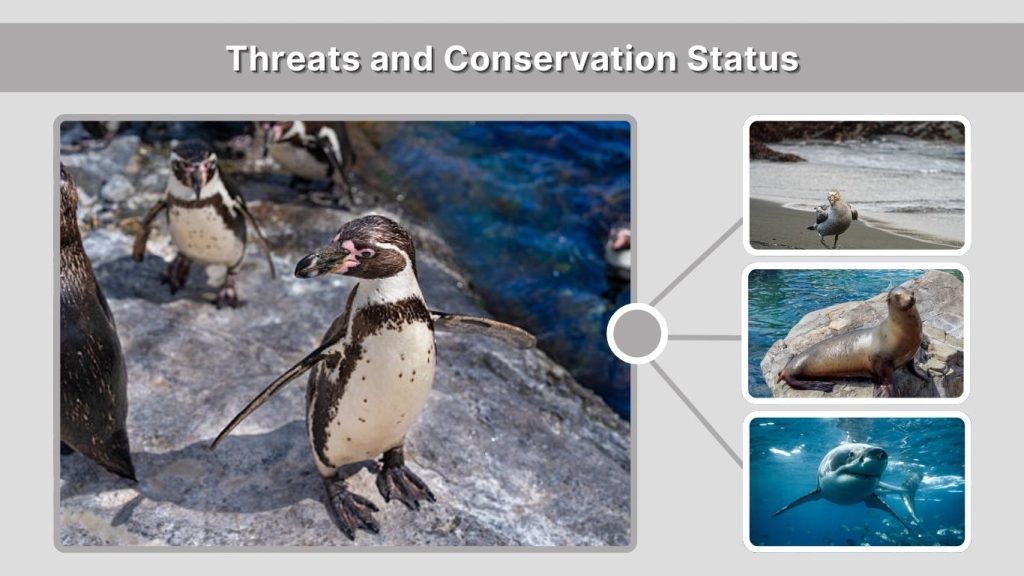
Humboldt penguins face a variety of natural and human-related threats. Natural predators include seals, sharks, and large seabirds that prey on eggs and chicks.
Human activities pose greater long-term risks. Overfishing reduces the availability of anchovies and sardines, which are critical to the Humboldt penguin diet. Climate change and frequent El Niño events disrupt ocean temperatures and fish populations.
Oil spills can damage their waterproof feathers, leading to hypothermia or death. Coastal development and tourism may also disturb nesting sites.
Currently, Humboldt penguins are classified as Vulnerable, meaning their populations are at risk of decline. Conservation efforts include marine protected areas, strict fishing regulations, colony monitoring, and wildlife rehabilitation programs.
Humboldt Penguin Facts
Distinctive Identifying Features
Among the most interesting Humboldt penguin facts is their ability to survive in coastal desert regions. Unlike Antarctic penguins that live in icy conditions, Humboldt penguins often inhabit dry, rocky shorelines where rainfall is limited.
Their black horseshoe-shaped chest band and facial markings make them easy to identify. They are also known for their loud, braying vocalizations, which sound similar to a donkey. These calls help mates and chicks recognize one another in busy colonies.
Social and Colony Behavior
Humboldt penguins are highly social birds and live in colonies that can range from a few dozen to several thousand individuals. Within these colonies, they form strong pair bonds. Many pairs stay together for multiple breeding seasons.
They are territorial around their nesting sites and will defend their burrows from intruders. Vocal communication plays a major role in maintaining relationships and coordinating parenting duties.
Adaptations to Warm Coastal Environments
One of the most remarkable aspects of the Humboldt penguin habitat is its warmth compared to other penguin regions. To cope with heat, these penguins nest in burrows, caves, or shaded areas beneath rocks. Some even dig into old guano (bird droppings) deposits to create cool nesting chambers.
The pink skin patches near their eyes help release excess body heat. Additionally, they often spread their flippers away from their bodies to cool down when temperatures rise.
FAQs
Where do Humboldt penguins live?
Humboldt penguins live along the Pacific coasts of Peru and Chile. They are commonly found on rocky shorelines and offshore islands influenced by the cold Humboldt Current.
What do Humboldt penguins eat?
Humboldt penguins eat anchovies, sardines, squid, herring, and crustaceans. Fish form the largest part of their diet, especially species supported by nutrient-rich ocean currents.
What is the Humboldt penguin lifespan?
The average Humboldt penguin lifespan is between 15 and 20 years in the wild. In captivity, some individuals may live longer due to medical care and stable food sources.
What is the Humboldt penguin habitat like?
Their habitat includes rocky coastal deserts, sea caves, and burrows dug into soil or guano deposits. At sea, they inhabit cold, nutrient-rich coastal waters.
Are Humboldt penguins endangered?
Humboldt penguins are currently classified as Vulnerable, meaning they face a high risk of population decline without continued conservation efforts.
Conclusion
The Humboldt penguin is a remarkable species uniquely adapted to life along South America’s coastal deserts and cold ocean waters. From understanding where Humboldt penguins live to exploring their habitat, diet, lifespan, and life cycle, it’s clear that their survival depends on healthy marine ecosystems. Protecting ocean currents, fish populations, and nesting sites is essential to ensure that these resilient penguins continue to thrive for generations to come.