



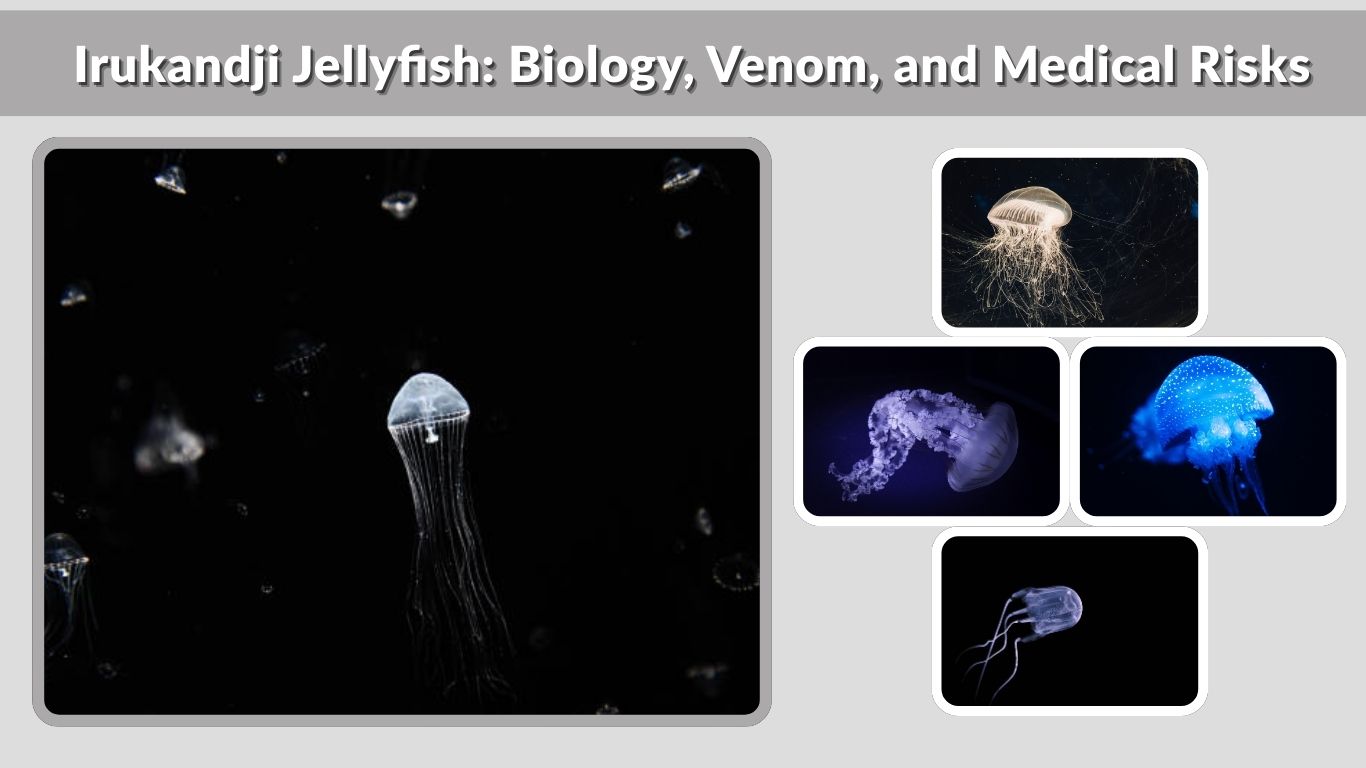
The Irukandji jellyfish may be one of the smallest jellyfish in the ocean, but it is also one of the most dangerous. Almost invisible to the naked eye, this tiny marine creature is responsible for one of the most severe jellyfish envenomations known to science. Unlike many jellyfish stings that cause immediate pain, an Irukandji sting often begins mildly before escalating into a life-threatening medical emergency. Found mainly in tropical waters, particularly around Australia, the Irukandji jellyfish poses a serious risk to swimmers, divers, and beachgoers who are unaware of its presence.
What Is the Irukandji Jellyfish?
The Irukandji jellyfish is a highly venomous species of box jellyfish belonging to the Carukia genus. It was named after the Irukandji Aboriginal people of northern Queensland, where the jellyfish was first identified. Despite being discovered relatively recently in scientific terms, the effects of its sting had been reported long before the jellyfish itself was formally described.
What makes the Irukandji jellyfish particularly dangerous is not just its venom, but how difficult it is to detect. Its small size and transparent body allow it to blend almost perfectly with surrounding water. As a result, swimmers are often stung without ever seeing what caused it. The delayed onset of severe symptoms further adds to the danger, as victims may not immediately realize they are in serious trouble.
Physical Characteristics of the Irukandji Jellyfish
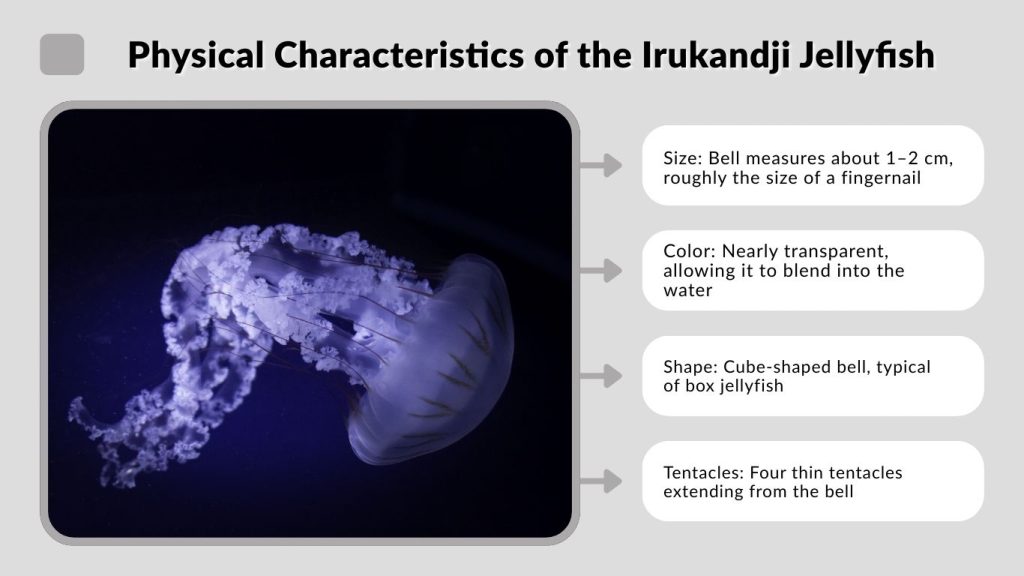
The Irukandji jellyfish is extremely small and almost completely transparent, making it difficult to detect in the water. Despite its delicate appearance, it is equipped with highly potent venom and specialized stinging cells that make it one of the most dangerous jellyfish species.
Key physical characteristics include:
- Size: Bell measures about 1–2 cm, roughly the size of a fingernail
- Color: Nearly transparent, allowing it to blend into the water
- Shape: Cube-shaped bell, typical of box jellyfish
- Tentacles: Four thin tentacles extending from the bell
- Stinging cells: Thousands of microscopic nematocysts along the tentacles
- Visibility: Extremely hard to spot, even in clear water
These physical traits allow the Irukandji jellyfish to remain unnoticed while delivering a powerful and potentially life-threatening sting.
Habitat and Distribution
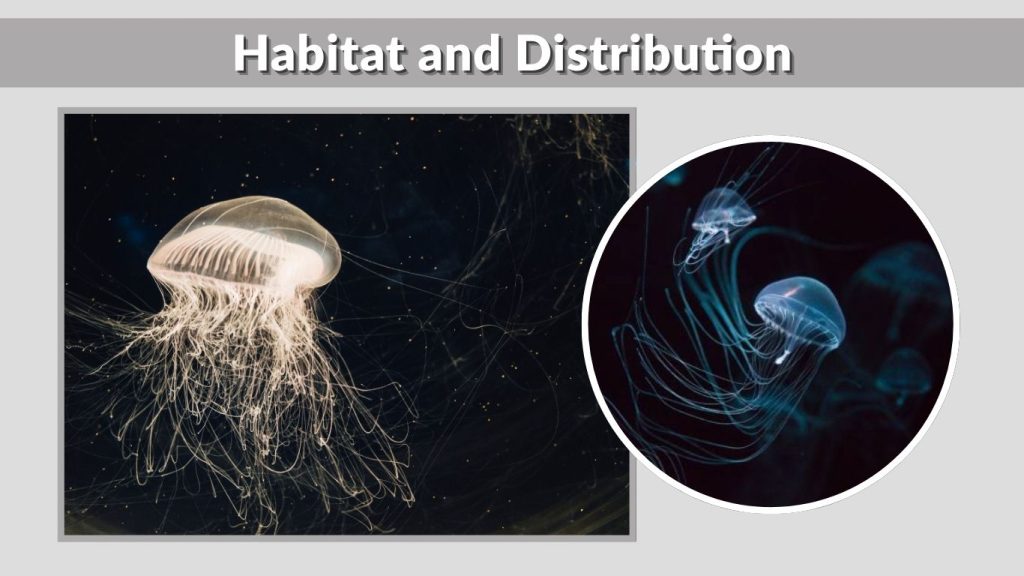
Irukandji jellyfish are most commonly found in warm, tropical marine environments. They prefer calm coastal waters and are often present near beaches, reefs, and estuaries. Although they are best known for their presence in Australia, similar species have been reported in other tropical regions.
Where Are Irukandji Jellyfish Found?
The highest concentration of Irukandji jellyfish stings occurs along the northern coast of Australia, particularly in Queensland, the Northern Territory, and parts of Western Australia. These regions provide ideal conditions, including warm water temperatures and suitable prey.
There have also been reports of Irukandji-like jellyfish in areas such as Southeast Asia, the Pacific Islands, and parts of the Caribbean. However, Australia remains the region most closely associated with Irukandji syndrome due to consistent documentation and research.
Seasonal Patterns and Jellyfish Blooms
Irukandji jellyfish are more commonly encountered during warmer months, typically between November and May in Australia. During this period, ocean temperatures rise, increasing jellyfish activity and reproduction. Jellyfish blooms can occur under favorable conditions, significantly raising the risk of stings for swimmers and divers.
How the Irukandji Jellyfish Sting Works
The sting of the Irukandji jellyfish occurs when its tentacles come into contact with human skin. Tiny stinging cells called nematocysts fire harpoon-like structures that inject venom directly into the bloodstream. This process happens almost instantly and does not require the jellyfish to actively attack.
Why the Sting Often Goes Unnoticed at First
Unlike many jellyfish stings that cause immediate burning pain, the Irukandji sting may initially feel like a mild irritation or go completely unnoticed. Severe symptoms often begin anywhere from five to forty minutes after the sting, which can make diagnosis difficult. This delay is one of the most dangerous aspects of Irukandji envenomation and sets the stage for the development of Irukandji syndrome.
Irukandji Syndrome Explained
Irukandji syndrome is a severe and potentially life-threatening condition caused by the venom of the Irukandji jellyfish. Unlike a typical jellyfish sting that mainly affects the skin, Irukandji syndrome impacts the entire body. Symptoms can escalate rapidly, turning what initially seems like a minor sting into a medical emergency.
The venom triggers a massive release of stress hormones, particularly adrenaline and noradrenaline. This intense physiological response is responsible for the extreme pain and systemic effects that characterize the syndrome. Without prompt medical care, complications can develop quickly.
Symptoms of Irukandji Syndrome
Symptoms usually begin within five to forty minutes after a sting, although in some cases they may take longer to appear. Early signs include headache, nausea, sweating, and restlessness. As the venom spreads, pain intensifies and becomes widespread, affecting the back, abdomen, chest, and muscles.
Severe symptoms may include vomiting, difficulty breathing, dangerously high blood pressure, and chest pain. Many victims describe the pain as overwhelming and unrelenting, often accompanied by anxiety or a sense of impending doom. These symptoms require immediate medical attention.
Why Irukandji Syndrome Is So Dangerous
Irukandji syndrome is especially dangerous because it places extreme stress on the cardiovascular system. Sudden spikes in blood pressure can lead to heart complications, including cardiac failure in severe cases. The delayed onset of symptoms also means people may not seek help until the condition has progressed.
Hospitalization is often necessary to manage pain, monitor heart function, and control blood pressure. Without professional treatment, the risk of serious complications increases significantly.
Can an Irukandji Jellyfish Sting Kill You?
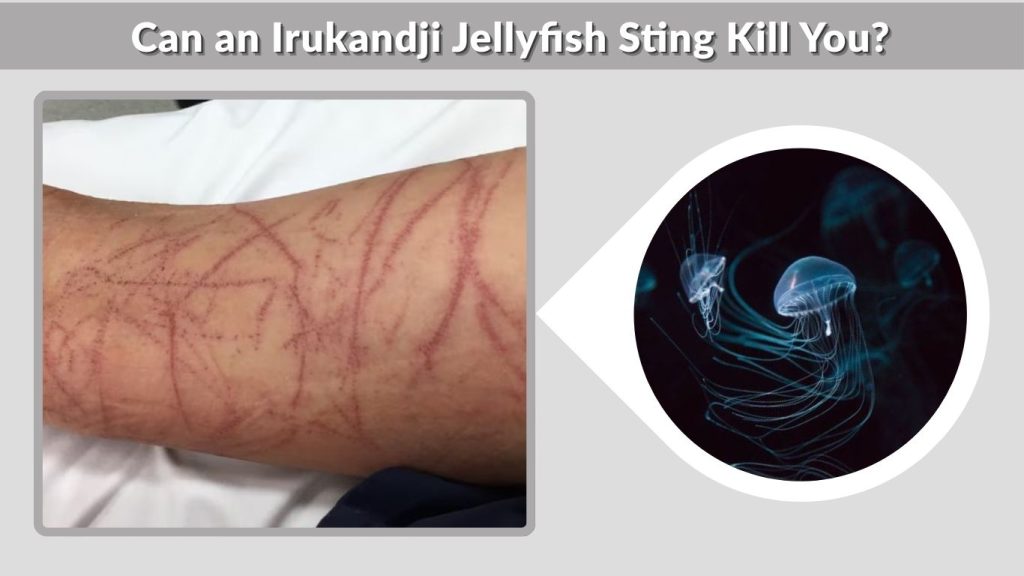
Deaths from Irukandji jellyfish stings are rare, but they have occurred. The risk of fatality depends on several factors, including the amount of venom injected, the victim’s overall health, and how quickly medical care is received. Children, elderly individuals, and people with heart conditions are generally at higher risk.
Modern medical care has greatly reduced the likelihood of death, but the sting should never be taken lightly. Even healthy adults can experience severe reactions that require intensive treatment.
Treatment and First Aid for Irukandji Stings
Immediate first aid can help reduce the severity of an Irukandji sting. If a sting is suspected, the affected person should leave the water immediately to prevent further exposure. Vinegar is commonly applied to the sting area to neutralize unfired nematocysts and prevent additional venom release.
It is important not to rub the area, apply freshwater, or use ice directly on the sting, as these actions can worsen venom discharge. Emergency medical services should be contacted as soon as possible.
Medical Treatment in Hospitals
In a hospital setting, treatment focuses on managing symptoms rather than neutralizing the venom itself. Strong pain relief is often required, along with medications to control blood pressure and reduce anxiety. Patients are closely monitored for cardiac and respiratory complications.
In severe cases, intensive care may be necessary. While there is no specific antivenom for Irukandji syndrome, supportive medical treatment is highly effective when administered promptly.
Recovery and Long-Term Effects
Most patients recover fully within a few days to weeks, depending on the severity of the sting. However, some individuals may experience lingering fatigue, muscle pain, or psychological distress after recovery. Follow-up care is sometimes recommended to monitor heart health and overall well-being.
Irukandji Jellyfish vs Box Jellyfish
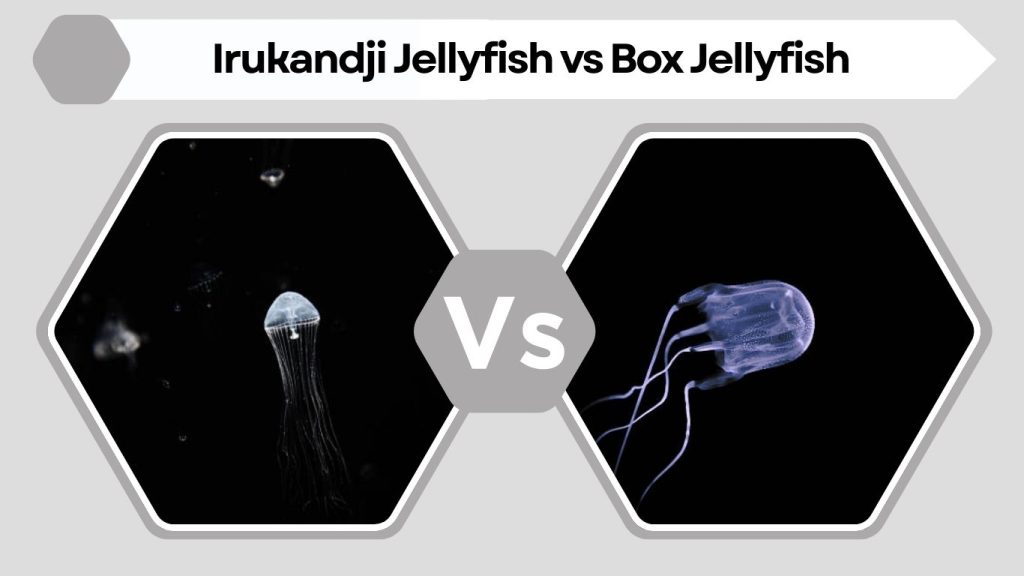
Although the Irukandji jellyfish belongs to the box jellyfish family, it differs significantly from the more well-known box jellyfish species. Box jellyfish are much larger and typically cause immediate, intense pain at the site of the sting.
The Irukandji jellyfish, by contrast, is far smaller but can produce more severe systemic effects. While box jellyfish stings are often more immediately deadly, Irukandji stings are deceptive, with delayed but potentially dangerous consequences.
Common Myths and Misconceptions
A common misconception is that only large jellyfish are dangerous. The Irukandji jellyfish proves that size does not determine threat level. Another myth is that mild initial pain means a sting is harmless, which can lead to dangerous delays in treatment.
Prevention and Safety Tips
Preventing Irukandji stings relies largely on awareness and precaution. Wearing full-body stinger suits significantly reduces the risk of contact with jellyfish tentacles. These suits are widely recommended in Irukandji-prone regions during high-risk seasons.
Staying Safe in Irukandji-Prone Waters
Swimmers should always heed local warnings and avoid entering the water when jellyfish alerts are in place. Swimming in designated netted areas, following lifeguard advice, and avoiding the ocean during peak Irukandji season can greatly reduce risk.
Conclusion
The Irukandji jellyfish is a powerful reminder that even the smallest marine creatures can pose serious threats. Its nearly invisible body and delayed symptoms make it especially dangerous, but with awareness, prevention, and prompt medical care, the risks can be greatly reduced. Understanding the Irukandji jellyfish is not about fear, but respect—for the ocean and the hidden dangers it can contain.