


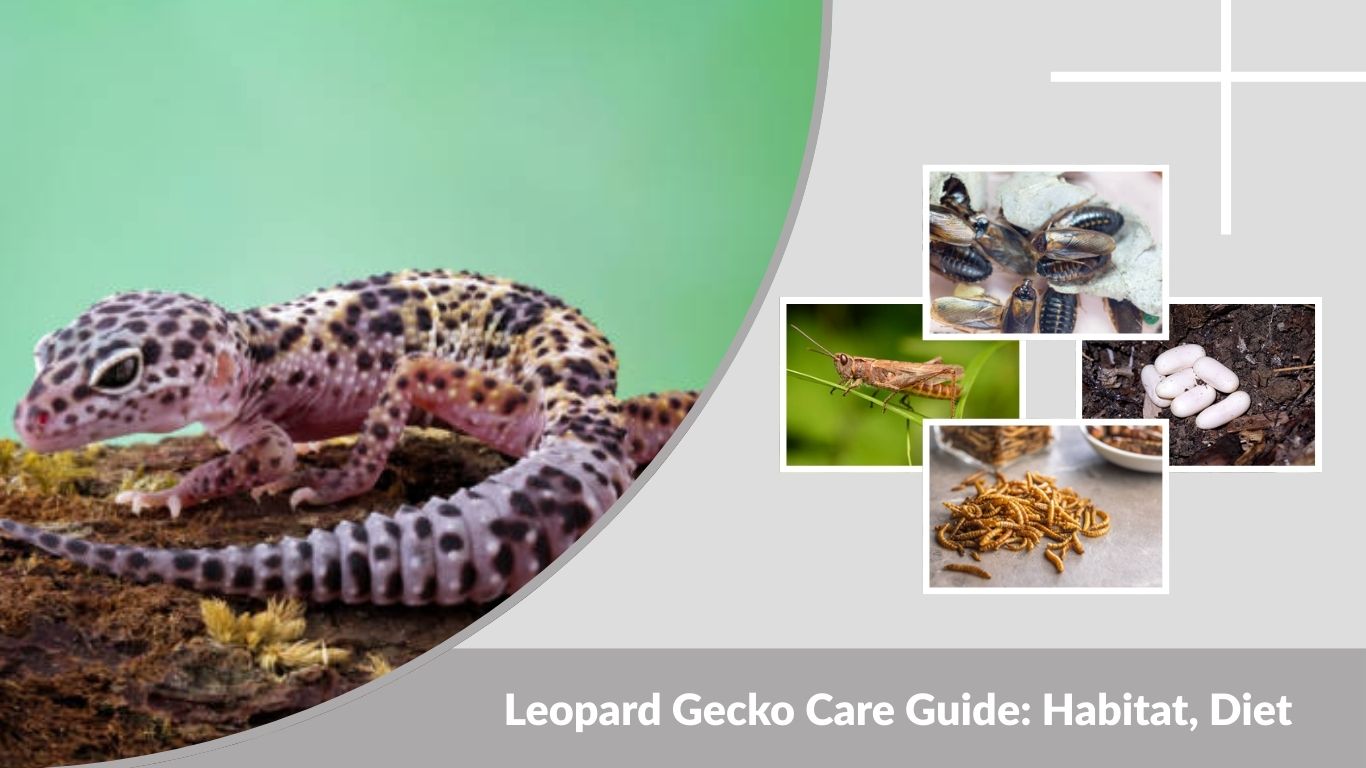
Leopard geckos are one of the most popular pet reptiles in the world. Known for their calm temperament and simple care needs, they are ideal for beginners and experienced reptile keepers alike. With the right leopard gecko habitat, proper diet, and consistent care, these fascinating lizards can live for decades. This complete leopard gecko care guide covers everything you need to know about lifespan, feeding, setup, and essential health basics.
Leopard Gecko Facts for Beginners
Leopard geckos (Eublepharis macularius) originate from dry regions of Afghanistan, Pakistan, and parts of India. Unlike many geckos, they have eyelids and cannot climb smooth glass surfaces because they lack sticky toe pads.
Adult leopard geckos typically grow between 7 to 10 inches long. One of their most unique features is their thick tail, which stores fat for energy. If threatened, they can drop their tail — a defense mechanism called autotomy.
These reptiles are nocturnal, meaning they are most active at night. Because of their docile personality and manageable size, they are often recommended as a first reptile pet.
Leopard Gecko Lifespan
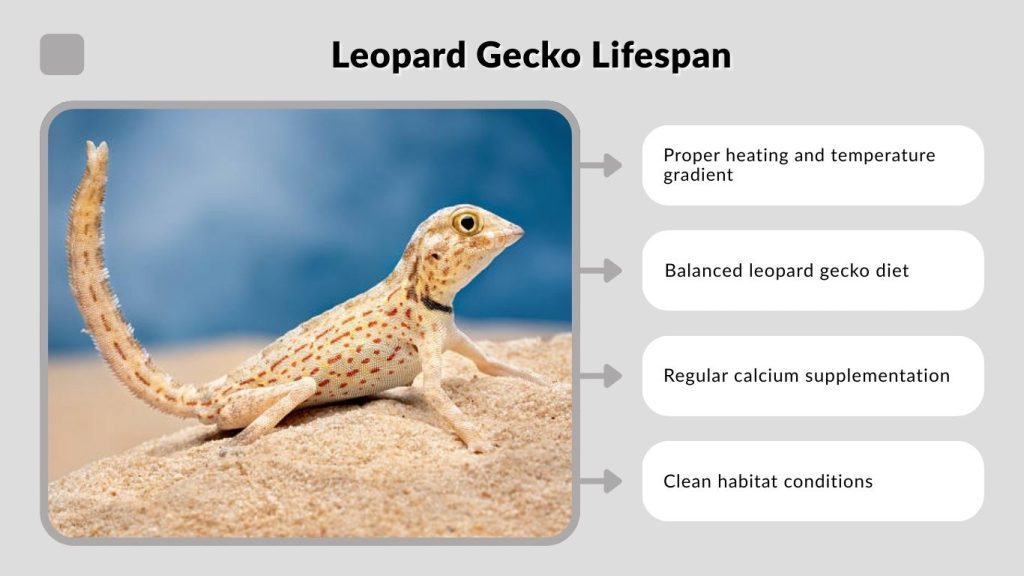
Many new owners ask, how long do leopard geckos live? With proper leopard gecko care, they can live between 15 to 20 years in captivity. Some have even been known to live longer with exceptional care.
In the wild, their lifespan is usually shorter due to predators, food scarcity, and environmental stress. In captivity, longevity depends on several factors:
- Proper heating and temperature gradient
- Balanced leopard gecko diet
- Regular calcium supplementation
- Clean habitat conditions
- Access to veterinary care
Providing consistent care is the biggest factor in extending your leopard gecko’s lifespan.
Leopard Gecko Habitat Setup
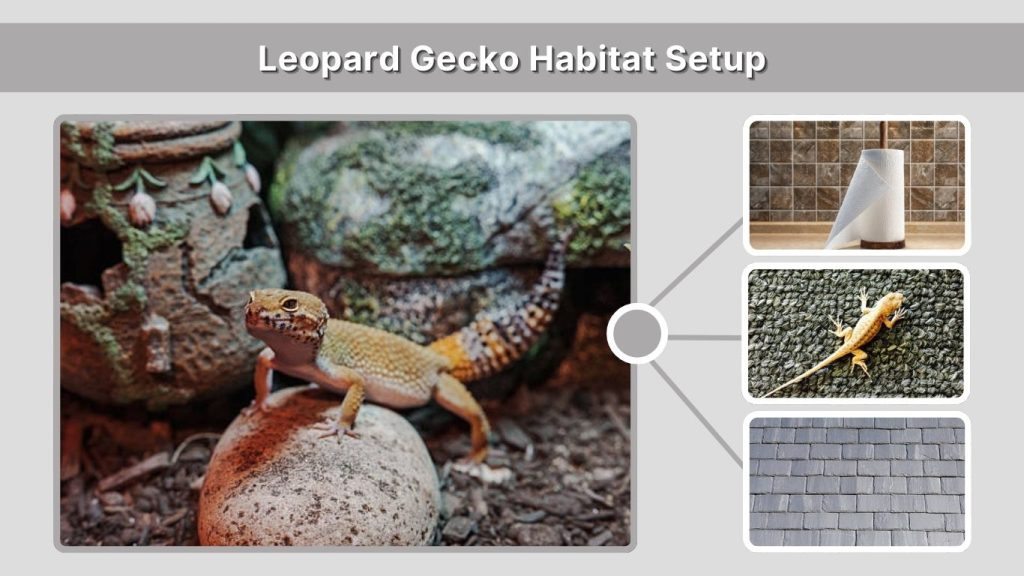
Creating the right leopard gecko habitat is essential for health and longevity. A proper leopard gecko setup mimics their natural dry environment while maintaining safe temperature control.
Tank Size Requirements
An adult leopard gecko should be housed in at least a 20-gallon long tank. While juveniles can start in smaller enclosures, adults need space to explore, regulate body temperature, and feel secure.
Glass terrariums with secure mesh lids are ideal for ventilation and safety.
Substrate Options
Choosing the correct substrate is critical. Safe options include:
- Paper towels (especially for babies)
- Reptile carpet
- Slate tile
Loose sand is generally discouraged because it can cause impaction if ingested.
Temperature & Heating
Leopard geckos require a temperature gradient inside their enclosure:
- Warm side: 88–92°F
- Cool side: 70–75°F
Under-tank heating pads are commonly used to maintain belly heat, which helps with digestion. Always use a thermostat to regulate temperatures safely.
Lighting Needs
Unlike many reptiles, leopard geckos do not require strong UVB lighting. However, low-level UVB can be beneficial. Because they are nocturnal, bright lights are not necessary.
Hides & Decor
Every leopard gecko habitat should include at least three hides:
- Warm hide (on heated side)
- Cool hide (on cooler side)
- Moist hide (for shedding support)
The moist hide is especially important to prevent shedding problems.
Leopard Gecko Diet and Food
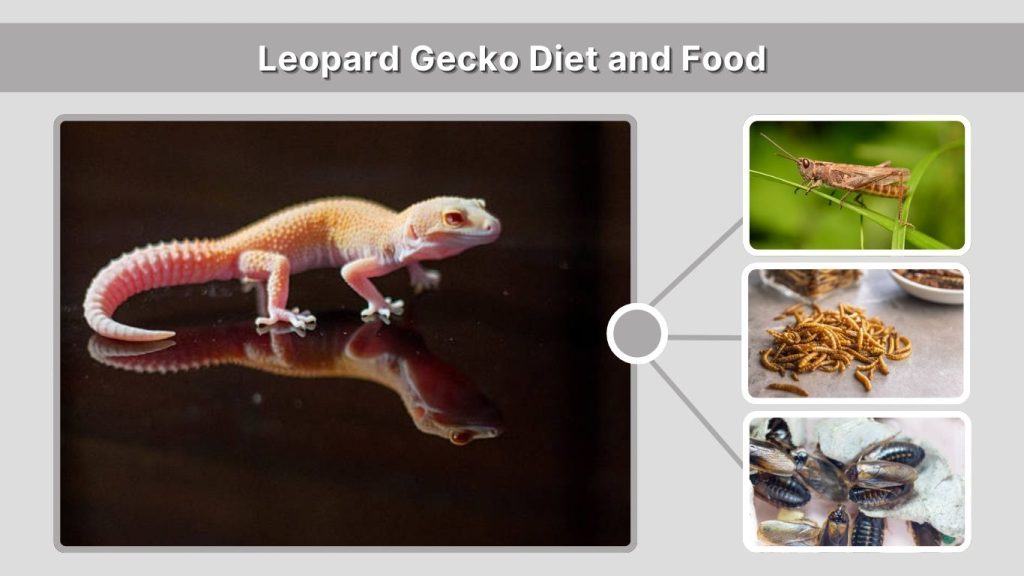
A proper leopard gecko diet is entirely insect-based. If you’re wondering what do leopard geckos eat, the answer is simple: live insects.
What Do Leopard Geckos Eat?
Common leopard gecko food options include:
- Crickets
- Mealworms
- Dubia roaches
- Superworms (occasional treat)
Insects should be gut-loaded (fed nutritious food) before feeding them to your gecko. This increases their nutritional value.
Leopard geckos should also receive calcium powder supplements several times per week, along with a multivitamin supplement as recommended.
Leopard Gecko Feeding Schedule
Leopard gecko feeding frequency depends on age:
- Babies (0–6 months): Feed daily
- Juveniles (6–12 months): Feed every other day
- Adults (12+ months): Feed 2–3 times per week
Offer insects that are no larger than the space between your gecko’s eyes. This helps prevent choking and digestion issues.
Leopard Gecko Diet Chart
| Age Stage | Feeding Frequency | Number of Insects | Insect Size | Calcium | Multivitamin |
| Hatchling (0–3 months) | Daily | 5–7 insects | Very small (smaller than eye width) | Every feeding | 1x per week |
| Juvenile (3–12 months) | Every other day | 6–8 insects | Small to medium | 3–4x per week | 1x per week |
| Sub-Adult (12–18 months) | 2–3 times per week | 6–10 insects | Medium | 2–3x per week | 2x per month |
| Adult (18+ months) | 2–3 times per week | 6–10 insects | Medium to large (no bigger than eye width) | 2–3x per week | 2x per month |
Leopard Gecko Poop Guide
Monitoring leopard gecko poop is one of the easiest ways to track your pet’s health. Healthy stool typically has two parts: a dark brown or black solid section and a small white portion called urate. The white part is solid urine and should not be watery.
Normal leopard gecko poop should be firm and well-formed. If you notice loose stool, strong odor, mucus, or visible parasites, this may indicate a health issue.
Common causes of abnormal stool include:
- Poor diet
- Parasites
- Stress
- Incorrect temperatures
- Impaction
If your leopard gecko has not pooped for several days and appears bloated or lethargic, check the enclosure temperature first. Improper heating often causes digestion problems. Persistent issues should be evaluated by a reptile veterinarian.
Leopard Gecko Tail Explained
The leopard gecko tail is one of its most important body parts. Unlike other lizards, leopard geckos store fat in their tails. A thick, rounded tail is usually a sign of good health and proper nutrition.
If the tail becomes thin or shriveled, it may indicate:
- Weight loss
- Parasites
- Illness
- Poor diet
Leopard geckos can drop their tail if they feel threatened. This defense mechanism is called autotomy. While the tail will grow back, it may look shorter and less smooth than the original.
Avoid grabbing your gecko by the tail, and always handle gently to prevent stress.
Leopard Gecko Eggs and Breeding
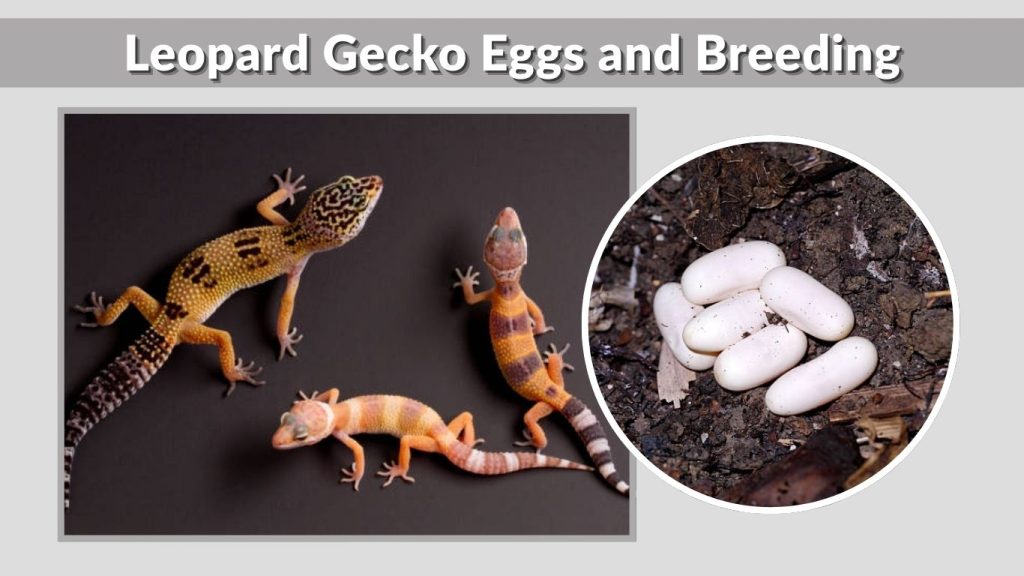
Female leopard geckos can lay eggs even without a male present, although unfertilized eggs will not hatch. During breeding season, females typically lay two eggs per clutch and may produce multiple clutches each year.
Leopard gecko eggs usually incubate for 35 to 90 days, depending on temperature. Interestingly, incubation temperature influences the sex of hatchlings:
- Lower temperatures tend to produce females
- Higher temperatures tend to produce males
Eggs must be incubated in a stable, temperature-controlled environment with proper humidity. Sudden changes can damage developing embryos.
Breeding leopard geckos requires experience, planning, and proper housing for hatchlings.
Baby Leopard Gecko Care
Caring for a leopard gecko baby requires extra attention. Hatchlings are more delicate and need carefully controlled environments.
Baby leopard geckos should be housed on paper towels to reduce the risk of impaction. A small enclosure with secure hides and proper heating is essential.
Feeding is more frequent for babies. They should eat small insects daily, dusted with calcium powder. Because they grow quickly, consistent nutrition is critical.
Common beginner mistakes with baby leopard geckos include:
- Using loose substrate
- Skipping supplements
- Handling too frequently
- Providing incorrect temperatures
With proper care, babies grow rapidly and develop strong, healthy tails within months.
Common Leopard Gecko Care Mistakes
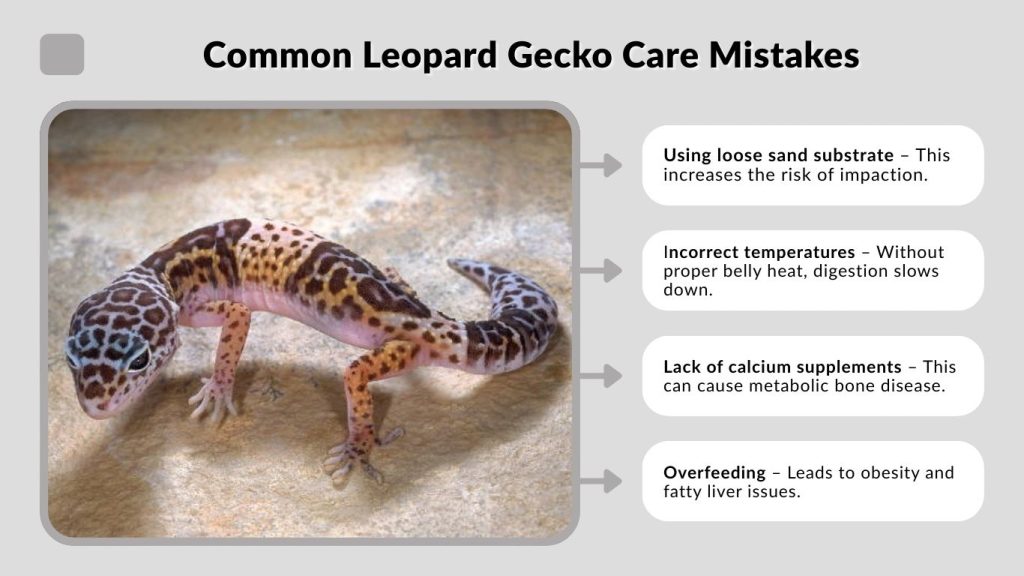
Even though leopard geckos are hardy, mistakes can lead to serious health problems. Here are the most common errors:
Using loose sand substrate – This increases the risk of impaction.
Incorrect temperatures – Without proper belly heat, digestion slows down.
Lack of calcium supplements – This can cause metabolic bone disease.
Overfeeding – Leads to obesity and fatty liver issues.
Poor humidity management – Can cause shedding problems.
Following a reliable leopard gecko care guide helps avoid these preventable issues.
Complete Leopard Gecko Care Checklist
Here is a quick care summary:
- Minimum 20-gallon tank for adults
- Warm side at 88–92°F
- Three hides (warm, cool, moist)
- Live insect-based leopard gecko diet
- Regular calcium supplementation
- Clean enclosure weekly
- Monitor poop and tail condition
Consistent care is the key to a long leopard gecko lifespan.
FAQs
How long do leopard geckos live in captivity?
With proper care, leopard geckos typically live 15 to 20 years in captivity. Some may live even longer with excellent nutrition, correct temperatures, and regular health monitoring. Their long lifespan makes them a long-term commitment for reptile owners.
What do leopard geckos eat daily?
Leopard geckos eat live insects such as crickets, mealworms, and dubia roaches. Babies eat daily, while adults eat several times per week. Insects should be gut-loaded and dusted with calcium powder to ensure proper nutrition and bone health.
How often should I feed my leopard gecko?
Feeding frequency depends on age. Babies eat every day, juveniles eat every other day, and adults eat two to three times weekly. Portion sizes should match the gecko’s size, and insects should never be larger than the space between their eyes.
Why is my leopard gecko’s tail skinny?
A skinny tail often signals weight loss, stress, parasites, or improper diet. Since leopard geckos store fat in their tails, thickness reflects overall health. If the tail becomes noticeably thin, review feeding habits and enclosure conditions, and consult a reptile veterinarian if needed.