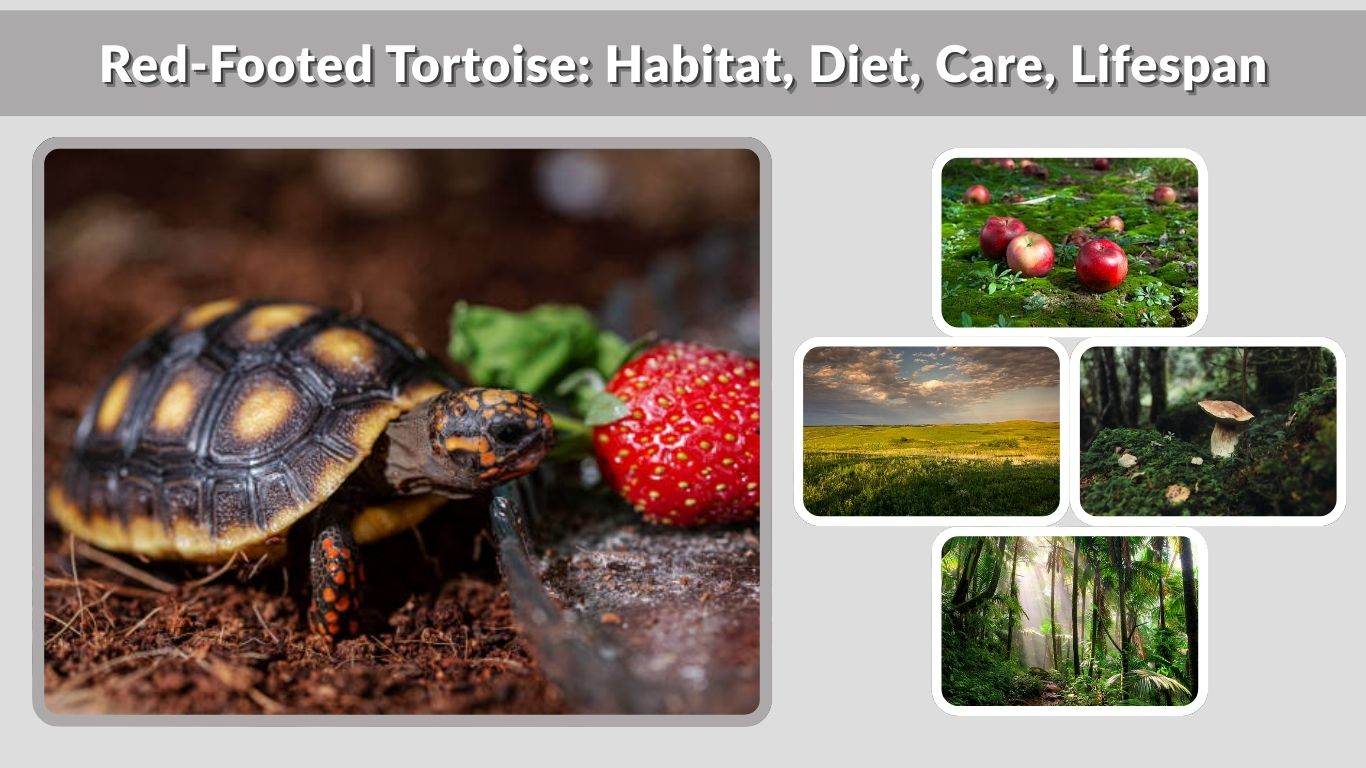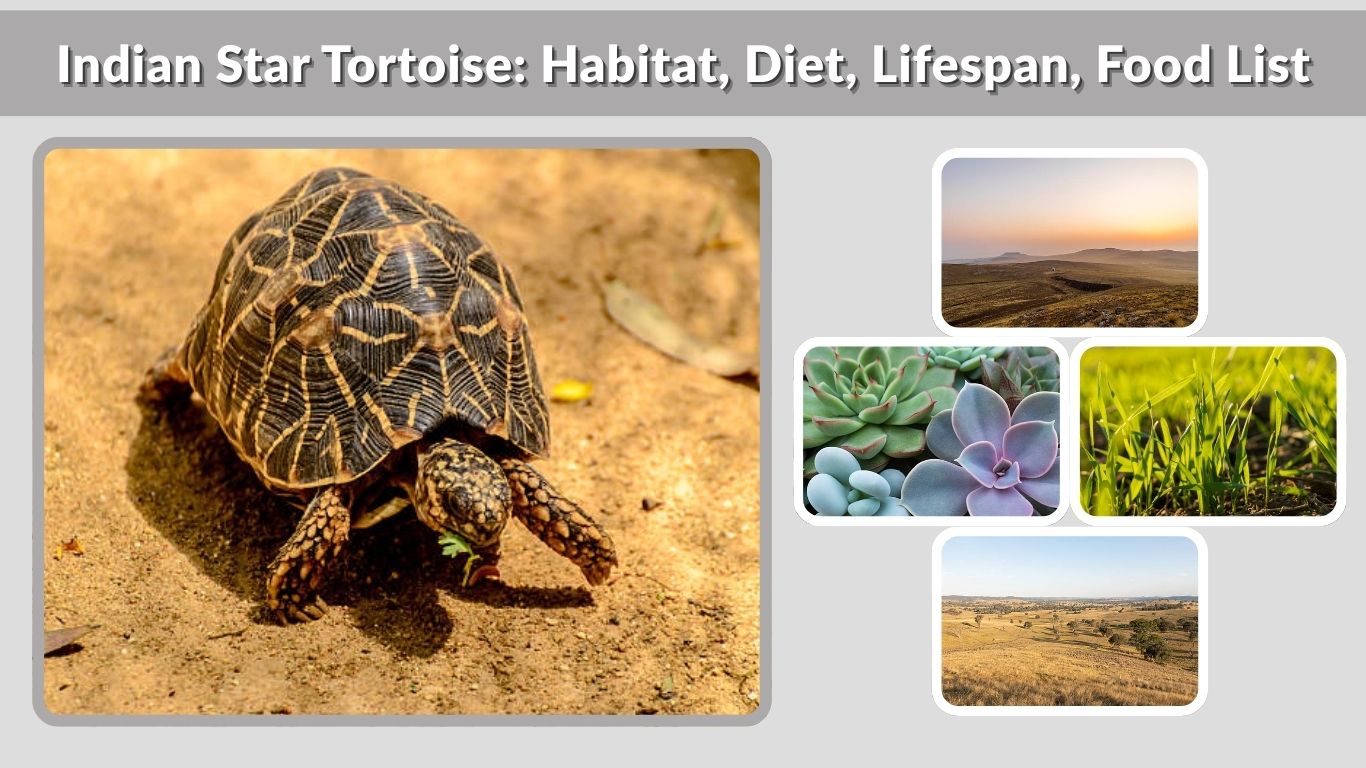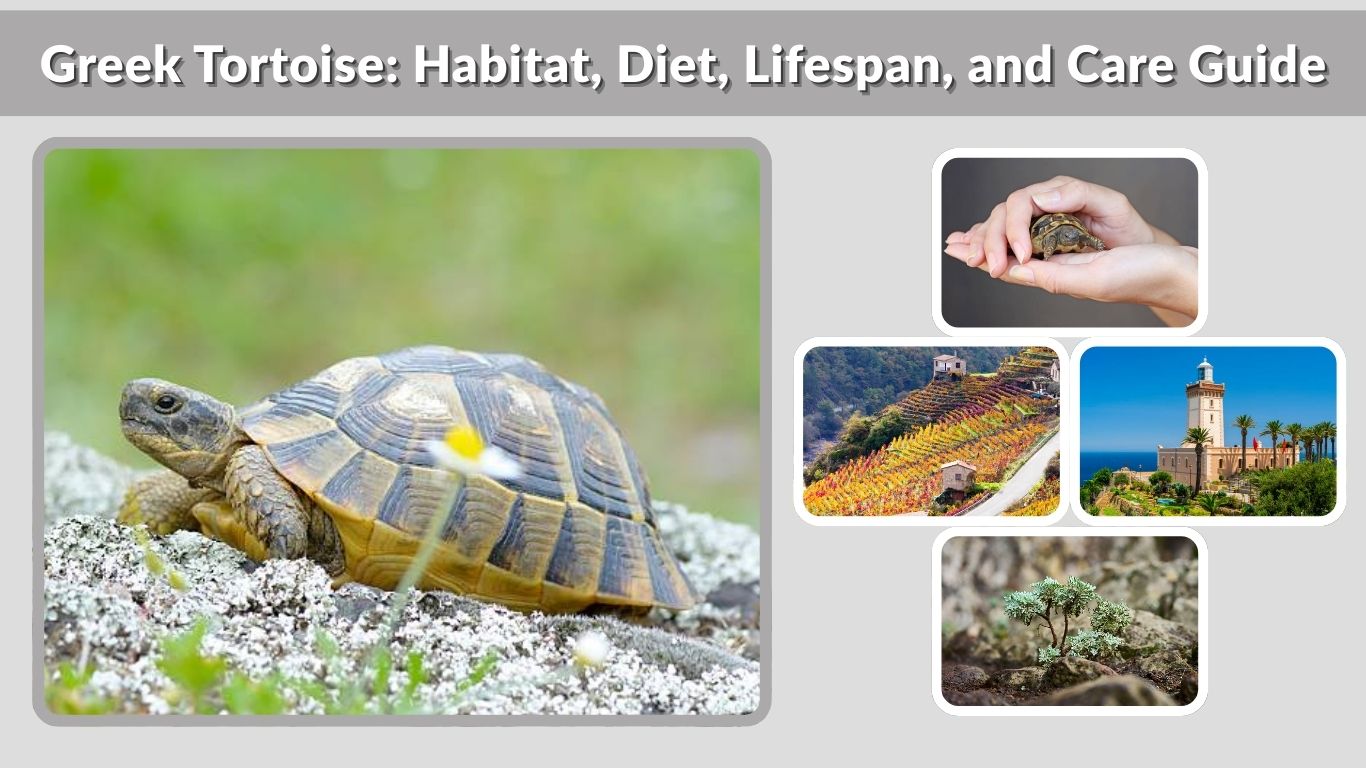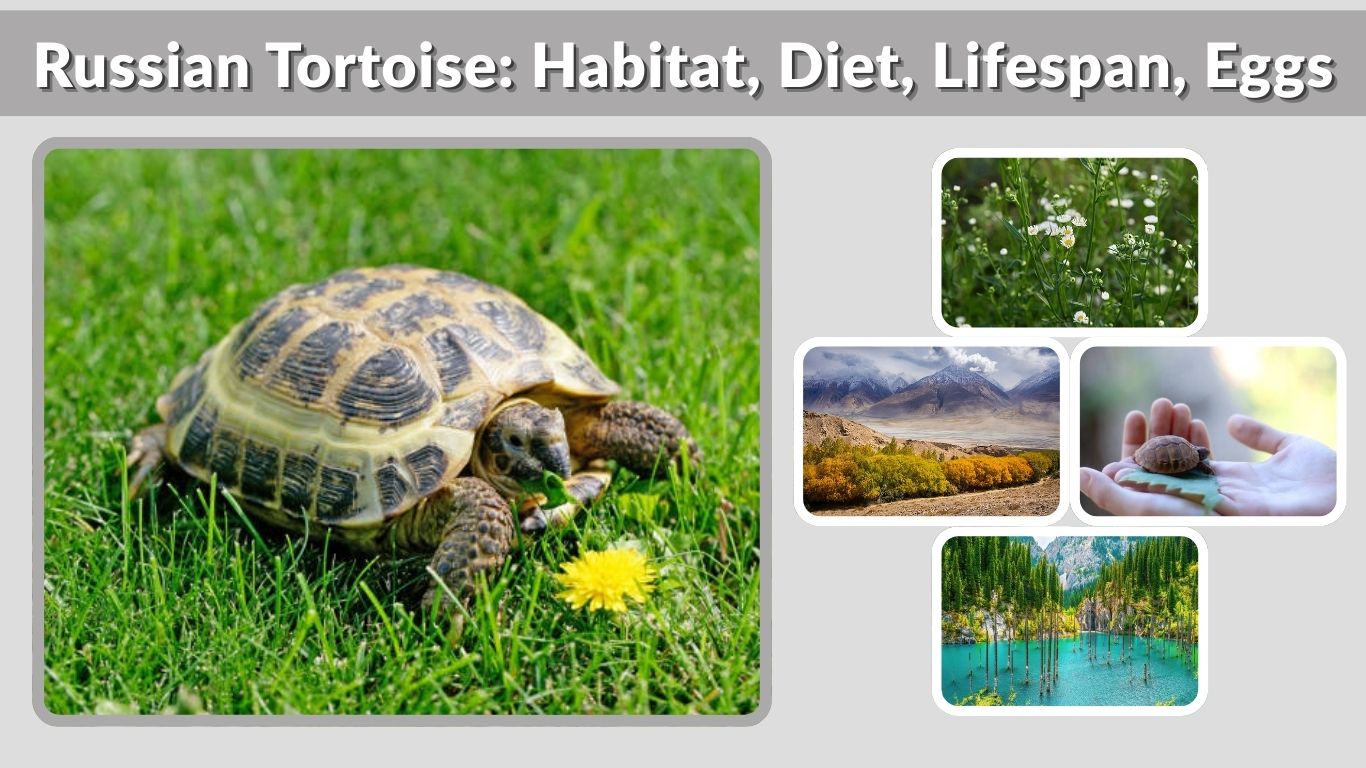




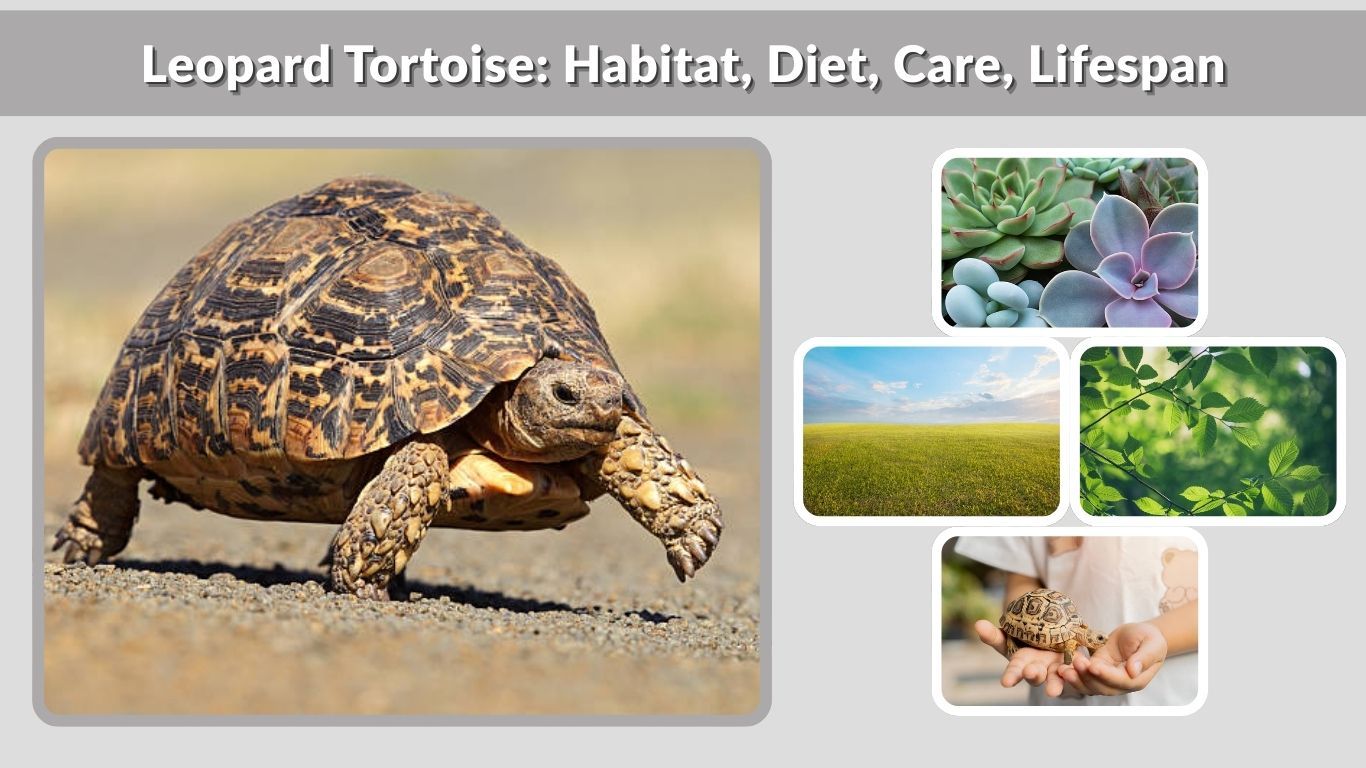
The leopard tortoise (Stigmochelys pardalis) is one of the most recognizable tortoise species in the world. It gets its name from the striking spotted patterns on its shell that resemble the markings of a leopard. Native to parts of eastern and southern Africa, this tortoise is known for its impressive size, calm temperament, and long lifespan. Because of its attractive appearance and relatively gentle nature, the leopard tortoise has become a popular pet among reptile enthusiasts. Learning about its habitat, diet, care needs, and behavior helps people better understand and appreciate this fascinating reptile.
What Is a Leopard Tortoise?
The leopard tortoise is a large land tortoise belonging to the Testudinidae family, which includes all true tortoises. It is one of the largest tortoise species found in Africa and is well adapted to warm environments such as savannas and grasslands.
Unlike some tortoise species that live in forests or deserts, leopard tortoises thrive in open areas where grasses and plants grow abundantly. Their slow and steady lifestyle allows them to graze on vegetation while traveling long distances in search of food.
Scientific Classification
Like all tortoises and turtles, the leopard tortoise belongs to the reptile order Testudines. These reptiles are characterized by their protective shells and slow metabolism.
The scientific classification of the leopard tortoise includes:
- Kingdom: Animalia
- Phylum: Chordata
- Class: Reptilia
- Order: Testudines
- Family: Testudinidae
- Genus: Stigmochelys
- Species: Stigmochelys pardalis
This classification helps scientists understand how the leopard tortoise is related to other tortoise species around the world.
Overview of the Species
Leopard tortoises are known for their distinctive shell patterns and large size. They are generally peaceful animals and spend most of their time slowly grazing on grasses and plants.
In the wild, these tortoises are active during the daytime, especially in the morning and late afternoon when temperatures are moderate. During extremely hot conditions, they often rest in shaded areas to avoid overheating.
Their ability to adapt to a variety of African landscapes makes them one of the most widespread tortoise species on the continent.
Leopard Tortoise Physical Characteristics

The leopard tortoise is one of the largest tortoise species in Africa and is easily recognized by its beautiful shell patterns. Its body is well adapted for life in open grasslands and savannas. The tortoise has a strong, high-domed shell and sturdy legs that allow it to travel long distances while grazing on vegetation. Its unique coloration and large size make it one of the most distinctive tortoise species. Below are some key physical characteristics of the leopard tortoise.
- Large Size: Adults can grow between 16–28 inches in shell length.
- Heavy Weight: Mature tortoises may weigh 40–50 pounds or more.
- Shell Pattern: The shell is yellow or tan with dark leopard-like spots.
- High-Domed Shell: Provides extra protection from predators.
- Strong Legs: Thick, powerful legs designed for walking across grasslands.
- Scaly Skin: Tough skin that protects the body from rough environments.
- Rounded Shell Shape: Helps shield the tortoise’s head and limbs.
- Strong Beak: A hard beak used for grazing on grasses and plants.
These physical adaptations allow the leopard tortoise to survive in warm climates while supporting its large body and grazing lifestyle.
Leopard Tortoise Habitat

Leopard tortoises are native to eastern and southern regions of Africa, where they inhabit a wide variety of landscapes. Their natural environment typically includes warm climates with plenty of vegetation for grazing.
Because they rely on plants for food, leopard tortoises are often found in areas where grasses and shrubs grow abundantly.
Natural Habitat in the Wild
In the wild, leopard tortoises live in regions that provide both food and shelter. They are commonly found in:
- Grasslands
- Savannah areas
- Semi-arid regions
These environments provide a steady supply of grasses and plants that make up the tortoise’s primary diet.
Geographic Distribution
Leopard tortoises are distributed across many parts of Africa. They are commonly found in countries such as:
- South Africa
- Kenya
- Tanzania
- Ethiopia
- Namibia
These regions have climates that support the vegetation necessary for the tortoise’s survival.
Preferred Environment
Leopard tortoises prefer environments that offer warm temperatures and open spaces for grazing. Their ideal habitats typically include:
- Open grasslands
- Savannah ecosystems
- Areas with scattered shrubs and vegetation
These environments allow the tortoises to move freely while feeding on grasses and plants throughout the day.
Leopard Tortoise Diet

Leopard tortoises are herbivores, meaning their diet consists almost entirely of plant material. In the wild, they mainly feed on grasses and other vegetation that grow in their natural habitat. Their digestive system is specially adapted to process high-fiber plant foods, which provide the nutrients needed for healthy growth and shell development.
Because they live in grassland environments, leopard tortoises spend much of their day grazing slowly across open areas while searching for food.
What Do Leopard Tortoises Eat in the Wild?
In their natural environment, leopard tortoises feed on a wide variety of plants. Their diet mainly includes grasses and leafy vegetation that grow in savanna and grassland regions.
Common foods eaten in the wild include:
- Wild grasses
- Leafy plants
- Succulents
- Flowering plants
These foods provide fiber and nutrients while also helping the tortoise stay hydrated in dry environments.
Common Foods for Leopard Tortoises
When kept in captivity, leopard tortoises should be given foods that closely resemble their natural diet. A healthy diet should focus on high-fiber plant materials.
Recommended foods include:
- Grass and hay
- Dandelion greens
- Collard greens
- Mustard greens
- Hibiscus flowers
Providing a varied diet helps ensure the tortoise receives the nutrients necessary for strong shell growth and overall health.
Foods to Avoid
Certain foods can be harmful to leopard tortoises and should be avoided.
These include:
- Animal-based foods
- High-protein foods
- Excess sugary fruits
- Processed human foods
Maintaining a plant-based, high-fiber diet is essential for keeping leopard tortoises healthy.
Leopard Tortoise Care

Leopard tortoises require proper care and a suitable environment in order to thrive in captivity. Because they grow quite large and live for many years, potential owners should be prepared to provide long-term care.
Housing Requirements
Leopard tortoises need a large and secure enclosure where they can move freely and explore. Outdoor enclosures are often ideal in warm climates because they provide natural sunlight.
Proper housing should include:
- A spacious enclosure
- Secure fencing to prevent escape
- Areas of shade and shelter
- Access to dry soil or natural ground
Providing adequate space allows the tortoise to exercise and behave naturally.
Temperature and Lighting
Because leopard tortoises originate from warm regions of Africa, maintaining proper temperature is very important.
Ideal conditions include:
- Warm daytime temperatures
- A basking area for warmth
- Access to UVB lighting if kept indoors
UVB lighting helps tortoises produce vitamin D3, which is necessary for calcium absorption and healthy shell development.
Diet and Feeding in Captivity
Feeding a balanced diet is one of the most important aspects of caring for a leopard tortoise.
Basic feeding guidelines include:
- Provide high-fiber leafy greens daily
- Offer fresh water for drinking
- Add calcium supplements when needed
A proper diet helps prevent health issues and supports long-term well-being.
Leopard Tortoise Lifespan

Leopard tortoises are known for their long lifespan, which means they can remain with their owners for many decades.
How Long Do Leopard Tortoises Live?
On average, leopard tortoises live 50 to 80 years. In some cases, individuals may live even longer when provided with excellent care and a suitable environment.
Their slow metabolism and strong protective shells contribute to their long lifespan.
Factors That Affect Lifespan
Several factors can influence the lifespan of a leopard tortoise.
Important factors include:
- Proper nutrition
- Suitable living conditions
- Access to sunlight or UVB lighting
- Regular health monitoring
Providing the right care greatly increases the chances that a leopard tortoise will live a long and healthy life.
Leopard Tortoise Behavior
Leopard tortoises display several interesting behaviors that help them survive in their natural habitats.
Daily Activity
Leopard tortoises are generally active during the daytime. They spend most of their time grazing on vegetation, exploring their environment, and basking in sunlight.
During extremely hot conditions, they often rest in shaded areas to prevent overheating.
Temperament
These tortoises are generally calm and non-aggressive animals. Unlike some tortoise species, they tend to be peaceful and rarely show aggressive behavior.
Because of their gentle temperament, they are considered suitable pets for experienced reptile keepers.
Leopard Tortoise Facts
Leopard tortoises are fascinating reptiles with many unique characteristics. Here are some interesting facts about this species:
- Leopard tortoises are one of the largest tortoise species in Africa.
- Their shells feature distinctive leopard-like spots.
- They are primarily grazing herbivores that eat grasses and plants.
- Leopard tortoises can live for several decades.
- They are widely distributed across eastern and southern Africa.
Conclusion
The leopard tortoise is a remarkable reptile known for its striking shell patterns, large size, and gentle temperament. Native to the grasslands and savannas of Africa, this tortoise has adapted well to warm climates and plant-based diets. Its long lifespan and fascinating behaviors make it a unique species both in the wild and in captivity. However, keeping a leopard tortoise requires proper knowledge of its habitat, diet, and care needs. By understanding these important aspects, people can help ensure that leopard tortoises remain healthy and continue to thrive for many years.