




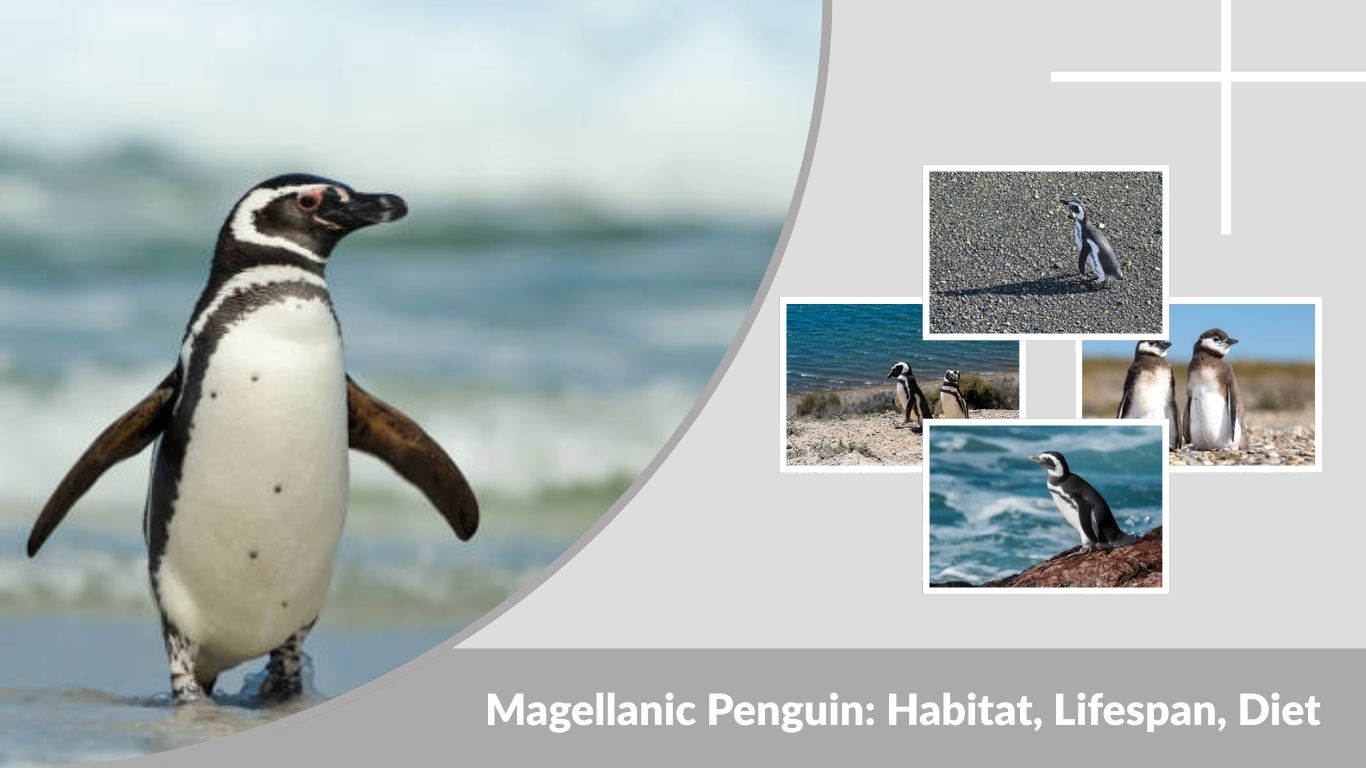
The Magellanic penguin is a fascinating South American species known for its striking black-and-white markings and strong migratory behavior. Found along the coasts of Argentina, Chile, and nearby regions, these medium-sized penguins thrive in cool, nutrient-rich waters. From understanding where do Magellanic penguins live to exploring the Magellanic penguin habitat, diet, and lifespan, this guide covers everything you need to know about this remarkable seabird and how it compares to other penguin species.
What Is a Magellanic Penguin?
Scientific Classification and Name Origin
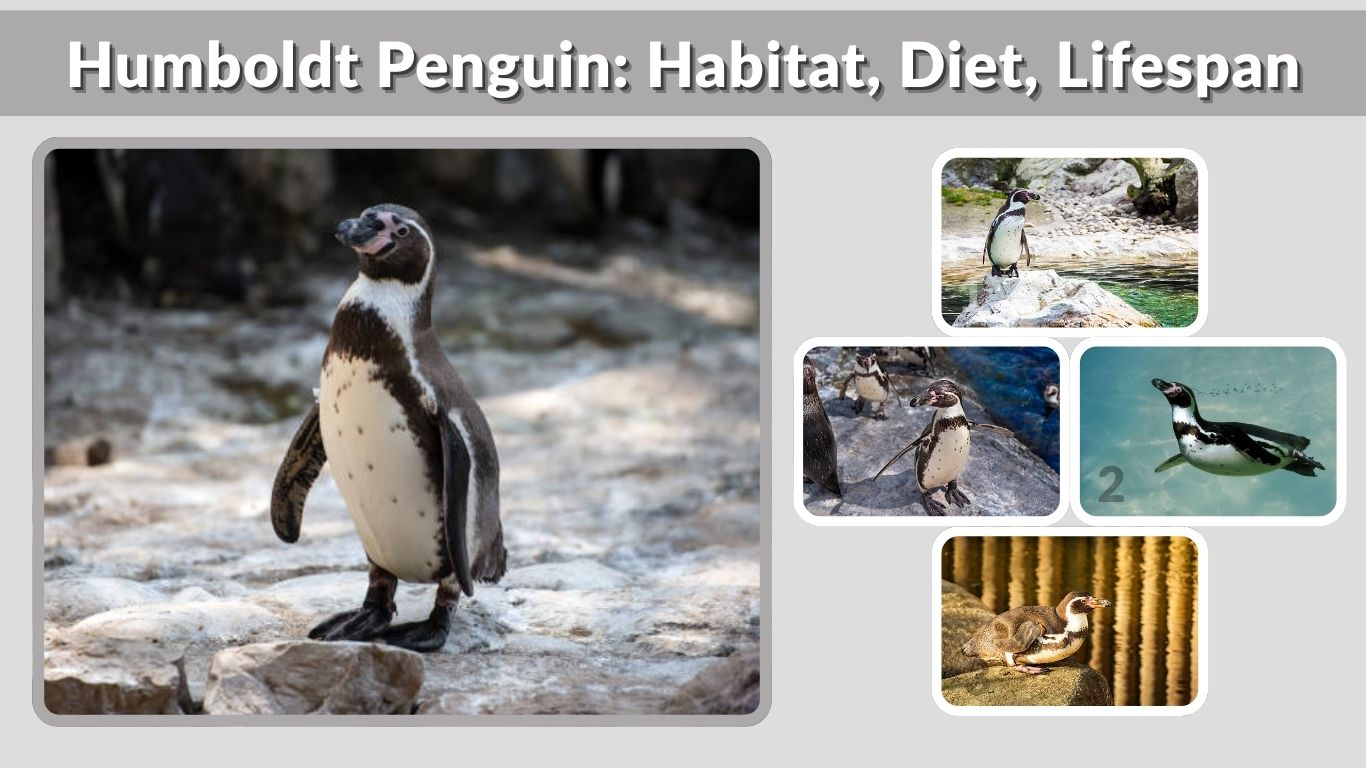
The Magellanic penguin’s scientific name is Spheniscus magellanicus. It belongs to the banded penguin group, which also includes the African, Humboldt, and Galápagos penguins. The species was named after the Portuguese explorer Ferdinand Magellan, whose expedition first recorded these birds in the 16th century.
Magellanic penguins are one of the most numerous penguin species in South America and play an important role in coastal marine ecosystems.
Physical Characteristics
Magellanic penguins are medium-sized penguins, standing about 24 to 30 inches (60 to 76 centimeters) tall and weighing between 6 and 14 pounds (3 to 6 kilograms). One of their most recognizable features is the two black bands across their white chest, which help distinguish them from similar species.
They also have a small patch of pink skin above and around the eyes, which helps them regulate body temperature. Their bodies are streamlined, with strong flippers that make them powerful swimmers. Like all penguins, their black backs and white bellies provide camouflage while swimming—dark from above and light from below.
Where Do Magellanic Penguins Live?
Breeding Locations
If you are wondering where do Magellanic penguins live during breeding season, the answer lies mainly in southern South America. Large breeding colonies are found along the coasts of Argentina, particularly in Patagonia, as well as in Chile and the Falkland Islands.
These coastal regions provide ideal nesting conditions, including sandy soil for burrows and nearby access to productive feeding grounds.
Migration Range
Outside the breeding season, Magellanic penguins expand their range significantly. They migrate northward along the Atlantic coast, reaching Uruguay and Brazil. Their movement patterns are influenced by food availability and ocean currents.
Juvenile penguins often travel farther than adults, sometimes venturing into unexpected areas as they learn to navigate the ocean.
Why They Choose These Regions
Magellanic penguins prefer areas with cool, temperate climates and access to abundant fish populations. The nutrient-rich waters of the Patagonian Shelf and surrounding seas support anchovies, sardines, and squid—key components of the Magellanic penguin diet.
Safe nesting sites combined with reliable food sources make these coastal regions ideal for breeding and survival.
Magellanic Penguin Habitat
Coastal Nesting Habitat
The Magellanic penguin habitat on land typically includes sandy or soft soil areas where they can dig burrows. They often nest under bushes or low shrubs, which provide shade and protection from predators and harsh weather. In rocky coastal regions, they may also nest in natural crevices.
Burrow nesting helps protect eggs and chicks from extreme temperatures and aerial predators such as gulls.
Marine Habitat
At sea, Magellanic penguins inhabit temperate waters along the Atlantic and Pacific coasts of South America. They usually forage over the continental shelf, where ocean currents bring nutrient-rich waters to the surface.
These marine habitats are essential for feeding and maintaining healthy body weight, especially during breeding season when adults must regularly return to shore to care for their young.
Magellanic Penguin Diet
What Do Magellanic Penguins Eat?
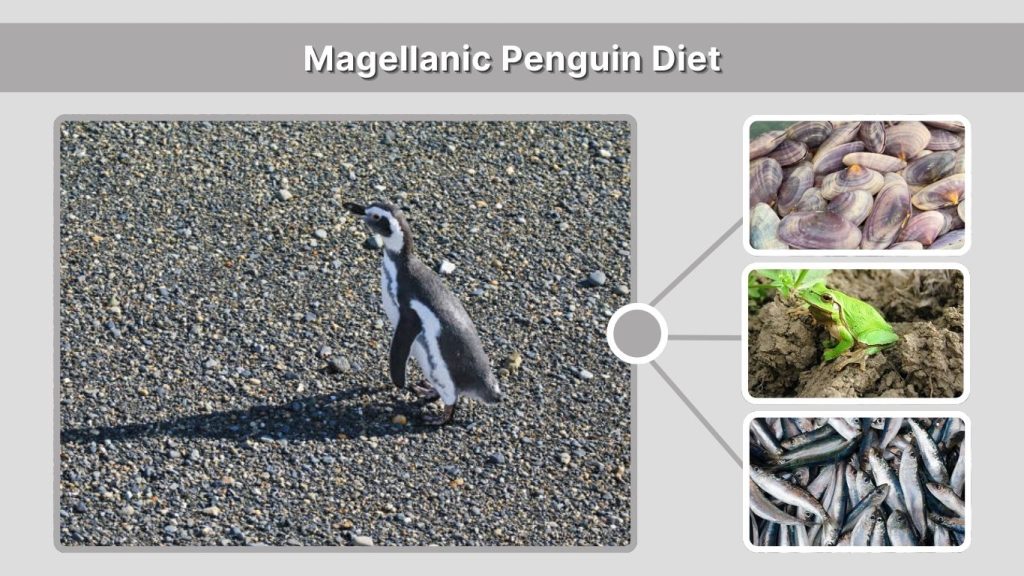
The Magellanic penguin diet mainly consists of small schooling fish and marine invertebrates. Their primary prey includes anchovies, sardines, squid, and various crustaceans. The exact diet can vary depending on the season and location, but fish make up the largest portion of their meals.
Because they depend heavily on healthy fish populations, changes in ocean conditions or overfishing can significantly affect their food supply and overall survival.
Hunting and Feeding Behavior
Magellanic penguins are pursuit divers, meaning they actively chase their prey underwater. They can dive to depths of up to 100 meters (about 330 feet), although most feeding dives are much shallower. Their streamlined bodies and strong flippers allow them to swim efficiently and maneuver quickly while hunting.
During breeding season, adults must balance feeding themselves with gathering enough food for their chicks. Foraging trips may last from a single day to several days, depending on how far they need to travel to find fish.
Feeding Chicks
When adults return from the sea, they regurgitate partially digested food to feed their chicks. Both parents share this responsibility. Chicks rely entirely on their parents for nourishment until they are old enough to fledge.
If food is scarce, chicks may grow more slowly or have lower survival rates, which directly impacts colony population numbers.
Magellanic Penguin Lifespan
Average Lifespan in the Wild
The typical Magellanic penguin lifespan in the wild ranges from 15 to 20 years. Some individuals have been recorded living slightly longer under favorable conditions. Their survival depends on stable food supplies, safe nesting areas, and minimal environmental disruption.
Young penguins face the highest mortality rates, especially during their first years at sea when they are still learning to hunt and migrate effectively.
Factors Affecting Lifespan
Several factors influence the Magellanic penguin life span. Food availability is one of the most important. If fish populations decline due to overfishing or climate-related changes, penguins may struggle to find enough food.
Oil spills also pose a serious threat. Even small amounts of oil can damage their waterproof feathers, leading to hypothermia. Climate change, pollution, and accidental capture in fishing nets further reduce survival rates.
Lifespan in Captivity
In captivity, Magellanic penguins often live longer than their wild counterparts due to consistent food, veterinary care, and protection from predators. However, conservation efforts focus primarily on protecting wild populations and their natural habitats.
Magellanic Penguin Life Cycle
Courtship and Breeding Season
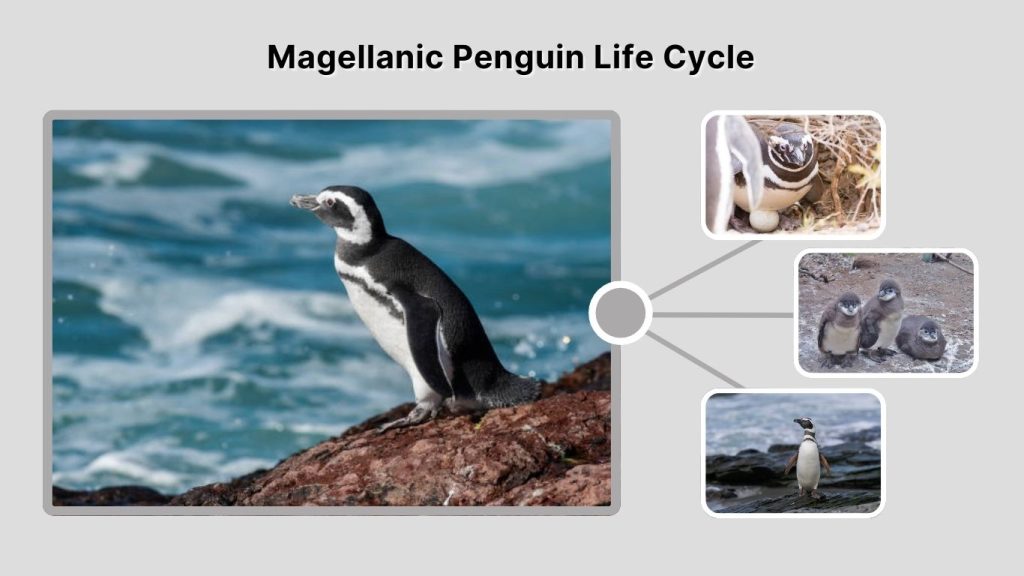
The Magellanic penguin life cycle begins with courtship during the spring months in the Southern Hemisphere. Adults return to their breeding colonies, often to the same burrow used in previous years.
Males usually arrive first and prepare or defend nesting sites. They use vocal calls and physical displays to attract returning mates. Many pairs reunite annually, strengthening long-term bonds.
Egg Laying and Incubation
Females typically lay two eggs per breeding season. Both parents share incubation duties, which last about 40 days. While one parent remains at the nest to keep the eggs warm, the other travels to sea to feed.
This shared responsibility increases the chances of successful hatching and chick survival.
Chick Development
After hatching, chicks enter a guard stage, during which at least one parent stays with them for protection. As the chicks grow stronger, both parents may leave them temporarily while foraging.
Later, chicks may gather in small groups called crèches, which provide additional safety in numbers. After about two to three months, they fledge and head to sea for the first time, beginning their independent lives.
Age of Maturity
Magellanic penguins generally reach sexual maturity between 4 and 5 years of age. Once mature, they return to breeding colonies each year to reproduce.
Magellanic Penguin vs African Penguin
Physical Differences
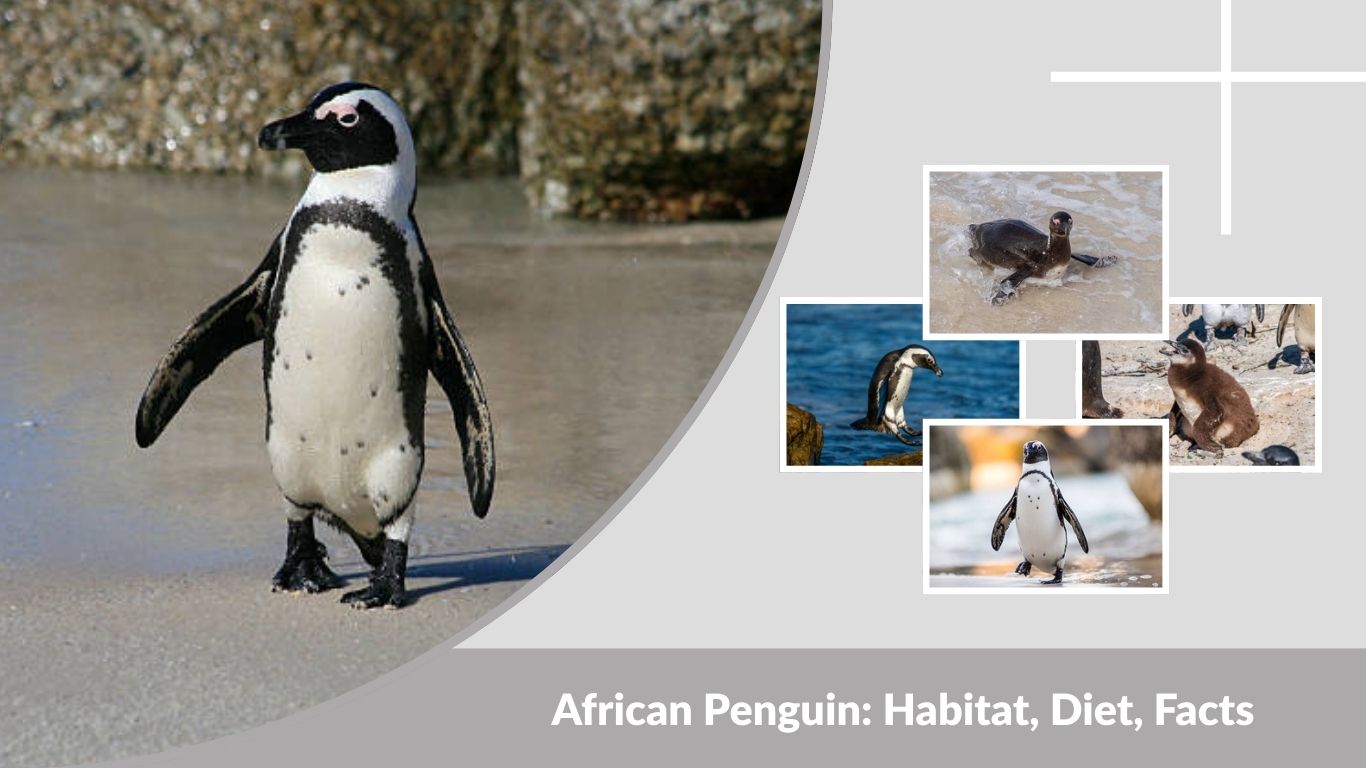
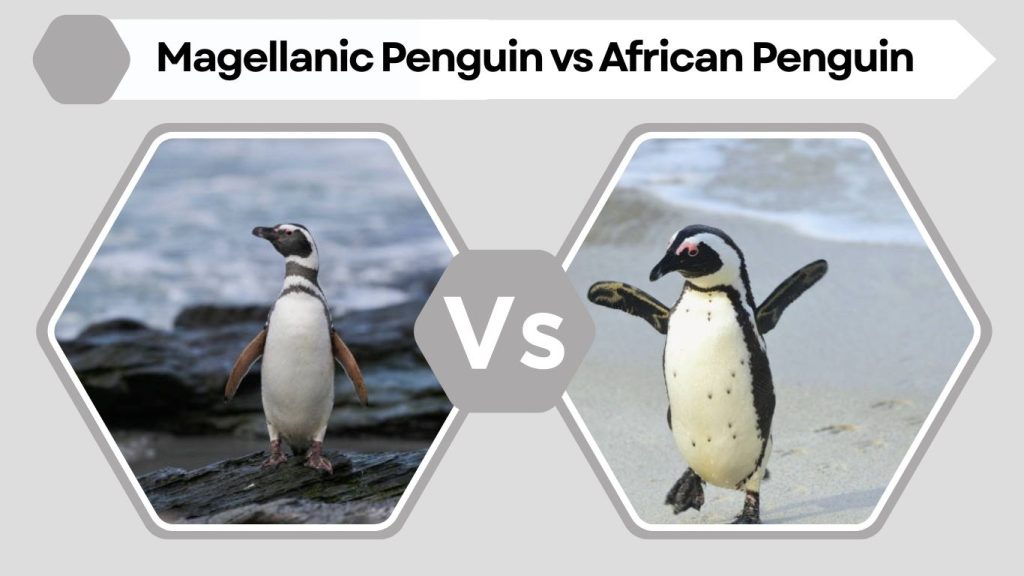
When comparing the Magellanic penguin vs African penguin, one of the clearest differences is the chest marking. Magellanic penguins have two black bands across their chest, while African penguins have only one. African penguins also have a more pronounced facial pattern and slightly different body proportions.
Geographic Distribution
Magellanic penguins live along the coasts of South America, especially Argentina and Chile. In contrast, African penguins are found along the southwestern coast of Africa, particularly in South Africa and Namibia.
Habitat and Climate
Magellanic penguins inhabit cooler temperate waters influenced by cold ocean currents. African penguins, although also living in coastal regions, experience slightly warmer climates. Nesting behavior differs slightly as well, with African penguins historically nesting in guano deposits.
Conservation Status
Another key difference lies in conservation status. Magellanic penguins are currently classified as Near Threatened, while African penguins are listed as Endangered due to severe population declines.
Threats and Conservation
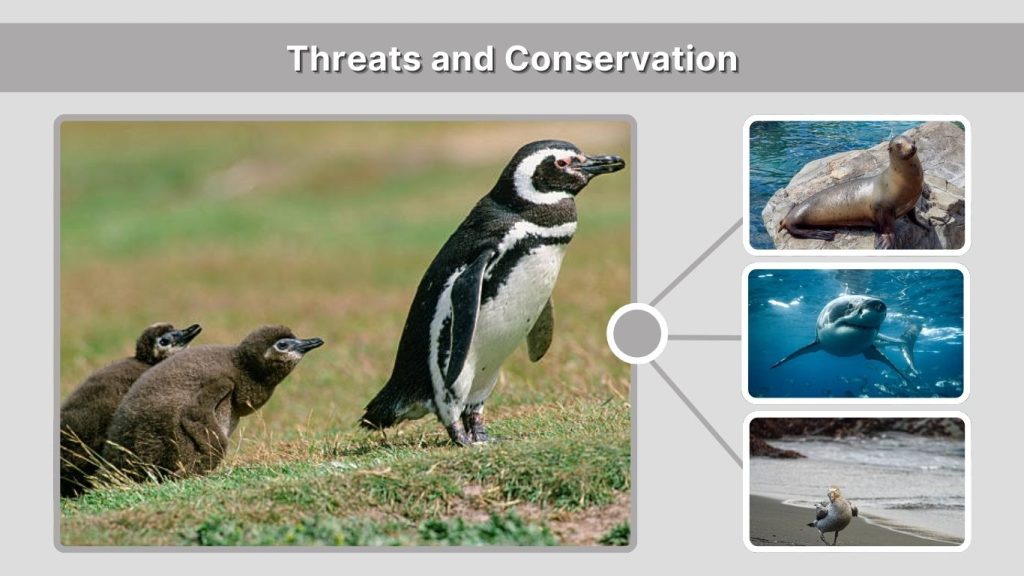
Magellanic penguins face both natural and human-related threats. Natural predators include sea lions, sharks, and large seabirds that prey on eggs and chicks.
Human-related dangers are more significant. Oil spills along shipping routes have historically caused major mortality events. Overfishing reduces available prey, while climate change alters ocean temperatures and fish distribution patterns.
Conservation programs focus on protecting breeding colonies, regulating fisheries, and responding quickly to oil spills. Protected coastal reserves and marine conservation efforts are essential to maintaining stable populations.
Magellanic Penguin Facts
Unique Identifying Features
Among the most interesting Magellanic penguin facts is their distinctive double chest band. This sets them apart from the African penguin, which has only a single band. They are also known for their loud, braying call that sounds similar to a donkey. These vocalizations help mates and chicks locate one another in large breeding colonies.
Magellanic penguins are excellent diggers. Instead of nesting in the open, they often dig burrows in sandy soil or nest under shrubs for protection from the sun and predators.
Strong Pair Bonds
Magellanic penguins are generally monogamous during breeding seasons and often reunite with the same partner year after year. They show strong nest-site loyalty, returning to the same burrow each breeding season if possible.
Both males and females share responsibilities, from incubating eggs to feeding chicks. Their ability to recognize each other’s calls is essential in crowded colonies that may contain thousands of birds.
Migration Behavior
Unlike some penguin species that remain near their breeding colonies year-round, Magellanic penguins are migratory. After the breeding season ends, many travel north along the Atlantic coast of South America. Some individuals reach as far as Brazil, and occasionally even Peru.
They follow cold ocean currents that bring nutrient-rich waters filled with fish. These long journeys can cover thousands of kilometers and are crucial for survival outside the breeding season.
FAQs
Where do Magellanic penguins live?
Magellanic penguins live primarily along the coasts of Argentina, Chile, and the Falkland Islands during breeding season. Outside that period, they migrate north along the Atlantic coast, sometimes reaching Brazil.
What is the Magellanic penguin lifespan?
The average Magellanic penguin lifespan in the wild is about 15 to 20 years. Survival depends on food availability, environmental conditions, and protection from threats such as oil spills.
What do Magellanic penguins eat?
Magellanic penguins eat anchovies, sardines, squid, and crustaceans. They hunt by diving and chasing prey underwater, often over the continental shelf.
How are Magellanic penguins different from African penguins?
Magellanic penguins have two black chest bands, while African penguins have one. They also live on different continents—South America versus southern Africa—and have slightly different conservation statuses.
Are Magellanic penguins endangered?
Magellanic penguins are currently classified as Near Threatened, meaning they are at risk of becoming endangered if population declines continue.
Conclusion
The Magellanic penguin is a resilient yet vulnerable seabird adapted to life along the temperate coasts of South America. From understanding where Magellanic penguins live to exploring their habitat, diet, lifespan, and life cycle, it is clear that their survival depends on healthy marine ecosystems. Continued conservation efforts are essential to ensure these distinctive, double-banded penguins remain a thriving part of the Southern Hemisphere’s coastal wildlife.