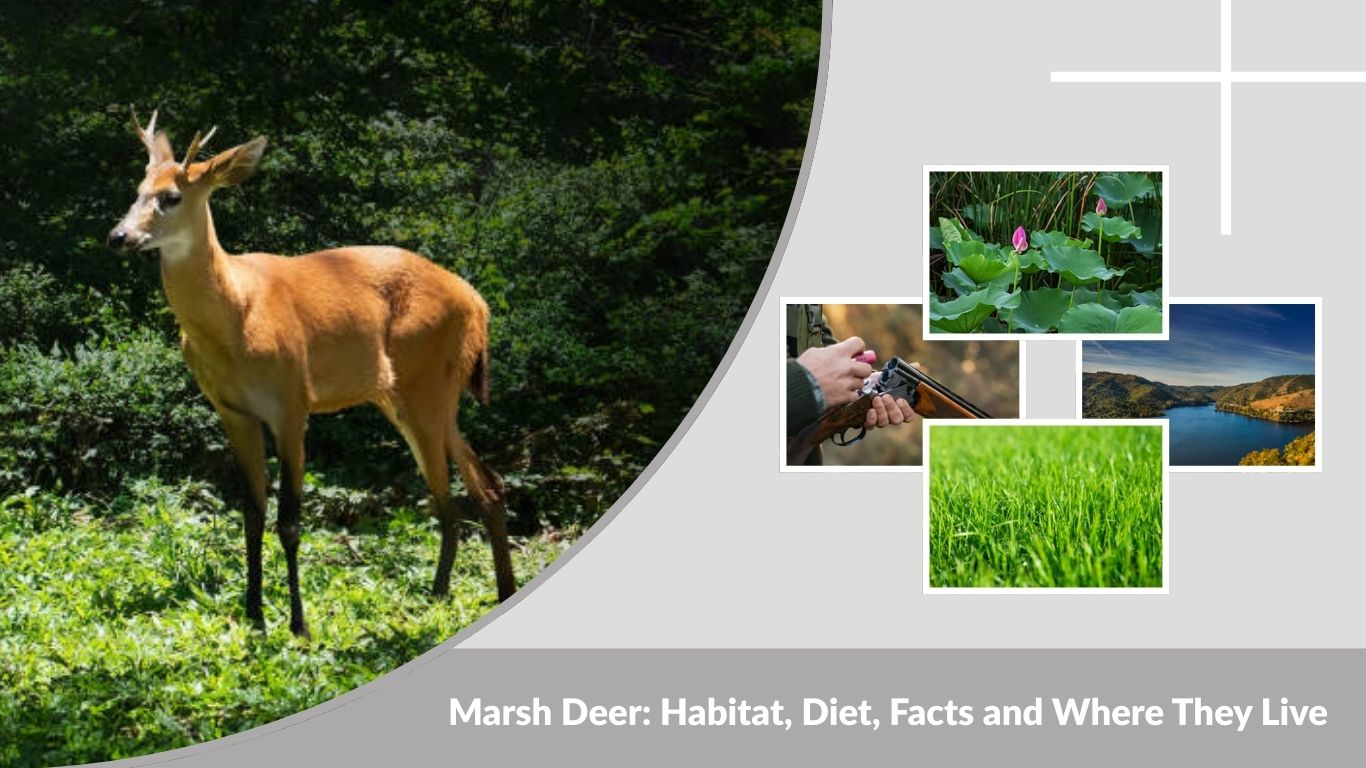
The marsh deer is the largest deer species found in South America and one of the most fascinating animals living in wetland ecosystems. Known for its long legs and strong swimming ability, this unique deer is perfectly adapted to life in marshes, swamps, and flooded grasslands. Many wildlife enthusiasts are curious about marsh deer habitat, diet, and distribution. Understanding where marsh deer live, what they eat, and their behavior helps highlight their importance in maintaining healthy wetland ecosystems and why conservation efforts are necessary.
What Is a Marsh Deer?
Overview of the Marsh Deer
The marsh deer (Blastocerus dichotomus) is a large species of deer native to South America. It belongs to the Cervidae family, which includes other deer species such as elk, moose, and white-tailed deer. However, the marsh deer stands out because of its special adaptation to wetland environments.
This species is the largest deer in South America, making it an impressive sight in the wild. Marsh deer are known for their long legs, which allow them to walk through deep water and muddy terrain. Their physical features help them survive in swampy habitats where other deer would struggle.
Marsh deer are generally solitary animals and prefer quiet wetlands with plenty of vegetation. Although they can sometimes be seen in pairs, they usually spend most of their time alone while feeding or resting in dense vegetation.
Appearance and Size
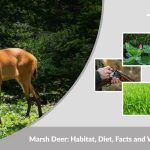
Marsh deer have several distinctive physical features that help them survive in their natural environment. Adult marsh deer can stand about 110 to 125 cm (43 to 49 inches) tall at the shoulder, making them quite large compared to many other deer species. Their body length typically reaches around 1.8 to 2 meters, and they can weigh between 80 and 150 kilograms.
One of the most noticeable characteristics of the marsh deer is its long, slender legs. These legs allow the animal to move easily through wetlands, flooded areas, and thick vegetation. Their hooves are also specially adapted for soft ground, providing stability in muddy terrain.
Male marsh deer grow large antlers that can branch into several points. These antlers are typically shed and regrown every year. Their coat color is usually reddish-brown or orange-brown, which helps them blend into marsh vegetation. The lower part of their legs is darker, often appearing black.
Marsh Deer Habitat
Natural Habitat of Marsh Deer
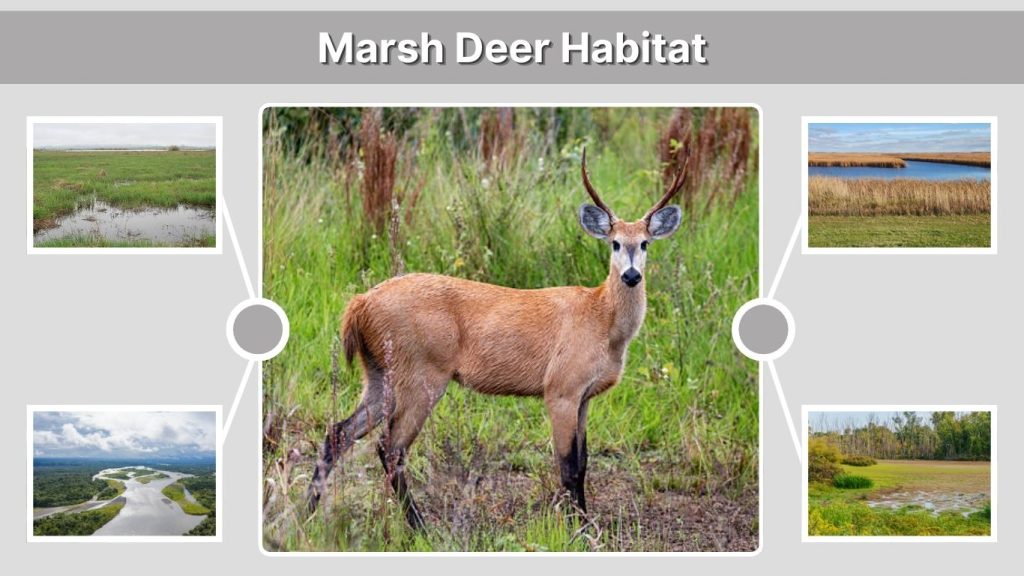
As their name suggests, marsh deer primarily live in wetlands and marshy environments. These areas provide the food, water, and shelter they need to survive. Typical marsh deer habitats include:
- Marshes
- Swamps
- Flooded grasslands
- River floodplains
- Wet savannas
Wetlands are essential for marsh deer because they offer abundant aquatic plants and grasses, which make up most of their diet. The tall vegetation found in these environments also provides protection from predators and human disturbances.
Why Marsh Deer Prefer Wetlands
Marsh deer have evolved to thrive in wet environments where other large animals might struggle. Their long legs and strong swimming ability allow them to move comfortably through waterlogged areas.
Wetlands also provide a reliable food supply throughout the year. Aquatic plants grow abundantly in marshes, and these plants are a major part of the marsh deer diet.
Another advantage of wetlands is safety. Dense vegetation and water barriers help marsh deer avoid predators. If threatened, they can quickly move through water or thick reeds to escape danger.
Habitat Threats
Unfortunately, marsh deer habitats are facing serious threats due to human activities. Wetlands around the world are being drained or converted for agriculture and urban development. As these habitats disappear, marsh deer populations decline.
Some of the major threats to marsh deer habitat include:
- Wetland destruction
- Agricultural expansion
- Cattle ranching
- Infrastructure development
- Climate change
Protecting wetland ecosystems is crucial for the survival of marsh deer and many other species that depend on these environments.
Where Do Marsh Deer Live?
Geographic Distribution
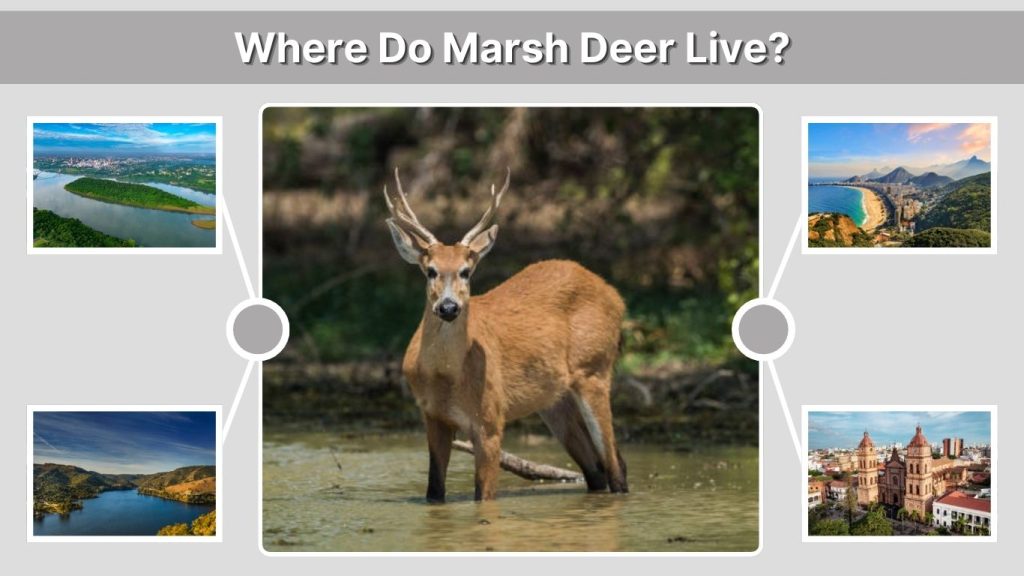
Marsh deer are native to South America and can be found in several countries across the continent. Their range mainly includes areas with large wetlands and river systems.
Countries where marsh deer live include:
- Brazil
- Bolivia
- Paraguay
- Argentina
- Peru
The largest populations are believed to exist in Brazil, especially in the famous Pantanal wetlands, which provide one of the most suitable habitats for this species.
Key Ecosystems They Inhabit
Marsh deer are strongly associated with specific wetland ecosystems. Some of the most important ecosystems where they are found include:
Pantanal Wetlands
The Pantanal is one of the largest tropical wetlands in the world and serves as a critical habitat for marsh deer. The seasonal flooding creates ideal conditions for aquatic plants and grasses.
River Floodplains
Many marsh deer populations live along river systems where seasonal flooding creates extensive marshy areas. These floodplains provide both food and protection.
Swamp Forests
In some regions, marsh deer can also be found near swamp forests where dense vegetation offers shelter and access to water.
What Do Marsh Deer Eat?
Marsh Deer Diet
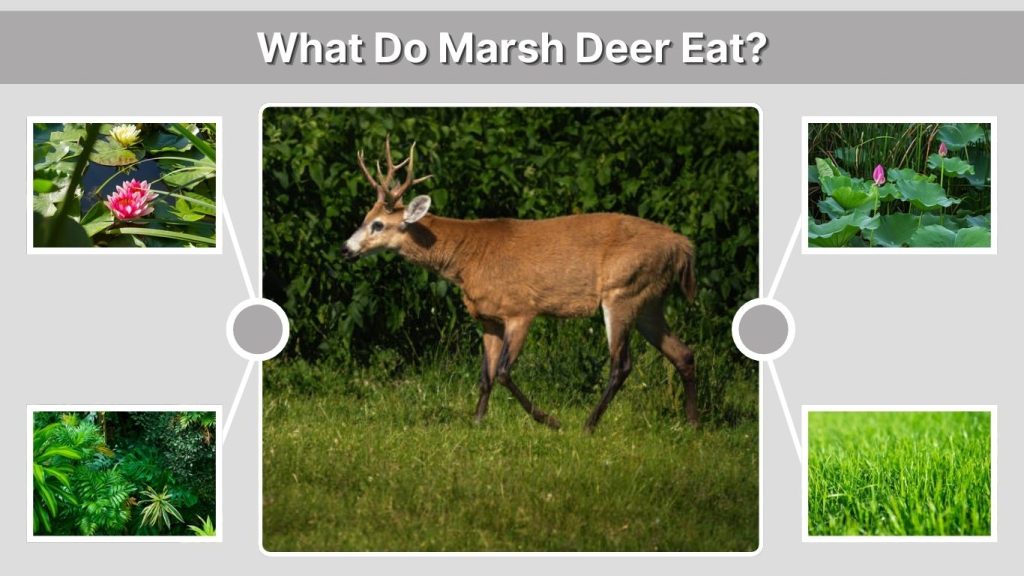
Marsh deer are herbivores, meaning they eat only plant-based foods. Their diet mainly consists of aquatic plants, grasses, leaves, and soft vegetation that grow in wetland environments. Because they live in marshes and flooded areas, many of the plants they eat grow partially or completely in water.
Some of the most common foods in a marsh deer’s diet include:
- Aquatic plants
- Fresh grasses
- Water lilies and other floating plants
- Leaves from shrubs
- Young shoots and stems
Wetlands provide a constant supply of vegetation, which allows marsh deer to find food throughout the year. Their long legs help them reach plants growing in shallow water that other herbivores may not be able to access.
Feeding Behavior
Marsh deer typically feed during the early morning and late evening, when temperatures are cooler and there is less disturbance from predators or human activity. During these times, they slowly move through marshy areas while grazing on vegetation.
They often browse on plants that grow along the edges of wetlands or in shallow water. Their flexible diet allows them to eat a variety of plant species depending on what is available during different seasons.
During the rainy season, wetlands become flooded and aquatic plants grow rapidly. This provides an abundance of food for marsh deer. In drier seasons, they may rely more on grasses and shrubs found near water sources.
Role in the Ecosystem
Marsh deer play an important role in maintaining the balance of wetland ecosystems. By feeding on various plants, they help control vegetation growth and prevent certain plant species from dominating the environment.
They also contribute to seed dispersal, as seeds from the plants they eat can spread to new areas through their droppings. This process helps maintain plant diversity in wetlands and supports other wildlife species that depend on these habitats.
Marsh Deer Facts
Interesting Facts About Marsh Deer
Marsh deer have several fascinating characteristics that make them unique among deer species. Some interesting marsh deer facts include:
- The marsh deer is the largest deer species in South America.
- They are excellent swimmers and can easily cross rivers and flooded areas.
- Their long legs are specially adapted for moving through wetlands and marshy ground.
- Male marsh deer grow large branching antlers, which are shed and regrown every year.
- They rely heavily on wetlands for both food and protection.
Because of these adaptations, marsh deer are perfectly suited for life in water-rich environments.
Behavior and Lifestyle
Marsh deer are generally solitary animals, meaning they prefer to live and move alone rather than in large groups. Occasionally, they may be seen in pairs or small family groups, especially during the breeding season.
These deer are mostly crepuscular, which means they are most active during dawn and dusk. During the hottest part of the day, they often rest in tall vegetation where they remain hidden from predators.
When threatened, marsh deer rely on their strong legs and swimming ability to escape danger. They can move quickly through water and thick marsh plants, which helps them avoid predators.
Predators and Threats
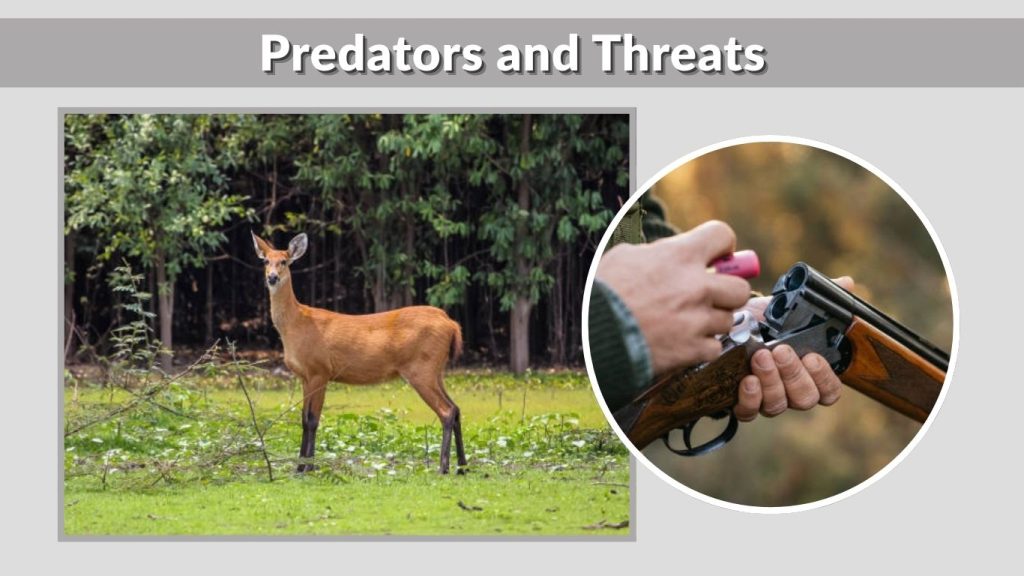
In the wild, marsh deer face several natural predators. One of their main predators is the jaguar, a powerful big cat that lives in many of the same wetland regions. Jaguars are skilled hunters and sometimes prey on marsh deer.
Other potential threats include:
- Pumas
- Large crocodilians in some areas
- Human hunting
However, the greatest danger to marsh deer today is habitat loss. Wetlands are increasingly being drained or altered for farming, cattle ranching, and urban development.
Another threat comes from diseases transmitted by livestock, especially cattle that graze in the same areas as marsh deer. These diseases can spread quickly and impact wild populations.
Conservation Status of Marsh Deer
Current Conservation Status
According to the International Union for Conservation of Nature (IUCN), the marsh deer is currently classified as Near Threatened. This means that although the species is not yet endangered, its population is declining and could become threatened in the future if conservation efforts are not strengthened.
The main reasons for their declining numbers include habitat destruction, hunting, and the spread of diseases from domestic animals.
Conservation Efforts
Various conservation programs are working to protect marsh deer and their habitats. Many wetlands that serve as important marsh deer habitats are now located within protected national parks and wildlife reserves.
Some important conservation actions include:
- Protecting wetlands and marsh ecosystems
- Creating wildlife reserves and protected areas
- Monitoring marsh deer populations
- Reducing human disturbance in key habitats
The Pantanal wetlands in Brazil are one of the most important conservation areas for marsh deer. Protecting this region helps ensure the survival of many wetland species, including marsh deer.
Why Marsh Deer Are Important for Wetland Ecosystems
Marsh deer play an important role in maintaining healthy wetland ecosystems. By feeding on aquatic plants and vegetation, they help regulate plant growth and maintain ecological balance.
Their presence also indicates the health of wetland environments. Because marsh deer depend heavily on wetlands, declining populations may signal environmental problems such as habitat degradation or pollution.
Protecting marsh deer therefore helps protect entire wetland ecosystems and the many other species that depend on them.
Conclusion
The marsh deer is a remarkable species uniquely adapted to life in wetlands and marshy environments. Found across several South American countries, these large deer rely on marsh habitats for food, shelter, and protection. Their diet mainly consists of aquatic plants and grasses, and their long legs allow them to move easily through flooded landscapes.
Despite their impressive adaptations, marsh deer face growing threats from habitat destruction, hunting, and disease. Protecting wetlands and supporting conservation efforts are essential to ensure that this fascinating species continues to survive in the wild.