




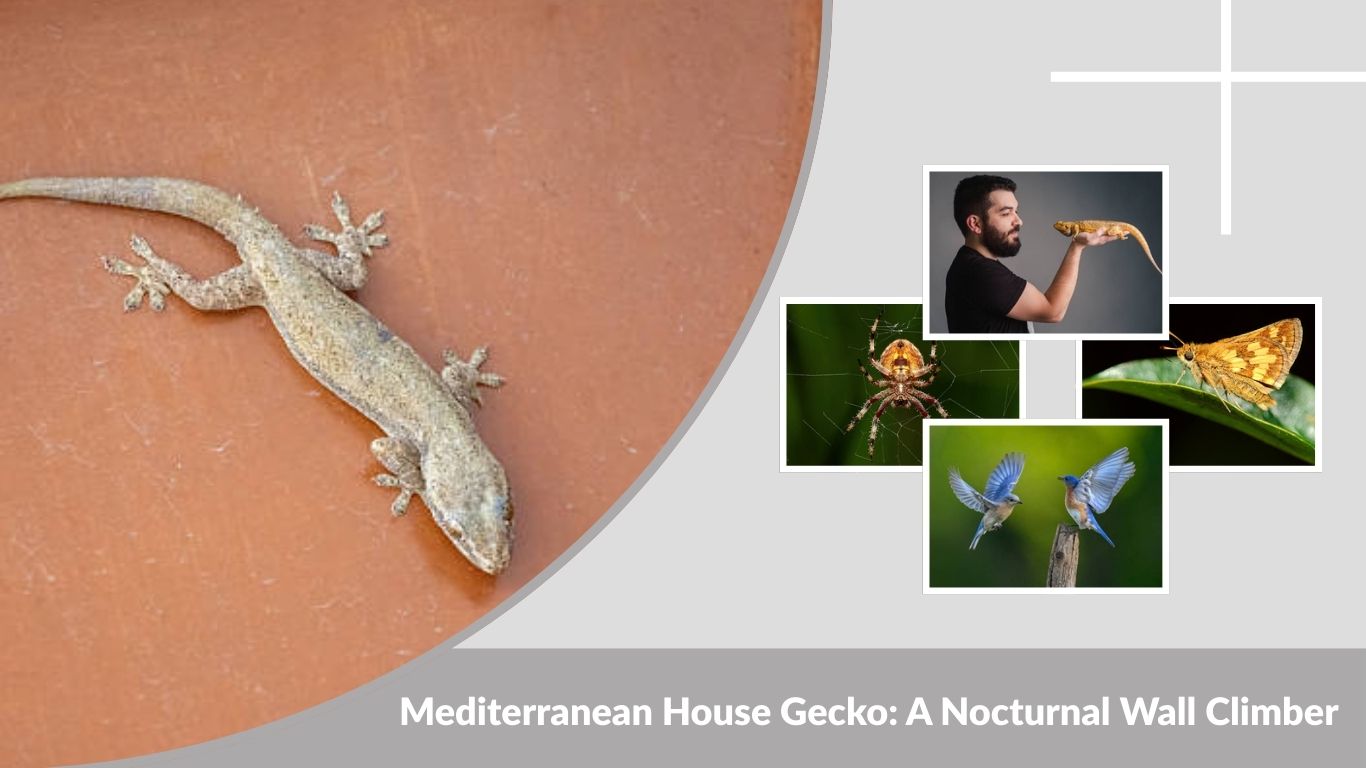
The Mediterranean house gecko (Hemidactylus turcicus) is a small, adaptable lizard commonly seen clinging to walls and ceilings in warm climates. Native to the Mediterranean region, it has successfully spread across much of the world, especially in subtropical and tropical areas. Recognized for its pale, translucent skin and large lidless eyes, this nocturnal reptile thrives around human dwellings, where artificial lights attract its insect prey. Quiet, quick, and surprisingly resilient, it plays an important ecological role in controlling pest populations.
Scientific Classification
- Common Name: Mediterranean House Gecko
- Scientific Name: Hemidactylus turcicus
- Family: Gekkonidae
- Order: Squamata
- Class: Reptilia
The species was first described in 1758 by Carl Linnaeus. It belongs to a large genus of geckos known for their adaptability and climbing abilities.
Physical Description
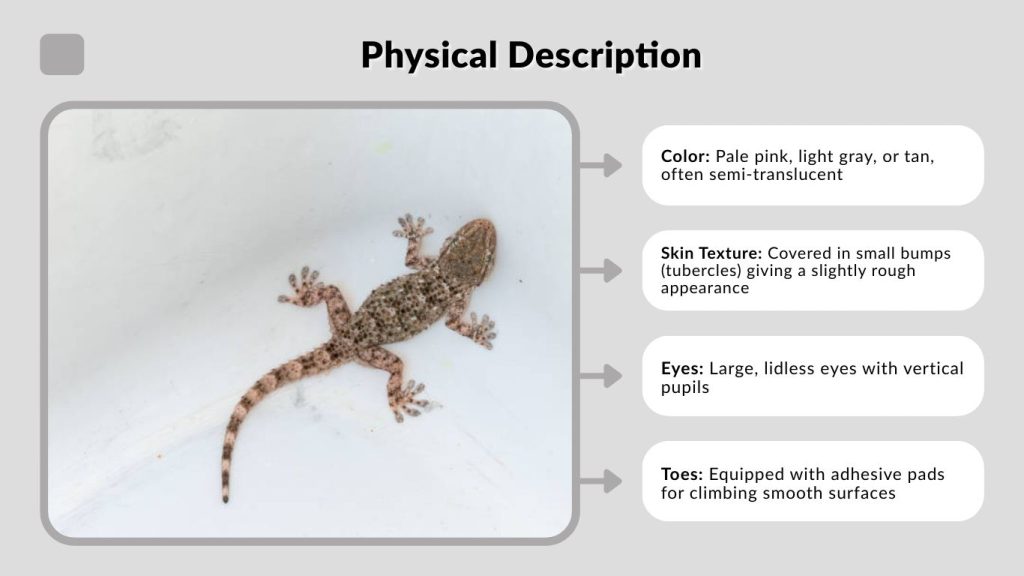
The Mediterranean house gecko is relatively small compared to many other lizard species. Adults typically measure between 4 to 5 inches (10–13 cm) in total length, including the tail.
Key Features:
- Color: Pale pink, light gray, or tan, often semi-translucent
- Skin Texture: Covered in small bumps (tubercles) giving a slightly rough appearance
- Eyes: Large, lidless eyes with vertical pupils
- Toes: Equipped with adhesive pads for climbing smooth surfaces
One of its most distinctive traits is its ability to cling to glass, walls, and ceilings. This is made possible by microscopic hair-like structures (setae) on its toe pads that create molecular-level adhesion.
Like many geckos, it can also detach its tail when threatened—a process known as autotomy. The tail continues to wriggle, distracting predators while the gecko escapes. The tail eventually regenerates, though it may look slightly different from the original.
Habitat and Distribution
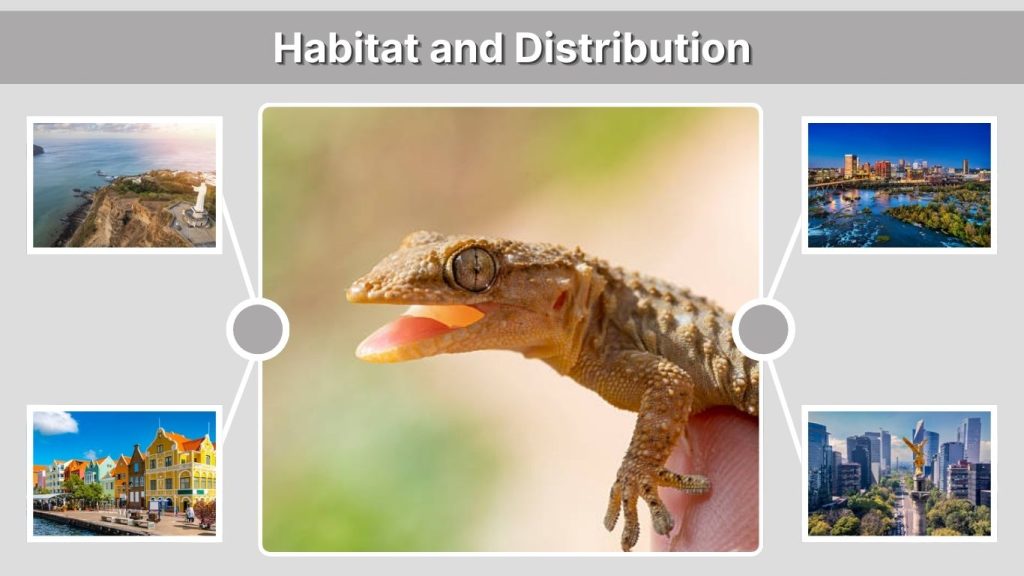
Originally native to southern Europe, North Africa, and parts of Western Asia, the Mediterranean house gecko has expanded its range dramatically due to human transportation.
Global Presence
Today, it is commonly found in:
- The southern United States (especially Texas and Florida)
- Mexico
- Central and South America
- The Caribbean
- Parts of Asia and Australia
The species thrives in urban and suburban environments, especially near buildings with exterior lighting. It prefers warm climates but can tolerate mild seasonal changes.
Preferred Habitats
- Exterior walls of homes
- Under roof eaves
- Garages and sheds
- Tree trunks and rock surfaces
Unlike some reptiles, it has adapted extremely well to living near humans and is rarely found far from man-made structures in introduced regions.
Behavior and Activity
The Mediterranean house gecko is primarily nocturnal, meaning it is most active at night.
Nocturnal Lifestyle
At dusk, these geckos emerge from hiding spots to hunt insects drawn to porch lights and illuminated windows. During the day, they retreat into cracks, crevices, or sheltered areas to avoid predators and extreme temperatures.
Vocalizations
Unlike many lizards, Mediterranean house geckos are capable of making sounds. They produce small chirping or clicking noises, often used in communication or territorial displays.
Temperament
They are generally shy and non-aggressive. If approached, they prefer to flee rather than confront a threat. Though quick and agile, they pose no danger to humans.
Diet and Feeding Habits
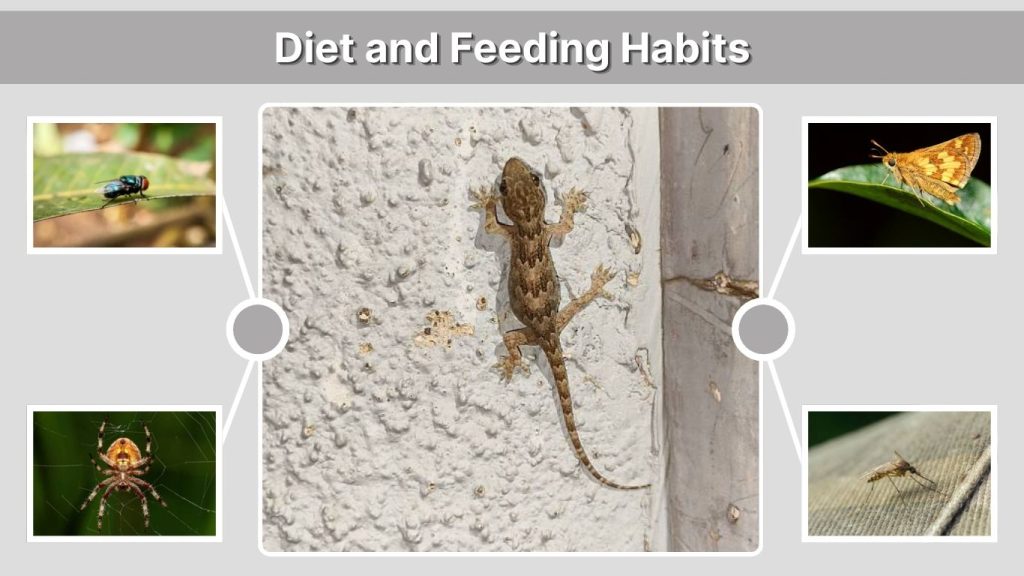
Mediterranean house geckos are insectivores, feeding primarily on small invertebrates.
Common Prey:
- Moths
- Mosquitoes
- Flies
- Ants
- Spiders
- Beetles
They are opportunistic hunters, waiting near lights where insects gather. Their excellent vision and quick reflexes allow them to capture prey efficiently.
Because they consume many pest insects, they are often considered beneficial in residential areas.
Reproduction and Life Cycle
Mediterranean house geckos reproduce through egg-laying.
Breeding Season
In warm climates, breeding typically occurs from spring through late summer, though it may extend year-round in consistently warm regions.
Egg-Laying
- Females lay 1–2 eggs at a time
- Eggs are hard-shelled and white
- Multiple clutches may be produced each season
Eggs are usually deposited in hidden, protected areas such as cracks in walls or under debris. Incubation lasts about 30–60 days, depending on temperature.
Lifespan
In the wild, Mediterranean house geckos can live approximately 5–8 years, though many fall prey to predators before reaching maximum lifespan.
Predators and Threats
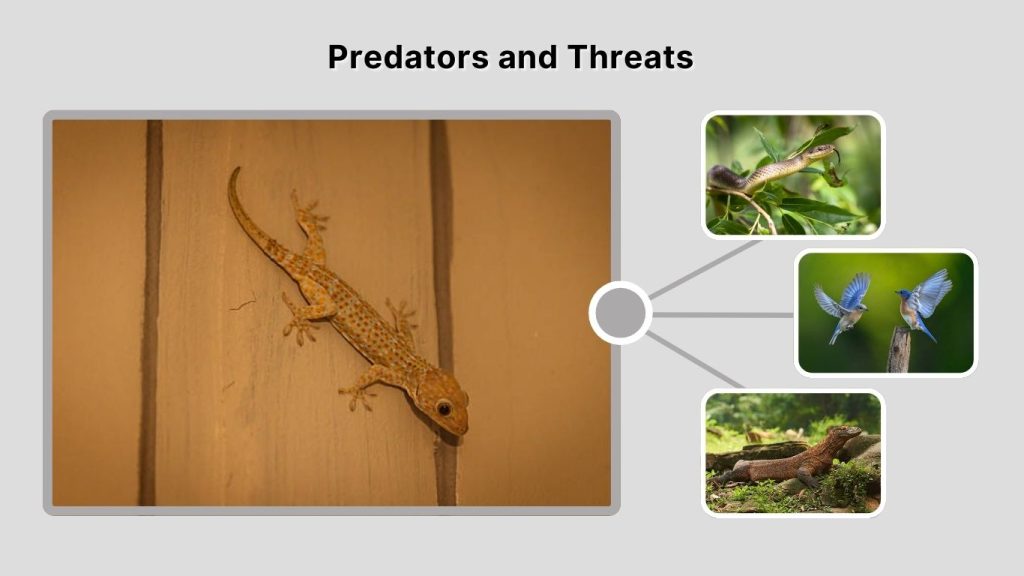
Despite their adaptability, Mediterranean house geckos face natural predators.
Common Predators:
- Snakes
- Birds
- Larger lizards
- Cats
Their camouflage and nocturnal habits help reduce predation risk. The ability to shed their tail also increases their chances of survival.
In urban environments, pesticides and habitat destruction can pose additional threats. However, the species is not currently considered endangered.
Ecological Impact
In their native range, Mediterranean house geckos are part of the natural ecosystem. In introduced areas, they are considered a non-native species, though not typically invasive in a harmful sense.
Benefits:
- Help control insect populations
- Reduce mosquito numbers
- Harmless to humans and pets
In some regions, they may compete with native lizard species for food and shelter. However, they are generally not known to cause significant ecological damage.
Interaction with Humans
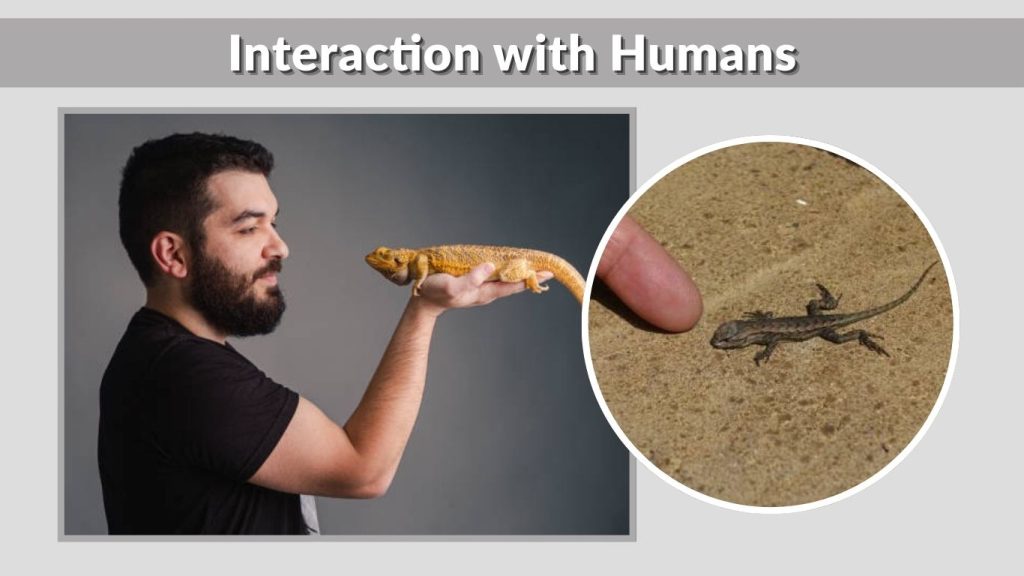
Mediterranean house geckos are among the most commonly encountered reptiles in warm urban areas.
Are They Dangerous?
No. They are harmless to humans. They:
- Do not bite aggressively
- Are not venomous
- Rarely transmit disease
If handled, they may attempt to escape or drop their tail, but they pose no real threat.
Should You Remove Them?
Many homeowners choose to leave them alone because they help control insects. If removal is desired, sealing cracks and reducing exterior lighting can discourage their presence.
Adaptations for Survival
The Mediterranean house gecko’s success worldwide is due to several key adaptations:
- Adhesive Toe Pads – Allow climbing on nearly any surface
- Nocturnal Vision – Excellent night eyesight
- Tail Autotomy – Escape mechanism against predators
- Urban Tolerance – Ability to thrive near human structures
- Flexible Diet – Eats a wide range of insects
These traits have made it one of the most widespread gecko species globally.
Fun Facts
- Their translucent skin sometimes reveals internal organs under bright light.
- They can clean their eyes with their tongues because they lack eyelids.
- Artificial lighting has helped expand their range by providing reliable feeding spots.
- They are sometimes mistaken for juvenile lizards of other species.
Conservation Status
The Mediterranean house gecko is currently classified as a species of Least Concern by conservation organizations due to its large population and wide distribution.
Its adaptability ensures stable populations in many parts of the world. While localized threats exist, the species overall remains secure.
Conclusion
The Mediterranean house gecko is a small but remarkable reptile that has successfully adapted to life alongside humans. From its sticky toe pads to its nocturnal hunting skills, it demonstrates impressive evolutionary advantages. Though originally native to the Mediterranean region, it has spread across continents, thriving in urban landscapes. Harmless and beneficial, this wall-climbing gecko quietly contributes to pest control while adding a subtle presence to warm nighttime environments.