



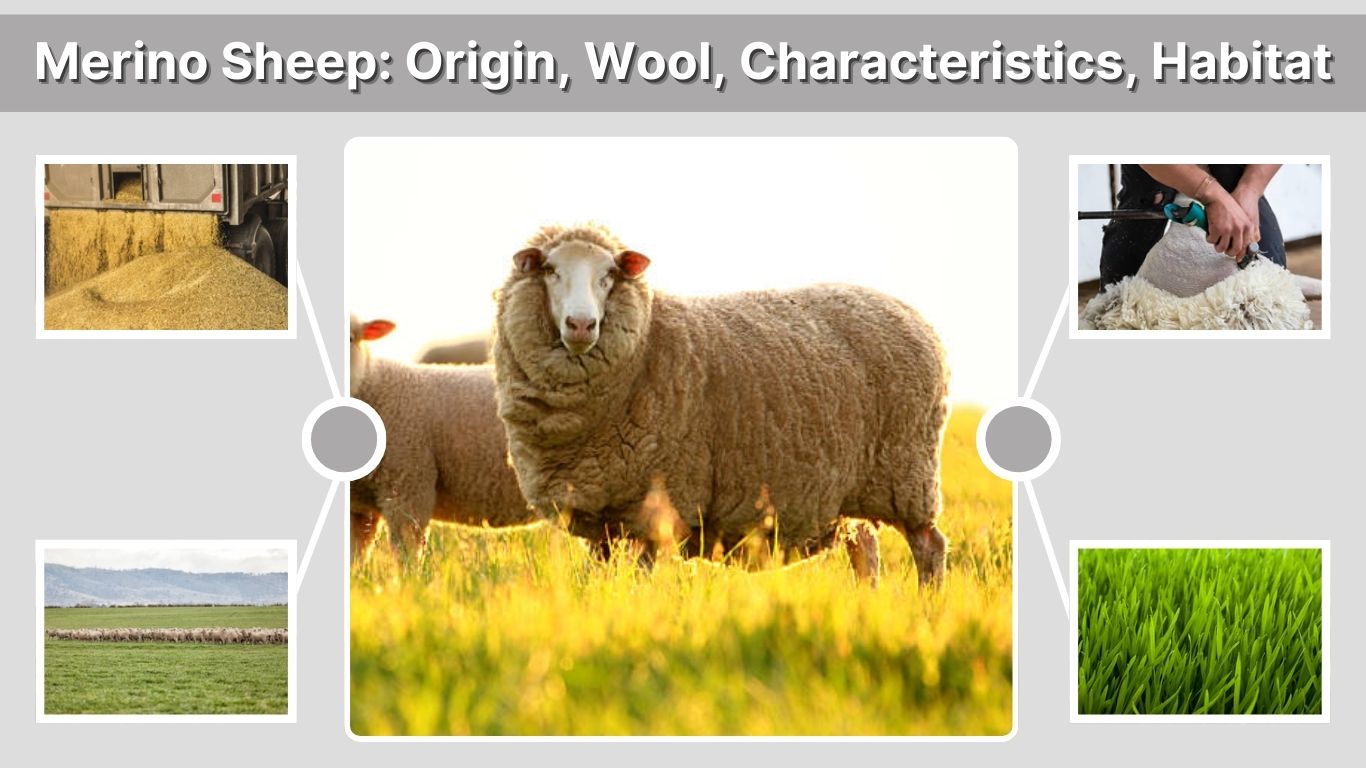
The Merino sheep is one of the most famous sheep breeds in the world, known for producing high-quality, fine wool. Originally developed in Spain, Merino sheep are now raised in many countries, especially Australia, New Zealand, South Africa, and the United States. Their wool is valued for its softness, durability, and ability to regulate temperature, making it popular for clothing and textiles. Because of their adaptability and valuable wool production, Merino sheep play an important role in the global wool and textile industry.
What Are Merino Sheep?
The Merino sheep is a domesticated breed of sheep belonging to the species Ovis aries. This breed is especially known for its ability to produce extremely fine and soft wool fibers, which are used in a wide range of clothing and fabric products.
Merino sheep are highly adaptable animals that can survive in different climates, from dry grasslands to cooler mountainous regions. Their strong grazing ability allows them to live in areas where other livestock may struggle.
Farmers value Merino sheep not only for their wool but also for their ability to thrive in large grazing systems. Because of these traits, they are one of the most widely raised sheep breeds in the world.
History and Origin of Merino Sheep
The history of the Merino sheep dates back several centuries and is closely connected with the development of the wool industry in Europe.
Early Development in Spain
Merino sheep were first developed in Spain during the Middle Ages. Spanish farmers carefully bred sheep with fine wool to create a breed that produced high-quality fibers.
For many years, the Spanish monarchy strictly controlled the breeding and export of Merino sheep. Because of their valuable wool, exporting these sheep was once illegal and heavily regulated.
Global Spread
In the 18th and 19th centuries, Merino sheep were gradually introduced to other parts of the world. Countries such as Australia and New Zealand began importing Merino sheep to improve their wool industries.
Over time, these countries became some of the largest producers of Merino wool.
Modern Breeding
Today, farmers continue to improve Merino sheep through selective breeding programs. These programs focus on improving wool quality, fiber strength, and the overall health of the animals.
As a result, modern Merino sheep produce some of the finest wool fibers available in the global textile market.
Merino Sheep Characteristics
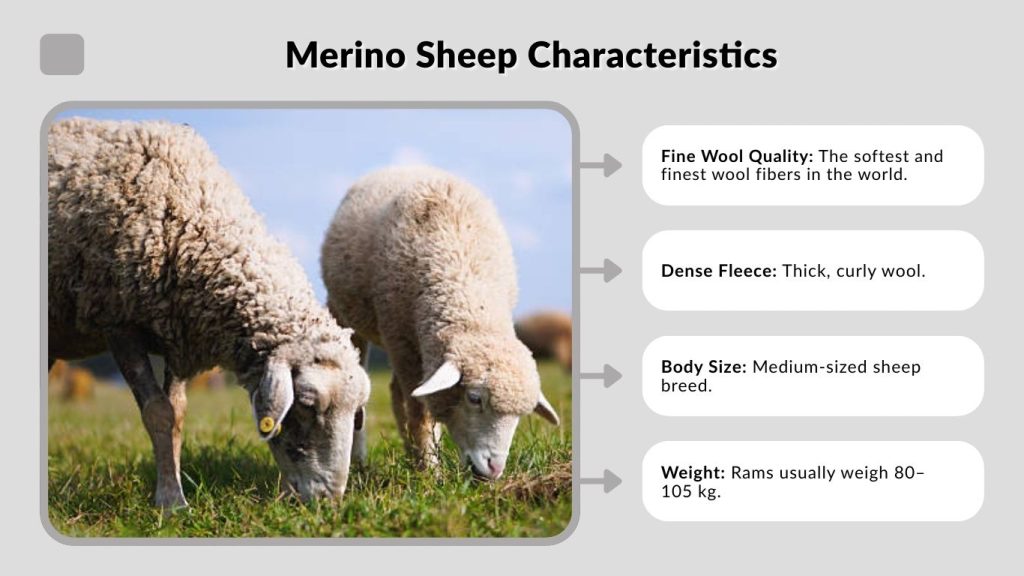
Merino sheep are widely known for their fine, high-quality wool and strong adaptability to different climates. This breed has several physical and biological traits that make it one of the most valuable sheep breeds in the global wool industry. Merino sheep usually have dense white fleece, medium body size, and strong grazing ability, allowing them to thrive in open pastures and semi-arid environments. Their unique characteristics make them ideal for large-scale wool production and livestock farming.
Key Characteristics
- Fine Wool Quality: Produces some of the softest and finest wool fibers in the world
- Dense Fleece: Thick, curly wool that covers most of the body
- Body Size: Medium-sized sheep breed
- Weight: Rams usually weigh 80–105 kg, ewes around 55–80 kg
- Color: Typically white fleece and light-colored skin
- Wrinkled Skin: Some Merino sheep have wrinkles that increase wool production
- Adaptability: Can survive in dry and semi-arid climates
- Strong Grazers: Efficient at feeding on natural grasslands
- Temperament: Generally calm and easy to manage in farming systems
- Primary Use: Raised mainly for high-quality wool production
These characteristics make Merino sheep one of the most important and widely farmed wool-producing breeds in the world.
Merino Wool
Merino sheep are primarily raised for their wool, which is considered one of the highest-quality natural fibers in the world.
What Makes Merino Wool Special?
Merino wool is famous for its fine fibers and soft texture. Unlike traditional wool, Merino wool is much less itchy and more comfortable to wear directly against the skin.
Because the fibers are very fine, the wool feels smooth and lightweight, making it suitable for many types of clothing.
Uses of Merino Wool
Merino wool is widely used in many industries, including:
- Clothing and fashion garments
- Sportswear and outdoor clothing
- Socks, sweaters, and scarves
- Luxury fabrics and textiles
Many high-performance clothing brands use Merino wool because of its natural temperature regulation and moisture-wicking properties.
Benefits of Merino Wool
Merino wool offers several advantages compared to synthetic fabrics:
- Breathable: Allows air circulation and helps regulate body temperature
- Moisture-wicking: Absorbs sweat while keeping the wearer dry
- Odor resistant: Naturally prevents unpleasant smells
- Soft and lightweight: Comfortable for everyday clothing
These qualities make Merino wool one of the most desirable natural fibers in the textile industry.
Merino Sheep Habitat
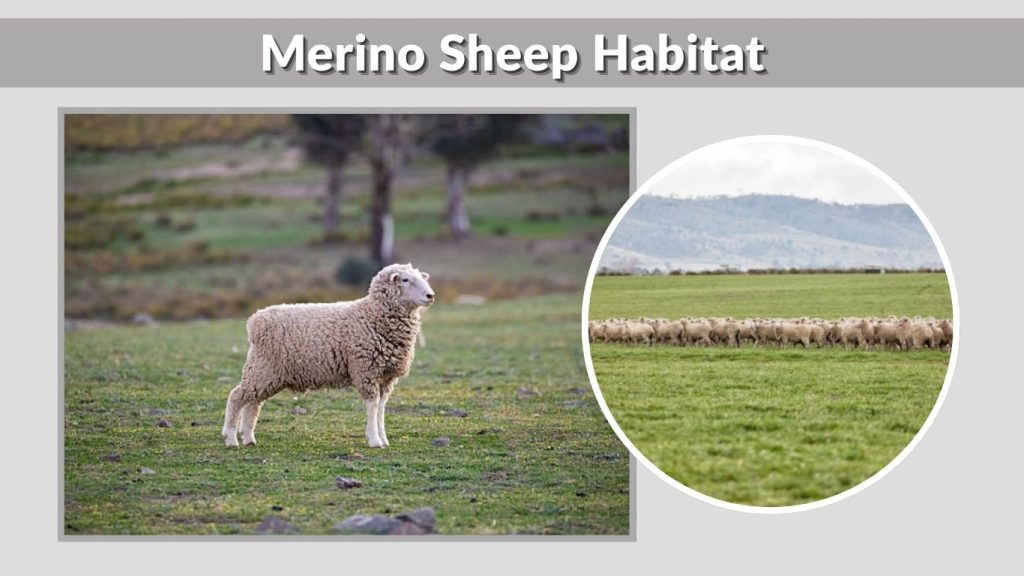
Merino sheep are highly adaptable animals and can live in a wide variety of environments. They are commonly raised in open grasslands and grazing pastures where they can feed on natural vegetation.
Where Are Merino Sheep Raised?
Today, Merino sheep are raised in many parts of the world, including:
- Australia
- New Zealand
- South Africa
- United States
- Spain
Australia is currently the largest producer of Merino wool, supplying a large portion of the world’s fine wool.
Preferred Environment
Merino sheep thrive in environments with large grazing areas and open pastures. These conditions allow them to graze naturally while maintaining good health and wool production.
They are especially well suited to semi-arid regions, where their adaptability allows them to survive in climates that can be challenging for other livestock.
Merino Sheep Diet
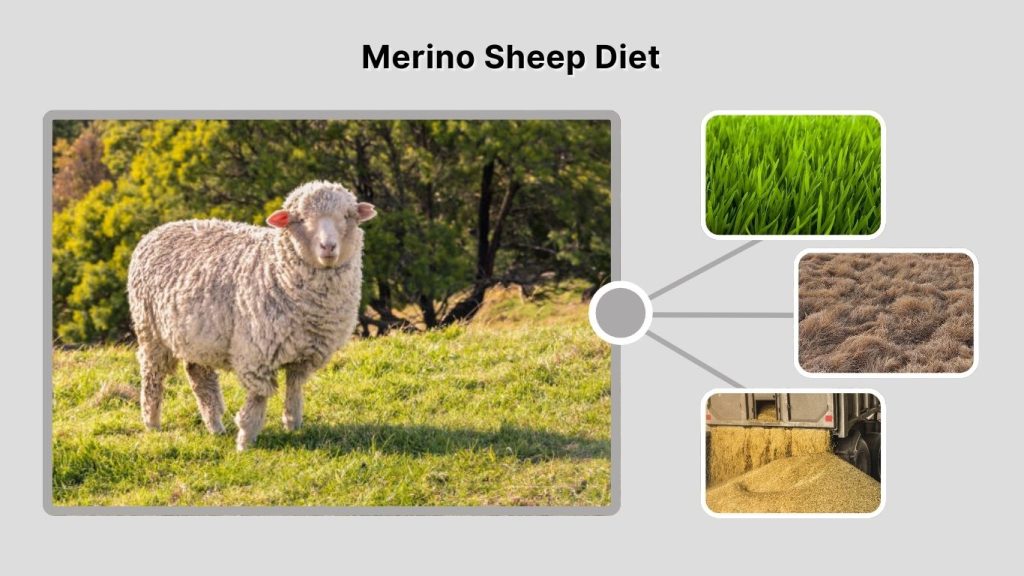
The Merino sheep diet mainly consists of natural plant materials found in grazing pastures. Like other sheep breeds, Merinos are herbivores, meaning they eat grasses and other vegetation. Proper nutrition is essential for maintaining their health and ensuring the production of high-quality wool.
What Do Merino Sheep Eat?
Merino sheep commonly feed on:
- Fresh grass from grazing pastures
- Hay during dry seasons
- Clover and other pasture plants
- Agricultural feed grains when necessary
- Mineral supplements
Because Merino sheep are strong grazers, they can survive in areas where vegetation may be limited. Their ability to utilize natural pastures makes them well suited for large farming systems.
Nutritional Needs
To produce high-quality wool, Merino sheep require a balanced diet that includes essential nutrients. Important elements of their diet include:
- Protein: Supports wool growth and body development
- Minerals: Such as calcium and phosphorus for bone health
- Vitamins: Needed for immune system function
- Fresh water: Essential for digestion and overall health
Farmers often monitor the animals’ diet carefully to maintain both wool quality and general health.
Feeding Practices in Farming
Most Merino sheep are raised in grazing systems where they feed on natural grasslands. However, during periods when pasture is scarce, farmers may provide supplemental feeds such as hay or grain.
Good pasture management is also important to ensure that sheep always have access to fresh and nutritious vegetation.
Merino Sheep Farming
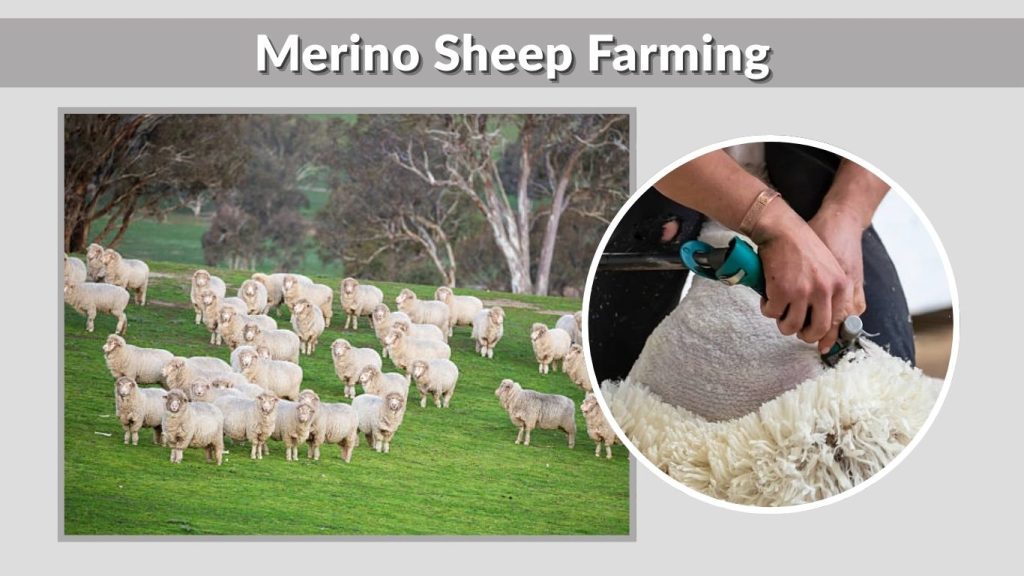
Merino sheep farming is an important agricultural activity in many countries. Farmers raise these sheep mainly for wool production, although they may also be used for meat and breeding programs.
Wool Production
One of the most important aspects of Merino sheep farming is shearing, the process of removing the sheep’s wool.
Merino sheep are usually sheared once a year, producing several kilograms of wool per animal. Skilled shearers carefully remove the fleece without harming the sheep.
The wool is then cleaned, processed, and used in the production of fabrics and clothing.
Breeding and Reproduction
Merino sheep reproduce through a natural breeding process.
- The breeding season often occurs in autumn.
- Female sheep, called ewes, give birth after a gestation period of about five months.
- Most ewes produce one or two lambs per year.
Young lambs grow quickly and begin grazing within a few weeks of birth.
Management Practices
Successful Merino sheep farming requires proper animal care. Farmers usually focus on:
- Regular health checks
- Parasite control
- Adequate shelter during extreme weather
- Maintaining high-quality pastures
These management practices help keep sheep healthy and ensure good wool production.
Benefits of Raising Merino Sheep
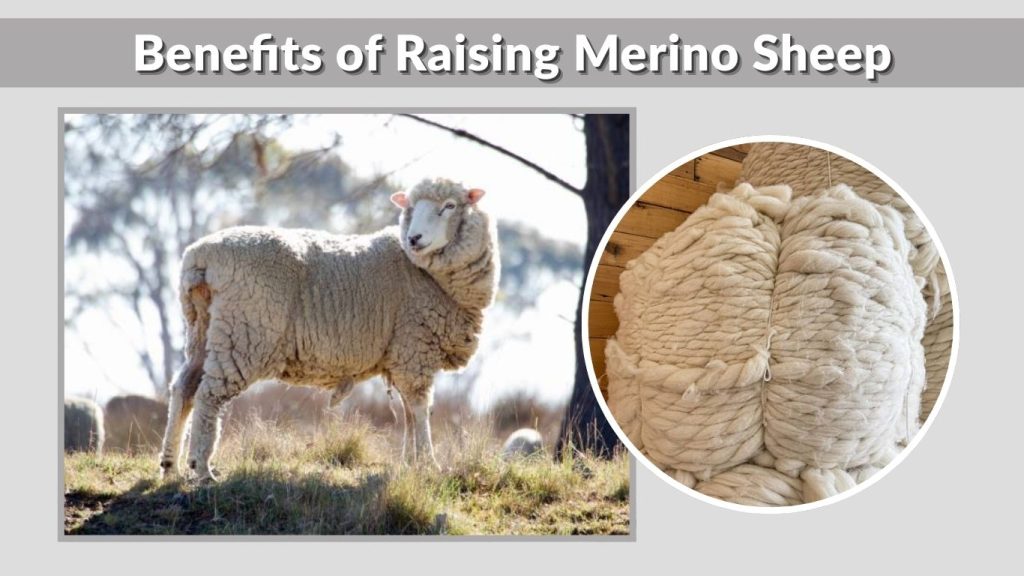
Merino sheep provide several advantages to farmers and the agricultural industry.
Some of the main benefits include:
- High-value wool production used in clothing and textiles
- Adaptability to harsh climates, especially dry regions
- Ability to graze efficiently on natural vegetation
- Strong demand for Merino wool in global markets
Because of these benefits, Merino sheep remain one of the most important livestock breeds for wool production worldwide.
Interesting Merino Sheep Facts
Merino sheep have several unique qualities that make them stand out among sheep breeds:
- Merino sheep produce some of the finest wool fibers in the world.
- Australia produces a large portion of the world’s Merino wool supply.
- Merino wool fibers are much finer than ordinary wool, making them softer and more comfortable.
- The wool can help regulate body temperature, keeping people warm in winter and cool in summer.
These characteristics make Merino wool highly valued in both the fashion and textile industries.
FAQs
What is Merino wool used for?
Merino wool is used for clothing, sportswear, sweaters, socks, blankets, and many luxury textile products.
Where are Merino sheep raised?
Merino sheep are raised in several countries, including Australia, New Zealand, South Africa, the United States, and Spain.
How often are Merino sheep sheared?
Most Merino sheep are sheared once per year, although some farms may shear them more frequently depending on wool growth.
Why is Merino wool expensive?
Merino wool is valuable because its fibers are extremely fine, soft, and durable, making it one of the highest-quality natural fibers available.